
Freezer burn happens when frozen food loses moisture and gets exposed to air. You may notice dry patches, ice crystals, dull color, or a tough texture on leftovers that were not sealed well. The food is usually still safe if it stayed frozen, but the taste and texture can suffer.
The good news is that you can prevent most freezer burn with better wrapping, airtight storage, smart labeling, and a simple freezer rotation system. These steps help leftovers stay fresher, reduce food waste, and make weeknight meals easier to reheat.
Quick Answer
To prevent freezer burn on leftovers, cool food first, pack it in airtight containers or freezer bags, remove as much air as possible, label it with the date, and use older items first. Vacuum sealing offers the strongest protection because it removes air before storage.
Key Takeaways
- Freezer burn occurs when air exposure causes frozen food to lose moisture and develop dry, tough spots.
- Use freezer-safe bags, heavy-duty wrap, airtight containers, or vacuum-sealed bags to limit air contact.
- Leave a little headspace for liquids because soups, sauces, and stews expand as they freeze.
- Label every container with the food name and freezing date so older leftovers get used first.
- Reheat leftovers safely by thawing in the refrigerator when possible and heating food evenly before serving.
At a Glance
| Time Required | 5 to 15 minutes per batch of leftovers |
| Difficulty | Easy |
| Tools Needed | Freezer-safe bags or containers, labels, marker, optional vacuum sealer |
| Cost | Low for bags and labels; higher if you choose a vacuum sealer |
Understanding Freezer Burn
Freezer burn is a common problem that occurs when food is stored in the freezer without enough protection from air. Moisture leaves the surface of the food, then turns into ice crystals inside the package. At the same time, oxygen can affect color, flavor, and texture.
Freezer-burned food is generally safe to eat when it has been kept frozen at a safe temperature. The main issue is quality. Meat may develop grayish-brown patches, cooked pasta may become dry, and fruits or vegetables may look shriveled or dull after long storage.
The taste can also change. Frozen fruit may lose some sweetness, cooked chicken may taste dry, and casseroles may develop a stale freezer flavor. Understanding these signs helps you decide whether to trim affected areas, use the food in soups or casseroles, or discard it if quality has dropped too far.
Note: Freezer burn is a quality problem, not automatically a food safety problem. Discard food if it smells off, has thawed for too long, or shows signs of spoilage.
Proper Packaging Techniques
Effective packaging is the most important step for preventing freezer burn and maintaining the quality of frozen leftovers. Food should be sealed tightly so air cannot move freely around it. Heavy-duty aluminum foil, plastic wrap, freezer-safe bags, and freezer paper can all help when used correctly.
Each material works a little differently. Aluminum foil adds a barrier around casseroles, cooked meats, and baked goods. Plastic wrap can cling closely to food and reduce air pockets. Freezer bags work well for soups, sauces, chopped vegetables, cooked grains, and flat-packed leftovers.
For the best protection, wrap food closely first, then place it inside a freezer-safe bag or container. This double layer works well for foods that dry out quickly, such as cooked chicken, sliced meat, bread, muffins, and homemade waffles.
Portion control also matters. Divide large amounts of leftovers into smaller meal-size portions before freezing. Smaller portions freeze faster, thaw more evenly, and reduce the number of times you open and reseal the same package.
Before sealing a freezer bag, press out as much air as possible. Lay the bag flat on the counter, push air toward the opening, then seal it tightly. You can also use a straw to remove extra air from the corner of a bag before closing it, but do not do this with raw meat juices or hot food.
Pro Tip: Freeze soups, sauces, and cooked grains in flat freezer bags. Once solid, stack them upright like files to save space and help them thaw faster.
Cool Leftovers Before Freezing
Leftovers should be cooled before they go into the freezer, but they should not sit out for too long. Hot food can raise the temperature inside the freezer and may partially thaw nearby items. Long cooling times on the counter can also increase food safety risks.
To cool food faster, divide large batches into shallow containers. Cut large pieces of meat into smaller portions when practical. Stir soups, stews, and sauces occasionally while they cool, then cover and freeze them once they are no longer steaming.
Do not freeze food in a deep pot or large bulky container if the center will stay warm for a long time. Smaller, shallow portions chill faster and protect the final texture better.
Warning: Do not leave cooked leftovers at room temperature for several hours before freezing. Cool them promptly, pack them in shallow portions, and move them to the refrigerator or freezer.
Utilizing Airtight Containers

Airtight containers are an excellent option for freezing many types of leftovers because they create a strong barrier against air and moisture loss. They work especially well for soups, stews, sauces, casseroles, cooked rice, cooked pasta, and meal-prep portions.
These containers come in glass, plastic, and stainless steel. Glass containers are popular because they do not absorb odors or stains as easily as some plastics. Many glass containers can also move from freezer to refrigerator and then to the microwave or oven, depending on the manufacturer’s directions.
Plastic freezer containers are lightweight and easy to stack. Choose containers marked freezer-safe because regular plastic containers may become brittle in very cold temperatures. Stainless steel containers can work well for some foods, though they are not microwave-safe.
Container size matters. Overfilling can cause problems because liquids expand as they freeze. Soups, sauces, stews, and broths need extra headspace at the top. Underfilling can leave too much air around the food, which increases the risk of freezer burn.
For the best results, choose a container that fits the portion closely while still leaving safe expansion space for liquids. Press a piece of plastic wrap or parchment against the surface of foods like mashed potatoes, casseroles, or sauces before adding the lid if you want extra protection.
[Amazon Products Picked for You]
![HOMETALL Freezer Storage Containers, [6 Pack-24 Oz] Airtight Plastic](https://m.media-amazon.com/images/I/51EEsWBVb+L._SL500_.jpg)
GREAT VALUE : Deli container set includes [6 Pack 24 oz] containers with lids. Food Containers Clear bottom With blue Top Twist on Lids. Reusable and Stackable Food Storage Freezer Container, Perfect for storing liquids and messy foods like soups, stews, sauces, flour, pasta, snack, overnight oats and cereal.

Rubbermaid Brilliance 100% leak-proof food storage containers feature BPA-free Tritan lids and bases with 360-degree clarity; airtight seal and secure latches prevent spills and leaks and help keep food fresh and secure
Using Vacuum Sealers
| Benefits of Using Vacuum Sealers | Statistics |
|---|---|
| Prolongs Food Freshness | Vacuum sealing may help food keep better quality longer than loose wrapping because it removes most air from the package. |
| Prevents Freezer Burn | Using a vacuum sealer can reduce freezer burn by limiting air exposure around frozen food. |
| Reduces Food Waste | Better storage can help households use more leftovers before quality drops. |
| Improves Marinating Process | Vacuum-sealed bags can help marinades stay in close contact with food, though marinating time depends on the recipe and food type. |
Vacuum sealers are one of the most effective tools for protecting leftovers in the freezer. These devices remove air from specially designed bags before sealing them shut. With less air inside the package, food has less exposure to oxygen and moisture loss.
The absence of excess air helps protect texture, color, and flavor. This is useful for meats, cooked vegetables, fruits, casseroles, soups that have been frozen in portions, and dry goods like grains or nuts.
Vacuum-sealed meats can often retain their original texture and flavor longer than foods stored in loose packaging. Vacuum-sealed bags also take up less freezer space than bulky containers or bags filled with trapped air.
For soft foods, freeze the food on a tray first, then vacuum seal it after it becomes firm. This prevents the sealer from crushing items like berries, muffins, meatballs, cooked dumplings, or delicate baked goods.
For soups and sauces, freeze the liquid in a container or bag first. Once solid, transfer it to a vacuum bag and seal it. This prevents liquid from being pulled into the machine during sealing.
[Amazon Products Picked for You]
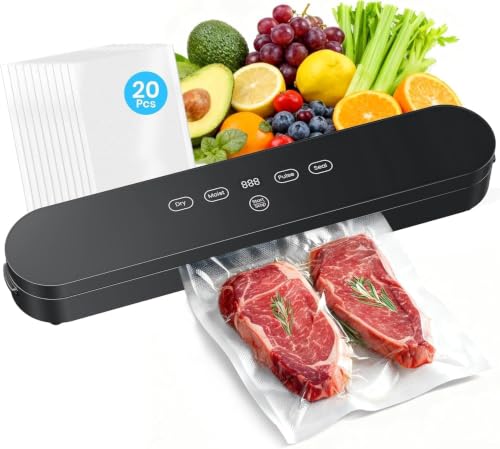
Powerful Suction: 100W power & 75kPa strong suction seals tightly in 10-20 seconds. The food vacuum sealer machine keeps food fresh up to 8x longer vs traditional storage. Really helps you to save time and food

【10-in-1 Precision Sealing】Expertly preserve food from dry to moist or delicate with multiple sealing modes. External vacuum ports seal jars and containers beyond standard bags. Built-in bag storage and cutter streamline operation for fast, neat results—ideal for sous vide and meal prep.
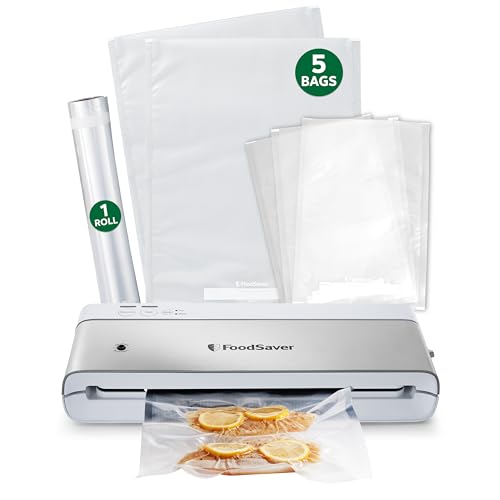
Extended Freshness: Keeps food fresh in the freezer up to 5x longer
Labeling and Dating Leftovers
Labeling and dating frozen leftovers is a simple habit that prevents waste and confusion. Mark each container or bag with the food name, freezing date, and number of portions. A clear label helps you know what you have and when you should use it.
This practice is especially helpful for foods that look similar after freezing. Chili, pasta sauce, curry, stew, and soup can be hard to identify once frozen solid. A label prevents guesswork and helps you plan meals faster.
Labeling also helps you spot items that may have spent too long in the freezer. If a container has been stored for months, check it for dry patches, heavy ice crystals, odor changes, or texture loss before serving.
You can use freezer tape, removable labels, painter’s tape, or a permanent marker made for cold storage. Write on the bag before filling it so the surface stays dry and easy to mark.
Organizing the Freezer

An organized freezer helps maintain food quality and makes meal preparation easier. When items are stored haphazardly, it becomes harder to find what you need. The freezer door may stay open longer, which lets warm air enter and can increase ice buildup.
Group similar items together. Keep meats in one area, vegetables in another, cooked grains in one bin, and prepared meals in a separate section. This system makes it easier to grab a meal without digging through the entire freezer.
Clear bins or baskets can improve organization by creating zones. Use one bin for breakfast items, one for soups, one for cooked proteins, and one for small leftover portions. Label the bins so everyone in the household can follow the system.
Keeping a simple freezer inventory can also help. A small list on the freezer door or a note on your phone can show what you have, how many portions remain, and what needs to be used soon.
Review the freezer once or twice a month. Move older foods to the front, combine duplicate items when safe, and discard anything that has lost quality beyond use.
Rotating and Using Leftovers
Rotating frozen leftovers keeps food from getting buried and forgotten. The “first in, first out” method works well: use older items before newer ones. This habit helps maintain quality and reduces the chance of freezer burn.
To use this method, place newly frozen foods behind older packages. Keep older containers at the front where you can see them. When you plan meals for the week, check the front section first.
You can also create an “eat first” bin for leftovers that should be used soon. Add soups, casseroles, cooked meats, and vegetables that have been in the freezer the longest. This makes meal planning faster and helps you waste less food.
Frozen leftovers can become quick meals with small upgrades. Use cooked chicken in tacos, soup, pasta, or fried rice. Turn frozen vegetables into stir-fries or casseroles. Add frozen sauce to fresh pasta or cooked grains for an easy dinner.
Best Containers and Wraps for Different Leftovers
Different leftovers need different storage methods. Choosing the right package helps protect texture and flavor.
- Soups, stews, and sauces: Use freezer-safe containers or flat freezer bags. Leave headspace because liquids expand.
- Cooked meat: Wrap tightly in plastic wrap or foil, then place inside a freezer bag.
- Casseroles: Cover the surface closely, then seal the dish with a tight lid or heavy-duty foil.
- Bread and baked goods: Wrap individual portions, then place them in a freezer bag to prevent dryness.
- Cooked rice and grains: Cool quickly, portion into bags, press out air, and freeze flat.
- Fruit: Freeze pieces on a tray first, then transfer them to a bag so they do not clump together.
This small adjustment can make a big difference. A casserole needs surface protection, while soup needs expansion space. Bread needs a moisture barrier, while berries need gentle pre-freezing before bagging.
[Amazon Products Picked for You]
![Freshware Food Storage Containers [24 Set] 32 oz Plastic Deli Containers with Lids, Slime, Soup, Meal Prep Containers | BPA Free | Stackable | Leakproof | Microwave/Dishwasher/Freezer Safe](https://m.media-amazon.com/images/I/51LkptMffAL._SL500_.jpg)
✅ LEAK-PROOF FOOD STORAGE CONTAINERS: Freshware deli containers will keep your food in place without ever creating a mess. Lids are airtight and leak proof. Great for both liquid and solid food. Enjoy your favorite food on the go!

Combination of 3 Different Sizes: Our 12 Pack freezer storage containers set includes 3 different sizes: 4 pack of 34 oz, 4 pack of 24 oz, 4 pack of 17 oz. Perfectly meets all your kitchen storage needs. Ideal for storing liquids and messy foods like soups, overnight oats, stews, sauces, fruits, leftovers, pasta, snacks and cereals.

PERFECT SET: The freezer trays with lids are made of BPA-free food-grade platinum silicone (lids included) and consist of four perfectly sized 2-cup trays and lids. The inside of the trays are marked with 250 ml/8 oz and 500 ml/16 oz scales for easy filling and portion control
Foods That Do Not Freeze Well
Many leftovers freeze well, but some foods lose texture after thawing. Knowing the difference helps you avoid disappointment.
Foods with high water content, such as lettuce, cucumber, and fresh tomato slices, often become limp or watery. Cream-based sauces may separate. Fried foods can lose their crisp texture. Cooked potatoes may become grainy, depending on the recipe.
You can still freeze some of these foods if you plan to use them in blended, baked, or cooked dishes. For example, a separated cream sauce may work better in a casserole than as a fresh sauce. Soft vegetables may work in soup but not in a salad.
Note: Texture changes do not always mean food is unsafe. They often mean the food is better used in cooked dishes instead of eaten on its own.
Tips for Reheating Frozen Leftovers
Reheating frozen leftovers requires care so food warms evenly while keeping as much flavor and texture as possible. A good method is to move frozen leftovers to the refrigerator the day before you need them. Slow thawing helps reduce uneven heating.
When reheating, choose the method that fits the food. Baking works well for casseroles, lasagna, baked pasta, and cooked meats. Steaming helps vegetables, dumplings, rice, and some grains stay moist. A saucepan works well for soups, stews, sauces, and chili.
The microwave is convenient, but it can heat unevenly. Cover the dish with a microwave-safe lid or wrap to trap steam. Stir or rotate the food halfway through reheating so cold spots do not remain.
Add a splash of water, broth, or sauce when reheating foods that tend to dry out. This works well for rice, pasta, cooked chicken, and casseroles. Reheat only what you plan to eat, because repeated thawing and reheating can reduce quality.
By understanding freezer burn, using proper packaging techniques, choosing airtight containers and vacuum sealers, labeling leftovers, organizing the freezer, rotating items regularly, and reheating thoughtfully, you can keep frozen foods tasting better while reducing waste.
If you’re looking to upgrade your kitchen appliances, you might want to check out this article on the 5 Top Smart Coffee Makers with App Control. Having a smart coffee maker can make your morning routine more convenient and enjoyable. And while you’re organizing your kitchen, consider investing in one of the 5 Most Efficient Laundry Sorters to streamline your laundry process. Additionally, if you enjoy dining outdoors but hate dealing with pesky mosquitoes, take a look at the 5 Top Mosquito Repellents for Outdoor Dining to keep those bugs at bay.
Related Guides
Frequently Asked Questions
What is freezer burn?
Freezer burn occurs when frozen food loses moisture and gets exposed to air. It often causes dry patches, discoloration, ice crystals, and a tough texture. The food may still be safe if it stayed frozen, but the quality may be lower.
How can I prevent freezer burn on leftovers?
Pack leftovers in airtight containers, freezer bags, or vacuum-sealed bags. Remove as much air as possible, cool food before freezing, label each package, and use older leftovers first.
Can I freeze any type of leftovers?
Many leftovers freeze well, but some foods lose texture. Lettuce, cucumber, cream sauces, fried foods, and some cooked potatoes may become watery, separated, soft, or grainy after thawing.
How long can leftovers be stored in the freezer?
Freezer storage time depends on the food, packaging, and freezer temperature. Many leftovers keep their best quality for a few months. Label and date each package so you can use older food before quality drops.
Can I reheat frozen leftovers without thawing?
Yes, many frozen leftovers can be reheated without thawing, especially soups, stews, sauces, and small portions. Larger or dense foods often heat more evenly if thawed in the refrigerator first.
Should I cut off freezer-burned spots?
You can trim small freezer-burned areas from meat, poultry, or baked goods if the rest still looks and smells normal. If the entire item tastes stale, dry, or unpleasant, it may be better to discard it.
Sources
- USDA FSIS: Freezing and Food Safety — supports freezer safety, quality changes, and frozen food handling basics.
- FoodSafety.gov: Cold Food Storage Charts — supports general freezer storage guidance.
- USDA FSIS: Leftovers and Food Safety — supports safe cooling, storing, and reheating practices for leftovers.

1 thought on “Preserving Leftovers: How to Prevent Freezer Burn”