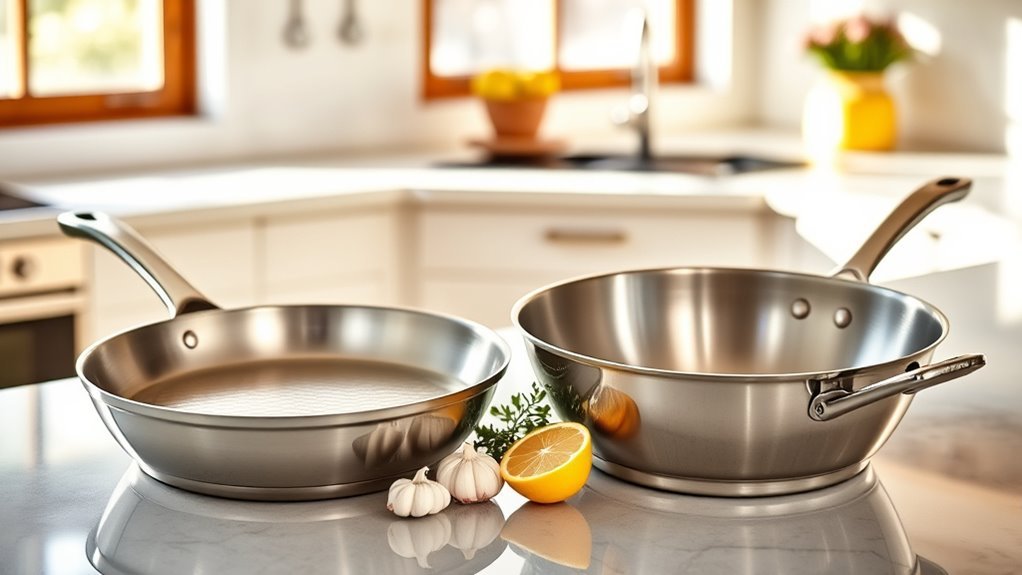
HexClad vs Henckels is a comparison between two brands offering hybrid nonstick cookware at different prices. Both combine raised stainless steel with a protected nonstick coating, but they differ in heating speed, heat retention, handle design, and available coatings. Understanding those differences can help you choose a pan that fits your cooking habits and budget.
Quick Answer
Henckels Paradigm offers similar hybrid cooking features at a lower price and heats faster in electric-cooktop testing. HexClad retains more heat and performed faster in a separate induction test. Both need some oil for reliable food release. Choose Henckels for affordability and responsive heating, or HexClad for its thicker construction and stronger measured heat retention.
Last checked: September 26, 2026. Product specifications, current manufacturer listings, and settlement information were checked against official sources.
Key Takeaways
- HexClad uses TerraBond ceramic nonstick, while Henckels offers both PTFE-based Paradigm and PTFE-free Paradigm Ceramic cookware.
- The original side-by-side test found that Henckels boiled two cups of water 11 seconds faster on an electric cooktop.
- After 10 minutes of cooling, water in HexClad measured 102°F, compared with 96°F in Henckels.
- Both hybrid surfaces have exposed stainless steel, so neither behaves exactly like a smooth traditional nonstick pan.
- Henckels has a longer, higher-angled handle, while HexClad has a shorter, smoother design.
- Compare matching sizes, coating versions, and included lids before judging the price difference.
HexClad vs. Henckels at a Glance
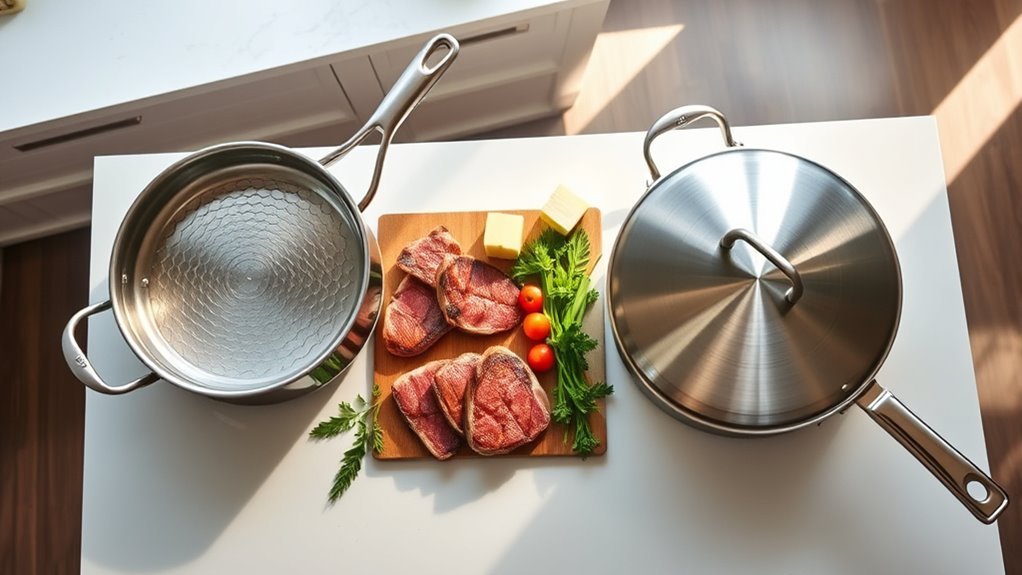
HexClad and Henckels Paradigm both use a hybrid cooking surface. Raised stainless-steel sections provide direct contact for browning, while recessed nonstick areas help reduce sticking.
However, the products are not identical. HexClad uses a proprietary ceramic coating, while Henckels sells different Paradigm versions with different coating materials.
| Feature | HexClad | Henckels Paradigm |
|---|---|---|
| Construction | Tri-ply stainless steel with an aluminum core | Tri-ply stainless steel with an aluminum core |
| Nonstick coating | TerraBond ceramic | PTFE in original Paradigm; ceramic in Paradigm Ceramic |
| Electric-cooktop heating | Slower in the cited test | Faster in the cited test |
| Heat retention | Higher in the cited test | Lower in the cited test |
| Induction compatibility | Yes | Yes |
| Typical positioning | Premium hybrid cookware | More affordable hybrid alternative |
According to HexClad’s construction specifications, its cookware combines raised steel ridges, ceramic nonstick valleys, an aluminum core, and a magnetic stainless-steel base.
Henckels uses a similar raised-steel approach. The important buying detail is identifying which coating version a retailer is selling.
How HexClad vs. Henckels Perform in Daily Cooking
Both pans can handle eggs, pancakes, chicken, burgers, and other everyday foods. The main difference is how quickly each responds to heat and how well it maintains temperature after food enters the pan.
In the published side-by-side comparison, Henckels heated faster initially. HexClad maintained a steadier sear during some longer cooking tasks.
These observations came from specific pans under particular test conditions. They should not be treated as guaranteed results for every size, cooktop, or coating version.
Heat-Up Speed
Henckels Paradigm heated faster than HexClad in the electric-cooktop test. The reviewer heated two cups of cold water in each pan using the same electric burner.
Henckels reached a boil in 2 minutes and 19 seconds, while HexClad took 2 minutes and 30 seconds.
| Pan or Test Condition | Result |
|---|---|
| Henckels Paradigm | 2:19 to boil |
| HexClad | 2:30 to boil |
| Water quantity | 2 cups |
| Electric cooktop | Henckels boiled faster |
| Separate induction test | HexClad boiled faster |
The difference reflects the tested pans’ construction and thermal response. HexClad has more material to heat, while Henckels responds more quickly to the burner.
That can make Henckels convenient for short cooking tasks. However, faster heating also means you may need to lower the burner sooner to prevent excessive browning.
Food Release Performance
Neither pan provides the same effortless release as every conventional smooth nonstick skillet. Both expose stainless steel at the cooking surface, so proper preheating and some oil or butter matter.
In the published egg test, eggs stuck to both dry pans. When the reviewer repeated the test with oil and butter, the eggs released successfully.
Henckels cooked eggs and pancakes faster during that comparison. The pancakes also developed more color over the same cooking period.
Chicken thighs showed a similar pattern at first. Henckels produced stronger initial browning, but the final results became more similar after additional cooking.
For burgers, both formed an initial crust. HexClad maintained stronger browning on the second side, suggesting its greater heat retention helped after the cooler meat contacted the pan.
Both pans can brown meat and release delicate foods, but cooking temperature and added fat still matter.
For consistent results, allow the pan to preheat, add a small amount of oil, and avoid moving meat before it develops a crust.
If eggs regularly stick, reduce the heat and check whether the cooking surface has enough fat. Increasing the temperature is not always the solution.
Which Pan Heats Faster on Induction?
HexClad heated water faster than Henckels in the separate induction comparison. Both brands are induction-compatible, but their heating performance differed under the test conditions.
The test used two cups of cold water in each brand’s 8-inch frying pan. Both induction burners were set to 248°F.
| Pan | Time to Bubble | Time to Boil |
|---|---|---|
| HexClad | About 2:10 | About 5:30 |
| Henckels | Later than HexClad | Still simmering at 5:30 |
HexClad produced bubbles first and reached a full boil while the Henckels pan was still simmering.
This result does not contradict the earlier electric-cooktop test. Induction heats compatible cookware through electromagnetic energy rather than transferring heat from a conventional burner.
The cookware’s magnetic base, construction, and interaction with the induction burner can affect heating speed.
Consequently, a pan that heats faster on an electric stove will not necessarily do so on induction.
Both pans work with induction. HexClad simply performed faster in this particular comparison.
How Heat Retention Differs Between the Two
HexClad retained more heat than Henckels Paradigm in the published cooling test. This difference can matter when adding cold ingredients or cooking several portions in succession.
After boiling water in both pans, the reviewer removed them from the heat and measured the water temperature as they cooled.
| Pan | After 5 Minutes | After 10 Minutes |
|---|---|---|
| HexClad | 120°F | 102°F |
| Henckels Paradigm | 113°F | 96°F |
The reviewer also measured the tested HexClad pan at approximately 3 mm thick and the Henckels pan at approximately 2.4 mm.
Thicker construction generally requires more energy to heat but can store more thermal energy. That helps explain why HexClad heated more slowly in the electric test yet cooled more slowly afterward.
The practical differences include:
- Quick tasks: Henckels responds faster to changes in burner temperature.
- Repeated searing: HexClad’s greater heat retention can help maintain browning after adding cold food.
- Longer cooking: Both can simmer or reduce sauces, although you must still control the burner.
- Temperature adjustments: Henckels generally changes temperature more quickly, while HexClad responds more gradually.
Remember that heat retention alone does not guarantee even cooking. Pan size, burner coverage, preheating, and food quantity also affect the result.
HexClad vs. Henckels Handle Design
Henckels Paradigm has a slightly longer and higher-angled handle than the tested HexClad pan. This changes how each pan feels during lifting, turning, and moving food.
Handle comfort is personal, so measurements are more useful than assuming one shape suits everyone.
Handle Length and Angle
The original comparison measured the Henckels handle at 8.5 inches and the HexClad handle at 8 inches.
The end of the Henckels handle sat 3.5 inches above the counter, compared with 2.5 inches for HexClad.
- Henckels has a longer handle and a higher upward angle.
- HexClad has a shorter handle with a lower profile.
- Henckels includes an engraved logo and a thumb indentation.
- HexClad uses a smoother handle without comparable grooves.
The extra length may provide more leverage when lifting or tilting the pan. The higher angle also places your hand farther above the cooking surface.
HexClad’s lower handle profile may be useful where oven-rack clearance is limited.
Grip Comfort and Control
Henckels offers a defined thumb position, while HexClad provides a smoother gripping surface. The preferred design depends on your hand size and how you hold a skillet.
A longer handle may make turning a pan easier, but it can also extend farther into the kitchen.
HexClad’s shorter handle creates a more compact overall shape. However, the pan’s weight still matters when lifting a large portion of food.
For either brand, use an oven mitt or suitable protection when removing cookware from the oven. Stay-cool handle claims do not mean a handle remains cool under every cooking condition.
Nonstick and Cooking Surface Differences
The coating is one of the most important differences in the HexClad vs Henckels comparison. Both brands use hybrid stainless-steel surfaces, but their nonstick materials depend on the product version.
This distinction is especially important because Henckels sells original Paradigm cookware and a newer Paradigm Ceramic collection.
HexClad TerraBond Ceramic
Current HexClad hybrid cookware uses proprietary TerraBond ceramic nonstick in the recessed areas between raised stainless-steel ridges.
HexClad identifies TerraBond as a ceramic coating made without PTFE or PFAS. The raised steel pattern helps protect the recessed coating during cooking.
The manufacturer also describes its cookware as metal-utensil safe. That does not mean the coating is immune to every type of wear or damage.
Older descriptions of HexClad mentioned diamond-dust reinforcement. Its current US TerraBond material description identifies a proprietary ceramic formulation rather than confirming the same historical coating formula.
Henckels Paradigm: PTFE or Ceramic?
Henckels offers two relevant hybrid coating options. The original Paradigm collection uses PTFE-based nonstick, while Paradigm Ceramic uses a coating made without PTFE.
The manufacturer’s original Paradigm specifications identify PTFE as the internal coating.
By contrast, Henckels states that its Paradigm Ceramic coating is made without PFAS, PFOA, PTFE, lead, or cadmium.
Both versions use raised stainless steel over protected nonstick areas. Neither should be confused with a conventional smooth, fully coated frying pan.
Note: Check the exact product name and coating specification before buying. A listing labeled simply “Paradigm” may refer to the original PTFE version, while “Paradigm Ceramic” identifies the ceramic-coated collection.
Which Surface Is Easier to Cook With?
HexClad and Henckels both expose stainless steel, so the raised pattern can grip delicate foods when used without sufficient fat.
The tested Henckels Paradigm pan had a greater proportion of exposed steel than HexClad. Despite that difference, the reviewer found similar egg-release performance when both pans were properly greased.
HexClad’s textured surface can help protect its recessed coating during normal cooking. Henckels also offers a protected hybrid surface designed for browning and everyday use.
Neither design eliminates the need for appropriate heat, oil, and cleaning.
HexClad vs. Henckels Bottom Design
HexClad extends its hexagonal pattern across the outside bottom of the pan. The original Henckels Paradigm uses a smoother, polished stainless-steel exterior.
This difference affects cleaning and the way each pan contacts the cooktop.
HexClad’s patterned exterior has protected nonstick areas that can make some cooking residue easier to remove. Henckels’ exposed polished steel may develop visible staining or discoloration over time.
Those marks are generally cosmetic and do not automatically indicate reduced cooking performance.
Both brands use magnetic stainless steel for induction compatibility. However, an induction-compatible base does not guarantee identical heating speed or temperature distribution.
On glass cooktops, lift cookware rather than dragging it across the surface. Dirt, trapped particles, and rough contact can contribute to scratches.
Cleaning and Maintaining Both Pans
Both brands advertise dishwasher compatibility for the relevant hybrid collections. Handwashing remains a practical way to control cleaning pressure and protect the cookware’s appearance.
HexClad recommends washing new cookware before use and seasoning its hybrid surface.
Its official care instructions provide the following procedure:
- Wash the pan with warm, soapy water before first use.
- Heat the pan over medium-low heat.
- Spread approximately one teaspoon of vegetable oil across the interior.
- Leave the pan on the heat for two to three minutes.
- Allow it to cool before wiping away excess oil.
For ordinary cooking, start with moderate heat and increase it only when necessary.
For stubborn residue, HexClad recommends soaking the pan in warm, soapy water for 10 to 15 minutes before cleaning with a sponge.
Henckels Paradigm Ceramic is also dishwasher-safe and approved for metal utensils by its manufacturer. Even so, gentle cleaning and avoiding unnecessary abrasion are sensible ways to preserve any coated cooking surface.
Do not use a pan’s advertised scratch resistance as a reason to cut food directly on its cooking surface.
Price, Value, and What You Get
HexClad generally carries a higher purchase price than Henckels Paradigm. However, the exact gap depends on pan size, coating version, included accessories, and current promotions.
Older comparisons described HexClad as costing more than twice as much as Henckels Paradigm. Current manufacturer listings show that the difference is not fixed.
For example, the official HexClad 12-inch frying pan was listed at $179 without a lid when checked.
The official Henckels Paradigm Ceramic 12-inch pan with lid was listed at $129.99, with a promotional price of $99.99.
These are US manufacturer listings checked on September 26, 2026. Prices and promotions may change.
The current listings show a substantial price difference, but the products are not identical bundles because the Henckels example includes a lid.
The original comparison also reported that a single HexClad 12-inch pan could cost more than a complete Henckels three-piece frying-pan set. Treat that as a historical comparison rather than a permanent pricing rule.
To compare value fairly, account for the following:
- Pan size: Compare matching diameters and similar cooking capacity.
- Coating: Separate original PTFE Paradigm from Paradigm Ceramic.
- Included accessories: Confirm whether the price includes a lid.
- Heat performance: Decide whether stronger retention matters for your cooking.
- Warranty: Review the coverage terms rather than assuming a lifetime warranty covers normal wear.
HexClad advertises a lifetime warranty against manufacturing defects, with exclusions for improper use and normal cosmetic wear.
Henckels also advertises lifetime warranty coverage for its Paradigm Ceramic collection. Actual eligibility and exclusions depend on the manufacturer’s warranty terms.
Which Pan Is Better for Your Cooking Style?
The most suitable pan depends on what you cook, how often you use it, and which cooktop you own.
Neither brand provides a universal advantage across every cooking task. The published tests show meaningful differences, but they also show that both pans can produce similar finished food.
Choose Henckels for Fast Everyday Cooking
Henckels Paradigm makes sense if you want hybrid cooking performance at a lower price.
Its quicker heat response can suit eggs, pancakes, grilled sandwiches, and other short cooking tasks.
The longer handle may also appeal to cooks who prefer more leverage and an angled grip.
If you prefer to avoid PTFE, select Paradigm Ceramic rather than assuming every Paradigm product uses the same coating.
Choose HexClad for Stronger Heat Retention
HexClad suits cooking styles that benefit from a pan holding heat after cooler ingredients are added.
The tested pan maintained more heat during cooling and produced stronger browning during part of the burger comparison.
It also reached a boil faster in the separate induction test.
Its TerraBond ceramic coating and raised stainless-steel surface provide a hybrid option for cooks who want both browning and some nonstick convenience.
What About Eggs, Pancakes, and Searing Meat?
For eggs and pancakes, both hybrid pans work better with a little oil or butter. Henckels heated faster in the published tests, but neither pan released dry-cooked eggs reliably.
For meat, both developed a crust. HexClad’s greater heat retention became more noticeable after the food was turned.
For delicate sauces, either pan can work when you control the heat. A thicker pan may respond more gradually, but it cannot replace careful temperature management.
The practical choice is therefore based on your cooking habits, not simply the brand name.
Frequently Asked Questions
Are Henckels Pans as Good as HexClad Pans?
Henckels Paradigm pans offer similar hybrid cooking features at a lower price. The published comparison found faster electric-cooktop heating with Henckels and greater heat retention with HexClad. Both produced good browning and released food when properly greased. The better fit depends on your cooktop, preferred coating, cooking style, and budget.
What Is the HexClad Controversy?
The HexClad controversy involves a class-action lawsuit challenging marketing claims about certain cookware products, including statements concerning nonstick materials and chemical content. The settlement covers eligible purchases made between February 1, 2022, and March 31, 2024. HexClad denied wrongdoing. Current TerraBond cookware uses a different ceramic formulation, according to the manufacturer.
Are Henckels Pans Good Quality?
Henckels Paradigm cookware uses tri-ply stainless-steel construction with an aluminum core and a protected hybrid nonstick surface. It supports induction cooking and is designed for browning and everyday use. The original Paradigm and Paradigm Ceramic collections have different coatings, so check the exact model before comparing durability and maintenance.
Are There Better Pans Than HexClad?
Some alternatives may suit particular cooking needs better than HexClad. All-Clad and Cuisinart offer stainless-steel options, while Scanpan and T-fal offer different nonstick designs. Traditional stainless steel may appeal to cooks who want an uncoated cooking surface, while conventional nonstick can provide easier release for delicate foods. Compare materials, care requirements, and price.
Is Henckels Paradigm Ceramic PTFE-Free?
Yes. Henckels states that Paradigm Ceramic is made without PTFE, PFAS, PFOA, lead, or cadmium. However, the original Paradigm collection uses a PTFE-based coating. These products share a similar raised stainless-steel cooking surface but should not be treated as identical. Read the specific product description before purchasing.
Can HexClad and Henckels Pans Be Used on Induction?
Yes. HexClad and Henckels Paradigm use induction-compatible stainless-steel construction. In the published comparison, HexClad reached a full boil faster on induction, while Henckels heated faster on a conventional electric burner. Results can vary with pan size, burner design, and settings, so induction compatibility alone does not establish which pan will heat faster.
Conclusion
The HexClad vs Henckels comparison comes down to heating behavior, coating preference, and price. Henckels offers responsive cooking and a lower purchase cost, while HexClad provides stronger measured heat retention and faster heating in the cited induction test.
Both require proper preheating, some oil, and suitable cleaning. Compare the exact product versions and included accessories before deciding which pan fits your kitchen.
Sources
- HexClad Science: Hybrid construction, TerraBond coating, and induction compatibility.
- Henckels Original Paradigm Specifications: PTFE coating, construction, and cookware compatibility.
- Henckels Paradigm Ceramic: Ceramic coating, construction, care specifications, and manufacturer pricing.
- HexClad 12-Inch Hybrid Fry Pan: Product specifications, current pricing, and warranty information.
- HexClad Proper Use and Care: Seasoning, temperature guidance, and cleaning instructions.
- HexClad Class-Action Settlement Information: Allegations, eligible purchase period, settlement terms, and HexClad’s response.
