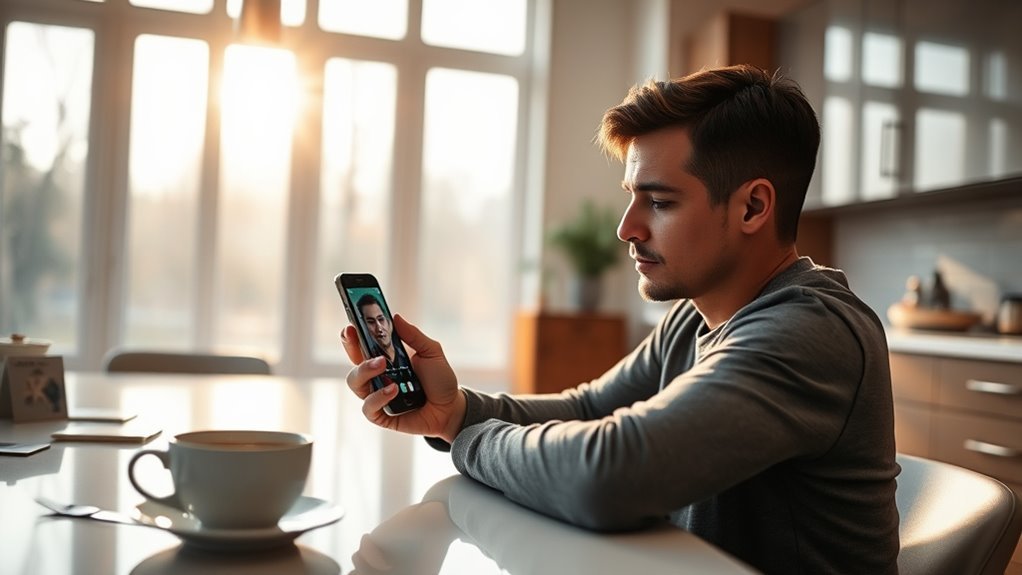
An unexpected video call from +52 56 3773 5706 deserves caution, especially if the caller offers a discounted cellphone upgrade or asks for personal information. The number’s appearance alone cannot establish whether the call is fraudulent. However, fake upgrade offers, account takeovers, and misleading device-return instructions are known scam methods. Here’s how to assess the call, verify the offer, and protect yourself.
Quick Answer
+52 56 3773 5706 should be treated as an unverified caller, not a confirmed scam number. If someone using this number offers a phone upgrade, requests account details, or demands an urgent device return, end the conversation. Contact your mobile provider independently, check your account for unauthorized activity, and report suspicious contact.
Is +52 56 3773 5706 a Scam?
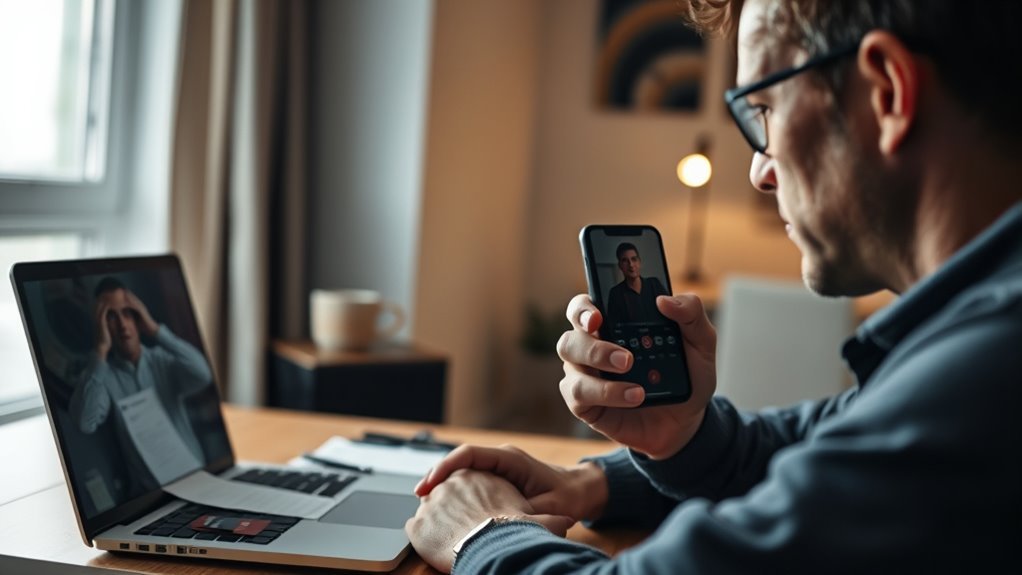
There is insufficient independently verified information to identify the owner of +52 56 3773 5706 or establish that every call displaying it is fraudulent. Nevertheless, an unsolicited upgrade offer involving pressure, sensitive information, or unusual return instructions should be treated as suspicious.
A suspicious caller ID is a reason to verify the contact, not proof that the number’s legitimate owner is a scammer.
The number begins with +52, Mexico’s international calling code. Mexican telecom authorities have also documented the use of numbers beginning with 56 in Mexico City.
You can read the Mexican telecom authority’s explanation of national numbering for context.
However, a Mexican number does not establish where the person contacting you is physically located.
Scammers can manipulate caller ID to display another person’s number. This practice is called caller ID spoofing.
Therefore, a matching number in a directory cannot establish the caller’s identity. Even a number associated with a legitimate business can appear on a fraudulent call.
Use the caller’s behavior and independently verified account information to assess the situation.
How the Cellphone Upgrade Scam Works
A cellphone upgrade scam may begin with someone pretending to represent your mobile provider. The caller offers a free or heavily discounted phone or tablet and attempts to obtain information needed to access your account.
In some versions, the scammer uses the account to order equipment. A later call claims there was a discount error, delivery mistake, or problem with the device.
The customer is then instructed to return the equipment using an unfamiliar shipping label or QR code.
The following table explains the possible sequence. It describes a general fraud pattern, not a verified history of +52 56 3773 5706.
| Step | Method | Result |
|---|---|---|
| 1 | Fake upgrade offer | The caller gains trust and requests account information. |
| 2 | Urgent follow-up | The customer is pressured to act without verification. |
| 3 | Misleading return label | The device may be sent to an address controlled by the scammer. |
| 4 | Unauthorized billing | The customer may remain responsible for equipment or charges until the dispute is resolved. |
AT&T specifically warns about fraudulent callers who request verification codes, access customer accounts, place unauthorized orders, or direct customers to return phones to unknown addresses.
Its official account-fraud guidance explains these risks and the appropriate protective actions.
Customers looking for upgrades or discounts may be particularly receptive to such offers. However, anyone receiving an unsolicited call can become a target.
The safest approach is to verify the transaction within your existing carrier account before approving an order or sending equipment anywhere.
Why the Offer Should Raise Red Flags
An unusually generous phone offer is not automatically fraudulent. The warning signs become more serious when a caller combines an unexpected discount with pressure, unverifiable claims, or requests for sensitive information.
Watch for these specific behaviors:
- Immediate deadlines: The caller says you must accept the offer within minutes or lose the discount.
- Unclear pricing: The caller cannot explain the total cost, installment payments, contract terms, or eligibility requirements.
- Account verification requests: You are asked to disclose passwords, account PINs, or one-time security codes.
- Unexpected account changes: You receive an order confirmation, new-account notification, or password-reset message you did not request.
- Unusual returns: The caller instructs you to send equipment to an unfamiliar address or use an unverified shipping label.
- Suspicious payment methods: The caller insists on gift cards, cryptocurrency, or an unrelated payment account.
A video call can make these tactics seem more convincing. A person appearing on screen may show a logo, uniform, product, or document that suggests a legitimate company affiliation.
None of those visual details independently verifies the caller’s identity.
The FTC’s scam prevention guidance recommends independently contacting an organization rather than relying on information supplied during unexpected contact.
Warning: Never share a one-time verification code with an unexpected caller. A scammer may use that code to access your account, change its settings, or authorize an unwanted transaction.
What to Verify Before Sharing Details
Before sharing personal information or accepting a phone upgrade, confirm the offer through your mobile provider’s official website, application, or published customer service number.
Do not use a callback number, website, or QR code supplied by the unexpected caller.
Use this verification checklist:
- Identify the claimed company. Record the caller’s name, department, and stated reason for contacting you.
- End the original call. This gives you time to check the offer without pressure.
- Contact your provider independently. Use its official application, website, or the customer service number on your bill.
- Confirm the promotion. Ask whether the offer exists, whether your account qualifies, and what the complete payment terms are.
- Review account activity. Check for new orders, added lines, installment agreements, shipping-address changes, and unfamiliar charges.
- Confirm return instructions. If equipment has arrived, obtain the correct return procedure directly from the provider.
For any proposed upgrade, request written terms showing the device price, monthly payments, applicable fees, trade-in requirements, and cancellation conditions.
A legitimate-looking promotion can still involve a real financial commitment. Confirm the total cost before accepting.
Do not disclose Social Security numbers, banking details, passwords, or security codes merely because someone contacted you claiming to represent a company.
If the carrier cannot confirm the caller’s claimed offer, do not continue the transaction through that caller.
What if You Already Shared Information or Received a Phone?
If you shared a password, verification code, or financial information, act promptly. Your next steps depend on what the caller obtained.
- Account password or PIN: Change the affected credentials through the official provider account.
- Verification code: Contact the provider’s fraud department and ask it to review unauthorized access or account changes.
- Bank or card information: Contact the financial institution, explain what happened, and ask about protecting the account or disputing unauthorized transactions.
- Social Security number: Review the FTC’s identity-theft recovery guidance and take the recommended protective steps.
- Unexpected phone delivery: Keep the packaging, order confirmation, and shipping records. Ask your carrier to confirm the order and authorized return process.
- Device or screen access: Stop remote access, review installed applications, and secure affected accounts.
If a package has already been shipped to a suspicious address, contact the carrier and shipping company immediately. Provide the tracking number and ask whether delivery can be intercepted.
Keep the shipment receipt and all related messages for any billing dispute or fraud investigation.
The FTC provides detailed recovery instructions for people who have shared information or sent money to scammers.
Recovery is not guaranteed, but prompt action may limit further losses.
How to Report +52 56 3773 5706
If you receive suspicious contact displaying +52 56 3773 5706, preserve the available evidence and report the incident through your carrier or the appropriate consumer protection authority.
Explain what happened without claiming the number’s owner committed fraud unless that has been established.
| Action | Purpose |
|---|---|
| Record call details | Preserve evidence of the contact and the caller’s claims. |
| Submit a report | Provide information that may help identify suspicious activity. |
| Block the number | Reduce further contact from the displayed number. |
Record the date, time, displayed number, claimed company, offer details, and any requests for information or payment.
Keep relevant messages, screenshots, order confirmations, shipping labels, tracking numbers, and billing records.
Reporting Suspicious Calls in the United States
U.S. consumers can report suspected fraud to the Federal Trade Commission through ReportFraud.ftc.gov.
Unwanted calls and caller-ID spoofing can also be reported to the Federal Communications Commission.
The FCC’s unwanted-call complaint guidance explains the available categories and how to provide information about international numbers.
The FCC does not resolve every individual complaint. However, the information can support regulatory and enforcement work.
If you suffered financial loss or identity theft, contact your financial institution and consider reporting the incident to local law enforcement.
Reporting Suspicious Calls in Mexico
Consumers in Mexico can consult CONDUSEF’s official tool for checking and reporting suspicious telephone numbers, particularly when financial fraud is involved.
The CONDUSEF Consulta y Reporta service allows users to search for previous reports and submit information about suspicious calls.
A previous complaint is a warning signal, not a legal finding that the number’s owner committed fraud.
For suspected criminal activity, contact the appropriate local authorities.
After preserving the evidence, block unwanted contact through your phone or messaging application.
Blocking one number cannot prevent a caller from using a different number or spoofed identity.
Frequently Asked Questions
How to Check if a Number Belongs to a Scammer?
Search the complete number in several formats and review consumer complaints or reverse-lookup results. Compare the caller’s claims with official company information. Remember that caller ID can be spoofed, so a complaint does not necessarily identify the actual owner. Independent verification is more reliable than a number lookup alone.
What Are the Five Area Codes You Should Never Answer?
There is no universal list of five area codes that always indicate fraud. Codes such as 876, 473, and 809 have appeared in warnings about international callback scams. The previously cited 900 and 227 do not establish a reliable universal blacklist. Evaluate the complete number and avoid returning unexpected international calls without verification.
Why Would a Scammer Want to Video Call Me?
A scammer may use video to appear trustworthy, demonstrate a fake offer, or pressure you into acting immediately. A video call can also expose information visible on your screen or in your surroundings. Avoid showing identity documents, payment details, account screens, or verification messages to an unverified caller.
Is There a Free Way to Check for Spam Numbers Online?
Yes. Services such as Truecaller, Hiya, WhoseNumber, Spamcallers, and other reverse-lookup tools may display publicly submitted information or spam warnings. Coverage and accuracy vary. FTC complaint information and official consumer alerts provide additional context, but no lookup service can conclusively identify every caller or prove that a particular number is fraudulent.
Can Answering a Suspicious Video Call Hack My Phone?
Answering a call alone does not normally give the caller access to your accounts or device. The greater risks arise when you share sensitive information, follow malicious links, install unfamiliar software, or approve access requests. If you interacted with suspicious content, secure the affected accounts and review your device for unwanted applications.
Should I Return a Phone That Arrived After a Suspicious Call?
Do not return the phone using instructions supplied by an unverified caller. Contact your mobile provider, confirm whether the order is genuine, and obtain its authorized return instructions. Preserve the packaging, order details, and tracking information. Ask the provider to investigate unauthorized purchases or financing agreements before shipping the device.
Conclusion
A video call displaying +52 56 3773 5706 is not, by itself, proof of fraud. However, an unsolicited cellphone upgrade offer involving pressure, account verification codes, or unusual shipping instructions warrants serious caution.
Verify the caller through your provider’s official channels before accepting any offer. If you identify unauthorized activity, secure your accounts, preserve the evidence, and report the incident.
Sources
- Mexican Telecom Authority: National Numbering: Explains Mexico’s telephone numbering system and the use of numbers beginning with 56.
- Federal Trade Commission: How to Avoid a Scam: Supports guidance on impersonation, pressure tactics, caller verification, and protecting personal information.
- AT&T: Protect Your Account From Fraud or Scams: Documents verification-code scams, account takeovers, unauthorized orders, and suspicious device-return instructions.
- Federal Trade Commission: What to Do if You Were Scammed: Explains recovery steps after sharing account information, losing money, or granting device access.
- Federal Communications Commission: Unwanted Calls and Texts: Explains complaint procedures for suspicious calls and caller-ID spoofing.
- CONDUSEF: Consulta y Reporta: Provides Mexico’s official tool for consulting and reporting suspicious telephone numbers.
- Federal Trade Commission: International Callback Scam Warning: Explains one-ring scams and the risks of returning unexpected international calls.
