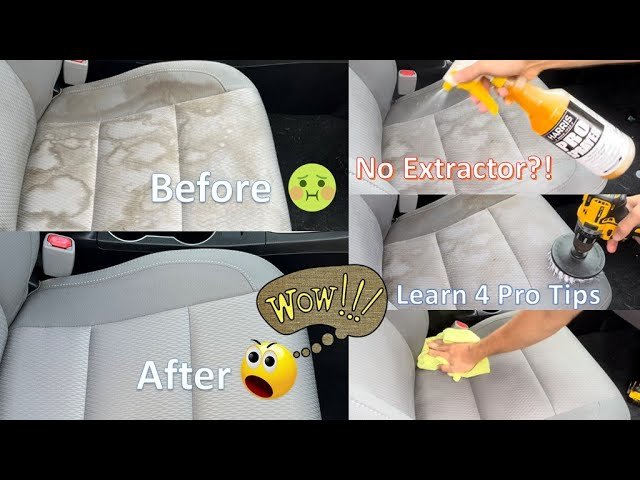
If you’ve ever glanced inside your car and cringed at stained, dull, or grimy seats, you’re not alone. Car seats collect spills, crumbs, sweat, pet hair, dust, and everyday wear faster than most people realize.
With the right cleaner, a soft brush, and careful drying, you can refresh your seats without hiring a professional detailer. The key is to avoid soaking the upholstery, test every cleaner first, and use a method that matches your seat material.
This guide walks you through how to shampoo car seats safely, from choosing the right upholstery shampoo to rinsing, drying, stain removal, and long-term maintenance. Follow the steps below to make your car interior look cleaner, feel fresher, and smell better.
Quick Answer
To shampoo car seats, vacuum the upholstery first, spot test your cleaner, lightly apply car-safe upholstery shampoo, scrub gently with a soft brush, blot or extract the moisture, and let the seats dry completely. Avoid over-wetting the fabric because trapped moisture can cause odors, mildew, or water stains.
Key Takeaways
- Always vacuum first so loose dirt does not turn into muddy residue during shampooing.
- Use a cleaner made for your seat material, such as fabric, vinyl, leather, or synthetic leather.
- Mist the shampoo lightly instead of soaking the seat foam underneath the upholstery.
- Scrub gently with a soft-bristled brush, then blot or extract the moisture with a clean cloth or wet-dry vacuum.
- Let the seats dry fully before sitting on them to prevent musty smells and mildew.
At a Glance
| Time Required | 45 minutes to 3 hours, depending on stains and drying conditions |
| Difficulty | Easy to moderate |
| Tools Needed | Vacuum, upholstery shampoo, spray bottle, soft brush, microfiber cloths, clean water, and wet-dry vacuum if available |
| Cost | Low if you already own basic cleaning tools |

Credit: www.chemicalguys.com
Choosing The Right Shampoo
Selecting the right shampoo for car seats helps you clean effectively without damaging the upholstery. Car interiors use different materials, and each one needs a slightly different cleaning approach. A cleaner that works well on cloth may be too harsh for leather, while a leather conditioner may leave residue on fabric.
The safest choice is usually an automotive upholstery cleaner labeled for your seat type. Before using any product across the whole seat, test it in a hidden area and check for fading, bleeding, stiffness, or discoloration.
Types Of Car Seat Materials
Car seats commonly come in fabric, leather, vinyl, synthetic leather, suede-like microfiber, or mixed materials. Fabric seats can usually handle upholstery shampoo, but they should not be soaked. Leather seats need a gentle cleaner and conditioner rather than heavy foaming shampoo. Vinyl seats need mild cleaning that does not dry or crack the surface.
Check your owner’s manual or seat care label when available. If you are unsure what material you have, start with the mildest cleaner and avoid aggressive scrubbing.
Shampoo Ingredients To Look For
For fabric seats, look for a cleaner designed to lift dirt, break down light stains, and reduce odors without leaving a sticky residue. Foam-based cleaners can be helpful because they reduce the amount of liquid that soaks into the cushion.
For leather or vinyl, choose a product labeled for automotive leather or vinyl care. A pH-balanced cleaner is usually safer for finished leather than an all-purpose cleaner. For odor control on fabric, baking soda can help when used carefully and vacuumed fully after drying.
Avoiding Harmful Chemicals
Avoid bleach, strong solvents, ammonia-heavy cleaners, harsh acids, and cleaners with heavy dyes or strong artificial fragrances. These can discolor upholstery, dry out leather, damage vinyl, or leave lingering odors inside the cabin.
Warning: Never mix cleaning chemicals. Also avoid using bleach on car seats, even on light-colored fabric, because it can weaken fibers and cause permanent discoloration.
Household carpet cleaners may be too strong for some automotive materials. If you use one, dilute it according to the label and test it first. When in doubt, use a cleaner made specifically for car interiors.
Preparing Your Car Seats
Preparing your car seats before shampooing makes the cleaning process safer and more effective. If you skip preparation, loose dirt can spread, old crumbs can become paste, and hidden grime can work deeper into the fabric while you scrub.
A few minutes of preparation also protects seat electronics, buckles, stitching, and trim pieces from excess moisture.
Gathering Necessary Supplies
Start by gathering everything before you spray any cleaner. You will need a vacuum with a crevice attachment, a car upholstery shampoo, a soft-bristled brush, clean microfiber towels, a spray bottle, a bucket of warm water, and a wet-dry vacuum if you have one.
You may also want nitrile gloves, a small detailing brush for seams, and a portable fan for faster drying. Keep all supplies close so you do not leave shampoo sitting too long while searching for tools.
Vacuuming For Debris Removal
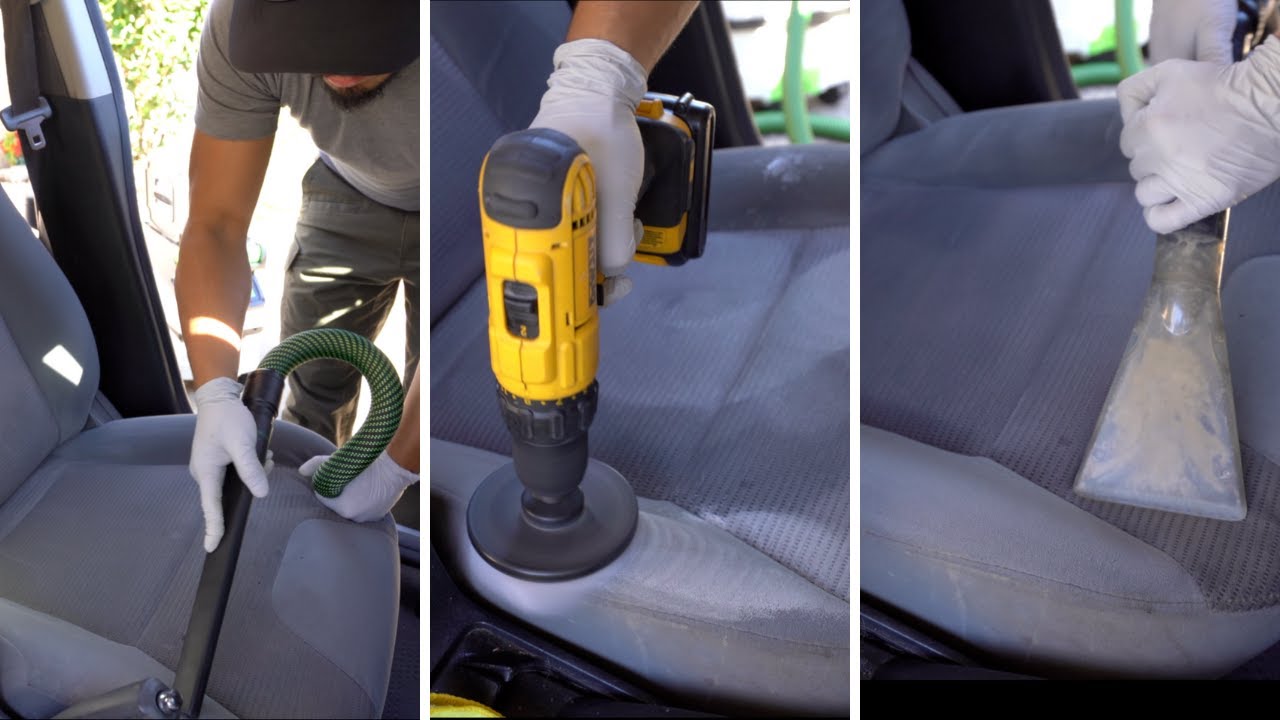
Vacuum the seats thoroughly to remove crumbs, sand, dust, hair, and loose dirt. Use a crevice tool along seams, around seatbelt buckles, under seat edges, and where the seat bottom meets the backrest.
Move slowly instead of rushing. Slow passes give the vacuum more time to pull debris from the fabric. For pet hair, use a rubber brush or slightly damp rubber glove before vacuuming again.
Spot Testing For Safety
Spot testing is essential before shampooing the full seat. Apply a small amount of cleaner to a hidden area, such as the side of the seat base or a tucked fabric edge. Wait a few minutes, then blot it with a white cloth.
If the cloth picks up dye or the seat changes color, stop and choose a milder cleaner. If the material looks normal after drying, continue with the rest of the seat.
Protecting Seat Controls And Electronics
Many modern vehicles have heated seats, ventilated seats, airbags, occupancy sensors, and power seat controls. Keep liquids away from switches, electrical connectors, seat tracks, and plastic trim gaps.
Spray cleaner onto the cloth or brush when working near controls instead of spraying directly onto the seat. This gives you more control and lowers the risk of moisture entering sensitive areas.
Shampooing Techniques
Shampooing your car seats might seem daunting, but the right technique makes it simple. The goal is to lift dirt from the surface and fabric fibers without pushing too much water into the cushion foam.
Work one seat or one panel at a time. Smaller sections help you apply cleaner evenly, scrub before it dries, and remove residue before it settles back into the upholstery.
Using A Spray Bottle
A spray bottle gives you better control than pouring cleaner directly onto the seat. Mix your shampoo with water only if the product label tells you to dilute it. Some cleaners come ready to use, while others need a specific ratio.
Lightly mist the seat surface. Do not soak it. Excess moisture can travel into the foam under the upholstery and cause musty odors later.
Applying Shampoo Evenly
Apply shampoo evenly from the top of the seat back downward. This helps prevent streaks and lets you work in a controlled pattern. Use light overlapping sprays, similar to painting a wall.
Focus on high-contact areas first, such as the driver’s seat bottom, side bolsters, armrests, and headrests. These areas collect body oils and grime faster than rarely used seats.
Scrubbing Methods
Use a soft-bristled brush to gently agitate the shampoo. Circular motions can help lift dirt from fabric fibers, while straight strokes may work better along seams and textured panels.
Do not scrub aggressively. Hard scrubbing can fuzz fabric, damage stitching, or wear down the surface. If a stain does not lift quickly, repeat a light treatment instead of forcing it.
Rinse the brush often in clean water so you do not spread dirty foam across the seat. Wipe the brush on a towel before returning to the upholstery.
Pro Tip: Work in small zones about the size of one seat cushion panel. Clean, scrub, and blot that zone before moving to the next area.

Credit: www.torquedetail.com
Rinsing And Drying
Rinsing and drying your car seats after shampooing is just as important as the cleaning itself. Soap residue can attract more dirt, while trapped moisture can cause odors, water marks, or mildew.
The safest method is to use minimal water, blot often, and extract as much moisture as possible before leaving the seats to air dry.
Proper Rinsing Techniques
Use a spray bottle filled with clean water or a damp microfiber cloth to rinse the cleaned area. Lightly mist or wipe the seat, then blot with a dry towel to remove loosened cleaner and dirt.
Avoid soaking the seat. The cloth should feel damp, not dripping. If the towel becomes dirty, switch to a clean one so residue does not return to the upholstery.
Using A Wet-dry Vacuum
A wet-dry vacuum or upholstery extractor can remove moisture faster than towels alone. Glide the nozzle slowly over the cleaned area and use steady pressure. Empty the vacuum tank as needed and avoid forcing the nozzle into seams.
If you do not own a wet-dry vacuum, towels can still work. Press a clean towel firmly into the seat to absorb moisture, then repeat with a dry towel until the surface feels only slightly damp.
Ensuring Thorough Drying
Proper drying prevents odors and helps the upholstery feel fresh. Open the doors or windows when safe, park in a ventilated area, and use a portable fan to move air across the seats.
A sunny day can speed up drying, but avoid extreme heat for long periods, especially with leather, vinyl, or dark upholstery. Before sitting down, press your palm against the seat. It should feel dry, not cool and damp.
Note: If the seat still smells musty after drying, it may still hold moisture inside the cushion. Keep airflow moving and avoid closing the car up while the seats are damp.
Dealing With Stubborn Stains
Stubborn stains need a targeted approach. Different stains respond to different cleaners, so it helps to identify what caused the mark before you treat it.
Always blot stains instead of rubbing them hard. Rubbing can spread the stain and push it deeper into the upholstery.
Identifying Different Stain Types
Common car seat stains include coffee, soda, juice, chocolate, grease, mud, ink, makeup, sweat, sunscreen, and pet accidents. Water-based stains often respond to upholstery shampoo, while oily stains may need a cleaner designed to break down grease.
Look closely before treating the stain. Is it oily, sticky, dark, crusty, or colored? Is it fresh or dried? These details help you choose the right method.
Homemade Stain Removers
Simple household options can help with light stains when used carefully. A small amount of mild dish soap mixed with water can work on many fresh spills. Apply it with a cloth, blot gently, and rinse with a damp towel.
Baking soda can help with odors on fabric seats. Sprinkle a light layer over the dry seat, let it sit, then vacuum thoroughly. Do not leave clumps behind because they can settle into seams.
Vinegar diluted with water may help with some odor and light stain issues, but it can leave a strong smell and may not suit every material. Always spot test first.
Using Commercial Stain Removers
Commercial stain removers can be useful for set-in marks. Choose one made for automotive upholstery and check the label for fabric, leather, or vinyl compatibility.
Apply the product as directed, let it dwell for the recommended time, and blot with a clean cloth. Avoid using too much product. Several light passes are safer than one heavy soaking.
What To Do If A Stain Will Not Come Out
If a stain remains after two or three careful attempts, stop scrubbing. Too much pressure can damage the upholstery and make the area look worse than the original stain.
For deep dye transfer, heavy grease, old pet accidents, or water damage, a professional detailer may be the safer choice. They can use extraction equipment and specialty cleaners that are harder to use safely at home.
Cleaning Different Seat Materials
The basic cleaning process is similar for most seats, but the details change by material. Matching your method to your upholstery lowers the risk of fading, cracking, residue, and water damage.
Fabric Seats
Fabric seats are the most common seats people shampoo at home. Vacuum well, apply a light mist of upholstery cleaner, scrub gently, and extract or blot the moisture.
Do not flood fabric seats. The visible cloth is only the top layer, and the foam underneath can trap moisture for a long time.
Leather Seats
Leather seats usually should not be shampooed like fabric. Use a dedicated automotive leather cleaner with a microfiber cloth or soft brush. After cleaning, wipe away residue and apply a leather conditioner if the product instructions recommend it.
Avoid soaking leather seams. Too much moisture can reach the padding or weaken areas around stitching.
Vinyl And Synthetic Leather Seats
Vinyl and synthetic leather are easier to wipe clean, but harsh cleaners can still dry or dull the surface. Use a mild interior cleaner, wipe with a damp cloth, and dry the surface right away.
Do not use oily dressings on seats because they can make the surface slippery and uncomfortable.
Suede-like Or Microfiber Seats
Suede-like materials need extra care. Use a cleaner labeled safe for that material and avoid heavy water. Brush gently in the direction of the nap after drying to restore the texture.
If the material is delicate or expensive, test very carefully or consider professional cleaning.
Common Mistakes To Avoid
Many car seat cleaning problems come from using too much liquid or the wrong cleaner. Avoiding a few common mistakes can protect your upholstery and save you time.
- Skipping the vacuum: Loose dirt can smear into the fabric when mixed with shampoo.
- Using too much water: Soaked seats dry slowly and may develop odors.
- Scrubbing too hard: Aggressive brushing can damage fabric fibers and stitching.
- Using harsh household chemicals: Strong cleaners can fade, dry, or discolor upholstery.
- Not rinsing residue: Leftover soap can make seats feel sticky and attract dirt.
- Closing the car too soon: Poor airflow slows drying and can create musty smells.
Maintaining Clean Seats
Maintaining clean car seats is not just about appearance. Clean seats can make your daily drive more comfortable, reduce lingering odors, and help your interior feel newer for longer.
Small habits make the biggest difference. A quick vacuum, fast spill response, and regular light cleaning can prevent major stains from setting.
Regular Cleaning Schedule
Create a simple cleaning schedule based on how you use your car. For most drivers, vacuuming every one to two weeks and deep cleaning every three to six months works well.
If you drive children, pets, rideshare passengers, or work gear often, clean more frequently. Treat fresh stains right away instead of waiting for your next full shampoo.
Protective Seat Covers
Protective seat covers act as a barrier against spills, pet hair, sweat, and daily wear. They are especially useful for family vehicles, work trucks, and cars used after sports or outdoor activities.
Choose covers that fit securely and do not interfere with airbags, seat belts, or heated and ventilated seat functions. Wash removable covers according to the care label.
Avoiding Future Stains
Preventing stains is easier than removing them. Avoid messy foods in the car, keep drinks in secure cup holders, and carry a small towel or wipes for emergencies.
A small upholstery-safe stain remover in the glove box can help you handle spills before they settle. Blot first, clean lightly, and dry the area as soon as possible.
Credit: www.youtube.com
Related Guides
Frequently Asked Questions
How often should I shampoo car seats?
Shampoo fabric car seats every three to six months for normal use. Clean more often if you drive with children, pets, food, work gear, or frequent passengers. Between deep cleans, vacuum regularly and treat spills as soon as they happen.
Can I use household cleaners on car seats?
It is better to use cleaners made for automotive interiors. Some household cleaners contain bleach, ammonia, strong solvents, dyes, or fragrances that can damage upholstery or leave residue. If you use a mild household solution, spot test it first and avoid soaking the seat.
What’s the best shampoo for car seats?
The best shampoo is one labeled safe for your upholstery type. Use fabric upholstery shampoo for cloth seats, leather cleaner for leather, and mild vinyl-safe cleaner for vinyl or synthetic leather. Foam cleaners can help reduce over-wetting on fabric seats.
How do I dry car seats quickly?
Use a wet-dry vacuum to extract moisture, then blot with dry microfiber towels. Open the doors or windows when safe and use a fan to move air across the seats. Do not sit on the seats until they feel completely dry.
Can shampooing car seats remove bad smells?
Shampooing can reduce many odors caused by dirt, spills, sweat, and food residue. Strong odors from mildew, smoke, pet urine, or deep spills may need repeated cleaning, odor treatment, or professional extraction.
Can I shampoo heated or ventilated seats?
You can clean heated or ventilated seats, but use very little liquid and keep moisture away from switches, vents, seams, and electrical areas. Spray cleaner onto a cloth or brush instead of directly soaking the seat.
Conclusion
Shampooing car seats is straightforward when you work carefully. Start by vacuuming, choose a cleaner that matches your upholstery, spot test first, apply shampoo lightly, scrub gently, and remove as much moisture as possible.
The most important rule is simple: clean the surface without soaking the cushion. Good rinsing and complete drying help prevent residue, mildew, and musty odors.
Regular cleaning keeps your seats fresh, comfortable, and more inviting. With a few basic tools and steady care, you can maintain a cleaner car interior and enjoy every drive more.