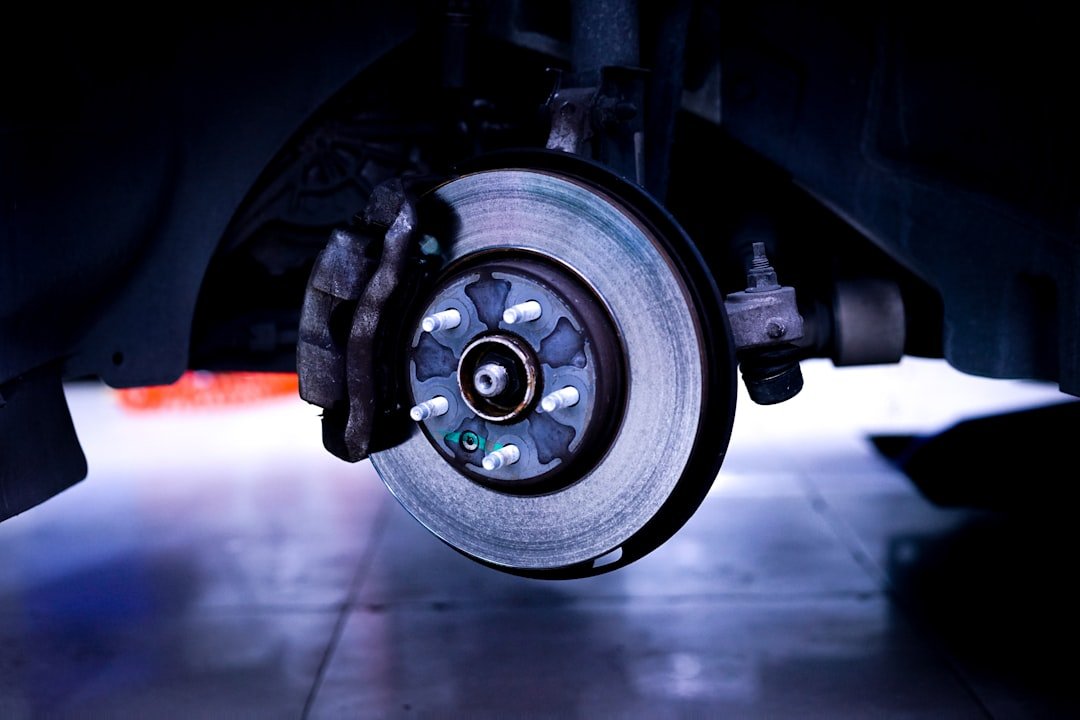
Bad brakes usually give you warning signs before they fail completely. Squeaking, grinding, shaking, a soft brake pedal, longer stopping distance, fluid leaks, a brake warning light, or pulling to one side can all point to a brake problem. If you notice any of these symptoms, schedule a brake inspection before the issue becomes unsafe or more expensive.
Quick Answer
Your brakes may be bad if you hear squeaking or grinding, feel shaking while braking, need more distance to stop, see a brake warning light, notice leaking brake fluid, or feel a soft brake pedal. Do not ignore these signs. Brakes are a critical safety system and should be inspected promptly.
Key Takeaways
- Squeaking or grinding noise often points to worn brake pads and should be checked quickly.
- Vibrations or shaking while braking may come from uneven or warped brake rotors.
- Longer stopping distance can signal worn pads, low brake fluid, air in the brake lines, or another brake issue.
- A brake warning light should not be ignored, especially if it appears with noise, shaking, or poor stopping power.
- Leaking brake fluid can reduce hydraulic pressure and create a serious safety risk.
At a Glance
| Main Concern | Brake noise, poor stopping power, pedal changes, warning lights, leaks, or uneven braking |
| Inspection Needed | As soon as you notice a repeated symptom or any sudden change in brake feel |
| Safe DIY Check | Look for warning lights, visible leaks, low brake fluid, thin pads, and unusual smells after driving |
| Best Next Step | Have a qualified mechanic inspect the brake pads, rotors, calipers, hoses, fluid, and ABS system |
Unusual Squeaking or Grinding Noises
One of the most common signs of bad brakes is an unusual noise. Squeaking, squealing, scraping, or grinding can all mean your braking system needs attention.
A high-pitched squeal often comes from a wear indicator built into many brake pads. This small metal tab is designed to make noise when the pad material gets thin. You may hear it more clearly when you apply the brakes at lower speeds.
If you hear this noise consistently, have your brakes inspected promptly to avoid further damage. A squeak does not always mean total brake failure, but it does mean you should not ignore the system.
Grinding noises are more serious. Grinding can happen when the brake pad material has worn down so far that metal contacts the brake rotor. This metal-on-metal contact can damage the rotors and may also affect the calipers.
Warning: If you hear grinding while braking, stop driving as soon as it is safe and arrange a brake inspection. Continued driving can reduce stopping power and increase repair costs.
Ignoring these sounds can lead to a compromised braking system, which poses a serious safety risk.
Vibrations or Shaking
Vibrations or shaking in the steering wheel, brake pedal, or vehicle body while braking should not be overlooked. This often points to uneven brake rotor surfaces, rotor thickness variation, or warped rotors.
Brake rotors can develop uneven surfaces after repeated heat cycles, hard braking, or long downhill braking. When the brake pads press against an uneven rotor, the pedal may pulse and the steering wheel may shake.
Vibrations can also come from brake caliper problems. If a caliper sticks or applies uneven pressure, one brake pad may drag or wear faster than the other. This can create heat, vibration, and uneven braking.
Suspension or wheel problems can also make the shaking feel worse. Worn control arm bushings, loose wheel bearings, or tire issues may show up more clearly when you brake because the vehicle’s weight shifts forward.
Addressing vibrations promptly is essential for comfort, control, and safe braking performance.
Longer Stopping Distance

A noticeable increase in stopping distance is a critical warning sign that your brakes may be failing. If you need to press the brake pedal harder than usual, or your vehicle takes longer to stop, your braking system needs attention.
One common cause is worn brake pads. As pads wear down, they may provide less friction against the rotors. That can reduce stopping power, especially during sudden stops or repeated braking.
Longer stopping distance can also come from low brake fluid, contaminated brake fluid, air in the brake lines, worn rotors, or failing hydraulic parts. Air in the hydraulic system can create a soft or spongy pedal because air compresses under pressure.
Low brake fluid or trapped air can reduce hydraulic pressure, making it harder for the brakes to engage with full force.
If your vehicle is taking longer to stop than usual, have the braking system evaluated by a professional mechanic before the problem escalates.
Brake Warning Light
| Vehicle | Brake Warning Light Status | Action Required |
|---|---|---|
| Car A | On | Check brake fluid level and brake system |
| Car B | Off | No action required if braking feels normal |
| Car C | Flashing | Immediate attention needed; check brake system |
Modern vehicles use onboard diagnostic systems to monitor many components, including parts of the braking system. When the system detects an issue, a warning light may appear on your dashboard.
A brake warning light may point to low brake fluid, an engaged parking brake, worn brake pads on some vehicles, or another hydraulic brake issue. Depending on your vehicle, a separate ABS light may appear when the anti-lock braking system has a fault.
Ignoring this warning can lead to bigger problems, including reduced brake performance. If the brake warning light appears with grinding, shaking, fluid loss, or a soft pedal, treat it as urgent.
The ABS helps maintain steering control during hard braking. If the ABS light comes on, your regular brakes may still work, but the anti-lock function may be limited. Have the system checked so you know what is working and what is not.
Leaking Brake Fluid
Brake fluid is a critical part of your vehicle’s braking system. It transfers the force from the brake pedal through the hydraulic system to the brake components at the wheels.
If you notice puddles, wet spots, or oily fluid near the wheels, under the master cylinder, or beneath the vehicle, take the issue seriously. A brake fluid leak can reduce hydraulic pressure and lead to poor brake response.
Brake fluid leaks can happen because of damaged brake lines, worn seals, loose fittings, corroded metal lines, failed wheel cylinders, or leaking calipers. Even a small leak can become dangerous because the system depends on sealed hydraulic pressure.
If you suspect a leak, check the brake fluid reservoir only when it is safe to do so and follow your owner’s manual. Adding fluid may help you identify a low level, but it does not fix the cause of the leak.
Note: Brake fluid can damage paint and some surfaces. Avoid spilling it, and do not mix fluid types unless your owner’s manual specifies the correct type.
Identifying and repairing the source of the leak is crucial for maintaining safe braking performance.
Pulling to One Side

If your vehicle pulls to one side when you apply the brakes, your braking system may have an imbalance. This can make the vehicle harder to control, especially during sudden stops.
Pulling during braking can be caused by uneven brake pad wear, a sticking caliper, a collapsed brake hose, contaminated pad material, or uneven rotor condition. When one side brakes harder than the other, the vehicle may drift or jerk toward that side.
Wheel alignment and suspension problems can also cause pulling. However, if the pulling happens mainly when you brake, the brakes should be inspected first.
Addressing this issue promptly helps you maintain control of your vehicle. It can also prevent uneven tire wear and further brake damage.
Spongy Brake Pedal
A spongy or soft brake pedal is another alarming symptom. When you press the pedal and it feels soft, sinks too far, or does not engage firmly, the hydraulic system may not be building pressure properly.
Air in the brake lines is a common cause. Air compresses under pressure, while brake fluid does not compress in the same way. That can make the pedal feel soft and reduce braking force.
A spongy pedal can also point to low brake fluid, a leak, a failing master cylinder, worn calipers, or old brake fluid that has absorbed moisture. These problems can reduce braking performance and increase stopping distance.
If the pedal suddenly sinks to the floor or braking power drops sharply, do not continue driving unless you can do so safely and only to get out of danger. Arrange a professional inspection immediately.
Visible Wear on Brake Pads
Regular visual inspections of your brake pads can help you spot problems before they become severe. Many brake pads include wear indicators, and some vehicles also have electronic brake pad sensors.
If the brake pad material looks very thin, or you can see the metal backing plate close to the rotor, the pads likely need replacement. Driving on worn pads can reduce braking efficiency and damage the rotors.
Also look for uneven wear patterns. One pad may be much thinner than the other, or the inner pad may wear faster than the outer pad. This can point to a sticking caliper, seized slide pins, poor lubrication, or alignment-related problems.
Regular maintenance and inspections help catch these issues early. They also help ensure the braking system remains effective and safe.
Pro Tip: When one brake pad is badly worn, ask the mechanic to check the caliper, slide pins, rotor condition, and brake hose. Replacing pads alone may not fix the root cause.
Burning Smell
A burning smell while driving, especially after braking, can mean the brake pads or rotors are overheating. This often happens after heavy braking, long downhill driving, towing, or riding the brake pedal.
Overheated brakes may lose effectiveness, a condition often called brake fade. You may notice a strong odor, smoke near a wheel, reduced stopping power, or a pedal that feels different than usual.
A burning smell may also suggest a seized caliper or a parking brake that has not fully released. When a brake drags, it creates constant friction and heat, even when you are not pressing the pedal.
If you detect a strong burning smell, pull over safely and allow the brakes to cool. Do not touch the wheels or brake parts because they may be extremely hot. Continuing to drive under these conditions can damage brake components and reduce your ability to stop.
Uneven Wear on Brake Pads
Uneven brake pad wear can reduce braking performance and shorten the life of your brake parts. When one pad wears faster than the matching pad on the same axle, braking force may become uneven.
Several issues can cause uneven wear. Common causes include sticking calipers, seized guide pins, improper installation, rotor problems, misalignment, and worn suspension components.
To identify uneven wear, inspect the inner and outer pads on each wheel. A big difference in thickness can mean one part of the system is not moving freely or applying pressure evenly.
Addressing uneven wear promptly improves safety and helps protect rotors, calipers, and tires from extra stress.
Age of the Brakes
The age of your brakes affects performance and safety. Brake parts do not last forever, and their lifespan depends on your driving habits, vehicle weight, road conditions, climate, and maintenance routine.
Many brake pads last tens of thousands of miles, but exact replacement timing varies widely. City driving, towing, steep hills, heavy loads, and aggressive braking can wear pads faster. Highway driving with gentle braking may extend pad life.
Even if your brake pads still look acceptable, other parts can age. Rubber brake hoses, seals, caliper parts, and brake fluid can degrade over time because of heat, moisture, and normal wear.
If you notice unusual noises, longer stopping distance, a soft pedal, vibration, or warning lights, do not wait for a mileage number. Have the system inspected based on symptoms.
Other Brake Symptoms You Should Not Ignore
Some brake problems do not fit neatly into one category. A clicking noise, scraping sound, pedal pulsation, or sudden change in brake feel can still mean something is wrong.
A hard brake pedal can point to a vacuum assist problem, a brake booster issue, or another system fault. A pedal that feels normal at first but slowly sinks can suggest a hydraulic leak or master cylinder problem.
Smoke from a wheel, a hot wheel after normal driving, or a vehicle that feels sluggish may suggest a dragging brake. This can happen when a caliper sticks or a parking brake cable does not release fully.
Any sudden change in braking performance deserves attention. Brakes are not a system to “wait and see” on because the risk can increase quickly.
What to Do If You Think Your Brakes Are Bad
If you suspect your brakes are bad, start with safety. Slow down, avoid hard braking when possible, and pull over if the vehicle does not feel safe to drive.
Check for obvious signs such as a brake warning light, fluid under the vehicle, a burning smell, smoke near a wheel, or a pedal that sinks too far. Do not crawl under the vehicle on the roadside or touch hot brake parts.
If the brakes grind, the pedal sinks, fluid is leaking, or stopping power is clearly reduced, arrange a tow or professional help. Driving with a serious brake issue can put you and others at risk.
For mild symptoms, such as occasional squeaking without other warning signs, schedule an inspection soon. A mechanic can measure pad thickness, inspect rotors, check calipers, test the fluid, and look for leaks.
How Mechanics Check Brake Problems
A brake inspection usually includes more than a quick look at the pads. A mechanic may remove wheels, measure brake pad thickness, inspect rotors, check caliper movement, and look for leaks around hoses and fittings.
They may also check brake fluid level and condition, inspect the master cylinder, test the parking brake, and scan for ABS-related trouble codes when a warning light is on.
This matters because many brake symptoms share the same causes. For example, shaking can come from rotors, suspension parts, or wheel issues. A proper inspection helps avoid replacing the wrong parts.
Brake Maintenance Tips to Prevent Problems
Good brake habits can help your brakes last longer. Leave more following distance, avoid riding the brakes, and shift to a lower gear on long downhill roads when appropriate for your vehicle.
Have your brakes inspected during routine service, tire rotations, or whenever you hear new noises. Brake pad wear can vary from one vehicle to another, so regular checks are more reliable than guessing by mileage alone.
Keep the correct brake fluid in the system and follow your owner’s manual for service recommendations. If the fluid looks very dark, the pedal feels soft, or the fluid level keeps dropping, have the system checked.
Related Vehicle Maintenance Reminder
If you are concerned about the safety of your vehicle and want to ensure that your brakes are in good working condition, it helps to stay proactive with regular maintenance. Before long drives, road trips, or holiday travel, check your tires, lights, fluids, wipers, and brakes so small issues do not become roadside problems.
Staying informed and proactive about your vehicle’s maintenance can help you protect your passengers and enjoy a safer driving experience.
Frequently Asked Questions
What are the signs that my brakes are bad?
Common signs include squeaking or grinding noises, a soft or spongy brake pedal, pulling to one side when braking, shaking or vibration, a longer stopping distance, leaking brake fluid, a burning smell, and a brake warning light.
How often should I have my brakes checked?
A common rule is to have your brakes checked at least once a year or during routine service. You should also schedule an inspection right away if you notice noise, vibration, pulling, fluid leaks, warning lights, or reduced stopping power.
What causes brakes to go bad?
Brakes can go bad from normal wear, heat, moisture in brake fluid, air in the hydraulic system, sticking calipers, damaged brake lines, worn rotors, poor maintenance, or aggressive driving habits.
Can I drive with bad brakes?
It is not safe to drive with bad brakes. If you suspect your brakes are failing, have them inspected and repaired by a qualified mechanic as soon as possible. If the pedal sinks, fluid leaks, grinding is severe, or stopping power drops, avoid driving and arrange help.
How much does it cost to repair bad brakes?
The cost depends on the vehicle, parts needed, labor rates, and the damage found during inspection. Pad replacement usually costs less than repairs involving rotors, calipers, brake lines, or ABS components. Get a professional inspection and estimate before approving repairs.
Why does my car shake when I brake?
Shaking while braking often comes from uneven brake rotors, rotor thickness variation, or warped rotors. It can also come from caliper issues, worn suspension parts, or wheel problems. A brake inspection can identify the exact cause.
What does a spongy brake pedal mean?
A spongy brake pedal may mean air is trapped in the brake lines, brake fluid is low, fluid has absorbed moisture, or there is a hydraulic leak. It can also point to a failing master cylinder or other brake component.
Sources
- National Highway Traffic Safety Administration: Brakes — brake system safety and consumer brake information.
- National Highway Traffic Safety Administration: Vehicle Maintenance — general vehicle safety and maintenance guidance.
