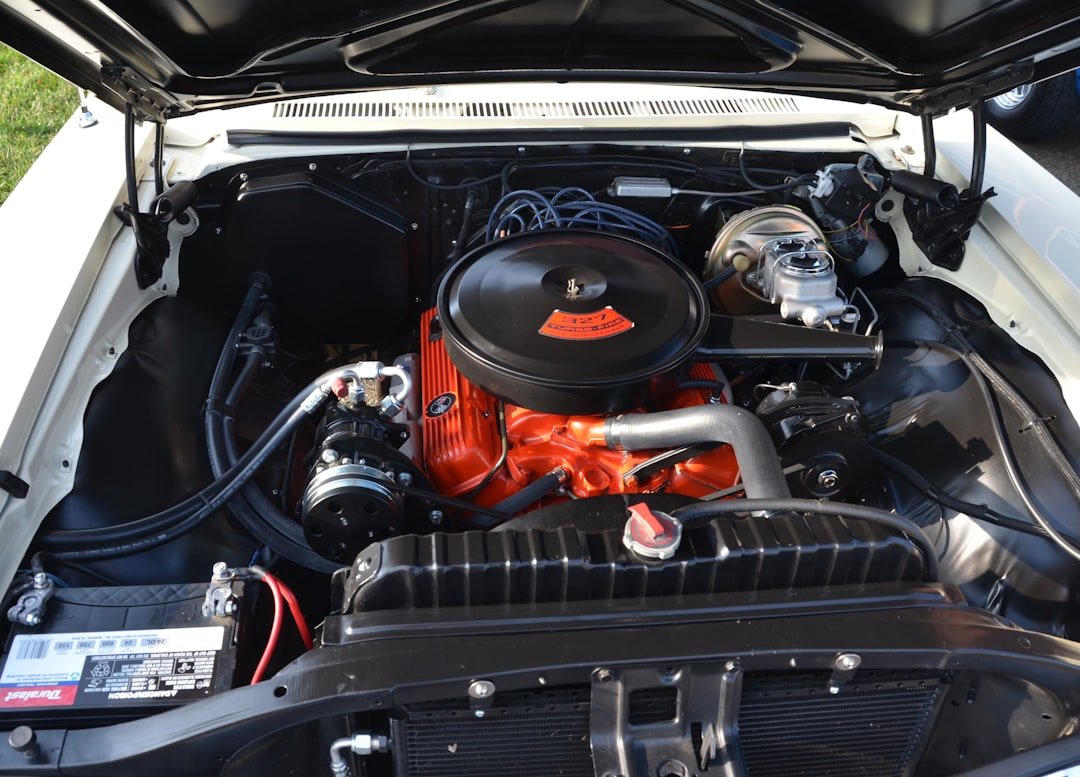
Engine temperature is a critical part of automotive performance, fuel efficiency, and long-term engine health. Your engine creates heat every time fuel burns inside the cylinders. That heat helps the engine run efficiently, but it must stay under control so metal parts, oil, coolant, gaskets, and sensors can work as designed.
For many modern gasoline vehicles, a fully warmed engine often operates around 195°F to 220°F, though the exact normal range depends on the vehicle, engine design, thermostat rating, coolant mixture, driving conditions, and manufacturer specifications. Because every vehicle is different, your owner’s manual and dashboard temperature gauge should be your first references.
Quick Answer
A normal engine temperature is usually near the middle of the dashboard gauge once the vehicle is fully warmed up. Many gasoline engines commonly run around 195°F to 220°F, but your exact normal range depends on the vehicle. If the gauge moves into the red zone, pull over safely and shut the engine off.
Key Takeaways
- Engine temperature affects performance, fuel economy, emissions, and engine life.
- Many engines run near 195°F to 220°F once fully warmed, but your vehicle’s normal range may differ.
- Overheating signs include a rising temperature gauge, steam, warning lights, coolant smell, power loss, or unusual engine noises.
- Running too cold can also cause problems, including poor fuel economy, higher emissions, and extra engine wear.
- Regular coolant, thermostat, radiator, hose, belt, and water pump checks help prevent temperature problems.
The cooling system controls this heat. It uses coolant, the radiator, water pump, thermostat, hoses, fans, pressure cap, and sensors to move heat away from the engine. Coolant absorbs heat from the engine and carries it to the radiator, where airflow helps release that heat into the surrounding air.
The thermostat acts like a temperature-controlled valve. When the engine is cold, it limits coolant flow so the engine warms up faster. Once the engine reaches its designed operating temperature, the thermostat opens and allows coolant to circulate through the radiator. This balance helps the engine avoid both overheating and running too cold.
Note: A temperature gauge that stays near the middle after warm-up is usually normal. A gauge that climbs quickly, swings up and down, drops unusually low, or enters the red zone needs attention.
Factors Affecting Engine Temperature
Several factors can influence engine temperature. Ambient temperature is one of the most obvious. In cold weather, an engine may take longer to reach its normal operating range. In very hot weather, it may run warmer, especially when the air conditioner is on or the vehicle is moving slowly.
Driving conditions also matter. Stop-and-go traffic can raise engine temperature because less air moves through the radiator. Climbing hills, towing, hauling heavy loads, idling for long periods, or driving at high speeds in hot weather can also increase engine load and heat.
The condition of the cooling system is just as important. A sticking thermostat can block or over-allow coolant flow. A weak water pump may not circulate coolant properly. A clogged radiator can reduce heat transfer. Low coolant, old coolant, air pockets, damaged hoses, a faulty radiator cap, or a broken cooling fan can also cause temperature problems.
Engine oil condition can affect temperature too. Oil helps reduce friction and carry heat away from moving parts. Low oil level, old oil, or incorrect oil viscosity may increase friction and heat inside the engine.
Importance of Maintaining Normal Engine Temperature

Maintaining a normal engine temperature is important because the engine is designed to run best within a specific range. When the engine reaches that range, fuel burns more efficiently, oil flows properly, emissions systems work better, and engine parts expand to their intended clearances.
If the engine runs too hot, metal parts can expand beyond safe limits. This can damage gaskets, warp cylinder heads, thin the oil, and increase the risk of severe internal engine damage. Even one serious overheating event can lead to expensive repairs.
If the engine runs too cold, it may use more fuel, produce more emissions, and wear faster. Cold operation can prevent oil from reaching its best working condition and may keep the fuel mixture richer than needed. That is why a stuck-open thermostat should not be ignored.
A healthy cooling system does more than prevent overheating. It helps the engine reach the right temperature quickly and stay there under changing driving conditions.
Signs of Overheating
| Signs of Overheating | Description |
|---|---|
| Temperature gauge in the red zone | The engine is running hotter than its safe operating range. |
| Steam from under the hood | Coolant may be boiling, leaking, or escaping from the cooling system. |
| Sweet or hot coolant smell | A coolant leak, overflow, or overheated coolant may be present. |
| Loss of power | The engine may reduce performance or struggle under heat stress. |
| Warning light or temperature alert | The vehicle’s computer has detected an unsafe temperature condition. |
Recognizing the signs of overheating is vital for preventing severe engine damage. One of the clearest warnings is the dashboard temperature gauge. If it rises above the normal range, moves toward the red zone, or triggers a warning light, treat it seriously.
Steam rising from under the hood is another major warning sign. You may also notice a hot, sweet coolant smell, coolant leaking under the vehicle, reduced cabin heat, poor engine power, or unusual noises such as knocking or pinging.
An overheating engine may also feel weak during acceleration. Some vehicles enter a reduced-power mode to protect the engine. If any of these signs appear, you should act quickly and avoid continuing to drive.
Warning: Never remove the radiator cap or coolant reservoir cap while the engine is hot. Pressurized coolant can spray out and cause serious burns. Let the engine cool before checking coolant.
What to Do If Your Engine Starts Overheating
If your temperature gauge rises above normal, reduce engine load as soon as it is safe. Turn off the air conditioner, avoid hard acceleration, and move toward a safe place to stop. In some situations, turning the cabin heater to hot may help pull a small amount of heat away from the engine, but this is only a short-term emergency step.
Pull over safely, shift into park, set the parking brake, and turn the engine off. Let the vehicle cool before opening the hood fully or checking coolant. If you see heavy steam, leaking coolant, or a warning light, it is safer to call roadside assistance instead of driving farther.
After the engine cools, you can visually check the coolant reservoir level, hoses, and ground under the vehicle. Do not add cold water to a severely hot engine unless your owner’s manual allows it in an emergency, because rapid temperature changes can damage engine parts.
Pro Tip: Keep the correct premixed coolant in your trunk if your vehicle has a history of coolant loss. Use the coolant type specified for your vehicle, not a random universal fluid.
Consequences of Overheating
The consequences of an overheating engine can be severe, especially if you keep driving after the warning signs appear. One of the most common risks is head gasket failure. When a head gasket fails, coolant can enter the oil passages or combustion chamber, which can damage internal parts and cause white exhaust smoke, misfires, or milky-looking oil.
Overheating can also warp the cylinder head or engine block. Warped surfaces may prevent the head gasket from sealing properly. This can allow coolant, oil, and combustion gases to mix in places they should not.
High heat can thin engine oil and reduce its ability to protect bearings, pistons, camshafts, and other moving parts. It can also damage seals, plastic cooling components, sensors, belts, and hoses. In severe cases, overheating can lead to complete engine failure or the need for an engine rebuild or replacement.
Consequences of Running Too Cold

While overheating is dangerous, an engine that runs too cold can also cause problems. If the engine never reaches its designed operating temperature, fuel may not vaporize as efficiently. The engine computer may keep the fuel mixture richer for longer, which can reduce fuel economy and increase emissions.
Cold operation can also increase engine wear. Oil works best within a proper temperature range. When oil stays too cold, it may not flow or protect as effectively in all operating conditions. Moisture and fuel contamination may also build up faster if the engine does not get hot enough during regular driving.
A temperature gauge that stays very low after several minutes of normal driving may point to a thermostat stuck open, a faulty temperature sensor, or a cooling fan that runs when it should not. Frequent short trips can also keep the engine from warming fully, especially in cold weather.
Monitoring Engine Temperature
Monitoring engine temperature is a simple habit that can prevent major repairs. Most vehicles use a dashboard temperature gauge or warning light. Learn where your gauge normally sits after the engine warms up, because “normal” usually means consistent behavior for your specific vehicle.
Some vehicles display actual coolant temperature through a digital menu, while others use a simple gauge without numbers. If your vehicle has only a warning light, take that light seriously. By the time a temperature warning appears, the engine may already be hotter than it should be.
Drivers who tow, haul heavy loads, drive in mountains, or modify vehicles may use aftermarket monitors to track coolant temperature, oil temperature, transmission temperature, or exhaust gas temperature. These tools can provide more detail, but they do not replace regular cooling system maintenance.
Tips for Maintaining Normal Engine Temperature
To maintain normal engine temperature, start with regular cooling system maintenance. Check the coolant level when the engine is cold and parked on level ground. The coolant should sit between the minimum and maximum marks on the reservoir. If the level keeps dropping, you likely have a leak that needs repair.
Use the coolant type and mixture recommended by your vehicle manufacturer. Mixing incompatible coolants can reduce corrosion protection or create deposits. Coolant also loses effectiveness over time, so replace it according to your maintenance schedule.
Inspect radiator hoses, heater hoses, clamps, and the radiator cap. Soft, cracked, swollen, or leaking hoses should be replaced. A weak radiator cap can lower system pressure and make the coolant boil sooner than expected.
Pay attention to the thermostat, water pump, belts, cooling fans, and radiator. If you notice fluctuating temperatures, coolant leaks, squealing belts, fan problems, or grinding noises near the water pump, have the vehicle inspected.
- Check coolant level only when the engine is cool.
- Use the correct coolant type for your vehicle.
- Replace old coolant on schedule.
- Inspect hoses and belts for cracks, leaks, or swelling.
- Keep the radiator and grille area clear of debris.
- Fix small coolant leaks before they become overheating problems.
- Watch the temperature gauge during towing, climbing, or hot-weather driving.
Common Causes of Engine Overheating
Several common problems can cause engine overheating. A malfunctioning thermostat is one of the most frequent. If the thermostat stays closed, coolant cannot circulate properly through the radiator, and heat builds quickly inside the engine.
Another frequent culprit is a failing water pump; if it cannot circulate coolant effectively, temperatures will rise rapidly. A worn impeller, leaking seal, damaged bearing, or loose belt can reduce coolant flow and create serious heat problems.
Low coolant is another major cause. Leaks can come from hoses, the radiator, water pump, heater core, coolant reservoir, radiator cap, or head gasket. Even a small leak can lower coolant enough to reduce heat transfer.
Radiator blockages caused by debris or corrosion can also impede airflow and coolant flow, leading to overheating issues that require immediate attention. A clogged radiator core, blocked grille, damaged cooling fan, trapped air pocket, or collapsed hose can all prevent heat from leaving the system properly.
Common Overheating Causes at a Glance
| Cause | How It Raises Temperature |
|---|---|
| Low coolant | Reduces the system’s ability to absorb and move heat. |
| Stuck thermostat | Blocks or disrupts coolant flow through the radiator. |
| Weak water pump | Fails to circulate coolant through the engine and radiator. |
| Clogged radiator | Limits coolant flow or airflow, reducing heat transfer. |
| Faulty cooling fan | Reduces airflow at idle or low speeds. |
| Bad radiator cap | Lowers system pressure and can allow coolant to boil sooner. |
Common Causes of Engine Running Too Cold
Running an engine too cold can be just as problematic as overheating. A faulty thermostat that remains stuck open is one of the most common causes. When this happens, coolant circulates through the radiator too soon and too often, keeping the engine below its intended temperature.
A malfunctioning temperature sensor can also create confusion. If the sensor reports incorrect information, the engine computer may adjust fuel mixture, fan operation, or warning behavior improperly. This can cause poor fuel economy, warning lights, or unusual gauge readings.
Cold-weather driving habits can add to the issue. Frequent short trips may not give the engine enough time to warm up fully. In some vehicles, a cooling fan that runs constantly or an incorrect thermostat rating can also keep temperatures too low.
How to Tell the Difference Between Overheating and a Bad Gauge
Sometimes the engine may appear hot because of a gauge, sensor, or wiring issue rather than a true overheating problem. A sudden jump from cold to hot, a gauge that moves erratically, or a warning light that appears with no other symptoms may point to an electrical issue.
However, you should never assume the gauge is wrong. First, treat the warning as real. Pull over safely, let the engine cool, and check for steam, leaks, coolant smell, or low coolant. A mechanic can use a scan tool or infrared thermometer to compare sensor readings with actual temperature.
If the gauge reads cold all the time, the engine may truly be running cold, or the sensor may not be reporting correctly. Either issue deserves attention because the engine computer relies on temperature data to manage fuel, emissions, idle speed, and fan operation.
When It Is Safe to Drive and When to Stop
If the gauge is slightly above its normal position during a steep climb, hot weather, or towing, reduce load and watch it closely. If it returns to normal quickly, you may be able to continue with caution. Still, schedule an inspection if it happens repeatedly.
If the gauge reaches the red zone, a warning light appears, steam comes from the hood, coolant leaks, or the engine loses power, stop driving as soon as it is safe. Continuing to drive an overheating vehicle can turn a small cooling system repair into major engine damage.
If the engine runs too cold but shows no urgent warning, you can usually drive carefully to a repair shop. Still, you should not ignore the issue. Poor warm-up can affect fuel economy, emissions, heater performance, and engine wear.
Seeking Professional Help
When faced with persistent issues related to engine temperature, whether overheating or running too cold, seeking professional help is often necessary for accurate diagnosis and repair. Certified mechanics have the tools needed to inspect the cooling system, pressure-test for leaks, check thermostat operation, test the radiator cap, inspect fans, and read temperature sensor data.
Professional diagnostics can uncover problems that may not be obvious during a quick visual inspection. A mechanic may find a small head gasket leak, weak water pump, restricted radiator, trapped air pocket, faulty fan relay, or sensor issue that causes repeated temperature changes.
Getting help early can save money. Fixing a hose, cap, thermostat, or coolant leak is usually far less expensive than repairing a warped cylinder head, blown head gasket, or damaged engine block.
If you are interested in maintaining the optimal performance of your vehicle, you may also want to review other vehicle maintenance topics that help you protect expensive parts and avoid preventable repairs. Just like monitoring engine temperature, staying ahead of routine maintenance helps improve reliability, efficiency, and long-term value.
Frequently Asked Questions
What is considered the normal engine temperature?
Many gasoline engines commonly operate around 195°F to 220°F when fully warmed up. However, the exact normal range depends on the vehicle, thermostat, engine design, and manufacturer specifications. Your dashboard gauge should usually stay near its normal middle range after warm-up.
Why is it important to monitor engine temperature?
Monitoring engine temperature helps you catch cooling system problems before they cause serious damage. Overheating can lead to warped parts, blown head gaskets, oil breakdown, and costly repairs. Running too cold can also reduce fuel economy and increase engine wear.
What factors can affect engine temperature?
Ambient temperature, driving conditions, engine load, towing, idling, air conditioning use, coolant level, radiator condition, thermostat function, water pump performance, fan operation, and oil condition can all affect engine temperature.
What should I do if my engine temperature is higher than normal?
Pull over safely, turn off the air conditioner, shut the engine off, and let it cool. Do not open the radiator cap while the engine is hot. Check the coolant level only after the system cools. If the temperature rises again, call for professional help.
How can I help maintain normal engine temperature?
Check coolant levels regularly, use the correct coolant, replace coolant on schedule, inspect hoses and belts, keep the radiator clear, fix leaks quickly, and have the thermostat, water pump, radiator cap, and cooling fans checked if the gauge behaves abnormally.
Can I drive with an overheating engine?
You should not keep driving if the gauge is in the red zone, a temperature warning appears, steam comes from the hood, or coolant is leaking. Stop safely and let the engine cool. Driving while overheated can cause major engine damage.
Why does my engine temperature go up in traffic?
In traffic, less air flows through the radiator. Your cooling fan must do more work at low speeds. If the fan, radiator, coolant level, thermostat, or water pump is weak, the temperature may rise while idling or moving slowly.
Why does my engine temperature stay low?
A temperature gauge that stays low may point to a thermostat stuck open, a faulty temperature sensor, constant cooling fan operation, very cold weather, or repeated short trips that prevent full warm-up.
