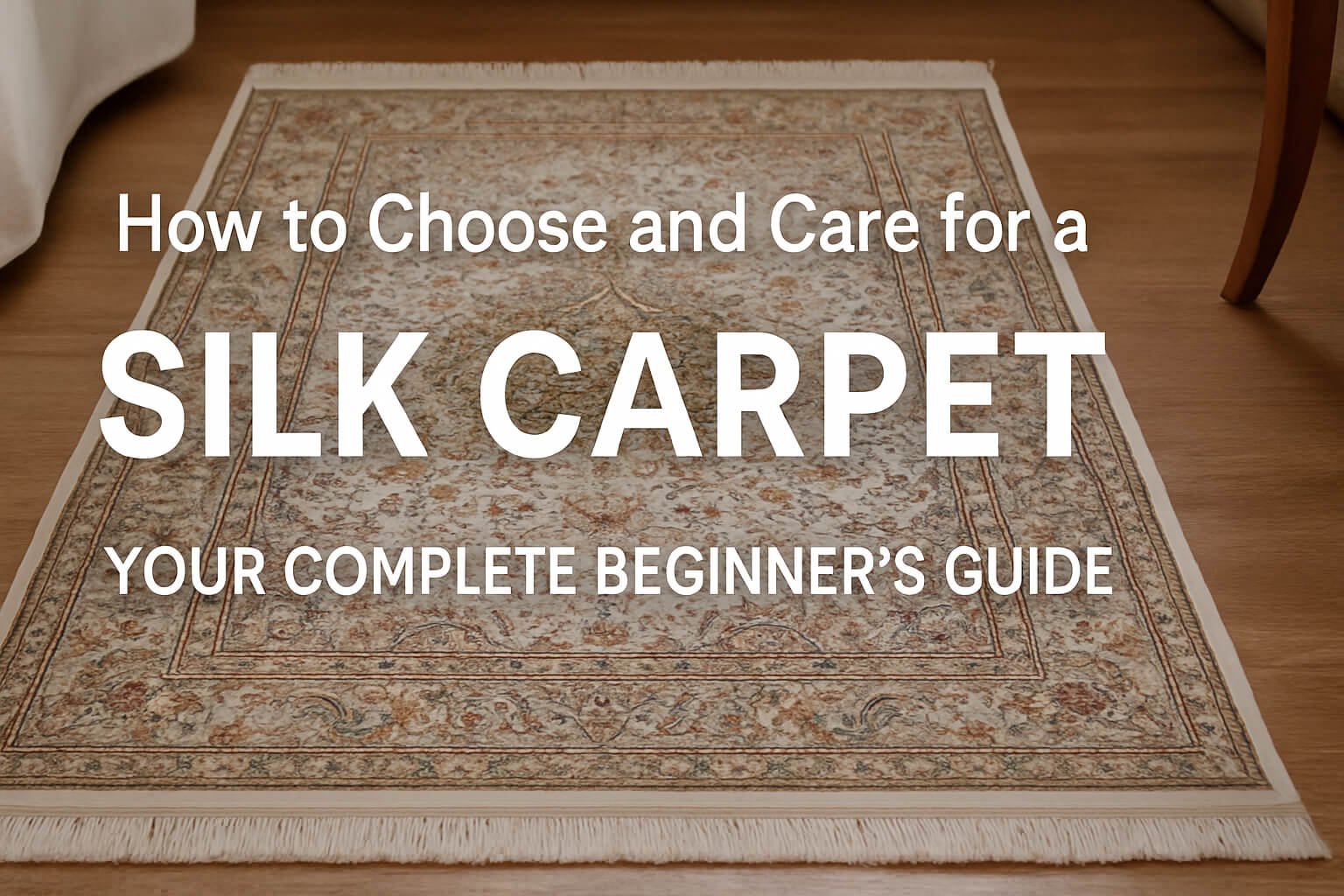
Silk carpets are more than just floor coverings; they are exquisite pieces of art, handcrafted with careful skill from natural silk fibers. If you’re considering adding the luxury of a silk carpet to your home, this guide will help you choose the right piece, place it wisely, and care for it so your investment stays beautiful for years.
Quick Answer
A silk carpet is a fine handmade rug woven from natural silk fibers. It stands out for its soft feel, luminous sheen, detailed patterns, and luxury appeal. Choose one for low-traffic rooms, check material and knot quality, and protect it from moisture, heavy wear, harsh cleaning, and direct sunlight.
Key Takeaways
- A true silk carpet is prized for its natural sheen, soft texture, fine detail, and handcrafted character.
- Silk rugs work best in low to medium-traffic spaces such as bedrooms, formal living rooms, home offices, and guest rooms.
- Before buying, check the material, knot density, size, design, backing, fringe, and seller reputation.
- Real silk usually feels cool and smooth, reflects light from different angles, and should come from a trusted dealer.
- Gentle cleaning, rotation, a quality rug pad, and protection from sunlight help preserve a silk carpet for decades.
What Defines a Silk Carpet?
A silk carpet is a premium rug woven from the lustrous threads of natural silk. Renowned for intricate patterns and exceptional softness, these carpets have a natural sheen that reflects light and adds depth to a room.
Silk rugs often come from regions with rich weaving traditions, such as Persia (Iran), China, and India. These areas are known for skilled artisans who have passed down silk carpet weaving techniques through many generations.
The fine texture of silk allows weavers to create small curves, thin outlines, delicate floral motifs, and detailed medallions that are harder to achieve with thicker fibers. That is why many silk carpets feel closer to artwork than ordinary floor coverings.
Note: Some rugs are sold as “silk-like” or “art silk.” These may use viscose, bamboo silk, mercerized cotton, or synthetic fibers instead of natural silk. Always confirm the actual fiber before you buy.
The Enduring Appeal: Benefits of Silk Carpets
1. Unrivaled Elegant Appearance
Silk’s smooth, light-reflective surface gives these carpets a glowing look that instantly elevates the elegance and charm of a room. The sheen can shift as you move around the rug, giving the design more life and dimension.
2. Exquisite, Detailed Patterns
The fine nature of silk threads allows artisans to create intricate floral, medallion, and nature-inspired designs. Many silk carpets become conversation pieces because the patterns look sharp, balanced, and highly detailed.
3. Luxuriously Soft and Comfortable
Silk feels smooth and gentle underfoot, making it ideal for intimate areas like bedrooms, reading nooks, dressing rooms, and formal seating spaces. It adds comfort without looking heavy or bulky.
4. Remarkable Durability With Proper Care
Despite its delicate appearance, silk has strong tensile strength. High-quality silk carpets can last 30–50 years or more with appropriate care, especially when placed away from heavy foot traffic, moisture, direct sunlight, and harsh cleaning methods.
5. Naturally Hypoallergenic Feel
Silk is a natural fiber with a smooth surface, so it can feel cleaner and less irritating than some rougher textiles. Still, no rug is completely maintenance-free. Regular vacuuming, dry spill care, and professional cleaning remain important.
Ideal Placement: Where to Showcase Your Silk Carpet
Silk carpets are best suited for low to medium-traffic areas where their beauty can stand out without constant wear.
- Living Room: Use a silk carpet as a centerpiece under a coffee table in a formal or low-traffic seating area.
- Bedroom: Place it beneath the bed, beside the bed, or in a soft step-out area where shoes are rarely worn.
- Home Office: Add warmth and sophistication under a desk or in a reading corner, but use chair protection if the chair has wheels.
- Guest Room: Create a polished and welcoming look for visitors without exposing the rug to daily wear.
- Dining Room: Use it under the table for formal charm, but avoid this placement if spills are likely or the room is used every day.
Pro Tip: Layer a smaller silk rug over a durable wool or jute base to protect delicate fibers while highlighting its beauty. This works especially well in bedrooms, sitting rooms, and styled corners.
Where Not to Use a Silk Carpet
Silk carpets look beautiful, but they are not the best choice for every space. Avoid placing them in muddy entryways, busy hallways, kitchens, children’s playrooms, bathrooms, laundry rooms, or any area where moisture and spills happen often.
Also avoid direct sunlight when possible. Long sun exposure can fade dyes and weaken natural fibers. If the room gets strong light, use curtains, UV-filtering window film, or rotate the rug more often.
Warning: Do not steam clean a silk carpet or soak it with water. Excess moisture can damage the fibers, loosen dyes, and distort the shape of the rug.
Making the Right Choice: What to Consider Before Buying
Material: 100% Natural Silk vs. Blends
Choose 100% natural mulberry silk if you want true luxury, fine detail, and a classic silk sheen. Blended versions with wool or viscose may cost less, but they usually do not offer the same softness, glow, or long-term value as pure silk.
Wool-and-silk rugs can still be excellent choices when the rug uses wool for structure and silk for highlights. These blends often handle regular use better than full silk while keeping some of the shimmer and detail.
Knot Density (KPSI)
More knots per square inch, often written as KPSI, usually allow more detail in the pattern. A rug with 400+ KPSI can show fine design work, while premium pieces may exceed 1,200 KPSI.
Knot density is important, but it should not be the only factor. Also look at the quality of the silk, clarity of the design, evenness of the weave, color harmony, and the reputation of the seller.
Size Guide
- 2×3 ft: Entryways, decorative spots, bedside accents, or small display areas.
- 4×6 ft: Reading corners, bedside placement, home office accents, or layered rug styling.
- 6×9 ft: Offices, medium bedrooms, sitting rooms, or smaller living spaces.
- 9×12 ft: Large living rooms, formal dining rooms, or spacious bedrooms.
- 10×14 ft+: Formal rooms, grand living areas, and expansive settings where the rug can anchor the space.
Design & Color
Choose designs that reflect your decor style. Neutrals such as beige, ivory, taupe, and gold are versatile, while rich tones like blue, red, emerald, and burgundy add drama and formality.
For traditional interiors, look for medallions, vines, palmettes, borders, and Persian-inspired motifs. For modern rooms, consider softer colors, open fields, tonal patterns, or a silk rug with a simpler border.
Budget
Prices range from $400 to $8,000+ depending on size, material, knot density, origin, age, condition, and design complexity. Antique silk carpets can cost even more, especially when they have strong provenance, rare colors, or exceptional craftsmanship.
For expertly selected options, see our in-depth guide: 15 Stunning Yuchen Silk Carpets to Transform Your Home
Silk Carpet Buying Checklist
Use this quick checklist before you commit to a silk carpet:
- Fiber: Confirm whether it is natural silk, wool-and-silk, viscose, bamboo silk, or another fiber.
- Construction: Look for hand-knotted details, clear pattern definition, and an even weave.
- Back: Check the reverse side. A hand-knotted rug usually shows the pattern on the back.
- Fringe: On many handmade rugs, the fringe is part of the foundation, not a strip sewn on afterward.
- Color: Make sure the colors fit your room in both natural and artificial light.
- Condition: Check for stains, repairs, fading, weak edges, worn fringe, or uneven shape.
- Seller: Buy from a reputable dealer and ask clear questions about material, origin, and care.
- Documentation: Request authenticity details, especially for expensive, antique, or collectible pieces.
Authenticity Check: How to Identify a Real Silk Carpet
Touch Test
Real silk often feels cool, smooth, and soft at first touch. When rubbed gently, it may become warmer because of friction. This test can help, but it should not be the only way you judge authenticity.
Shine Test
Genuine silk changes sheen depending on the viewing angle. Walk around the rug and look at it from different sides. A real silk carpet often appears lighter from one direction and deeper or darker from another.
Burn Test
Burn Test: Only consider this with dealer permission and only on a loose fiber, never on the rug itself. Real silk may smell like burnt hair and leave brittle ash, but this test can damage material and should not be your first option.
Price Test
If it’s too cheap to be true, it probably isn’t pure silk. Natural silk, high knot density, and skilled handwork take time and money. Very low pricing may signal viscose, machine production, poor condition, or misleading labeling.
Stick to reputable dealers and ask for authenticity certificates. For expensive pieces, consider getting a second opinion from a rug specialist before buying.
Note: Online photos can hide fiber quality, uneven wear, stains, and color shifts. Ask for close-up photos of the pile, back, fringe, corners, and any damaged areas before purchasing.
Preserving Beauty: Tips for Caring for Your Silk Carpet
Do:
- Vacuum regularly with suction only and no beater brush.
- Rotate every 6–12 months to balance light exposure and foot traffic.
- Use a quality rug pad underneath to reduce slipping, friction, and pressure.
- Dry clean professionally every 1–3 years, depending on use and soil level.
- Keep the rug away from direct sunlight when possible.
- Blot spills gently with a dry cloth instead of rubbing.
- Remove shoes before walking on the rug to reduce grit and fiber wear.
- Lift furniture when moving it instead of dragging it across the pile.
Don’t:
- Use water, steam, bleach, or harsh chemicals.
- Scrub or rub stains, because this can distort the pile and spread the spill.
- Place heavy furniture on the rug without glides or protective cups.
- Store the carpet in damp areas, basements, garages, or plastic wrap.
- Use rented carpet-cleaning machines on silk.
- Let pet accidents or food spills sit untreated.
How to Handle Spills on a Silk Carpet
Act quickly, but stay gentle. First, lift any solids with a spoon or dull edge. Then blot the spill with a clean, dry, white cloth. Work from the outside of the spill toward the center so it does not spread.
Do not pour water, soap, vinegar, or stain remover onto the rug. Silk can react badly to moisture and chemicals. If the spill leaves a mark, contact a professional rug cleaner who has experience with silk rugs.
How to Store a Silk Carpet Safely
If you need to store a silk carpet, clean it first so dirt and food particles do not attract pests. Roll it around a sturdy tube with the pile facing inward. Wrap it in breathable cotton or acid-free paper rather than airtight plastic.
Store the rug in a dry, climate-stable room. Avoid attics, basements, garages, and any place with moisture swings. Check the rug from time to time for pests, odor, mildew, or creasing.
Are Silk Carpets Eco-Friendly?
Yes, silk can be an eco-conscious choice when sourced responsibly. Silk is natural, biodegradable, and renewable. The hand-knotting process may also use less energy than many synthetic manufacturing methods.
Still, the most responsible choice depends on sourcing, dyes, labor practices, transport, and how long you keep the rug. A well-made silk carpet that lasts for decades can be more sustainable than a low-quality rug that needs frequent replacement.
Common Questions About Silk Carpets
Is silk better than wool?
Silk is softer, finer, and more elegant, while wool is usually more durable for high-traffic areas. Choose silk for formal beauty and detail. Choose wool when you need everyday toughness.
Can I use silk rugs in hallways?
It’s not ideal because hallways get heavy foot traffic. If you still want the look, use a runner in a low-traffic hallway, add a rug pad, rotate it often, and avoid wearing shoes on it.
Are silk rugs safe for pets and kids?
They can be used in homes with pets or kids, but they are delicate. Silk rugs are best for adult spaces, formal rooms, or areas where spills, claws, muddy shoes, and rough play are unlikely.
How long does a silk carpet last?
With proper care, a high-quality silk carpet can last 30–50 years or more. Many well-kept pieces become family heirlooms, especially when they are protected from sunlight, moisture, heavy traffic, and harsh cleaning.
Can I vacuum a silk carpet?
Yes, but use suction only. Avoid a beater brush or rotating brush because it can pull, fuzz, or damage the delicate silk fibers.
Is a silk carpet worth the money?
A silk carpet can be worth it if you value fine craftsmanship, detailed design, softness, and long-term beauty. It is not the best choice if you need a rugged rug for busy family spaces.
Final Thoughts
A silk carpet is more than a decor item. It’s a luxury investment, a symbol of tradition, and a functional piece of art. With the right care and thoughtful placement, your silk carpet can beautify your home and tell a story for generations to come.
Choose natural silk when you want the highest level of softness and sheen. Choose a wool-and-silk blend when you want a balance of beauty and everyday practicality. Most importantly, buy from a reputable seller, place the rug carefully, and clean it gently.
Interested in seeing top-rated examples? Browse our Yuchen Silk Carpet Collection to find one that fits your space and style.