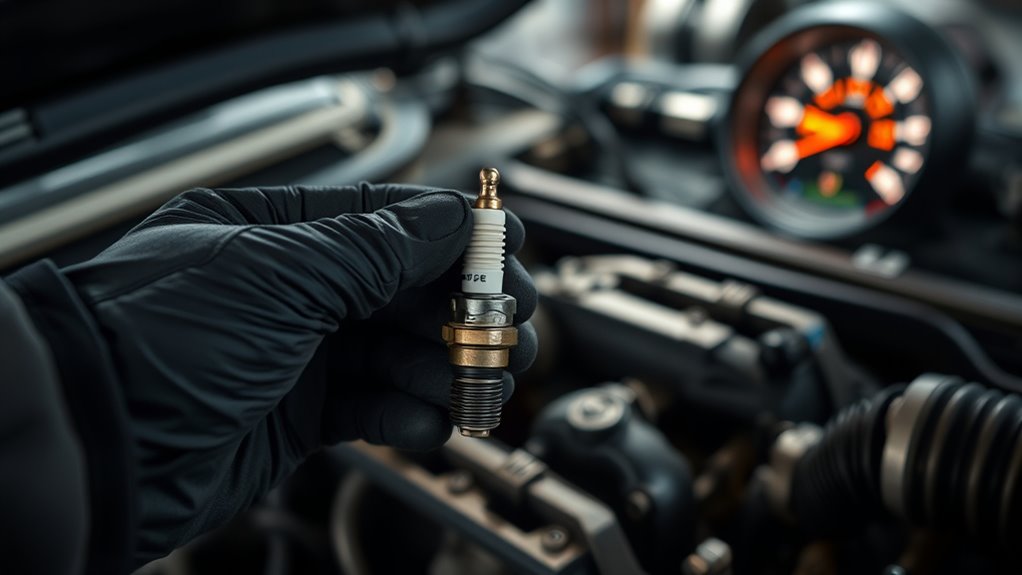
Spark plugs are often replaced between 30,000 and 60,000 miles, though iridium and platinum types can last much longer, sometimes near 100,000 miles. A 60,000-mile inspection is a practical checkpoint for most engines. Fuel injector cleaning is usually not needed on a fixed schedule unless there are drivability problems, contamination, or long-term ethanol storage. Manufacturer guidance should always control service intervals, because the details can vary and the differences matter.
Key Takeaways
- Spark plugs often need inspection around 60,000 miles, though some vehicles require replacement as early as 30,000 miles.
- Platinum and iridium spark plugs can last much longer, often 60,000 to 100,000 miles.
- Fuel injector cleaning is usually unnecessary unless drivability problems, contamination, or long-stored ethanol fuel are present.
- Symptoms of worn plugs or injectors include hard starting, rough idling, stalling, and misfires.
- Always follow the owner’s manual, since recommended mileage varies by engine and plug type.
Do You Need Spark Plug Replacement at 60K?
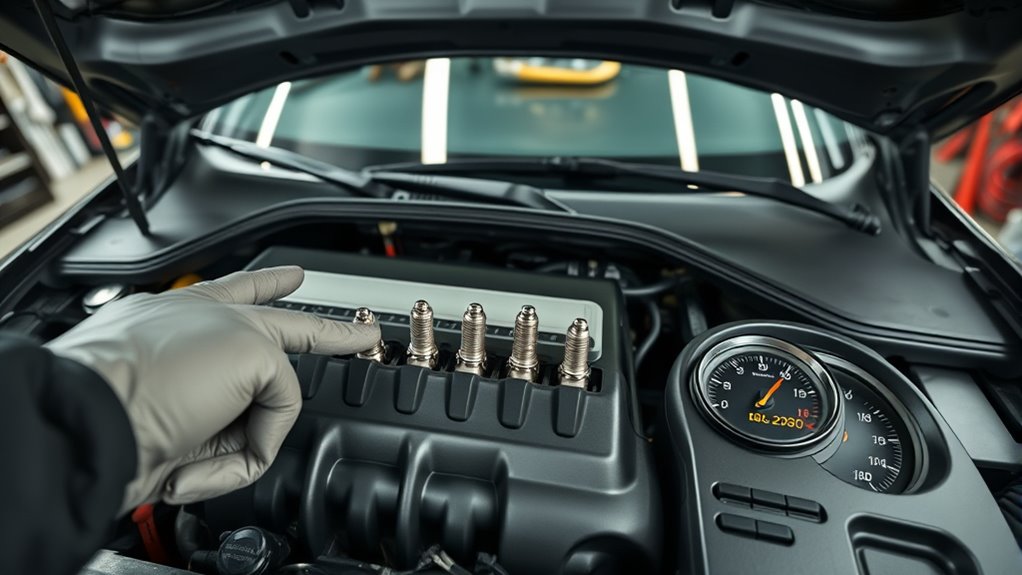
At 60,000 miles, spark plug replacement is often worth verifying, even when the engine has not yet shown obvious symptoms. For a 2008 Toyota 4Runner V6, the interval is normally 30,000 miles, so 60K is already beyond standard service.
The V8 version can run to 90,000 miles, but inspection at 60K remains practical. Spark Plugs should be checked for wear, fouling, and gap growth; excessive gap can reduce ignition quality, throttle response, and fuel efficiency.
Replacing Spark at a sensible interval also lowers the chance of plugs seizing in the cylinder head, which can turn a routine task into a costly repair. Some owners report acceptable operation to 50,000 miles, but that does not erase the value of scheduled maintenance.
Verification at 60K supports reliable performance, simpler future service, and a cleaner path to engine efficiency.
When Fuel Injector Cleaning Is Worth It
Fuel injector cleaning is usually not needed on a routine basis unless drivability or fuel-delivery problems appear. Many owners report that fuel injectors remain serviceable without scheduled service, especially when name-brand gasoline with detergents is used. That fuel choice helps keep deposits low and reduces the need for manual intervention.
Cleaning becomes more defensible when ethanol-blended fuel has sat in the tank for a long period, because stale fuel can leave injector deposits that restrict flow. It may also be justified on high-performance engines or when diagnosis points to a specific fault, such as injector #3 carbon buildup. In those cases, cleaning is a targeted repair, not a ritual.
For general use, the better rule is to follow the manufacturer’s guidance on whether injectors should be cleaned every so often, rather than accepting dealer upselling as policy. Maintenance should serve function, not habit, so the owner keeps control and the machine remains free.
Which Spark Plugs Last the Longest?
Spark plug life depends heavily on design and engine application. Platinum and iridium plugs last the longest because their fine electrodes resist wear and heat erosion better than conventional copper units. In many vehicles, these plugs exceed 30,000 miles, and some can reach 100,000 miles when the engine and tune are favorable.
By contrast, standard plugs usually require earlier replacement and rarely match that durability. Manufacturer guidance remains decisive: a 2008 Toyota 4Runner V6 calls for replacement at 30,000 miles, while the V8 may run to 90,000 miles.
Inspection at 60,000 miles is prudent, even when the plugs still seem serviceable, because wear and gap drift can reduce efficiency. During installation, anti-seize compound can help prevent seizure in the cylinder head, supporting easier future service.
For drivers seeking freedom from needless maintenance, long-life plugs offer a practical balance of durability and reduced service intervals.
Signs Your Plugs or Injectors Are Failing
Trouble starting, rough idling, or stalling often points to worn spark plugs or failing injectors, especially when gap wear or poor fuel delivery begins to disrupt combustion.
A hard start can indicate spark plugs with excessive electrode wear, which weakens ignition efficiency and delays engine firing. Misfires and lower fuel economy often point to fuel injectors that are clogged, leaking, or otherwise unable to meter fuel precisely.
Heavy carbon buildup or abnormal discoloration on spark plugs suggests heat stress, contamination, or incomplete combustion, all of which require inspection. Knocking or pinging noises can also appear when spark plugs fail to ignite the air-fuel mixture at the proper time.
Heavy carbon buildup or abnormal discoloration on spark plugs suggests heat stress, contamination, or incomplete combustion.
When fuel injectors deliver too little or too much fuel, the engine may idle unevenly or stall under load. Clear symptoms deserve prompt attention so drivers can preserve reliability and reduce waste.
DIY vs Dealer for 60,000-Mile Service
At the 60,000-mile mark, a practical choice often comes down to whether the owner is prepared to handle spark plugs and injectors personally or prefers dealer service.
DIY spark plugs replacement is usually feasible and can help save money, since individual plugs often cost about $5, while dealer labor and markup can rise sharply.
Service intervals should follow the owner’s manual; some engines, such as the 2008 Toyota 4Runner V6, call for plugs at 30,000 miles, while V8 units may wait until 90,000 miles.
Fuel injectors are costlier, near $100 each, and cleaning is often optional. When access is difficult, proper injector tools reduce time and strain.
Dealer service offers convenience and diagnostic support, but it also limits autonomy.
For drivers seeking control over maintenance costs, a well-planned DIY approach can be the more liberating and efficient path.
Frequently Asked Questions
What Is the Typical Lifespan of a Fuel Injector?
A fuel injector typically lasts 50,000 to 100,000 miles. Proper fuel injector maintenance and occasional fuel injector cleaning may extend service life, especially with detergent gasoline and minimized ethanol exposure in stored vehicles.
How Much to Get Spark Plugs and Fuel Injectors Replaced?
Spark plugs typically cost $100–$300 installed; fuel injectors $400–$1,200, depending on spark plug types, fuel injector maintenance, and labor. Services vary by engine; liberated owners should compare quotes, prioritize diagnostics, and avoid unnecessary replacements.
Do Spark Plugs Last 100,000 Miles?
Yes, some spark plug types can reach 100,000 miles, especially iridium or platinum designs in a healthy ignition system. Conventional plugs usually do not. Inspection intervals remain prudent to preserve performance and autonomy.
Will Changing Spark Plugs Give Better Gas Mileage?
Yes, changing spark plugs can improve gas mileage when worn plugs reduce combustion quality. Spark plug benefits include stronger ignition, smoother running, and better fuel efficiency. The effect is greatest when plugs are overdue or misfiring.
Conclusion
At around 60,000 miles, many vehicles begin to show measurable wear in spark plugs, while fuel injector service depends more on symptoms than mileage alone. Platinum and iridium plugs can often last 100,000 miles or more, but misfires and reduced fuel economy may appear sooner. Studies and service data suggest dirty injectors can cut efficiency noticeably. A timely inspection at 60K helps prevent hard starts, rough idle, and unnecessary repair costs.

