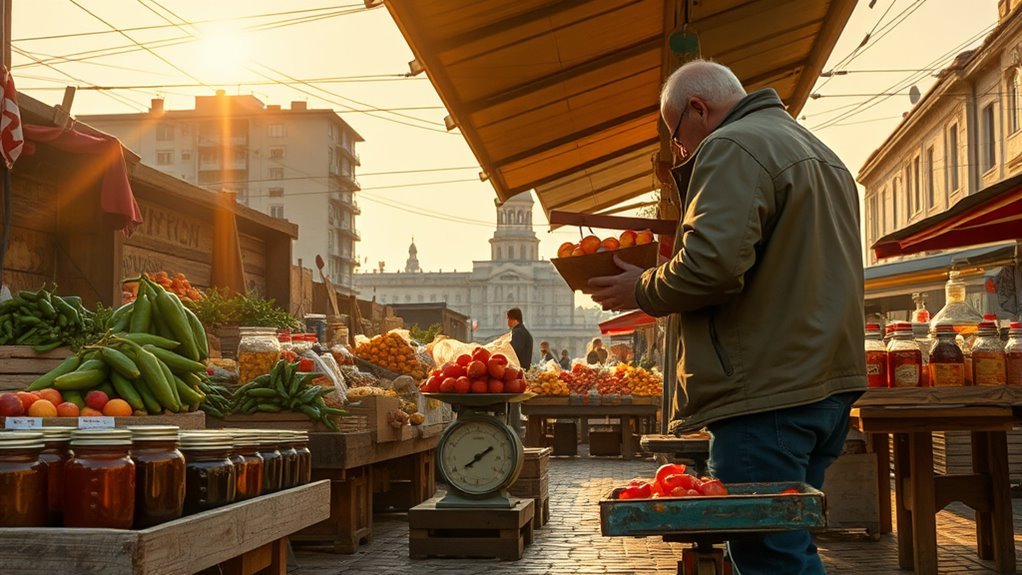
Serbia travel costs make the country an appealing choice for visitors who want to explore Europe without a large budget. The Serbian dinar is the official currency, local meals can be affordable, and Belgrade offers free public transport on its integrated city network. Understanding exchange rates, everyday prices, and a few practical travel rules will help you spend confidently while exploring Belgrade, Novi Sad, Niš, and smaller Serbian towns.
Quick Answer
Serbia is generally affordable compared with many Western European destinations. Budget travelers can find inexpensive accommodation, local meals, and low-cost intercity transport. Pay in Serbian dinars (RSD), carry cash for smaller businesses, and use free Belgrade city transport. Belgrade offers nightlife and major attractions, while Novi Sad and Niš provide different cultural experiences.
Last checked: September 26, 2026. Exchange-rate, transport, safety, and entry information was checked against official sources. Food and accommodation prices are indicative estimates.
Key Takeaways
- Serbia uses the Serbian dinar (RSD), not the euro. Cards are widely accepted in cities, but cash remains useful for markets, smaller shops, and rural areas.
- Local restaurant meals can cost around $5 to $15, while some hostel beds cost under $20. Actual prices depend on location and season.
- Belgrade’s integrated public transport network has been free for passengers since January 1, 2025. Intercity buses and trains still have separate fares.
- Belgrade is known for nightlife and historic attractions. Novi Sad, Niš, Sremski Karlovci, and Vršac offer different experiences.
- Solo travelers should take normal precautions against theft, taxi overcharging, and disruptions around demonstrations.
- U.S. passport holders can visit Serbia without a visa for short tourist stays, but registration and entry requirements still apply.
What to Know About Serbian Dinars and Prices
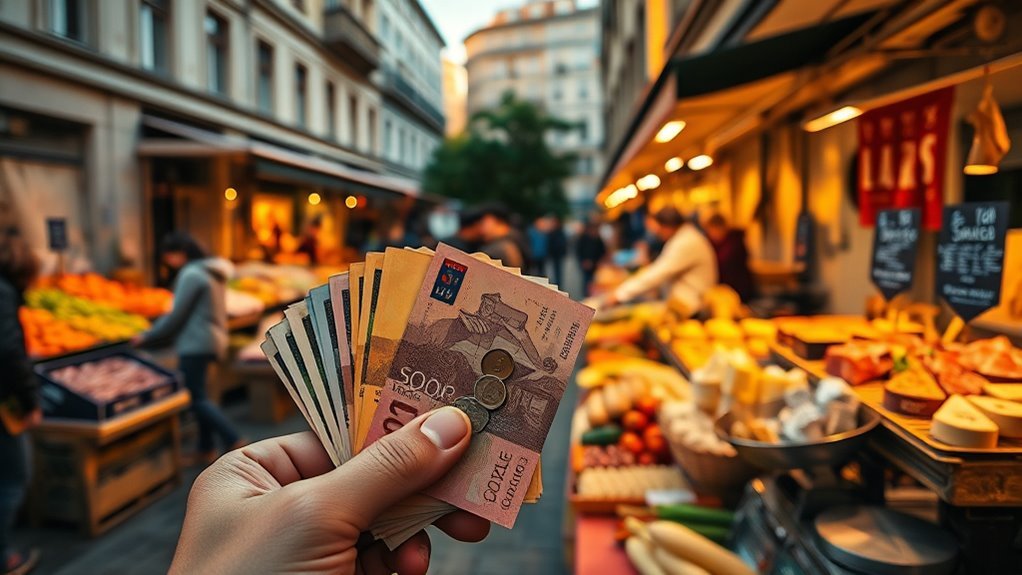
Serbia’s official currency is the Serbian dinar (RSD). The country does not use the euro for ordinary purchases, although euros can be exchanged at banks and licensed exchange offices.
In September 2026, one U.S. dollar was worth approximately 103 RSD, while one euro was worth about 117.5 RSD. The National Bank of Serbia’s exchange-rate information provides the official reference for currency conversion.
These figures are useful for estimating prices, but your bank or exchange office may offer a different rate.
Should You Bring Cash or Use a Card?
A combination of cash and cards works well for most visitors. Hotels, larger restaurants, supermarkets, and many city businesses accept international payment cards.
Cash is particularly useful at traditional markets, small bakeries, cafés, and businesses outside the main tourist areas. Carry smaller dinar notes so that you do not depend on a shopkeeper having change for a large bill.
Budget rooms can cost under $20, and traditional meals can offer good value, especially outside the busiest tourist districts.
You can exchange euros or dollars at a bank or licensed exchange office, known locally as a menjačnica. ATMs are another convenient way to obtain dinars.
Before accepting an exchange, compare the displayed rate with the official reference rate. Your bank may also charge foreign withdrawal or transaction fees.
Should You Pay in Dinars or Dollars?
Choose Serbian dinars when paying by card or withdrawing money from an ATM. If the machine offers to convert the amount into your home currency, declining that conversion generally lets your card issuer handle the exchange instead.
This can help avoid an unfavorable rate set by the ATM or payment provider.
Do not assume that paying directly in euros will save money. A business that accepts euros may use its own conversion rate, and U.S. dollars are not suitable for ordinary daily purchases.
A small cash reserve also makes tipping easier. Around 10% is a customary guideline for good restaurant service, but tipping is discretionary rather than a mandatory charge.
Is Serbia Safe for Solo Travelers?
Serbia can be a comfortable destination for solo travelers, but it is not free from travel risks. Many visitors enjoy the country’s hospitality, walkable city centers, café culture, and opportunities to meet local people.
However, travelers should be aware of petty theft, taxi overcharging, and disruptions around public demonstrations.
The U.S. Department of State’s Serbia travel advisory, issued August 27, 2026, places the country at Level 2: Exercise Increased Caution due to crime.
What Should Solo Travelers Watch Out For?
Keep your phone, wallet, passport, and other valuables secure in busy tourist areas. Pay particular attention around transport terminals, crowded vehicles, nightlife districts, and large public gatherings.
For taxis, use a registered operator and confirm how the fare will be calculated before beginning the journey.
| Signal | Meaning | Effect |
|---|---|---|
| Friendly local interaction | Opportunities for directions and cultural exchange | Makes independent travel easier |
| Petty theft in busy areas | Personal belongings need attention | Use normal city precautions |
| Demonstrations and large gatherings | Possible transport disruption and crowd-related risks | Avoid affected areas and adjust routes |
Warning: Demonstrations can develop with little notice and may disrupt public transport. Avoid crowds where tensions are rising, follow local authorities’ instructions, and keep your accommodation address accessible offline.
If you are traveling alone at night, choose well-lit streets and use a registered taxi when walking would leave you isolated.
Serbian hospitality can make travel enjoyable, but friendly interactions should complement practical safety habits rather than replace them.
What Serbian Food, Cafes, and Rakija Cost
Serbian food is one of the main attractions for budget travelers. Traditional restaurants often serve filling dishes, while bakeries offer inexpensive breakfasts and snacks.
A local restaurant meal may cost around $5 to $15. Tourist-area restaurants, upscale dining, and more elaborate meals can cost considerably more.
Typical Food and Drink Prices
The following ranges are useful starting estimates from the original travel guide, not guaranteed September 2026 menu prices.
| Item | Indicative Price | What Affects the Cost |
|---|---|---|
| Local restaurant meal | $5–$15 | Restaurant type, location, and portion size |
| Coffee | $1–$3 | Café location and drink type |
| Glass of rakija | $2–$4 | Brand, serving size, and venue |
| Hostel bed | Sometimes under $20 | City, season, and room type |
| Boutique hotel | Around $100 or more | Property standard, demand, and location |
Which Serbian Foods Should You Try?
Start with ćevapi, small grilled meat portions commonly served with bread and onions. Sarma consists of cabbage leaves wrapped around a savory filling, usually containing meat and rice.
Burek, a flaky pastry filled with cheese, meat, or other ingredients, is another practical choice for breakfast or a quick meal.
Traditional dishes such as ćevapi and sarma offer a filling introduction to Serbian food without requiring an expensive restaurant.
Traditional Serbian restaurants are often called kafanas. They combine food, conversation, and local hospitality, sometimes with live music.
Rakija is a traditional fruit spirit, commonly made from plums, grapes, apricots, or other fruit. It is usually served in small glasses and can be strong, so moderate consumption is sensible.
For a lower-cost meal, explore neighborhood bakeries and restaurants away from the busiest tourist streets. Sharing a large platter can also make sense when traveling with someone else.
Which Serbian Cities Are Worth Visiting?
Belgrade, Novi Sad, and Niš offer three different introductions to Serbia. Belgrade suits travelers interested in history and nightlife, Novi Sad offers a calmer riverside atmosphere, and Niš provides important historic sites and southern Serbian food.
Smaller towns such as Sremski Karlovci and Vršac add wine culture, architecture, and a quieter pace.
Belgrade: History, Nightlife, and City Culture
Belgrade is Serbia’s capital, located where the Sava and Danube rivers meet.
Begin at Belgrade Fortress and Kalemegdan Park for river views and layers of Roman, Ottoman, and later European history.
Skadarlija, the historic bohemian quarter, is another popular stop for traditional restaurants, cafés, and evening entertainment.
Belgrade is a natural base for travelers who want plenty of accommodation options, nightlife, museums, and connections to other Serbian destinations.
Novi Sad: Danube Views and Petrovaradin Fortress
Novi Sad is known for Petrovaradin Fortress, its historic center, and a more relaxed atmosphere than the capital.
Visitors can explore the fortress, walk beside the Danube, and enjoy the city’s cafés and cultural attractions.
Novi Sad also has a long association with the EXIT music festival. However, travelers should not assume that the festival is taking place at Petrovaradin Fortress in 2026.
The organizers announced an EXIT Global Tour for 2026, with events in several destinations outside the festival’s traditional Novi Sad location.
Niš: Fortresses, History, and Southern Serbian Food
Niš is an appealing destination for visitors interested in history and traditional food.
Niš Fortress is one of its main attractions, while the Skull Tower commemorates events during the First Serbian Uprising against Ottoman rule.
The city’s restaurant culture also offers opportunities to try grilled meat, burek, and other southern Serbian specialties.
Niš can provide a quieter alternative to Belgrade for travelers who prefer historic sightseeing over big-city nightlife.
Sremski Karlovci: Wine and Baroque Architecture
Sremski Karlovci is a historic town near Novi Sad, known for wineries, architecture, and its role in Serbian cultural and religious history.
The town’s official tourism organization lists 20 registered wineries, including 15 that offer wine and food tasting at their facilities.
Visitors can explore the historic square, see the Four Lions Fountain, and visit the Museum of Beekeeping associated with the Živanović family.
Local products include honey, traditional kuglof cake, and Bermet, an aromatized wine associated with the region.
A visit works well as a day trip from Novi Sad. Wine tasting and some museum experiences require separate arrangements or payment.
Vršac: Castle Views and Vineyard Country
Vršac offers a quieter experience in Serbia’s Banat region, close to the Romanian border.
Its best-known landmark is Vršac Castle, often called Vršac Tower, overlooking the town and surrounding plains.
The surrounding vineyards, historic buildings, and local museums make it a suitable destination for travelers interested in architecture and wine.
For visitors who enjoy slower travel, Vršac provides an alternative to the busier capital and major tourist centers.
How to Save Money on a Serbia Trip
The simplest way to reduce Serbia travel costs is to combine affordable accommodation, local dining, and public transport. The greatest savings usually come from avoiding unnecessary private transfers and expensive accommodation in prime tourist locations.
1. Compare Accommodation by Location
Hostel beds may cost less than $20, while boutique hotels can approach $100 or more per night.
Belgrade’s central districts are convenient for sightseeing, but a room slightly farther from major attractions may offer better value.
For longer stays, an apartment with cooking facilities can help reduce restaurant spending. Compare the total price, including cleaning fees and other charges, rather than relying on the advertised nightly rate.
2. Use Belgrade’s Free Public Transport
One of Serbia’s most useful budget advantages is Belgrade’s free integrated public transport system.
According to the Belgrade public transport authority, travel on the city’s integrated public transport network has been free for passengers since January 1, 2025.
This makes city buses, trams, and other included services particularly useful for exploring Belgrade without paying for every journey.
Intercity buses and trains are separate services and still require tickets.
3. Choose an Affordable Airport Transfer
Belgrade Nikola Tesla Airport has public transport connections to the city.
Bus line 72 connects the airport with Zeleni Venac and is listed by the airport as free of charge. The approximate journey takes 30–40 minutes.
The A1 minibus connects the airport with Slavija Square in approximately 30 minutes. Unlike the free city bus, it requires a ticket purchased from the driver using cash in dinars.
For a taxi, use an authorized operator and confirm the applicable fare before departure.
4. Plan Intercity Travel Around Your Route
Belgrade makes a useful starting point for visiting Novi Sad or traveling south toward Niš.
Buses connect major Serbian cities, while rail services are useful on selected routes. Compare the departure point, journey duration, and total fare before choosing.
Traveling between nearby destinations on the same day can reduce the need to change hotels repeatedly.
5. Spend More on Local Experiences
Consider saving on routine meals and transportation while keeping part of your budget for experiences that interest you most.
Examples include traditional kafanas, culinary tours, museum visits, and wine tasting around Sremski Karlovci.
Public squares, riverside walks, parks, and many historic streets also provide rewarding sightseeing without requiring a paid tour.
What Should You Know Before Arriving in Serbia?
Before traveling, confirm your passport and entry requirements, accommodation arrangements, and access to local currency. Serbia is outside the Schengen Area, so its entry rules are separate from those of Schengen countries.
Visa and Entry Requirements
U.S. passport holders do not need a visa for tourist visits of up to 90 days within the applicable six-month period.
Visa rules differ for other nationalities. Travelers should base their plans on the passport they will use to enter Serbia, not simply their country of residence.
Serbia’s official entry requirements identify €50 per day as the amount considered sufficient to support a visitor during their stay.
This is an entry-related proof-of-funds figure, not a mandatory daily spending amount. Travelers may demonstrate sufficient funds through appropriate financial evidence.
Accommodation Registration
Foreign visitors must have their stay registered with the relevant authorities within 24 hours of arrival at their accommodation.
Hotels and other accommodation providers normally handle this process for guests.
If you stay in a private home or other accommodation, clarify who will complete the registration. The Serbian Ministry of Foreign Affairs explains the registration requirement.
Is Tap Water Safe in Serbia?
Tap water from Belgrade’s municipal water system is generally considered safe to drink.
In February 2026, the city’s water utility confirmed that water supplied through its municipal network met drinking-water safety standards.
The Belgrade water utility’s statement applies to areas served by the municipal system.
Water conditions can differ in rural properties or buildings using private supplies. Ask your accommodation provider about the local water source when staying outside a municipal network.
Frequently Asked Questions
What to Bring Home From Serbia?
Popular Serbian souvenirs include pottery, embroidered textiles, honey, jams, local wines, and rakija. Handmade crafts and traditional food products are available in markets and specialty shops. Check your home country’s customs restrictions before packing alcohol, food, or agricultural products.
What to Be Careful of in Serbia?
Watch for pickpocketing, taxi overcharging, and disruptions around large demonstrations. Smoking is common in some hospitality venues, so choose a non-smoking area when available. Respect local laws and property rights, confirm fares before traveling, and use suitable precautions when exploring unfamiliar places.
Is Serbia Good for Shopping?
Yes, Serbia offers shopping options ranging from international brands to traditional markets and independent craft shops. Belgrade has major shopping districts and malls, while smaller towns provide local products and souvenirs. Compare prices and quality rather than assuming every item is cheaper than abroad.
Is Serbia Cheap for American Tourists?
Serbia can be an affordable destination for American tourists, particularly those using hostels, local restaurants, and public transport. Belgrade is generally more expensive than smaller towns. Your total spending will depend on accommodation, travel style, exchange rates, and transportation between destinations.
Can You Pay With Euros in Serbia?
The Serbian dinar is the official currency, and you should use it for ordinary purchases. Some businesses may quote prices in euros, but this does not mean euros are accepted for payment. Exchange your money through a licensed office or bank, or withdraw dinars from an ATM.
Is Public Transport Free in Belgrade?
Yes, Belgrade’s integrated public transport system has been free for passengers since January 1, 2025. Included city services can help visitors reduce daily transportation costs. Intercity buses, trains, and the airport A1 minibus are separate services with their own ticket requirements.
Conclusion
Serbia combines affordable everyday experiences with distinctive food, history, and welcoming local culture. Belgrade offers lively streets and free city transport, while Novi Sad, Niš, and smaller towns provide opportunities to explore at a slower pace.
Carry Serbian dinars, compare your main travel expenses, and choose destinations that match your interests. With a practical budget and sensible precautions, Serbia offers plenty to enjoy without unnecessary spending.
Sources
- National Bank of Serbia: Official currency exchange-rate information.
- U.S. Department of State: Serbia travel advisory, crime information, currency guidance, and entry information for Americans.
- EXIT Festival: Official information about the 2026 Global Tour.
- Sremski Karlovci Tourism Organization: Local attractions, wineries, food, and wine-tasting opportunities.
- Belgrade Public Transport Authority: Free integrated public transport policy introduced January 1, 2025.
- Belgrade Nikola Tesla Airport — Line 72: Airport bus route, travel time, and free service.
- Belgrade Nikola Tesla Airport — A1 Minibus: Route, approximate journey time, and cash payment requirements.
- Belgrade Waterworks and Sewerage: February 2026 statement on municipal drinking-water quality.
- Serbian Ministry of Foreign Affairs — Entry Requirements: Proof of sufficient funds and general entry conditions.
- Serbian Ministry of Foreign Affairs — Registration of Stay: Accommodation registration requirements for foreign visitors.
