
You want a welder that teaches you the basics without wasting money, space, or time. These Forney Easy Weld picks are worth your attention because they balance simplicity, portability, and real-world performance.
Whether you plan to fix a tailgate, build a hobby project, repair a gate, or learn more than one welding process, choosing the right machine will save you frustration and help you progress faster.
Affiliate disclosure:. As an Amazon Associate I earn from qualifying purchases. This roundup is reader-supported. When you click through Amazon links, we may earn a referral commission on qualifying purchases.
Quick Verdict
Best simple first welder: FORNEY Easy Weld 140, because flux-core welding keeps setup simple and avoids a gas bottle.
Best room to grow: Forney 271 Easy Weld 140 MP, because you can learn MIG, stick, and DC TIG with the right accessories.
Best lightweight stick option: Forney 298 Easy Weld 100ST, because it is compact, simple, and easy to carry for light repairs.
Best starter bundle: Forney 29801 Easy Weld 100ST Start-Up Kit, because it adds basic safety gear and accessories for beginners who do not already own welding equipment.
Top Picks
|
Category |
Product |
Best For |
|---|---|---|
|
🏆 Best No-Gas Welder |
Simple flux-core practice and light repairs |
|
|
🚀 Best Multi-Process |
Learning MIG, stick, and DC TIG |
|
|
🎯 Best Lightweight Stick |
Portable stick welding for beginners |
|
|
💼 Best Starter Bundle |
New welders who also need basic gear |
How We Chose These Welders
You need a machine that matches how and where you plan to weld. We focused on practical buying factors that matter to beginners and home users.
- Ease of use: Controls you can learn quickly and predictable performance while you practice.
- Power and duty cycle: Enough output for common DIY repairs without pushing the machine beyond its intended light-duty range.
- Portability and footprint: Weight and size that let you store the welder and move it to the work.
- Versatility: The welding processes and material ranges each machine is designed to support.
- Starter value: Useful included accessories, common consumable compatibility, and a setup that does not create unnecessary complexity.
Before You Buy
- Check your power: Most Easy Weld starter models run on standard 120 V power, but you should still confirm the circuit requirements in the manual.
- Know the process: Flux-core is simple and outdoor-friendly, gas MIG is cleaner, stick is rugged, and TIG requires more skill and extra shielding gas.
- Plan for safety gear: Use a properly rated welding helmet, gloves, sleeves or jacket, ventilation, and a fire-safe workspace.
- Start on scrap: Practice bead control and settings before repairing a part that matters.

You’ll appreciate how straightforward this Forney is. It is a flux-core wire-feed welder that runs off a standard household circuit, so you do not need a gas bottle or special hookups to start practicing.
Because it is light and has adjustable voltage and wire-feed speed control, you can carry it to the garage, a job site, or move it around the workshop without hassle. Use it for everyday fixes like repairing garden tools, patching brackets, or learning beads on scrap mild steel.
The biggest reason to choose it is simplicity. If you want a forgiving first machine and do not want to manage shielding gas, this is the easiest pick in the lineup.
What People Say
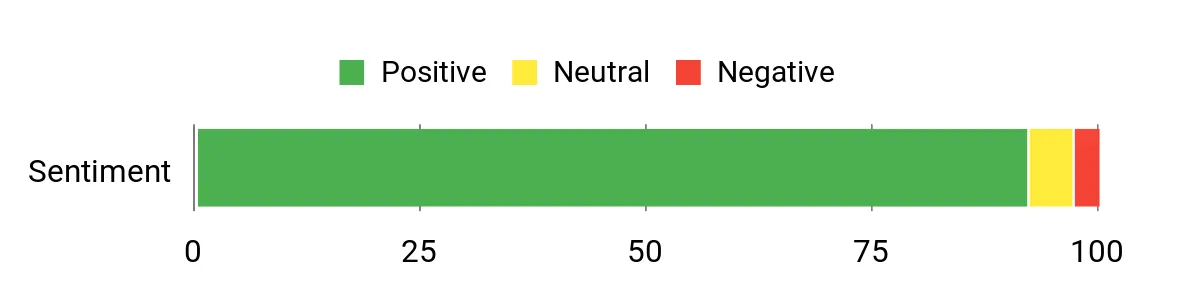
Common buyer feedback highlights the easy setup, small footprint, and useful control range for practice and light repair work. Some buyers also mention that the torch is functional rather than premium, which is a fair expectation at this starter level.
Overall Sentiment: Positive
When It Helps
|
Situation |
How It Helps |
|---|---|
|
Learning to Weld |
The adjustable controls let you slowly dial in settings so you can experiment without getting overwhelmed. |
|
Quick Home Repairs |
You can fix small brackets, gates, garden tools, or scrap-metal projects without hauling gear to a shop. |
|
Small Fabrication Projects |
The portable build makes it easier to work at a bench, in a driveway, or at a friend’s garage. |
|
Outdoor Practice |
Flux-core welding is more forgiving in light outdoor air movement than gas MIG, as long as the work area is safe. |
Ease Of Use
|
Feature |
Ease Level |
|---|---|
|
Setup |
Easy |
|
Adjusting Settings |
Moderate |
|
Changing Wire Spools |
Easy |
|
Portability |
Very Easy |
Key Benefits
- No-gas flux-core design means simpler setup and fewer consumables to manage
- Adjustable voltage and wire-feed controls help you fine-tune welds as you learn
- Lightweight and portable for garage, driveway, and hobby use
- Runs on standard household power, so you do not need a dedicated 230 V circuit
- Best fit for beginners who want a simple first welder for mild steel practice and light repairs
Who Should Buy This
Choose this model if you want the simplest starter path and plan to weld small mild-steel projects, brackets, tools, gates, and hobby pieces.
Who Should Avoid This
Skip it if you need cleaner gas MIG welds, frequent thick-material welding, aluminum capability, or a multi-process machine.

You’re looking at a compact, no-nonsense multi-process welder that is designed to get you welding without a huge learning curve. It handles MIG, flux-core, DC TIG, and stick welding, and runs on a standard 120 V household outlet.
The all-metal case and simple knobs make it feel solid and straightforward to use, and the included MIG gun, electrode holder, and ground clamp reduce the number of extras you need for your first session. For TIG, expect to add the needed torch, shielding gas, and accessories.
Use it for everyday fixes like patching brackets, repairing gates, or working on small fabrication projects. If you want one machine that gives you room to learn different welding styles, this is the most flexible Easy Weld pick here.
What People Say
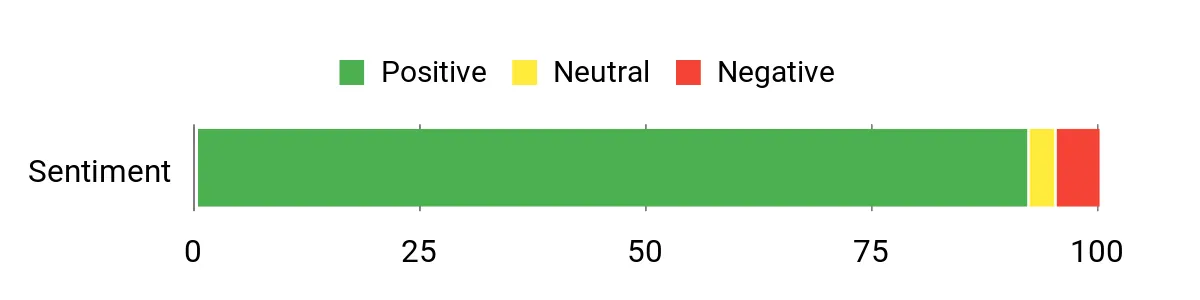
Common buyer feedback points to easy setup, useful process flexibility, and good portability for hobby and maintenance work. Some users mention that the stock gun and wire-speed range are not ideal for every heavy job, so this is still best treated as a starter and light-duty machine.
Overall Sentiment: Positive
When It Helps
|
Situation |
How It Helps |
|---|---|
|
Starting Out |
You can experiment with MIG, flux-core, TIG, and stick without buying separate starter machines. |
|
Home Repairs |
Runs on household power and includes basic leads, so small repairs are easier to start. |
|
Mobile or Yard Work |
The portable build is simple to carry around the garage, yard, or driveway. |
|
Skill Building |
Trying multiple processes helps you learn which welding style fits your projects before upgrading later. |
Ease Of Use
|
Feature |
Ease Level |
|---|---|
|
Setup |
Easy |
|
Switching Processes |
Moderate |
|
Dialing Settings |
Moderate |
|
Portability |
Very Easy |
|
Basic Maintenance |
Easy |
Key Benefits
- Multi-process capability gives you more learning paths than a single-process starter machine
- Runs on standard household power, with no 230 V circuit required for basic use
- Adjustable voltage and wire-feed controls let you fine-tune settings as you learn
- Sturdy all-metal construction makes it feel durable for hobby and light repair work
- Comes with MIG gun, electrode holder, and ground clamp for easier setup
Who Should Buy This
Choose this model if you want a starter welder that can grow with you and you are willing to learn setup differences between MIG, stick, and TIG.
Who Should Avoid This
Skip it if you only want the simplest no-gas setup or if you need a high-output production welder for thick steel.

This is a small, straightforward stick welder that gets you welding with minimal fuss. You can plug it into a standard 120 V outlet and carry it around the shop without dedicating much storage space.
It is designed for light repairs, hobby projects, and learning the basics: think patching a gate, fixing a bracket, or practicing beads on scrap steel. The unit is TIG-capable with added equipment, but for most stick jobs you do not need shielding gas, which keeps setup simple.
If you want something portable, durable, and forgiving while you build confidence, this is the easiest stick-only option in the group.
What People Say
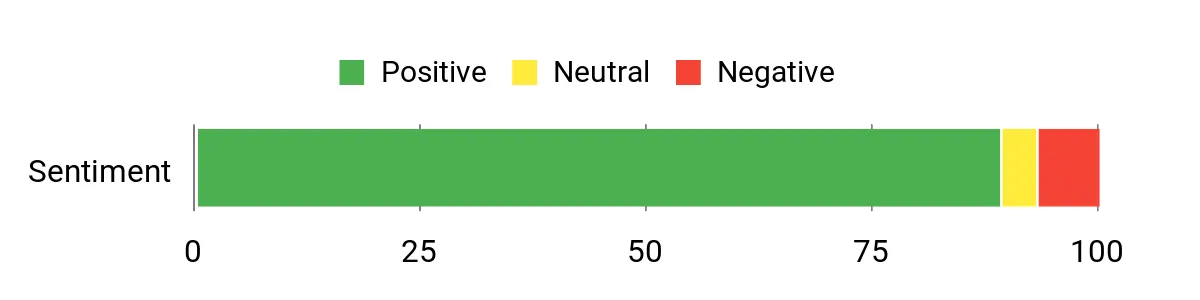
Common buyer feedback highlights portability, simple setup, and a steady arc for light repair work. Some users note that it is not intended for heavy fabrication, and beginners may need practice to strike and hold an arc consistently.
Overall Sentiment: Positive
When It Helps
|
Situation |
How It Helps |
|---|---|
|
Starting Out |
You can learn stick welding without dealing with complex gas hookups or wire-feed setup. |
|
Home Repairs |
Runs on regular outlets and includes basic clamps, so you can handle small fixes without a shop trip. |
|
Mobile or Yard Work |
Light weight and small size mean you can carry it to the yard, barn, garage, or a friend’s place. |
|
Hobby Projects |
Good for art, garden projects, and small fabrications where portability matters more than high amperage. |
Ease Of Use
|
Feature |
Ease Level |
|---|---|
|
Setup |
Easy |
|
Striking and Holding an Arc |
Moderate |
|
Changing Electrodes |
Easy |
|
Portability |
Very Easy |
|
Basic Maintenance |
Easy |
Key Benefits
- Runs on standard 120 V household power so you can use regular outlets
- Compact and easy to move around a garage, driveway, or small shop
- 90 A output is aimed at light DIY and repair tasks
- Stick welding without shielding gas keeps the setup simple for beginners
- TIG-capable design gives you a path to experiment later with added equipment
Who Should Buy This
Choose this model if you want the smallest, simplest stick welder here and you mainly work on light repairs or practice pieces.
Who Should Avoid This
Skip it if you prefer wire-feed welding, want cleaner gas MIG results, or plan to weld thicker material frequently.

You get a compact stick welder package that is built to get you started with fewer separate purchases. Plug it into a standard 120 V outlet, carry it around the shop, and use the included starter gear to begin practicing basic stick welding.
It is best for light repairs, hobby builds, and learning: patching a gate, welding a bracket, tacking up a small trailer part, or making a metal planter are exactly the kinds of jobs this package is meant to support.
The main advantage is convenience. If you do not already own a helmet, gloves, and starter accessories, the kit can be easier than buying the welder and safety gear separately.
What People Say
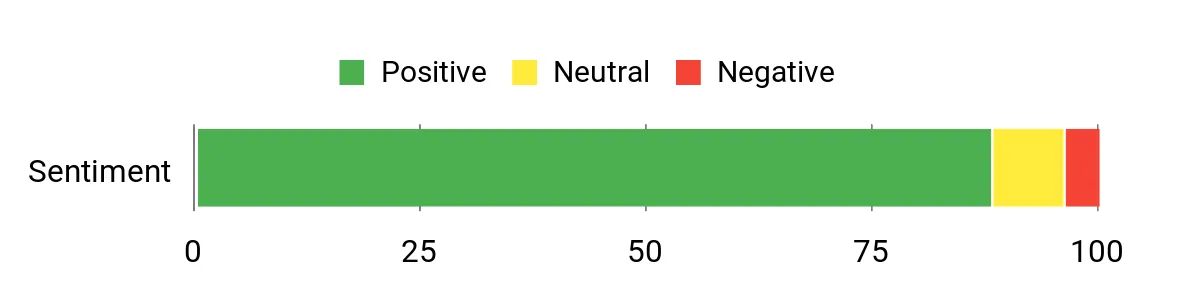
Common buyer feedback compliments the simple setup and the convenience of having basic starter accessories in one package. The main limitation is that this remains a light-duty setup, so it is not the right choice for heavy fabrication or frequent thick-steel work.
Overall Sentiment: Positive
When It Helps
|
Situation |
How It Helps |
|---|---|
|
Learning the Basics |
Simple controls and included starter gear help you practice beads without building a full gear list first. |
|
Quick Home Repairs |
You can fix fences, brackets, or hinges using a normal outlet and a basic stick-welding setup. |
|
Mobile Jobs |
The compact welder is easy to carry to the yard, garage, or a friend’s place. |
|
First Gear Purchase |
The bundle helps if you need the welder plus basic protection and accessories in one purchase. |
Ease Of Use
|
Feature |
Ease Level |
|---|---|
|
Setup |
Easy |
|
Striking and Holding an Arc |
Moderate |
|
Changing Electrodes |
Easy |
|
Portability |
Very Easy |
|
Basic Maintenance |
Easy |
Key Benefits
- Runs on standard 120 V household power, so you do not need special wiring for basic use
- Comes as a starter kit with a welder and basic accessories
- Portable enough to take to projects instead of hauling every small repair to a shop
- 90 A output is suited to light DIY and repair tasks on mild steel
- Stick welding does not require shielding gas, keeping setup simple for beginners
Who Should Buy This
Choose this kit if you are buying your first welding setup and want basic starter gear bundled with the welder.
Who Should Avoid This
Skip it if you already own quality safety gear, want a wire-feed machine, or need more power for thicker steel.
FAQ
What Makes These Easy Weld Machines Good For New Welders?
You’ll find these Forney Easy Weld machines useful because they focus on simplicity, portability, and forgiving operation. The Easy Weld 140 keeps setup simple with flux-core welding, while the 100ST models help you learn stick welding without shielding gas. The 140 MP gives you extra flexibility if you want to try MIG, stick, and DC TIG as your skills grow.
A practical tip is to start on scrap metal, run the machine at conservative settings, and slowly adjust wire feed, voltage, or amperage until your bead becomes more consistent.
How Should You Choose Between Flux-Core, Gas MIG, Stick, And TIG?
Think about your metal, your workspace, and how much setup complexity you want. If you work outdoors or want the simplest wire-feed startup, flux-core is usually the easiest choice because it avoids a gas bottle. If you want cleaner welds on thinner steel and can manage a tank and regulator, gas MIG is worth considering. Stick is rugged and simple for repairs, while TIG requires more skill, cleaner metal, and shielding gas.
Also check power requirements. A 120 V machine is convenient for garages and light projects, but it is not a substitute for a higher-output shop welder when you regularly work on thicker material.
Do You Need A Gas Bottle With These Welders?
Not always. Flux-core and stick welding do not require an external shielding gas bottle. Gas MIG and TIG do require shielding gas and the right accessories. If you want the least complicated first setup, start with flux-core or stick.
What Common Problems Will Beginners Encounter?
You may see inconsistent beads, excess spatter, trouble striking an arc, wire-feed issues, or burn-through on thin metal. Most of these issues improve with cleaner metal, better grounding, correct polarity, fresh consumables, and small setting changes.
If breakers trip or the machine overheats, check the manual, duty cycle, extension cord guidance, and circuit requirements. Do not keep welding when the machine needs to cool.
What Safety Gear Do You Need Before Welding?
Use a properly rated welding helmet, welding gloves, protective sleeves or a jacket, closed-toe leather footwear, eye protection for grinding, good ventilation, and a fire-safe work area. Keep flammable materials away and ground the work close to the weld area.
Buyers Top Picks
You’ll usually choose between these Forney Easy Weld models based on how simple or flexible you want your first setup to be. Pick the FORNEY Easy Weld 140 if you want the easiest no-gas wire-feed option, choose the Forney 271 Easy Weld 140 MP if you want more process flexibility, choose the Forney 298 Easy Weld 100ST if you want a compact stick welder, or choose the Forney 29801 kit if you also need basic starter gear.
Wrapping Up
If you are just getting started, choosing the right first welder sets you up to learn quickly and build confidence. The lineup above focuses on machines that are easy to use, portable enough for a garage or small shop, and varied enough to match different learning goals.
Pick a no-gas flux-core unit if you want the easiest first experience, choose the multi-process option if you want room to grow, or get the starter kit if you also need basic safety gear and accessories. With the right match, you will spend less time troubleshooting gear and more time learning useful welding skills.
| Product | Image | Best For | Weight | Power Source | Special Highlights |
|---|---|---|---|---|---|
| FORNEY Easy Weld 140 Amp 120-Volt Flux-Cored Wire Feed Welder |
 |
Simple no-gas flux-core welding | About 19 pounds | AC, 120V |
|
| Forney 271 Easy Weld 140 MP Multi-Process Welder |
 |
Learning multiple welding processes | About 26 pounds | Corded Electric, 120V |
|
| Forney 298 Easy Weld 100ST 90 Amp Welder |
 |
Compact stick welding | About 10 pounds | Corded Electric, 120V |
|
| Forney Easy Weld 29801 100ST Welder Start-Up Kit |
 |
First setup with basic accessories | About 22 pounds | AC/DC, 120V |
|
This Roundup is reader-supported. When you click through links we may earn a referral commission on qualifying purchases.