
Welding overhead changes a lot about how you choose a helmet. You need reliable sensor coverage, a stable headband, clear visibility, and good face coverage because spatter can fall from above. In cold months, batteries can behave differently, headgear can feel stiff, and fogging can make a simple weld harder than it should be. This guide helps you compare auto-darkening welding helmets so you can pick one that keeps your eyes protected and your work precise during winter shop sessions.
You’ll find options that prioritize visibility, comfort, battery support, shade control, and value, plus honest reasons each helmet may or may not suit your overhead welding projects.
Affiliate disclosure:. As an Amazon Associate I earn from qualifying purchases. This roundup is reader-supported. When you click through Amazon links, we may earn a referral commission on qualifying purchases.
Quick Verdict
Best overall: ARCCAPTAIN G999 is the strongest all-around pick here because it combines a large true-color viewing window, four arc sensors, wide shade coverage, and a comfortable overhead-friendly fit.
Best for overhead visibility: YESWELDER Q800D is the best choice if you want a wider field of view and side panels that help you track your work without moving your head as much.
Best value: YESWELDER L600A is a sensible pick for weekend welders who want true-color optics, light weight, and a lower-cost helmet without paying for a huge viewing screen.
Top Picks
|
Category |
Product |
Score |
|---|---|---|
|
🏆 Best Overall |
92/100 |
|
|
🎯 Best For Overhead |
90/100 |
|
|
💡 Best With Light |
89/100 |
|
|
🚀 Best Battery Support |
88/100 |
|
|
🎨 Most Stylish |
91/100 |
|
|
🔰 Best For Beginners |
86/100 |
|
|
🔧 Most Adjustable |
85/100 |
|
|
⭐ Best Value |
87/100 |
|
|
💼 Most Comfortable |
80/100 |
|
|
💰 Best Budget |
84/100 |
How We Picked These Welding Helmets
You want a helmet that protects reliably while still letting you see what you are doing, especially when the weld is above your head. We prioritized sensor coverage, auto-darkening response, true-color optics, viewing area, power setup, headgear stability, shade adjustment, grind/cut modes, and replaceable lens covers. For winter use, we also looked for practical features such as dual power, simple controls, comfortable headgear, and designs that reduce the need to lift the hood often.
We also weighed buyer feedback on comfort, setup, visibility, lens clarity, and real-world use in tight or overhead positions. Because exact ratings, review counts, prices, and availability can change, the final guide focuses on stable product features and use cases instead of time-sensitive sales claims.
Before You Buy: Overhead Winter Welding Checklist
- Choose four sensors when possible: More arc sensors can help the lens trigger when your head angle blocks part of the arc.
- Confirm safety markings: Check the helmet, lens, and manual for the listed eye and face protection standards before welding.
- Use the right shade: Match the shade setting to the welding process, amperage, and manufacturer guidance.
- Plan for cold batteries: Keep spare batteries warm and test the auto-darkening filter before starting a winter job.
- Replace damaged covers: Scratched or spatter-pitted covers can reduce visibility and affect sensor performance.
- Protect more than your face: For overhead work, use proper gloves, jacket, cap, and neck coverage to reduce burn risk from falling spatter.
If you spend time welding overhead in winter, the ARCCAPTAIN G999 is the most complete pick in this roundup. The large viewing window and true-color optics help you spot the seam without fighting a strong green tint, while the four arc sensors help the auto-darkening filter respond when your head is tilted or the work angle is awkward.
The headgear is adjustable and the shell is designed to stay manageable during longer sessions. The solar-assisted power with a replaceable CR2450 battery is also useful for cold shops because you are not relying on a single power source. It is a strong choice for weekend fabrication, garage repairs, and light professional use where visibility and comfort matter.
What People Say
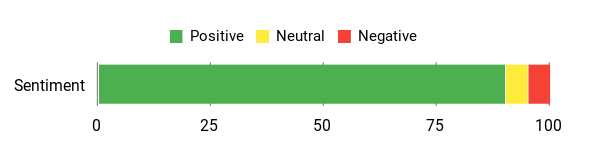
Buyer feedback often centers on the clear, large view, fast darkening response, and comfortable fit. The most common limitations are fit hardware and finish details that may not satisfy heavy daily industrial users.
Overall Sentiment: Positive
Listed Safety Features
Listed safety claims include four arc sensors, fast auto-darkening, adjustable sensitivity and delay, continuous UV/IR protection, and selectable modes for welding, cutting, and grinding. Confirm the helmet markings, manual, lens condition, and correct shade setting before use.
Durability
The shell is described as shock- and flame-resistant PP and PA, and the package includes replacement lenses and a storage bag. It should fit DIY and light shop use well, though heavy daily overhead work may wear headgear and clear covers faster.
Why You’ll Like It
- Large 3.94" x 3.66" viewing window helps you see more while working overhead
- True-color optics make the puddle and seam easier to read
- Four arc sensors improve confidence in awkward positions
- Wide shade range supports common welding processes
- Solar-assisted power and replaceable battery help with winter reliability
- Includes spare lenses and storage bag for easier upkeep
Who Should Buy This
Choose this if you want one helmet that balances visibility, sensor coverage, comfort, and value for overhead winter welding.
Who Should Avoid This
Skip it if you need a premium industrial helmet for constant daily fabrication or if your workplace requires a specific brand or certification document.
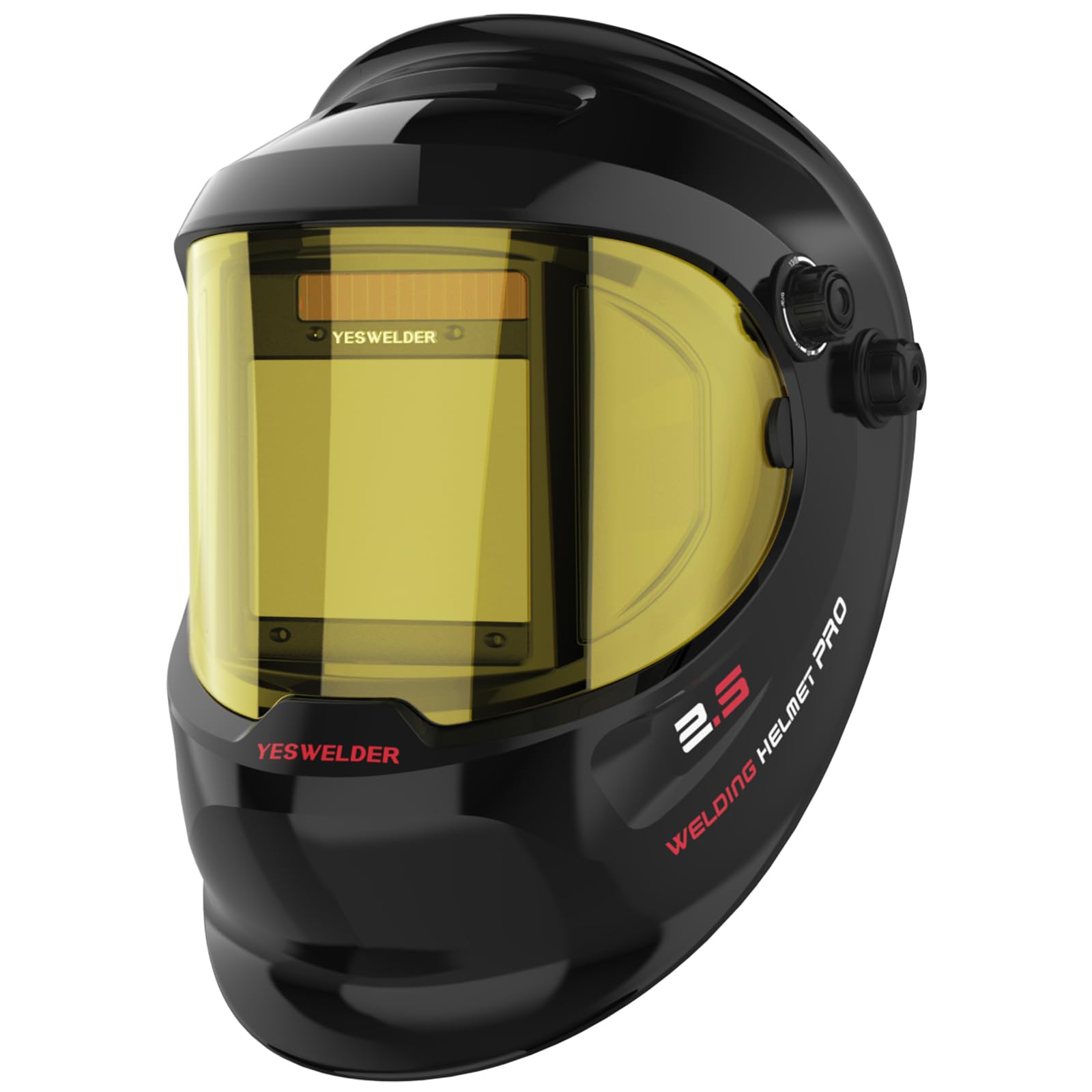
If you weld overhead often, the YESWELDER Q800D stands out because of its wider field of view. The large center lens and side-view panels help you keep track of your seam and nearby work area without constantly shifting your neck. That matters when you are under a vehicle, reaching above your head, or working in a tight winter shop.
The true-color optics help reduce the heavy green tint common on older helmets, while four arc sensors and adjustable settings make it easier to tune the helmet for awkward angles. It is a practical pick if visibility is your top concern.
What People Say
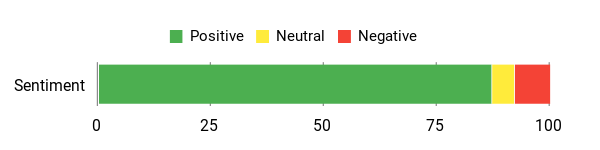
Users often praise the roomy field of view, side vision, quick lens response, and adjustable controls. Minor complaints tend to involve fit hardware, headgear comfort, or occasional quality-control issues.
Overall Sentiment: Positive
Listed Safety Features
Listed safety features include four arc sensors, adjustable sensitivity and delay, selectable weld/cut/grind modes, true-color optics, and a blue-light-blocking outer lens. Confirm the listed standards and markings before use.
Durability
The shell is described as ABS and reinforced PP, and the helmet includes spare inside and outside lenses. It is well suited to regular DIY and light shop use, though strap hardware and fit components may need extra care with heavy daily use.
Why You’ll Like It
- Panoramic side-view design helps you see more without moving your head
- True-color 1/1/1/1 optics support a more natural weld view
- Wide shade range works across welding, cutting, and grinding tasks
- Four sensors are helpful for angled overhead work
- Solar-assisted power with replaceable battery supports longer sessions
- Good choice when neck position and field of view matter most
Who Should Buy This
Choose this if you want a wider field of view for overhead welds, tight shop positions, or work where awareness around the joint matters.
Who Should Avoid This
Skip it if you prefer a smaller, lighter helmet or if side panels are not useful for the type of welding you do.
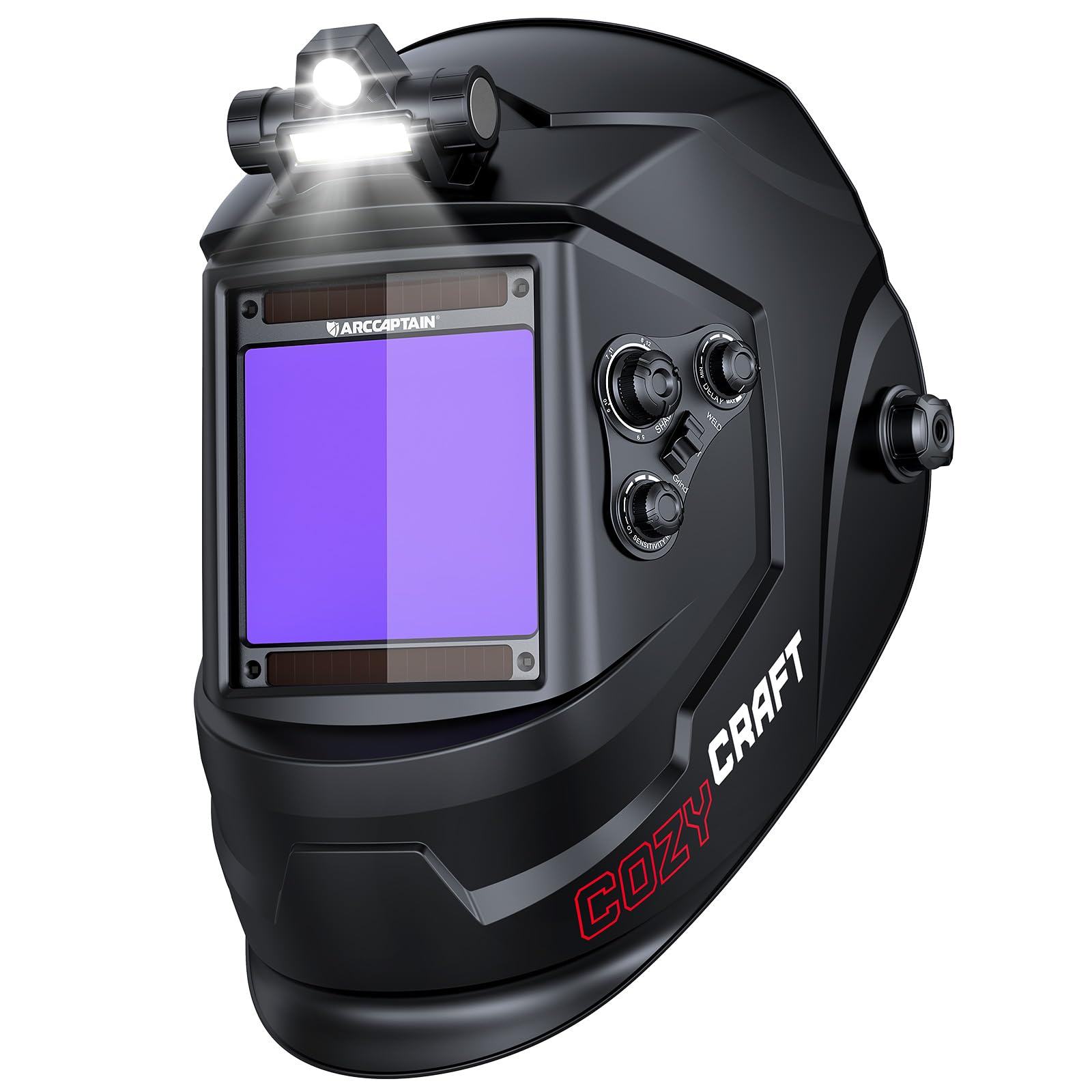
The ARCCAPTAIN LY800 is useful when the work area is poorly lit. The large true-color viewing area helps you find the joint and watch the puddle, while the removable LED light can help with setup and positioning before the arc starts. That is handy in a dark garage or during winter maintenance work when lighting is not ideal.
The auto-darkening filter uses four arc sensors, and the helmet includes grind, cut, and weld modes. The LED is best treated as a convenience feature rather than a replacement for proper shop lighting, but it gives this helmet a clear advantage for low-light setups.
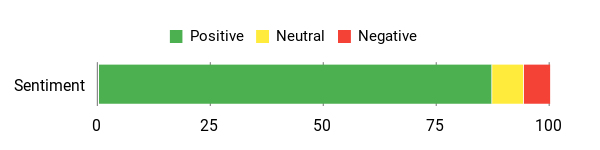
What People Say
Users tend to like the large lens, true-color view, and quick darkening. The most common caveat is that the LED light and some plastic fittings feel more like helpful extras than heavy-duty industrial components.
Overall Sentiment: Positive
Listed Safety Features
Listed safety claims include true-color optical clarity, four arc sensors, fast switching, UV/IR protection, grind/cut/weld modes, and adjustable sensitivity and delay. Confirm all safety markings and shade settings before welding.
Durability
The shell is described as molded PP, and the solar-plus-battery setup helps reduce the chance of a dead lens during use. For heavy everyday work, watch the headgear, battery tray, and light attachment for wear.
Why You’ll Like It
- Very large true-color viewing area for clearer overhead alignment
- Built-in USB rechargeable LED light helps during low-light setup
- Four arc sensors support more reliable auto-darkening at odd angles
- Wide shade range works for welding, cutting, and grinding
- Solar-assisted power plus replaceable CR2450 battery
- Good option when visibility is more important than keeping the helmet ultra simple
Who Should Buy This
Choose this if you often work in shadowed areas, under vehicles, or in winter garages where extra task lighting helps.
Who Should Avoid This
Skip it if you want the fewest moving parts possible or if your shop already has excellent task lighting.
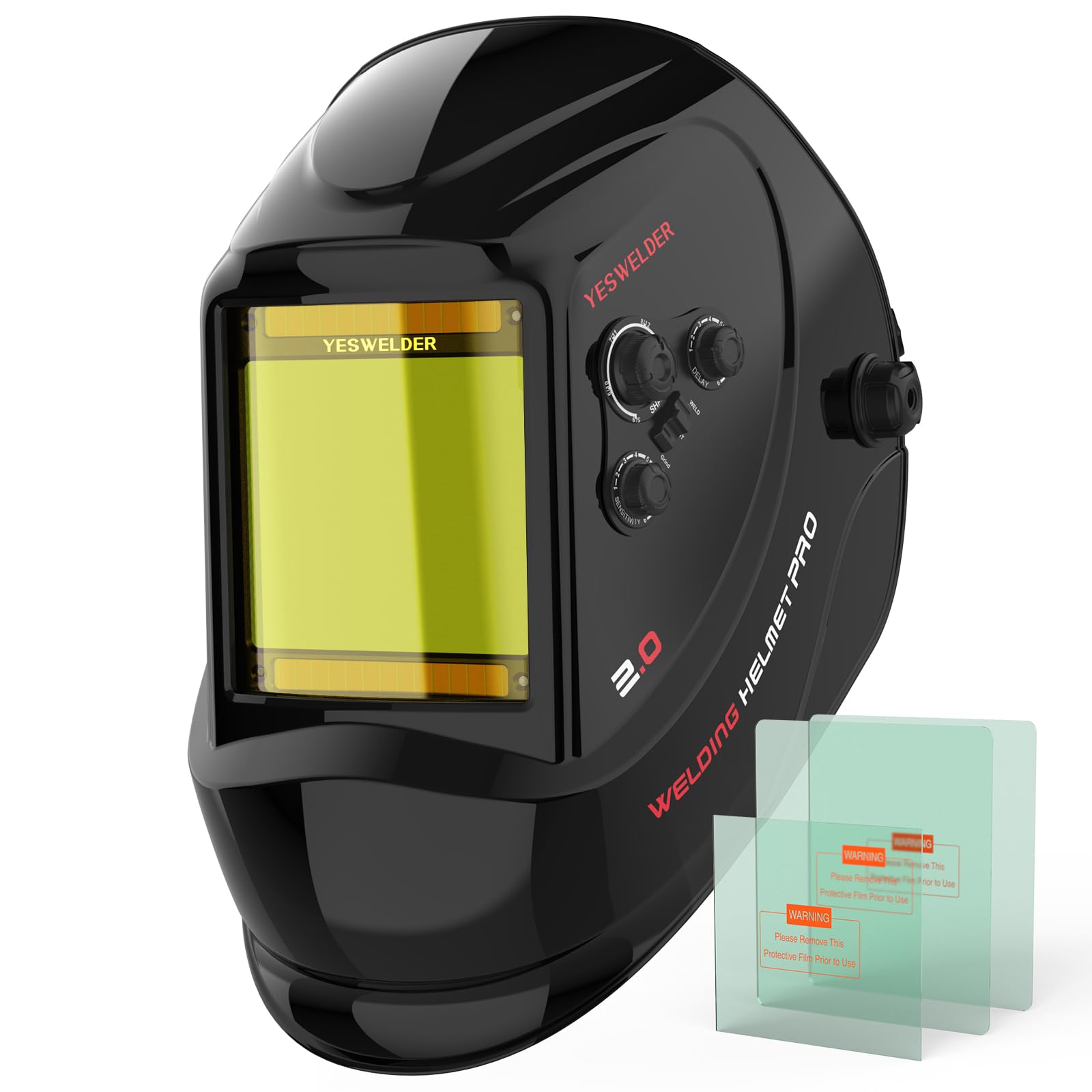
The YESWELDER M800H is a good match if you want a larger viewing window and a power setup that feels reassuring for cold-weather welding. The solar-assisted circuit and replaceable CR2450 battery give you redundancy, which is useful when a helmet has been stored in a cold garage or truck.
The viewing window is generous, and the four sensors help with awkward positions. It is versatile enough for common shop welding, cutting, and grinding tasks, making it a strong option for hobbyists and light professional users who want more screen space than a basic helmet provides.
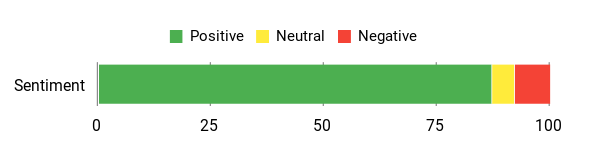
What People Say
Common feedback highlights the large true-color view, quick lens response, and convenient power setup. Some buyers mention that the headgear, knobs, or fittings can feel less durable than premium industrial helmets.
Overall Sentiment: Positive
Listed Safety Features
Listed safety features include four arc sensors, fast switching, adjustable sensitivity and delay, grind/cut/weld modes, and continuous UV/IR protection. Confirm the product markings and user manual before welding.
Durability
The helmet uses a reinforced shell and replaceable battery design. The optics and shell are a good fit for hobby and light professional use, while very heavy daily work may require headgear upgrades over time.
Why You’ll Like It
- Large 3.93" x 3.66" true-color viewing area
- Four sensors support better triggering when welding at an angle
- Solar-assisted power with replaceable battery is useful in winter
- Wide shade coverage supports weld, cut, and grind work
- Blue-light-blocking outer lens may improve comfort during long sessions
- Good step-up pick from small-window budget helmets
Who Should Buy This
Choose this if you want a bigger lens and dual-power support without moving into a high-priced pro helmet.
Who Should Avoid This
Skip it if you prioritize the lightest possible helmet or need the toughest headgear for constant industrial use.
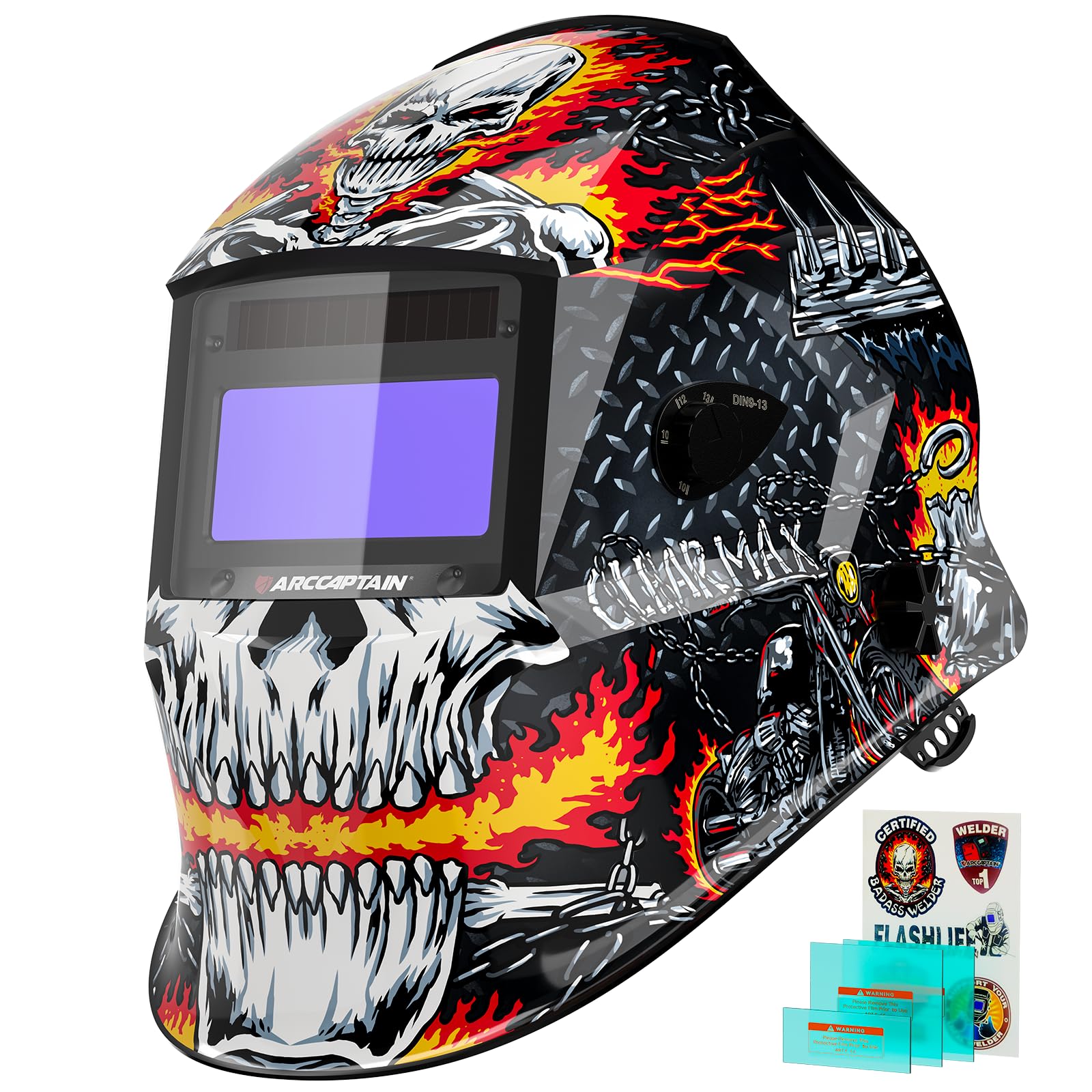
The ARCCAPTAIN Skeleton Knight is not just a style pick. It still brings practical welding features, including true-color optics, four arc sensors, solar-assisted power, and a replaceable CR2450 battery. The viewing area is not as tall as the largest helmets in this roundup, but it is still useful for general overhead work.
If you want a helmet that feels more personal without giving up core auto-darkening features, this is a good fit. It works best for casual fabrication, shop projects, and light professional jobs where comfort, visibility, and a standout shell design all matter.
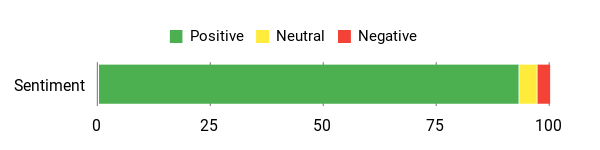
What People Say
Buyers often mention the clear view, light feel, bold design, and responsive auto-darkening. Some note that forehead padding, headband pressure, or small internal parts may need adjustment for the best comfort.
Overall Sentiment: Positive
Listed Safety Features
Listed safety claims include four arc sensors, continuous UV/IR protection, adjustable shade, sensitivity and delay, and grind/cut/weld modes. Confirm safety labels and lens condition before welding.
Durability
The shell is described as polyamide with shock, heat, and wear resistance. It also ships with spare inner and outer lenses, which helps extend service life.
Why You’ll Like It
- Bold Skeleton Knight shell design stands out in the shop
- True-color optics help you see the weld more naturally
- Four arc sensors improve response in awkward welding positions
- Solar-assisted power with replaceable CR2450 battery
- Includes extra replacement lenses
- Good balance of looks, comfort, and practical features
Who Should Buy This
Choose this if you want a stylish helmet that still has useful overhead welding features.
Who Should Avoid This
Skip it if you want the largest possible viewing area or a plain professional shell design.
The MIGVAN H-21 is a practical beginner-friendly option because it gives you the core features you should look for in an overhead welding helmet: true-color optics, multiple arc sensors, adjustable shade range, and modes for welding, cutting, and grinding.
For winter use, the solar and battery setup helps reduce power worries, while the adjustable headgear supports longer practice sessions. It is a no-fuss choice for hobby TIG work, weekend MIG repairs, or early shop projects where you want better visibility than a basic fixed-shade hood.
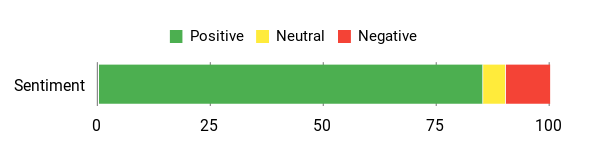
What People Say
Users often praise the roomy true-color window, quick auto-darkening, light feel, and comfortable headband. Reported drawbacks include occasional fit issues, internal plastic concerns, or trouble keeping the hood in the up position.
Overall Sentiment: Positive
Listed Safety Features
Listed safety features include four arc sensors, continuous UV/IR protection, broad shade settings, and grind/cut/weld modes. Confirm the exact shade setting and safety markings before starting a job.
Durability
The helmet uses a molded plastic shell and includes spare lenses. It should work well for hobby and light shop use, but internal fittings may not be ideal for rough daily industrial work.
Why You’ll Like It
- Beginner-friendly feature set without overcomplicating the choice
- True-color lens helps you learn puddle control more clearly
- Four arc sensors help with awkward welding angles
- Wide shade range and grind/cut/weld modes
- Solar-assisted power with battery support
- Comfortable enough for practice sessions and weekend work
Who Should Buy This
Choose this if you are learning, welding at home, or want a feature-rich helmet without paying for a premium industrial hood.
Who Should Avoid This
Skip it if you need the most rugged headgear or a helmet that will see heavy daily overhead fabrication.

The TRQWH HS0103 is useful if you like to fine-tune your helmet for different jobs. It offers shade, sensitivity, and delay adjustments, plus a small rechargeable LED light that can help when you are setting up a joint in a shadowed area.
It uses two arc sensors rather than four, so it is not the strongest overhead option here for blocked-angle work. Still, for hobby welding, classroom use, and occasional shop projects, it offers a practical mix of adjustability, true-color viewing, and task lighting.
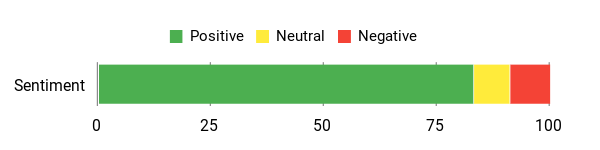
What People Say
Buyers often mention the clearer view, quick darkening, useful light, and solar-plus-battery setup. Some say the headband takes adjusting, and the lamp or straps can feel less robust than the lens features.
Overall Sentiment: Positive
Listed Safety Features
Listed safety claims include continuous UV/IR protection, adjustable sensitivity and delay, grind/cut/weld modes, and two arc sensors. For overhead work, make sure the sensors have a clear line to the arc before welding.
Durability
The shell is described as impact- and flame-resistant PP with forehead padding and replaceable batteries. It is a reasonable DIY and light shop pick, but the outer plastic and strap hardware may show wear with heavy daily use.
Why You’ll Like It
- Good adjustment range for shade, sensitivity, and delay
- True-color optics help reduce eye fatigue
- USB-rechargeable light can help during setup
- Solar-assisted power with replaceable CR2032 batteries
- Forehead padding helps comfort during overhead work
- Useful for TIG, MIG, ARC, cutting, grinding, and general fabrication
Who Should Buy This
Choose this if you want a budget-friendly helmet with plenty of adjustment and a built-in light for setup work.
Who Should Avoid This
Skip it if four sensors are a must-have for your overhead welding setup.
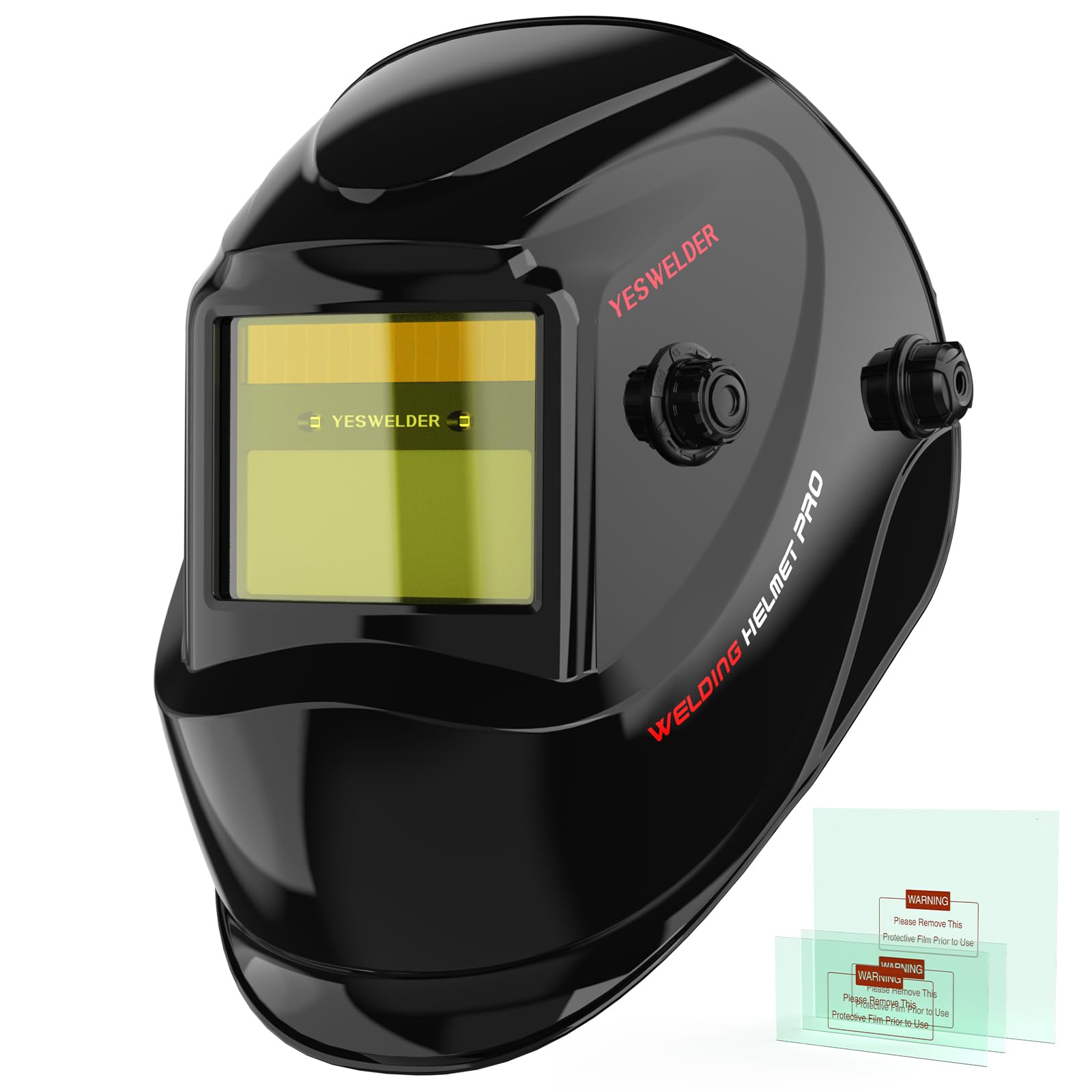
The YESWELDER L600A is a familiar, sensible helmet for weekend welders and small-shop users. The viewing area is smaller than the large-screen models, but the helmet keeps the feature list focused: true-color optics, grind mode, adjustable settings, and solar-assisted power with a replaceable battery.
For occasional overhead welding, it is a good value because it stays light and easy to use. The two-sensor setup is not as confidence-inspiring as four sensors for tricky overhead positions, so position the helmet carefully and test the lens before each job.
What People Say
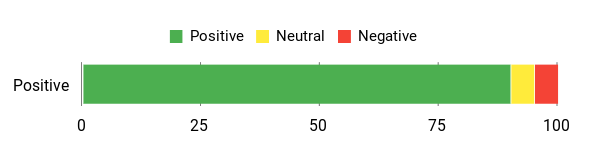
Users often praise the quick darkening, clear view, comfort, and value. Common limitations include a smaller viewing area and durability that may not match premium pro helmets under heavy daily use.
Overall Sentiment: Positive
Listed Safety Features
Listed safety claims include two arc sensors, fast switching, adjustable sensitivity and delay, a blue-light-blocking outer lens, and grind mode. Confirm the helmet markings and correct shade for your process.
Durability
The ABS and PP shell is lightweight and practical for hobby work. The solar-assisted power and replaceable battery support longer service life, but heavy daily shop use may wear it faster than a premium industrial helmet.
Why You’ll Like It
- Strong value for hobby and weekend welding
- True-color optics make the puddle easier to see
- Lightweight shell helps reduce neck strain overhead
- Grind mode adds convenience for prep and cleanup
- Solar-assisted power with replaceable battery
- Simple pick if you do not need a large panoramic lens
Who Should Buy This
Choose this if you want an affordable, easy-to-use helmet for light overhead projects and general garage welding.
Who Should Avoid This
Skip it if you weld overhead often and want four sensors or a larger lens.
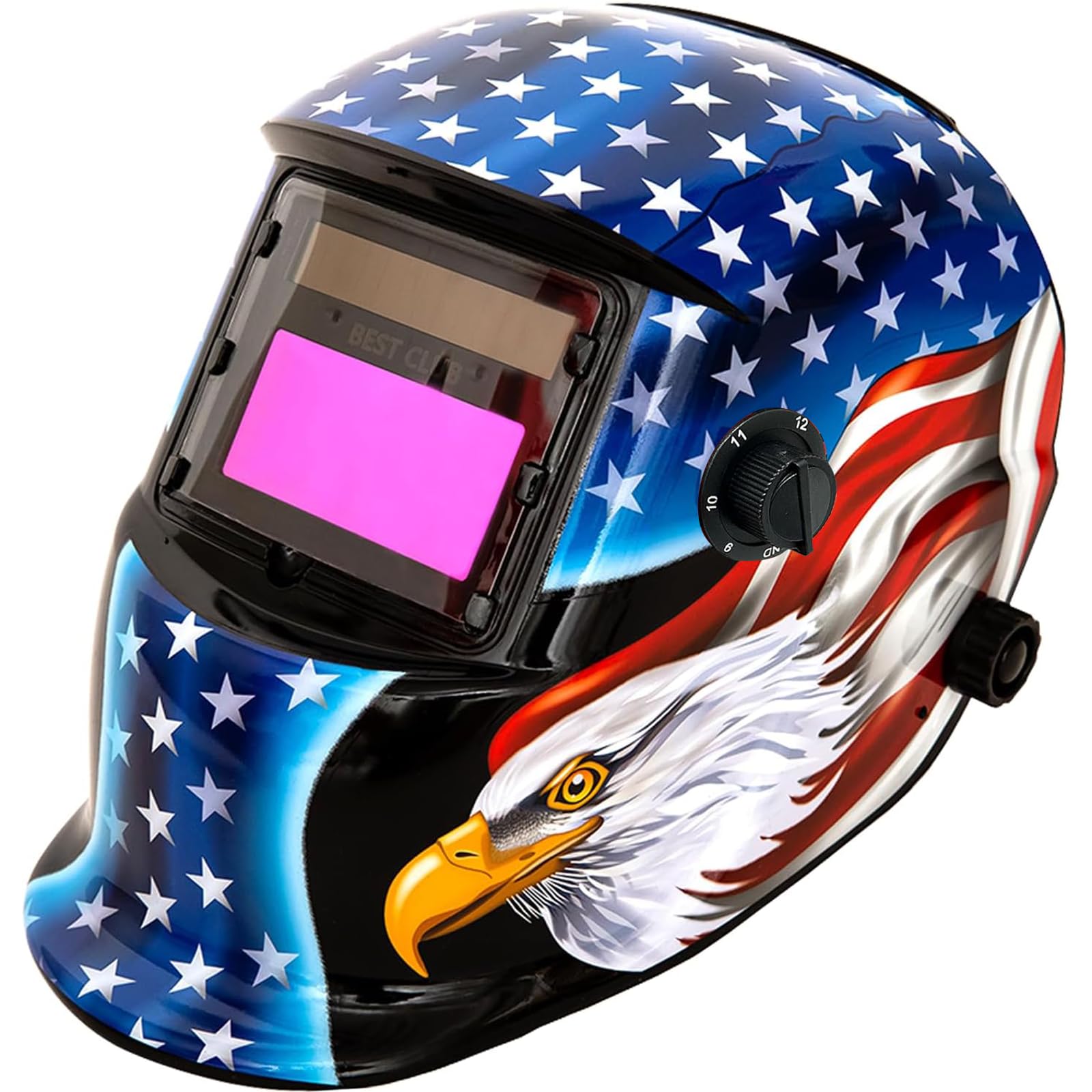
The BESTCLUB Flag Eagle Helmet is a straightforward choice for welders who want a lighter-feeling helmet with easy shade, sensitivity, and delay control. The viewing area is not the largest here, but it is useful enough for light overhead welding and shop touch-ups.
It works best for occasional jobs, home fabrication, and users who value comfort over maximum lens size. For winter, the solar-assisted design with battery backup is helpful, but you should still test the lens before welding in a cold shop.
What People Say
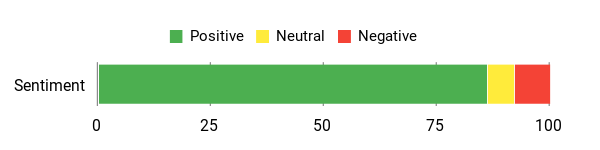
Buyers often mention the light feel, quick darkening, and helpful controls. The headgear is the most common concern for heavy daily use.
Overall Sentiment: Positive
Listed Safety Features
Listed safety features include auto-darkening, adjustable sensitivity and delay, light and dark shade settings, solar-assisted power with battery backup, and full face and neck coverage. Confirm all markings and shade guidance before use.
Durability
The molded shell keeps weight down, and replaceable lens covers help protect the optics. It is best for occasional and shop use rather than rough daily industrial overhead welding.
Why You’ll Like It
- Lightweight feel is useful during overhead work
- True-color optics support a clearer weld view
- Adjustable shade, sensitivity, and delay controls
- Solar-assisted charging with battery backup
- Simple design for weekend and light shop projects
- Good comfort-focused option for shorter welding sessions
Who Should Buy This
Choose this if you want a simple, comfortable helmet for light overhead work and occasional repairs.
Who Should Avoid This
Skip it if you need rugged headgear for daily production welding or want a very large lens.
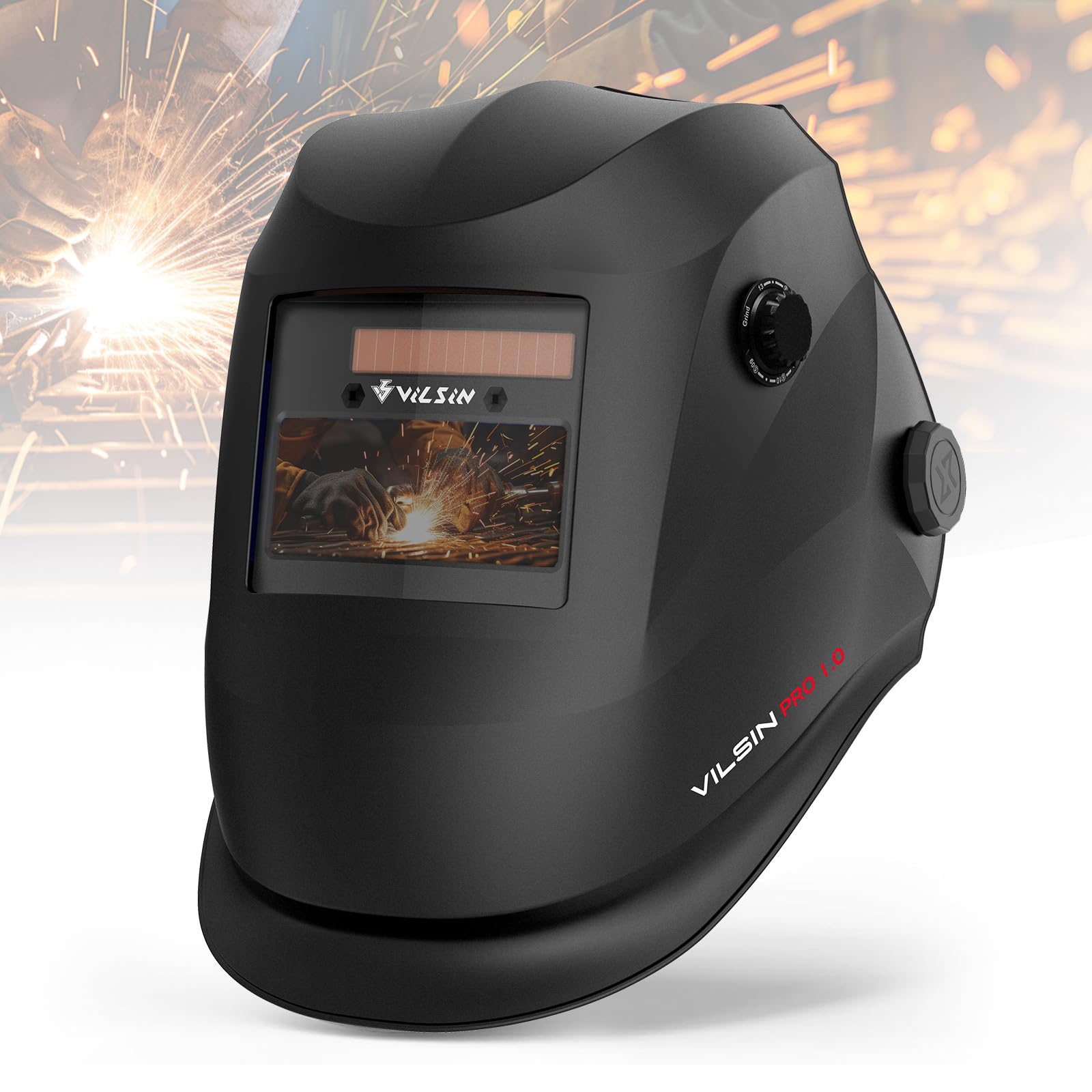
The VILSIN helmet is the budget pick for occasional overhead welding. It gives you the essentials: true-color viewing, adjustable headgear, a solar-assisted circuit, a replaceable CR2032 battery, and a usable viewing window for basic shop work.
Because it uses two sensors and a budget-oriented shell, it is best for light projects rather than high-volume overhead welding. If you only weld now and then and want dependable protection without a bulky helmet, it is a practical place to start.
What People Say
Customers tend to praise the lens clarity, quick darkening, lightweight feel, dual power setup, and included replacement lenses. Common caveats are a more budget-oriented shell and headgear, plus a smaller view than higher-end models.
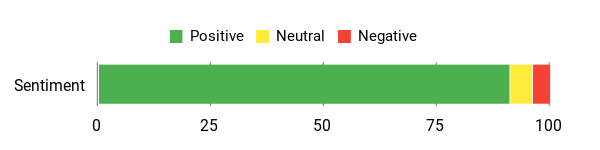
Overall Sentiment: Positive
Listed Safety Features
Listed safety features include two arc sensors, fast switching, true-color optics, adjustable shade range, solar-assisted power, replaceable battery, and replaceable lens covers. Confirm the helmet markings and lens condition before welding.
Durability
The shell is molded PP and designed for light weight. It should suit hobbyists and occasional shop work, but the headgear and thinner plastic may wear faster under heavy daily use.
Why You’ll Like It
- Budget-friendly choice for occasional welding
- True-color optics improve weld visibility
- Solar-assisted power with CR2032 battery backup
- Adjustable padded headgear helps with comfort
- Includes replacement inner and outer lenses
- Simple setup for garage projects and basic fabrication
Who Should Buy This
Choose this if you need a low-cost helmet for light welding, quick repairs, or occasional overhead work.
Who Should Avoid This
Skip it if you weld overhead often, need four sensors, or want the most durable headgear available.
FAQ
How Do I Choose The Best Helmet For Overhead Welding In Winter?
Start with sensor coverage, viewing area, shell coverage, and headgear stability. For overhead work, four arc sensors are often easier to trust because one or more sensors may be partly blocked by position, torch angle, or falling sparks. A larger true-color lens also helps you track the puddle without lifting the hood or twisting your neck.
For winter, look for dual power, replaceable batteries, controls that are easy to adjust with gloves, and lens covers that are easy to replace. Store the helmet warm and dry when possible, then test the auto-darkening filter before you strike an arc.
Are Two-Sensor Helmets Safe For Overhead Welding?
They can be suitable for light overhead work when they are used correctly, but they need more care with positioning. Make sure the sensors have a clear line to the arc and test the lens before welding. If you weld overhead often, a four-sensor helmet is usually the safer and more convenient choice.
Will Auto-Darkening Helmets Work Reliably In Cold Conditions?
Yes, but cold storage can reduce battery performance and make electronics less predictable. Keep spare batteries warm, avoid leaving the helmet in a freezing vehicle for long periods, and use the test button or a safe test method before welding. If the lens hesitates, replace the battery or warm the helmet before continuing.
What Shade Range Should I Look For?
Many auto-darkening helmets cover common welding work with ranges around DIN 9-13, while some add lower ranges for cutting or grinding modes. Always match the shade setting to your process, amperage, material, and the helmet manufacturer’s manual. Never weld in grind mode.
How Should You Maintain A Welding Helmet During Winter Overhead Jobs?
Store the helmet in a warm, dry place, keep spare batteries and lens covers nearby, and clean sensors with a soft cloth. Replace scratched or spatter-damaged outer covers because poor visibility and blocked sensors can affect performance. Before each overhead job, check the lens, headgear, shade, delay, sensitivity, and mode setting.
What Else Should You Wear For Overhead Welding?
A helmet is only part of your protection. Use safety glasses under the hood, proper gloves, a welding jacket, cap or hood, and neck coverage. Overhead welding can drop hot spatter onto your head, shoulders, and collar area, so avoid exposed skin and synthetic clothing that can melt.
Welders Top Picks
When you choose between the ARCCAPTAIN G999, YESWELDER Q800D, and ARCCAPTAIN LY800, focus on what matters most for overhead winter welding: sensor coverage, true-color visibility, headgear stability, battery support, and how much field of view you need. Choose the G999 for the best all-around balance, the Q800D for the widest overhead visibility, and the LY800 if low-light setup is a common problem in your shop.
Wrapping Up
Choosing the right helmet for overhead welding in winter means balancing visibility, sensor reliability, comfort, and cold-weather power support. If you want the best all-around option, the ARCCAPTAIN G999 is the safest recommendation in this lineup because it combines a large true-color lens, four sensors, and a practical overhead-friendly fit.
If your biggest problem is seeing enough while your head is tilted, the YESWELDER Q800D is the better pick because of its panoramic side-view design. If you weld in dim garages or under vehicles, the ARCCAPTAIN LY800 adds a helpful LED light for setup work.
For occasional projects, a value or budget pick can still make sense. Just test the lens before welding, keep the sensors clean, use the right shade, and replace damaged covers before they affect visibility.
| Product | Image | Best For | Power / Sensors | View Size | Key Caveat |
|---|---|---|---|---|---|
| ARCCAPTAIN HSH-G999 |
 |
Best overall overhead winter welding pick | Solar-assisted, replaceable battery, 4 sensors | 3.94 x 3.66" | Headgear may not satisfy constant heavy industrial use |
| YESWELDER Auto Darkening Welding Helmet with Side View |
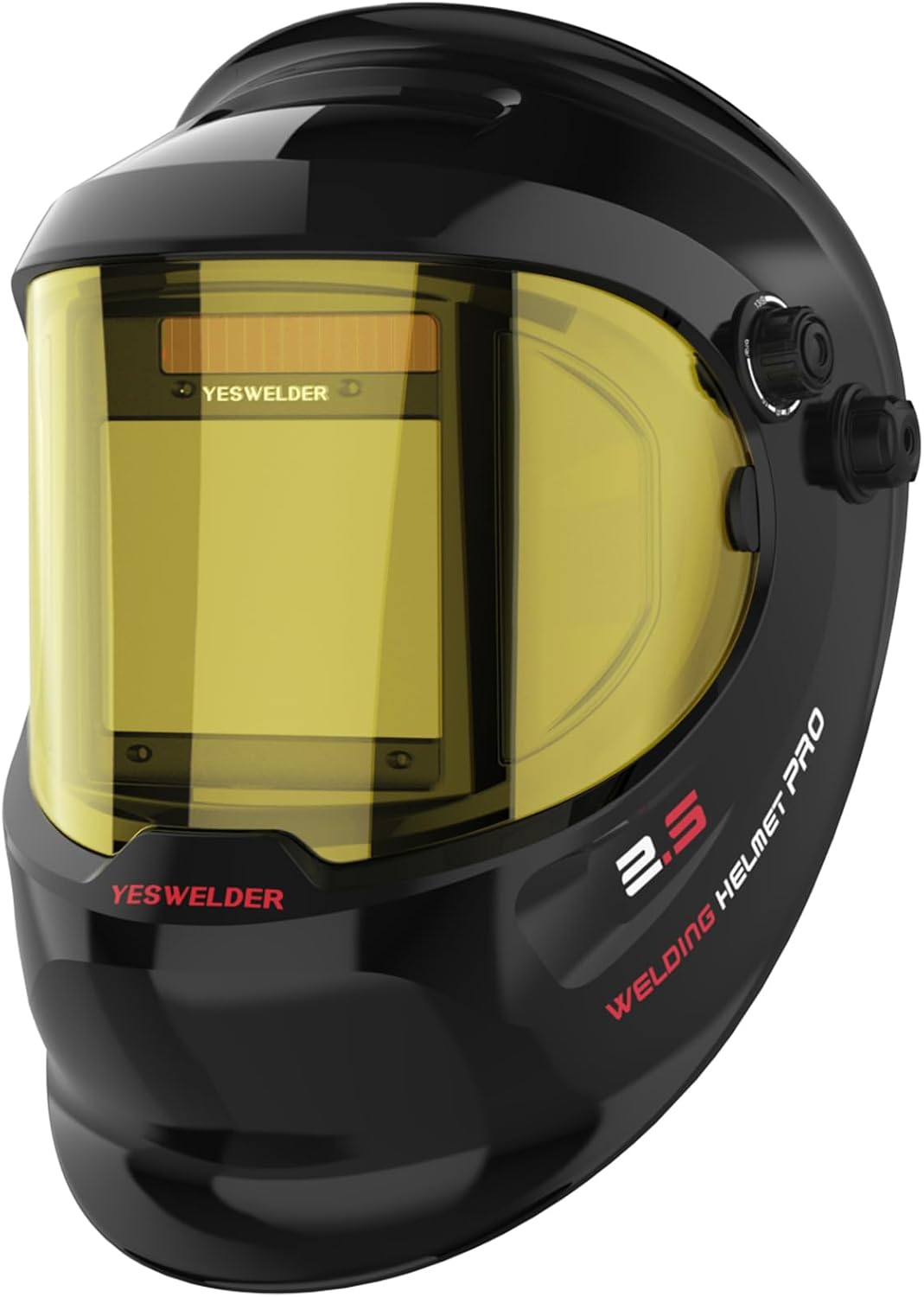 |
Best for overhead visibility and side view | Solar-assisted, replaceable battery, 4 sensors | Panoramic side-view design | Wider shell may feel larger than simple helmets |
| ARCCAPTAIN Auto Darkening Welding Helmet |
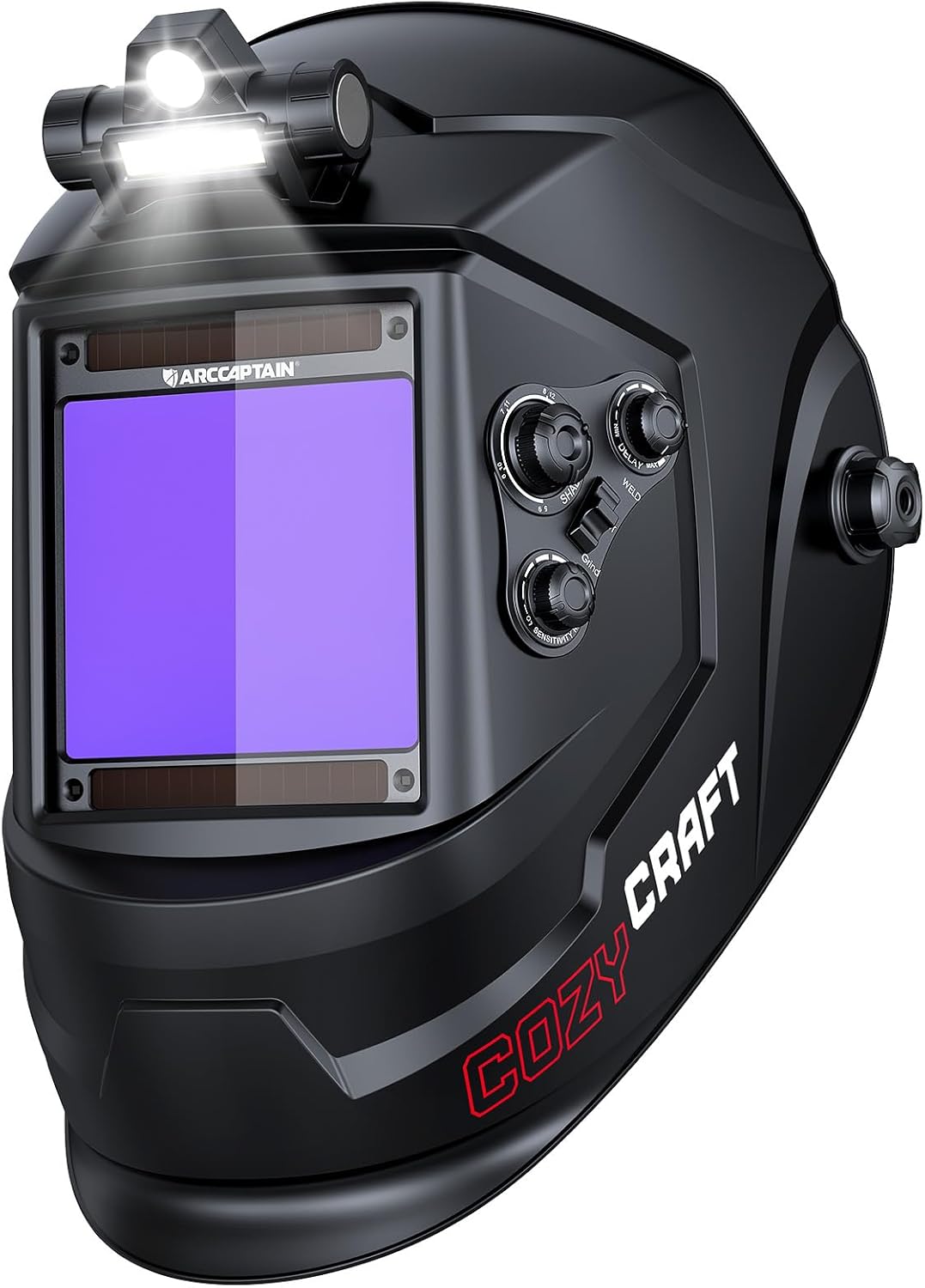 |
Best with LED light for dim setup work | Solar-assisted, replaceable battery, 4 sensors, USB light | 3.94 x 3.66" | LED light is a convenience add-on, not full shop lighting |
| YESWELDER Large View Auto Darkening Helmet |
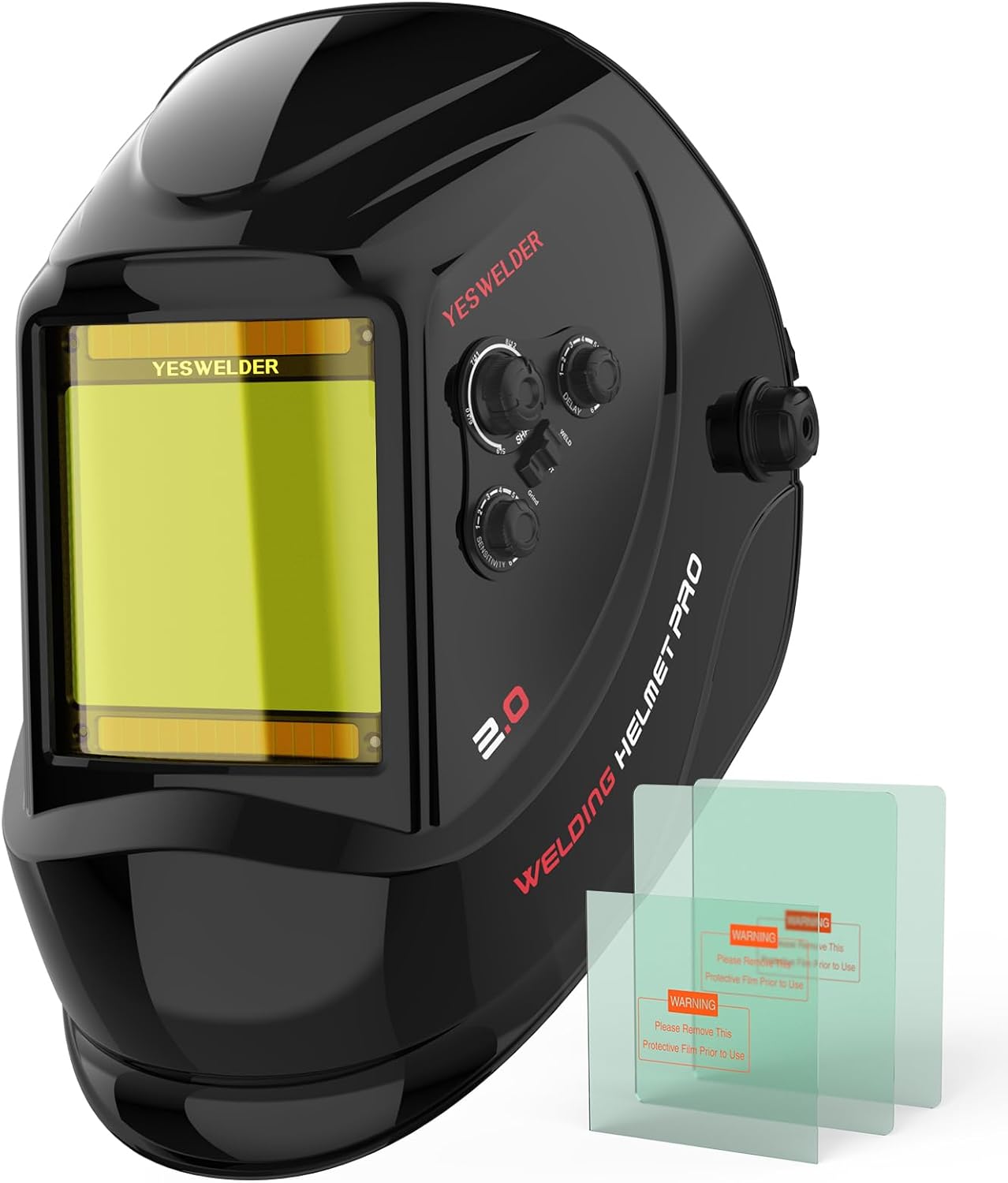 |
Best for large view and long sessions | Solar-assisted, replaceable battery, 4 sensors | 3.93 x 3.66" | Headgear and knobs may feel less premium than pro helmets |
| ARCCAPTAIN Auto Darkening Welding Helmet |
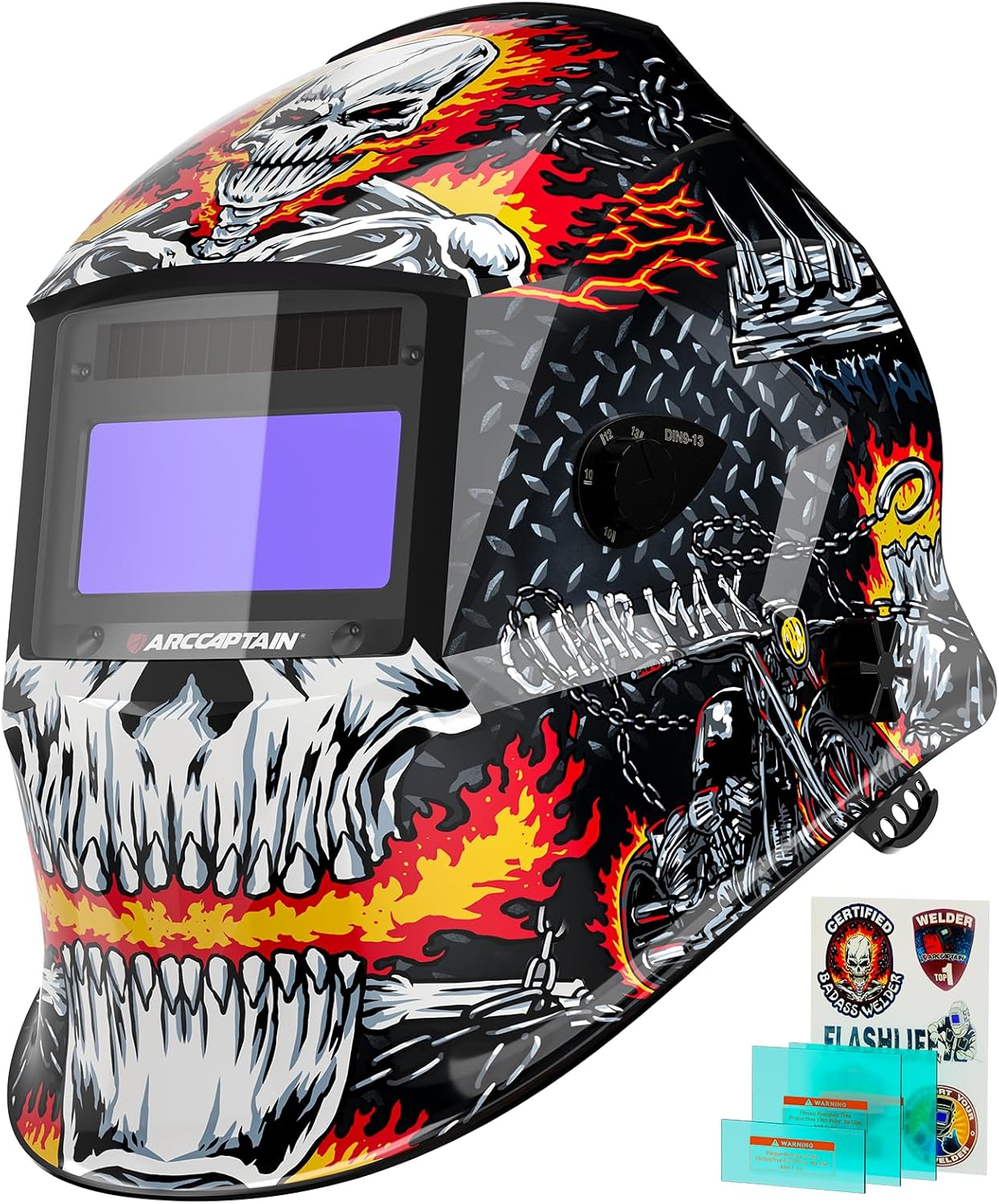 |
Most stylish helmet with practical features | Solar-assisted, replaceable battery, 4 sensors | 3.86 x 1.69" | Viewing area is not as tall as the largest models |
| MIGVAN Auto Darkening Welding Helmet |
 |
Best for beginners and broad process coverage | Solar/rechargeable support, 4 sensors | Large viewing area | Some users report fit and plastic quality concerns |
| TRQWH Welding Helmet |
 |
Most adjustable with built-in light | Solar-assisted, CR2032 batteries, 2 sensors, USB light | Standard true-color viewing window | Two sensors require more careful positioning overhead |
| YESWELDER Auto Darkening Welding Helmet |
 |
Best value for hobby and weekend welding | Solar-assisted, replaceable battery, 2 sensors | 3.64 x 1.67" | Smaller viewing area than large-screen models |
| BESTCLUB Auto Darkening Welding Helmet |
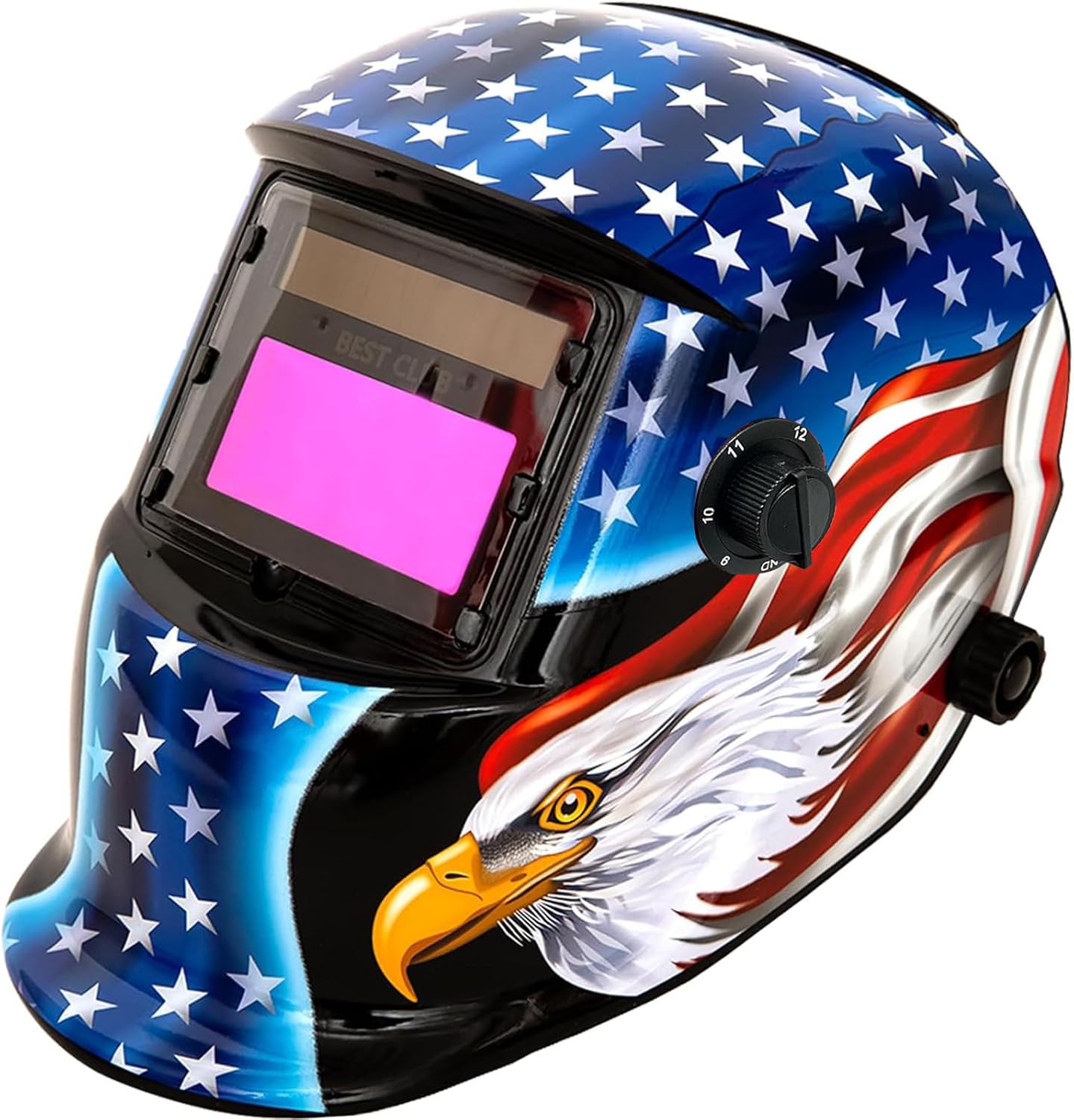 |
Most comfortable for light shop work | Solar-assisted with battery backup | 3.62 x 1.65" | Headgear may be the weak point for daily hard use |
| VILSIN Welding Helmet Auto Darkening |
 |
Best budget pick for occasional overhead welding | Solar-assisted, CR2032 battery, 2 sensors | 3.78 x 1.58" | Budget shell and two-sensor layout are better for light use |
This Roundup is reader-supported. When you click through links we may earn a referral commission on qualifying purchases.
