
As an Amazon Associate I earn from qualifying purchases.
Summer heat makes welding, grilling, and working near hot metal more tiring. The right welding gloves protect your hands and forearms while helping reduce sweat, stiffness, and fatigue. This guide compares heat-resistant leather gloves for welding, forge work, BBQ, fireplaces, pizza ovens, and campfire cooking so you can choose the best balance of protection, dexterity, cuff length, and value.
Quick Verdict
Best overall pick: WZQH 16″ Leather Welding Gloves are the most versatile choice for welding, grilling, ovens, fireplaces, and high-heat shop tasks.
Best for dexterity: TICONN 16″ Welding Gloves give strong layered protection while still feeling manageable for tool work.
Best budget-friendly pick: TOPDC 16″ Welding Gloves offer long-cuff protection, reinforced stitching, and good everyday value.
Best for smaller hands: WZQH 14″ Leather Welding Gloves are easier to manage if 16-inch gloves feel bulky.
Top Picks
|
Category |
Product |
Score |
|---|---|---|
|
🏆 Most Versatile |
94/100 |
|
|
🚀 Best Dexterity |
93/100 |
|
|
🎯 Best Comfort |
91/100 |
|
|
💰 Best Value |
90/100 |
|
|
🛠️ Best Medium-Duty |
92/100 |
|
|
⭐ Best For Campfires |
89/100 |
|
|
🔥 Best For Pizza Ovens |
86/100 |
|
|
🔰 Best for Students |
88/100 |
|
|
🎨 Best Smaller-Hand Option |
87/100 |
How We Picked These Gloves
You want gloves that protect you without making every task feel clumsy. We focused on heat-resistant materials, cuff length, leather thickness, lining comfort, stitching quality, dexterity, and value. Long cuffs matter when you reach near sparks, coals, oven walls, or hot grates, especially in summer when you may be wearing short sleeves.
We also looked for honest tradeoffs. Thicker gloves usually protect better, but they can feel stiff and warm. Shorter 14-inch gloves are easier to move in, but they offer less forearm coverage than 16-inch gloves. The best choice depends on whether you weld, grill, tend a woodstove, use a pizza oven, or need a general-purpose heat glove for occasional shop work.
Safety Note Before You Buy
Heat ratings can be useful, but they should not be treated as permission to hold red-hot metal or cookware for a long time. Most welding gloves are designed for sparks, spatter, radiant heat, and short contact with hot surfaces. Use tongs, clamps, welding sleeves, eye protection, and protective clothing when the job calls for it. Replace gloves if you see holes, exposed insulation, burned stitching, or thin spots in the leather.
Before You Buy
|
Feature |
Why It Matters |
|---|---|
|
14-inch vs 16-inch length |
16-inch gloves protect more forearm area. 14-inch gloves can feel cooler and easier to control. |
|
Leather thickness |
Thicker cowhide improves abrasion and heat protection, but it usually needs more break-in time. |
|
Lining |
Cotton and layered insulation can reduce heat transfer and help absorb sweat during summer work. |
|
Stitching |
Kevlar or reinforced stitching helps seams last longer around sparks, grinding, and repeated flexing. |
|
Fit |
A roomy glove may feel safer but can reduce grip. A tight glove can become uncomfortable once your hands heat up. |

If you need one heavy-duty glove for welding, grilling, moving cast iron, and tending a fire, the WZQH 16-inch glove is the most versatile pick here. The cowhide shell, insulated layer, cotton lining, and long cuff give you a strong barrier against sparks, hot grates, and short contact with heated tools.
Who should buy this: Choose it if you want maximum coverage and do not mind a short break-in period. It is a strong fit for garage projects, BBQ, woodstoves, and general high-heat chores.
Who should avoid this: Skip it if you need fine fingertip control for delicate TIG work or if oversized gloves tend to frustrate you.
What People Say
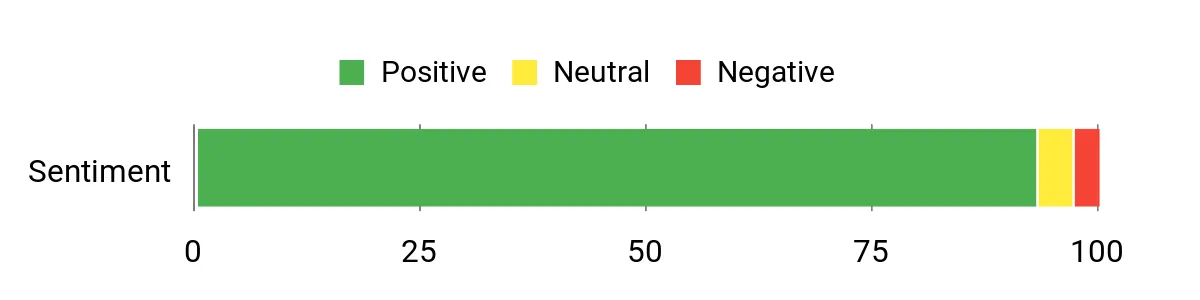
Customers commonly praise the gloves for strong heat protection, solid build quality and the long cuff that keeps sparks away from your forearm. People say they feel sturdy out of the box but become more flexible after a bit of use, and many like the extra protection for tasks like grilling, tending a woodstove or handling hot tools. A few note the fit runs generous and that you can feel heat with prolonged direct contact, but overall feedback highlights durability and confidence while working.
Overall Sentiment: Positive
Key Benefits
- Long 16-inch cuff helps protect forearms from sparks and radiant heat
- Cowhide leather shell with insulated inner layers
- Good all-around choice for welding, BBQ, fireplaces, ovens, and hot cookware
- Sturdy feel that softens after break-in
- Better for protection than fine-detail dexterity
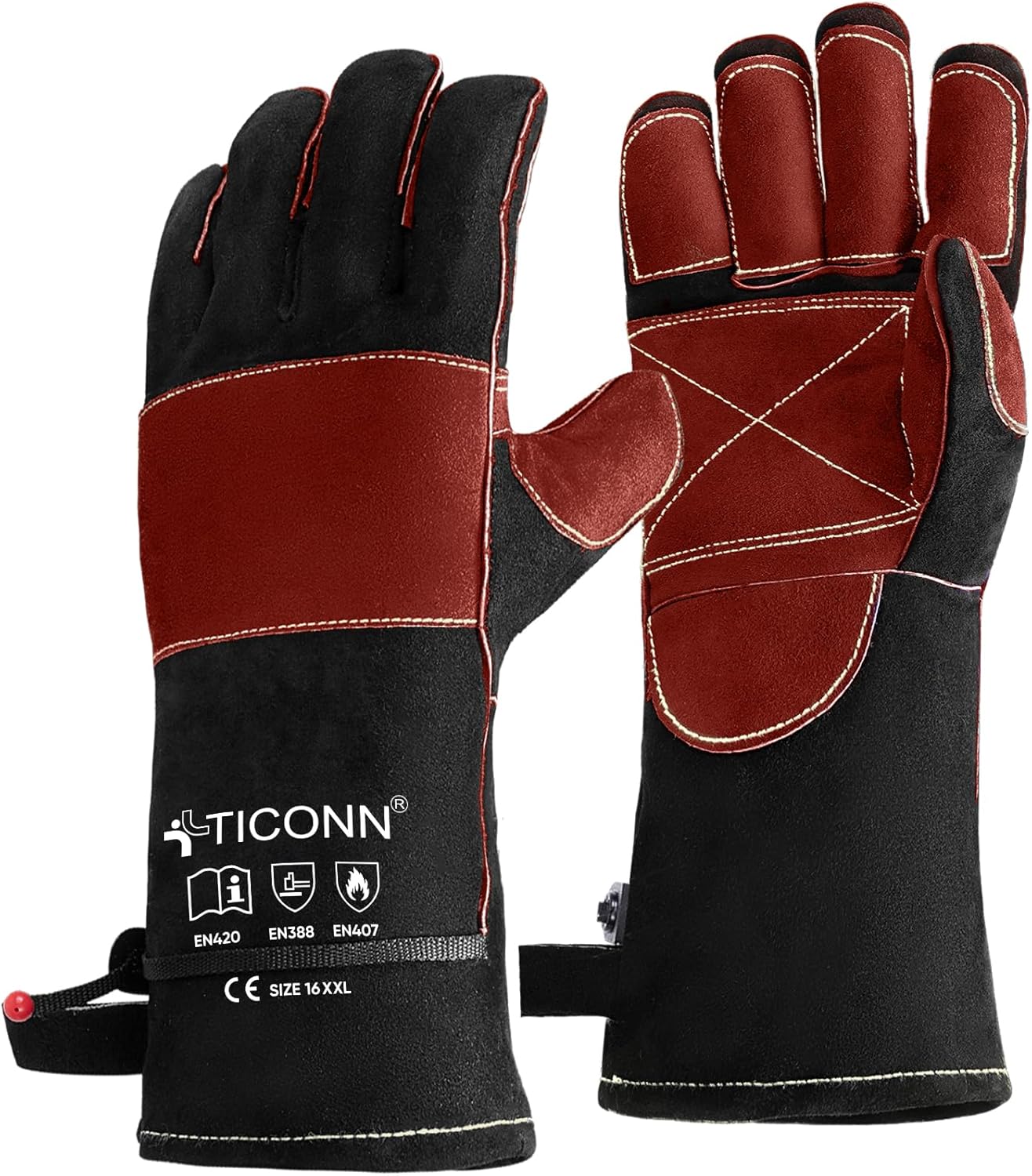
The TICONN 16-inch gloves are a smart pick if you want long coverage but still need to handle tools with confidence. The layered construction gives you a useful heat buffer, while the cuff helps keep sparks and spatter away from your wrists and forearms.
Who should buy this: Choose it for welding, grinding, BBQ, forge work, and campfire tasks where you need protection but do not want a glove that feels like a thick oven mitt.
Who should avoid this: If your main goal is the coolest possible glove for light grilling, a shorter 14-inch pair may feel easier in summer heat.
What People Say
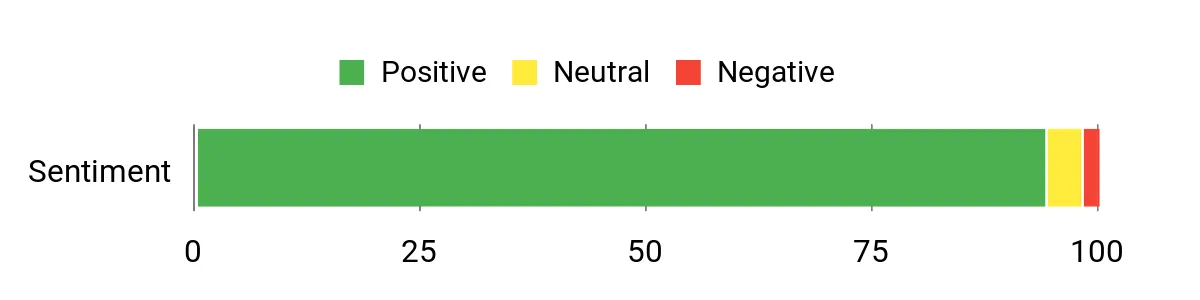
Most buyers highlight how well these gloves block heat and stand up to sparks and rough use, and they often mention the long cuff and padded lining as helpful. People also praise the stitching and overall build quality, saying the gloves feel protective without completely sacrificing grip. A few note fit can be roomy and recommend checking the size guide, and some suggest airing them out initially to reduce the factory smell.
Overall Sentiment: Positive
Key Benefits
- Layered construction helps reduce short-contact heat transfer
- Long sleeve improves wrist and forearm coverage
- Kevlar-reinforced stitching supports shop durability
- Useful balance of grip, stiffness, and protection
- Good for welding, grinding, grilling, forge work, and campfire cooking

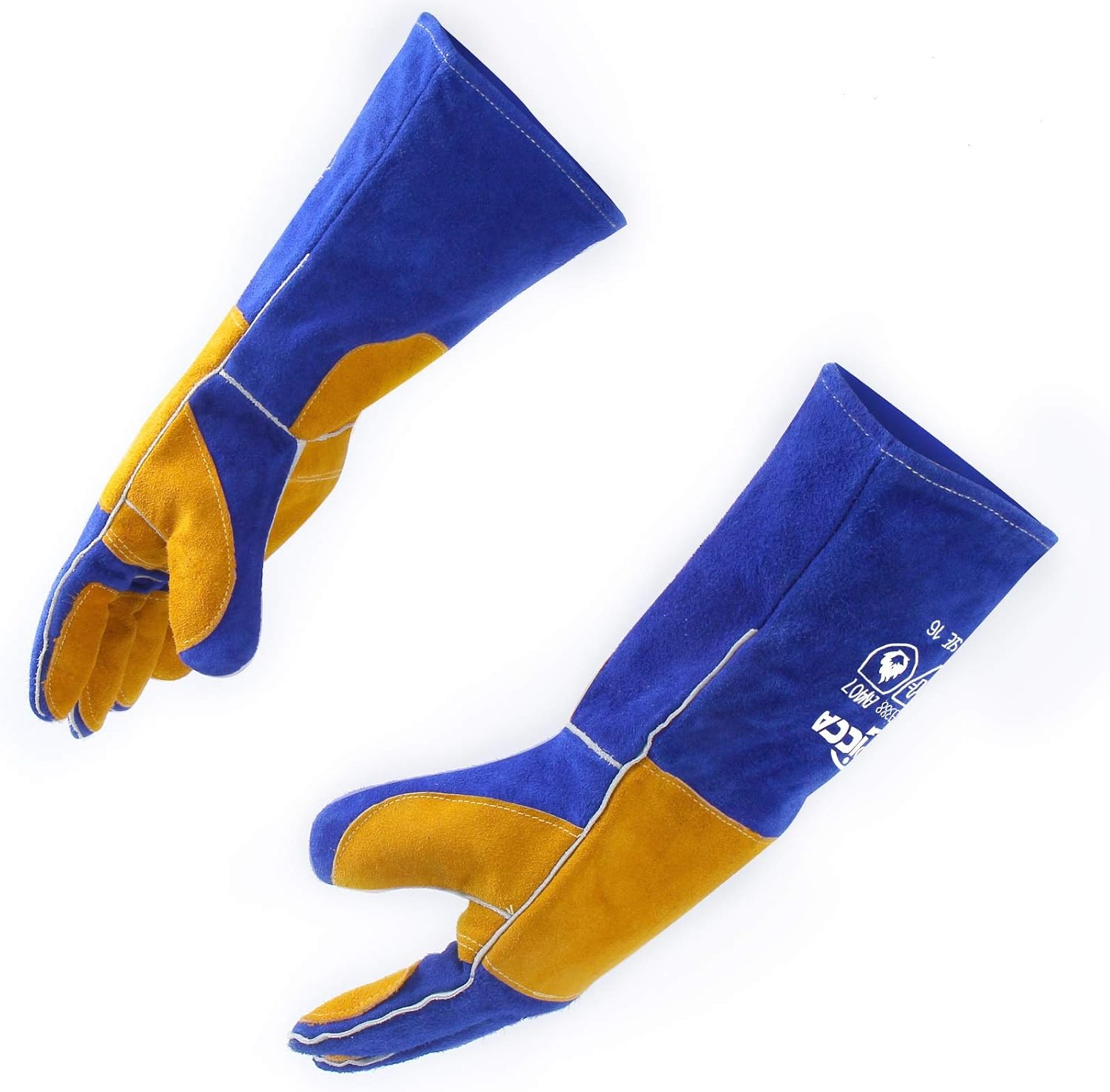
RAPICCA is a strong comfort-focused option if you want a lined glove that still feels protective. The long cuff helps cover your forearm, and the multi-layer build gives you more confidence around sparks, hot cookware, coals, and fireplace tools.
Who should buy this: Choose it if you want a comfortable glove for repeated BBQ, fireplace, welding, or cast-iron use.
Who should avoid this: It may feel stiff at first and may not be the best choice if you want maximum fingertip precision right out of the box.
What People Say
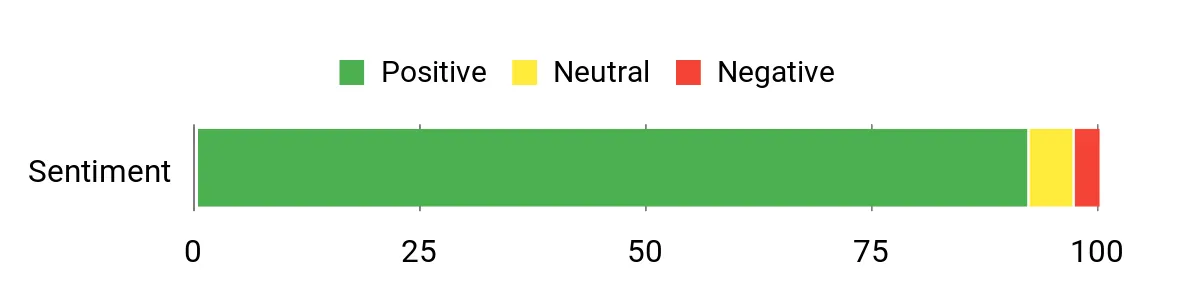
Buyers commonly praise how well these gloves block heat and handle sparks, and they often point to the long cuff and reinforced palm as standout features. People also like the comfy cotton lining and say the gloves feel solid and built to last, though a few note an initial stiffness and a strong leather smell that eases after airing out.
Overall Sentiment: Positive
Key Benefits
- Long 16-inch cuff for forearm coverage
- Layered leather, foil, and cotton construction
- Comfortable interior for longer wear sessions
- Good for grilling, welding, oven work, and fireplaces
- Protective feel without being the bulkiest option

TOPDC 16-inch gloves are a practical value pick if you want a long leather glove for sparks, grill heat, and general shop abuse. They are built more for protection than delicate feel, but that tradeoff makes sense if you need an affordable pair for repeated high-heat chores.
Who should buy this: Choose it for welding practice, fireplace work, BBQ, hot pans, and garage projects where coverage matters.
Who should avoid this: If you have small hands or need more finger movement, the 14-inch TOPDC option may feel easier.
What People Say
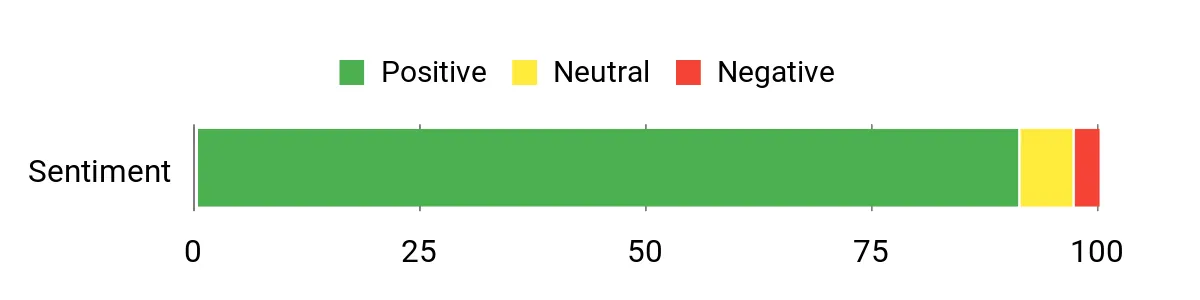
Buyers often highlight how well these gloves block heat and sparks and note the solid build quality from the leather and reinforced stitching. Many appreciate the long cuff and the comfortable cotton lining, while a handful mention they run a touch generous and need a short break-in before getting fully flexible.
Overall feedback leans toward reliable protection and good value for hands-on jobs.
Overall Sentiment: Positive
Key Benefits
- 16-inch cuff gives useful forearm coverage
- Split cowhide construction helps resist sparks and abrasion
- Kevlar-reinforced stitching improves seam durability
- Cotton lining helps with comfort during warm-weather use
- Strong value for welding, grilling, fireplace work, ovens, and yard tasks

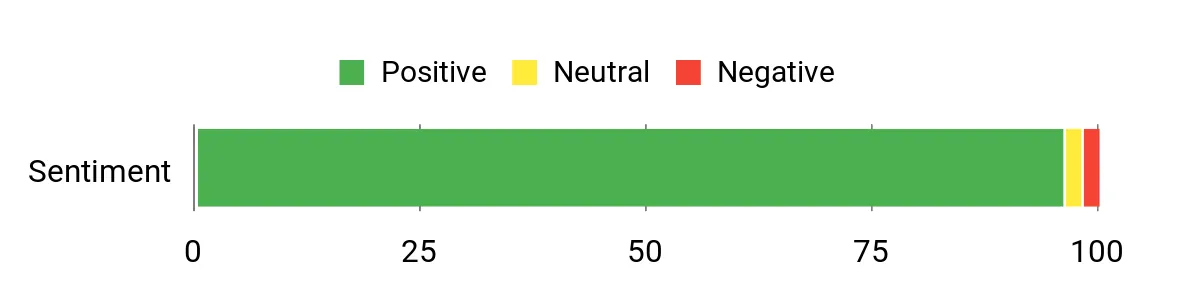
The ARCCAPTAIN 16-inch gloves are a good middle-ground option for welders and DIY users who want palm reinforcement, forearm coverage, and a lined interior without going to the bulkiest glove in the list.
Who should buy this: Choose it for medium-duty welding, grinding, grilling, fireplace work, and garage jobs where palm padding helps.
Who should avoid this: If you regularly work around very intense heat or need maximum cuff coverage, compare it with the WZQH 16-inch or TICONN 16-inch options.
What People Say
Buyers commonly praise how well these gloves block heat and resist sparks while still letting you handle tools. People note the reinforced palms and long cuff as big pluses for protection, and mention they loosen up and gain flexibility after a short break-in.
A few users say the fit can feel tight if you have long, slender fingers, but overall the consensus is that they are durable and protective for medium-duty work.
Overall Sentiment: Positive
Key Benefits
- Split cowhide construction for heat and abrasion resistance
- Reinforced palm padding for handling tools and hot materials
- Long 16-inch cuff improves wrist and forearm coverage
- Insulated cotton lining adds comfort
- Good for welding, grinding, BBQ, fireplace work, and oven handling
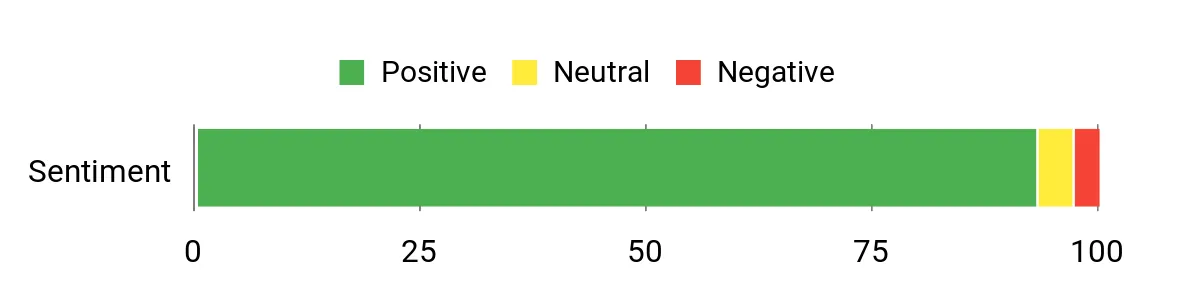
The QeeLink 14-inch gloves are a useful option if 16-inch gloves feel too long or bulky. They give you enough coverage for campfires, grilling, fireplace tools, and light welding while keeping your hands easier to move.
Who should buy this: Choose it for camping, BBQ, fireplace chores, and occasional welding where flexibility matters.
Who should avoid this: If you often reach deep into ovens, fireboxes, or weld in short sleeves, a 16-inch glove gives more forearm protection.
What People Say
You will notice most buyers praise how well these gloves block heat and stand up to sparks, and many point to the long cuff and comfortable lining as big pluses. People also like the reinforced Kevlar stitching and generally say the gloves feel durable. A few mention they can run a bit roomy in the fingers or pick up dirt easily, but overall the sentiment is that they deliver reliable protection.
Overall Sentiment: Positive
Key Benefits
- 14-inch length balances coverage and mobility
- Split cowhide leather helps protect from sparks and rough surfaces
- Kevlar stitching supports seam strength
- Cotton liner and canvas cuff improve comfort
- Good for campfires, BBQ, fireplace tools, light welding, and yard work
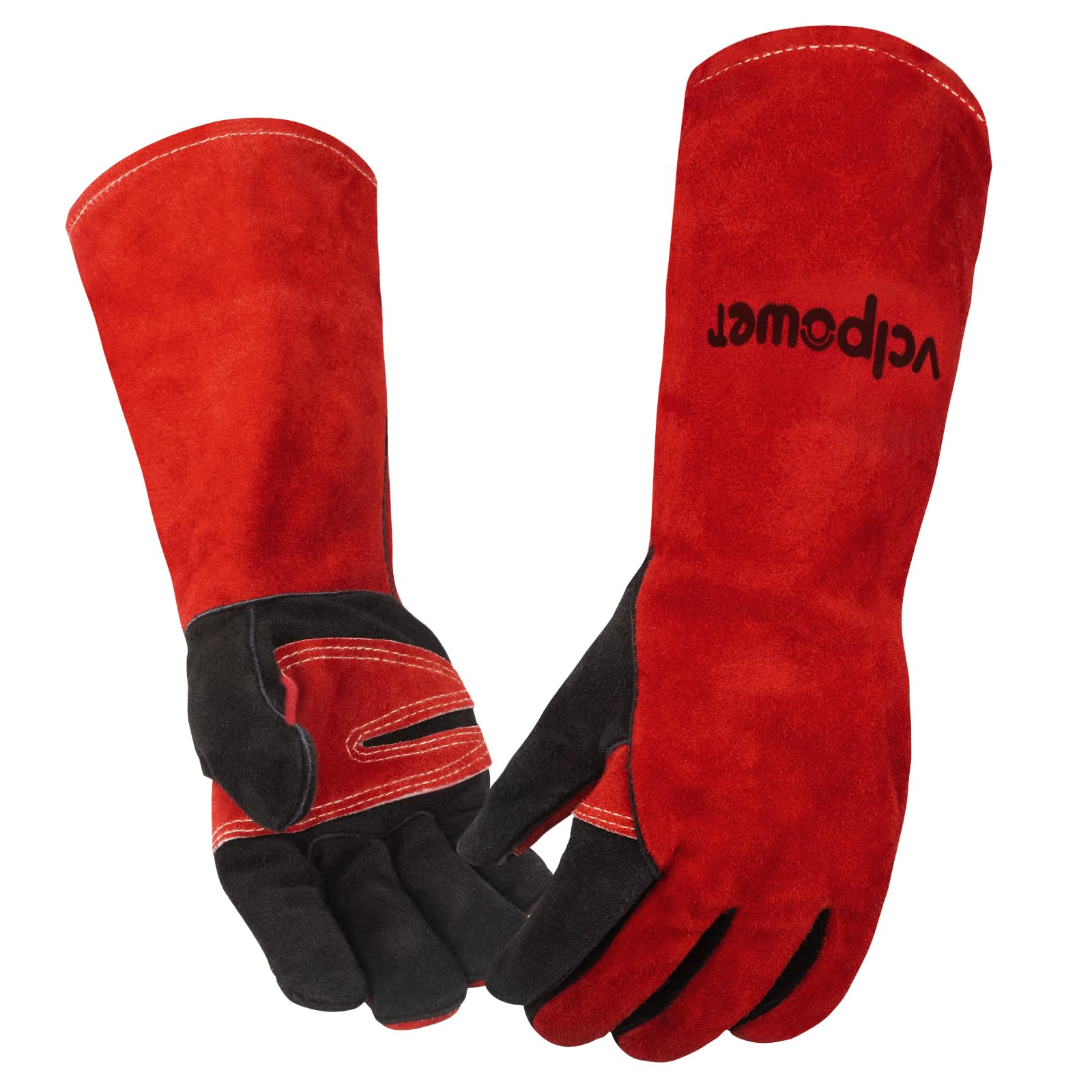
The VCLpower 16-inch gloves make sense if your hot-weather work includes pizza ovens, grills, fire pits, or light welding. The longer cuff helps when reaching near oven walls or coals, and the cotton lining helps make the glove more wearable during warm conditions.
Who should buy this: Choose it if you want long gloves for pizza ovens, baking, BBQ, fireplaces, and occasional workshop tasks.
Who should avoid this: If sizing is usually tricky for you, check the size information carefully before choosing this pair.
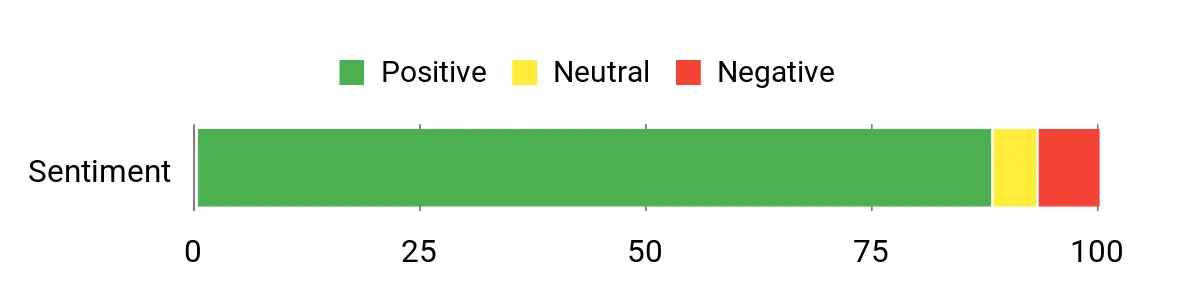
What People Say
You will notice most people highlight the strong heat protection and long cuff as the biggest wins. They like that the gloves let you reach farther into hot ovens or grills. Many mention the cotton lining feels comfortable and helps control sweat, and reviewers generally find the build solid and durable.
A common caveat is sizing runs a bit small and the gloves are firm out of the box, but they soften with use.
Overall Sentiment: Positive
Key Benefits
- 16-inch extended sleeve helps protect forearms
- Cowhide leather and reinforced seams support durability
- Cotton lining helps manage comfort and sweat
- Good for pizza ovens, BBQ, campfires, fireplaces, and hot cookware
- Useful secondary option for light welding or metalwork tasks

The TOPDC 14-inch gloves are a practical choice if you want a shorter glove that feels less bulky than a full 16-inch pair. They still give useful cuff coverage and reinforced stitching, but they are easier to manage for casual welding practice, grilling, campfire cooking, and general shop chores.
Who should buy this: Choose it if you are learning to weld, need a backup pair, or want a less bulky glove for general heat protection.
Who should avoid this: If forearm coverage is your top priority, choose the TOPDC 16-inch version instead.
What People Say
You will see a lot of praise for the heat protection and the long cuff. People like that the forearm coverage feels secure. Many customers point out the leather and reinforced stitching hold up well and the cotton lining makes them more comfortable for extended tasks.
A few mention sizing can run a touch large and they are a bit stiff at first, but most say they soften with use.
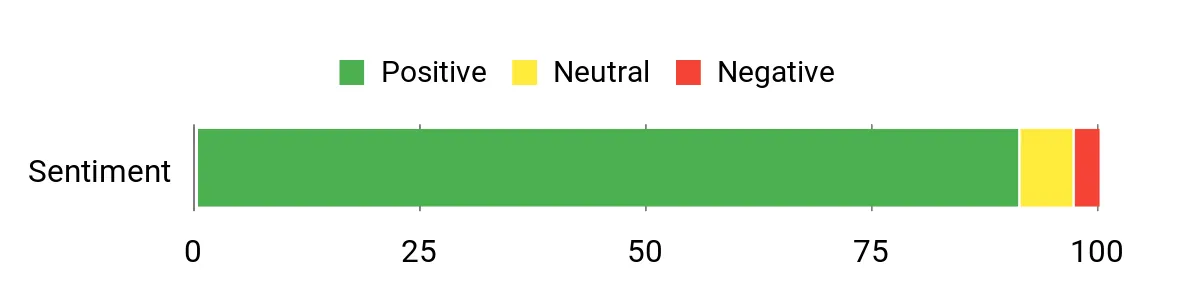
Overall Sentiment: Positive
Key Benefits
- 14-inch size feels easier to manage than many longer gloves
- Split cowhide leather provides useful abrasion resistance
- Kevlar-reinforced stitching improves durability
- Cotton lining helps with comfort and sweat control
- Good for students, light welding, grilling, camping, oven work, and yard tasks
The WZQH 14-inch glove is the better WZQH choice if the 16-inch version feels too long or bulky. You still get leather and layered insulation, but the shorter length can make it easier to grip tools, handle grates, and work around a grill or fireplace.
Who should buy this: Choose it if you want WZQH-style protection in a shorter glove or if smaller-hand fit is more important than maximum forearm coverage.
Who should avoid this: If you weld in short sleeves or reach deep into fireboxes, a 16-inch glove gives more coverage.
What People Say
Most people appreciate how well the gloves block heat and how the long cuff protects the forearms during grilling or stove work. Reviewers frequently note the leather feels substantial and the reinforced stitching holds up under frequent use.
A fair number mention they are roomy and stiff at first but break in over a few wears and then feel much more natural.
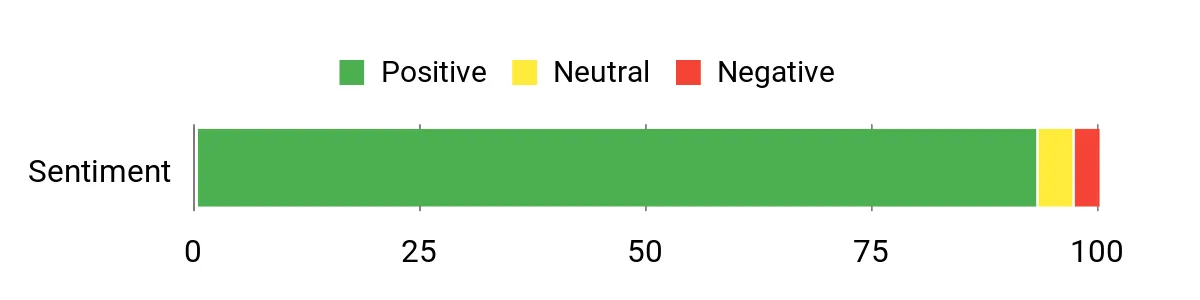
Overall Sentiment: Positive
Key Benefits
- Shorter 14-inch length is easier to move in than many 16-inch gloves
- Split cowhide leather resists abrasion and general wear
- Layered insulation helps with short-contact heat protection
- Good option for grilling, oven work, fireplaces, light welding, and yard chores
- Better for smaller hands or users who dislike oversized cuffs
FAQ
What heat protection do welding gloves provide?
Good welding gloves help protect against sparks, spatter, radiant heat, and brief contact with hot surfaces. Many gloves use cowhide leather, cotton lining, aluminum-style insulation, or Kevlar stitching to slow heat transfer. Still, no glove should be treated as safe for holding red-hot metal, a glowing grate, or hot cookware for a long time. Use tools, tongs, or clamps whenever possible.
Are 14-inch or 16-inch welding gloves better for summer?
Choose 16-inch gloves if you want more forearm protection for welding, fire pits, ovens, and grills. Choose 14-inch gloves if you want less bulk, easier wrist movement, and a cooler feel during lighter tasks. In summer, fit matters as much as length because loose gloves can feel clumsy and tight gloves can trap heat.
How do I choose the right size?
Measure around your palm and compare it with the seller’s size chart. A glove should let you close your hand around tools without pinching. If you are between sizes, think about your main use. For welding and high heat, a bit more room can help comfort. For grilling or tool control, a closer fit may feel better.
Can I use welding gloves for BBQ, pizza ovens, or fireplaces?
Yes, many leather welding gloves work well for BBQ, pizza ovens, fireplaces, and campfires because they cover more of your wrist and forearm than standard kitchen mitts. Use them for short tasks such as moving grates, adjusting logs, handling pans, or reaching near coals. Do not rely on them for long contact with very hot metal or cookware.
How should I care for leather welding gloves?
Wipe them with a damp cloth, let them air dry, and avoid machine washing unless the maker specifically says it is safe. Store them dry and away from direct sunlight. Inspect the stitching, palms, and fingertips before high-heat work. Replace the gloves if the leather thins, the seams open, or insulation becomes exposed.
Welders Favorite Gloves
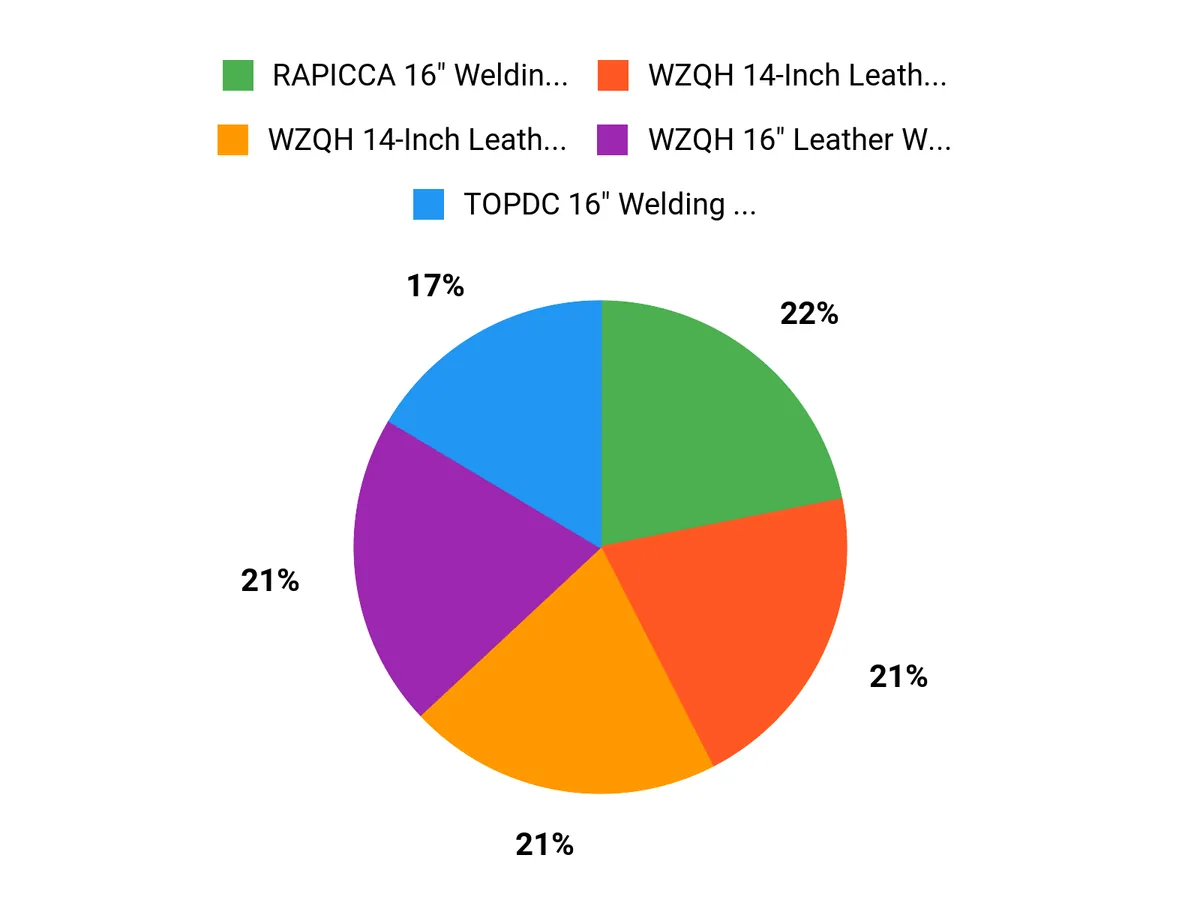
When choosing between WZQH, TICONN, TOPDC, RAPICCA, and the other gloves in this guide, the main tradeoff is protection versus dexterity. Long cuffs and thick leather protect better, but they can feel warmer in summer. Shorter gloves are easier to move in, but they leave more forearm exposed. Pick the glove that matches your hottest task first, then choose the fit that lets you work safely.
Quick Feature Comparison
| Product | Image | Best For | Material | Heat Protection Notes |
|---|---|---|---|---|
| WZQH Leather Welding Gloves |
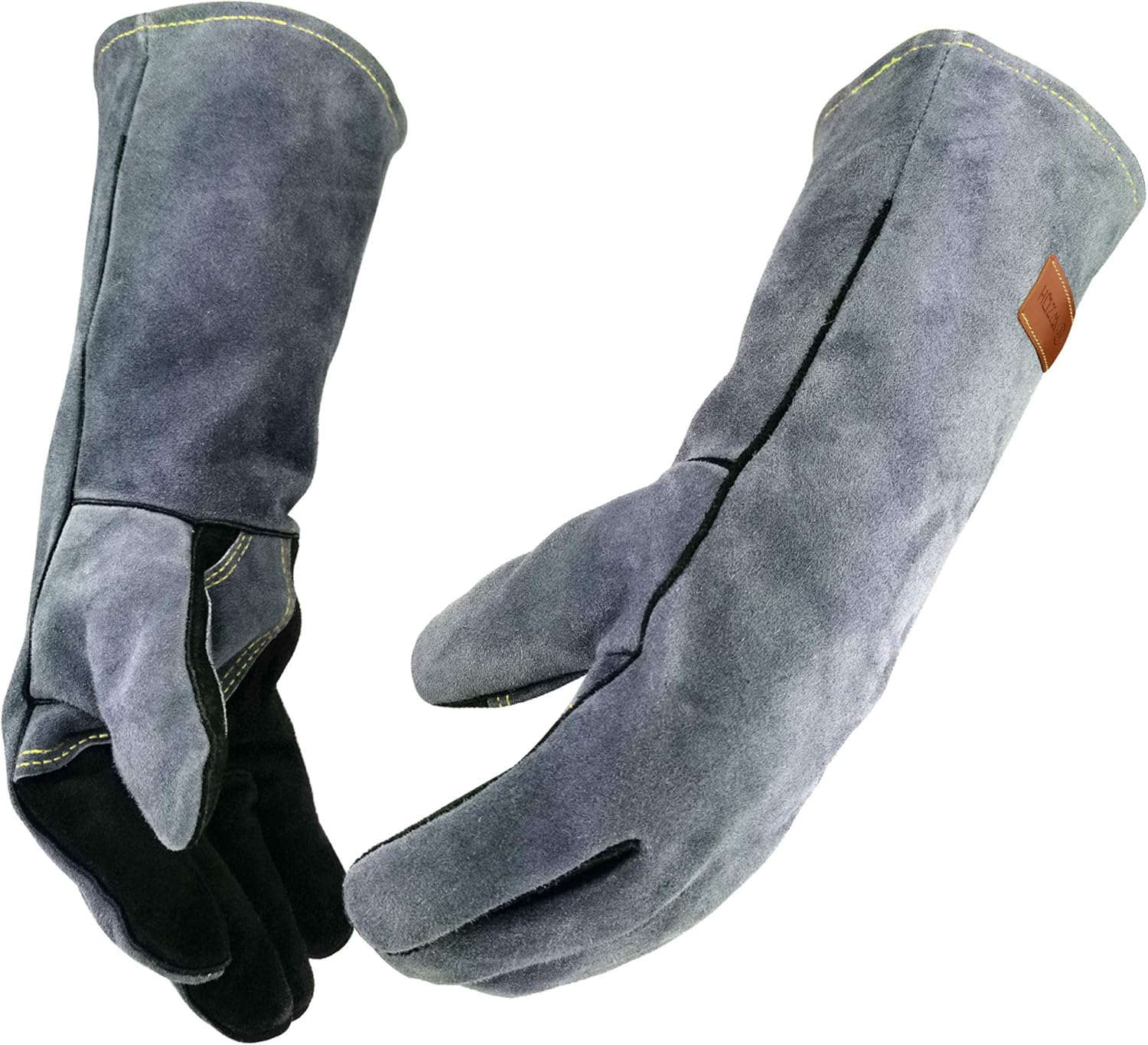 |
Most versatile long-cuff protection | Durable cowhide leather with insulated lining | Best for sparks, radiant heat, and short-contact hot-surface tasks |
| TOPDC Welding Gloves |
 |
Best value 16-inch glove | Split cowhide leather with cotton lining | Good everyday protection for welding, grilling, ovens, and fireplaces |
| RAPICCA Welding Gloves |
 |
Best comfort-focused lined glove | Leather, aluminum-style insulation, and heat-resistant cotton | Strong option for short-contact heat, sparks, grilling, and cast iron |
| QeeLink Welding Gloves |
 |
Best for campfires and flexible use | Cowhide leather with cotton liner and canvas cuff | Good for short fire, BBQ, fireplace, and light welding tasks |
| TICONN Welding Gloves |
 |
Best dexterity among heavy-duty picks | Layered leather glove with reinforced stitching | Best when you need heat protection and more tool control |
| vclpower Fireplace Welding Gloves |
 |
Best for pizza ovens and hot cookware | Leather and flame-resistant cotton insulation | Useful for reaching near hot oven walls, coals, grills, and fire pits |
Wrapping Up
Pick welding gloves based on your hottest task, then refine by cuff length and fit. If you need the most forearm coverage, choose a 16-inch leather glove with reinforced stitching and a lined interior. If you want something easier to move in for casual grilling, campfire cooking, or student welding practice, a 14-inch pair may feel better in summer.
The best glove is the one that helps you work safely without making your hands overheat or your grip feel clumsy. Use the heat rating as a guide, not a guarantee, and pair your gloves with proper tools and protective gear.
This roundup is reader-supported. When you click through links, we may earn a referral commission on qualifying purchases.