Affiliate disclosure:. As an Amazon Associate I earn from qualifying purchases. This roundup is reader-supported. When you click an Amazon link, we may earn a commission on qualifying purchases at no additional cost to you.
Cold-weather car camping can be comfortable when you choose a tent that matches the forecast, campsite and size of your group. The tents below offer useful features such as straightforward setup, roomy interiors, rainflies and adjustable ventilation for mild winter nights, late-fall trips and cool below-tree-line campsites.
These are not expedition or mountaineering shelters. Most are conventional 3-season dome or cabin tents, so they should not be relied on for heavy snow, exposed high winds or severe backcountry conditions. For those environments, choose a purpose-built 4-season tent with a snow-shedding profile, stronger pole architecture and a full-coverage fly.
Quick Verdict
Best balanced option: The Coleman Sundome 4-Person gives a couple or small group a familiar setup, manageable packed size and enough room for sleeping gear on calm, vehicle-accessible trips.
Fastest setup: The CORE 9-Person Instant Cabin is the easiest choice when you need to create a large basecamp quickly.
Best for large groups: The CORE 12-Person Straight Wall Cabin offers the most standing room and usable living space, but its size and tall profile make settled weather and proper anchoring essential.
Important limit: None of these picks should replace a true 4-season shelter when substantial snowfall, powerful wind or exposed terrain is expected.
Cold-Weather Safety Note
Never operate a fuel-burning camping stove, grill, charcoal device or unvented fuel-burning heater inside these tents. An electrical access port is intended for routing an appropriate power cord; it does not make a tent heater-safe.
Build warmth with an appropriately temperature-rated sleeping bag, one or more insulated sleeping pads, dry base layers, a warm hat and a campsite protected from prevailing wind. Keep ventilation partly open to reduce condensation.
Top Picks
|
Category |
Product |
Best For |
|---|---|---|
|
🏆 Best Overall |
Couples or small groups on calm, mild winter car-camping trips |
|
|
🎯 Best Compact |
One or two campers who want a smaller footprint |
|
|
🚀 Fastest Setup |
Families who want a roomy shelter with minimal pitching time |
|
|
💰 Best Budget Pick |
Solo campers or close-fitting pairs at sheltered campsites |
|
|
🔰 Best For Families |
Families prioritizing floor space, ventilation and organization |
|
|
🌙 Best Dark Interior |
Campers who want less morning light and a familiar dome layout |
|
|
🏠 Best For Large Groups |
Vehicle-based groups needing maximum standing and gear space |
|
|
🎨 Best With Divider |
Families wanting separate sleeping and gear zones |
|
|
⭐ Best Headroom |
Small families who value standing height and ventilation |
How We Picked These Tents
Because this roundup focuses on mild winter car camping rather than severe mountaineering, the most useful comparison points are practical campsite comfort and honest weather limits.
- Setup: Faster, simpler pole systems reduce the time you spend handling small parts in cold conditions.
- Usable space: We considered realistic room for campers, sleeping pads, air mattresses and cold-weather gear rather than relying only on maximum occupancy labels.
- Rain and wind management: Rainfly coverage, seam construction, guylines and stake points matter, but ordinary weather resistance is not the same as snow-load certification.
- Ventilation: Adjustable vents and mesh panels help moisture escape, reducing condensation on cold nights.
- Transport: Every retained tent is best suited to a vehicle-accessible campsite rather than winter backpacking.
- Honest limitations: Tall cabin walls, large mesh areas and conventional fiberglass or steel pole systems generally favor comfort over severe-winter strength.
Before You Buy
- Use these tents only when the forecast calls for manageable wind and little or no accumulating snow.
- Choose a protected campsite below tree line and away from dead branches or avalanche terrain.
- Assume the comfortable capacity is lower than the advertised maximum when bulky winter bedding is involved.
- Bring stronger stakes suited to the ground, use every appropriate guyline and keep the rainfly properly tensioned.
- Do not cover all vents in an attempt to trap warmth; trapped moisture can soak insulation and make the interior feel colder.
Coleman Sundome 4-Person Tent

The Sundome 4-Person is the most balanced small-group option in this roundup. Its conventional dome layout is easier to anchor than a very tall cabin tent, while the windows and ground vent give moisture a route out when the interior is occupied by people and damp gear.
It is still a warm-weather-oriented 3-season tent. Use it for calm, vehicle-accessible outings where snow accumulation is unlikely, and leave extra space around your sleeping system rather than planning around the maximum four-person rating.
Best for: A couple wanting room for gear, or a small family camping near the vehicle in settled weather.
Avoid if: The forecast includes substantial snow, exposed wind or conditions requiring a certified 4-season shelter.
What People Say
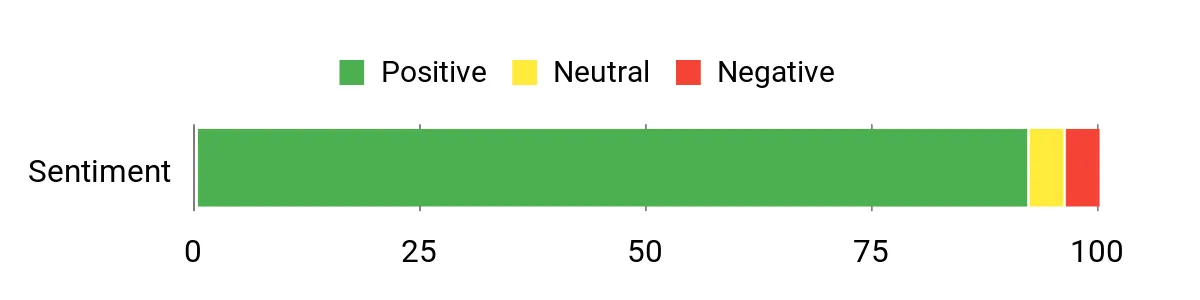
Common themes in the source review data include easy setup, a practical interior and satisfactory performance in ordinary rain when the tent is pitched and tensioned correctly. Some campers also describe limited comfort for taller occupants and wear at attachment points after extended use.
Overall Sentiment: Generally positive for casual car camping
Durability
This tent is designed for ordinary recreational camping rather than repeated snow loading. A footprint, careful pole handling, full staking and dry storage after each trip can help preserve the floor, fly attachments and seams.
Travel Friendly
Its packed size is suited to a car trunk, campsite wagon or checked luggage. It is not an efficient choice for winter backpacking, where shelter weight must be divided among a limited load.
Key Benefits
- Familiar dome design with a straightforward pitch
- Included rainfly, welded corners and inverted-seam construction
- Windows and a ground vent help manage moisture
- More comfortable for two people plus gear than for four adults
- Electrical access port for a suitable outdoor-rated power cord
Coleman Sundome 3-Person Tent
The 3-Person Sundome occupies less campsite space than the four-person model and is easier to manage when you are camping alone or as a pair. For cold-weather comfort, treat the stated capacity as a maximum rather than the ideal: one or two people with insulated pads and gear is the more practical arrangement.
Its large mesh areas support ventilation but do not provide the enclosed, snow-resistant construction found in a purpose-built winter tent. Use it only when the weather is stable and the campsite offers natural wind protection.
Best for: One camper with generous gear room or two campers who pack efficiently.
Avoid if: You need standing height, a vestibule for wet gear or protection from accumulating snow.
What People Say
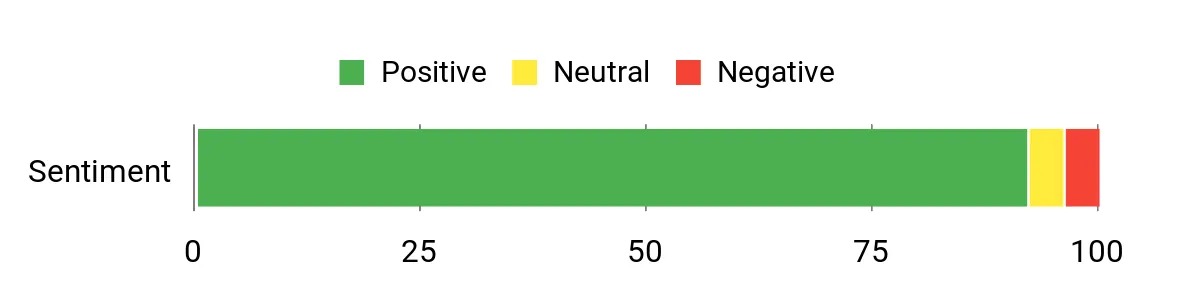
The source review themes emphasize a quick learning curve, acceptable rain protection for ordinary campground use and useful airflow. Complaints commonly relate to tight space when filled to its maximum rating and wear after rough handling.
Overall Sentiment: Generally positive for compact recreational camping
Durability
Careful tensioning matters in cold wind because loose fabric can flap and place unnecessary stress on poles and clips. Dry the tent completely before storage and inspect fly attachments before each trip.
Travel Friendly
This is one of the easier tents in the roundup to transport by car or carry a short distance from a parking area. It remains heavier and bulkier than a dedicated backpacking shelter.
Key Benefits
- Smaller campsite footprint than the four-person Sundome
- Simple pole and rainfly arrangement
- WeatherTec-style welded corners and inverted seams
- Windows and ground ventilation help limit stuffiness
- Practical capacity for one or two cold-weather campers
CORE 9-Person Instant Cabin Tent

The Instant Hub frame reduces one of cold-weather camping’s biggest frustrations: assembling a large number of long poles with cold hands. Once pitched, the cabin shape provides standing room, space for large sleeping setups and interior storage.
The tradeoff is exposure. Tall walls catch more wind than a low dome, and the broad roof is not intended for substantial snow accumulation. Select a protected campsite, use every appropriate stake and guyline, and monitor the roof if unexpected precipitation begins.
Best for: Families or groups arriving by vehicle who value rapid setup and interior living space.
Avoid if: You expect exposed wind, accumulating snow or a long carry from the vehicle.
What People Say
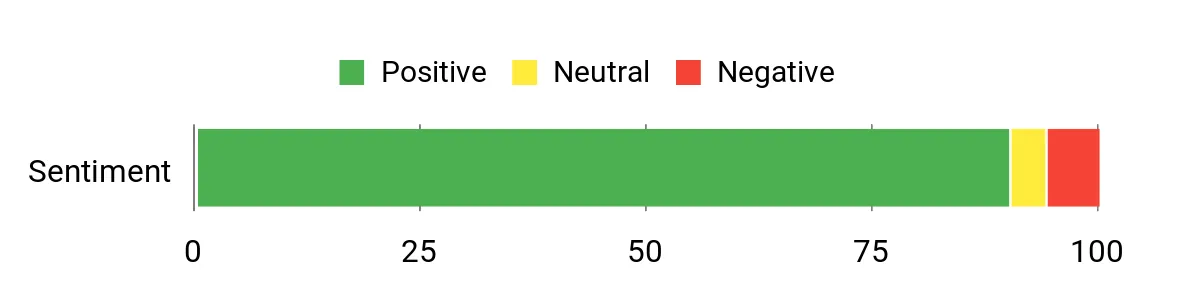
Source review themes focus on the quick pitch, standing height and ability to organize multiple sleeping areas. The most common reservations involve packed bulk, weight and the need to handle the telescoping frame carefully.
Overall Sentiment: Generally positive for fast family basecamps
Durability
The instant frame is convenient but contains moving joints that should not be forced. Extend and collapse each section in the intended order, keep dirt out of the mechanisms and stop if a pole binds.
Travel Friendly
This is a vehicle-based tent. The packed frame is considerably bulkier than a conventional dome, but the setup convenience can be worthwhile for family campgrounds and fixed basecamps.
Key Benefits
- Pre-attached frame can reduce setup to a few minutes
- Standing-height cabin interior
- Room for multiple sleeping areas and substantial gear
- Adjustable ventilation and mesh ceiling
- Interior storage and electrical access port
Coleman Sundome 2-Person Tent

The two-person Sundome is the easiest model here to fit on a small campsite. Its compact interior also means there is less air volume around the sleeping area, although your sleeping bag and pads—not the tent fabric—must provide the insulation.
For a more comfortable cold-weather arrangement, use it solo or with a partner who packs minimally. Wet boots and outerwear can quickly overwhelm the limited floor area because the tent does not provide a large vestibule.
Best for: Solo car campers, budget-conscious buyers and small protected campsites.
Avoid if: Two campers need generous room for bulky winter bedding, boots and packs.
What People Say
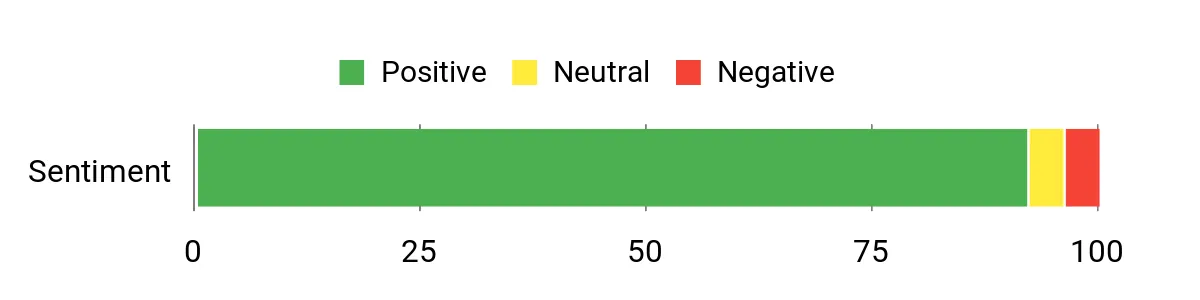
The source data reflects appreciation for simple setup, ordinary rain protection and accessible value. Common limitations include low headroom, limited storage space and ordinary wear after repeated rough use.
Overall Sentiment: Generally positive as an entry-level tent
Durability
Use a properly sized footprint that does not extend beyond the tent floor, because exposed tarp edges can collect rain. Inspect the poles and elastic before cold-weather trips, when brittle or worn components are less forgiving.
Travel Friendly
The smaller packed size makes this one of the easiest options to load into a compact vehicle or carry from a parking area. It is still a recreational camping tent rather than an ultralight winter shelter.
Key Benefits
- Compact footprint for small campsites
- Simple continuous pole sleeves and clips
- Included rainfly and WeatherTec-style seam construction
- Windows and ground vent for airflow
- More practical for one cold-weather camper than two gear-heavy adults
CORE 9-Person Extended Dome Tent

The extended sides create a broader floor plan for families carrying large sleeping pads, air mattresses or several bins of cold-weather gear. The 72-inch center height allows many adults to stand near the middle, while the mesh ceiling and adjustable lower vent help reduce trapped moisture.
Setup is more involved than the CORE Instant model because this tent uses a conventional pole system. Two adults will usually have an easier time controlling the long flexible poles, especially in cold or breezy conditions.
Best for: Families who need broad floor space and do not mind a conventional two-person pitch.
Avoid if: You want an instant frame, compact packed size or protection from substantial snow.
What People Say
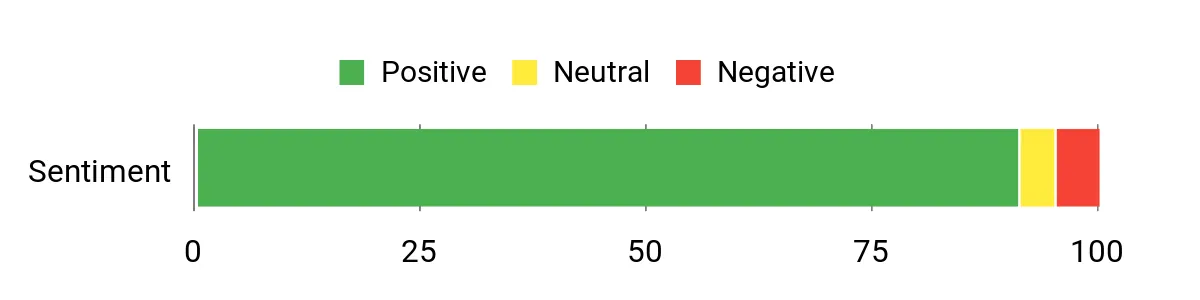
Common source-review themes include generous floor space, useful storage and effective airflow in ordinary campground weather. Reservations tend to involve the long fiberglass poles, zipper care and the amount of space needed to pitch it.
Overall Sentiment: Generally positive for family campground use
Durability
Do not force the long poles into position. Assemble the structure on level ground, avoid twisting pole sections and keep a basic splint or repair sleeve with your camping kit.
Travel Friendly
The tent packs into a vehicle-friendly bag but is too large for practical backpacking. Confirm that your campsite pad is wide enough for the extended floor before arrival.
Key Benefits
- Broad interior suited to several sleepers and bulky gear
- Standing height near the center
- Adjustable ground ventilation and mesh ceiling
- Rainfly, taped seams and water-resistant fabric
- Gear loft, pockets, lantern hook and electrical access port
Coleman Sundome Dark Room 4-Person Tent
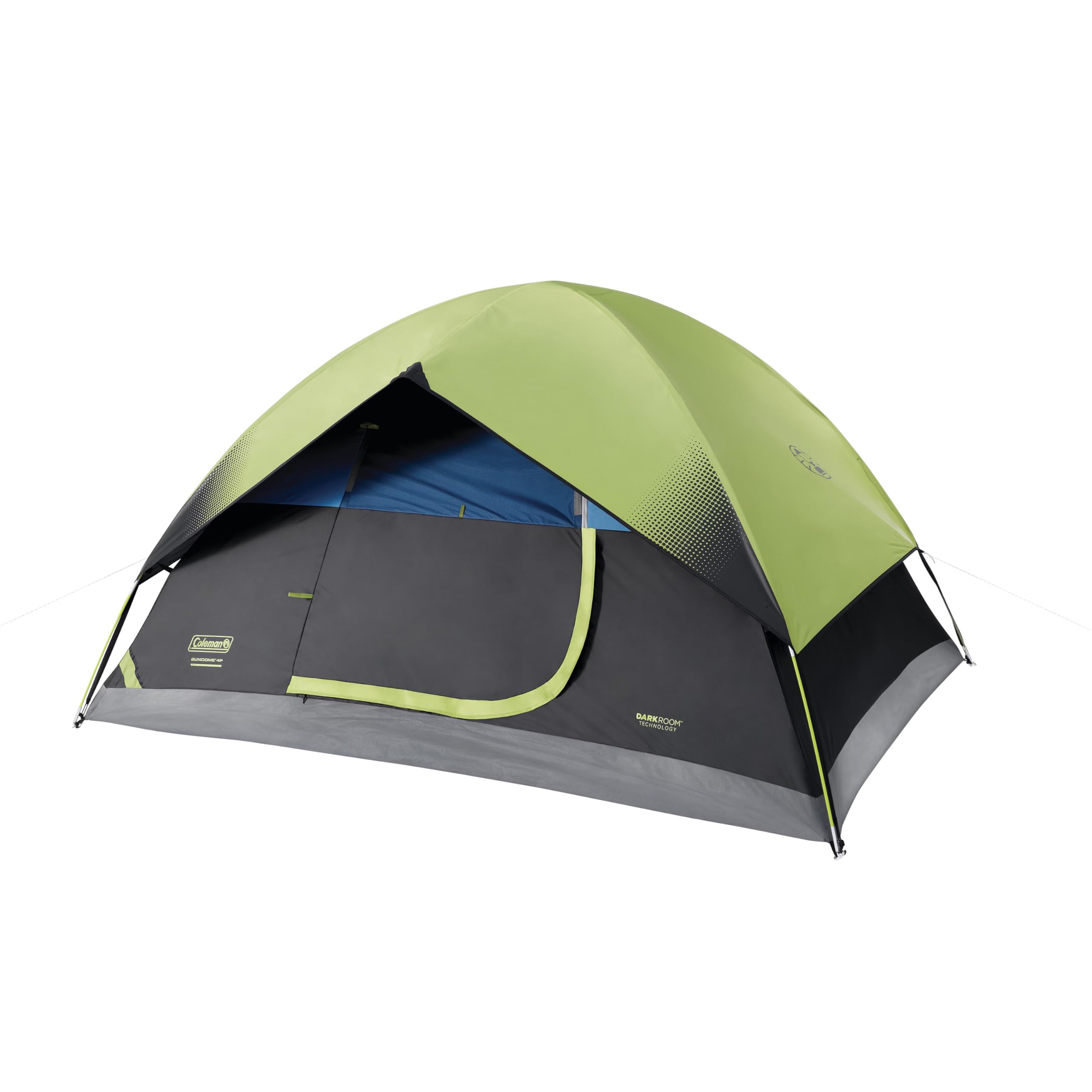
Dark Room fabric blocks much of the incoming sunlight, which can be useful when winter sunrise reflects brightly from frost or snow. The feature improves sleeping comfort, but it does not add structural snow strength or turn the Sundome into a four-season shelter.
The interior works best for a couple with a larger sleeping setup or a small family that packs carefully. As with the standard Sundome, maintain ventilation even when the weather is cold.
Best for: Light-sensitive sleepers and campground users who want a darker morning interior.
Avoid if: You are choosing primarily for severe-winter strength rather than sleep comfort.
What People Say
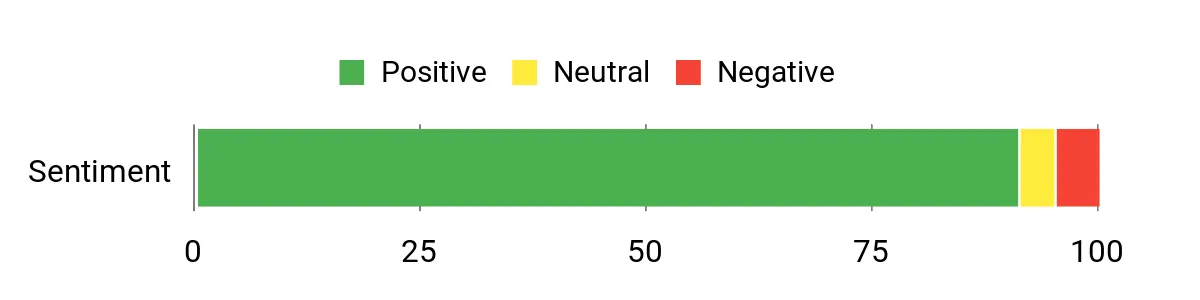
The source review themes highlight the darker interior, simple pitch and ordinary rain protection. Some users note that dark exterior fabric can warm in direct sun and that stronger aftermarket stakes may improve confidence on firm or exposed sites.
Overall Sentiment: Generally positive, especially for the light-blocking feature
Durability
Treat it as a recreational three-season tent. Use appropriate stakes, tension the fly evenly and avoid allowing snow to collect on the roof.
Travel Friendly
Its carry bag and conventional pole structure are appropriate for vehicle-based weekends, festivals and established campgrounds rather than long winter approaches.
Key Benefits
- Dark Room fabric reduces incoming morning light
- Familiar Sundome setup
- WeatherTec-style welded corners and protected seams
- Practical room for a couple plus gear
- Electrical access port and internal storage
CORE 12-Person Straight Wall Cabin Tent

The 16-by-11-foot floor and 86-inch center height make this the most spacious tent in the retained lineup. It can create separate areas for sleeping, changing and gear storage, which is valuable when winter clothing and bedding consume more room than summer equipment.
That same size is its main weather limitation. The large wall area catches wind, and the broad roof must not be allowed to collect snow. Plan for two adults during setup, verify the campsite pad dimensions and choose a protected location.
Best for: Large families or groups building a comfortable campground base in calm weather.
Avoid if: The site is exposed, the forecast is unsettled or you need to carry the tent any meaningful distance.
What People Say
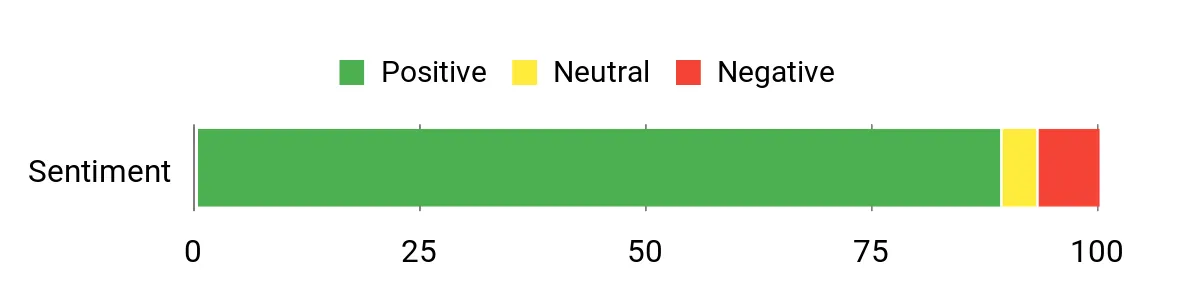
Source feedback commonly praises the standing room, divider and overall livability. The expected drawbacks are substantial packed weight, a large required campsite and the need for two people to manage the frame efficiently.
Overall Sentiment: Generally positive when space matters more than portability
Durability
Use all available stakes and guylines, particularly at corners and broad wall panels. Avoid dragging the large floor across gravel, and dry the tent in sections if necessary before storing it.
Travel Friendly
At roughly 49 pounds, this is strictly a vehicle-based shelter. Measure your cargo area and confirm that you can move the packed tent safely before choosing it for a trip.
Key Benefits
- Large 16-by-11-foot floor
- 86-inch center height and near-vertical walls
- Room divider and two doors
- Adjustable ventilation and interior organization
- Best retained option for maximum group living space
CAMPROS CP 8-Person Tent

The CAMPROS CP offers a useful combination of open floor space, a 72-inch center height and a curtain that can separate sleeping and gear areas. Color-coded poles simplify the conventional setup, although two people will have an easier time controlling the long sections in cold weather.
The large mesh surfaces support airflow but confirm that this is a general family-camping tent rather than an insulated or severe-winter shelter. Use it where little or no snow is expected and protect it from strong crosswinds.
Best for: Families wanting separate zones without moving to the heaviest cabin tent.
Avoid if: You need verified snow-load strength, a low wind profile or premium pole construction.
What People Say
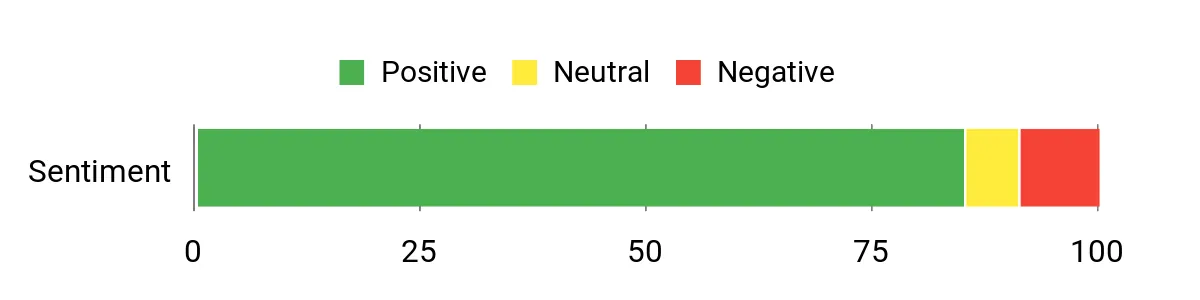
The source feedback frequently mentions the floor space, standing height, divider and easy-to-follow color-coded setup. Buyer experiences with rain performance vary, so careful fly tension, site drainage and seam inspection are especially important.
Overall Sentiment: Mixed-to-positive depending on weather expectations
Durability
The polyester body and fiberglass poles suit ordinary campground use. Inspect seam tape and stake loops before wet trips, and consider stronger stakes when the included set does not suit frozen, sandy or very soft ground.
Travel Friendly
It packs into a carry bag for vehicle transport but remains too bulky for backpacking. Its 14-by-9-foot footprint also requires a relatively large, level campsite.
Key Benefits
- Large family-oriented floor plan
- 72-inch center height
- Divider for sleeping and gear zones
- Large mesh panels for ventilation
- Color-coded conventional pole system
UNP 6-Person Tent

The 10-by-9-foot floor and 78-inch peak give the UNP more usable standing room than a traditional dome. Multiple mesh windows and the roof panel encourage airflow, which is valuable when several sleepers are producing moisture overnight.
The cabin shape is intended for campsite comfort, not severe weather. Keep the tent away from exposed ridges, use all appropriate guylines and do not allow snow to build on the roof.
Best for: A small family wanting standing height without moving to a nine- or twelve-person tent.
Avoid if: You need multiple doors, a compact backpacking shelter or severe-winter protection.
What People Say
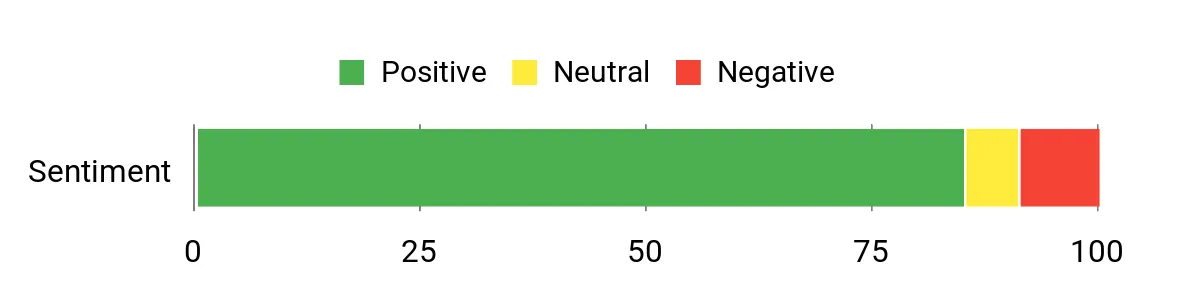
The source themes highlight the tall interior, straightforward setup and room for larger sleeping arrangements. Common cautions involve the long door zipper, stake quality and the importance of checking seams before prolonged wet-weather use.
Overall Sentiment: Generally positive for roomy family car camping
Durability
The steel support poles provide a solid cabin framework for ordinary campground weather. Avoid over-tensioning the long zipper or forcing pole connections, and inspect the fly and floor after each trip.
Travel Friendly
This is a car-camping tent with a relatively long packed shape. It is manageable for weekend drives but not appropriate for a long winter hike.
Key Benefits
- 10-by-9-foot family floor plan
- 78-inch peak height
- Multiple mesh windows and roof ventilation
- Steel support poles
- Useful middle ground between compact domes and oversized cabin tents
FAQ
Are These True Winter Camping Tents?
No. The products in this roundup are best understood as conventional camping tents that can be used on mild, settled winter nights at vehicle-accessible and protected campsites. They are not equivalent to four-season mountaineering tents engineered for heavy snow loads, exposed wind or above-tree-line use.
When Can A 3-Season Tent Be Used In Winter?
A three-season tent may be reasonable below tree line when the forecast is stable, snowfall is minimal, wind is manageable and retreat to a vehicle or building is practical. Site protection, correct staking and a suitable sleeping system are essential.
Do not use a three-season tent simply because the temperature is cold. Wind speed, precipitation type, snow accumulation, terrain and distance from help matter as much as the overnight low.
What Should I Look For In A True 4-Season Tent?
Look for a low or rounded snow-shedding profile, multiple strong poles, secure pole intersections, reinforced guy points, a full-coverage fly, less exposed mesh and manufacturer guidance that specifically addresses winter wind and snow. A marketplace “four-season” label alone is not enough evidence of structural capability.
How Much Tent Capacity Do I Need In Cold Weather?
Advertised occupancy normally assumes tightly arranged sleeping bags. Cold-weather pads, thicker sleeping bags, boots and layered clothing take more space, so two campers may prefer a three- or four-person tent. Families should compare actual floor dimensions with their sleeping pads before buying.
How Do I Reduce Condensation?
Keep vents partly open, avoid breathing into your sleeping bag, remove snow or rain from outer layers before entering and store damp gear away from sleeping insulation where possible. Do not seal every mesh panel in an attempt to make a three-season tent warmer.
Should I Put A Tarp Over The Tent?
A correctly positioned tarp can add a sheltered entry or reduce direct precipitation, but it must not pool water, rub against the tent or block ventilation. Pitch it independently with secure anchors and keep it clear of the tent roof where practical.
Can I Use A Heater Inside These Tents?
Do not use charcoal, a camp stove, grill or unvented fuel-burning heater inside any of these tents. Carbon monoxide is odorless and can accumulate rapidly. An electrical access port does not certify the tent for heating equipment. Follow the tent and appliance manufacturers’ safety instructions and rely primarily on insulated sleeping equipment for warmth.
What Practical Steps Help At A Cold Campsite?
Choose a level site protected from prevailing wind, clear sharp objects, use stakes suited to the ground and tension the fly evenly. Place an insulated sleeping pad beneath every sleeper, keep dry sleep clothing separate and check the tent periodically if precipitation begins.
Campers’ Top Picks
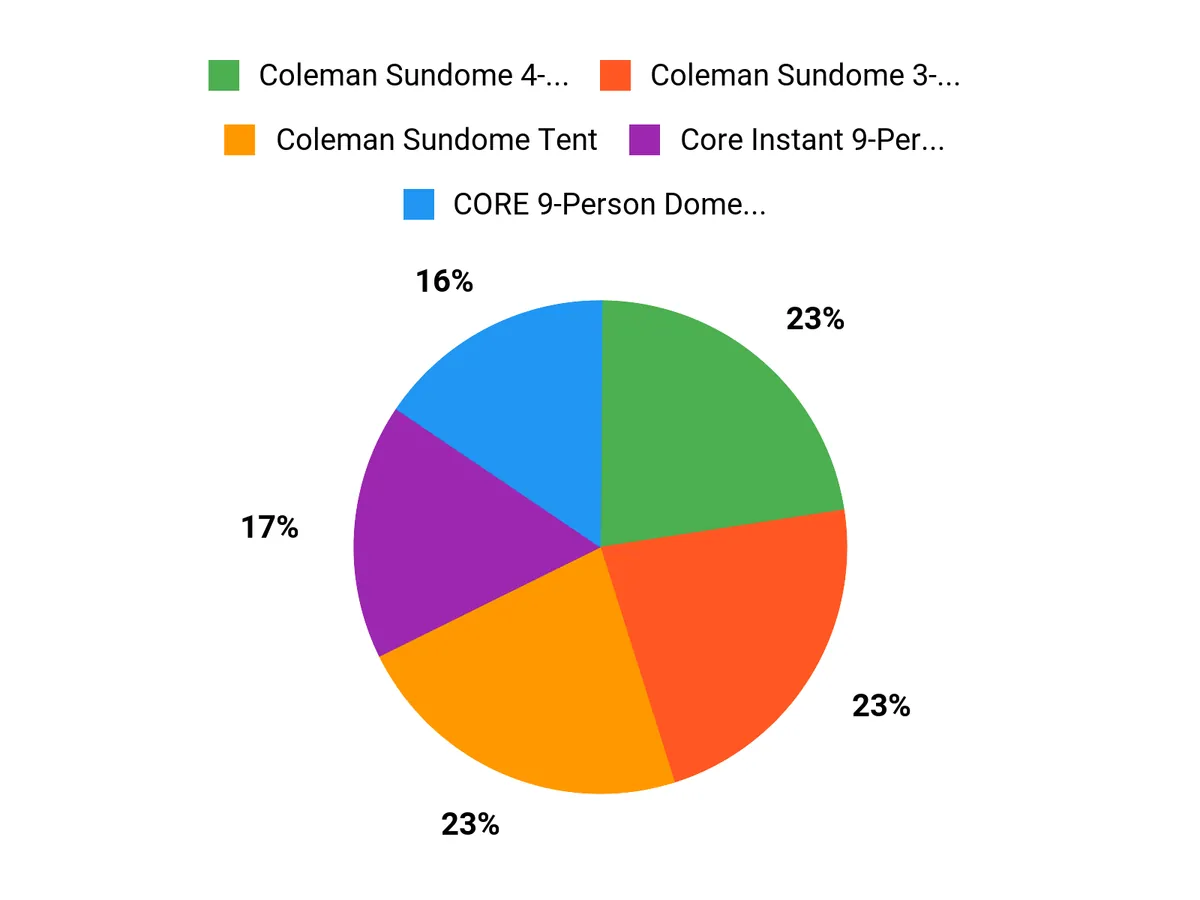
For one or two campers, the Coleman Sundome 3- or 4-person models provide the simplest balance of compact transport, usable sleeping room and familiar setup. Families who want to spend less time pitching should consider the CORE 9-Person Instant Cabin, while groups prioritizing maximum standing and organization space can look at the CORE 12-Person Straight Wall Cabin.
The most important choice is not the advertised occupancy. Match the tent to the forecast and terrain first, then choose enough floor space for your sleeping pads, bags, boots and dry clothing.
Wrapping Up
The Coleman Sundome 4-Person is the most balanced choice for a couple or small group camping near a vehicle in calm, mild winter weather. The CORE 9-Person Instant Cabin is the better fit when rapid setup and family space matter most, while the CORE 12-Person Straight Wall Cabin provides the largest living area for settled campground conditions.
Choose the Coleman Dark Room version for reduced morning light, the CAMPROS CP when a divider is a priority, or the UNP 6-Person when standing height matters but a twelve-person footprint is excessive.
None of these tents should be treated as a substitute for a purpose-built four-season shelter. Check the full forecast, use a protected campsite, anchor the tent correctly, manage condensation and build warmth through an appropriate sleeping bag and insulated pads.
| Product | Image | Capacity | Setup Style | Best Use | Winter Limitation |
|---|---|---|---|---|---|
| Coleman Sundome Camping Tent 4 Person |
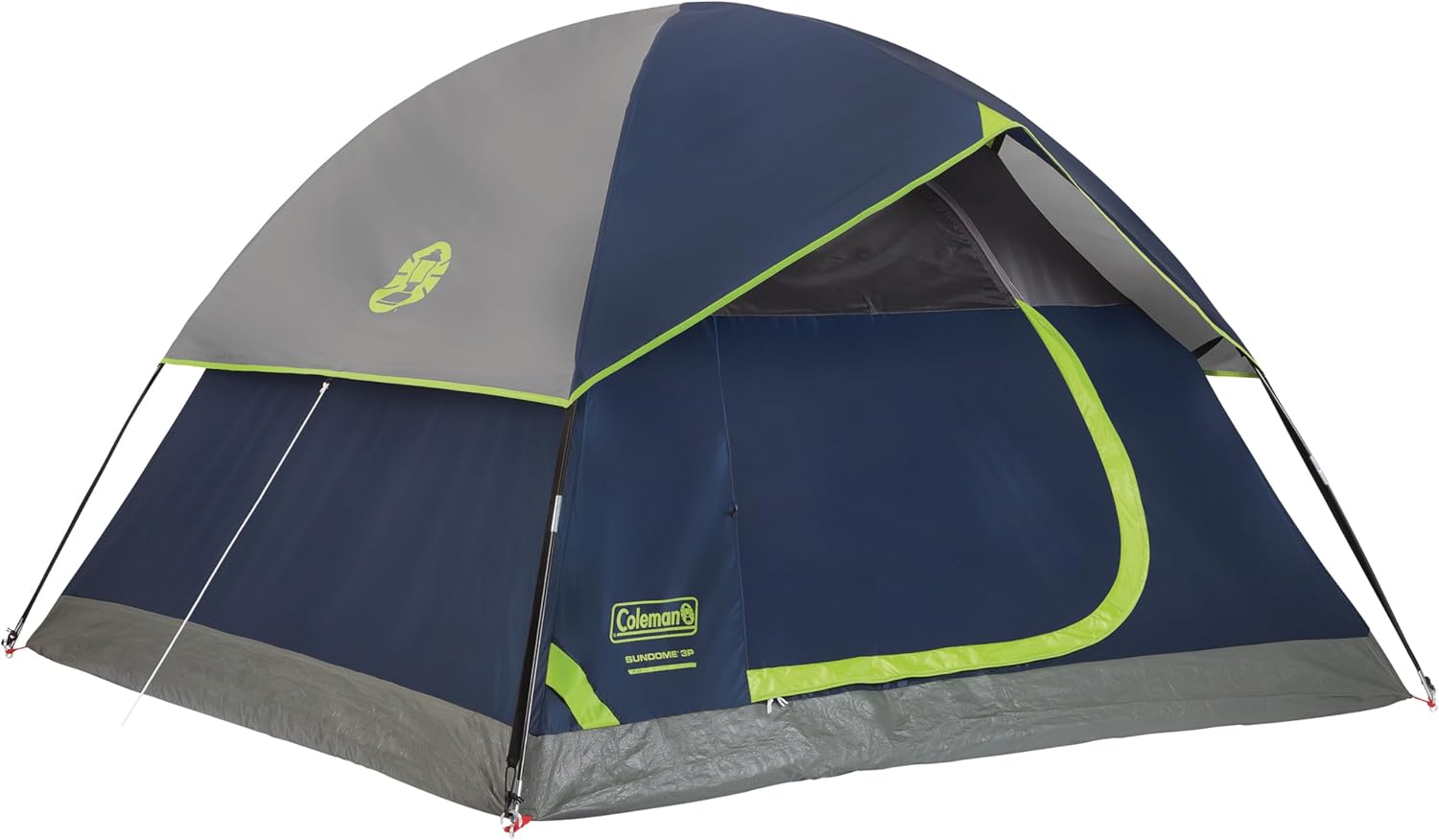 |
4-person maximum; more comfortable for 2 plus gear | Conventional dome poles | Couples and small groups at protected campsites | 3-season tent; not designed for heavy snow or exposed wind |
| Coleman Sundome Camping Tent 3 Person |
|
3-person maximum; practical for 1–2 in cold weather | Conventional dome poles | Compact vehicle-based camping | Warm-weather-oriented 3-season construction |
| CORE 9 Person Instant Cabin Tent |
 |
9-person maximum; most comfortable for a smaller group plus gear | Pre-attached instant frame | Fast family basecamp setup | Tall walls and broad roof are unsuitable for substantial snow |
| Coleman Sundome Camping Tent 2 Person |
 |
2-person maximum; best for 1 with winter gear | Conventional dome poles | Budget solo car camping | Limited gear space and no severe-weather capability |
| CORE 9 Person Extended Dome Tent |
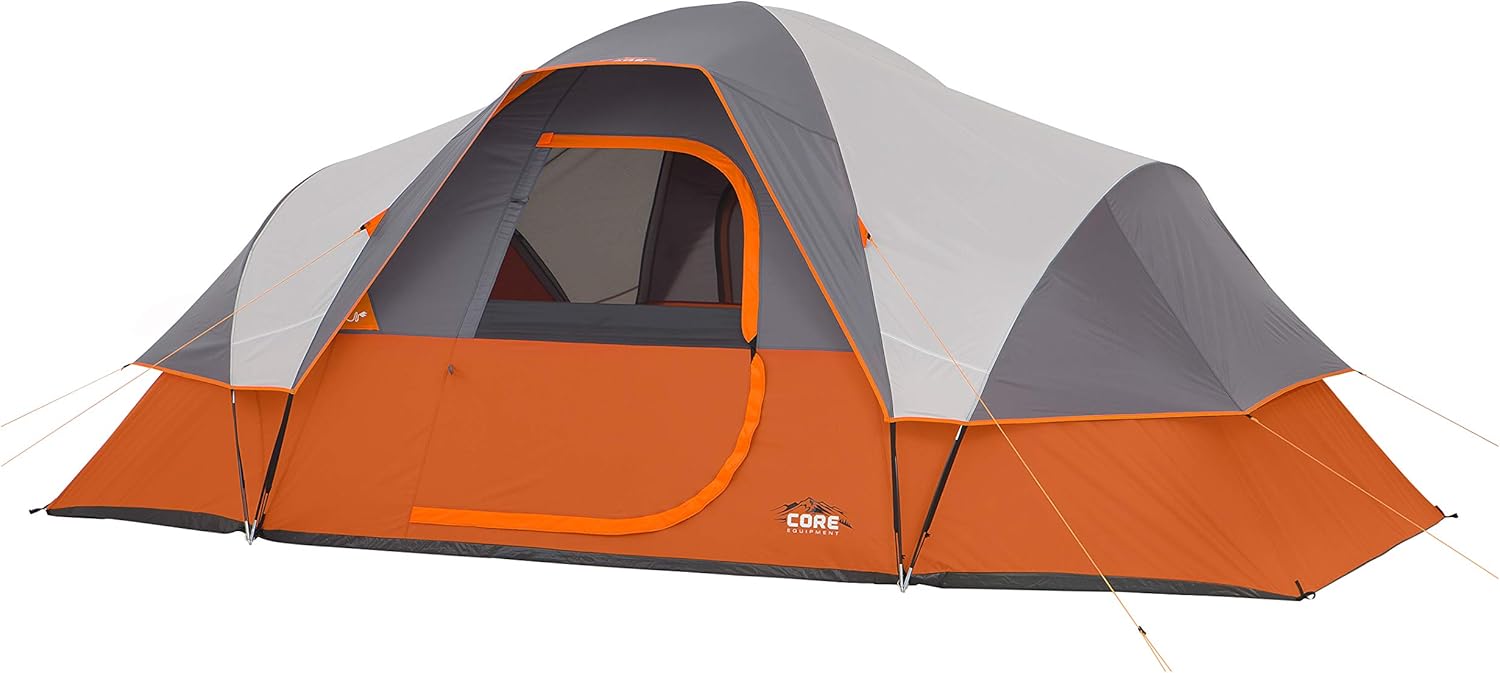 |
9-person maximum; better for a family plus gear | Conventional extended-dome poles | Family trips needing broad floor space | Not engineered for heavy snow or exposed winter terrain |
This roundup is reader-supported. When you click through Amazon links, we may earn a referral commission on qualifying purchases.