
Disclosure: As an Amazon Associate, we earn from qualifying purchases. If you click a link on this page and make a purchase, we may receive a commission at no extra cost to you.
Winter camping demands more from a shelter than fair-weather trips. The right choice depends first on how you travel: backpackers need a compact double-wall tent that manages wind, moisture and light snow, while vehicle-based campers can consider larger hot tents built around a dedicated stove-jack system.
This guide compares five cold-weather shelters across those two use cases. It helps you choose between portable winter backpacking tents, a hammock-compatible hot tent and a heavy framed base-camp shelter without treating them as interchangeable.
Quick Verdict
- Underwood 2P: best balanced pick for solo winter backpacking and compact transport.
- BISINNA 2P: best value when a roll-up snow skirt and two-door layout are priorities.
- ShinHye 2P: best for dual-door convenience in a compact backpacking shelter.
- REDCAMP Hot Tent: best for hammock campers who want stove-jack capability and standing room.
- RBM Hot Tent: best for a roomy vehicle-based winter base camp where weight is secondary.
Winter safety note: A “4-season” label does not guarantee expedition-level wind or snow-load performance. Clear accumulating snow, use every required guyline and choose stakes for the ground conditions.
Stove safety: Use a stove only in a shelter designed with a compatible stove jack and heat-resistant components. Maintain manufacturer clearances, ventilate continuously, use a spark arrestor and battery-powered carbon-monoxide alarm, and never place a combustion appliance in a standard backpacking tent or vestibule.
Top Picks
|
Category |
Product |
Best For |
|---|---|---|
|
🏆 Best Balanced Backpacking |
Solo winter backpacking and compact transport |
|
|
❄️ Best Snow-Skirt Value |
Two-door winter weekends and mixed-season use |
|
|
🎒 Best Dual-Door Backpacking |
Solo campers and minimalist pairs |
|
|
🏕️ Best Hammock Hot Tent |
Hammock, bushcraft and stove-ready camps |
|
|
🔥 Best Premium Base Camp |
Vehicle-based heated winter stays |
How We Chose These Tents
This is a specification-and-use-case comparison, not a claim of hands-on laboratory or expedition testing. The selections were reviewed for: 1) shelter type and intended trip style; 2) listed waterproofing, snow skirts and fly coverage; 3) pole or support structure; 4) ventilation and condensation management; 5) packed portability versus base-camp comfort; 6) stove-jack design and the need for separately purchased stove components; and 7) honest limitations, including practical occupancy and severe-weather boundaries.
Marketing terms such as “ultralight,” “waterproof,” “windproof” and “4-season” are treated as listing language rather than guarantees. The final choice should reflect your route, forecast, campsite exposure, sleep system and ability to manage the shelter safely.
Before You Buy a Winter Tent
|
Check |
Why It Matters |
|---|---|
|
Trip style |
Backpacking tents prioritize portability; hot tents prioritize space and heat but require more equipment and skill. |
|
Practical sleeping space |
Winter pads, bulky bags and wet gear reduce usable capacity. A listed two-person tent is often more comfortable for one in winter. |
|
Included components |
Confirm whether poles, floor, footprint, stove, pipe, spark arrestor, heat shield and snow stakes are included. |
|
Ventilation |
Vents and double-wall spacing help manage condensation; sealing every opening can make moisture and stove risks worse. |
|
Weather limits |
Waterproof coatings do not prove snow-load or alpine-wind strength. Match pole geometry and guy-out points to expected conditions. |
|
Warranty and parts |
Check current seller support for replacement poles, zippers, stove-jack parts and other high-wear components. |
Best Winter Backpacking Tents


The Underwood is the most balanced pick here for a solo camper who wants a traditional double-wall winter tent without moving into hot-tent weight and complexity. Its floor is marketed for two people, but the practical fit is more comfortable for one person plus winter gear or two campers using narrow pads.
The snow skirt and full-coverage fly help with drafts, splashback and light snow. This is not a stove tent: do not place a stove, heater or other fuel-burning appliance in the vestibule or sleeping area.
Best for: Solo winter backpacking, bikepacking and shoulder-season trips where compact packed size matters.
Skip it if: You expect severe alpine wind, sustained heavy snow loading, generous two-person living space or indoor stove use.
Quick verdict: A practical general-purpose winter backpacking tent, provided you treat the four-season label as a feature description rather than an expedition guarantee.
What Buyers Commonly Mention
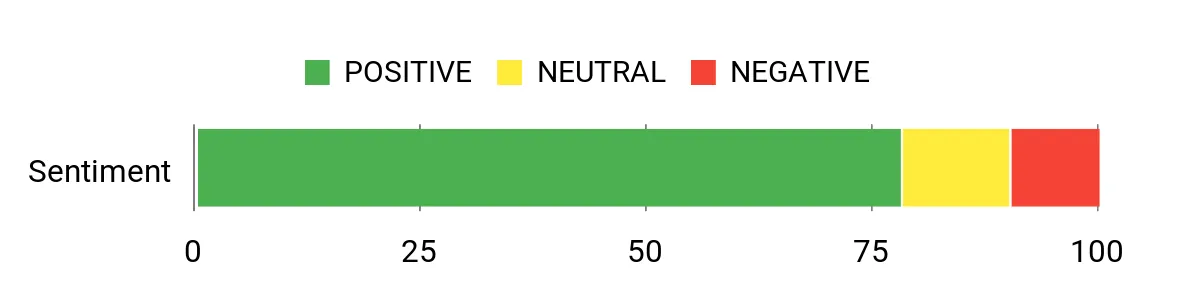
The source summary emphasizes compact packing, straightforward setup and useful vestibule storage. It also notes condensation and wear around pole-crossing points as recurring cautions.
Sentiment note: The chart below is preserved from the source article and should be treated as a directional snapshot, not a live count of current Amazon reviews.
When To Use
|
Situation |
How It Helps |
|---|---|
|
Solo Backpacking |
Gives one camper enough sleeping room while keeping boots and a compact pack in the vestibule. |
|
Bike or Motorcycle Camping |
The packed format is easier to transport than a base-camp hot tent. |
|
Mild Winter and Shoulder Season |
The full fly and snow skirt add protection from rain, drafts and light snow. |
|
Short Car-Camping Trips |
Freestanding construction simplifies setup on established sites. |
Durability and Winter Limits
Use a footprint on abrasive or frozen ground, inspect clips and pole-crossing points before each trip, and keep the fly tensioned so the inner tent does not contact wet fabric. Clear accumulating snow rather than assuming the poles can carry a heavy load.
Key Benefits
- Traditional double-wall layout with full rainfly
- Roll-up snow skirt for winter use and warmer-season flexibility
- Aluminum poles and freestanding setup
- Vestibule separates wet footwear from the sleeping area
- More portable than the hot-tent options in this guide
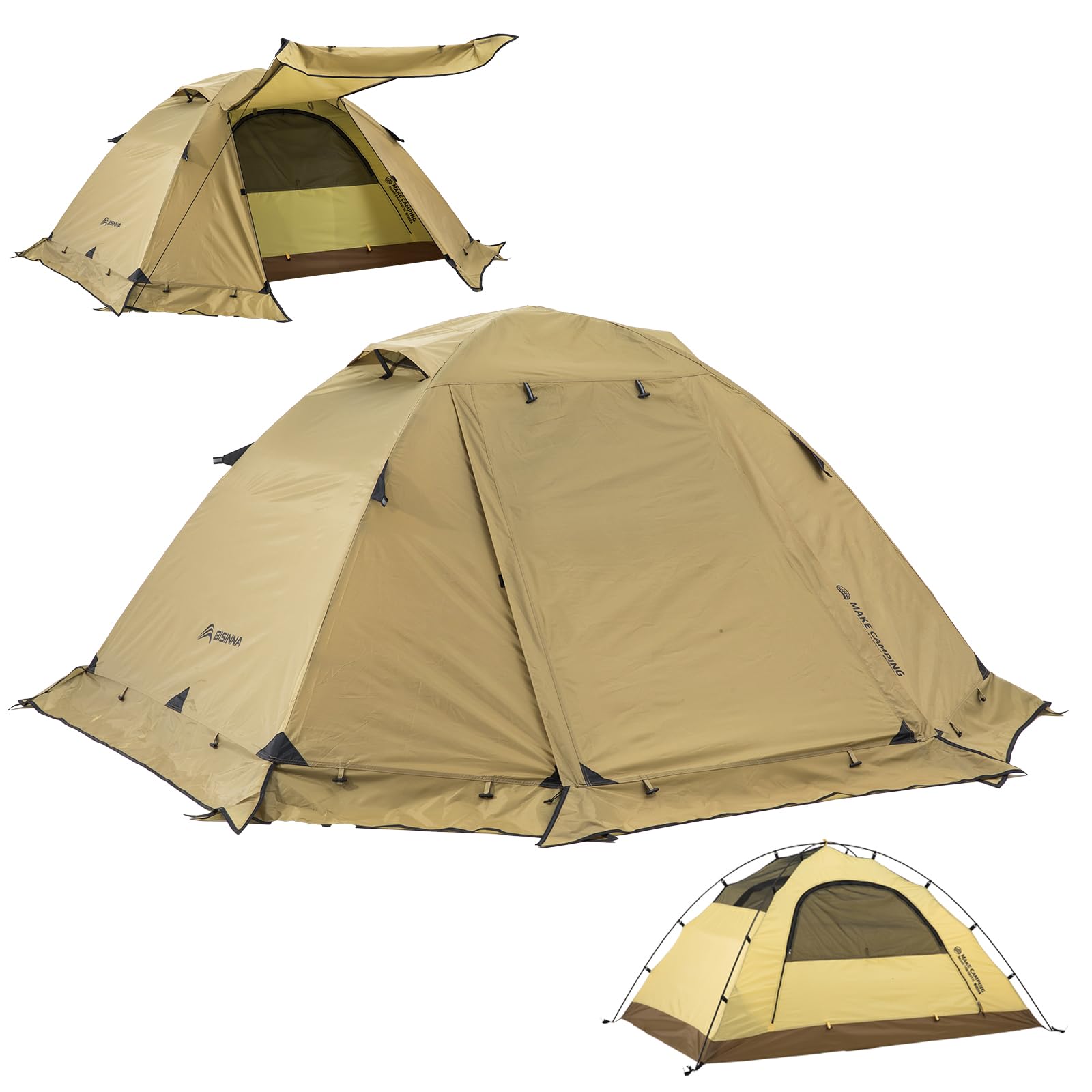
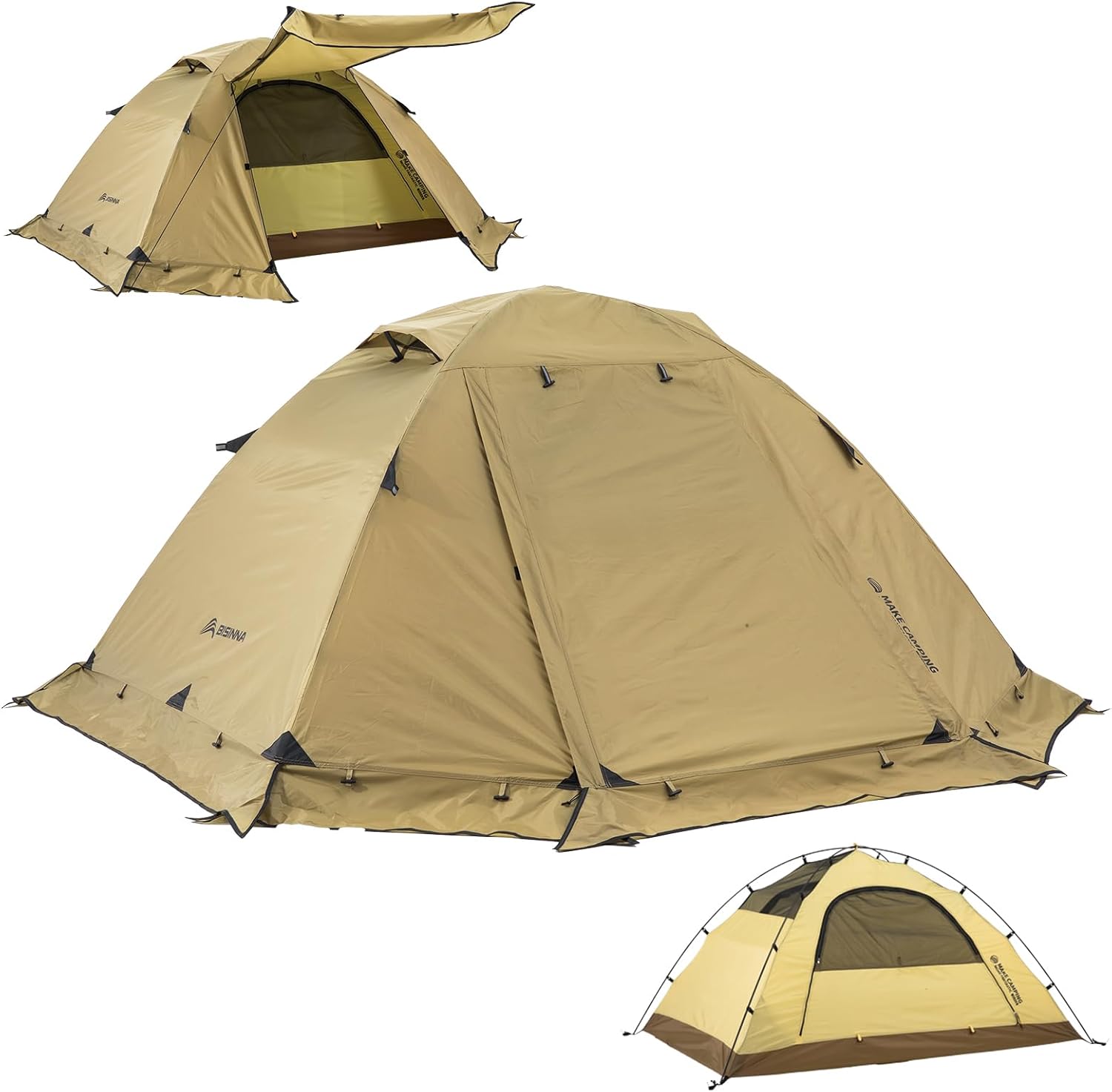
The BISINNA is the strongest fit for campers who specifically want a snow skirt and two-door convenience in a conventional backpacking tent. The listed interior is better suited to one camper with bulky winter gear or two people who pack lightly.
Compared with the lighter-looking marketing language used for some tents, this is better understood as a compact winter-capable shelter rather than an ultralight or expedition model. Its two doors can make entry, exit and ventilation easier for two sleepers.
Best for: Cold-weather weekend trips, bike or motorcycle camping, and buyers who value a roll-up snow skirt.
Skip it if: You need a genuinely ultralight shelter, high-elevation expedition construction or room for wide winter pads plus interior gear.
Quick verdict: A sensible snow-ready value pick when you want familiar dome-tent setup and do not need a stove jack.
What Buyers Commonly Mention
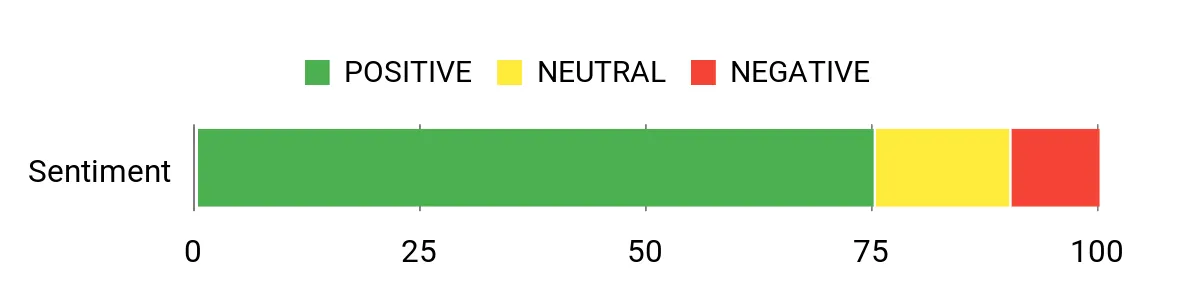
The source summary highlights rainfly performance, warmth retention and easy setup, while also flagging the thinner floor, plastic hardware and occasional zipper snags as points to inspect.
Sentiment note: The chart below is preserved from the source article and should be treated as a directional snapshot, not a live count of current Amazon reviews.
When To Use
|
Situation |
How It Helps |
|---|---|
|
Winter Backpacking |
The snow skirt can reduce drafts and wind-driven snow around the fly edge. |
|
Two-Person Weekend Trips |
Two doors reduce the need to climb over a partner during entry and exit. |
|
Bike or Motorcycle Touring |
The packed shelter is more manageable than a vehicle-based hot tent. |
|
Mixed-Season Use |
The snow skirt rolls up when extra airflow is more important than snow sealing. |
Durability and Winter Limits
Protect the floor with a footprint, carry stakes suited to frozen or snowy ground, and test every clip and zipper before remote use. The listed materials are appropriate for recreational winter trips, but the article should not present them as proof of expedition-level storm resistance.
Key Benefits
- Roll-up snow skirt for cold-weather flexibility
- Two doors and ventilation windows
- Freestanding aluminum-pole structure
- Double-layer design helps separate condensation from the sleeping area
- Useful middle ground between basic three-season tents and hot tents

The ShinHye is the easiest choice to understand for campers who want dual-door access, quick freestanding setup and a compact winter-capable shelter. It is marketed as ultralight, but at the listed weight it is more accurately described as portable or lightweight for a four-season-style double-wall tent.
Its footprint is snug for two adults using winter pads, so solo campers gain the most comfort. The dual doors and vents are useful for managing moisture, but ventilation still has to remain open in cold weather.
Best for: Solo campers, minimalist pairs and buyers who prioritize dual-door convenience.
Skip it if: Every ounce matters, you need spacious two-person winter living, or you expect deep snow and severe exposed conditions.
Quick verdict: A compact, easy-entry backpacking option with strong listed waterproofing, but not a true ultralight shelter.
What Buyers Commonly Mention
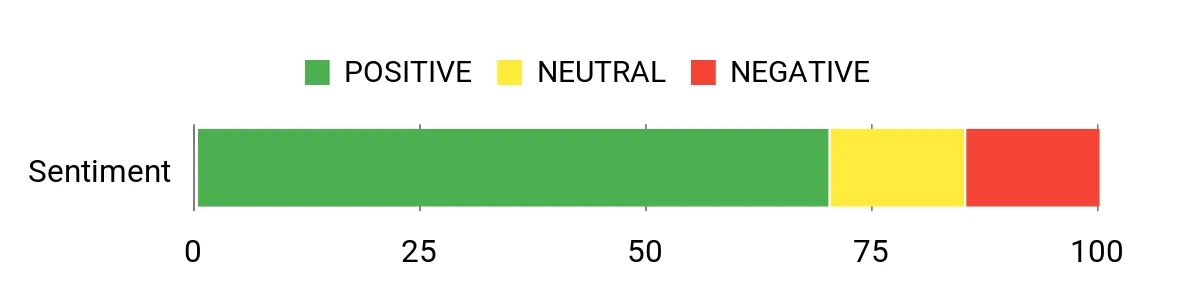
The source summary reports praise for quick setup, compact packing and water shedding. It also notes zipper concerns, basic stakes and a tighter-than-expected fit for two adults.
Sentiment note: The chart below is preserved from the source article and should be treated as a directional snapshot, not a live count of current Amazon reviews.
When To Use
|
Situation |
How It Helps |
|---|---|
|
Fast Weekend Backpacking |
Freestanding poles and a simple layout reduce setup friction at the end of the day. |
|
Wet Shoulder-Season Trips |
A full fly, sealed seams and vestibule space help isolate wet equipment. |
|
Solo Winter Camping |
One person gets more usable space for insulated sleep gear. |
|
Minimalist Two-Person Trips |
Dual doors make a close two-person fit easier to manage. |
Durability and Winter Limits
Upgrade the stakes for frozen or loose ground, avoid forcing the zippers, and dry the tent fully before storage. The waterproof rating is a fabric/coating specification; it does not by itself establish snow-load strength or severe-wind performance.
Key Benefits
- Two doors improve access and ventilation
- Full-coverage rainfly and sealed-seam construction
- Freestanding aluminum-pole setup
- Durable 210D Oxford floor material listed
- Compact option for solo campers who want extra interior room
Best Hot Tents for Winter Base Camps
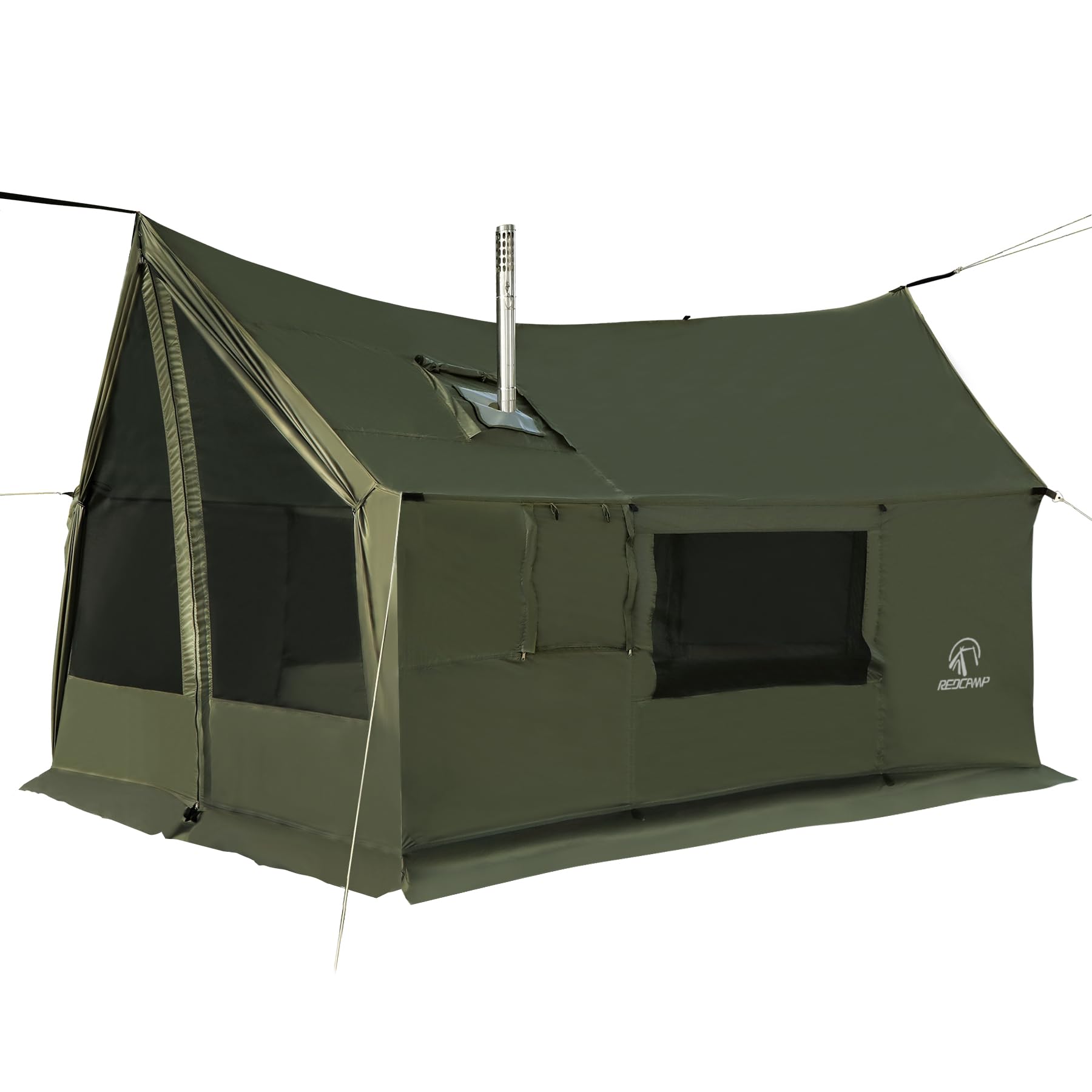


The REDCAMP stands apart because it combines hammock compatibility, standing-height space and stove-jack capability at a much lower listed weight than a framed base-camp hot tent. The four-person occupancy should not be read as four people plus a stove and full winter gear; practical capacity depends on the sleeping layout, stove clearances and whether a hammock is installed.
The Amazon listing identifies a carry bag as included, so buyers should verify whether support poles, a floor, stove, stovepipe and spark arrestor are separate purchases. This shelter should not be described as freestanding unless the current package explicitly includes a self-supporting pole system.
Best for: Hammock campers, bushcraft-style camps and vehicle-assisted trips where stove heat and standing room matter.
Skip it if: You want a sealed floor, an all-inclusive stove kit, a conventional freestanding backpacking tent or a shelter for exposed alpine terrain.
Quick verdict: A flexible hot-tent shell for experienced users who are prepared to supply and safely configure the support and stove system.
What Buyers Commonly Mention
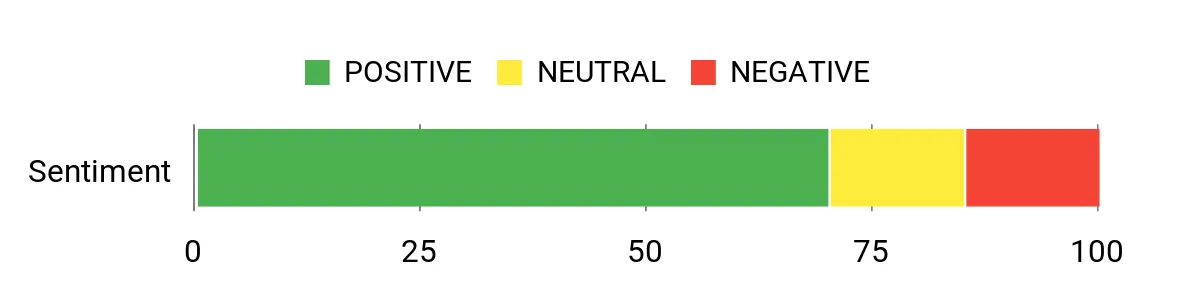
The source summary highlights space, airflow, mesh panels and the snow skirt. It also mentions missing accessories and setup dependence on suitable poles or trees, which are important pre-purchase checks.
Sentiment note: The chart below is preserved from the source article and should be treated as a directional snapshot, not a live count of current Amazon reviews.
When To Use
|
Situation |
How It Helps |
|---|---|
|
Hammock Hot Tenting |
The long interior and multi-zip doors support a hammock-oriented layout. |
|
Bushcraft Base Camp |
Standing room and stove vents create a more livable cold-weather shelter. |
|
Hunting or Vehicle Camping |
Its size is easier to manage when you are not carrying every component for long distances. |
|
Wet Transitional Weather |
Mesh panels and covers offer more airflow control than a closed single-wall shelter. |
Durability and Winter Limits
Inspect the stove-jack material, seams and guy-out points before use. Keep the fabric fully tensioned, use a spark arrestor, maintain the stove manufacturer’s required clearances, ventilate continuously and use a battery-powered carbon-monoxide alarm. Never assume the snow skirt or waterproof treatment makes the shelter safe under heavy snow loading.
Key Benefits
- Hammock-compatible hot-tent layout
- Two stove-pipe vents listed for flexible stove placement
- Snow skirt plus mesh doors and windows
- Standing-height interior for base-camp comfort
- Lower listed weight than a framed premium hot tent
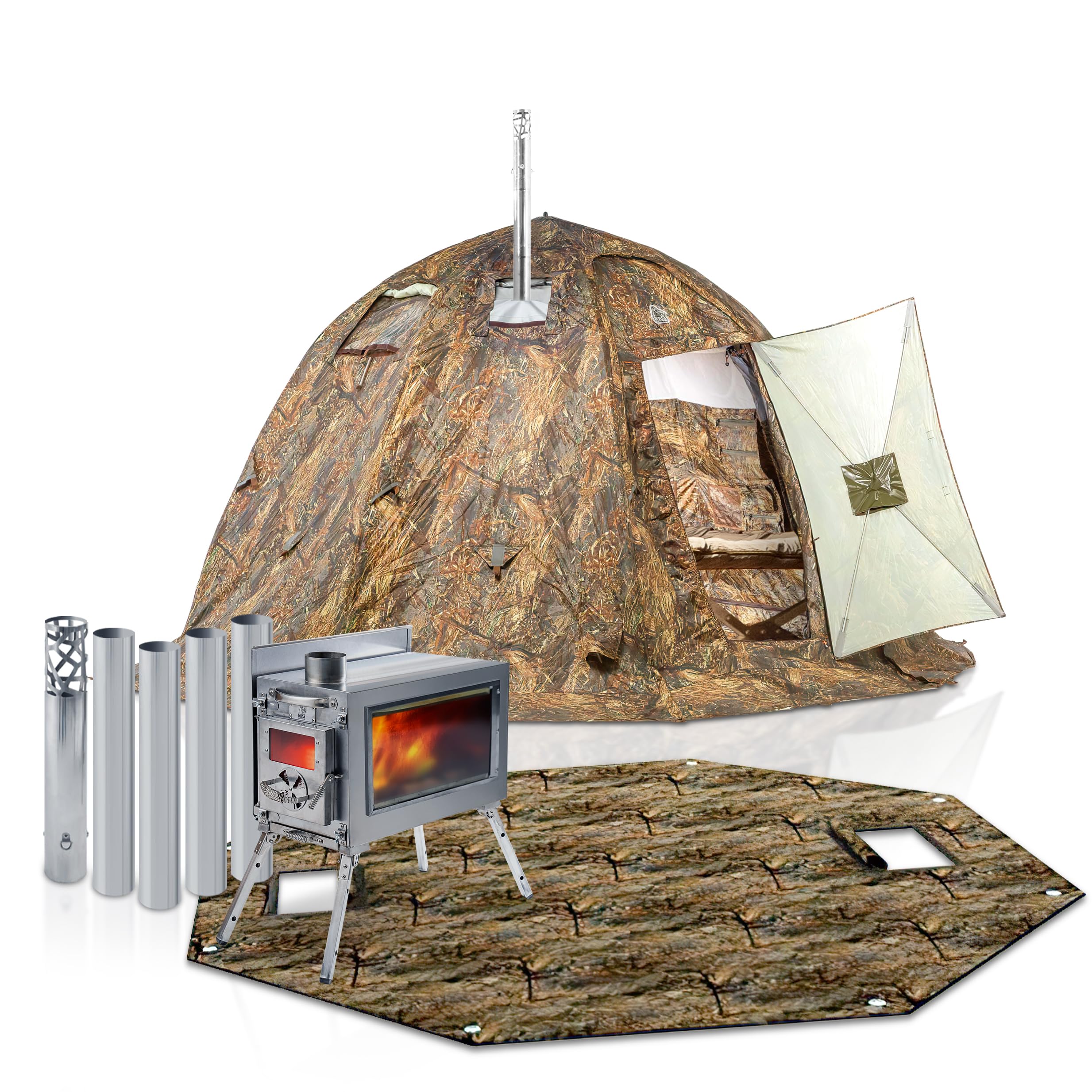
The RBM is the premium base-camp choice for readers who value insulated living space and fast framed setup more than portability. It belongs in this article, but it should be positioned clearly as a vehicle, ATV, snowmobile or long-stay shelter—not beside backpacking tents as though the carry demands were comparable.
The source describes a stove-ready structure and heat-resistant floor components, with the stove sold separately. Because the current listing could not be independently fetched during this edit, exact fabric weights, occupancy, total packaged weight and included accessories should be confirmed before ordering.
Best for: Winter car camping, ice-fishing base camps and long cold-weather stays where a large insulated shelter is worth the bulk.
Skip it if: You need to carry the shelter far from a vehicle, want a compact pack size or are not prepared to manage a wood-stove system.
Quick verdict: The comfort-focused choice for a heated winter base camp, with portability as the major trade-off.
What Buyers Commonly Mention
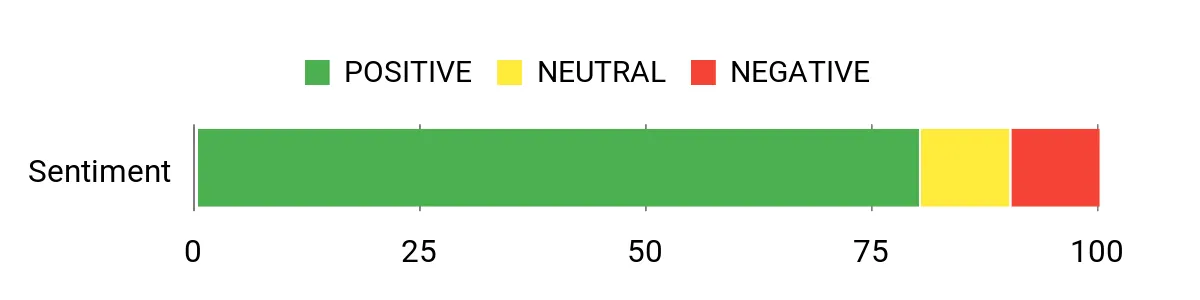
The source summary emphasizes build quality, heat retention, storage pockets and stove integration. Its main cautions are weight, bulk, capacity expectations and occasional missing small parts.
Sentiment note: The chart below is preserved from the source article and should be treated as a directional snapshot, not a live count of current Amazon reviews.
When To Use
|
Situation |
How It Helps |
|---|---|
|
Car, ATV or Snowmobile Camping |
Vehicle access makes the heavier frame, floor and stove system practical. |
|
Ice-Fishing Base Camp |
A stove-ready enclosed shelter can support longer cold-weather sessions when used legally and safely. |
|
Long Winter Stays |
More interior volume allows seating, sleep gear and organized equipment. |
|
Hunting Camp |
The framed layout is better suited to repeated use from a fixed staging point. |
Durability and Winter Limits
Dry all insulated and floor components before storage, inspect the stove collar and heat shields before every burn, and use all stakes and guylines. Do not rely on the frame alone in wind or snowfall. Confirm replacement-part support and current warranty terms with the seller.
Key Benefits
- Roomy framed layout for vehicle-based winter camps
- Source describes a dedicated stove-jack system
- Double-layer construction can improve comfort and condensation management
- Warm-floor components create a more finished base-camp interior
- Fast setup relative to many large pole-supported shelters
FAQ
How Do You Choose the Right Cold-Weather Tent for Winter Use?
Start with the travel method. Backpacking requires a manageable packed size and a structure you can pitch quickly in wind or cold. Car, ATV and base-camp trips allow heavier framed shelters, insulated floors and stove systems. Then compare practical occupancy, fly coverage, snow-skirt design, ventilation, pole geometry, guy-out points and the availability of suitable stakes.
Do not use the phrase “4-season” as the only decision point. A recreational winter tent can be appropriate for protected camps and light snow without being suitable for exposed alpine routes, prolonged storms or heavy snow accumulation.
What Is the Difference Between a Winter Backpacking Tent and a Hot Tent?
A winter backpacking tent is primarily a sleeping shelter. It is smaller, easier to carry and usually relies on your sleeping pad, sleeping bag and clothing for warmth. A hot tent is designed around a compatible stove-jack system, giving you heated living space at the cost of more bulk, fuel management, ventilation requirements and fire risk.
Choose a backpacking tent for mobility. Choose a hot tent for vehicle-supported or short-carry camps where you have the experience and equipment to operate the stove safely.
How Do You Use a Hot Tent and Stove Safely?
Use only a stove and pipe system that fit the shelter’s designated jack and follow both manufacturers’ instructions. Install the heat shield and spark arrestor, maintain required clearances from fabric and gear, keep the chimney stable and as vertical as the system requires, and ventilate the tent continuously. Carry a battery-powered carbon-monoxide alarm and smoke alarm, keep an extinguisher or appropriate fire-control method accessible, and never leave the stove unattended or operating while everyone is asleep.
Local fire restrictions and campground rules may prohibit solid-fuel stoves even when the tent is compatible, so check regulations before the trip.
How Can You Stay Warmer and Reduce Condensation?
Use an insulated sleeping pad with an appropriate cold-weather rating, a sleeping bag matched to the expected low temperature, dry base layers and a footprint that protects the floor. Store wet boots and outerwear away from the sleeping area when possible.
Keep roof and door vents partially open, maintain separation between the inner tent and rainfly, and avoid breathing directly into your sleeping bag. Heat can improve comfort in a hot tent, but it does not replace ventilation or a winter-rated sleep system.
What Should You Verify on Amazon Before Ordering?
Confirm the exact size or color variant, current listed dimensions, packed size, total packaged weight, occupancy, door count, pole material, floor inclusion, snow skirt, stove-jack size, included heat protection, warranty and seller. Product titles and bullet points can describe different variants, so compare the selected option with the specification table and package list before checkout.
How Three Featured Models Compare
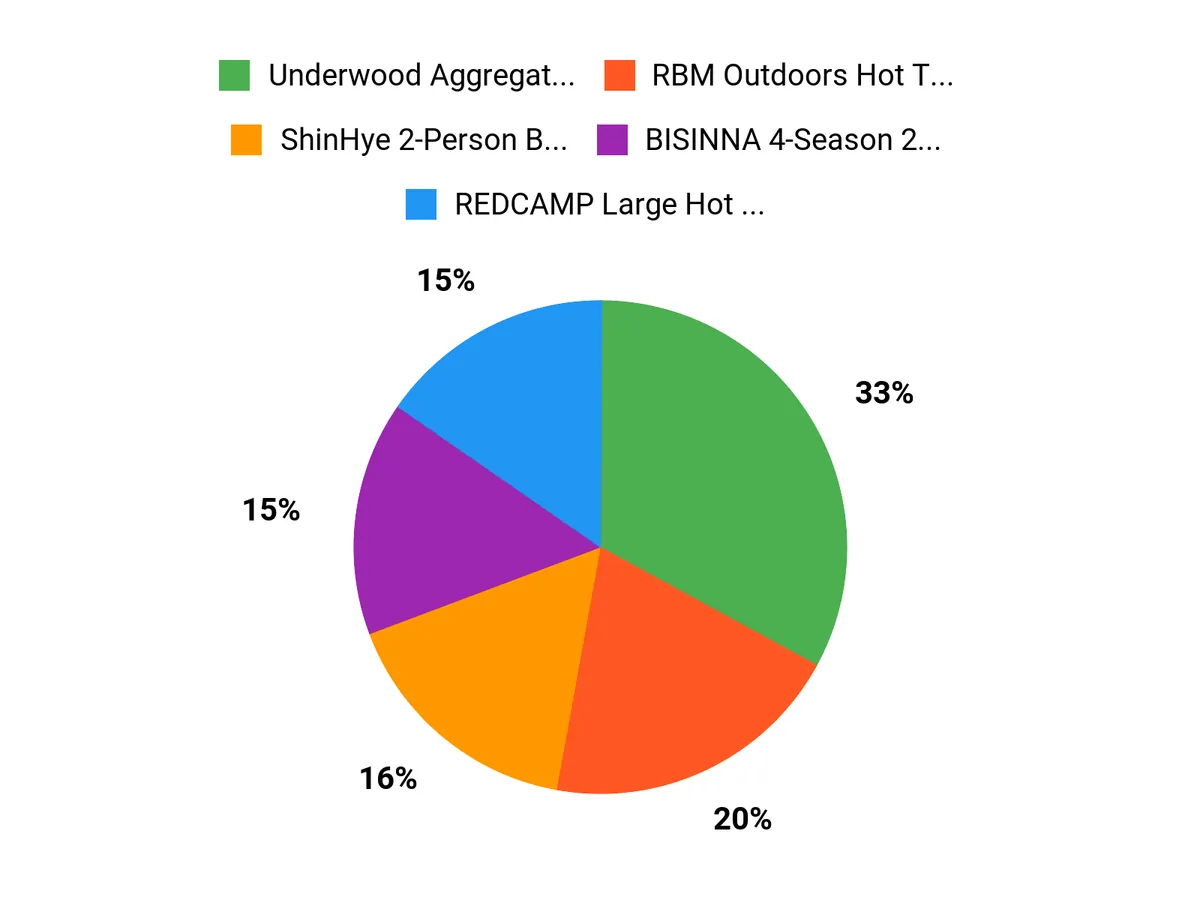
The preserved chart below compares the Underwood, RBM and ShinHye models from the source article. Use it as a directional snapshot: the Underwood favors portable winter features, the RBM favors heated base-camp comfort, and the ShinHye favors compact dual-door access. The BISINNA adds a roll-up snow skirt and two-door layout, while the REDCAMP adds hammock compatibility and a lighter hot-tent shell.
[Amazon Products Picked for You]

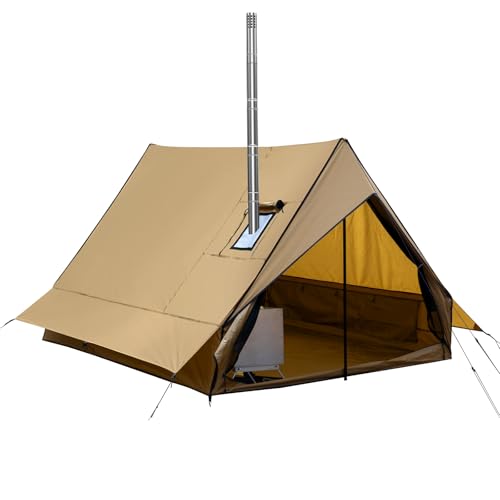
Lightweight:This hot tent is made of 20D nylon fabric, which is wear and tear-resistant, and the poles are made of high-strength aerospace aluminum alloy for durability. Nylon material is lighter than polyester, this tent weighs 20 lbs and has 118.4 sqft of interior space.It is lightweight, small size and easy to carry

✔ACCOMMODATE 2-4 PEOPLE: This product does not include a half inner tent. Bottom diameter: 11.5ft (3.5m), height 6.9ft (2.1m). You can cook, chat, work comfortably inside. It is roomy for 2-4 people.
[High-strength&Durable fabric]Constructed from 100% 70D ripstop polyester, featuring a 3000mm waterproof rating for assured durability and exceptional rain resistance.
Wrapping Up
Best all-around portable choice: Choose the Underwood when you want a familiar freestanding winter tent for solo use and compact transport.
Best snow-skirt value: Choose the BISINNA when two doors and a roll-up snow skirt matter more than minimum weight.
Best hot-tent flexibility: Choose the REDCAMP for hammock or bushcraft layouts when you can provide the required support and stove components.
Best maximum comfort: Choose the RBM only for vehicle-supported camps where its bulk is acceptable and you have confirmed the current package contents.
The safest purchase is the tent that matches your actual route and weather—not the model with the strongest marketing language. Practice pitching it before the trip, inspect every seam and attachment point, and carry a repair kit, suitable stakes and a sleep system that remains safe even if a stove cannot be used.
| Product Name | Image | Listed Occupancy | Shelter Type | Key Feature | Best Use | Amazon |
|---|---|---|---|---|---|---|
| 1/2 Person Backpacking Tent for 4-Season by Underwood Aggregator |
 |
1–2 people | Backpacking tent | Snow skirt, full fly, one vestibule | Most balanced portable winter pick | Check Amazon Details |
| BISINNA 4 Season Tent for Backpacking |
 |
2 people | Backpacking tent | Roll-up snow skirt, two doors | Snow-ready value | Check Amazon Details |
| 1/2 Person Backpacking Tent by ShinHye |
 |
2 people | Backpacking tent | Two doors, listed PU 5000mm | Dual-door convenience | Check Amazon Details |
| REDCAMP Large Hammock Hot Tent with Stove Jack |
 |
Up to 4 listed | Hammock hot tent | Two stove vents, snow skirt | Flexible lightweight hot-tent shell | Check Amazon Details |
| RBM Outdoors Hot Tent with Stove Jack |
 |
Confirm listing | Framed base-camp hot tent | Double-layer, warm-floor system described | Maximum base-camp comfort | Check Amazon Details |
This roundup is reader-supported. When you click through qualifying Amazon links, we may earn a referral commission at no extra cost to you.
