When you’re working on holiday car restoration projects, the right welder or cutter can save time, reduce frustration, and help you make cleaner repairs. This guide focuses on tools that fit common auto-restoration jobs, including cutting out rust, tack welding patch panels, repairing brackets, and handling aluminum trim or body parts.
Use this list to match the machine to the work you actually plan to do. A small MIG welder is often the easiest choice for sheet metal, a higher-output MIG is better for thicker brackets, an AC/DC TIG gives you more control for aluminum, and a plasma cutter helps remove rusted sections before welding begins.
Quick Verdict
Best first pick for most car restorers: Eastwood 180 Amp MIG Welder. It balances power, portability, dual-voltage use, and sheet-metal control.
Best for aluminum work: Eastwood 180 Amp MIG Welder With Spool Gun if you want easier aluminum wire feeding, or Eastwood TIG 200 AC/DC if you prefer precise TIG control.
Best for cutting rusted metal: Eastwood Versa-Cut 40A. It is the most useful option here when your first job is removing bad floor pans, brackets, or patch areas before welding.
Best for heavier shop work: Eastwood MP250i or Eastwood 250 Amp MIG Welder. Choose these if you expect thicker steel and longer repair sessions.
This roundup is reader-supported. When you click through Amazon links, we may earn a referral commission on qualifying purchases. As an Amazon Associate I earn from qualifying purchases. Always check the latest product details, included accessories, warranty terms, and safety instructions before buying.
We focused on the features that matter most for car restoration: power range, duty cycle, process type, heat control, portability, dual-voltage support, and whether the machine can support aluminum work. For auto-body tasks, fine control matters as much as raw amperage because thin sheet metal can warp or burn through quickly.
We also looked for practical buyer concerns such as setup difficulty, included accessories, consumable availability, warranty support, and whether each tool solves a clear restoration problem. The goal is not to push the most powerful machine every time. It is to help you choose the right tool for the metal thickness, workspace, and repair style you expect.
Before You Buy
For thin body panels: Choose a MIG with good low-amp control, tack settings, and smaller wire compatibility.
For aluminum: Look for a spool gun on MIG or AC/DC capability on TIG.
For rust removal: A plasma cutter can speed up cutting before welding begins.
For heavier brackets or chassis pieces: Prioritize higher amperage, 240V power, and a stronger duty cycle.
For a home garage: Confirm your outlet type, breaker capacity, extension cord rating, ventilation, and space for gas bottles.
Safety Note
Welding and plasma cutting can cause burns, eye injury, electric shock, fire, and harmful fumes. Use a properly rated welding helmet, gloves, flame-resistant clothing, safe grounding, and good ventilation. Keep a fire extinguisher nearby, remove flammable materials from the work area, and follow the manual for the specific machine you buy.
Eastwood Versa-Cut 40A
Best for cutting rusted metal
Versa Cut 40 Amp plasma cutter for small and medium metal fabrication; cuts 24-gauge to 3/8″ and runs on 120V or 240V for versatile use.
If your restoration starts with cutting out rusty floor pans, trimming patch panels, or slicing through painted metal, the Eastwood Versa-Cut 40A is the tool that can make the first stage faster. It is not a welder, so it will not join metal, but it can help you remove bad sections cleanly before you start fitting new steel.
The dual-voltage design gives you more flexibility between a home garage and a better-equipped shop. The pilot arc is especially useful when the surface is not perfectly clean, which is common when you are working on old cars. Choose it if you already have a welder or need a dedicated cutter to speed up prep work.
What People Say
Buyer feedback trends in the source material point to strong cutting performance for body panels and common repair tasks. Users also tend to like the dual-voltage design and the extra reach from the torch and ground leads. Check the latest Amazon reviews before buying because accessories, packaging, and availability can change.
Feedback Snapshot: Generally positive in the source analysis
Situational Benefits
Situation
How It Helps
Cutting rusted floor pans
The pilot arc can help cut through rough or corroded surfaces, so you spend less time grinding before removing bad metal.
Working in a cramped garage
Dual-voltage operation lets you use common 120V power for lighter work or 240V where available for stronger cutting performance.
Shaping replacement patch panels
Controlled cutting helps you trim patches closer to size before fitting and welding.
Mobile repairs at friends’ shops
The compact design makes it easier to move than large shop equipment, as long as you have the right air supply and power.
Problem Solving Ability
This cutter solves the prep-work problem. It helps you remove rusty sections, trim panels, and cut awkward pieces before welding. It is best for buyers who already understand that cutting and welding are separate tasks.
Who Should Buy This
Buy it if you need a compact plasma cutter for rust removal, panel trimming, and garage fabrication.
Who Should Avoid This
Skip it if you need a machine that welds. You will still need a MIG, TIG, or multi-process welder to join metal.
Key Benefits
Cuts thin sheet metal and moderate steel for common restoration prep
Dual 120V/240V operation for garage or shop flexibility
Pilot arc helps with painted, rusty, or less-than-perfect surfaces
Useful for removing bad metal before patch-panel welding
Buyer feedback themes in the source material highlight portability, useful power, and smoother welds after setup. Some users mention a learning curve, which is normal for MIG welding on thin automotive sheet metal.
Feedback Snapshot: Generally positive in the source analysis
Situational Benefits
Situation
How It Helps
Replacing floor pans and body panels
The tack mode and steady arc help you stitch panels gradually, which can reduce heat buildup and warping.
Learning auto-body MIG welding
It gives you enough adjustability to practice on scrap and then move to real repair panels with more control.
Working at home or in a shop
Dual-voltage capability keeps you from being limited to one workspace.
Occasional aluminum repairs
With a compatible spool gun, it becomes a more flexible option for aluminum than a basic steel-only MIG setup.
Problem Solving Ability
This welder solves the most common garage-restoration problem: needing one approachable MIG machine for sheet metal, brackets, and occasional heavier work. It is strong enough for many hobby tasks without forcing you into a large shop-only unit.
Who Should Buy This
Buy it if you want a practical MIG welder for patch panels, mild steel, garage fabrication, and future aluminum capability with the right accessories.
Who Should Avoid This
Skip it if you need high-end TIG control or expect frequent heavy structural welding. A TIG or higher-output machine will be a better fit.
Key Benefits
Dual 110/220V operation for home or shop use
Useful 180A class output for common restoration work
IGBT inverter design for smoother arc control
2T/4T and tack-weld settings for sheet metal and longer seams
The Eastwood MP250i is the better choice when your restoration work goes beyond small patch panels. It gives you more output than the smaller MIG options and adds multi-process flexibility, so you can handle MIG, TIG, and stick-style tasks from one machine.
It makes the most sense for a more permanent garage or small shop because it is larger and more serious than a light hobby unit. Choose it if you expect thicker brackets, stronger repairs, or frequent use where duty cycle and versatility matter.
What People Say
Feedback themes in the source material point to strong versatility, useful power, and helpful support. A few users mention that controls can take time to learn and that the machine is better suited to a fixed workspace than frequent carrying.
Feedback Snapshot: Generally positive in the source analysis
Situational Benefits
Situation
How It Helps
Replacing floor pans or long body seams
The higher-output platform gives you more headroom for longer weld sessions than a smaller beginner machine.
Repairing brackets and thicker chassis pieces
The 250A class output is better suited to thicker steel than light 120V-only machines.
Switching between repair types
Multi-process support helps reduce the number of separate machines you need in the shop.
Aluminum work with accessories
Optional spool-gun support can make aluminum MIG work more practical when paired with the right setup.
Problem Solving Ability
This machine solves the “one tool is not enough” problem. It gives you more process flexibility and more power for heavier repair work, but it is not the simplest or lightest choice for a small apartment garage or occasional patch-panel job.
Who Should Buy This
Buy it if you are building a serious restoration workspace and want a stronger multi-process welder for steel, stainless, stick work, and aluminum with the right accessories.
Who Should Avoid This
Skip it if you only plan small sheet-metal patches. The Eastwood 140 or 180 Amp MIG will be easier and more cost-effective for light work.
Key Benefits
Multi-process capability for MIG, TIG, and ARC work
Dual 120/240V operation for garage and shop flexibility
Higher-output design for thicker restoration repairs
IGBT inverter for stable arc control
Useful for buyers who want one main machine for varied shop tasks
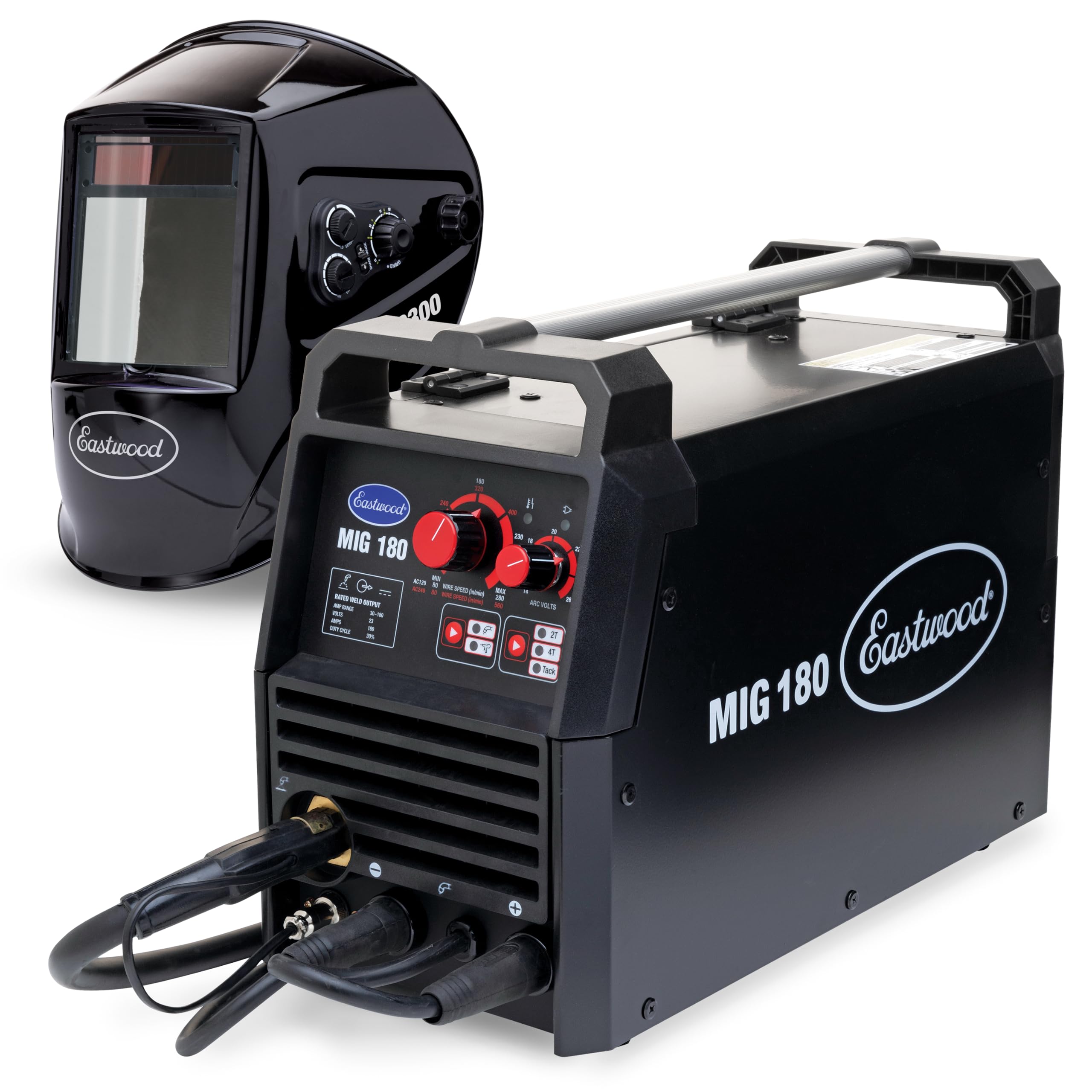
Dual-voltage 180A MIG welder with IGBT inverter; welds steel, stainless, and aluminum with a spool gun; includes 2T/4T modes, tack-weld setting, XL-view auto-darkening helmet, and 3-year warranty.
This bundle is a smart option if you are starting from scratch and need both a capable MIG welder and basic eye protection in one package. The welder itself fits the same general use case as the Eastwood 180 Amp MIG, but the included XL-view helmet reduces the number of items you need to source separately.
It is still important to confirm the helmet specs, shade range, and current bundle contents on Amazon before you buy. Bundles can change, and you should also plan for gloves, jacket, clamps, wire, shielding gas, and consumables.
What People Say
Source feedback themes highlight the complete-package appeal, stable welds after setup, and dual-voltage convenience. Some buyers mention setup learning, which is expected for new MIG users.
Feedback Snapshot: Generally positive in the source analysis
Situational Benefits
Situation
How It Helps
Small patch panels and thin sheet metal
The tack-weld setting helps you use short welds instead of long beads, which is better for heat control.
Long body seams
2T/4T modes can reduce hand fatigue when you need to make longer welds.
Switching between home garage and shop
Dual-voltage support gives you more options if you move between outlets or workspaces.
Getting started with core safety gear
The included helmet helps new buyers start with eye protection, though you still need full PPE and safe ventilation.
Problem Solving Ability
This package solves the “I need more than just the welder” problem. It gives a strong 180A class MIG platform plus a helmet, making it easier to build a beginner restoration setup.
Who Should Buy This
Buy it if you want the Eastwood 180 MIG platform and prefer a bundle that includes an auto-darkening helmet.
Who Should Avoid This
Skip it if you already own a helmet you trust or if you want to choose every PPE item separately.
Key Benefits
Dual 120/240V operation for garage and shop use
IGBT inverter for stable arc control
2T/4T and tack-weld modes for longer seams and sheet metal
Includes large-view auto-darkening helmet
Supports a spool gun for aluminum when paired with the right accessory
250 Amp MIG welder with IGBT inverter; dual voltage 110/220; adjustable 50-250 A; ready for steel up to 1/2″ depending on setup and compatible with an aluminum spool gun; includes Trafimet torch and ground cable.
The Eastwood 250 Amp MIG Welder is for buyers who want more MIG power than a compact 140A or 180A unit can provide. It is better suited to thicker steel, brackets, mounts, and jobs where penetration matters more than compact size.
For thin sheet metal, you still need careful setup, short welds, and practice on scrap. More power does not automatically make thin bodywork easier, so this pick is best when your project includes both lighter body repairs and heavier fabrication.
What People Say
Source feedback themes highlight strong power, consistent arc behavior, and the convenience of dual-voltage operation. Some comments mention small accessory or setup preferences, so review the latest listing details before buying.
Feedback Snapshot: Generally positive in the source analysis
Situational Benefits
Situation
How It Helps
Small patch panels and thin sheet metal
The adjustable lower range can help with thinner panels when you dial in wire speed, amperage, and travel speed carefully.
Heavier structural or frame repairs
Higher output and 220V use give you more capability for thicker brackets, mounts, and plate-style repairs.
Aluminum trim, panels, or bumpers
Pairing the unit with the correct spool gun can improve wire feed control for aluminum work.
Shop-based restoration sessions
The extra output makes more sense in a garage or shop where you can take advantage of higher-power circuits.
Problem Solving Ability
This welder addresses the “my smaller machine is not enough” problem. It gives you stronger MIG performance for thicker steel while still allowing lighter work with the right setup.
Who Should Buy This
Buy it if your project includes brackets, mounts, thicker repairs, and mixed fabrication beyond simple patch panels.
Who Should Avoid This
Skip it if you only need a simple beginner MIG for thin sheet metal. A smaller machine may be easier to control and less demanding to set up.
Key Benefits
Dual 110V/220V operation for home or shop supply
Higher-output MIG platform for stronger welds on thicker steel
IGBT inverter for more stable arc behavior
Accepts an aluminum spool gun when properly configured
Portable 140 Amp MIG welder for 120V use, suited for sheet metal and thin steel; includes gas regulator and hose; aimed at beginners and DIY light metal fabrication projects.
The Eastwood 140 Amp MIG Welder is the simplest pick for light-duty garage restoration. It runs on standard 120V power, which makes it easier to use at home without planning around a 240V outlet.
This is the one to consider if your work is mostly patch panels, small brackets, hobby fabrication, and learning MIG fundamentals. It is not the best choice for frequent thick steel or aluminum-focused projects, but it keeps the starting point manageable.
What People Say
Source feedback themes point to easy setup, portability, and clean results for hobby work after the settings are dialed in. Users also describe it as more of a DIY and restoration tool than a commercial-production machine.
Feedback Snapshot: Generally positive in the source analysis
Situational Benefits
Situation
How It Helps
Thin sheet and patch panels
Lower-output MIG control is easier to manage on light sheet metal when you use short tacks and practice first.
Small brackets and hobby fabrication
It gives enough capability for many light garage jobs without requiring a large shop machine.
Learning MIG basics
The simple 120V setup makes it less intimidating for new welders who want to build skills on scrap before touching the car.
Holiday weekend garage sessions
It is easier to set up in a home garage because it does not require 240V power for basic use.
Problem Solving Ability
This welder solves the access and simplicity problem. It is a practical entry point for small steel repairs and patch panels, but it is not the machine to buy if you already know you need high amperage or frequent aluminum capability.
Who Should Buy This
Buy it if you want a beginner-friendly MIG welder for light sheet metal, small brackets, and home-garage practice.
Who Should Avoid This
Skip it if you need thicker steel performance, frequent aluminum welding, or professional shop output. Choose a 180A or 250A option instead.
Key Benefits
Runs on standard 120V outlets for easy home use
Good fit for thin steel and light restoration work
Dual-voltage MIG with 30-180 A range; portable and includes a spool gun for aluminum. Handles thin sheet to medium-thickness steel; inverter tech and 2T/4T modes.
This version of the Eastwood 180 is the more attractive choice if you expect aluminum repairs. The included spool gun is the key difference because aluminum wire is soft and can be difficult to feed through a standard MIG setup.
You still get the useful 180A class MIG platform for steel bodywork, plus dual-voltage flexibility for home and shop use. If you work on older cars with aluminum trim, small alloy pieces, or mixed materials, this package reduces the need to buy the spool gun separately.
What People Say
Source feedback themes highlight the spool gun, portability, and smoother feed as key reasons buyers like this package. Users also tend to describe it as a strong hobbyist and restoration option rather than a heavy-production shop rig.
Feedback Snapshot: Generally positive in the source analysis
Situational Benefits
Situation
How It Helps
Aluminum trim, bumpers, and small repairs
The included spool gun improves wire feeding for aluminum compared with a standard MIG-only setup.
Thin-sheet patch panels and floor pans
Low-amp control and tack-weld mode help you stitch panels without putting too much heat into one spot.
Moderate brackets and mounts
The 180A class range gives enough capability for many light to moderate steel repairs.
Mobile garage work
Dual-voltage support gives you more freedom to work from a house outlet or shop circuit.
Problem Solving Ability
This machine solves the aluminum-feeding problem that frustrates many MIG users. It also keeps the same general sheet-metal usefulness of a 180A class MIG, making it a strong mixed-material restoration pick.
Who Should Buy This
Buy it if you want the Eastwood 180 platform and know you will need better aluminum feeding from day one.
Who Should Avoid This
Skip it if you will only weld steel. The standard Eastwood 180 Amp MIG may be the simpler value pick.
Key Benefits
Dual-voltage operation for home or shop use
Included spool gun for easier aluminum welding
Useful range for thin sheet metal and medium steel
IGBT inverter and metal drive motor for smoother feeding
2T/4T modes and tack-weld setting for longer seams and body panels
The MULTI-PROCESS MACHINE THAT DOES IT ALL : Eastwood Elite MP200i AC/DC welder delivers great results on both steel and aluminum with no compromises.
WELDER MACHINE WITH PROFESSIONAL FEATURES : This MP welder not only has MIG and Stick options but is a fully functioning TIG machine with high frequency start and rocker style foot…
EASTWOOD QUALITY: Eastwood offers solutions which combines our 4,000+ unique products with the know-how to “Do The Job Right”.
SAFETY INFORMATION: Please wear all proper personal safety equipment when using this product
Source feedback themes describe this unit as approachable for TIG users who take time to learn the settings. Users also mention aluminum performance, support, and included controls as useful strengths.
Feedback Snapshot: Generally positive in the source analysis
Situational Benefits
Situation
How It Helps
Aluminum trim and bumpers
AC output and HF start help you create cleaner starts and better aluminum control than basic DC-only TIG machines.
Thin-sheet patch panels and bodywork
Low-amp capability and foot-pedal control help you manage heat on delicate panels.
Medium brackets and mounts
The upper amp range gives you more room for thicker light-fabrication tasks when properly set up.
Skill-building
It gives hobbyists a path into TIG welding without needing separate steel and aluminum machines.
Problem Solving Ability
This unit solves the control problem. It is slower than MIG, but it gives you better heat control and cleaner welds when the work calls for precision.
Who Should Buy This
Buy it if aluminum, stainless, or clean detail welds are important parts of your restoration plan.
Who Should Avoid This
Skip it if you want the fastest learning curve for basic sheet-metal work. A MIG welder is usually easier for beginners.
Key Benefits
AC/DC output for steel, stainless, and aluminum
Auto 120/240V sensing for flexible power setup
Low-amp control and 200A class output
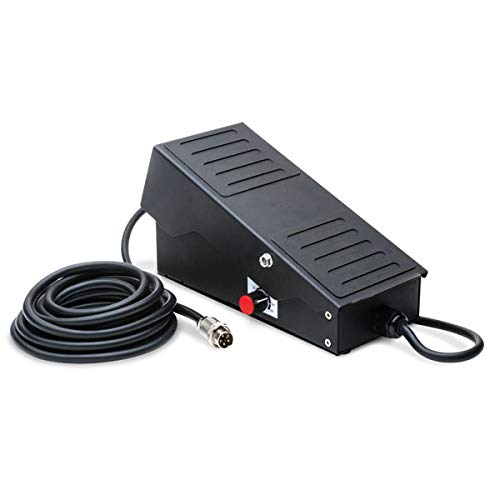
Foot pedal and flex-head torch for better heat management
Source feedback themes highlight versatility, good weld quality across common modes, and convenience for garage use. Some users note that TIG controls may feel less refined than a dedicated TIG unit.
Feedback Snapshot: Generally positive in the source analysis
Situational Benefits
Situation
How It Helps
Small rust repairs and patch panels
MIG and flux-core modes cover common bodywork tasks without requiring multiple machines.
Spot welding seams and attachments
The built-in spot-weld timer can help make repeated sheet-metal joins more consistent.
Weekend restoration sessions away from the shop
Its compact 120V design makes it easier to use in a typical garage environment.
Learning multiple processes
You can practice MIG, TIG, flux-core, and stick without buying separate machines right away.
Problem Solving Ability
This welder solves the tool-clutter problem. It gives you multiple process options in one portable unit, which is helpful when space and budget matter.
Who Should Buy This
Buy it if you want one compact multi-process machine for garage restoration, light fabrication, and learning different techniques.
Who Should Avoid This
Skip it if you want the strongest heavy-duty output or the most refined TIG controls. Dedicated machines can be better for those needs.
Key Benefits
MIG, TIG, flux-core, and stick capability in one machine
Runs on standard 120V power for garage use
200A class output for many sheet-metal and light-fabrication tasks
Built-in spot-weld timer for bodywork
Compact design with Eastwood support and warranty coverage
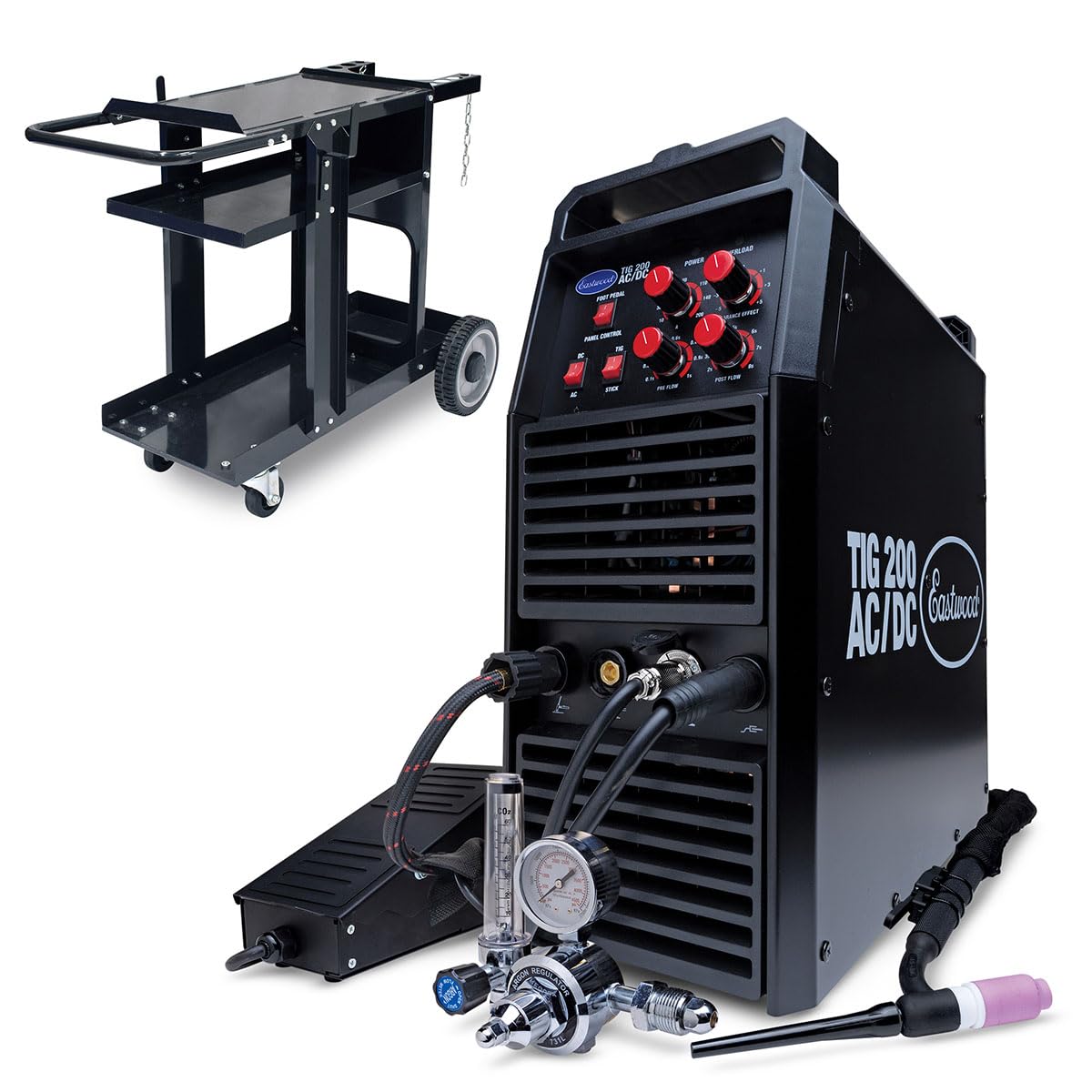
Source feedback themes point to strong performance on steel and aluminum, useful included accessories, and easier movement around the shop because of the cart. Weight is a consideration, so this package makes the most sense when you have a dedicated workspace.
Feedback Snapshot: Generally positive in the source analysis
Situational Benefits
Situation
How It Helps
Aluminum body panels
AC output and square-wave control help you manage aluminum more effectively than DC-only welding.
Patch panels and thicker repairs
The 220V option gives you more power when the work goes beyond thin sheet metal.
Shop mobility and staged projects
The included cart helps organize the welder, bottle, leads, and accessories while moving around a vehicle.
Trying multiple techniques
TIG controls and optional stick capability give you more room to build skills over time.
Problem Solving Ability
This package solves the organization and precision problem. It gives you TIG capability for steel and aluminum, plus a cart that makes a full TIG setup easier to manage in a real shop.
Who Should Buy This
Buy it if you have a garage or shop space and want a TIG-centered setup with cart, pedal, torch, and gas-control accessories.
Who Should Avoid This
Skip it if you need a lightweight, quick-start machine for simple steel patches. A MIG welder will usually be faster for that work.
Key Benefits
AC/DC capability for steel and aluminum welding
Runs on 110V or 220V power
HF start and flow meter for better arc starts and gas control
Includes flex-head torch, rocker foot pedal, and long cables
Which Welder Should You Choose For Holiday Car Restoration?
You should match the machine to the work. MIG is usually the easiest and fastest choice for body panels and thin steel. TIG gives you better control for aluminum, stainless, and cleaner detail welds. A multi-process welder is useful if you want one machine for several types of work. A plasma cutter is not a welder, but it is very helpful for cutting out rusted sections and shaping repair pieces before welding.
For most home restorers, a 140A to 180A MIG welder is the most practical starting point. For thicker brackets or more frequent shop use, consider a 250A class MIG or multi-process machine. For aluminum-focused work, look for a MIG with a spool gun or an AC/DC TIG.
How Do You Prepare And Weld Thin Sheet Metal Without Burning Through?
Preparation is half the job. Remove paint, rust, oil, and grease down to clean metal, then fit the patch tightly before welding. Use tack welding, stitch welding, and cool-down pauses instead of long continuous beads. Smaller wire, careful amperage, and steady travel speed can help reduce burn-through and panel warping.
Practice on scrap metal of the same thickness before welding the car. Use the right shielding gas, keep the ground clamp clean, and avoid rushing the job. Thin automotive sheet metal rewards patience more than high power.
Do You Need 240V For Car Restoration Welding?
Not always. Many light patch-panel repairs can be done with a 120V MIG welder when the machine is properly set up and the metal is not too thick. However, 240V gives you more headroom for thicker steel, longer welds, and stronger output. If your project includes brackets, frame patches, or heavier fabrication, dual-voltage capability is worth considering.
Is MIG Or TIG Better For Aluminum Car Parts?
For speed and ease, a MIG welder with a spool gun can be a practical aluminum option. For control and cleaner weld appearance, an AC/DC TIG is usually better, but it takes more skill and more time. If aluminum is only an occasional task, a spool-gun MIG package may be easier. If aluminum is a major part of your restoration work, TIG is worth considering.
What Maintenance, Consumables And Safety Steps Should You Follow?
Inspect and replace contact tips, nozzles, liners, drive rolls, tungsten, filler rods, and torch parts as needed. Keep the ground clamp clean and tight, check gas hoses and fittings for leaks, and store filler materials properly. Respect the duty cycle and let the machine cool when required.
For safety, use a properly rated auto-darkening helmet, welding gloves, flame-resistant clothing, safe grounding, and good ventilation. Keep a fire extinguisher nearby and use a fire watch when welding near old interiors, undercoating, fuel lines, or flammable materials.
Buyers Top Picks
You should choose based on the job you will do most often. Pick the Versa-Cut 40A if cutting rusted panels is your main problem. Pick the Eastwood 140 if you want a simple beginner MIG for light work. Pick the Eastwood 180 if you want the best balance for most garage restoration jobs. Choose the 180 with spool gun if aluminum matters. Step up to the Eastwood 250 Amp MIG or MP250i when you need more power for heavier steel. Choose the TIG 200 AC/DC or 200 Amp AC/DC TIG with cart when precision and aluminum control matter more than speed.
Wrapping Up
Matching the machine to the job will make your holiday car restoration smoother and safer. If you work mostly on thin sheet metal, choose a manageable MIG welder with good low-amp control. If you cut rusted panels first, add a plasma cutter. If you repair aluminum, choose a spool-gun MIG or AC/DC TIG. If you handle thicker brackets and shop fabrication, prioritize amperage, duty cycle, and 240V capability.
The best choice is not always the biggest machine. It is the one that fits your workspace, skill level, power supply, and repair plan.
Tony B. Hensel is the founder and lead author of GoMyReview.com, a trusted source for honest, hands-on product reviews and buyer’s guides. With over 10 years of experience in consumer research and a background in journalism, Tony combines clarity, accuracy, and real-world testing to help readers make smarter buying decisions.
Before starting GoMyReview.com, Tony worked as a freelance tech writer, contributing to online publications and staying current with trends in home gadgets and electronics. Today, he leads a small team of reviewers, ensuring every article is practical, unbiased, and easy to follow.
When he’s not writing, Tony enjoys home cooking, photography, and DIY projects. Based in the Midwest, he brings personal passion and professional integrity to every review—so readers can shop with confidence.