
This roundup is reader-supported. When you click through links, we may earn a referral commission on qualifying purchases. As an Amazon Associate I earn from qualifying purchases.
If you work with small welded parts, the right rotary welding positioner can make setup more controlled, comfortable, and repeatable. You can reduce hand repositioning, improve access to awkward joints, and get steadier rotation when the machine matches your part size, weight, and welding process. This guide focuses on compact and small-to-mid capacity positioners for hobbyists, small shops, repair work, fixtures, and light production.
Quick Verdict
If you mainly weld small brackets, rings, fittings, and hobby parts, start with a compact 10KG unit. If you need more chuck room, slower rotation, or better stability for shop fixtures, move up to a 30KG or 50KG model. Choose a KAKA or Heck heavy-duty positioner only when your compact parts are dense, fixture-mounted, or awkward to support by hand. Always compare horizontal and vertical capacity because a positioner may hold much less weight when the table is tilted or vertical.
Top Picks
|
Category |
Product |
Editorial Fit Score |
|---|---|---|
|
🏆 Best Compact Overall |
84/100 |
|
|
🚀 Best Heavy-Duty |
95/100 |
|
|
⭐ Best Mid-Size |
86/100 |
|
|
🎯 Best Light-Shop Versatility |
85/100 |
|
|
💰 Best Value-Style 50KG |
78/100 |
|
|
🔰 Best Shop Workhorse |
92/100 |
|
|
💼 Best Portable |
80/100 |
|
|
🏅 Best Pro Capacity |
90/100 |
|
|
🎨 Best Precision |
83/100 |
|
|
🔋 Best Big-Lift |
93/100 |
How We Picked
You want a positioner that matches the parts you weld and the way you work. We evaluated the source-provided details for horizontal and vertical load ratings, speed range, speed control, tilt range, chuck or table size, motor power, mounting style, included accessories, and practical fit for small shops. We also looked for features that can reduce setup time, such as a foot pedal, self-locking tilt, torch holder, and enough table size for common brackets, rings, flanges, and small fixtures. Because Amazon listings can change, use these specs as a buying guide and confirm the current listing before ordering.
Before You Buy
- Check both load ratings: horizontal capacity is usually higher than vertical or tilted capacity.
- Match speed to your process: TIG and thin material often need slower, smoother rotation.
- Confirm chuck size: make sure your parts, fixtures, or pipe sections fit the included chuck or table.
- Plan the work surface: heavier models may need a strong bench, cart, forklift, lift table, or freight delivery planning.
- Watch overhang: a part that sticks far beyond the table center can stress the positioner even when the total weight looks acceptable.
- Verify current details: Amazon listings can change, so confirm the latest specs, accessories, warranty, and seller details before ordering.
Safety Note
Never exceed the rated load capacity, and always secure the workpiece before rotating or tilting the table. A positioner is not a hoist or a substitute for proper fixturing. Keep cables clear of moving parts, use proper grounding, follow the manufacturer’s manual, and wear suitable welding protection for your process.
Quick Decision Guide
|
Choose This Type |
When It Makes Sense |
|---|---|
|
10KG compact positioner |
Small fittings, brackets, rings, hobby welding, light repairs, and tight bench space. |
|
30KG or 50KG bench positioner |
More chuck room, slower low-end speed, light fixtures, repeatable small-shop work, and better stability. |
|
Heavy-duty KAKA or Heck model |
Dense small parts, heavy jigs, compact assemblies, and dedicated shop stations where portability matters less. |

This compact VEVOR positioner is built for small-part work where control and repeatability matter. You can tilt the table from 0–90° and lock it in place, clamp parts with the included 3-jaw chuck, and dial in rotation using the speed knob or foot pedal.
It suits hobby welding, light repair work, small assembly tasks, and bench-mounted setups. It is not the best match for heavy fixtures or large production parts, but it gives you a simple way to free one hand, hold pieces steady, and rotate small workpieces more consistently.
Why You’ll Like It
You get a compact table, hands-free foot control, and enough adjustability for small brackets, fittings, and restoration pieces. If your main problem is constantly repositioning small parts by hand, this unit solves that without taking over the whole bench.
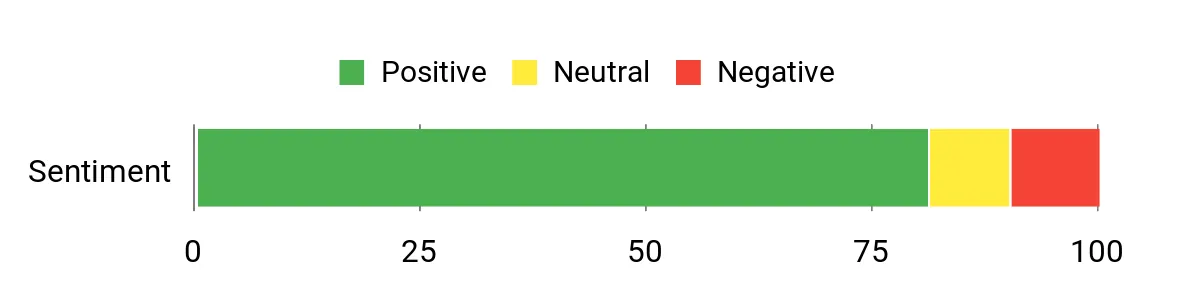
Buyer feedback can change, so use the chart below only as a source-provided sentiment snapshot and confirm the latest details on Amazon before ordering.
How It Helps
|
Situation |
How It Helps |
|---|---|
|
Hobby welding and restorations |
Keeps small parts steady and lets you rotate or tilt the workpiece without constant repositioning. |
|
Prototype assembly |
Makes alignment and repeated positioning easier when you test-fit several similar parts. |
|
Cutting and grinding small components |
Provides a stable, rotatable platform for more consistent contact angles. |
|
Small automation experiments |
Works as a compact rotary base for light-duty welding, assembly, or inspection setups. |
Versatility
This unit handles welding, grinding, assembly, and testing for lighter loads. It is versatile enough for DIYers and small shops, but you should choose a higher-capacity model if your fixtures are heavy or your parts extend far beyond the center of the table.
Key Benefits
- Tiltable 0–90° table for angled weld access
- 3-jaw chuck helps center and secure small round parts
- Stepless speed control with foot pedal for hands-free operation
- Compact, bench-friendly size for hobbyists and small shops
Best for: compact benches, light parts, hobby welders, and small repair tasks.
Skip if: you need very high load capacity, ultra-slow precision rotation, or a large industrial table.
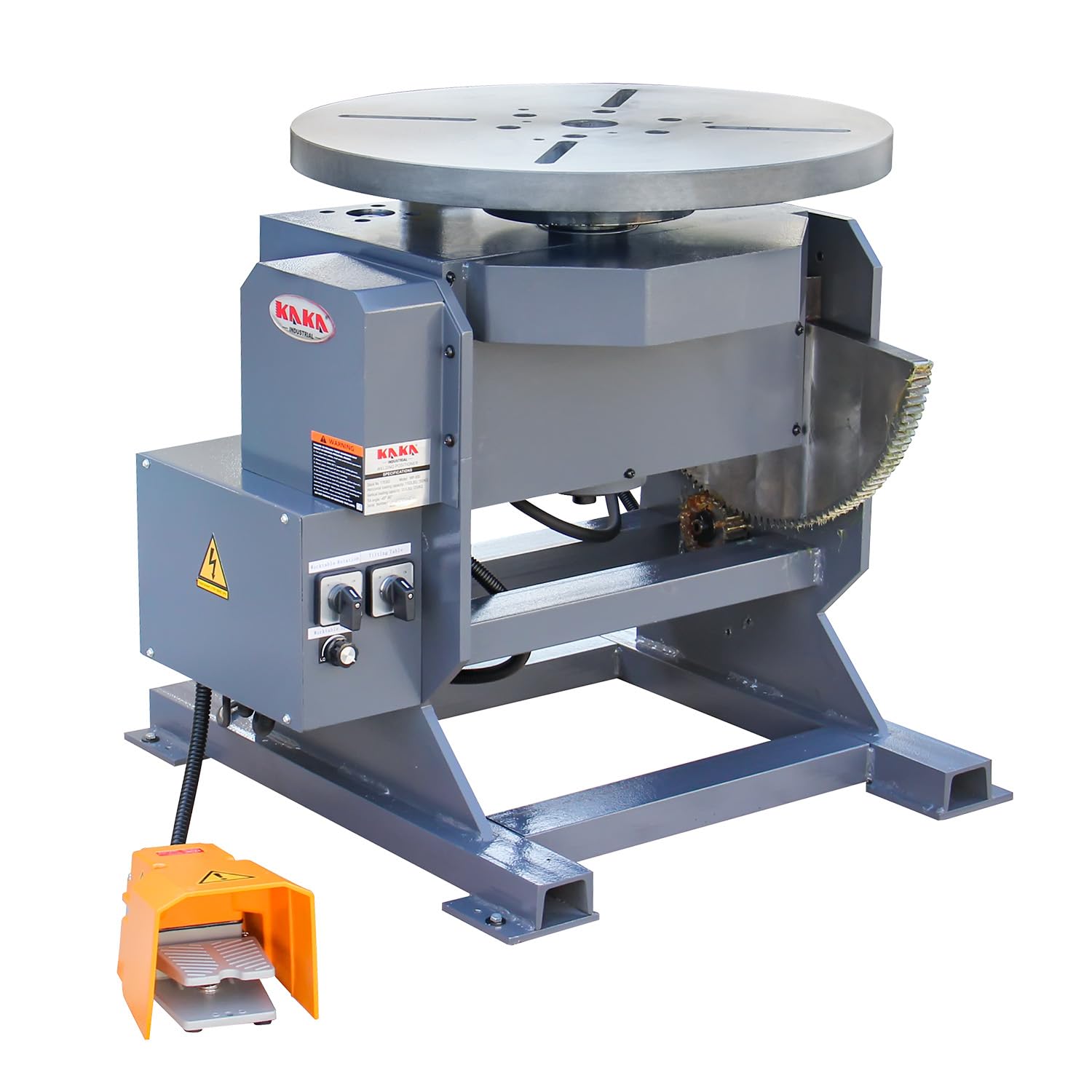
If you work on both small brackets and heavier fixtures, the KAKA WP-500 gives you far more capacity than a compact bench unit. You can rotate slowly, control the table with a foot switch or knob, and tilt the work up to 135° so awkward joints are easier to reach.
This model makes sense when a lighter 10KG or 50KG positioner may feel limiting. It is a serious shop-style option, so plan your bench, cart, and delivery setup before ordering.
Why You’ll Like It
The main appeal is stability. If your small-part work includes heavy jigs, thick fixtures, or short-run production pieces, the higher capacity gives you more room to grow. The slower speed range also helps when you need controlled rotation instead of fast spinning.
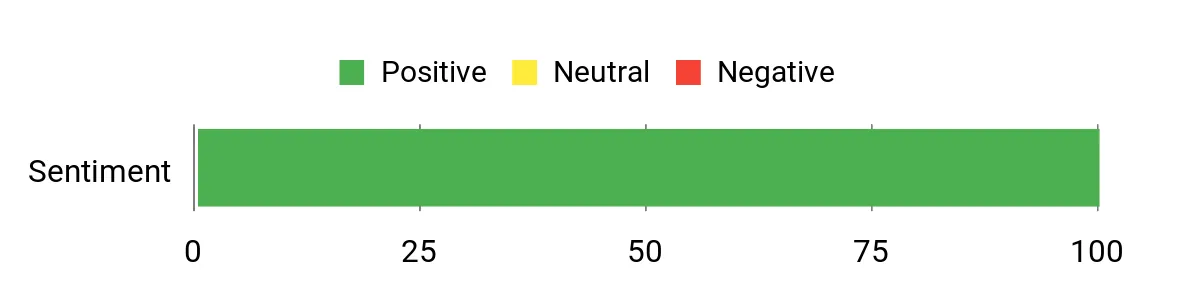
Buyer feedback can change, so use the chart below only as a source-provided sentiment snapshot and confirm the latest details on Amazon before ordering.
How It Helps
|
Situation |
How It Helps |
|---|---|
|
Small-shop fabrication |
Handles heavier assemblies that a small benchtop positioner may not support. |
|
Precision tack work |
Low-speed control and self-locking tilt help you keep joints in a comfortable position. |
|
Grinding and finishing |
Lets you rotate heavier pieces more consistently instead of lifting and reclamping them. |
|
Light production cells |
Can support repeatable setups when paired with appropriate fixtures and controls. |
Versatility
This positioner sits between compact hobby gear and industrial shop equipment. You can use it for welding, grinding, assembly, alignment, and repeatable fixture work, but it is not the easiest choice if you need frequent portability.
Key Benefits
- High source-provided horizontal load rating for heavier small assemblies
- 0–135° manual tilt for difficult joint access
- Worm-and-gear self-locking table for stable positioning
- Foot switch plus speed knob for hands-free operation
- Better fit for shop work than casual portable use
Best for: small shops, fixtures, heavy brackets, and repeatable welding setups.
Skip if: you need a lightweight benchtop tool or plan to move the unit often.

If you want more capacity than a tiny 10KG positioner but do not need a massive shop unit, this VEVOR 50KG model is a practical middle ground. You get a tilting table, a 3-jaw chuck, foot pedal control, and a slower 0.5–6 rpm speed range that suits controlled welding and finishing.
It works well for small parts, pipe sections, rings, brackets, and light jigs. It still needs proper bench support, but it gives you more working range than the smallest units without jumping straight into freight-sized equipment.
Why You’ll Like It
This is the balanced pick for many small shops. It gives you enough capacity for heavier bench projects while keeping the footprint manageable. The slower low-end speed range also helps if you want steadier rotation for TIG or careful tack work.
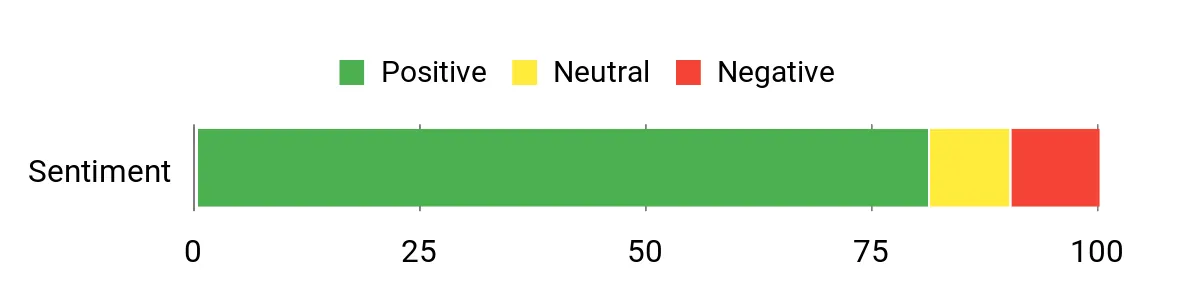
Buyer feedback can change, so use the chart below only as a source-provided sentiment snapshot and confirm the latest details on Amazon before ordering.
How It Helps
|
Situation |
How It Helps |
|---|---|
|
Hobby welding and repairs |
Lets you clamp small brackets and rotate them slowly for steadier bead control. |
|
Bench-top cutting and grinding |
The tiltable table and chuck hold parts steady while you cut, grind, or inspect edges. |
|
Short-run production |
Foot pedal control and repeatable rotation reduce repositioning between similar parts. |
|
Multi-angle joints |
The self-locking tilt helps hold the work at a usable angle while you tack or weld. |
Versatility
This positioner fits hobby projects, repair benches, small welding stations, and light production work. Use it for welding, grinding, assembly, inspection, and fixture tasks where a compact 10KG unit feels too limited.
Key Benefits
- 50 kg horizontal and 25 kg vertical source-provided capacity ratings
- 0–90° tiltable table with self-locking worm gear
- 0.5–6 rpm speed range for slower controlled rotation
- 3-jaw chuck helps hold round parts and small fixtures
- Includes welding gun stand for a more complete bench setup
Best for: small shops that want a balanced mix of capacity, control, and bench usability.
Skip if: you only weld tiny parts or need a very portable unit.
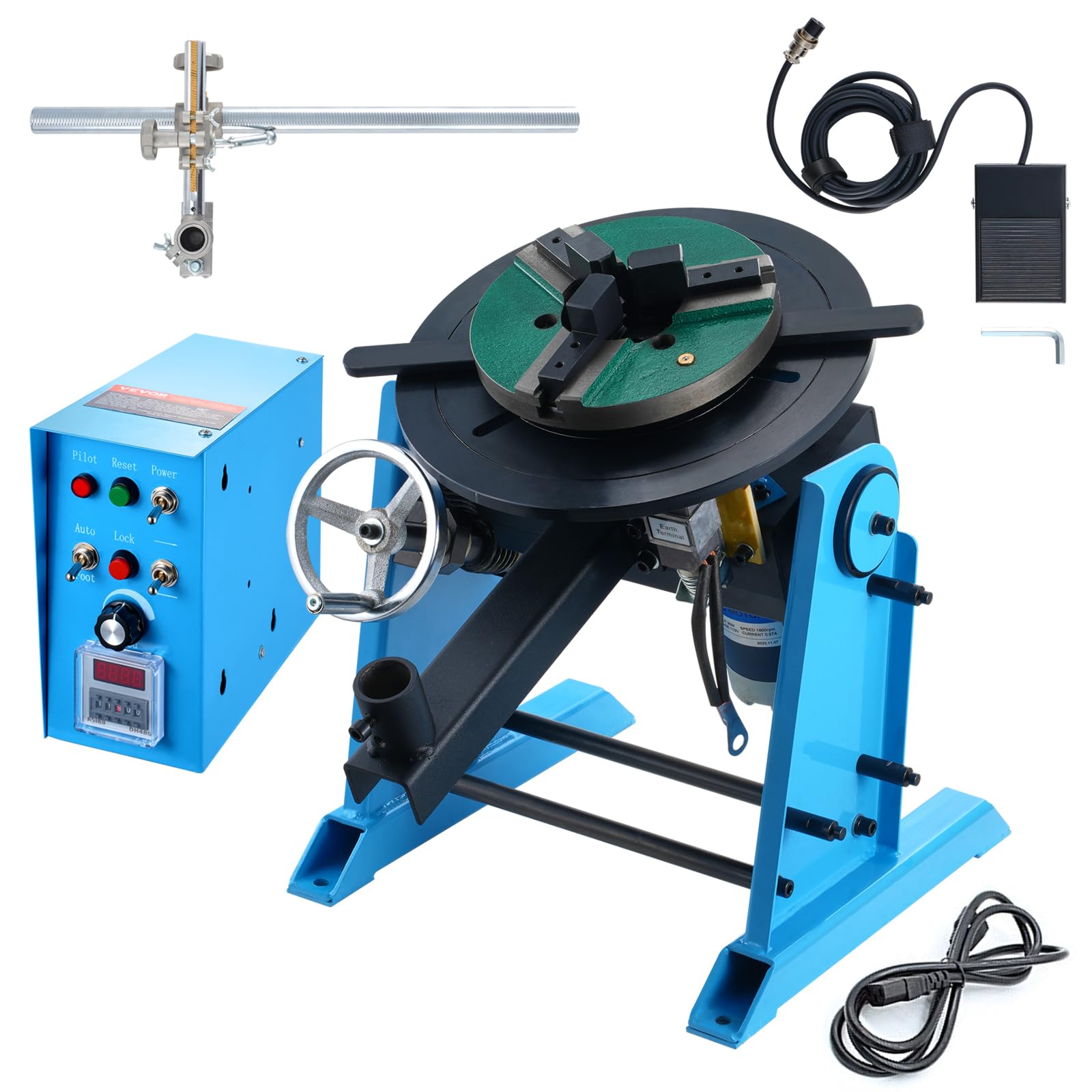
The VEVOR 30KG positioner is a useful step up from a 10KG unit when you want more capacity but still care about bench space. You get a 0–90° tilting table, 3-jaw chuck, foot pedal, and 1–12 rpm rotation for general small-part welding, finishing, and assembly.
It is best for light-shop versatility rather than maximum load capacity. If your parts are not extremely heavy but you want a wider chuck and more stable table than a compact unit, this model fits that middle lane well.
Why You’ll Like It
This model solves the “small positioner feels too small” problem. It gives you more room for brackets, fittings, and light jigs without forcing you into a large, heavy-duty machine.
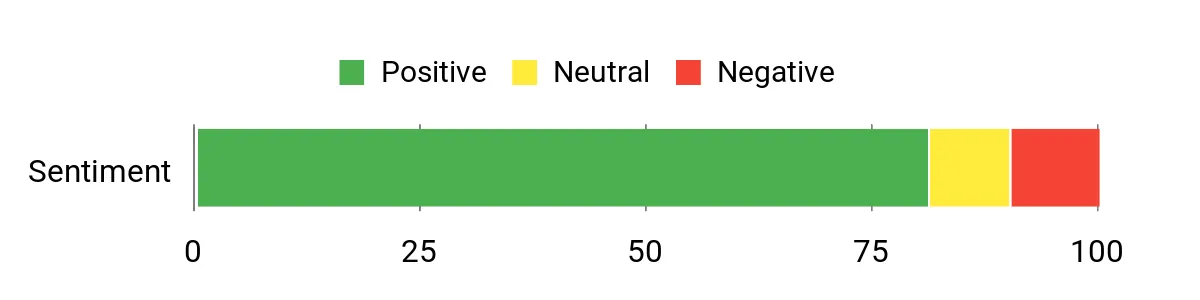
Buyer feedback can change, so use the chart below only as a source-provided sentiment snapshot and confirm the latest details on Amazon before ordering.
How It Helps
|
Situation |
How It Helps |
|---|---|
|
Light repairs |
Holds small brackets and fittings so you can rotate the work instead of shifting your body around the joint. |
|
Bench-top cutting and grinding |
Provides a secure table and chuck for more controlled finishing passes. |
|
Repeatable jigs |
Lets you bolt the unit into a small fixture for repeated operations. |
|
Tack welding |
The tilt lock helps hold multi-angle joints while you tack them in place. |
Versatility
You can bench-mount it, add it to custom tooling, use the foot switch for hands-free rotation, or pair it with a welding setup for repeatable light-duty runs. The chuck and tilt range cover many small-part shapes.
Key Benefits
- 30 kg horizontal and 15 kg vertical source-provided capacity ratings
- 0–90° tilt with hand wheel and self-locking mechanism
- 1–12 rpm speed range for general small-part work
- 3-jaw chuck for round parts and common small assemblies
- Includes welding gun stand for a more complete setup
Best for: light-shop users who want more capacity than a compact model without buying a heavy-duty unit.
Skip if: your work needs very slow rotation below the listed speed range or much higher load capacity.

If you work with small parts and want a 50KG-class positioner, this Happybuy HD-50 gives you a familiar mix of slow rotation, foot control, and a 0–90° tilting table. It is built for repetitive turning and angle changes during welding, grinding, cutting, assembly, and inspection.
The value appeal is simple: you get mid-size capacity and a 3-jaw chuck without stepping into a much larger industrial model. As with any budget-friendly shop tool, confirm the current seller details, included accessories, and support options before buying.
Why You’ll Like It
This pick helps when a compact positioner is too small but a heavy-duty shop unit feels like overkill. The foot pedal makes repetitive work easier, and the tilt function reduces awkward body positions while you weld.
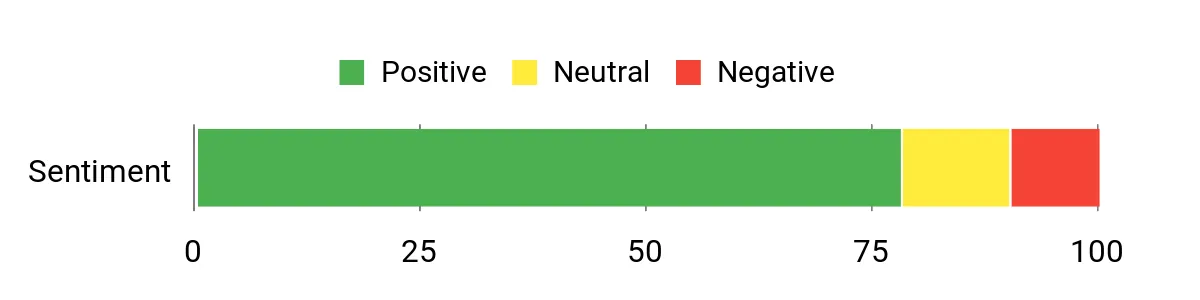
Buyer feedback can change, so use the chart below only as a source-provided sentiment snapshot and confirm the latest details on Amazon before ordering.
Where It Excels
|
Situation |
How It Helps |
|---|---|
|
Small repairs |
Lets you clamp awkward brackets or fittings and rotate them instead of repositioning by hand. |
|
Bench-top finishing |
The tilting table and chuck help hold parts steady for more consistent grinding or trimming. |
|
Repeatable tasks |
Speed control and foot operation help reduce fatigue across repeated welds. |
|
Multi-angle joints |
The self-locking worm gear helps keep the table angle fixed while you tack or stitch weld. |
Versatility
You can bench-mount it, bolt it into light tooling, or use it as a dedicated positioner for small assembly work. It suits welding, grinding, cutting, and inspection when your parts fit within the listed capacity and chuck range.
Key Benefits
- 0.5–6 RPM source-provided speed range with foot pedal control
- 0–90° tilting table with hand wheel and self-locking worm gear
- 315 mm 3-jaw chuck for a wide range of small round parts
- 120W motor and solid bench footprint for small-shop work
- Useful for welding, grinding, cutting, assembly, and testing
Best for: buyers who want a mid-size positioner with value-focused appeal.
Skip if: you need verified premium support, frequent portability, or heavy industrial capacity.

If you work on small to mid-size parts and want a sturdier shop helper, this KAKA positioner offers higher capacity than typical benchtop units. You get slow rotation, foot switch control, a 0–135° tilting table, and self-locking gearing for stable angle control.
It is a good fit for heavier brackets, compact fixtures, and repeatable work where small positioners may feel undersized. It is not as portable as a compact unit, so treat it as a bench, cart, or dedicated-station tool.
Why You’ll Like It
This model helps you stop fighting heavy parts by hand. Instead of lifting and reclamping a fixture over and over, you can rotate and tilt the work into a better position while keeping both hands available for welding.
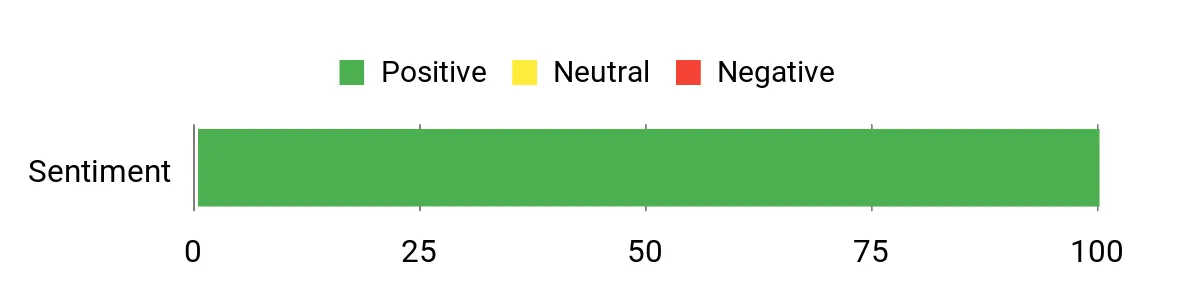
Buyer feedback can change, so use the chart below only as a source-provided sentiment snapshot and confirm the latest details on Amazon before ordering.
Where It Excels
|
Situation |
How It Helps |
|---|---|
|
Detail welding on brackets and fittings |
Foot control lets you keep both hands near the torch while the part rotates. |
|
Multi-angle assemblies |
The 0–135° tilt helps present the joint without constant reclamping. |
|
Finishing components |
Controlled rotation makes sanding or grinding more consistent. |
|
Repeatable jigs |
Works well as a cart-mounted or bench-mounted station for repeated operations. |
Versatility
You can bench-mount it, bolt it into light tooling, or set it on a rolling cart. The tilt range, self-locking gearing, and slow-speed control make it useful for welding, grinding, finishing, alignment, and inspection tasks.
Key Benefits
- Stepless 0–5 RPM source-provided rotation range with foot switch
- Tilts to 135° for improved joint presentation
- Robust metal construction and self-locking worm gear
- Higher capacity than compact hobby positioners
- 110 V single-phase operation for many shop outlets
Best for: shop users who need more capacity than a small bench unit.
Skip if: you want a lightweight portable positioner for occasional hobby projects.
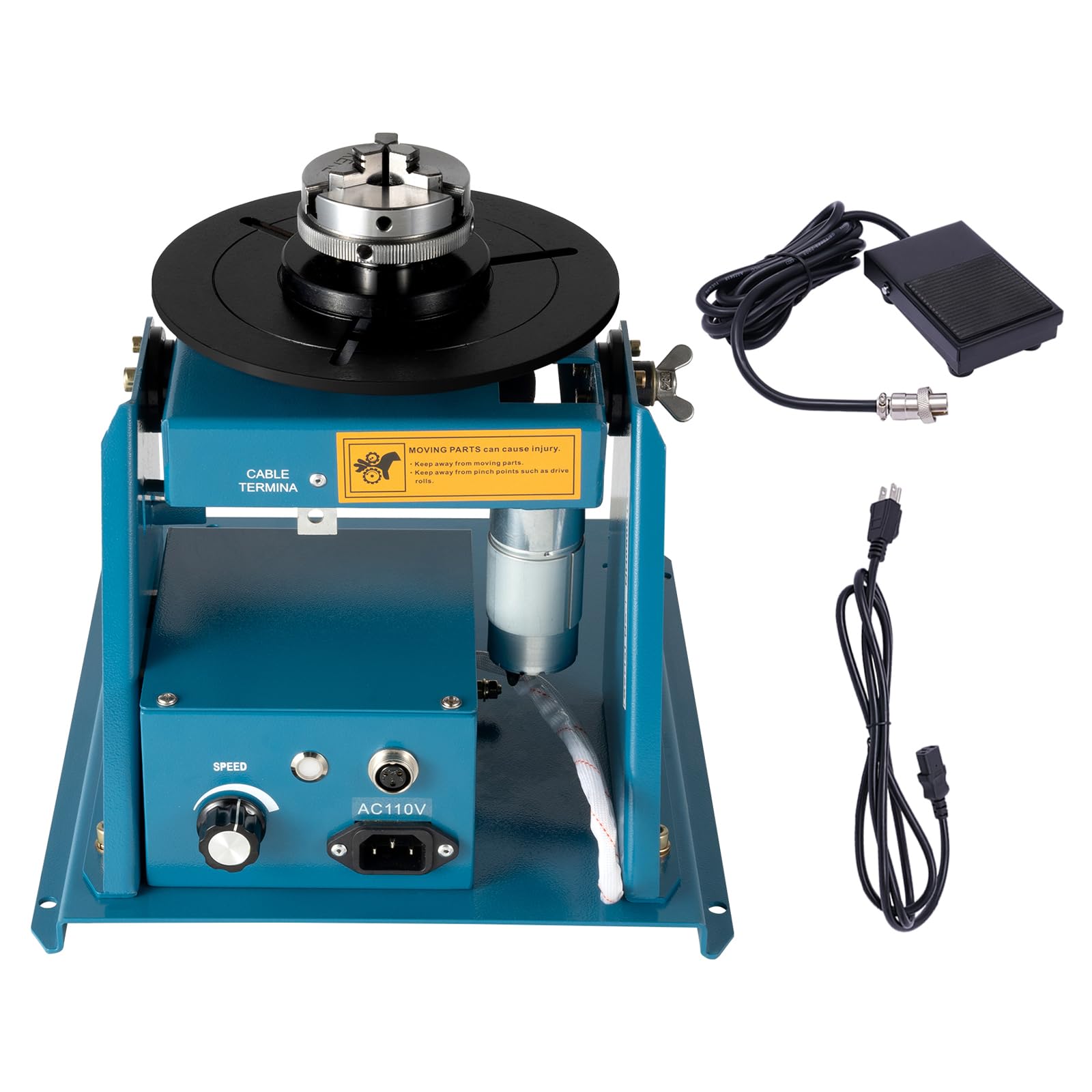
If you work with small flanges, lightweight pipe sections, or compact repair parts, this 110V 10KG portable positioner is built to keep setup simple. You get a 0–90° tilting table, foot pedal control, and a small footprint that fits more easily on a bench or cart.
The 2–10 r/min range is best for general positioning and light welding tasks. If your work requires very slow TIG rotation, compare the listed speed range carefully before choosing this model.
Why You’ll Like It
This is the easiest pick to consider when space matters. It gives you a small turntable and foot pedal without the weight and footprint of a shop-capacity positioner.
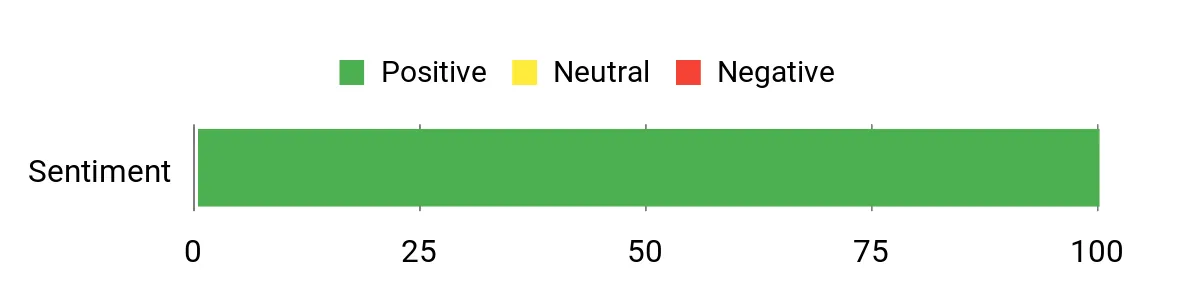
Buyer feedback can change, so use the chart below only as a source-provided sentiment snapshot and confirm the latest details on Amazon before ordering.
Where It Excels
|
Situation |
How It Helps |
|---|---|
|
Tack welding small pipe flanges |
Lets you lock the table angle and rotate the part with the foot pedal. |
|
Grinding curved pieces |
Gives you a small rotating surface for more even finishing passes. |
|
Light assembly |
Makes it easier to inspect or fit different faces of a small part. |
|
Portable bench work |
Fits smaller workspaces where larger positioners would be difficult to place. |
Versatility
You can set it on a bench, mount it to a jig, or keep it on a rolling cart for a small mobile station. It works best for parts under the source-provided capacity rating and for users who value portability over heavy-duty load handling.
Key Benefits
- Compact footprint for small benches and mobile stations
- 0–90° tilt with manual locking
- 2–10 r/min source-provided speed range
- Foot pedal included for hands-free control
- Good fit for lightweight welding, grinding, cutting, and assembly
Best for: portable bench work, small flanges, and lightweight repair parts.
Skip if: you need high capacity, a large chuck, or very slow precision rotation.

If you work with small but heavy parts, the WFWP800 is built around stability and higher load capacity. You get a 13″ cast-iron table, manual tilt up to 135°, and slow 0–5 rpm rotation for controlled welding and finishing.
This is not the first pick for a small hobby bench. It is better for a serious shop station where heavier hubs, flanges, mounts, and fixtures need a stable rotating platform.
Why You’ll Like It
The WFWP800 solves a specific problem: compact parts that are still too heavy or awkward for a light-duty positioner. The cast-iron table and higher capacity make it better suited for stable, repeatable work.
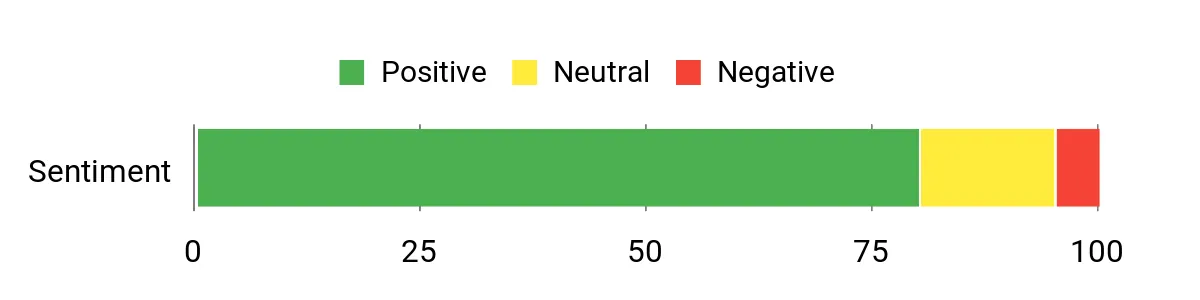
Buyer feedback can change, so use the chart below only as a source-provided sentiment snapshot and confirm the latest details on Amazon before ordering.
Where It Excels
|
Situation |
How It Helps |
|---|---|
|
Small heavy flanges or hubs |
The high source-provided horizontal capacity gives you more stability than compact units. |
|
Awkward brackets or mounts |
The 0–135° manual tilt helps present the joint without constant reclamping. |
|
Finishing and grinding |
Low-speed rotation creates a steadier surface for grinding or filing. |
|
Repeatable fixtures |
Works as a dedicated station for repeatable angles and part positioning. |
Versatility
You can set it on a strong bench, mount it into a fixture, or keep it as a semi-permanent welding station. It is useful for welding, grinding, and assembly of heavier small parts, but it needs more planning than a small portable positioner.
Key Benefits
- 13″ cast-iron table for stable support
- Manual 0–135° tilt range
- 0–5 rpm source-provided rotation range
- High horizontal capacity for heavy small parts
- Foot pedal included for hands-free control
Best for: heavier small parts, shop fixtures, and users who want a stronger dedicated station.
Skip if: you need a compact, easy-to-move positioner.
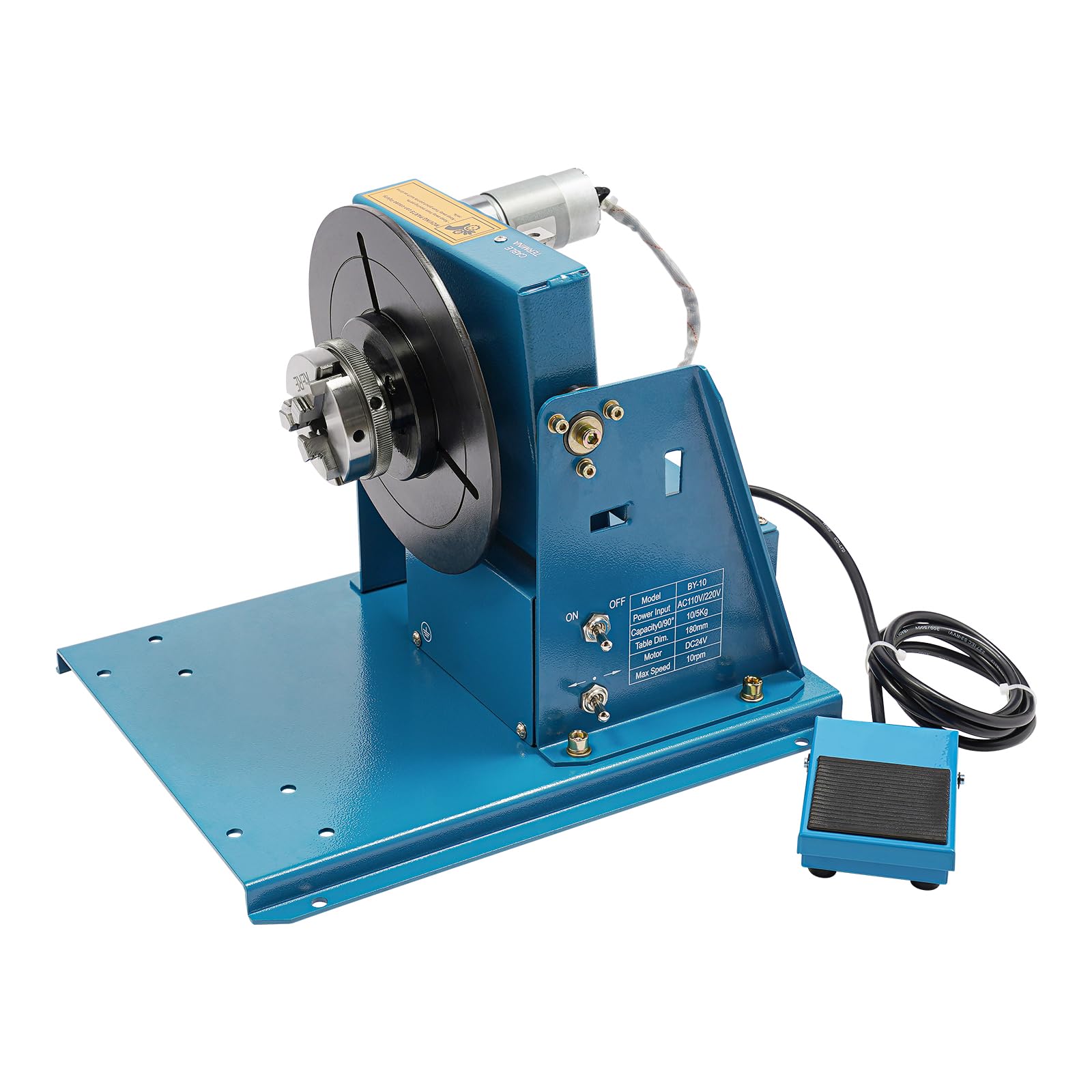
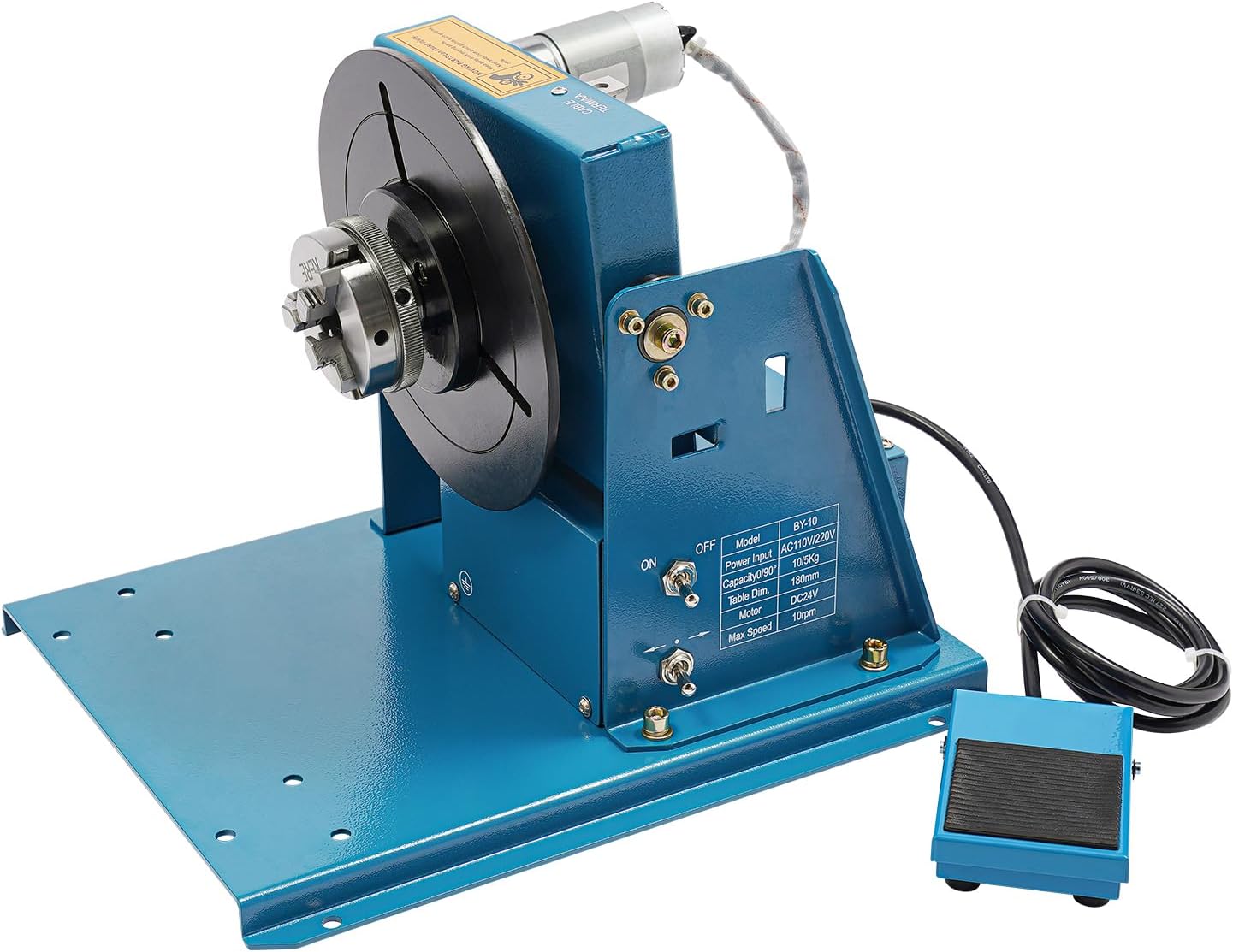
This small rotary positioner is aimed at fiddly bench jobs where compact size and controlled positioning matter. You get a cast-iron turntable, reversible rotation, a 0–90° locking tilt, and a three-jaw chuck for small parts.
It is best for lighter precision work, not heavy fixtures. Choose it when your parts are small, your bench space is tight, and you want a simple positioner for TIG tack work, light pipe pieces, fittings, and small assembly runs.
Why You’ll Like It
This model helps with tiny parts that are hard to hold, rotate, and tack by hand. The compact footprint keeps it practical for small benches, while the chuck and tilt reduce the need for extra clamps.
Buyer feedback can change, so use the chart below only as a source-provided sentiment snapshot and confirm the latest details on Amazon before ordering.
Where It Excels
|
Situation |
How It Helps |
|---|---|
|
TIG welding small tubing or fittings |
Helps rotate small parts more steadily while you control the torch. |
|
Small brackets and fixtures |
The three-jaw chuck helps hold small pieces for tacking and finishing. |
|
Awkward angles |
The 0–90° tilt lets you present the joint at a more comfortable angle. |
|
Tight workspace jobs |
The compact size fits benches where larger units would be hard to use. |
Versatility
You can use it as a portable bench unit for repairs, small production runs, or fixture work. It is most useful for TIG and light MIG tasks, small pipe welding, finishing, and small-part assembly.
Key Benefits
- Cast-iron construction for a stable compact base
- Stepless speed control and reversible rotation
- 0–90° tilt with locking mechanism
- Three-jaw chuck for small workpieces
- Compact footprint for tight shop spaces
Best for: small precision work, compact benches, and light-duty TIG or assembly tasks.
Skip if: you need high capacity or a larger work table.
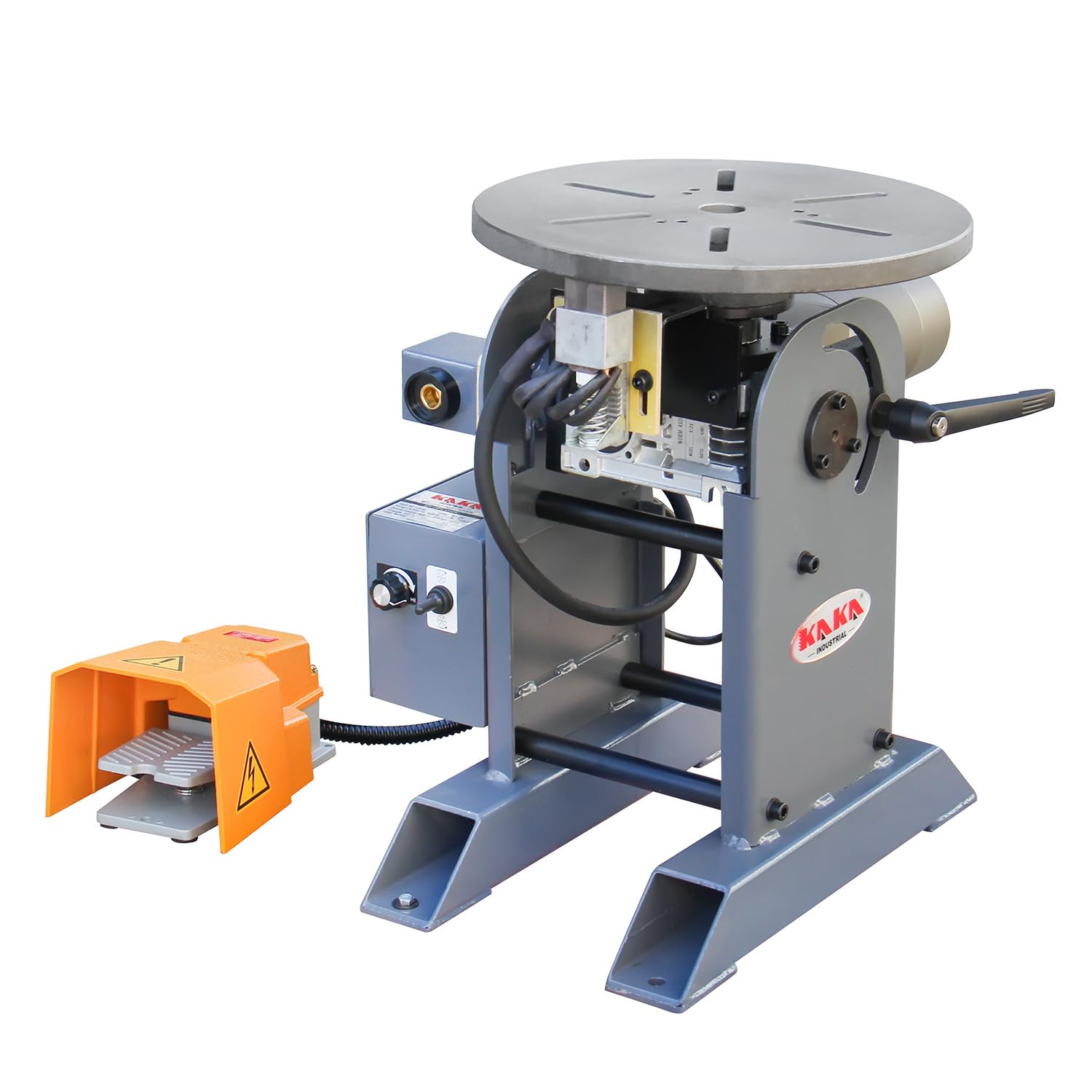
The KAKA WP-350 is a heavier-duty shop helper for small parts that still carry serious weight. Its source-provided 771 lb horizontal capacity, 0–135° tilt, and 0.5–5 RPM speed range make it a better match for heavier brackets, fixtures, and compact assemblies than a light bench unit.
It is bulky compared with compact models, but that extra size can pay off when you need smoother handling for heavy small parts. Choose it when stability and capacity matter more than portability.
Why You’ll Like It
This model lets you step into heavier small-part welding without choosing the largest WP-500 option. It gives you strong capacity, slow rotation, and foot control for repeatable shop work.
Buyer feedback can change, so use the chart below only as a source-provided sentiment snapshot and confirm the latest details on Amazon before ordering.
Where It Excels
|
Situation |
How It Helps |
|---|---|
|
TIG welding pipe or fittings |
Slow rotation and foot control help you maintain steadier torch positioning. |
|
Heavy small assemblies |
The high capacity helps support larger jigs, brackets, and compact fixtures. |
|
Awkward joints |
The 0–135° tilt gives you more options for comfortable joint presentation. |
|
Short production runs |
Can support repeatable cycles when paired with proper fixtures and workflow controls. |
Versatility
Treat it as a heavier-duty bench positioner or a semi-permanent station for repeatable jobs. It suits TIG and light MIG tasks, heavier small-part fabrication, finishing, and short production runs.
Key Benefits
- High horizontal capacity for heavier small parts
- 0.5–5 RPM source-provided speed range for controlled welding
- 0–135° tilt with manual locking
- Self-locking turntable for stable positioning
- Foot-switch control for hands-free rotation
Best for: shops that need high capacity but do not want the largest WP-500 model.
Skip if: you need easy portability or only handle very light parts.
How To Choose The Right Welding Positioner
Start with the heaviest part you actually weld, then add the weight of chucks, fixtures, adapters, and clamps. A positioner that looks strong on paper can still be the wrong fit if your part hangs far from the center, if the vertical rating is much lower than the horizontal rating, or if your fixture creates heavy side load.
For TIG work, prioritize smooth low-speed control, steady foot operation, and clean cable routing. For grinding, assembly, and inspection, table size, tilt range, and workholding may matter more. For shop fixtures, choose more capacity than you think you need so the table feels stable and the motor is not working at its limit.
What To Confirm Before Ordering
- Current horizontal and vertical load ratings for the exact listing.
- Minimum and maximum RPM, especially for TIG or thin-wall tube work.
- Chuck size, table diameter, mounting holes, and whether a torch holder is included.
- Input voltage, plug type, foot pedal behavior, and grounding instructions.
- Shipping weight, delivery method, warranty, returns, and seller support.
FAQ
How Do I Choose The Right Positioner For Small Parts?
Focus first on load capacity, table size, chuck compatibility, and tilt range. Small parts can still be heavy if they are thick, offset, or mounted in a fixture. Check both horizontal and vertical load ratings and confirm that your part fits the chuck or table without unsafe overhang.
Then compare speed range, foot pedal control, grounding setup, mounting style, and included accessories. A compact 10KG unit may be perfect for hobby parts, while a 50KG or heavier shop model is better for fixtures and repeatable production tasks.
Will A Small Positioner Rotate Slow Enough For Precision TIG Welding?
Some small positioners can work well for TIG, but you should compare the minimum speed carefully. If you need very slow, smooth rotation, look for a low-end speed range, stepless control, gear reduction, and stable foot pedal operation. Test on scrap before welding the final part.
Also check grounding. Poor grounding or cable routing can affect arc stability, so keep the ground close to the joint and keep cables clear of rotating parts.
How Do I Set Up And Maintain A Welding Positioner?
Mount the positioner on a stable bench or cart, secure the workpiece, and confirm that the table tilt lock is tight before starting. Route the torch lead, ground cable, and foot pedal cable so they cannot wrap around the turntable.
For maintenance, keep the chuck and table clean, inspect wiring and switches, lubricate moving parts according to the manual, and avoid exceeding the rated capacity. After any adjustment or modification, run a test piece before using the setup on an important job.
Should I Choose A 10KG, 30KG, 50KG, Or Heavy-Duty Positioner?
Choose a 10KG unit for compact hobby work, small fittings, and light repair parts. Choose a 30KG or 50KG unit if you want a wider table, more clamping range, and better stability for small-shop projects. Choose a KAKA or Heck heavy-duty model when your “small” parts are dense, fixture-mounted, or awkward to support by hand. Do not choose by horizontal capacity alone; check vertical capacity, table size, overhang, and fixture weight.
Do I Need A Foot Pedal?
A foot pedal is helpful because it lets you start, stop, or control rotation while your hands stay near the torch or workpiece. It is especially useful for tack welding, TIG work, and repeatable small-part jobs. If you mainly use the positioner for inspection or assembly, a foot pedal is still convenient but less critical.
Buyers Top Picks
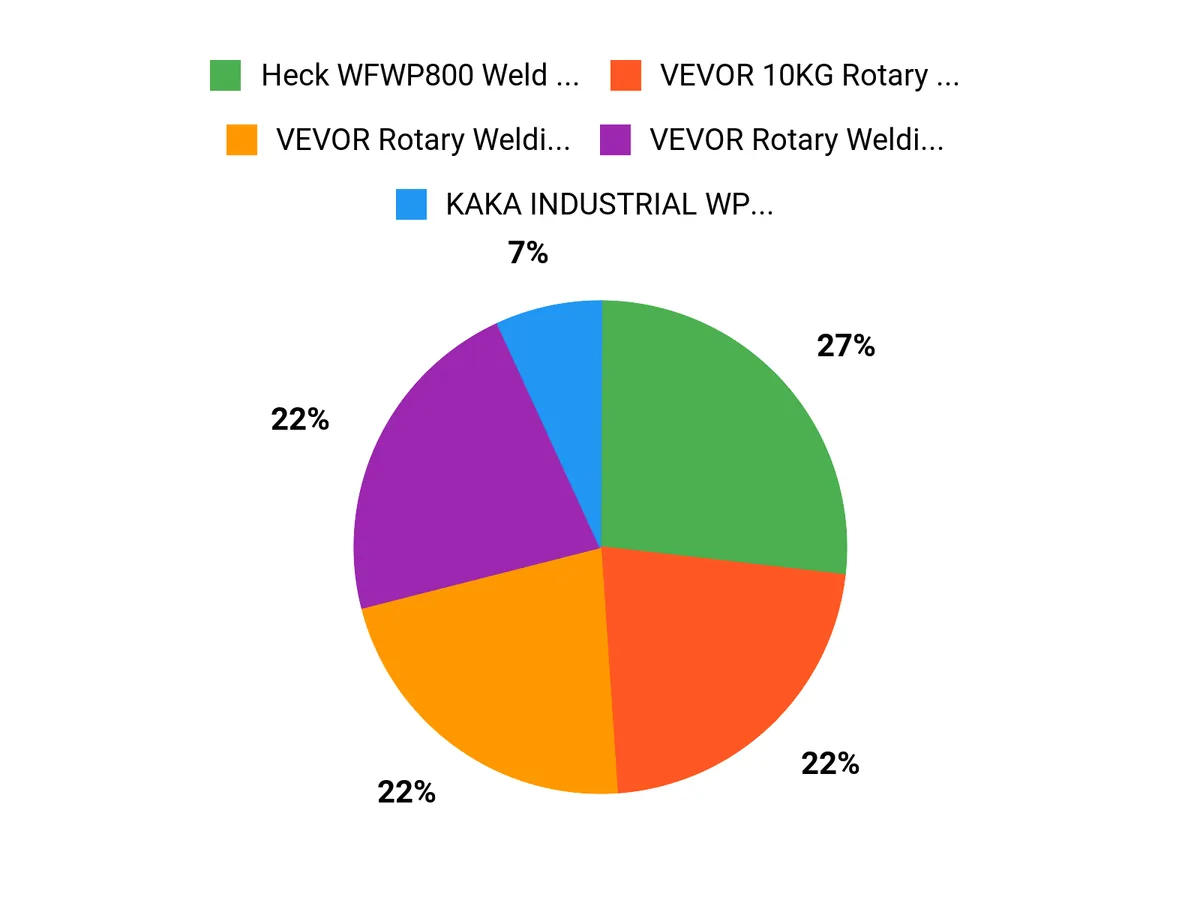
When choosing between the VEVOR 10KG, KAKA INDUSTRIAL WP-500, and VEVOR 50KG positioners, focus on the load capacity, working style, and shop space. The VEVOR 10KG is easier to place on a small bench, the VEVOR 50KG offers a balanced middle ground, and the KAKA WP-500 is the better fit when capacity and shop stability matter more than portability.
Wrapping Up
Choosing the right positioner depends on what you weld and how often you use it. If you need portability and compact size, pick a small 10KG unit. If you run a shop or handle heavier small fixtures, a KAKA or Heck heavy-duty model gives you more capacity and stability. For balanced capability, the VEVOR 30KG, VEVOR 50KG, and Happybuy 50KG options sit in the practical middle.
Use the comparison below to match the machine to your workload, then confirm the latest specifications, accessories, support terms, and seller details on Amazon before ordering.
| Product | Image | Best For | Load Capacity | Rotation Speed | Check Details |
|---|---|---|---|---|---|
| VEVOR Rotary Welding Positioner 10KG |
 |
Compact bench work | 10 kg (about 22 lbs) | 1-12 RPM | Check Price |
| KAKA INDUSTRIAL WP-500 Welding Positioner |
 |
Heavy shop fixtures | 500 kg class (about 1102 lbs) | 0-5 RPM | Check Price |
| VEVOR Rotary Welding Positioner 50KG |
 |
Mid-size bench use | 50 kg (about 110 lbs) | 0.5-6 RPM | Check Price |
| VEVOR Rotary Welding Positioner 66LBS / 30KG |
 |
Versatile light-shop work | 30 kg (about 66 lbs) | 1-12 RPM | Check Price |
| Happybuy Rotary Welding Positioner 50KG |
 |
Value-style 50KG option | 50 kg (about 110 lbs) | 0.5-6 RPM | Check Price |
| KAKA INDUSTRIAL Welding Positioner 220KG |
 |
Shop workhorse | 220 kg class (about 485 lbs) | 0-5 RPM | Check Price |
| 110V 10KG Portable Welder Positioner |
 |
Portable light-duty work | 10 kg (about 22 lbs) | 2-10 RPM | Check Price |
| Heck Industries Weld Positioner WFWP800 |
 |
Pro-capacity small parts | 800 lbs (max horizontal), 275 lbs (max vertical) | 0-5 RPM | Check Price |
| Rotary Welding Positioner, AC110V |
 |
Small precision work | 22 lbs | Up to 10 RPM | Check Price |
| KAKA INDUSTRIAL WP-350 Welding Positioner |
 |
Big-lift shop work | 350 kg class (about 771 lbs) | 0-5 RPM | Check Price |
This roundup is reader-supported. When you click through links we may earn a referral commission on qualifying purchases.
