
When you spend hours at the bench, your welding helmet is one of the most important pieces of protective gear you use. A well-matched auto-darkening helmet can improve visibility, reduce unnecessary head movement, and make it easier to follow the joint and puddle while you work.
This guide compares nine upgrade-worthy auto-darkening welding helmets across optical clarity, viewing area, comfort, controls, process versatility, and everyday usability. The best choice is the helmet that matches your welding process, work time, budget, visibility needs, and workplace safety requirements, not simply the model with the longest feature list. If you would like budget and mid-range hoods compared alongside the premium models, see our full auto-darkening welding helmet guide.
Affiliate disclosure:. As an Amazon Associate I earn from qualifying purchases. This roundup contains Amazon affiliate links. We may earn a commission from qualifying purchases at no additional cost to you.
Quick Verdict
Best overall: Lincoln Viking 3350, because it combines a large viewing area, 4C optics, comfortable headgear, and straightforward controls.
Best value: YESWELDER LYG-M800H, because it gives you a very large true-color viewing area, four sensors, and broad shade adjustment at a value-focused position.
Best for advanced controls: Miller Digital Infinity, Miller Digital Elite, and ESAB Sentinel A50, because they add features such as digital controls, memory settings, tracking functions, or advanced operating modes.
Best for simpler daily use: ESAB Savage A40 and Jackson Insight ADF focus on practical visibility, comfort, and uncomplicated setup, while the Jackson Hellfire adds a much larger viewing area and graphic shell.
Top Picks
|
Category |
Product |
Why It Stands Out |
|---|---|---|
|
💰 Best Value |
Large true-color view and four sensors |
|
|
🏆 Best Overall |
Excellent balance of optics, comfort, and versatility |
|
|
🎯 Best Large-View Miller |
13.4 sq. in. view with advanced digital features |
|
|
⭐ Best Pro Controls |
9.2 sq. in. view, X-Mode, memory, and InfoTrack |
|
|
🔰 Best Mid-Range Miller |
ClearLight 4X optics with a lighter, simpler feature set |
|
|
💼 Best for Saved Presets |
Touchscreen controls and eight memory settings |
|
|
🔧 Best Simple All-Rounder |
Four sensors and easy external shade adjustment |
|
|
🛡️ Best Practical Jackson |
Digital controls, four sensors, and compact viewing area |
|
|
🚀 Best Large-View Jackson |
Large 3.94 x 3.64 in. viewing area and four sensors |
How We Compared These Helmets
We compared the helmets using published product specifications and the factors that matter most when choosing an auto-darkening hood: viewing area, optical technology, number of arc sensors, shade range, grind and cutting modes, switching behavior, headgear design, power source, replacement-part considerations, and overall feature value.
We also considered who each helmet best serves. A hobby welder may care most about a large clear lens and easy controls, while a professional may place more value on headgear balance, low-amperage response, memory settings, tracking features, replacement lenses, and documented safety compliance.
Before You Buy
- Check safety compliance: confirm the exact helmet and lens meet the standards required for your workplace and location, such as applicable ANSI, CSA, or EN requirements.
- Match the shade range to your process: TIG, MIG, stick, cutting, and grinding may require different settings depending on amperage and application.
- Prioritize comfort for long shifts: headgear fit, shell balance, weight, and replacement cover-lens access can matter as much as raw viewing-area size.
- Check the sensor layout: four-sensor helmets can be useful when the torch, workpiece, or welding position may partially block the arc from the lens.
- Verify the exact listing: batteries, graphics, included accessories, warranty coverage, and bundled replacement lenses can vary by seller or product variant.
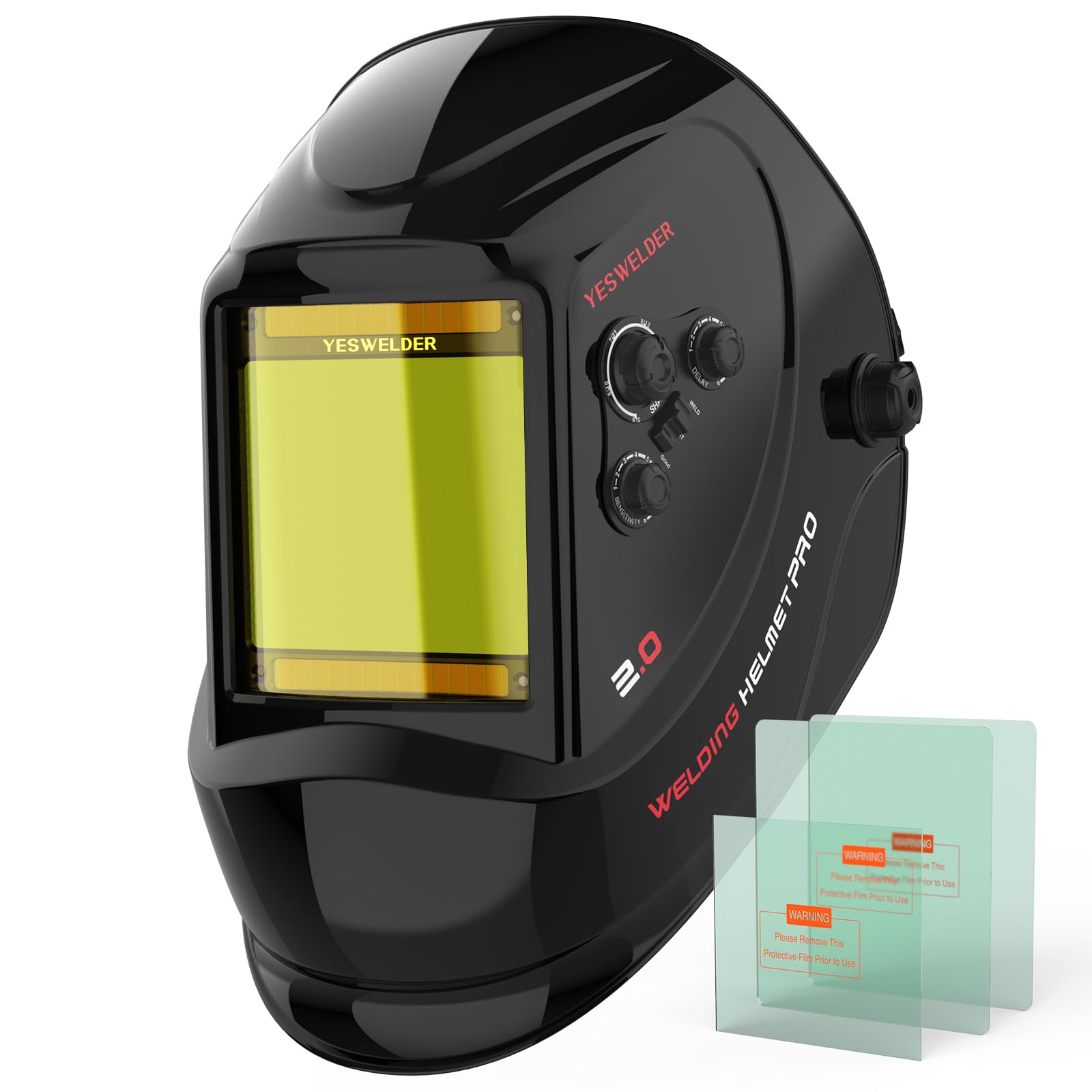
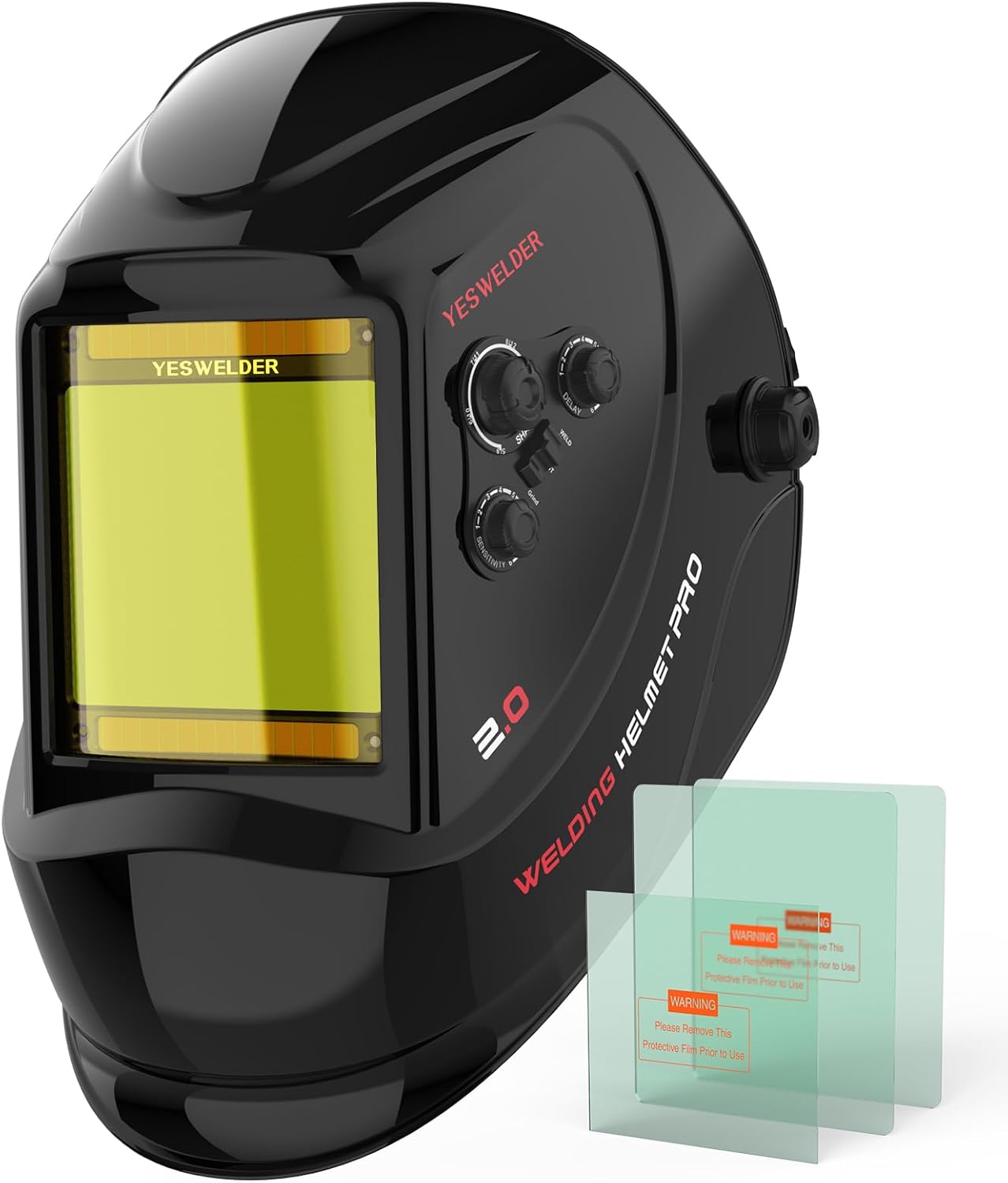
If you want a roomy helmet that makes the work area easier to see without moving into the highest price tier, the YESWELDER LYG-M800H is a practical option. Its 3.93″ x 3.66″ viewing area is one of the largest in this group, and four arc sensors help reduce the chance that a blocked angle prevents the lens from detecting the arc.
The DIN 5-9 and 9-13 dark-shade ranges make it useful across common welding and cutting tasks, while grind functionality helps with preparation work. It is a sensible choice for garage fabrication, practice work, maintenance, and buyers moving up from a small-window entry-level hood.
What to Check Before Buying
Make sure the headgear fits your head comfortably, confirm the exact battery supplied with the listing, and inspect the lens and shell when the helmet arrives. If you weld for full shifts, compare its headgear and replacement-cover-lens availability with the premium Lincoln, Miller, ESAB, and Jackson options.
Review note: Owner feedback and listing details can change over time, so use the live product page to check the newest comments and included accessories.
Use Cases
|
Situation |
How It Helps |
|---|---|
|
Weekend DIY Projects |
The large viewing window and true-color lens help you see small parts, brackets, and joint lines more easily. |
|
Everyday Shop Use |
Adjustable sensitivity and delay help you tune the ADF for changing welding conditions. |
|
Cutting and Grinding Prep |
Its operating modes let one helmet handle more of the workflow, while appropriate safety glasses should still be worn underneath as required. |
|
Learning to Weld |
The large view can make it easier to follow the joint, puddle, and travel direction. |
Skill Level
Beginner to Intermediate
Key Benefits
- Large 3.93″ x 3.66″ true-color viewing window
- Four arc sensors
- Solar-assisted replaceable-battery power system
- DIN 4 light state with variable dark shades 5-9 and 9-13
- Weld, cut, and grind capability
- Strong feature set for a value-focused buyer
Who Should Buy This
Choose it if you want a large lens, four sensors, broad shade adjustment, and strong value for home, hobby, training, or lighter shop use.
Who Should Avoid This
Skip it if premium headgear, advanced digital controls, memory presets, or a specific employer-approved PPE platform is more important than price.
Check Product Details on Amazon

The Lincoln Viking 3350 is the most balanced premium pick here if you want excellent visibility without an overly complicated control system. Lincoln’s 4C technology, 1/1/1/1 optical classification, and 12.5 sq. in. viewing area are designed to give you a broad, low-distortion view of the joint and puddle.
The X6 headgear is designed to distribute the helmet’s weight across multiple contact points, which can matter during longer welding sessions. The 3350 works across stick, TIG, MIG, pulsed processes, flux-cored work, and grinding, making it a strong one-helmet option for serious hobbyists and professional shops.
What to Check Before Buying
Fit is still personal even with premium headgear. Adjust the crown, fore-aft position, tightness, and resting angle before judging comfort, and confirm that replacement cover lenses are easy to source where you live.
Review note: Check the live listing for the exact graphics, included accessories, and current replacement-lens bundle.
Use Cases
|
Situation |
How It Helps |
|---|---|
|
Weekend DIY Projects |
The large viewing area and color-focused optics help you see tack locations and joint edges clearly. |
|
Everyday Shop Work |
X6 headgear and a large ADF make it well suited to repeated welding sessions. |
|
Teaching or Learning |
Clear optics can make it easier to follow puddle movement, travel speed, and torch angle. |
|
Grinding and Prep |
Integrated grind functionality reduces the need to swap between welding hoods during appropriate prep tasks. |
Skill Level
Beginner to Professional
Key Benefits
- 4C lens technology
- 1/1/1/1 optical clarity classification
- Large 12.5 sq. in. viewing area
- Four arc sensors
- X6 headgear designed for balance and pressure distribution
- Broad support for common welding processes and grinding
Who Should Buy This
Choose it if you want one premium helmet that balances viewing area, optics, comfort, and process versatility without relying heavily on touchscreens or menu-driven controls.
Who Should Avoid This
Skip it if your main priority is minimum purchase cost or if you specifically want digital memory presets and job-tracking features.
Check Product Details on Amazon

The Miller Digital Infinity is built for welders who want a very large field of view and more control over the ADF. Its 13.4 sq. in. viewing area gives you more context around the joint, while ClearLight 4X and HDV technologies are designed to improve visibility and reduce distortion.
Four arc sensors, AutoSense, X-Mode, memory settings, digital controls, and InfoTrack 2.0 make it especially attractive for fabrication, production, mixed processes, and users who want to track arc time or arc count.
What to Check Before Buying
The Infinity offers more technology than many welders need. Make sure the larger shell and feature set fit your work style, and compare its weight and headgear feel with the smaller Digital Elite if you work in tighter spaces.
Review note: Confirm the exact graphic, accessory bundle, and replacement-lens package on the current listing.
Use Cases
|
Situation |
How It Helps |
|---|---|
|
Large Fabrication Projects |
The 13.4 sq. in. view gives you more surrounding context when following longer joints. |
|
Changing Work Conditions |
AutoSense can reduce repeated sensitivity adjustments as the environment changes. |
|
Production Welding |
InfoTrack 2.0 can record arc-time and arc-count information for workflow tracking. |
|
Awkward or Outdoor Welding |
X-Mode can help in situations where conventional optical arc sensing is affected by blocked sensors or sunlight. |
Skill Level
Intermediate to Professional
Key Benefits
- ClearLight 4X lens technology
- Large 13.4 sq. in. viewing area
- Four arc sensors
- AutoSense sensitivity control
- InfoTrack 2.0 arc-time and arc-count tracking
- Weld, Cut, Grind, and X-Mode operation
- Memory function for repeat settings
Who Should Buy This
Choose it if maximum visibility, digital controls, X-Mode, memory settings, and arc tracking are useful in your work.
Who Should Avoid This
Skip it if you prefer a smaller, simpler helmet or do not need advanced digital functions.
Check Product Details on Amazon
The Miller Digital Elite makes sense if you want Miller’s advanced operating features without the 13.4 sq. in. lens of the Infinity. Its 9.2 sq. in. viewing area is still generous for general fabrication, TIG, MIG, stick, cutting, and grinding work.
ClearLight 4X optics, X-Mode, AutoSense, two memory presets, four sensors, and InfoTrack 2.0 make it a versatile professional-oriented option when repeatability matters more than having the widest possible lens.
What to Check Before Buying
Compare its 9.2 sq. in. view with the larger Infinity before paying for features you may not need. Also check whether the current Amazon variant includes the accessory bundle you expect.
Review note: Headgear comfort is personal, so take time to adjust the crown, distance, tilt, and tension before long sessions.
Use Cases
|
Situation |
How It Helps |
|---|---|
|
Mixed-Process Welding |
Weld, Cut, Grind, and X-Mode cover a broad range of shop work. |
|
Changing Environments |
AutoSense can reduce repeated sensitivity adjustments. |
|
Awkward Welding Positions |
X-Mode can help when optical sensors are partially blocked. |
|
Repeat Jobs |
Memory presets and InfoTrack 2.0 support repeatable setup and basic arc tracking. |
Skill Level
Intermediate to Professional
Key Benefits
- ClearLight 4X optics
- 9.2 sq. in. viewing area
- Four arc sensors
- Weld, Cut, Grind, and X-Mode
- AutoSense sensitivity adjustment
- Two customizable memory presets
- InfoTrack 2.0 arc-time and arc-count tracking
Who Should Buy This
Choose it if you want premium Miller controls and optics but do not need the larger Infinity viewport.
Who Should Avoid This
Skip it if maximum viewing area is your top priority or if a simpler digital helmet will cover your work.
Check Product Details on Amazon
The Miller Digital Performance is the sensible middle choice in this Miller group. It gives you ClearLight 4X optics, AutoSense, digital controls, and a 7.2 sq. in. viewing area without moving into the larger Infinity or more feature-heavy Elite.
Three arc sensors support the ADF, while Weld, Cut, and Grind modes cover the core jobs many fabricators and maintenance welders actually use. Legacy headgear is designed for stability and extended wear.
What to Check Before Buying
The Digital Performance has three arc sensors rather than four and does not provide the Elite and Infinity feature set. If you regularly weld out of position or specifically need X-Mode, InfoTrack, or memory presets, compare the higher Miller models.
Review note: Check the listing for the exact graphic and accessory bundle because Miller offers multiple Digital Performance variants.
Use Cases
|
Situation |
How It Helps |
|---|---|
|
Weekend Projects |
Digital controls and ClearLight 4X optics provide an easy step up from a basic entry-level ADF. |
|
Long Shop Sessions |
Legacy headgear is designed to improve stability and comfort. |
|
Variable Work Environments |
AutoSense can adjust sensitivity based on the welding environment. |
|
General TIG, MIG, and Stick |
Its shade controls and three operating modes cover common fabrication and repair work. |
Skill Level
Beginner to Professional
Key Benefits
- ClearLight 4X lens technology
- 7.2 sq. in. viewing area
- Three arc sensors
- AutoSense sensitivity adjustment
- Digital controls
- Weld, Cut, and Grind modes
- Legacy headgear designed for stability and comfort
Who Should Buy This
Choose it if you want a current Miller helmet with ClearLight 4X optics and digital controls without paying for the Infinity’s larger lens or the Elite’s additional modes and tracking features.
Who Should Avoid This
Skip it if you specifically need four sensors, X-Mode, InfoTrack, memory presets, or the largest possible viewing area.
Check Product Details on Amazon

The ESAB Sentinel A50 is a feature-rich helmet for welders who prefer saved settings and a touchscreen interface. Its 3.93 x 2.36 in. viewing area and 5-13 ADF range support a wide range of welding tasks without requiring an oversized shell.
The color touchscreen and eight memory settings are the key differentiators. They are useful if you regularly move between different welding jobs and want to recall familiar settings rather than starting from scratch each time. The Halo headgear is also designed for broad adjustment and balance.
What to Check Before Buying
The Sentinel A50 is an older premium platform compared with newer ESAB models, so compare current warranty coverage, replacement front lenses, batteries, and accessories before buying. Also decide whether touchscreen controls are actually useful for your workflow.
Review note: Verify the exact included accessories and current manufacturer support for the specific listing.
Use Cases
|
Situation |
How It Helps |
|---|---|
|
Repeat Welding Jobs |
Eight memory settings can reduce setup time when you return to familiar processes. |
|
Long Shop Sessions |
Five-point Halo headgear provides multiple fit adjustments. |
|
TIG and Detail Work |
The adjustable ADF and color-focused lens design support work where puddle visibility matters. |
|
Mixed Shop Tasks |
Saved settings and external grind activation can make transitions between jobs easier. |
Skill Level
Intermediate to Professional
Key Benefits
- 3.93 x 2.36 in. viewing area
- Shade 5-13 ADF range
- Color touchscreen controls
- Eight memory settings
- External grind control
- Adjustable five-point Halo headgear
- Durable nylon shell design
Who Should Buy This
Choose it if saved presets, touchscreen adjustment, and highly adjustable headgear are important to you.
Who Should Avoid This
Skip it if you dislike touchscreen controls, want the largest possible viewing area, or prefer a newer-generation ESAB platform.
Check Product Details on Amazon

The ESAB Savage A40 is a good choice if you want a dependable auto-darkening helmet without navigating a complicated digital menu. It focuses on a practical 100 x 50 mm view, four sensors, external shade adjustment, and easy access to grind mode.
Internal sensitivity and delay controls let you fine-tune response for changing jobs, while solar assist and a replaceable CR2450 battery keep the power system straightforward. It is less feature-heavy than the Sentinel A50, which is exactly why some welders may prefer it.
What to Check Before Buying
The Savage A40 does not offer touchscreen presets, job tracking, or a very large panoramic lens. Confirm that its simpler control layout and viewing area match the way you work before choosing it over a larger or more digital helmet.
Review note: Check the current listing for included cover lenses, color, and accessories.
Use Cases
|
Situation |
How It Helps |
|---|---|
|
Weekend Projects |
External shade adjustment keeps setup simple for occasional fabrication and repair work. |
|
Long Shop Sessions |
A relatively straightforward shell and headgear design avoid unnecessary control complexity. |
|
Maintenance Work |
Four sensors, grind mode, and sensitivity adjustment support mixed welding and preparation tasks. |
|
MIG, Stick, and General TIG |
Variable shade adjustment and four sensors suit a broad range of common welding work. |
Skill Level
Beginner to Professional
Key Benefits
- 100 x 50 mm viewing area
- Four arc sensors
- Shade 4 light state
- External DIN 9-13 shade adjustment
- Internal sensitivity and delay controls
- External grind-mode activation
- Replaceable CR2450 battery with solar assist
Who Should Buy This
Choose it if you want a reliable ESAB helmet with four sensors and straightforward controls rather than a touchscreen interface.
Who Should Avoid This
Skip it if you want memory presets, arc-time tracking, or the largest viewing window in this roundup.
Check Product Details on Amazon
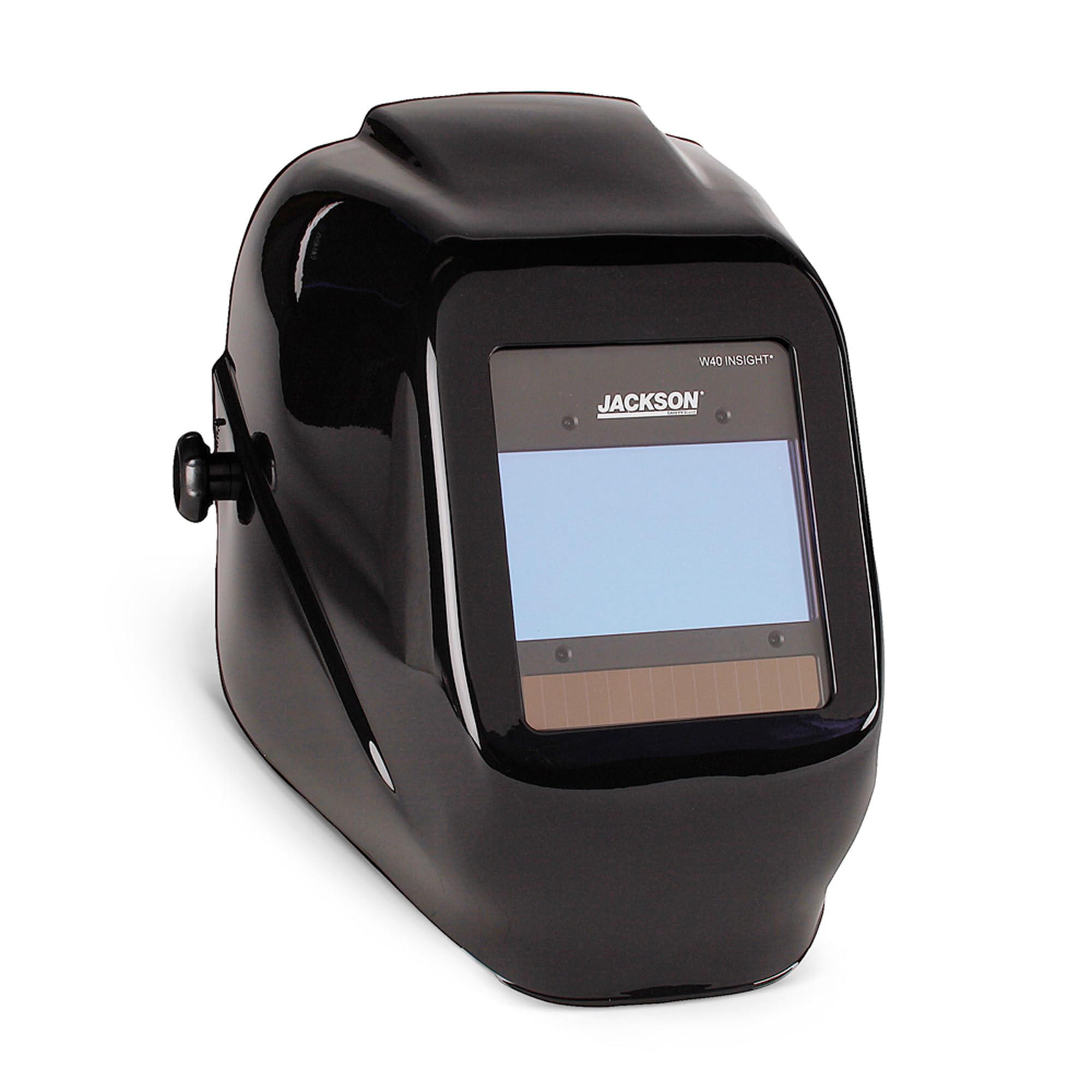
The Jackson Safety Insight ADF is built for welders who want digital shade controls, four sensors, and a practical shell without moving into a very large-window premium helmet. Its roughly 3.94″ x 2.36″ viewing area gives a useful field of view for MIG, stick, TIG, repair, and fabrication tasks.
The four independent sensors help reduce blockage issues, while the 370 Speed Dial ratcheting headgear makes fit adjustments quick. Sensitivity, delay, weld, and grind controls give it enough flexibility for common shop work without adding advanced tracking features.
What to Check Before Buying
Jackson has offered multiple Insight shell and ADF configurations, so confirm the exact model, shade range, modes, headgear, and replacement-lens part numbers on the live listing before ordering.
Review note: Replacement cover lenses are a normal maintenance item for any welding hood, so make sure the correct Insight parts are readily available in your area.
Use Cases
|
Situation |
How It Helps |
|---|---|
|
Weekend Projects |
Digital controls and straightforward headgear adjustments make setup simple. |
|
Everyday Shop Work |
Four sensors, sensitivity adjustment, and delay control support changing weld positions and tasks. |
|
On-site Repairs |
Grind mode and a practical shell suit mixed repair and preparation work. |
|
General Fabrication |
The 3.94″ x 2.36″ viewing area gives a balanced view without requiring an oversized ADF. |
Skill Level
Beginner to Professional
Key Benefits
- Approximately 3.94″ x 2.36″ viewing area
- Variable shade 9-13
- Four independent arc sensors
- Digital sensitivity and delay controls
- Weld and grind operation
- 370 Speed Dial ratcheting headgear
- Solar assist with accessible lithium batteries on applicable Insight configurations
Who Should Buy This
Choose it if you want a straightforward Jackson ADF with digital adjustment, four sensors, and proven everyday ergonomics.
Who Should Avoid This
Skip it if your priority is an extra-large panoramic viewing area, advanced memory presets, or arc-time tracking.
Check Product Details on Amazon

The Jackson Safety Hellfire is built for welders who want a much larger viewing area without giving up four-sensor coverage. Its 3.94″ x 3.64″ viewing area works out to roughly 14.34 sq. in., giving you considerably more surrounding visibility than a narrow rectangular ADF.
Jackson also specifies 1/1/1/1 optical clarity, four arc sensors, variable shade 3/5-13, 1/20,000-second switching, 370 Speed Dial headgear, and solar power with CR2032 lithium batteries. It is a strong choice for fabrication, out-of-position welding, and buyers who prefer a graphic shell.
What to Check Before Buying
The Hellfire uses internal analog shade controls rather than the digital interfaces found on some Miller and ESAB models. Verify that the graphic version, replacement cover lenses, and correct 47101-family parts are available from your preferred supplier.
Review note: Inspect any new ADF helmet before use, perform the manufacturer-recommended lens test, and replace damaged or heavily scratched cover lenses.
Use Cases
|
Situation |
How It Helps |
|---|---|
|
Everyday Fabrication |
The 3.94″ x 3.64″ viewing window gives more surrounding visibility along longer joints. |
|
Out-of-Position Welding |
Four sensors reduce the chance that a workpiece or awkward torch position blocks all arc detection. |
|
Longer Work Sessions |
370 Speed Dial ratcheting headgear provides quick fit adjustment. |
|
Grinding and Cutting |
Its 3/5-13 shade range supports multiple modes, while appropriate safety glasses and task-specific PPE should still be used. |
Skill Level
Beginner to Professional
Key Benefits
- 1/1/1/1 optical clarity
- 3.94″ x 3.64″ viewing area, approximately 14.34 sq. in.
- Four arc sensors
- Variable shade range 3/5-13
- 1/20,000-second switching specification
- 370 Speed Dial ratcheting headgear
- Solar/lithium power with CR2032 replacement batteries
Who Should Buy This
Choose it if you want a large-view Jackson helmet with four sensors, broad shade adjustment, and a distinctive graphic shell.
Who Should Avoid This
Skip it if you prefer plain styling, external digital controls, memory presets, or built-in arc-time tracking.
Check Product Details on Amazon
FAQ
How Do I Choose The Right Auto-Darkening Welding Helmet For My Workshop?
Start with your welding processes and amperage range, then compare viewing area, shade adjustment, arc-sensor count, switching modes, headgear comfort, replacement lenses, and safety documentation. TIG and detail work often benefit from excellent optical clarity and reliable low-amperage response, while fabrication and maintenance welders may place more value on viewing area, four-sensor coverage, grind mode, durability, and easy replacement parts.
For long shifts, headgear comfort and shell balance can matter more than a small difference in lens size. Always compare the helmet’s published specifications with your employer’s PPE rules and the shade recommendations for your actual welding process.
How Should I Set Up And Maintain An Auto-Darkening Helmet?
Before welding, inspect the helmet, install good batteries where required, set the correct shade, sensitivity, and delay, and use the manufacturer’s test function if the helmet provides one. Confirm that grind mode is turned off before striking an arc.
Keep the inner and outer cover lenses clean, replace badly scratched or damaged covers, keep the sensors clear, and follow the manufacturer’s cleaning instructions. Avoid aggressive solvents unless the manual specifically permits them. Keeping spare cover lenses and the correct replacement battery in your welding kit can reduce downtime.
Can I Use These Helmets With Glasses, Cheater Lenses, Grinding, Or Cutting?
Many welding helmets can accommodate prescription glasses, and some support magnifying or cheater lenses, but clearance and accessory compatibility differ by model. Check the manufacturer’s accessory list before ordering a magnifier.
For grinding or cutting, use only the appropriate mode and shade range specified by the manufacturer. Safety glasses or other required eye protection should still be worn underneath the hood according to the task and applicable workplace requirements. A welding helmet does not replace gloves, flame-resistant clothing, respiratory protection, hearing protection, or ventilation where those are required.
Are Bigger Viewing Areas Always Better?
No. A larger viewing area can improve peripheral awareness, layout work, tacking, and out-of-position visibility, but it may also come with a larger shell, higher replacement-lens cost, more weight, or a higher purchase price. Balance lens size against headgear comfort, sensor placement, shell shape, and the type of welding you actually do.
Do I Need Four Arc Sensors?
Not always, but four sensors can be useful when you weld around fixtures, inside frames, or in awkward positions where part of the ADF may be blocked from the arc. A well-designed three-sensor helmet can still perform well for ordinary bench and shop welding, so sensor count should be considered together with sensitivity control and the manufacturer’s operating guidance.
Which Helmet Is Best For Beginners?
Beginners usually benefit from a clear lens, easy shade controls, dependable headgear, and a simple grind mode. The YESWELDER LYG-M800H gives you a large viewing area and four sensors at a value-focused position, while the Lincoln Viking 3350 is a stronger long-term premium option if higher-end optics and headgear are worth the added cost.
Which Helmet Is Best For Professional Daily Use?
The Lincoln Viking 3350 is the strongest all-around choice in this roundup for welders who want a premium but relatively straightforward helmet. If advanced settings are more important, the Miller Digital Infinity and Digital Elite add X-Mode, memory features, AutoSense, and InfoTrack 2.0. The right choice still depends on your process, workplace rules, preferred headgear, and access to replacement parts.
Quick Choice Guide
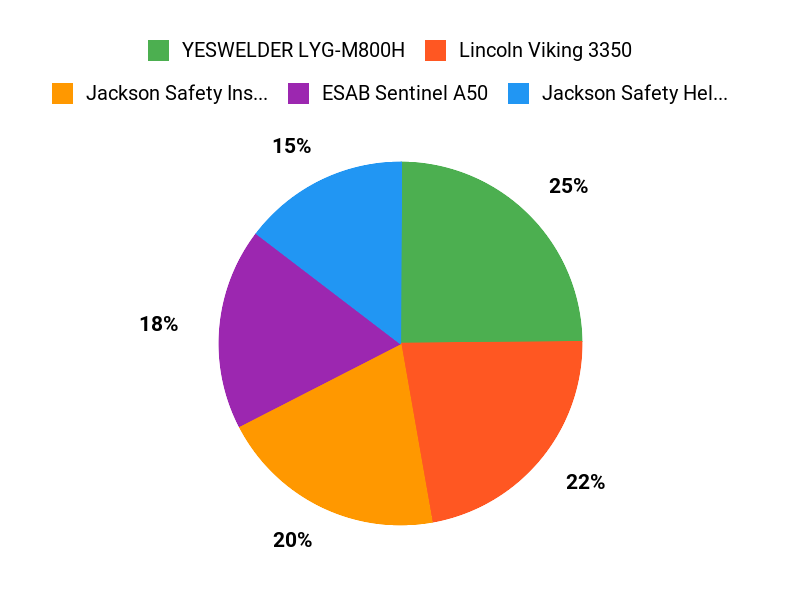
If you are deciding between the YESWELDER LYG-M800H, Lincoln Viking 3350, and Miller Digital Infinity, the main trade-off is straightforward. The YESWELDER emphasizes value and a very large window, the Viking 3350 balances premium optics with simpler operation, and the Digital Infinity adds the largest Miller viewing area plus more digital features.
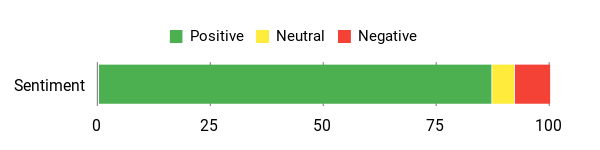
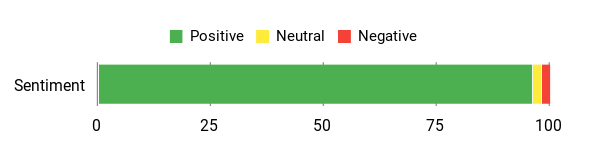
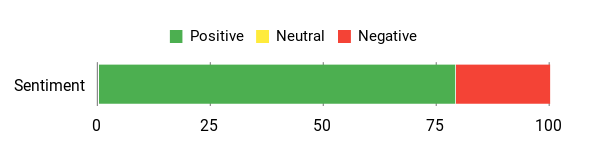
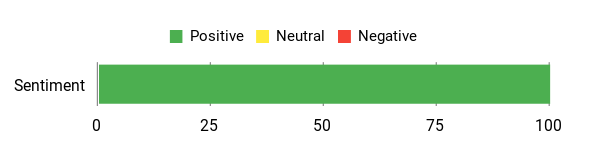
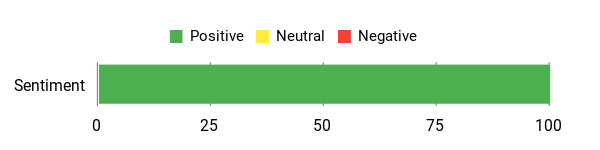
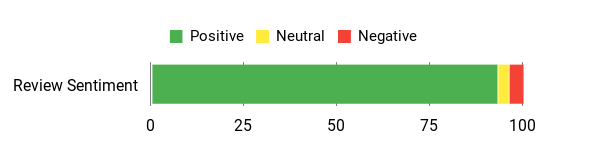
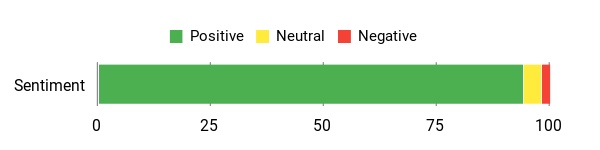
The chart below is best treated as a visual comparison aid rather than a live survey of current buyer preferences. Always check current product details before making the final decision.
Wrapping Up
Picking the right welding helmet comes down to matching the lens, controls, headgear, sensor system, and replacement-part support to the work you actually do. If you weld professionally, prioritize documented safety compliance, optical performance, sensor reliability, replacement-lens access, and comfort for long shifts. If you are a hobbyist or value-focused buyer, prioritize clear visibility, simple controls, dependable auto-darkening, and a shade range that matches your processes.
Use the comparison below to narrow your options, then check the latest product listing, manufacturer documentation, and workplace requirements before buying.
| Product | Image | Best For | Viewing Area | Power Source | Standout Detail |
|---|---|---|---|---|---|
| YESWELDER Large View Auto Darkening Welding Helmet |
 |
Value-focused hobby and light shop use | 3.93 x 3.66 in | Battery, Solar | Four sensors and an extra-large true-color window |
| Lincoln Electric K3034-4 VIKING 3350 |
 |
Best all-around premium helmet | 12.5 sq. in. | Replaceable battery system | 4C optics, 1/1/1/1 clarity, and X6 headgear |
| Miller Digital Infinity™ ClearLight 4X |
 |
Largest Miller view and advanced controls | 13.4 sq. in. | Battery | InfoTrack 2.0, X-Mode, AutoSense, and memory settings |
| Miller Digital Elite |
 |
Pro controls in a more compact Miller option | 9.2 sq. in. | Battery | ClearLight 4X, X-Mode, AutoSense, memory, and InfoTrack 2.0 |
| Miller Digital Performance |
 |
Mid-range Miller clarity and controls | 7.2 sq. in. | Battery | ClearLight 4X, AutoSense, three sensors, and digital controls |
| ESAB 0700000800 Sentinel A50 |
 |
Touchscreen presets and adjustable headgear | 3.93 x 2.36 in | Battery / solar-assisted ADF | Color touchscreen and eight memory settings |
| ESAB 0700000490 SAVAGE A40 |
 |
Simple, rugged all-round use | 100 x 50 mm | CR2450 battery, Solar Assist | Four sensors and external shade/grind controls |
| Jackson Safety Insight ADF Welding Helmet |
 |
Practical daily fabrication | Approx. 3.94 x 2.36 in | Battery with solar assist | Four sensors, digital controls, and 370 Speed Dial headgear |
| Jackson Safety Premium Graphic Welding Hood |
 |
Large-view daily fabrication | 3.94 x 3.64 in | Battery, Solar | 1/1/1/1 optics, four sensors, and approximately 14.34 sq. in. view |
Final Recommendation
Choose the Lincoln Viking 3350 if you want the strongest balance of premium optics, viewing area, comfort, and straightforward operation.
Choose the YESWELDER LYG-M800H if value and a very large viewing window matter more than premium headgear or advanced digital features.
Choose the Miller Digital Infinity if maximum Miller viewing area, X-Mode, AutoSense, memory, and InfoTrack 2.0 are useful in your workflow.
Choose the Jackson Hellfire if you want a large-view four-sensor helmet with simpler analog controls and graphic styling.
This roundup is reader-supported. When you click through qualifying affiliate links, we may earn a referral commission at no additional cost to you.
