
You want a winter tent that can handle cold, wind, and wet weather while giving you practical room for sleepers, gear, and, only when both manufacturers specifically permit it, a compatible tent-stove setup. This guide compares two Naturehike hot tents that clearly match that buyer intent: the taller, roomier Dune 10.9 and the lighter, divided-layout Massif 4P.
Both are better treated as vehicle-supported or short-carry cold-weather basecamp shelters than conventional lightweight backpacking tents. Choose the Dune when standing height and shared living space matter most. Choose the Massif when lower transport weight and separated sleeping areas are more important.
Last reviewed: September 2026. Product variants, specifications, included components, and availability can change, so confirm the exact selected size and configuration on Amazon before ordering.
This roundup is reader-supported. When you click qualifying links, we may earn a referral commission at no additional cost to you. As an Amazon Associate I earn from qualifying purchases.
Quick Verdict
Choose the Dune 10.9 when you want the taller, roomier Naturehike hot tent for a small-group winter basecamp and do not mind transporting an approximately 26-pound shelter.
Choose the Massif 4P when you want a lighter, approximately 17.6-pound four-season hot tent with two divided sleeping areas, a central living area, and a manufacturer-listed 3000 mm waterproof rating.
Top Picks
|
Category |
Product |
Best For |
|---|---|---|
|
🏆 Best Roomy Winter Basecamp |
Campers who value standing height, four-door access, and a larger shared cold-weather living area. |
|
|
💼 Best Lighter Divided-Layout Hot Tent |
Couples or small groups who want lower transport weight, divided sleeping areas, and a central living space. |
How We Picked These Hot Tents
We kept only models that clearly align with Naturehike hot-tent, winter-camping, and cold-weather basecamp buyer intent. The main criteria were a manufacturer-listed stove jack, four-season positioning, ventilation, shelter weight, usable interior layout, weather-resistance information, entry design, packed size, and suitability for vehicle-supported camping.
We also prioritized honest tradeoffs. A hot tent can create a more organized and livable winter shelter, but it is heavier than a normal backpacking tent and requires careful pitching, ventilation, weather monitoring, snow management, and strict stove-safety procedures.
Before You Buy
- Confirm the exact Amazon variant: Capacity, inner-tent layout, doors, materials, color, and included accessories can differ by selected option or listing revision.
- Plan for less practical sleeping space: A stove, required clearances, heat protection, chairs, cots, and winter gear reduce usable occupancy.
- Check packed size and transport: Both tents make more sense for car camping, motorcycle touring with adequate cargo capacity, sled access, trailers, or short carries than normal backpacking.
- Practice the pitch before winter: Learn the pole sequence, guylines, inner-tent layout, stove-jack location, ventilation points, and exit routes before traveling.
- Bring winter-rated sleep equipment: Never treat a stove as a replacement for an appropriate sleeping bag, insulated sleeping pad, clothing system, weather plan, and emergency backup.
- Inspect everything on arrival: Check poles, stakes, guylines, fabric, seams, stove-jack material, storage bags, and the exact accessories included with your selected version.
Tent Stove Safety Note
A stove jack does not make every stove safe for use inside a tent. Use only a stove and installation method that the relevant tent and stove manufacturers specifically permit for the intended setup. Follow both instruction manuals, required clearances, floor and pipe protection requirements, and local fire restrictions.
Maintain continuous ventilation and active supervision whenever combustion equipment is operating. A working carbon-monoxide alarm can provide an additional warning layer, but it does not make an unsafe installation safe. Never sleep with a fuel-burning stove operating, never leave it unattended, and stop using it immediately if the setup, ventilation, chimney, weather, or surrounding fabric becomes unsafe.
The Dune 10.9 is the stronger fit when interior height and shared basecamp space matter more than transport weight. Naturehike currently lists an approximately 26-pound total weight, four doors, and outer dimensions of about 165.35 by 102.36 by 78.74 inches. Its tall profile makes changing clothes, organizing winter gear, and spending longer periods inside easier than in a low-profile shelter.
Capacity deserves a closer look before ordering. Naturehike currently markets the Dune 10.9 as a 4-person model, while its removable inner-tent description indicates comfortable sleeping space for about three people. Retailer variants may be labeled differently, so use the capacity shown for the exact Amazon option you select rather than assuming that the entire outer floor is practical sleeping space.
The tradeoff is bulk. At roughly 26 pounds, this is not a normal backpacking shelter. Its large structure also benefits from careful staking, proper guyline use, suitable site selection, fabric tension, and regular snow removal when conditions require it.
Why You’ll Like It
- Tall profile provides generous standing and changing space
- Four-door layout improves access, ventilation options, and exit flexibility
- Manufacturer-listed stove jack supports a compatible, correctly installed hot-tent system
- Removable inner tent lets you adapt the living and sleeping layout
- Large footprint works well for vehicle-supported cold-weather basecamps
- Manufacturer currently lists 2000 mm tent waterproofing and a 3000 mm groundsheet rating
Who Should Buy This
Choose the Dune 10.9 for winter car camping, hunting camps, sled-access camps, overlanding, or multi-day trips where a taller shared living area matters more than minimum packed weight.
Who Should Avoid This
Skip it for conventional backpacking, solo trips where minimum weight and fast pitching matter most, or campsites with limited room for the tent and full guyline pattern. It is also a poor fit for anyone unwilling to actively manage winter weather, ventilation, stove clearances, and snow accumulation.
What People Say
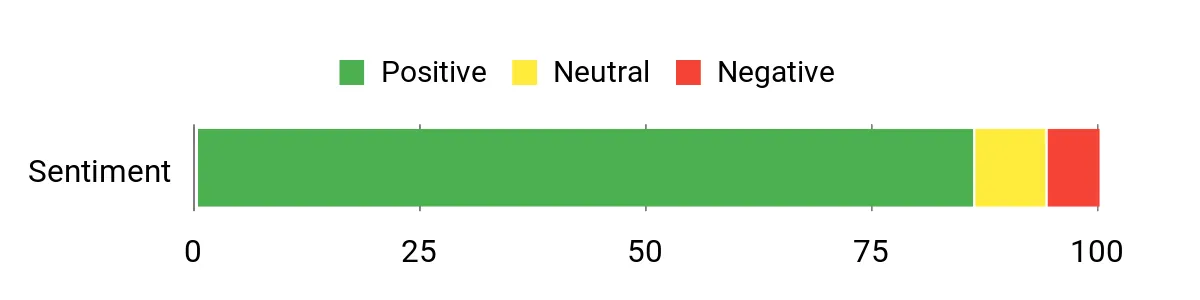
The existing historical sentiment snapshot leaned positive around interior room and cold-weather livability, while weight and the setup learning curve were the more obvious compromises. Treat this only as a historical snapshot rather than a current Amazon-rating summary.
Historical Sentiment Snapshot: Review sentiment and retailer ratings change over time. Check the current Amazon product page for recent buyer feedback before ordering.
Durability and Weather Use
Naturehike positions the Dune 10.9 as a four-season camping tent. Current manufacturer specifications list a 75D polyester rainfly, a 150D polyester Oxford groundsheet, and 7001 aluminum-alloy poles. Those specifications can help with everyday four-season use, but storm performance still depends heavily on site choice and pitching quality.
Use the required stakes and guylines, orient the shelter appropriately for the forecast, keep the fabric tensioned, and remove accumulating snow when necessary. No consumer tent should be treated as guaranteed protection from severe winds, falling trees or branches, avalanche terrain, extreme snowfall, flooding, or other dangerous conditions.
Key Specifications
- Manufacturer-listed capacity: 4 people; practical inner-tent sleeping space may be lower, so verify the selected Amazon variant
- Listed weight: Approximately 26 pounds
- Outer dimensions: Approximately 165.35 x 102.36 x 78.74 inches
- Doors: Four
- Manufacturer-listed waterproofing: Tent 2000 mm; groundsheet 3000 mm
- Listed packed size: 28.7 x 13.8 x 9.8 inches
- Best transport: Car, sled, trailer, overlanding vehicle, or other vehicle-supported setup
Check Current Amazon Availability
The Massif 4P is the more transport-friendly choice of these two tents. Naturehike currently lists a weight of about 17.6 pounds, an approximately 3000 mm waterproof index, two divided sleeping areas, a large central living area, a vestibule, and overall dimensions around 200 by 100 by 70 inches. Some retailer copies use slightly different converted measurements, so treat those dimensions as approximate.
The divided interior is the main attraction. It gives a couple or small group more ways to separate sleeping areas, equipment, footwear, and the central living zone. If you plan to use a compatible tent stove, its placement and the required clearances should take priority over advertised maximum occupancy.
Although the Massif is lighter than the Dune, approximately 17.6 pounds is still heavy for normal backpacking. It makes more sense for car camping, motorcycle touring with sufficient cargo capacity, sled trips, or relatively short carries from a vehicle.
Why You’ll Like It
- Significantly lower listed weight than the Dune 10.9
- Two divided sleeping areas help organize campers and gear
- Large central living area provides useful cold-weather basecamp space
- Manufacturer-listed 3000 mm waterproof rating
- Stove jack and snow skirt are designed around four-season use
- Double-layered entry and mesh ventilation features help manage airflow
Who Should Buy This
Choose the Massif 4P when you want a smaller-group winter shelter with a divided layout and lower transport weight than the Dune. It is especially useful for couples or small groups who value separate sleeping zones and a central area for organizing gear and spending time out of the weather.
Who Should Avoid This
Skip it when you need maximum standing height, a large communal group shelter, or a genuinely lightweight backpacking tent. Also avoid it if your campsite cannot accommodate its long rectangular footprint plus the space required for proper staking and guylines.
What People Say
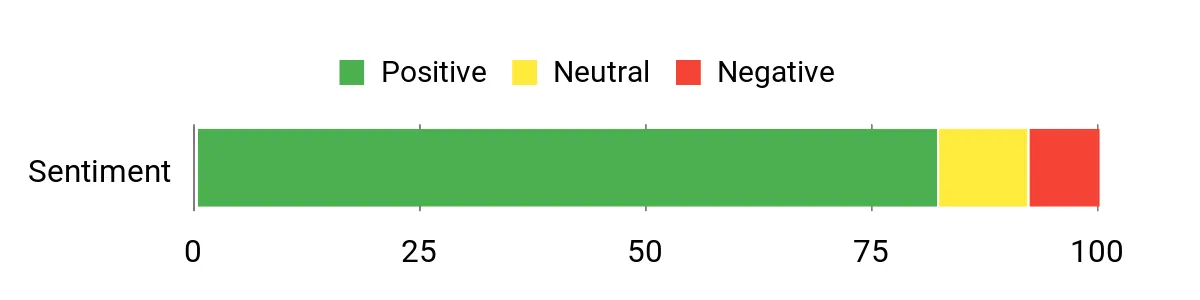
The existing historical sentiment snapshot was generally positive around interior room, layout, and cold-weather usefulness, while packed bulk and the benefit of practicing the setup were recurring compromises. Treat the snapshot as historical rather than as a current Amazon-rating summary.
Historical Sentiment Snapshot: Review sentiment and retailer ratings change over time. Check recent product-page feedback before buying.
Durability and Weather Use
Naturehike’s current Massif tech specifications list a lightweight 30D silicone-coated rainfly, a 70D nylon groundsheet, and 7001 aluminum-alloy poles, along with a 3000 mm waterproof index. Product-description wording for fabric layers can vary between manufacturer and retailer pages, so confirm the exact current construction shown for your selected Amazon variant if material details are important to you.
Protect lightweight tent fabric from sharp ground, inspect seams and pole connections before winter trips, and check the stove-jack area for damage before every use. A suitable footprint or ground protection can also help reduce abrasion where appropriate.
Key Specifications
- Listed capacity: Four people, before allowing for stove clearances and bulky winter gear
- Listed weight: Approximately 17.6 pounds
- Manufacturer dimensions: Approximately 200 x 100 x 70 inches; retailer conversions may vary slightly
- Listed waterproof rating: 3000 mm
- Layout: Two divided sleeping areas, a central living area, and a vestibule
- Entry design: Current manufacturer material describes a 2-door design, while some retailer descriptions differ; confirm the selected Amazon variant
- Listed packed size: Approximately 26 x 12 x 11 inches
Check Current Amazon Availability
Quick Comparison
| Product Name | Image | Best For | Capacity Guidance | Weight | Water Resistance | Dimensions | Amazon |
|---|---|---|---|---|---|---|---|
| Naturehike Dune 10.9 Hot Tent |
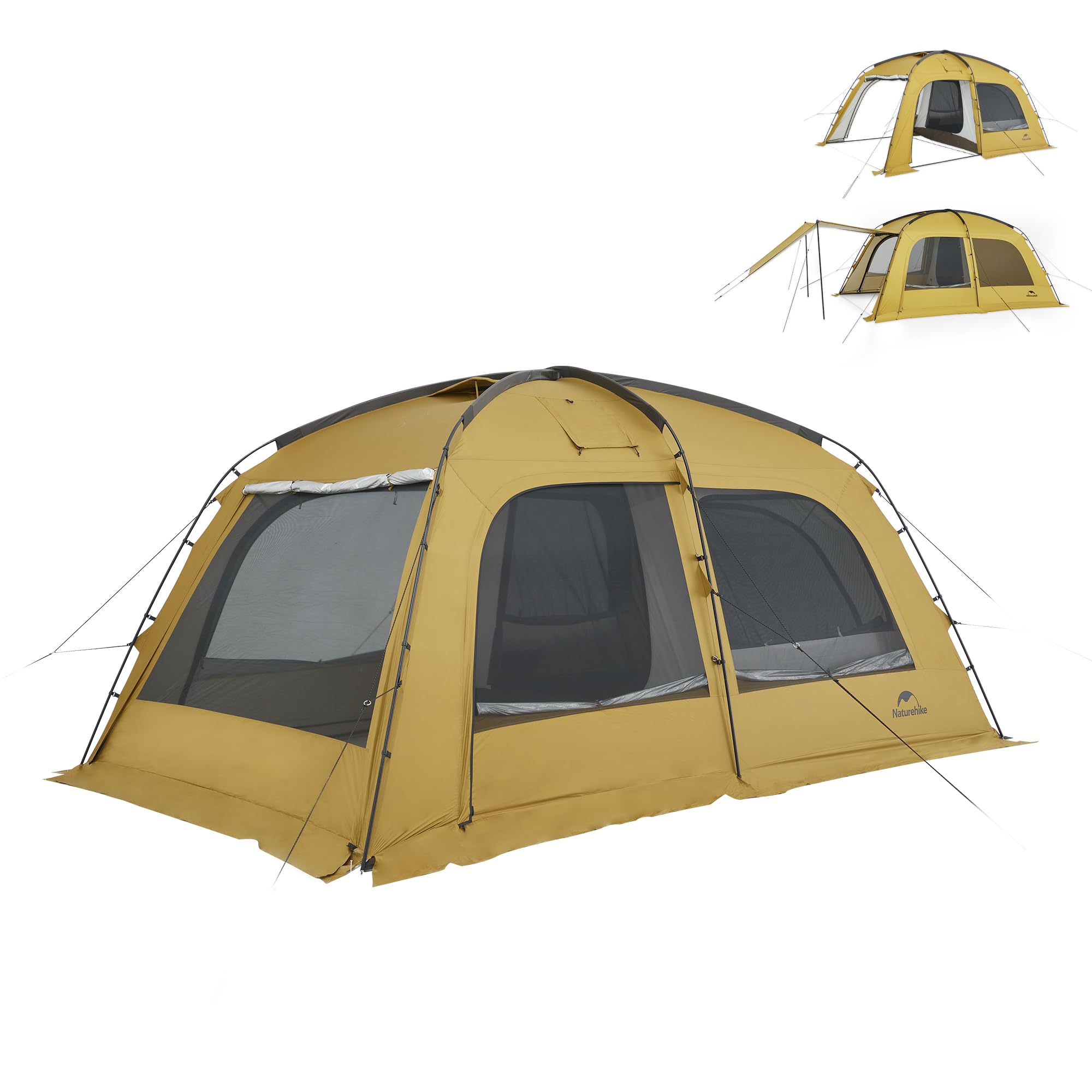 |
Taller, roomier winter basecamp | Manufacturer lists 4-person model; verify exact Amazon variant and practical inner-tent space | Approx. 26 lb | Tent 2000 mm; groundsheet 3000 mm on current manufacturer page | Approx. 165.35 x 102.36 x 78.74 in | Check Availability |
| Naturehike Massif 4P Hot Tent |
 |
Lighter divided-layout basecamp | 4 people before accounting for stove clearances and winter gear | Approx. 17.6 lb | 3000 mm | Approx. 200 x 100 x 70 in; retailer conversions vary slightly | Check Availability |
Manufacturer capacity is a maximum planning figure, not a guarantee of comfortable winter occupancy. A stove, required clearances, heat protection, cots, chairs, and bulky cold-weather gear can substantially reduce practical sleeping space.
How to Choose Between the Dune 10.9 and Massif 4P
Prioritize the Dune 10.9 when height and shared living space come first. Its approximately 78.74-inch maximum height, wider communal layout, and four-door design make it the more comfortable choice for campers who expect to spend meaningful time inside during cold or unsettled weather.
Prioritize the Massif 4P when transport weight and interior separation matter more. At roughly 17.6 pounds, it saves more than eight pounds compared with the Dune while giving you two divided sleeping areas and a central living zone.
Neither is a conventional lightweight backpacking tent. Even the lighter Massif is substantial once you add poles, winter sleep equipment, stove hardware, fuel, tools, food, and other cold-weather gear.
Do not choose by advertised occupancy alone. For hot-tent use, safe stove clearances and movement paths matter more than squeezing in the maximum number of sleepers.
FAQ
Can I Use a Wood Stove Inside These Tents?
These models are sold with stove-jack features, but that does not mean every wood stove or installation is suitable. Use only equipment and a setup specifically permitted by the relevant manufacturers, and follow all instructions for chimney routing, clearances, heat shielding, floor protection, ventilation, fuel handling, and supervision.
Never use an improvised stove jack, never assume a carbon-monoxide alarm makes an unsafe setup acceptable, and never sleep with a fuel-burning stove operating.
Which Model Is Better for a Small Group?
The Massif 4P is usually the more transport-friendly small-group choice because it weighs less and divides the interior into separate sleeping areas and a central living zone. The Dune 10.9 makes more sense when a taller shared area and roomier basecamp feel matter more than weight.
Are These Tents Suitable for Backpacking?
Not for most backpackers. At roughly 17.6 and 26 pounds before adding the rest of a winter system, both are better treated as vehicle-supported or short-carry basecamp shelters. Their layouts emphasize cold-weather livability rather than minimum trail weight.
How Do I Reduce Condensation?
Use the available vents and appropriate door openings to maintain airflow, keep wet clothing away from sleeping areas when practical, and avoid sealing the shelter tightly around operating combustion equipment. Cold-weather condensation can still occur even when a tent is functioning normally, so manage moisture with ventilation and good campsite habits rather than assuming every interior droplet indicates a waterproofing failure.
What Does a 3000 mm Waterproof Rating Mean?
The millimeter figure is a laboratory measure commonly used to describe the water pressure a fabric coating can resist. A higher number can indicate greater fabric water resistance, but real-world dryness also depends on seam construction, fabric condition, pitching, ground conditions, wind-driven rain, drainage, and maintenance. Do not treat an mm rating as a guarantee against flooding or extreme weather.
How Much Space Should I Allow for a Stove?
Follow the stove manufacturer’s required clearances rather than working backward from the tent’s advertised occupancy. Allow safe room for the stove body, chimney and pipe protection, heat shielding, fuel handling, surrounding fabric, and an unobstructed exit path. Practical sleeping capacity should be reduced whenever the stove installation requires that space.
What Should I Check When the Tent Arrives?
Confirm the selected capacity or size, inner-tent configuration, poles, stakes, guylines, stove-jack panel, storage bags, fabric condition, and accessories shown for your exact order. Pitch the tent once at home and resolve missing or inconsistent components before relying on it for a winter trip.
How Should I Clean and Store a Naturehike Hot Tent?
Follow the care directions supplied with your exact tent. Naturehike’s current guidance for these tents favors gentle hand cleaning when necessary rather than machine washing or machine drying. Remove loose dirt, use mild appropriate cleaning methods, rinse as directed, and allow the shelter to dry completely before long-term storage. Storing damp tent fabric can encourage mildew and damage coatings.
Which Tent Is Easier to Transport?
The Massif 4P has the clear weight advantage at about 17.6 pounds compared with roughly 26 pounds for the Dune 10.9. That difference matters when moving gear between a vehicle and campsite, loading a motorcycle or sled, or managing a larger winter equipment system.
Final Recommendation
Pick the Dune 10.9 when you want the taller, roomier Naturehike winter basecamp and are comfortable transporting an approximately 26-pound shelter.
Pick the Massif 4P when you want the better balance of divided-room organization, four-season features, and lower approximately 17.6-pound transport weight.
The choice is less about which tent is universally “better” and more about what problem you need to solve. The Dune prioritizes interior height and communal space. The Massif prioritizes lower weight and separation between sleeping and living areas.
Whichever model you choose, verify the exact Amazon variant before ordering, practice the pitch before winter, and build your cold-weather system around appropriate sleep insulation, ventilation, weather monitoring, safe site selection, and strict compliance with the tent and stove manufacturers’ safety instructions.
This roundup is reader-supported. When you click through qualifying links, we may earn a referral commission on qualifying purchases.