
A low price does not make every tent a safe winter shelter. The key is separating models that are advertised for 4-season use from lighter 3-season or multi-season tents that belong only in calm, sheltered, mild-cold conditions.
This guide compares four budget-conscious options by weather protection, setup practicality, packability, and honest winter suitability. Clostnature and OneTigris are the stronger advertised 4-season choices. Forceatt and BISINNA are lower-cost options for shoulder season or favorable mild-winter forecasts.
Affiliate disclosure:. As an Amazon Associate I earn from qualifying purchases. This roundup is reader-supported. When you click qualifying Amazon links, we may earn a referral commission at no additional cost to you.
Winter safety note: A tent does not create warmth, and season labels are not standardized. Your sleeping pad, sleeping bag, clothing, campsite choice, forecast, ventilation, anchors, and pitching skills matter just as much. For heavy snow, strong wind, exposed terrain, or severe cold, use a purpose-built winter shelter with clear manufacturer guidance. Never use an open flame, fuel-burning heater, or stove inside these tents.
Quick Answer
Best overall for budget winter camping: Clostnature 2P, because it is advertised as a 4-season model and combines PU5000-coated rainfly, groundsheet, and bathtub materials with aluminum poles, two doors, and two vestibules.
Best packable advertised 4-season alternative: OneTigris Stella, with a 3000mm waterproof-rating claim and a compact backpacking-oriented format. The manufacturer also warns against use in extreme weather.
Best value for mild winter or shoulder season: Forceatt 2P, with an advertised PU3000mm rainfly, aluminum poles, and dual vestibules. It should not be treated as a substitute for a dedicated expedition tent.
Best roomy mild-cold option: BISINNA 2P, a double-layer tent with aluminum poles and an advertised PU2000mm water-resistance claim. It is best reserved for sheltered sites and moderate weather.
Key Takeaways
- Choose Clostnature or OneTigris when an advertised 4-season design is a priority.
- Choose Forceatt or BISINNA only for protected sites, conservative forecasts, and mild winter or shoulder-season use.
- A waterproof coating number describes fabric water resistance; it does not measure insulation, wind strength, or snow-load capacity.
- Verify the exact size, color, included parts, dimensions, weight, and season wording because marketplace variants can differ.
- Practice the pitch at home, inspect the seams and poles, and replace weak stakes before a cold-weather trip.
At a Glance
|
Category |
Product |
Winter Fit |
Amazon Details |
|---|---|---|---|
|
🏆 Best Overall Winter Pick |
Advertised 4-season; stronger fit for cold-weather trips |
||
|
🏔️ Best Packable 4-Season Pick |
Advertised 4-season; compact, but not for extreme weather |
||
|
💰 Best Value for Mild Winter |
Multi-season; best for sheltered, moderate conditions |
||
|
🎒 Best Roomy Mild-Cold Pick |
Three-season style; use only in mild, protected conditions |
How We Picked
For this July 2026 update, we compared the exact product listings against the needs of a budget cold-weather camper. The most important factors were advertised season rating, pole material, fly and floor protection, vestibule space, ventilation, setup practicality, packability, and whether each claim matched the stated use case.
We also removed duplicate listings, ordinary 3-season tents that were presented too aggressively as winter shelters, and products with conflicting specifications. Because live prices, availability, ratings, and review totals change frequently, this guide avoids using them as ranking evidence.
Best Budget Tents for Winter and Cold Weather
This model solves a common budget-winter problem: finding a tent that offers more storm-oriented construction without moving immediately into premium expedition pricing. The double-entry layout lets two campers store wet boots and packs in the vestibules instead of crowding the sleeping area.
The article’s original claim that the poles “trap heat” has been removed. Aluminum poles support the structure; warmth primarily comes from your sleeping system and protection from wind. A footprint and stronger stakes remain sensible additions for abrasive, wet, or exposed sites.
Who Should Buy This
Choose it for cold-weather backpacking, winter car camping, kayak trips, or two-person trips where vestibule space and a more winter-oriented design matter.
Who Should Avoid This
Skip it if you need a large family tent, standing height, or a shelter with published expedition-level snow-load and wind-test data. Confirm the latest listing, included components, and exact variant before ordering.
Source-Article Sentiment Snapshot
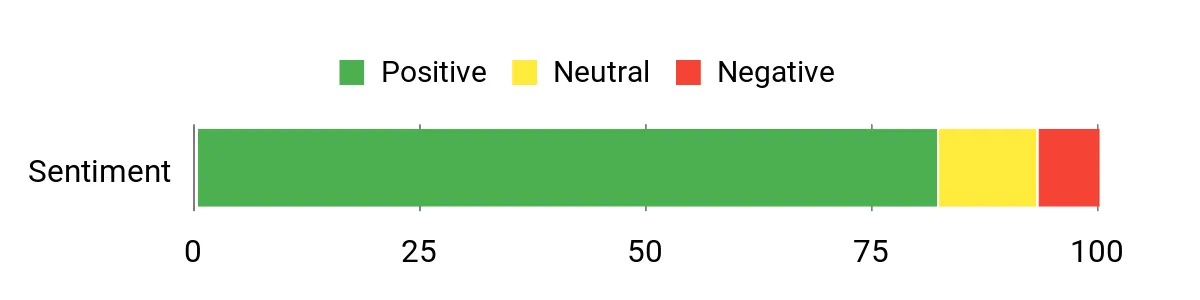
The source review summary was generally positive about interior room, dual vestibules, and setup. This is not a live review analysis, and the chart below is retained from the source article. Check recent critical reviews for recurring pole, zipper, floor, or stake complaints.
Source Summary Tone: Generally positive
Ease Of Use
|
Feature |
What to Expect |
|---|---|
|
Initial Setup |
Easy to moderate; practice before a cold-weather trip |
|
Solo Pitch |
Moderate, especially in wind |
|
Gear Access |
Convenient through two doors and vestibules |
|
Condensation Control |
Requires active vent management |
|
Winter Site Setup |
Guy out carefully and protect the floor |
Key Benefits
- Advertised 4-season construction for colder trips
- PU5000-coated rainfly, groundsheet, and bathtub-material claim
- Two doors and two vestibules for easier gear management
- Aluminum poles for a sturdier structure than basic fiberglass frames
- Two-person format that remains practical for backpacking
Check Current Amazon Availability
The Stella is the more pack-focused winter candidate in this shortlist. Its appeal is not luxury space; it is a relatively compact format with a weather-oriented coating and aluminum frame for campers who need to carry their shelter.
Do not interpret a 3000mm waterproof claim as a guarantee against every storm. The manufacturer advises against use in extreme weather. Pitch quality, seam condition, fabric wear, wind direction, snow accumulation, and campsite exposure all affect performance.
Who Should Buy This
It is best for backpackers, motorcycle campers, and cold-weather campers who prioritize carryability and a more winter-oriented design over a large interior.
Who Should Avoid This
Choose something larger if you need generous room for two people and bulky winter gear. Avoid it for exposed alpine trips, severe storms, or any situation that conflicts with the manufacturer’s extreme-weather warning.
Source-Article Sentiment Snapshot
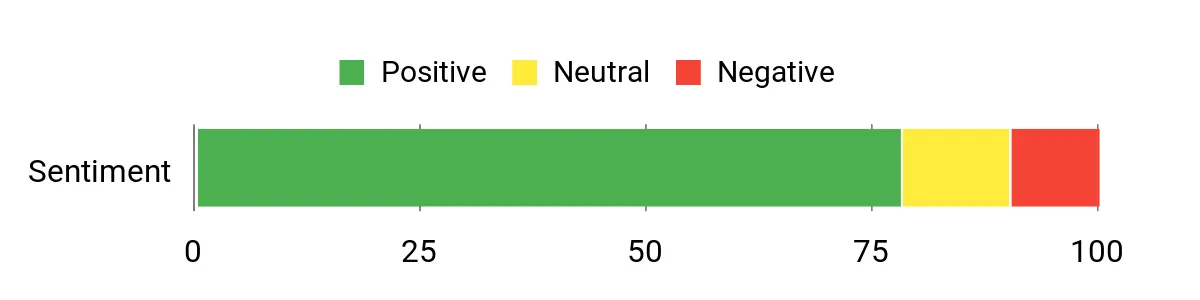
The source review summary highlighted compact packing, straightforward pitching, and a less drafty feel than typical mesh-heavy tents. This is not a live review analysis, and the chart below is retained from the source article. Check recent critical reviews for floor durability, stake quality, zipper issues, and condensation reports.
Source Summary Tone: Generally positive
Ease Of Use
|
Feature |
What to Expect |
|---|---|
|
Initial Setup |
Easy after one practice pitch |
|
Solo Pitch |
Generally manageable; wind increases difficulty |
|
Packing Down |
Moderate when fabric is wet or icy |
|
Weather Setup |
Use every appropriate guy-out point |
|
Packability |
Strong for a winter-oriented two-person model |
Key Benefits
- Advertised 4-season design for cold-weather use
- 3000mm silicone-coated fabric claim
- Aluminum poles for a more durable frame
- Compact format for backpacking and motorcycle trips
- Interior pockets and lamp hanger for basic organization
Check Current Amazon Availability
This tent is useful when you need a reasonably packable shelter with better rain-oriented specifications than a basic festival dome. The dual doors and vestibules help keep wet footwear and packs away from the sleeping area.
Its main limitation is winter classification. A waterproof-rating claim and aluminum poles do not automatically make a tent suitable for heavy snow or strong exposed winds. Use it for calm, sheltered trips with a conservative forecast and a warm sleep system.
Who Should Buy This
It suits budget backpackers, motorcycle campers, and weekend campers who expect rain, cool temperatures, and occasional mild winter conditions below treeline.
Who Should Avoid This
Avoid it for deep snow, exposed ridgelines, severe wind, or trips where shelter failure would create a serious safety risk. Select an explicitly winter-engineered tent for those conditions.
Source-Article Sentiment Snapshot
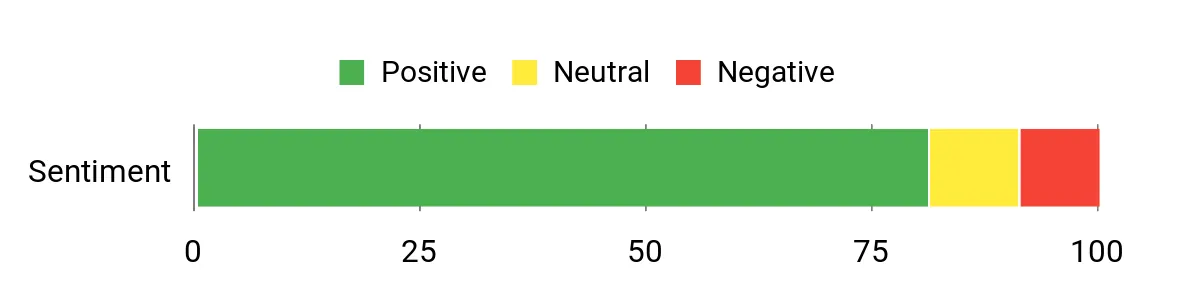
The source review summary emphasized easy setup, useful interior volume, and vestibule space. This is not a live review analysis, and the chart below is retained from the source article. Check recent reviews for seam leakage, pole damage, zipper reliability, and the quality of included stakes.
Source Summary Tone: Generally positive
Ease Of Use
|
Feature |
What to Expect |
|---|---|
|
Initial Setup |
Easy with the pole layout understood |
|
Solo Pitch |
Moderate in wind |
|
Gear Storage |
Convenient with two vestibules |
|
Rain Preparation |
Stake and tension the fly carefully |
|
Cold-Weather Use |
Appropriate only for moderate, sheltered conditions |
Key Benefits
- Advertised PU3000mm rainfly for wet-weather protection
- Aluminum poles instead of a basic fiberglass frame
- Two doors and vestibules for easier gear access
- Useful interior volume for two people or one camper with gear
- Practical for backpacking, motorcycle trips, and weekend camping
Check Product Details on Amazon
The BISINNA is the comfort-oriented option for campers who want two doors, useful vestibule space, and a freestanding aluminum-pole design at a budget price. Its double-layer layout can be easier to manage than a basic single-wall tent when condensation is a concern.
The tradeoff is weather scope. Treat it as a 3-season-style shelter for protected campsites, cool nights, and mild winter trips with a favorable forecast. A footprint and stronger stakes may help durability and anchoring, but accessories do not convert it into an expedition tent.
Who Should Buy This
Choose it for shoulder-season car camping, short backpacking trips, bike or motorcycle camping, and mild winter nights at sheltered established campsites.
Who Should Avoid This
It is not the right choice for heavy snowfall, severe wind, exposed terrain, or buyers who specifically need a verified 4-season shelter.
Source-Article Sentiment Snapshot
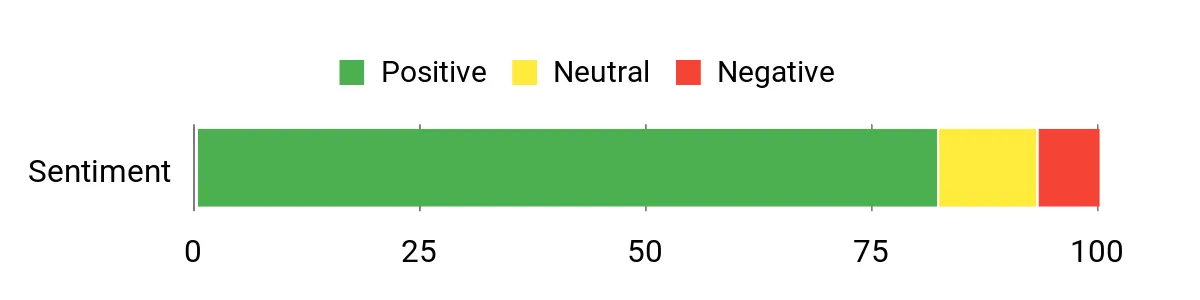
The source review summary focused on setup, vestibule storage, stability, and ventilation. This is not a live review analysis, and the chart below is retained from the source article. Check recent critical reviews for floor wear, pole quality, seam leakage, and stake performance.
Source Summary Tone: Generally positive
Ease Of Use
|
Feature |
What to Expect |
|---|---|
|
Initial Setup |
Easy to moderate |
|
Solo Pitch |
Moderate, especially in wind |
|
Gear Access |
Good through two doors and vestibule space |
|
Ventilation |
Good for a double-layer mild-weather tent |
|
Winter Suitability |
Limited to mild, sheltered conditions |
Key Benefits
- Two doors and vestibule space for boots and packs
- Freestanding aluminum-pole structure
- Advertised PU2000mm water-resistance claim
- Double-layer layout for airflow and condensation management
- Useful for mild-cold car camping and short treks
Check Product Details on Amazon
Before You Buy a Budget Winter Tent
1. Confirm the Exact Season Rating
Do not rely on the words “waterproof,” “windproof,” or a millimeter coating number alone. Check whether the exact size and color variant is described as 3-season, 3-to-4-season, or 4-season, and read the current manual or manufacturer guidance.
2. Match the Tent to the Forecast
A mild winter night at a sheltered campground is very different from an exposed trip with strong wind and accumulating snow. Choose conservatively and have an exit plan when conditions may exceed the tent’s intended use.
3. Budget for the Sleep System
The tent blocks precipitation and reduces wind exposure, but your sleeping pad and sleeping bag provide most of the insulation. Check both temperature ratings and make sure the pad offers enough cold-ground protection.
4. Check Variant-Specific Dimensions and Weight
Marketplace listings often combine several capacities or revisions on one page. Verify the exact two-person or larger variant, packed size, trail weight, floor dimensions, peak height, included footprint, and number of vestibules before ordering.
5. Inspect It Before the Trip
Pitch the tent at home, confirm every pole and stake is included, test zippers, inspect seams and coatings, and practice attaching the fly and guylines. Never make a severe-weather trip the tent’s first setup.
FAQ
Can I Use a 3-Season Tent in Winter?
Sometimes, but only in mild, sheltered conditions with a conservative forecast. A typical 3-season tent is not designed for heavy snow loading or severe exposed wind. For demanding winter weather, choose a purpose-built winter tent and follow the manufacturer’s guidance.
Does a Higher Waterproof Rating Make a Tent Warmer?
No. A coating rating relates to water resistance, not insulation. Warmth mainly comes from your sleeping pad, sleeping bag, clothing, food, hydration, and protection from wind. Ventilation still matters because trapped moisture can create condensation.
How Do I Keep a Budget Tent Dry?
Use a site that will not collect water, orient the door away from prevailing weather, stake the corners correctly, tension the rainfly, keep the fly separated from the inner tent, and maintain ventilation. A correctly sized footprint can protect the floor, but it should not extend beyond the tent where it can collect rain.
What Should I Upgrade First?
Prioritize a properly sized footprint when recommended, stronger terrain-appropriate stakes, extra guylines, a repair kit, and a reliable sleeping pad and sleeping bag. Seam treatment should follow the tent maker’s instructions because some coated fabrics require specific products.
How Much Space Do Two Campers Need in Winter?
Winter gear is bulky, so a two-person tent may feel tight for two adults unless it has useful vestibules. Couples carrying large packs may prefer a three-person model, but must confirm that the larger variant has the same season rating and construction.
Quick Decision Guide
- Choose Clostnature 2P when you want the best balance of advertised winter suitability, vestibule space, and budget-conscious backpacking practicality.
- Choose OneTigris Stella when packability and a weather-focused 4-season design matter more than interior room.
- Choose Forceatt 2P for a value-oriented multi-season tent used in calm, moderate cold rather than severe winter weather.
- Choose BISINNA 2P when comfort, two-door access, and mild-cold campsite use matter more than true 4-season capability.
Final Recommendation
For a budget winter-camping shortlist, start with the Clostnature 2P and OneTigris Stella. They are the two options in this guide presented as 4-season designs. The Forceatt 2P and BISINNA 2P are better treated as lower-cost choices for sheltered shoulder-season or mild-winter trips.
Before buying, verify the exact variant, current included accessories, season description, packed weight, dimensions, return policy, and recent critical reviews on the live product page.
Detailed Comparison
| Product Name | Image | Advertised Season Fit | Water-Resistance Claim | Best For | Main Caution | Amazon Details |
|---|---|---|---|---|---|---|
| Clostnature Lightweight Backpacking Tent |
 |
Advertised 4-season | PU5000-coated fly, groundsheet, and bathtub claim | Budget winter backpacking and cold-weather camping | Verify fly specification, exact variant, and severe-weather guidance | View on Amazon |
| OneTigris Stella Camping Tent |
 |
Advertised 4-season | 3000mm silicone-coated fabric claim | Pack-focused cold-weather trips | Compact interior; manufacturer warns against extreme weather | View on Amazon |
| Forceatt Tent for 2 and 3 Person |
 |
Source describes 3-to-4-season use | PU3000mm rainfly claim | Mild winter, rain, backpacking, and motorcycle trips | Not recommended for severe snow or exposed wind | View on Amazon |
| BISINNA 2/4 Person Camping Tent |
 |
Feature copy says 3-season; use as a mild-cold option | PU2000mm claim | Sheltered shoulder-season and mild-winter campsites | Not a true winter or expedition shelter | View on Amazon |
This roundup is reader-supported. When you click through qualifying links, we may earn a referral commission on qualifying purchases.