
Cold-weather solo camping demands more than a high waterproof number. You also need stable pole geometry, dependable seam construction, manageable condensation, enough room for insulated sleep gear, and a packed weight that fits the way you travel.
This guide compares one-person shelters for cold, wet, and windy trips. Only the camppal model below is currently listed as a four-season tent; the other picks are better treated as three-season or shoulder-season shelters for protected campsites, car camping, motorcycle travel, or milder winter conditions.
Cold-weather safety note: A tent does not create meaningful insulation. Your sleeping pad, sleeping bag or quilt, dry clothing, site choice, and wind management do most of the work. Do not rely on a lightweight three-season tent for exposed alpine terrain, heavy snow loading, or severe winter storms.
Affiliate disclosure:. As an Amazon Associate I earn from qualifying purchases. This roundup is reader-supported. When you click qualifying Amazon links, we may earn a referral commission at no additional cost to you.
Quick Verdict
Best overall for the closest match to four-season solo use: camppal 1P. It combines an aluminum ridge pole, a low mountain profile, and a listed 3500–4000 mm water-resistance range.
Best lightweight wet-weather option: Clostnature 1P. It is a three-season tent, but its compact pack size, aluminum poles, full rainfly, and listed PU 5000 mm coating make it useful for wet shoulder-season trips.
Best value for sheltered cold-weather camping: Night Cat Dome. It is simple, compact, and easy to pitch, but its single-layer design and fiberglass poles make it a better fit for protected sites than serious winter exposure.
Top Picks
| Category | Product | Best For | Season Note |
|---|---|---|---|
| 🏆 Best Overall | camppal 1P | Solo backpacking in cold, wet, and windy conditions | Listed as four-season; still use judgment in severe weather |
| 💧 Best Lightweight Rain Protection | Clostnature 1P | Wet shoulder-season backpacking and bikepacking | Three-season; not for snow loading or exposed winter storms |
| 💰 Best Budget Solo Shelter | Night Cat Dome | Protected campsites, short hikes, and motorcycle trips | Use conservatively despite the listing’s four-season label |
| 🚀 Best Easy-Setup Option | Night Cat Pro | Weekend trips where fast pitching and interior room matter | Treat as a shoulder-season shelter unless the current listing says otherwise |
| 🛏️ Best Off-Ground Comfort | Night Cat Cot | Cold, damp, or uneven car-camping sites | Three-season and heavy; not a backpacking winter tent |
How We Chose
We prioritized the features that matter most when temperatures drop: pole material and geometry, rainfly coverage, seam construction, ventilation, vestibule space, floor protection, packed weight, and setup simplicity. We also separated true four-season positioning from ordinary three-season waterproofing, because a high hydrostatic-head number alone does not guarantee snow-load strength or dependable performance in severe winter wind.
Product listings and specifications can change. Check the current Amazon details, included components, dimensions, warranty terms, and season rating before buying.
The camppal is the clearest match for buyers who specifically want a compact solo tent with four-season positioning. Its low mountain profile and single aluminum ridge pole are more convincing for cold, windy conditions than the taller fiberglass dome designs elsewhere in this roundup.
The tradeoff is ventilation. The enclosed profile can hold condensation when the fly is fully closed, so site selection, guy-line tension, and airflow matter. Its four-season label should not be treated as proof that it is appropriate for every alpine storm or heavy snow load.
Why You’ll Like It
It solves the main problem in this list: finding a solo shelter that remains reasonably light while using stronger pole material and a more wind-shedding shape than typical budget tents.
Who Should Buy This
Choose it for solo backpacking, hunting, trekking, motorcycle travel, or protected mountain camps where cold rain and wind are likely.
Who Should Avoid This
Skip it if you need generous headroom, strong cross-ventilation, room for two people, or a tent with independently documented expedition-level snow-load performance.
Buyer Feedback Snapshot
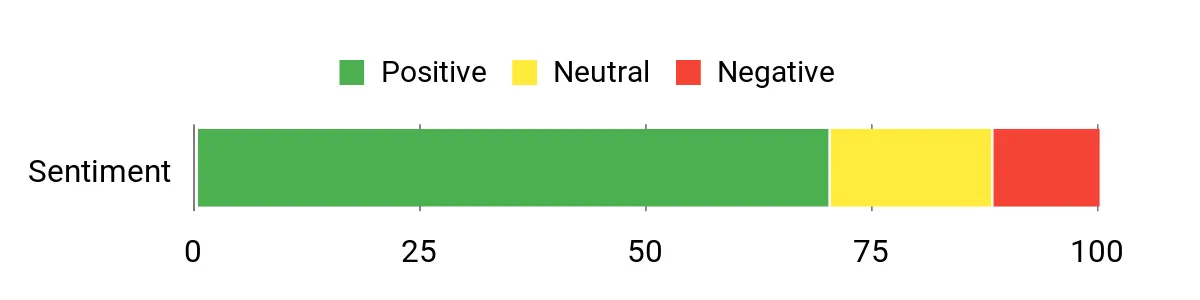
The source review summary reports generally positive feedback for rain protection, compact packing, and the quick ridge-pole pitch. Condensation and limited room for taller campers are the recurring cautions.
Overall Sentiment: Positive
Durability
The aluminum pole and ripstop-style fabric are more confidence-inspiring than entry-level fiberglass. Protect the floor with a footprint, inspect the seam tape before trips, and carry a repair sleeve and extra guy line.
Travel Friendliness
Its listed weight is about 1.23 kg, although packed or shipping weight may be higher once stakes, fly, and accessories are included. The long, narrow carry shape works well on backpacks, motorcycles, and kayaks.
Key Benefits
- Four-season positioning with a low, wind-shedding profile
- Aluminum ridge pole rather than budget fiberglass
- Listed 3500–4000 mm water resistance with a full rainfly
- Long interior for a solo sleeper and essential gear
Check Product Details on Amazon
The Clostnature 1P is a strong choice when packability and rain protection matter more than true winter structure. It is officially listed as a three-season tent, so it belongs on wet spring and fall trips, mild low-elevation winter outings, and protected camps—not exposed snow camps.
The aluminum poles, full rainfly, vestibule, and compact dimensions make it a more balanced backpacking shelter than a single-wall pop-up tent. The narrow floor saves weight but may feel tight for broad sleeping pads or campers who keep gear inside.
Why You’ll Like It
It gives solo hikers a compact shelter with strong listed waterproofing and a conventional freestanding structure that is easier to position and ventilate than many low-cost single-wall tents.
Who Should Buy This
Choose it for rainy shoulder-season backpacking, canoe trips, bikepacking, or weekend hikes where temperatures may be cold but heavy snow loading is not expected.
Who Should Avoid This
Avoid it for severe winter storms, deep-snow camps, exposed ridgelines, or trips where a genuine four-season pole structure is required.
Buyer Feedback Snapshot
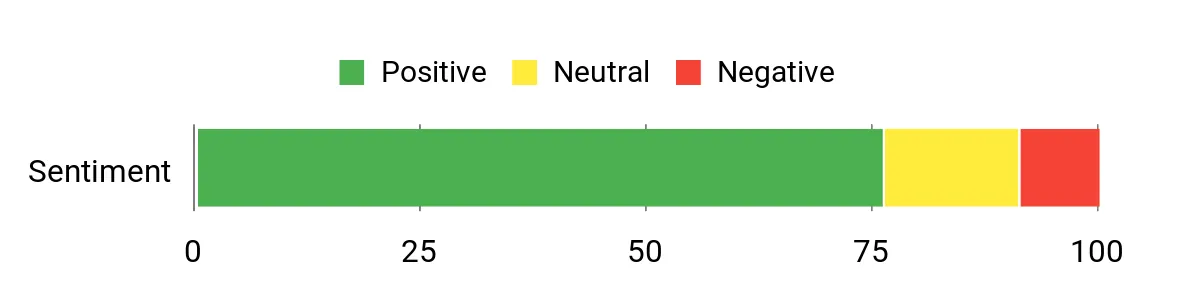
The source review summary emphasizes easy pitching, compact packing, and good rain performance. The most common cautions involve condensation and occasional quality-control issues.
Overall Sentiment: Positive
Durability
The aluminum poles and sealed fly are appropriate for ordinary backpacking use. Carry a patch kit, avoid forcing clips in freezing conditions, and clear accumulating snow instead of allowing it to load the canopy.
Travel Friendliness
The listing gives a total weight of about 1.8 kg and a compact packed size, making it practical for backpacks and bike bags without moving into premium ultralight pricing.
Key Benefits
- Listed PU 5000 mm coating for wet-weather confidence
- Aluminum poles and a freestanding layout
- Compact packed size for backpacking and bikepacking
- Vestibule and vents for gear storage and moisture control
View Product Details on Amazon
The Night Cat Dome is the value pick for campers who need a simple solo shelter and plan to choose protected sites. The current listing labels it four-season, but its single-layer canopy and fiberglass poles are better suited to conservative cold-weather use than serious snow or exposed winter wind.
Its practical strengths are quick setup, a compact bag, enough room for one sleeper and basic gear, and straightforward rain protection. The main limitation is condensation management: single-layer shelters require careful venting and site selection when temperatures fall.
Why You’ll Like It
It solves the budget-and-simplicity problem for short trips where you want a compact shelter without paying for a premium four-season design.
Who Should Buy This
Choose it for sheltered campsites, motorcycle camping, scouts, short hikes, or occasional cold-weather car camping with a reliable forecast.
Who Should Avoid This
Skip it for heavy snow, exposed winter ridges, repeated severe-weather use, or trips where pole failure would carry serious consequences.
Buyer Feedback Snapshot
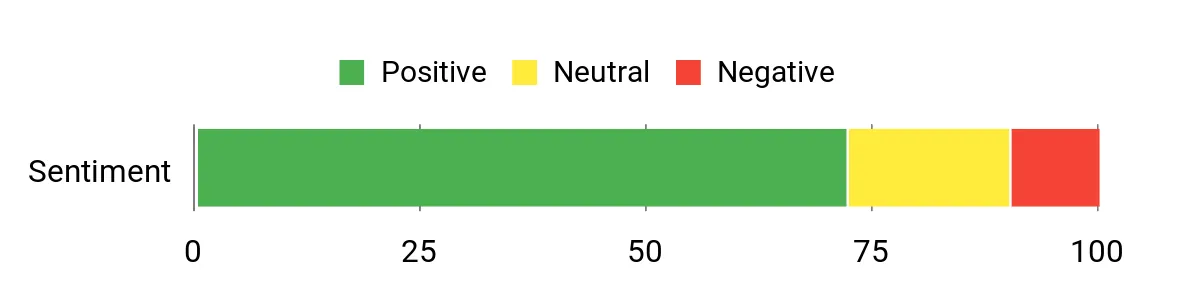
The source review summary is positive about setup speed, interior room, and rain protection. Basic stakes and fiberglass poles are the most frequently noted limitations.
Overall Sentiment: Positive
Durability
The fabric and taped seams are reasonable for occasional use, but fiberglass poles, lightweight stakes, and the stuff sack deserve gentle handling. A footprint and upgraded stakes are sensible additions.
Travel Friendliness
At roughly 2 kg, it is easy to carry on short hikes, motorcycles, and canoe trips. It is compact rather than ultralight.
Key Benefits
- Fast, familiar dome setup
- Compact packed size for short trips and motorcycle travel
- Listed 3000 mm coating with taped seams
- Budget-friendly solo space for a sleeper and basic gear
Check Product Details on Amazon
The Night Cat Pro is the most convenient choice here for campers who value fast setup and more usable headroom. It is a sensible shoulder-season option for weekend travel, but the source material does not establish a dependable current four-season rating, so this article does not position it as a severe-winter shelter.
The clip-on layout is easier to manage with cold hands than long pole sleeves, and the roomier footprint gives you space for insulated bedding. Bring stronger stakes and check all seam taping before relying on it in prolonged rain.
Why You’ll Like It
It reduces setup friction while providing more interior room than the narrow mountain-style tents, making it comfortable for solo campers with bulky cold-weather gear.
Who Should Buy This
Choose it for cool-weather weekend trips, car camping, motorcycle travel, or short backpacking routes with moderate forecasts.
Who Should Avoid This
Avoid it for heavy snow accumulation, exposed winter storms, or any trip where an independently verified four-season structure is essential.
Buyer Feedback Snapshot
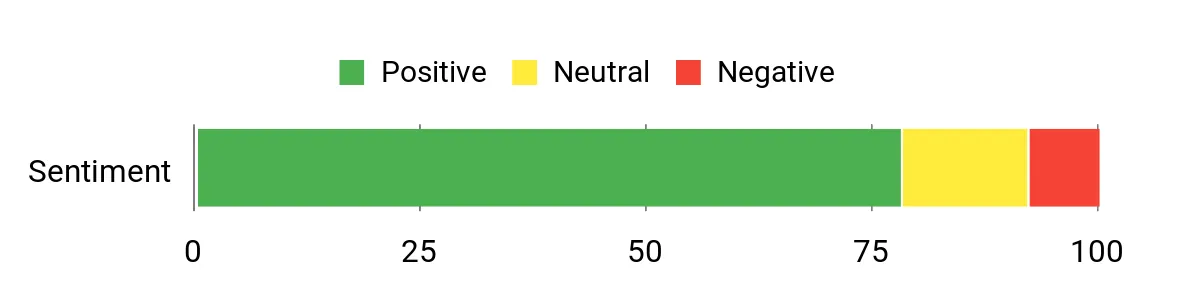
The source review summary highlights easy setup, useful interior room, and ordinary rain performance. Fiberglass poles and basic stakes are the main concerns for frequent use.
Overall Sentiment: Positive
Durability
The fly and seam construction appear appropriate for ordinary camping. The likely wear points are poles, stakes, clips, and high-stress fabric corners, so inspect them before cold-weather trips.
Travel Friendliness
At about 2 kg, it remains manageable for car trunks, motorcycles, and shorter backpacking routes. It is not a minimalist ultralight shelter.
Key Benefits
- Fast clip-style setup
- More headroom and interior space for insulated sleep gear
- PU-coated rainfly with taped seams
- Compact enough for weekend travel and short routes
View Product Details on Amazon
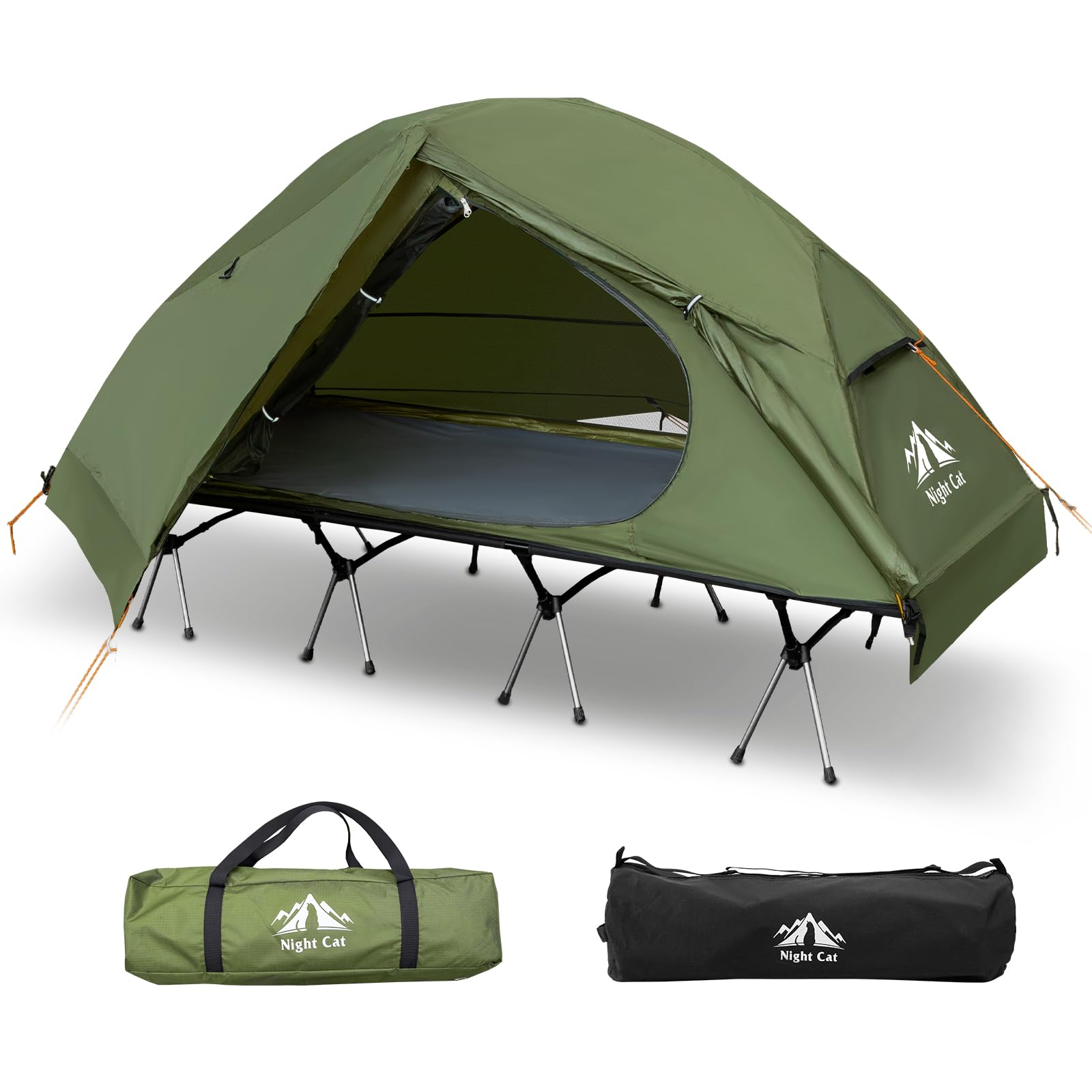
The Night Cat Cot addresses a different cold-weather problem: damp, rocky, muddy, or uneven ground. Elevating the sleep surface can improve comfort and helps keep the tent floor away from surface water, but it does not replace an insulated sleeping pad because moving air beneath the cot can increase heat loss.
At 12.5 pounds, this is a car-camping, motorcycle, fishing, or short-portage shelter—not a practical backpacking tent. Its three-season classification also rules it out as the main recommendation for exposed winter use.
Why You’ll Like It
It combines shelter and a camp bed in one system, giving you a flatter sleep surface and useful space beneath the cot for boots or gear.
Who Should Buy This
Choose it for vehicle-supported camping, fishing trips, damp campsites, or anyone who values easier entry and off-ground sleep more than low weight.
Who Should Avoid This
Skip it for backpacking, deep-snow camps, high-wind exposure, or trips where compact packing is essential.
Buyer Feedback Snapshot
The source review summary is positive about comfort, dryness, and gear storage beneath the cot. Bulk, flexible long poles, and overall carry weight are the recurring limitations.
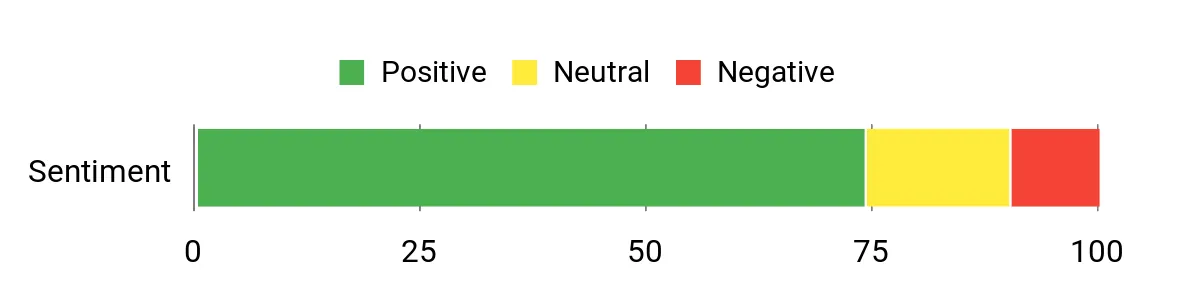
Overall Sentiment: Positive
Durability
The aluminum cot frame and multiple support legs are designed for vehicle-supported use. Check crossbars, pole joints, guylines, and rainfly tension before each trip, especially in cold conditions where materials can become less forgiving.
Travel Friendliness
This is the least portable option in the roundup. Its separate cot and tent components make sense for cars and motorcycles but not for long carries.
Key Benefits
- Elevated sleep surface for wet, rocky, or uneven ground
- Integrated cot removes the need for a separate camp bed
- Under-cot space helps keep boots and gear organized
- Useful for vehicle-supported cold-weather camping
Check Product Details on Amazon
Before You Buy
- Confirm the season rating: Three-season tents are usually designed for rain and moderate wind, not heavy snow loading.
- Check pole material and geometry: Aluminum and low-profile structures generally inspire more confidence than tall fiberglass domes in cold wind.
- Budget for insulation: Use an appropriately rated sleeping bag and a sleeping pad with enough R-value for the expected ground temperature.
- Plan for condensation: Vent the shelter, avoid pitching in depressions, and keep wet gear away from the sleeping area.
- Upgrade weak accessories: Stronger stakes, extra guy line, a footprint, and a basic repair kit can improve reliability.
- Check fit before the trip: Compare floor width and length with your sleeping pad, body size, and the bulk of your winter sleep system.
FAQ
Can A Lightweight Tent Keep Me Warm In Winter?
A tent mainly blocks wind and precipitation; it provides limited insulation. Warmth depends far more on your sleeping pad, bag or quilt, clothing, food, hydration, and campsite. A smaller tent may feel less drafty, but it should never be treated as a substitute for a properly rated sleep system.
What Is The Difference Between A Three-Season And Four-Season Tent?
Three-season tents prioritize ventilation and lower weight for spring, summer, and fall. Four-season tents generally use stronger pole structures, less mesh, more secure fly coverage, and shapes designed to handle stronger wind and some snow loading. Marketing labels vary, so evaluate construction rather than relying on the label alone.
Is A Higher Waterproof Rating Always Better For Winter?
No. Waterproof coatings help with rain and wet snow, but winter reliability also depends on seam sealing, fly coverage, pole strength, guy-out points, fabric tension, and the shelter’s ability to shed wind and snow.
How Do I Reduce Condensation On Cold Nights?
Use every available vent, keep the fly properly tensioned, avoid low wet ground, store damp clothing outside the sleeping area when possible, and leave a small airflow gap that does not expose you to wind-driven precipitation.
What Extras Should I Bring?
Bring a footprint or groundsheet, stronger stakes suited to the soil or snow, extra guy line, a pole repair sleeve, seam sealer if recommended by the manufacturer, a compact patch kit, and a sleeping pad rated for the expected ground temperature.
Final Recommendation
Choose the camppal 1P when you want the closest match to a compact four-season solo shelter and can manage its limited ventilation.
Choose the Clostnature 1P for lightweight, wet shoulder-season travel where a three-season structure is appropriate.
Choose the Night Cat Dome or Pro for protected sites and moderate forecasts, not severe winter exposure.
Choose the Night Cat Cot for vehicle-supported camping when damp or uneven ground is the main concern.
Comparison Table
| Product Name | Image | Listed Weight | Water Resistance | Season Positioning | Best For | Amazon |
|---|---|---|---|---|---|---|
| camppal 1 Person Tent for Camping |
 |
About 1.23 kg | Listed 3500–4000 mm | Listed four-season | Cold, wet solo backpacking | Check Details |
| Clostnature Lightweight Tent |
 |
About 1.8 kg total | Listed PU 5000 mm | Three-season | Wet shoulder-season backpacking | Check Details |
| Night Cat Backpacking Tent for One |
 |
About 1.97 kg | Listed 3000 mm | Listing says four-season; use conservatively | Budget, protected campsites | Check Details |
| Night Cat Upgraded Backpacking Tent |
 |
About 2 kg | PU-coated fly; current rating not verified | Treat as shoulder-season | Easy setup and interior room | Check Details |
| Night Cat Camping Cot Tent |
 |
12.5 lb | Listed 2000 mm | Three-season | Vehicle-supported off-ground comfort | Check Details |
This roundup is reader-supported. When you click through qualifying links, we may earn a referral commission on qualifying purchases.