
Choosing a waterproof 4-person tent for cold-weather camping is about more than finding the highest waterproof number. You need enough room for sleepers and bulky gear, a rainfly and floor that keep moisture out, a stable frame, usable ventilation, and a setup you can manage with cold hands.
A tent does not generate heat or replace an insulated sleeping system. It mainly blocks wind and precipitation. The tents in this guide are best viewed as options for mild-winter, shoulder-season, and sheltered car camping. They are not presented as expedition shelters for heavy snowfall, exposed alpine sites, or severe winter storms.
Affiliate disclosure:. As an Amazon Associate I earn from qualifying purchases. This article contains Amazon affiliate links. If you purchase through one of these links, we may earn a referral commission at no additional cost to you.
Quick Verdict
Best overall for mild-winter car camping: Naturehike Village Instant Tent, thanks to its full rainfly, tall cabin layout, quick-pitch frame, and weather-focused design.
Best for standing room: UNP 4-Person Cabin Tent.
Best for the fastest shelter deployment: Rivenlo Pop-Up.
Important limitation: Choose a purpose-built four-season tent with strong pole geometry and verified snow-load capability when substantial snowfall, powerful wind, or exposed terrain is expected.
Top Picks
|
Category |
Product |
Best Use and Weather Limit |
|---|---|---|
|
🏆 Best Overall Car Camping |
Roomy mild-winter basecamp; not an expedition snow tent |
|
|
🎯 Best Standing Room |
Sheltered car camping in cold rain and light weather |
|
|
🚀 Fastest Pop-Up Setup |
Rapid shelter at established campsites; avoid exposed wind |
|
|
⚡ Best Simple Pop-Up |
Low-fuss mild-weather camping with minimal pitching |
|
|
🌙 Best Blackout Privacy |
Darker sleeping space for cool-season family camping |
|
|
💰 Best Value Space |
Budget car camping in moderate, sheltered conditions |
|
|
🎒 Best Lightweight Option |
Three-season trips and calm, low-snow cold-weather sites |
Important Winter Fit Note
Do not rely on a marketplace “4 season” label by itself. A serious winter tent normally has strong multi-pole geometry, reduced mesh, a fly that reaches close to the ground, numerous reinforced guy-out points, and a rounded shape that sheds snow.
Most products below are conventional family, instant, or three-season tents. Use them only when the forecast, campsite exposure, and expected snow load match their limitations. Leave the site or use a purpose-built winter shelter when conditions exceed the tent manufacturer’s guidance.
How We Picked These Tents
We evaluated whether each retained product is genuinely sold as a four-person tent, how practical its floor plan is for people and winter gear, the coverage of its rainfly, its listed water-resistance level, pole and frame construction, ventilation, setup method, packed portability, and suitability for car camping or lighter travel.
We also considered honest limitations. Cabin tents offer headroom but expose more wall area to wind. Pop-up frames deploy quickly but are not automatically snow-load capable. Mesh-heavy backpacking tents manage condensation well but may feel draftier and are generally intended for three-season use.
Transparency note: The specifications and review themes in this article are based on the supplied product information and listing snapshots. We did not conduct laboratory waterproofing, wind, or snow-load tests. Amazon variants and included accessories can change, so confirm the current product page before ordering.
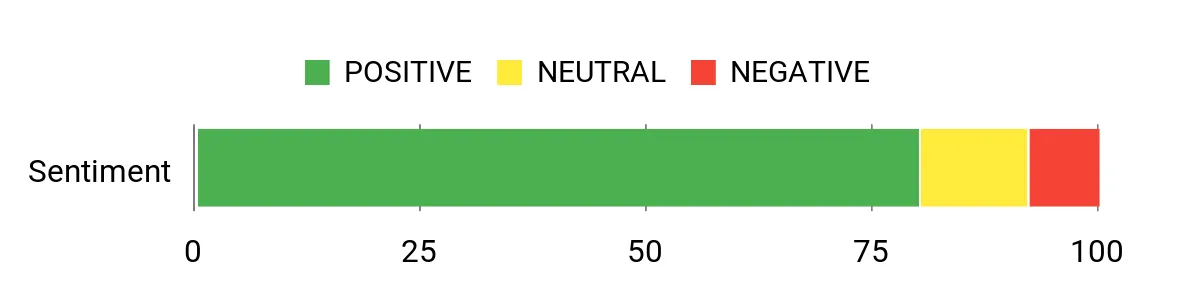
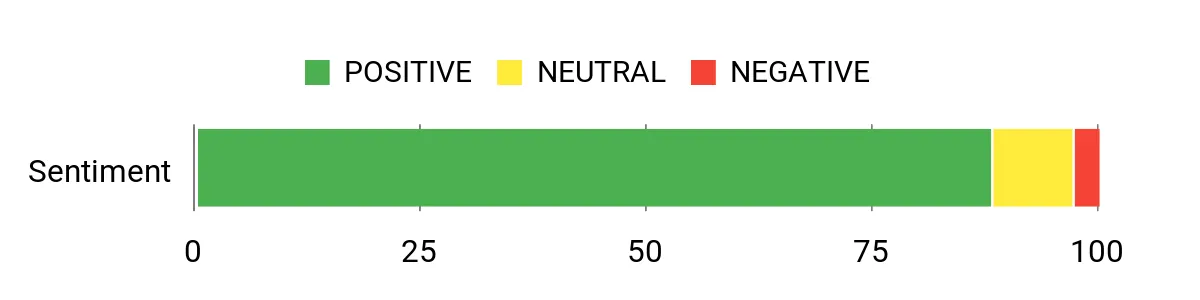
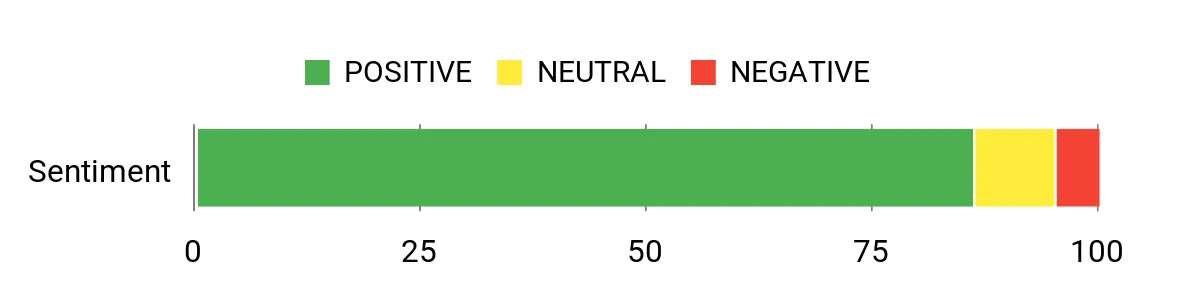
Review-chart note: The sentiment images retained below reflect the original article’s review snapshot. They should not be interpreted as current Amazon ratings, review totals, or independently verified testing.

The Londtren solves one clear problem: getting a usable shelter up without assembling a conventional pole system. You open the circular carry bag, allow the frame to expand, then stake and guy out the tent. Its approximately 9.2-by-6.6-foot floor gives three to four sleeping-bag spaces, although two or three occupants will have a more comfortable layout when winter clothing and equipment are stored inside.
The listing describes 190T polyester, a heavy-duty floor material, sealed connection areas, and a 3000–4000 mm waterproof index. Treat those figures as manufacturer claims rather than proof of severe-weather performance. The flexible pop-up frame and low structure make this better for sheltered campgrounds and mild cold-weather weekends than for accumulating snow or exposed wind.
Best for: Campers who prioritize near-instant deployment and travel by car.
Main advantage: No conventional poles to assemble.
Winter-use limit: Mild, low-snow conditions at a protected campsite.
Skip it if: You expect powerful wind, overnight snow accumulation, or need a compact backpacking-shaped package.
What Buyers Commonly Mention
The supplied review snapshot emphasizes fast deployment, useful interior space, and convenient dual-door access. The recurring drawback is folding the spring frame back into its circular bag. Careful staking and use of every guy line are especially important when the forecast includes gusts.
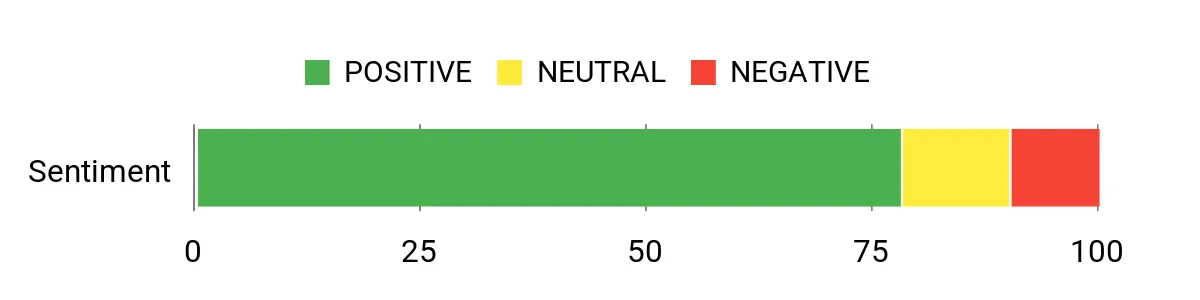
Ease of Use
|
Feature |
Ease Level |
|---|---|
|
Initial Deployment |
Very Easy |
|
Staking and Guying |
Easy |
|
Folding into Carry Bag |
Moderate |
|
Door Access |
Easy |
|
Ventilation Adjustment |
Moderate |
Durability and Weather Limit
The fabric and sealed areas are appropriate for casual campground use and rain protection when the tent is pitched correctly. The pop-up frame should not be treated like the rigid multi-pole structure of a winter expedition tent. Clear accumulating snow from the roof and relocate if wind or snowfall exceeds the manufacturer’s guidance.
Key Benefits
- Instant pop-up deployment without conventional pole assembly
- Two doors for easier entry, exit, and airflow
- Manufacturer-listed waterproof fabric and sealed connection areas
- Enough floor space for a small family or extra gear
- Freestanding shape that is convenient at established campsites
Check Current Amazon Availability

The UNP cabin tent is the better choice when crouching inside a low dome is your main frustration. Its nearly straight walls and tall center create usable standing and changing space, while the floor can accommodate sleeping pads, a compact cot arrangement, or two campers with substantial cold-weather gear.
The tent weighs about 13 pounds and is intended primarily for car camping. A separate top rainfly and coated fabric provide rain protection, but the broad cabin walls and relatively flat upper profile require careful guying in wind. Do not assume the tall design can support a heavy overnight snow load.
Best for: Campers who want standing height, easy clothing changes, and organized gear storage.
Main advantage: More usable vertical space than a typical dome.
Winter-use limit: Sheltered car camping in cold rain or very light snow.
Skip it if: You need a lightweight shelter or expect strong wind and accumulating snow.
What Buyers Commonly Mention
The supplied review themes favor the headroom, straightforward pole layout, and usable floor plan. Rainfly installation may take longer than the basic tent body, and door tension can depend on correct staking. Two people may find it spacious with gear; four adults should expect a much tighter sleeping arrangement.
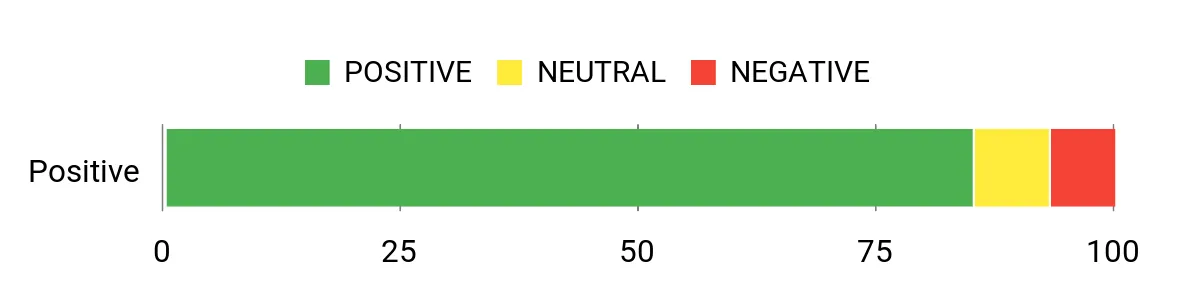
Ease of Use
|
Feature |
Ease Level |
|---|---|
|
Tent Body Setup |
Easy |
|
Rainfly Installation |
Moderate |
|
Packing |
Moderate |
|
Door and Zipper Use |
Easy When Properly Staked |
|
Ventilation and Windows |
Easy |
Durability and Weather Limit
The steel leg poles, fiberglass roof structure, rainfly, and taped areas are suitable for ordinary family camping. Because cabin tents present a larger surface to the wind, use all stake and guy points rather than relying on the freestanding frame alone. Clear snow promptly and do not use it as an alpine or storm-rated winter shelter.
Key Benefits
- Approximately 72 inches of center height for standing and changing
- Nearly straight walls create more usable interior volume
- Room for sleeping equipment and organized gear storage
- Separate rainfly and coated fabric for ordinary wet-weather use
- Practical choice for established campgrounds and family car camping
Check Current Amazon Availability

The Loyeahcamp is designed for campers who sleep better in a darker space. Its approximate 92.5-by-84.6-inch floor and 59-inch height offer a reasonable family-camping footprint, while clip-style poles simplify setup. The blackout layer can reduce morning light and improve privacy, but it should not be described as meaningful winter insulation.
A rainfly, double-layer layout, and manufacturer-listed 3000 mm water resistance make it a sensible option for wet campground weekends. It remains a conventional dome tent rather than a snow-load-rated winter shelter.
Best for: Campers who value darkness, privacy, and a more sleep-friendly interior.
Main advantage: Blackout fabric reduces intrusive morning light.
Winter-use limit: Cool-season and mild-winter campground use.
Skip it if: You need an ultralight tent, expedition-level wind strength, or verified heavy-snow capability.
What Buyers Commonly Mention
The supplied review snapshot highlights the dark interior, usable headroom, and straightforward pitching process. Door and zipper alignment are the recurring areas to watch, so stake the floor squarely and avoid forcing a tensioned zipper.
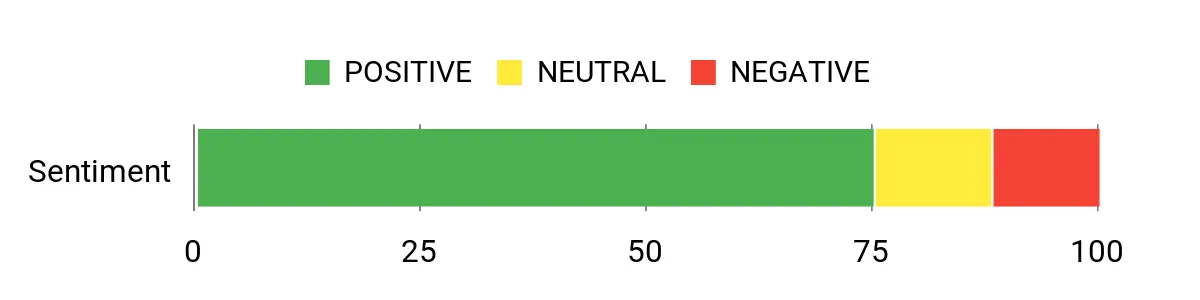
Ease of Use
|
Feature |
Ease Level |
|---|---|
|
Clip-Style Setup |
Easy |
|
Rainfly Installation |
Moderate |
|
Door and Zipper Alignment |
Moderate |
|
Ventilation Adjustment |
Easy |
|
Packing and Storage |
Easy |
Durability and Weather Limit
The polyester construction, rainfly, and double-wall arrangement are suitable for ordinary seasonal use. Pole alignment, careful zipper handling, full staking, and correctly tensioned guy lines will reduce unnecessary stress. Use another shelter for sustained high wind or meaningful snow accumulation.
Key Benefits
- Blackout material for darker mornings and improved privacy
- Approximately five-minute manufacturer-listed setup
- Double-layer structure with a separate rainfly
- Manufacturer-listed 3000 mm water resistance
- Near-vertical sections create more usable headroom than some domes
- Mesh ventilation helps manage moisture when vents remain open
Check Current Amazon Availability
The Rivenlo is the fastest shelter choice in this roundup when speed matters more than compact packed dimensions. The flexible frame opens automatically, while the rainfly, stakes, and guy lines complete the weather-ready pitch. Its listed four-person floor is more realistic for two or three occupants when bulky sleeping bags and equipment are included.
The large skylight and mesh areas help airflow in mild weather. In winter, keep enough ventilation open to limit condensation, but recognize that extensive mesh and a flexible pop-up frame are not characteristics of a severe-weather expedition tent.
Best for: Festivals, established campgrounds, and quick overnight stops.
Main advantage: Very fast automatic deployment.
Winter-use limit: Sheltered mild-winter use with little or no accumulating snow.
Skip it if: Your vehicle cannot accommodate a broad circular packed tent or the forecast includes strong gusts.
What Buyers Commonly Mention
The source snapshot favors the rapid setup, skylight, and roomy rectangular floor. Folding the frame back into its bag requires practice, and lightweight factory stakes may not be adequate for frozen, loose, or wind-exposed ground.
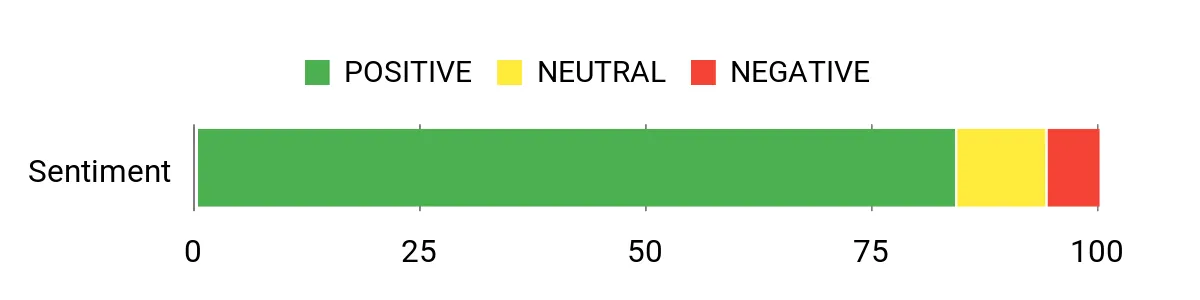
Ease of Use
|
Feature |
Ease Level |
|---|---|
|
Automatic Deployment |
Very Easy |
|
Rainfly Attachment |
Easy |
|
Ventilation |
Easy |
|
Folding and Packing |
Moderate |
|
Staking for Wind |
Moderate |
Durability and Weather Limit
The polyester body, coated floor, rainfly, and fiberglass pop-up frame are suitable for casual wet-weather camping when the shelter is fully secured. Avoid sharp ground, replace weak stakes when necessary, and do not leave snow sitting on the roof.
Key Benefits
- Automatic pop-up deployment for extremely fast shelter setup
- Removable rainfly and coated floor for ordinary rain protection
- Large skylight and mesh panels for airflow and visibility
- Two-door layout for easier access
- Manufacturer-listed 3000 mm water resistance
Check Current Amazon Availability

The ASFANES is a value-focused option for campers who want a conventional, roomy dome rather than an automatic frame. Its 108-by-84-inch dimensions equal approximately 63 square feet of floor area, with a peak height near 59 inches. That is enough for four closely arranged sleeping bags or a more practical two-to-three-person layout with gear.
The manufacturer-listed 1500 mm rainfly is suitable for ordinary showers when the fly is correctly tensioned and the seams are in good condition. It is the lowest listed waterproof figure among several products in this roundup, so it should not be the first choice for prolonged heavy rain or demanding winter weather.
Best for: Budget-conscious car campers who want a large floor area.
Main advantage: Strong space-to-cost appeal and straightforward dome construction.
Winter-use limit: Calm, sheltered, mild cold-weather conditions.
Skip it if: You regularly camp in prolonged rain, powerful wind, or accumulating snow.
What Buyers Commonly Mention
The supplied review themes emphasize the floor space, ventilation, and manageable pitching process. The original factory stakes are a common area to upgrade, and careful fly tension helps reduce water pooling, door leakage, and contact between the inner tent and rainfly.
Ease of Use
|
Feature |
Ease Level |
|---|---|
|
Dome Setup |
Easy |
|
Rainfly Attachment |
Easy |
|
Ventilation |
Easy |
|
Packing |
Moderate |
|
Staking and Fly Tension |
Moderate |
Durability and Weather Limit
The polyester body and fiberglass-pole structure are appropriate for occasional family use. Stronger replacement pegs and careful seam inspection can improve reliability, but aftermarket upgrades do not convert a standard dome into a true winter tent.
Key Benefits
- Approximately 63 square feet of calculated floor area
- 59-inch peak height for sitting and kneeling comfort
- Freestanding dome shape with familiar pole setup
- Rainfly, stakes, guy lines, poles, and carry bag included in the source listing
- Mesh panels and windows for condensation management
Check Current Amazon Availability
The Naturehike Village is the most substantial mild-winter car-camping option in this roundup. Its tall cabin shape offers room to stand and organize cold-weather equipment, while the instant-style frame reduces pole assembly. A full rainfly and manufacturer-listed 3000 mm or greater waterproofing provide more complete wet-weather coverage than a small cap-style fly.
The tradeoff is weight and packed bulk. This is a vehicle-based shelter rather than a backpacking tent. Naturehike sells multiple Village sizes and versions, and season classifications can differ, so verify the exact ASIN, snow-skirt configuration, dimensions, included canopy poles, and season rating before purchasing.
Best for: Campers building a comfortable cold-weather basecamp beside a vehicle.
Main advantage: A strong combination of headroom, fly coverage, quick pitching, and sheltered porch space.
Winter-use limit: Mild winter and light-snow car camping when the exact model permits it.
Skip it if: You need a compact tent, travel without a vehicle, or expect alpine wind and heavy snow loading.
What Buyers Commonly Mention
The supplied review snapshot favors the quick frame, roomy cabin interior, blackout layer, and porch. The primary drawbacks are the heavy packed package and the need to learn the fly and canopy arrangement before arriving at camp. Variant differences make current listing verification especially important.
Ease of Use
|
Feature |
Ease Level |
|---|---|
|
Instant Frame Setup |
Very Easy |
|
Full Rainfly Attachment |
Moderate |
|
Canopy and Porch Setup |
Moderate |
|
Interior Access |
Easy |
|
Vehicle Packing and Storage |
Moderate |
Durability and Weather Limit
The full fly, heavier car-camping materials, substantial frame, and multiple guy points make this the most weather-focused retained product. It is still essential to follow the exact model’s season rating. A tall cabin should be fully guyed, and snow must not be allowed to accumulate on broad or relatively flat roof sections.
Key Benefits
- Fast-pitch frame reduces conventional pole assembly
- Tall cabin interior for standing and organizing winter gear
- Full rainfly provides broad wet-weather coverage
- Manufacturer-listed 3000 mm or greater water resistance
- Blackout inner reduces early-morning light
- Canopy or porch area offers sheltered entry and gear space
- Large accessory kit on the source listing
Check Current Amazon Availability
The BISINNA is the most portable conventional-pole option retained in this article. Aluminum poles offer a favorable strength-to-weight balance, while the two-door and dual-vestibule layout lets campers store boots and packs outside the sleeping area without leaving them completely exposed.
This is a three-season tent. Its mesh-heavy body and 2000 mm manufacturer-listed rainfly can work for calm, sheltered cold-weather trips, but the design is not intended for substantial snow or severe winter wind. BISINNA sells multiple capacities and configurations, so confirm that the selected Amazon variant is the four-person model.
Best for: Campers who want lower packed weight and useful vestibule storage.
Main advantage: Aluminum poles and two-door access without cabin-tent bulk.
Winter-use limit: Dry, sheltered, low-snow trips below treeline.
Skip it if: You expect prolonged storms, heavy snow, or need a warm, low-mesh winter enclosure.
What Buyers Commonly Mention
The source snapshot emphasizes ventilation, the two vestibules, aluminum poles, and manageable packed size. Rainfly tension, footprints, seam condition, and stronger stakes become more important in prolonged rain or firmer winter ground.
Ease of Use
|
Feature |
Ease Level |
|---|---|
|
Two-Pole Setup |
Easy |
|
Rainfly Attachment |
Easy |
|
Packing and Storage |
Very Easy |
|
Dual-Door Access |
Easy |
|
Ventilation Control |
Easy |
Durability and Weather Limit
The aluminum poles and polyester double-wall arrangement are suitable for normal three-season use. A footprint can reduce floor abrasion, while careful fly tension helps maintain separation between the wet outer fly and inner mesh. Those measures improve ordinary weather performance but do not make the tent suitable for expedition winter conditions.
Key Benefits
- Lower packed weight than the cabin and instant car-camping options
- Aluminum poles for a useful strength-to-weight balance
- Two doors reduce disturbance between sleepers
- Dual vestibules keep wet footwear and packs out of the sleeping area
- Manufacturer-listed 2000 mm rainfly
- Freestanding dome structure with straightforward assembly
Check Current Amazon Availability
How to Choose a Waterproof 4-Person Tent for Cold Weather
Start With the Conditions, Not the Season Label
“Winter camping” can mean a calm night at a drive-in campground with temperatures just below freezing, or it can mean strong wind and deep snow in remote terrain. Those situations require different shelters. A conventional three-season or instant tent may work in a protected campground when little snow is expected. A true four-season tent is the appropriate choice for high winds, substantial snow loading, exposed terrain, and trips where shelter failure would have serious consequences.
Look Beyond the Waterproof Number
A waterproof coating is useful, but the complete weather system also includes rainfly coverage, floor shape, seam construction, zipper protection, vent hoods, pole stability, and correct tension. A full-coverage fly generally protects more effectively than a small roof cap. A bathtub floor raises seams above wet ground and splashback.
Check the Frame and Roof Shape
Aluminum poles generally provide a better strength-to-weight balance than basic fiberglass poles. Pole count and geometry matter as much as material: crossing poles and rounded profiles distribute loads more effectively than broad, nearly flat roofs. Pop-up frames are fast, but speed alone does not indicate wind or snow strength.
Plan for Realistic Capacity
A four-person capacity normally describes the maximum number of sleeping positions with little space between them. Winter bags, insulated pads, boots, coats, and emergency gear take more room than summer equipment. For comfort, many four-person tents are best used by two adults with abundant gear, three campers, or a small family with a tightly organized layout.
Prioritize Ground Insulation
The tent floor does not provide meaningful thermal insulation. Use sleeping pads with an appropriate R-value for the expected ground temperature. A winter sleeping bag cannot perform properly when body heat is continually lost into frozen ground through an inadequate pad.
Keep Enough Ventilation Open
Closing every vent can increase condensation. Moisture from breathing can collect on the inner walls or freeze on the fly, making equipment damp and the shelter feel colder. Keep vents clear of snow and maintain airflow while preventing direct drafts across sleeping bags.
Compare Packed Shape as Well as Weight
Pop-up tents may be easy to deploy but pack into wide circular bags. Cabin and instant tents can weigh 20 pounds or more and require substantial vehicle storage. Conventional domes usually pack into narrower bags and are easier to carry away from a vehicle.
Before You Buy
- Confirm the exact ASIN and selected four-person variant.
- Check whether the season rating comes from the manufacturer, not only a marketplace category.
- Verify the current packed weight and packed dimensions.
- Confirm whether the rainfly is full coverage or roof-only.
- Check whether a footprint, canopy poles, repair sleeve, stakes, and guy lines are included.
- Inspect the number and position of reinforced guy-out points.
- Read the manufacturer’s wind, snow, heater, and stove restrictions.
- Practice setup, fly tensioning, and packing at home before the trip.
FAQ
Are These True Four-Season Winter Tents?
No retained product is being represented as an expedition-grade shelter for heavy snowfall or extreme wind. The Naturehike Village is the most substantial car-camping option in this group, but its exact variant and season classification must still be checked. The BISINNA is explicitly positioned as a three-season tent, while the cabin and pop-up models prioritize space or setup convenience rather than alpine pole geometry.
Use a purpose-built four-season model when the forecast includes significant snow accumulation, powerful gusts, exposed terrain, or conditions in which shelter failure could create an emergency.
Will a Waterproof 4-Person Tent Keep You Warm?
A tent does not create heat. It can improve comfort by reducing wind exposure and keeping rain or snow off your sleeping equipment, but most nighttime warmth comes from your sleeping pad, sleeping bag, dry base layers, food, hydration, and campsite selection.
A larger tent also contains more air volume and is not necessarily warmer than a smaller shelter. Choose a four-person model for space and gear management rather than expecting its capacity to increase insulation.
How Many People Fit Comfortably in a Four-Person Tent During Winter?
Four people may fit in tightly arranged sleeping bags, but winter gear reduces usable space. Two adults with equipment, three campers, or a small family is usually a more practical arrangement. Keep wet boots and outer layers in a protected vestibule when one is available, without blocking doors or ventilation.
How Should You Pitch a Tent in Snow, Wind, or Heavy Rain?
Choose a protected site away from dead branches, avalanche paths, drainage channels, and low areas where water can collect. Compact loose snow before pitching. Use suitable snow stakes or buried anchors when ordinary stakes cannot hold, and attach every available guy line.
Tension the rainfly so it remains separated from the inner tent. Keep vents clear, remove accumulating snow from the roof, and check guy-line tension as fabric becomes wet, cold, or icy. Use a footprint that does not extend beyond the tent floor, because exposed footprint material can collect rain and direct it under the tent.
Can You Use a Heater or Camping Stove Inside These Tents?
None of the retained tents is being recommended for wood-stove use. Do not cut a stove opening into an ordinary polyester tent. Never use an unvented fuel-burning heater, grill, lantern, or stove while sleeping in a tent. Carbon monoxide is colorless and can become fatal before occupants recognize the danger.
Follow the appliance and tent manufacturers’ instructions, maintain ventilation, keep combustibles away from heat, and cook outside whenever conditions allow. If snow blocks vents or the shelter cannot maintain safe airflow, stop using the appliance.
Campers Top Picks
The Londtren, UNP Cabin, and Loyeahcamp address three different priorities. Choose the Londtren when rapid pop-up deployment matters most, the UNP when standing height and gear organization are more important, or the Loyeahcamp when reducing morning light and improving privacy are the main goals.
None should be selected solely because a listing uses “all season” or “four season” wording. Compare frame strength, fly coverage, campsite exposure, forecast snow, and the manufacturer’s exact limitations before using any conventional family tent in winter.
Wrapping Up
For mild-winter car camping, the Naturehike Village provides the strongest combination of headroom, broad rainfly coverage, quick setup, and sheltered entry space among the retained products. The UNP Cabin is the better choice when standing room is the priority, while the Rivenlo and Londtren reduce setup time for short campground trips.
Choose the Loyeahcamp for blackout privacy, the ASFANES for value-oriented floor space in moderate conditions, or the BISINNA when lower packed weight and vestibule storage matter more than severe-weather capability.
For heavy snow, exposed wind, remote winter travel, or alpine use, move beyond this list and select a verified four-season tent engineered for those conditions.
Waterproof 4-Person Tent Comparison
Specifications can differ by color, capacity, production revision, and seller. Measurements below reflect the supplied listing information or approximate listing-family data. Verify the exact selected Amazon variant before ordering.
| Product Name | Image | Best For | Approximate Dimensions | Packed Weight | Listed Water Resistance | Key Notes and Amazon Link |
|---|---|---|---|---|---|---|
| Londtren 4-Person Pop-Up Tent |
 |
Simple instant deployment | About 110 x 79 x 52 in | Verify listing; source data conflict | Manufacturer-listed 3000–4000 mm |
|
| UNP 4-Person Cabin Tent |
 |
Standing room and car camping | About 96 x 84 x 72 in | About 13 lb | Rainfly and coated fabric; verify exact rating |
|
| Loyeahcamp 4-Person Blackout Tent |
 |
Blackout privacy and cool-season camping | About 92.5 x 84.6 x 59 in | Verify current listing | Manufacturer-listed 3000 mm |
|
| Rivenlo 4-Person Pop-Up Tent |
 |
Fastest automatic deployment | About 114 x 79 x 52 in | About 3.9 kg | Manufacturer-listed 3000 mm |
|
| ASFANES 4-Person Dome Tent |
 |
Value-oriented floor space | About 108 x 84 x 59 in | About 8 lb; verify listing | Manufacturer-listed 1500 mm |
|
| Naturehike Village Instant Tent |
 |
Mild-winter car-camping basecamp | Varies by Village 4P version; verify exact ASIN | Heavy car-camping package | Commonly listed at 3000 mm or greater |
|
| BISINNA 4-Person Camping Tent |
 |
Lower packed weight and vestibule storage | Varies by four-person configuration | Approximately 7.7 lb for common 4P versions | Manufacturer-listed 2000 mm |
|
This roundup is reader-supported. When you click through qualifying affiliate links, we may earn a referral commission at no additional cost to you.