
You want a tent that keeps wind and precipitation outside while giving you a dependable place to sleep when temperatures fall. Choosing the right cold-weather shelter affects setup time, pack weight, usable gear space, condensation management, and how confidently you can respond when conditions change.
This guide compares six tents marketed for four-season or all-season use, ranging from compact solo shelters to a stove-compatible basecamp tent. Manufacturer season labels are only a starting point: unless a brand publishes verified wind or snow-load testing, do not assume a budget four-season tent is suitable for exposed alpine storms or severe expedition conditions.
Affiliate disclosure:. As an Amazon Associate I earn from qualifying purchases. This article contains Amazon affiliate links. We may earn a commission from qualifying purchases at no extra cost to you.
Quick Verdict
Best stove-compatible basecamp: Naturehike Dune
Best all-round compact two-person tent: OneTigris Stella
Best for weather-focused car camping: camppal 2P
Best straightforward budget setup: Clostnature Libra 2P
Best compact solo shelter: camppal Solo
Best budget mixed-season option: AYAMAYA 2P
Top Picks
|
Category |
Product |
Main Limitation |
|---|---|---|
|
🔥 Best Stove-Compatible Basecamp |
Heavy and bulky; capacity and included components vary by selected size. |
|
|
🏆 Best All-Round Compact 2P |
Comfortable for one plus gear; two occupants will have limited storage room. |
|
|
💼 Best Weather-Focused Car-Camping 2P |
About 7 pounds, making it better for vehicle-supported trips and short carries. |
|
|
🔰 Best Straightforward Budget Setup |
Best for sheltered winter camps rather than exposed, high-load snow conditions. |
|
|
🎯 Best Compact Solo Shelter |
Snug interior and limited gear storage; verify the current packed weight. |
|
|
💸 Best Budget Mixed-Season Option |
A value-oriented tent without published expedition-level wind or snow-load testing. |
How We Picked These Tents
We prioritized shelters that are marketed for four-season or cold-weather use and compared their structure, published waterproof ratings, pole materials, ventilation, vestibule space, packed weight, capacity, stove compatibility, and setup method.
We also considered the trip each tent realistically suits. Lightweight dome tents make more sense for solo travel and short backpacking routes, while heavier shelters provide more living space for car camping and gear-intensive winter camps. Because manufacturers do not always publish wind-test or snow-load data, we avoid treating a “four-season” label as proof of expedition-grade performance.
Before you buy:
- Confirm the exact size, color, and variation selected on Amazon.
- Check the current packed weight and included stakes, guylines, footprint, and inner tent.
- Compare floor dimensions with your height, sleep system, and winter gear.
- Look for current verified-purchase feedback about leaks, pole durability, zippers, and condensation.
- Do not use a tent in severe wind or heavy snow unless the manufacturer specifically supports those conditions.
Best Stove-Compatible Basecamp: Naturehike Dune
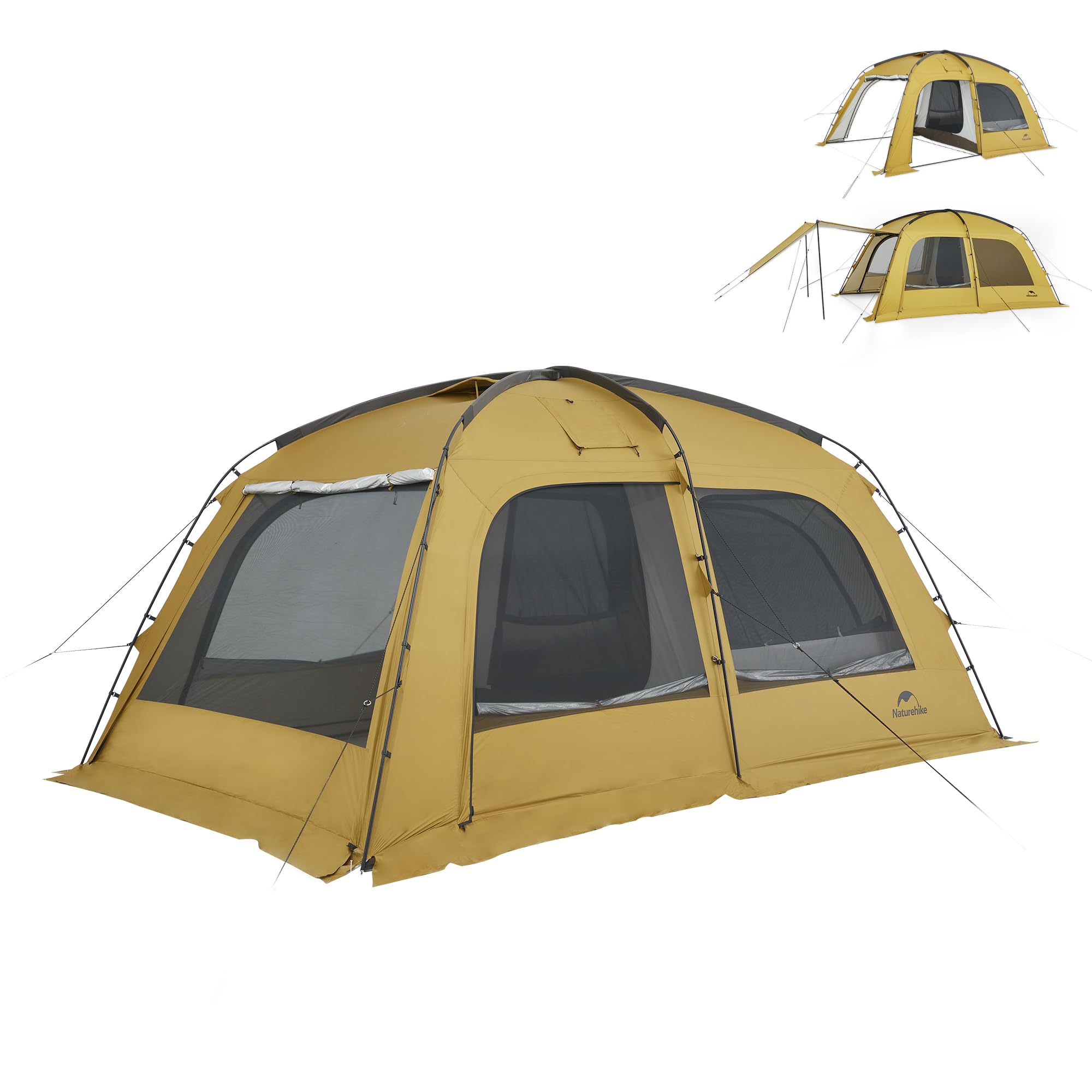
The Naturehike Dune solves a different problem from a compact backpacking tent: it gives vehicle-supported winter campers enough room for gear, seating, and a compatible stove setup. The taller interior and multiple openings make it easier to organize a longer basecamp, while the double-layer configuration offers flexibility across changing conditions.
The trade-off is transport. Larger Dune configurations can weigh roughly 26 pounds and pack into a substantial bag. This is a car-camping or sled-supported shelter, not a practical choice for most human-powered backpacking routes.
Why You’ll Like It
- Stove jack supports a compatible hot-tent setup when used according to the tent and stove instructions
- Tall, roomy layout works with cots, chairs, and winter gear
- Multiple doors and vents help manage airflow and condensation
- Published 3000 mm waterproof specification for the Dune 10.9 configuration
Who Should Buy This
Choose the Dune for car camping, hunting camps, winter basecamps, or longer cold-weather stays where interior space matters more than low pack weight.
Who Should Avoid This
Skip it for lightweight backpacking, fast solo travel, or campsites where you cannot fully tension the large footprint and guylines. Verify the selected capacity and included inner tent before ordering.
Buyer Considerations
Review current feedback for setup sequence, packed dimensions, stove-jack placement, seam quality, and the exact components supplied with your selected variation. Practice pitching the shelter before taking it into winter conditions.
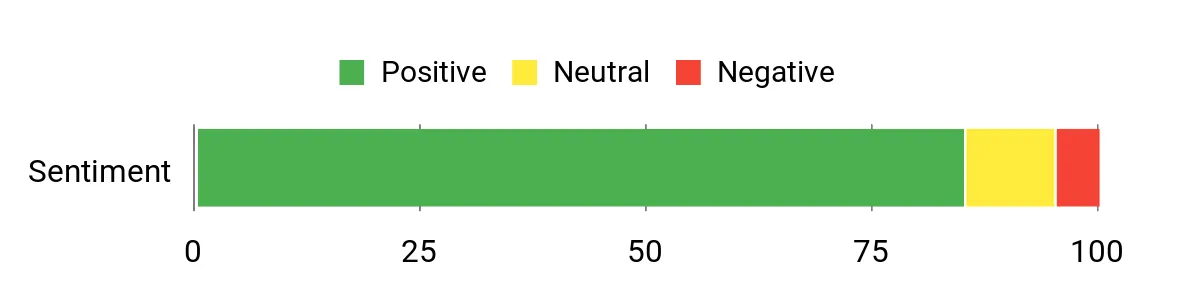
The graphic above was supplied with the original article. Current Amazon ratings and review volume can change, so check the latest verified-purchase feedback before buying.
Situational Benefits
|
Situation |
How It Helps |
|---|---|
|
Car Camping |
The large interior can hold cots, winter clothing, and camp furniture without forcing you to sleep on top of your equipment. |
|
Stove-Compatible Camping |
The integrated stove jack allows a properly installed compatible stove pipe to exit the shelter. |
|
Extended Basecamp |
Multiple doors, standing room, and a larger floor plan make multi-night camp routines easier to manage. |
Durability
The Dune 10.9 specification uses 75D polyester, a 150D Oxford groundsheet, and 7001 aluminum-alloy poles. Longevity depends on careful tensioning, avoiding abrasion, drying the tent completely before storage, and protecting the floor on rough ground.
Check Current Amazon Availability
Best All-Round Compact 2P: OneTigris Stella
The Stella offers one of the most balanced combinations in this roundup. Its compact dome structure, crossed poles, double-wall layout, and moderate weight make it practical for cold-weather backpacking, motorcycle travel, and camps where you need a quick, uncomplicated pitch.
One camper plus winter gear should have useful living space. Two adults can fit, but packs and bulky boots may need to remain in protected exterior storage. The tent blocks wind and precipitation; your sleeping pad, sleeping bag, clothing, and site selection remain responsible for most overnight warmth.
Why You’ll Like It
- Approximately 4.4 pounds for the linked two-person version
- Published 3000 mm waterproof rating
- Simple crossed-pole dome setup
- Double-wall design with vents and removable outer layer
Who Should Buy This
It is a strong choice for solo winter campers who want gear space, couples who pack carefully, motorcycle travelers, and backpackers prioritizing a compact four-season-labeled shelter.
Who Should Avoid This
Taller campers and two-person teams carrying bulky winter equipment should compare the floor dimensions carefully. Choose a larger shelter if you want substantial interior gear storage.
Buyer Considerations
Check current reviews for floor durability, zipper operation, supplied stakes, ventilation, and performance in conditions similar to your intended campsite. A footprint can reduce abrasion but does not increase the tent’s structural weather rating.
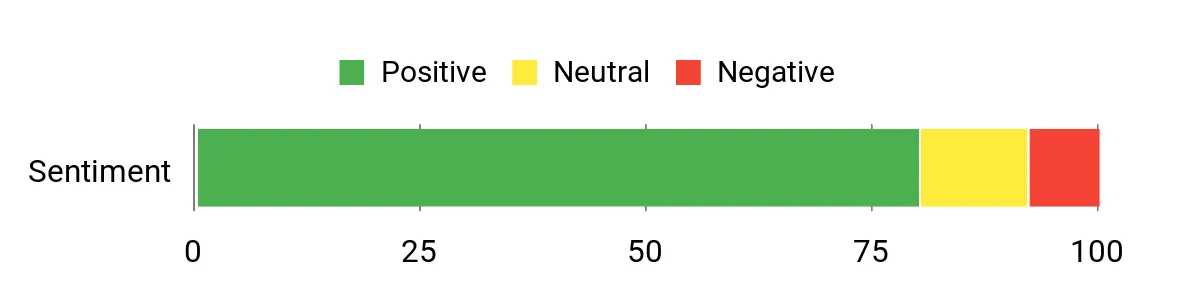
The graphic above was supplied with the original article. Current Amazon ratings and review volume can change, so check the latest verified-purchase feedback before buying.
Situational Benefits
|
Situation |
How It Helps |
|---|---|
|
Cold-Weather Backpacking |
The moderate packed weight and compact dimensions make it easier to divide among two campers or carry as a roomy solo shelter. |
|
Motorcycle Travel |
The narrow packed shape is easier to stow than a large basecamp or canvas tent. |
|
Windy Campsites |
The dome form and supplied guy points provide a practical structure when the tent is correctly oriented, anchored, and tensioned. |
Durability
The linked version uses nylon fabric and aluminum poles. Protect the relatively light floor from sharp ground, inspect pole connections before each trip, and replace unsuitable stakes when camping in frozen soil or loose snow.
Check Current Amazon Availability
Best Weather-Focused Car-Camping 2P: camppal 2P
The camppal 2P emphasizes coverage, floor durability, and storage space rather than minimum pack weight. Its roughly 7-pound listed weight makes it better suited to car camping, motorcycle travel, hunting camps, and short approaches where weather protection matters more than moving quickly.
The large vestibule gives wet boots, packs, and cooking equipment a protected place outside the sleeping area. Two campers can use the interior, although bulky winter sleep systems will reduce personal space.
Why You’ll Like It
- Published 3500 mm rainfly and 4000 mm floor specifications
- Three-pole structure designed to increase stability and vestibule room
- Two doors reduce disturbance between occupants
- Thicker floor material than many lighter backpacking tents
Who Should Buy This
Choose it for vehicle-supported winter weekends, short hiking approaches, hunting camps, or two-person trips where protected gear space and a substantial floor are priorities.
Who Should Avoid This
Weight-conscious backpackers should choose the Stella or compare lighter alternatives. It is also not a substitute for a tent with published severe-wind or heavy-snow engineering data.
Buyer Considerations
Confirm the current variation weight and inspect recent reviews for pole fit, zipper tension, condensation, seam sealing, and supplied stake quality. The floor still benefits from protection on sharp or abrasive ground.
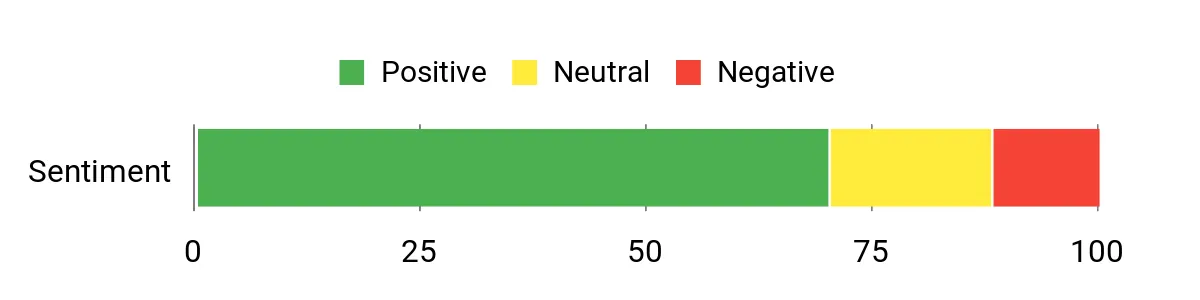
The graphic above was supplied with the original article. Current Amazon ratings and review volume can change, so check the latest verified-purchase feedback before buying.
Situational Benefits
|
Situation |
How It Helps |
|---|---|
|
Winter Car Camping |
The thicker floor, full fly, and vestibule create a practical setup for wet boots and bulky cold-weather gear. |
|
Short Backpacking Routes |
It remains portable enough for shorter carries when two campers split the shelter and shared equipment. |
|
Gear-Heavy Trips |
The vestibule keeps more equipment outside the sleeping space while retaining weather coverage. |
Durability
The combination of a 300D Oxford floor and aluminum poles is intended for regular use, but longevity still depends on campsite preparation, proper pole assembly, fully drying the fabric, and checking seam tape and zippers periodically.
Check Current Amazon Availability
Best Straightforward Budget Setup: Clostnature Libra 2P
The Clostnature Libra is aimed at campers who want a familiar dome-tent setup without moving to a much heavier winter shelter. The clip-and-pole layout is straightforward, while two doors and vestibules make the compact floor easier to share.
Its manufacturer four-season label makes it relevant for cold-weather use, but no accessible expedition-grade snow-load or wind-test results were identified. Treat it as a value-oriented shelter for sheltered winter camps, maintained campgrounds, and moderate conditions rather than a severe alpine tent.
Why You’ll Like It
- Familiar freestanding dome setup
- Two doors and vestibules for access and protected gear storage
- Approximately 5.3-pound minimum trail weight
- Useful balance of price, capacity, and setup simplicity
Who Should Buy This
It suits solo campers who want extra room, budget-conscious pairs, motorcycle travelers, and occasional winter campers using sheltered locations.
Who Should Avoid This
Choose a more extensively engineered shelter for exposed ridgelines, sustained severe wind, or locations where significant snow accumulation is expected.
Buyer Considerations
Confirm the exact four-season Libra variation, because Clostnature also sells similarly named three-season tents. Check current feedback about supplied stakes, floor abrasion, fly clearance, and ventilation.
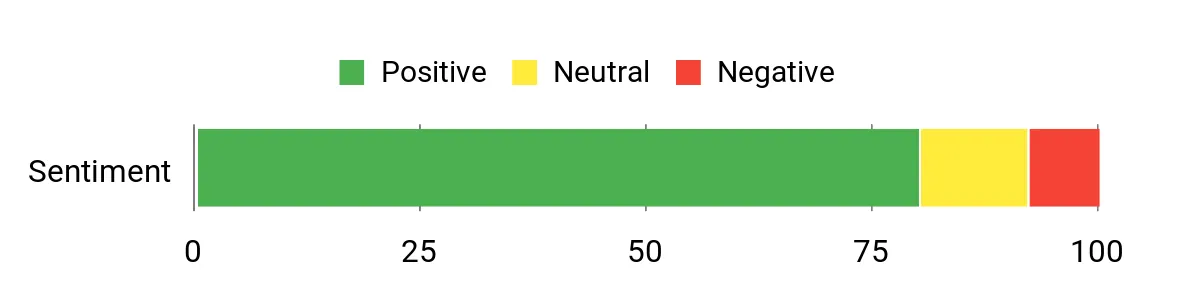
The graphic above was supplied with the original article. Current Amazon ratings and review volume can change, so check the latest verified-purchase feedback before buying.
Situational Benefits
|
Situation |
How It Helps |
|---|---|
|
Roomy Solo Camping |
A solo sleeper gains interior room for winter clothing while retaining both vestibules for wet equipment. |
|
Two-Person Campground Trips |
Separate doors reduce climbing over a partner, and each occupant can use a vestibule. |
|
Motorcycle or Kayak Camping |
The manageable packed size and familiar pole system suit trips where setup simplicity matters. |
Durability
Polyester fabric and aluminum poles provide a practical budget construction. Use a footprint on abrasive surfaces, avoid forcing pole sections, and replace stakes when the supplied set does not suit frozen or rocky ground.
Check Current Amazon Availability
Best Compact Solo Shelter: camppal Solo
The camppal Solo is designed for campers who value a narrow footprint and simple structure more than interior living space. Its low profile presents less exposed surface than a tall family tent, and the vestibule provides a place for boots or a compact pack.
Published weights associated with this model are inconsistent, so verify the current listing before treating it as an ultralight option. The interior is also narrow enough that taller campers should compare its length and height with their sleeping pad and winter bag.
Why You’ll Like It
- Compact one-person footprint
- Simple ridge-pole arrangement
- Published waterproof specifications suitable for wet-weather comparison
- Vestibule space for boots and limited gear storage
Who Should Buy This
It fits solo motorcycle travelers, kayakers, hunters, and campers who prioritize a compact shelter over sitting room and internal storage.
Who Should Avoid This
Tall campers, people who dislike confined shelters, and backpackers choosing primarily by weight should verify dimensions and packed weight carefully before ordering.
Buyer Considerations
Pay close attention to ventilation and fly tension because a small single-occupant volume can collect noticeable condensation. Keep wet gear outside the sleeping compartment whenever practical.
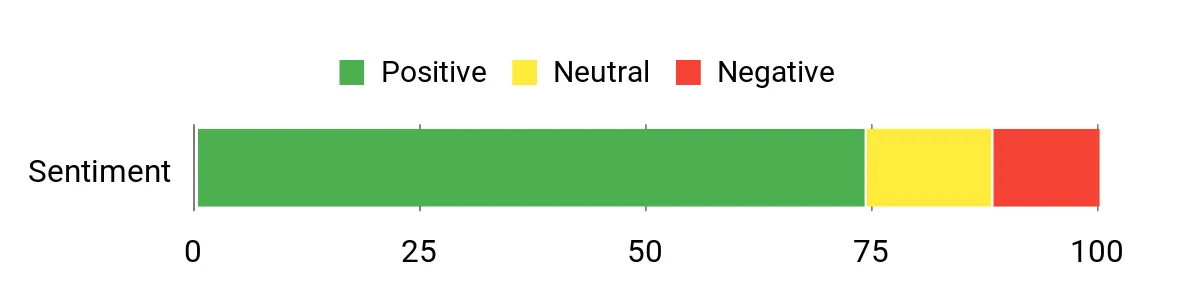
The graphic above was supplied with the original article. Current Amazon ratings and review volume can change, so check the latest verified-purchase feedback before buying.
Situational Benefits
|
Situation |
How It Helps |
|---|---|
|
Solo Travel |
The narrow footprint requires less campsite area and avoids carrying unused two-person living space. |
|
Kayak or Motorcycle Trips |
The slim shelter format is easier to organize with other compact travel equipment. |
|
Rainy Conditions |
The published fly and floor ratings provide a useful starting point for wet-weather comparison when the tent is correctly pitched. |
Durability
The polyester body, Oxford floor, and aluminum pole are practical materials for regular camping. Avoid dragging the tent across the ground, inspect the long pole for damage, and use anchors appropriate for frozen soil or snow.
Check Current Amazon Availability
Best Budget Mixed-Season Option: AYAMAYA 2P
The AYAMAYA is the value-oriented choice for campers who want a double-wall shelter, two-door access, and a protected floor without paying for a premium mountaineering tent. It can cover general camping, motorcycle travel, and sheltered cold-weather weekends.
Do not interpret the four-season label as proof of extreme-wind or heavy-snow performance. Accessible listings provide inconsistent packed weights, so confirm the current variation before choosing it for weight-sensitive backpacking.
Why You’ll Like It
- Two doors improve entry and ventilation
- Published 2000 mm fly and 3000 mm floor specifications
- Double-wall layout can be adjusted for airflow or coverage
- Budget-oriented option for mixed-season camping
Who Should Buy This
It is best for campers on a tighter budget, solo users wanting more space, and pairs taking moderate-weather trips in sheltered locations.
Who Should Avoid This
Do not choose it as an expedition or exposed-alpine shelter without additional structural evidence from the manufacturer. Weight-focused hikers should confirm the packed figure before buying.
Buyer Considerations
Review current feedback for fly ventilation, seam sealing, pole quality, floor abrasion, and usable room for two winter sleep systems. Use the vents even in cold conditions to reduce moisture buildup.
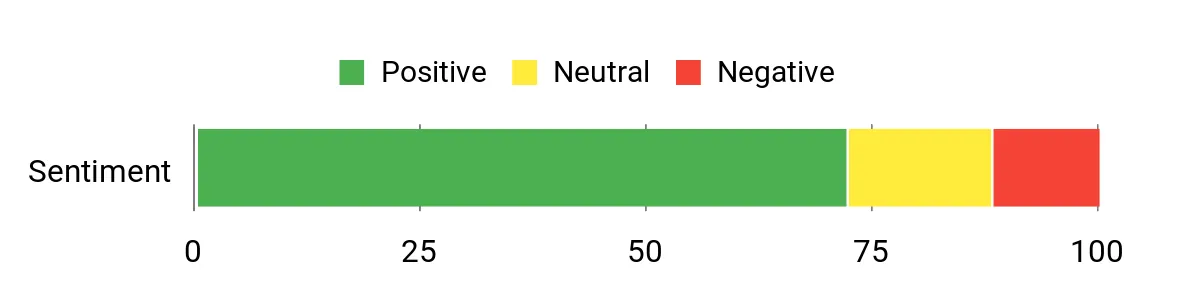
The graphic above was supplied with the original article. Current Amazon ratings and review volume can change, so check the latest verified-purchase feedback before buying.
Situational Benefits
|
Situation |
How It Helps |
|---|---|
|
Sheltered Cold-Weather Camping |
The full fly and solid floor provide more coverage than a heavily meshed warm-weather shelter. |
|
Motorcycle or Kayak Trips |
The two-person format gives a solo traveler extra room for clothing and equipment. |
|
Mixed-Season Camping |
The removable fly and ventilated inner provide more flexibility as temperatures and humidity change. |
Durability
The PU-coated fabrics and aluminum poles are appropriate for routine recreational use. A footprint, careful pole assembly, and thorough drying after wet trips will help protect the floor, coatings, and seams.
Check Current Amazon Availability
Winter Tent Safety and Setup
Important stove safety note:
A stove jack only provides a heat-resistant exit point for a compatible chimney. It does not make every stove installation safe. Follow the tent and stove manufacturers’ instructions, maintain all required clearances, use a spark arrestor and heat-resistant floor protection, keep ventilation open, install a working carbon-monoxide alarm, and never leave a burning stove unattended or operating while everyone is asleep.
Never use a stove, grill, or fuel-burning heater in a tent that is not specifically designed for that equipment.
Anchor for the Surface
Standard stakes may not work in deep snow, frozen ground, sand, or loose soil. Carry anchors suited to the expected surface, plus enough cord to extend each guyline. Burying snow anchors or filled bags can create stronger holding points than forcing narrow pegs into soft snow.
Manage Snow Accumulation
Do not assume any tent can carry unlimited snow. Pitch away from avalanche terrain, overloaded tree branches, and drifting zones. Periodically clear accumulating snow from the fly, and leave the campsite if the structure begins deforming or conditions exceed the manufacturer’s guidance.
Protect the Sleep System
The tent blocks weather, but your sleeping pad and sleeping bag supply most overnight insulation. Use a pad with an appropriate cold-weather insulation value, keep the sleep system dry, and bring adequate clothing and emergency layers.
Practice Before the Trip
Pitch the complete shelter at home, identify every pole and anchor point, inspect seam tape and zippers, and practice packing it with cold hands or gloves. Familiarity matters when daylight is short and weather is changing.
FAQ
Does a “4-Season” Label Guarantee a Tent Is Safe in Heavy Snow?
No. “Four-season” is a manufacturer category, not a universal structural certification. Pole geometry, pole diameter, fabric strength, guyline layout, campsite exposure, wind direction, snow density, and proper pitching all affect performance. Look for published wind testing, snow-load guidance, or clearly documented mountaineering use when planning severe conditions.
Do I Need a Four-Season Tent?
A four-season shelter becomes more useful when you expect blowing snow, stronger wind, cold temperatures, or minimal tree cover. A well-pitched three-season tent may be adequate for occasional cold nights in sheltered campgrounds, but it usually includes more mesh and may offer less structural support. Match the shelter to the worst credible conditions, not the average forecast.
How Do I Reduce Condensation?
Keep roof vents and protected lower openings partially open, tension the fly so it remains separated from the inner tent, and store wet boots and clothing in a vestibule when possible. Avoid breathing directly into your sleeping bag and do not dry soaked clothing inside a small closed shelter. Some condensation is normal when warm, humid air contacts cold fabric.
Should I Use a Footprint?
A footprint can reduce abrasion and make cleanup easier. It should remain slightly smaller than the tent floor so it does not collect rain or melting snow beneath the shelter. A footprint protects fabric but does not increase the tent’s wind or snow-load capability.
How Much Space Do Two People Need in Winter?
Winter sleeping bags, insulated pads, boots, and extra clothing take more room than summer equipment. A nominal two-person tent often works best for one person plus gear. Two campers should compare the actual floor length and width and confirm that wet equipment can remain in vestibules without blocking the exits.
Can I Use a Wood Stove in Any Four-Season Tent?
No. Use a stove only in a shelter specifically designed with a compatible stove jack and enough room to maintain the required clearances. Follow both manufacturers’ instructions and applicable campsite or fire restrictions.
What Campers Should Prioritize
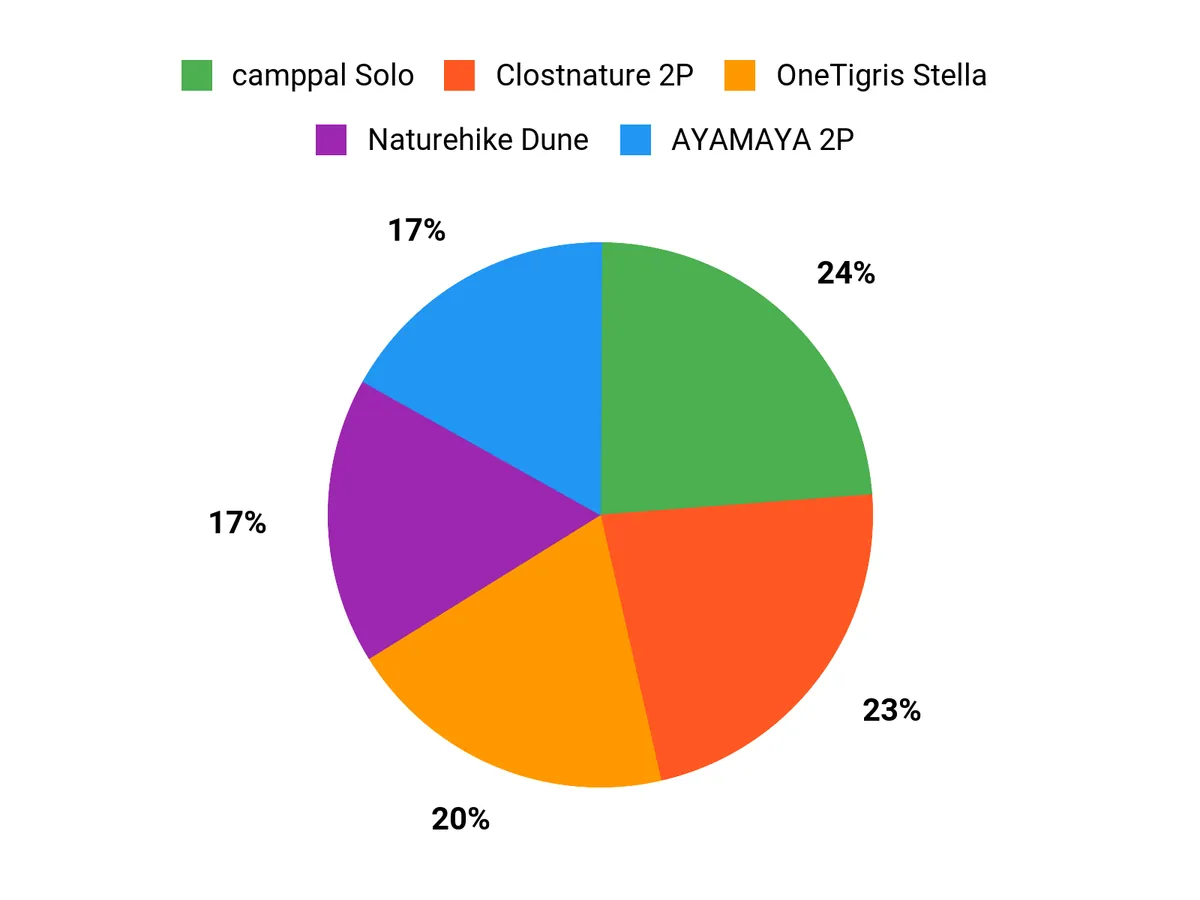
Choose the Naturehike Dune when stove compatibility and basecamp living space matter more than weight. Pick the OneTigris Stella when you want the most balanced compact two-person option. The camppal 2P is better for vehicle-supported trips where floor durability and vestibule space matter, while the Clostnature Libra offers a familiar budget dome setup for moderate winter camps.
Solo travelers should compare the compact camppal Solo with the roomier Stella, paying close attention to packed weight and internal dimensions. The AYAMAYA remains the budget mixed-season option, but it should not be treated as an expedition shelter solely because its listing uses a four-season label.
Final Recommendations
Choose the Naturehike Dune for a roomy, stove-compatible winter basecamp that will be transported by vehicle or sled.
Choose the OneTigris Stella for the best balance of packed weight, two-person capacity, straightforward setup, and published waterproofing.
Choose the camppal 2P when you value a thicker floor, large vestibule, and weather-oriented vehicle-supported setup.
Choose the Clostnature Libra 2P for an approachable budget dome tent used in sheltered, moderate winter conditions.
Choose the camppal Solo when compact solo shelter matters more than living space.
Choose the AYAMAYA 2P for budget mixed-season camping while keeping expectations realistic about severe-weather performance.
No tent eliminates winter risk. Check the forecast, understand the limits of the selected shelter, practice the complete setup, carry suitable anchors and repair materials, and be prepared to change plans when wind, snow, terrain, or temperature exceeds your equipment or experience.
| Product Name | Image | Capacity | Published Water Resistance | Approximate Weight | Best Use | Main Caution |
|---|---|---|---|---|---|---|
| Naturehike Dune Hot Tent |
 |
Varies by selected size | About 3000 mm for Dune 10.9 | About 26 lb for Dune 10.9 | Stove-compatible car camping and winter basecamp | Verify the selected capacity and included components |
| OneTigris Stella 4 Season Camping Tent |
 |
2 Person | 3000 mm | About 4.4 lb | Compact two-person or roomy solo trips | Limited interior gear room for two adults |
| camppal 2 Person Backpacking Tent |
 |
2 Person | 3500 mm fly / 4000 mm floor | About 6.95 lb | Car camping, hunting camps, and short carries | Heavier than typical lightweight backpacking tents |
| Clostnature Libra 2-Person Backpacking Tent |
 |
2 Person | Verify current listing | About 5.3 lb minimum trail weight | Budget camping in sheltered winter conditions | Not verified for expedition-level snow or wind |
| camppal 1 Person Tent |
 |
1 Person | 3500 mm fly / 4000 mm floor | Verify current variation | Compact solo, motorcycle, and kayak travel | Snug dimensions and inconsistent listed weights |
| AYAMAYA 4 Season Backpacking Tent |
 |
1–2 Person | 2000 mm fly / 3000 mm floor | Verify current variation | Budget mixed-season and sheltered cold-weather camping | No published expedition-level structural testing identified |
This roundup is reader-supported. When you click through qualifying affiliate links, we may earn a referral commission. Product specifications, included components, ratings, reviews, and availability can change; verify the current Amazon listing before purchasing.