
A large family tent can turn a spring break campsite into a comfortable base instead of a crowded gear pile. The best choice depends on how many people will sleep inside, how quickly you want to pitch camp, how much standing room you need, and whether your destination is likely to bring wind, rain, heat, or early-morning sun.
Affiliate disclosure: This roundup is reader-supported. When you use an Amazon link, we may earn a commission from qualifying purchases at no additional cost to you.
Quick Verdict
Choose the CORE 9-Person Instant Cabin Tent when setup speed matters most, the CORE 9-Person Instant Cabin Tent with Full Rainfly for stronger rain coverage, the CORE 9-Person Instant Cabin Tent with LED Lights for built-in illumination, or the UNP 10-Person Family Tent when roomy floor space and value are the priority. Treat advertised capacity as a maximum sleeping-pad count rather than a comfortable group size with luggage.
Top Picks
|
Best For |
Product |
Why It Stands Out |
|---|---|---|
|
🚀 Fast Setup |
Pre-attached frame and a manufacturer-stated setup time of two minutes or less. |
|
|
🎯 Wind-Conscious Campers |
Lower dome profile than straight-wall cabin designs, plus a traditional pole structure. |
|
|
☔ Rain Coverage |
Full rainfly, vestibule-style gear coverage, sealed seams, and quick pitching. |
|
|
💡 Integrated Lighting |
Built-in ceiling LEDs with high, low, and night-light modes. |
|
|
🌙 Sleeping Past Sunrise |
Dark-room fabric is designed to reduce morning light and daytime heat buildup. |
|
|
💰 Roomy Value |
Large 18-by-9-foot floor, divider, and five mesh openings at a value-oriented position. |
|
|
🔰 Festival Basecamp |
Two-room layout and broad mesh ventilation for groups staying near their vehicle. |
|
|
🎨 Flexible Entry |
Three doors, a divider, and multiple ways to arrange sleeping and gear zones. |
|
|
⭐ Family Comfort |
Nearly straight walls, 86-inch peak height, divider, gear loft, and adjustable ventilation. |
|
|
🚪 Maximum Floor Space |
16-by-11-foot interior with near-straight walls and room for large group layouts. |
How We Picked These Tents
You should expect a large tent to balance usable space, stability, ventilation, weather coverage, and setup effort. We compared published dimensions, stated capacity, pole or frame design, rainfly coverage, room dividers, vents, storage features, and setup claims. We also considered the practical trade-offs buyers face: advertised capacity versus comfortable occupancy, cabin headroom versus wind exposure, and fast-pitch frames versus packed bulk.
Because campsite conditions and seller listings change, verify the current included components, packed dimensions, warranty, and return terms before ordering. No tent should be treated as stormproof; correct staking, guylines, site selection, and a properly sized footprint still matter.
You get a surprising amount of livable space with this tent, so if you like spreading out gear or fitting air mattresses you’ll appreciate the layout. The two-room divider gives you privacy for parents or a sleeping area for kids while keeping a central living space for chairs and a cooler.
The tall ceiling and five mesh windows keep air moving, which helps on warmer spring weekends, and the double-layer plus rainfly add a measure of weather protection. Setup is straightforward with clip attachments and fiberglass poles, and most groups manage it in one session once you know the routine. Use it for family car-camping, festival bases, backyard sleepovers, or even short-term shelter during a project; just bring a footprint or tarp under it if you expect heavy, prolonged rain.
If you want roomy, budget-friendly shelter that performs well for typical spring trips, this is an option worth considering.
Who should buy this: Best for families or festival groups that want a large floor and divider without paying primarily for instant-frame convenience.
Who should avoid this: Avoid it when you need a compact packed size, true solo setup, or dependable performance in severe weather.
What Buyers Commonly Mention
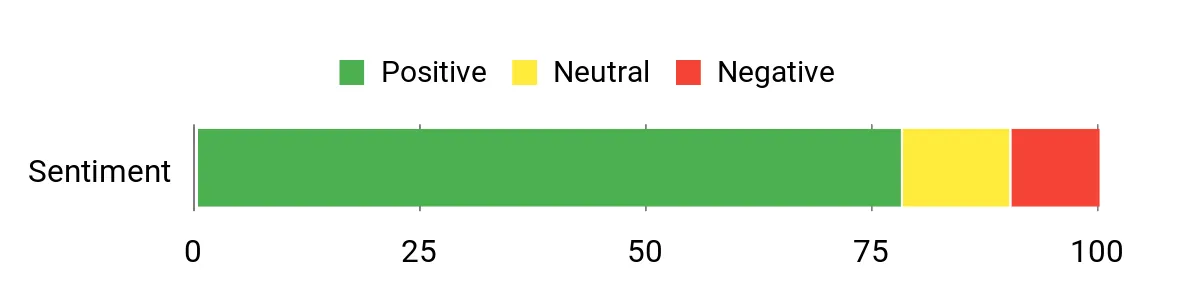
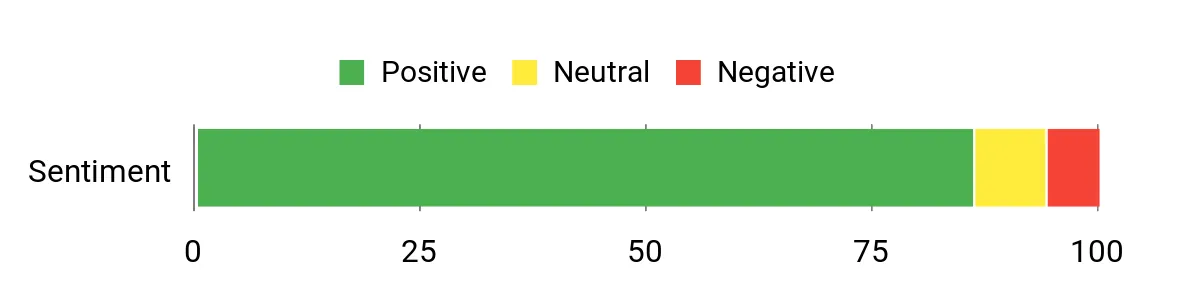
You’ll see a lot of praise for the size and the divider, since people commonly fit queen or tall mattresses and still have walking room. Reviewers also highlight easy setup and solid ventilation from the mesh roof and windows. A minority mention wet-weather limits or occasional manufacturing hiccups like torn mesh or a split pole, and many recommend using a ground tarp for extra protection.
Common feedback pattern: Mostly positive, with recurring cautions about setup practice, packed bulk, staking, and wet-weather preparation.
Setup Notes
The listing states that two people can set it up in about 10 minutes. Allow extra time for the first pitch and practice folding it back into the carry bag before the trip.
Key Benefits
- Very roomy layout fits mattresses and gear comfortably
- Two-room divider gives usable privacy and flexible space
- Good ventilation from five large mesh windows
- Relatively quick setup with a simple clip-and-pole system
- Customer service responsiveness noted by many buyers
You’ll notice the cabin-style walls right away — this tent feels more like a tiny room than a shelter, which makes changing, standing and organizing gear much easier on spring break trips. The full rainfly and generous vents balance weather protection with airflow, so you can keep windows open for views on fair days or snap the fly on if clouds roll in. Setup is a two-person job and gets a lot smoother once you practice the pole sequence; it’s designed for car camping rather than backpacking, so expect a bit of weight and bulk.
Use it for family getaways, glamping setups, or a roomy base at a festival when you want privacy, headroom and reliable ventilation. If you want a tent that prioritizes interior comfort and durability for frequent car-accessible trips, this one fits that role well.
Who should buy this: Best for car campers who want maximum floor space, standing room, and a divider for a large family layout.
Who should avoid this: Avoid it when campsite space, vehicle cargo room, or frequent one-person pitching is limited.
What Buyers Commonly Mention
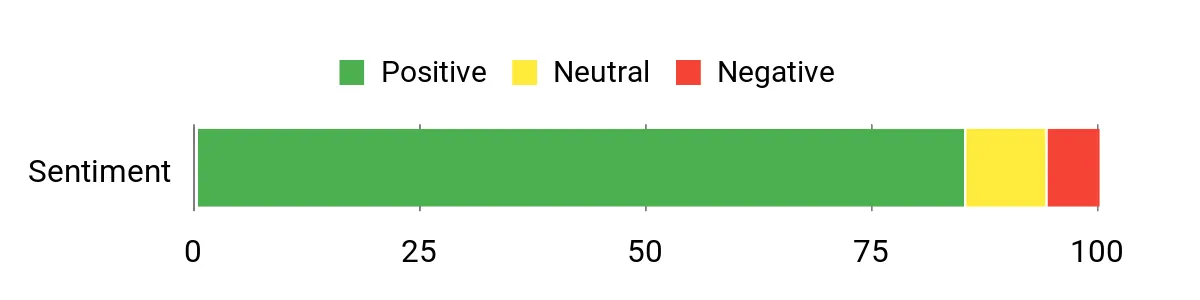
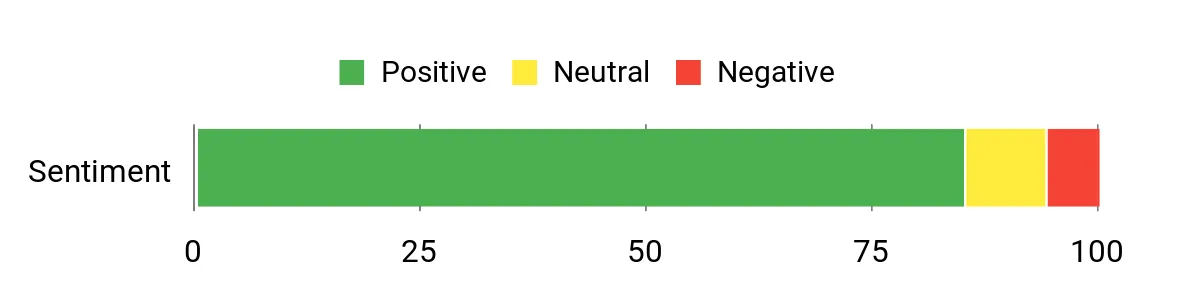
Customers often highlight how spacious and comfortable the tent feels, noting the vertical walls and headroom make day-to-day use more pleasant. Many buyers appreciate the full rainfly and number of vents for keeping the interior dry and breathable, though a few mention the tent is heavy and benefits from sealing the seams before heavy-season use.
Overall the feedback centers on comfort, durability for car camping, and the trade-off of size versus portability.
Common feedback pattern: Mostly positive, with recurring cautions about setup practice, packed bulk, staking, and wet-weather preparation.
Setup Notes
Use two people and practice the pole sequence before travel. A large 16-by-11-foot footprint requires a spacious, level campsite and careful guyline tension.
Key Benefits
- Very roomy interior with vertical walls for standing and storage
- Full rainfly offers stronger coverage than many cabin tents
- Excellent ventilation from multiple windows and ground vents
- Solid build quality and durable pole structure for car camping
- Good storage features and thoughtful interior pockets
You’ll appreciate how this tent changes the pace of a car-camping trip: the pre-attached frame and telescoping poles mean you can have shelter up in under a couple minutes once you get the hang of it. The vertical walls and 78 in peak height make it easy to stand, change and store gear without feeling cramped, and the many windows plus ground vents keep airflow steady on warm spring evenings.
It’s built for convenience and comfort rather than backpacking, so expect a bit of weight and a roomy packed size. Use it for weekend family trips, state-park glamping, or any situation where you want fast setup and a livable interior.
Who should buy this: Best for car campers who prioritize a fast arrival-day setup and a tall, open cabin interior.
Who should avoid this: Avoid it for backpacking, exposed high-wind sites, or groups that need generous luggage room for nine adults.
What Buyers Commonly Mention
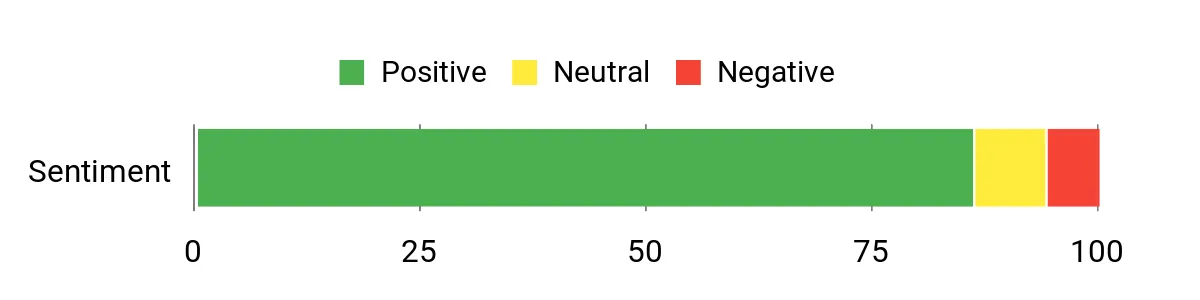
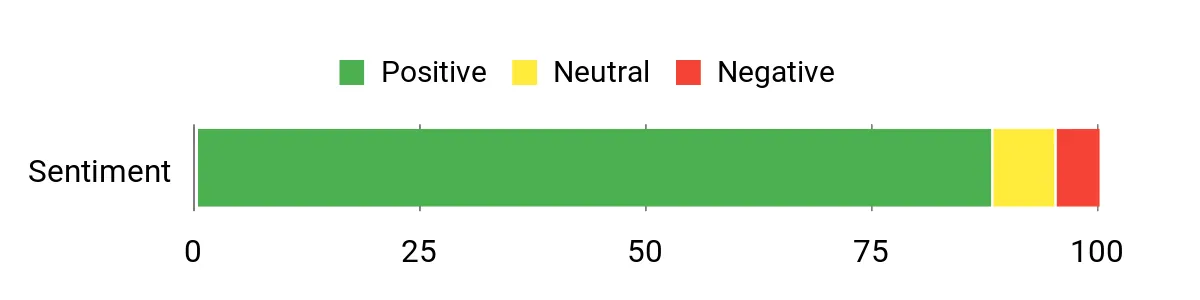
Most users praise how quickly the tent goes up and how spacious it feels compared with typical dome tents, noting you can fit full-size air mattresses and still move around. Many buyers like the ventilation and the full rainfly for light rain, while a few mention that first-time setup and folding back into the bag take a little practice.
Overall the feedback centers on convenience, interior comfort and reliable weather performance for car camping.
Common feedback pattern: Mostly positive, with recurring cautions about setup practice, packed bulk, staking, and wet-weather preparation.
Setup Notes
The manufacturer states that the pre-attached frame can be raised in two minutes or less. First-time setup and pack-down may take longer.
Key Benefits
- Almost-instant setup with pre-attached frame
- Roomy interior and vertical walls for standing and storage
- Excellent ventilation from many windows and ground vents
- Full rainfly and taped seams for weather resistance
- Easy to pack into a generously sized bag

If you want a roomy, stable shelter that still packs up reasonably for car camping, this Core dome is a solid pick. You’ll get plenty of headroom in the center and a footprint that works for several air mattresses or a mix of cots and gear.
The dome profile handles gusts better than boxy cabin tents, and the large mesh panels plus ground vents help keep the interior comfortable on warm spring nights. It’s designed to be set up by two people and performs well for weekend trips, state-park stays, or keeping a basecamp at a festival. If you value ventilation and wind resistance while keeping setup simple, this tent strikes a good balance.
Who should buy this: Best for groups that prefer a lower dome profile and lighter published weight over vertical cabin walls.
Who should avoid this: Avoid it when full standing room across the whole floor or instant setup is more important than the dome shape.
What Buyers Commonly Mention
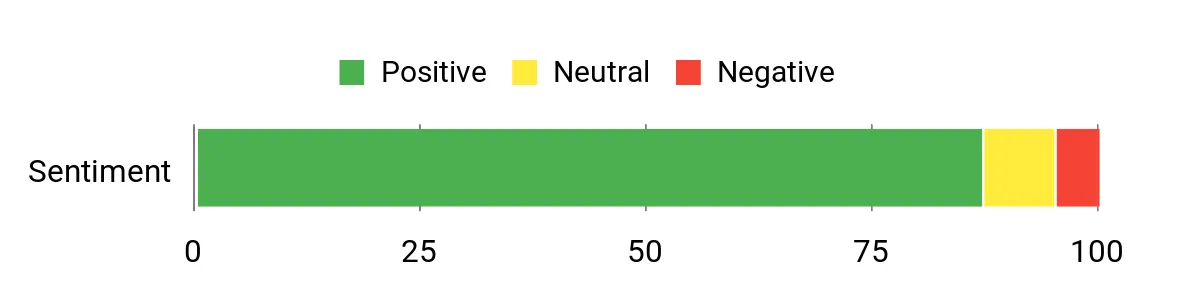
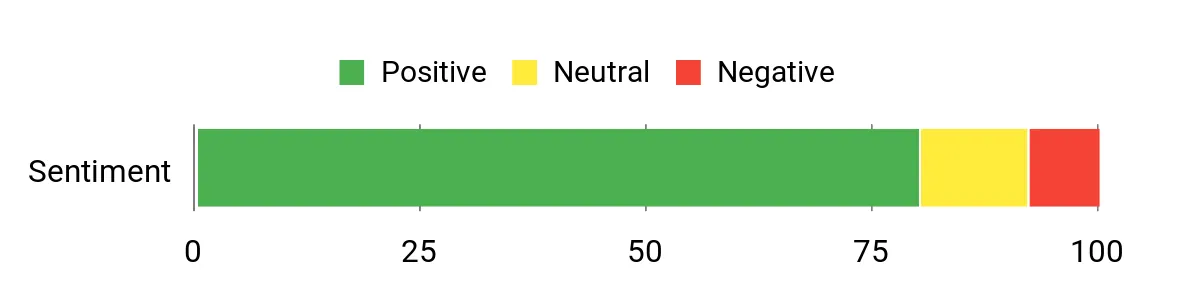
Most campers praise the roomy interior and how well the dome handles wind compared with straight-wall tents, which makes it a go-to for variable spring weather. People like the ventilation and ability to fit queen or twin mattresses, though many note it’s best used for car camping since the packed size and weight are significant. Buyers also recommend practicing setup once and using a footprint to protect the floor.
Common feedback pattern: Mostly positive, with recurring cautions about setup practice, packed bulk, staking, and wet-weather preparation.
Setup Notes
Plan on a traditional pole setup with two people for the smoothest pitch. Practice once at home and fully stake the rainfly and guylines.
Key Benefits
- Stable dome shape resists wind better than many cabin tents
- Spacious interior fits multiple mattresses and gear with headroom
- Good ventilation from large mesh panels and ground vents
- Taped seams and included rainfly offer reliable water resistance
- Relatively quick setup for a tent this size with two people

You’ll notice how the pre-attached frame changes the setup game — once you practice the unfold it’s almost instant. The vertical walls and 78 in peak height give real headroom, so you can stand, change and move around without feeling cramped.
The full rainfly plus taped seams balance weather protection with ventilation from multiple windows and ground vents, making this a reliable choice for weekend car camping, glamping weekends, or festival bases. It’s built for convenience rather than backpacking, so expect a bulky packed size and some weight; bring a footprint and upgrade stakes if you plan rough ground. If you want a tent that gets you into camp fast and keeps everyone comfortable, this one does that well.
Who should buy this: Best for spring trips where quick pitching and fuller rainfly coverage matter more than minimizing packed bulk.
Who should avoid this: Avoid it when cargo space is tight or you expect to carry the tent far from the vehicle.
What Buyers Commonly Mention
Most buyers love how quickly the tent goes up and how roomy it feels compared with standard dome tents, often fitting full-size mattresses plus gear. People also point to good ventilation and the full rainfly as useful for mixed spring weather.
A smaller share note the tent’s bulk when packed and recommend practicing the first setup and using a footprint to protect the floor.
Common feedback pattern: Mostly positive, with recurring cautions about setup practice, packed bulk, staking, and wet-weather preparation.
Setup Notes
The manufacturer states that the pre-attached frame can be raised in two minutes or less. Fully deploy the rainfly, vestibule, stakes, and guylines when rain is possible.
Key Benefits
- Near-instant pop-up setup with pre-attached frame
- Spacious interior with vertical walls and standing room
- Full rainfly and taped seams for reliable protection
- Lots of windows and vents for steady airflow
- Generous carry bag makes packing back easier

You’ll notice the roomy interior and tall ceilings as soon as you step inside, which makes changing, standing and organizing gear much easier on spring trips. The full rainfly and multiple vents balance weather protection with airflow so you can keep windows open on warm nights or clip the fly on when clouds roll in. Setup is straightforward with two people and the included poles and stakes, and the divider adds flexible privacy for kids or gear.
Use it for family getaways, extended car-camping stays, or a comfortable festival base; bring a footprint and stronger stakes if you expect rough ground.
Who should buy this: Best for families that want tall cabin walls, a divider, gear organization, and comfortable car-camping space.
Who should avoid this: Avoid it for small tent pads, solo setup, or trips where low packed weight is a priority.
What Buyers Commonly Mention
Buyers commonly praise how roomy and comfortable the tent feels, with enough headroom to stand and organize gear. People also value the full rainfly and vents for managing mixed spring weather, while many recommend practicing setup once and using a footprint to protect the floor.
A few users mention the tent’s packed bulk and suggest upgrading stakes for windy sites.
Common feedback pattern: Mostly positive, with recurring cautions about setup practice, packed bulk, staking, and wet-weather preparation.
Setup Notes
Plan for two people and a practice pitch. The 14-by-10-foot floor and 86-inch peak height provide comfort but also require adequate campsite space and secure staking.
Key Benefits
- Generous interior space with standing room and vertical walls
- Full rainfly and taped seams for reliable protection
- Room divider for privacy or gear separation
- Multiple vents and windows for good airflow
- Thoughtful storage pockets and a roomy carry bag

You’ll appreciate the built-in LED lighting the first time you open the door—three brightness modes make late-night games or quiet night lights easy without dragging out lanterns. The pre-attached frame means setup really is fast once you’ve tried it once, and the vertical walls give usable headroom so changing and moving around feels natural. Ventilation comes from vents and mesh panels, and pockets plus a cord pass make organizing gear simple.
This tent works well for family trips, scout outings or festival bases where quick setup and internal lighting save time and hassle. Bring a footprint for wet ground and practice one setup at home so packing and unpacking go smoothly.
Who should buy this: Best for family trips, festivals, or scout-style camps where built-in light reduces lantern clutter.
Who should avoid this: Avoid it when packed weight, battery-free simplicity, or the lowest possible price matters most.
What Buyers Commonly Mention
Buyers frequently call out how useful the integrated lights are and how quickly the tent goes up, especially for solo or two-person setups. Folks also like the roomy feel and the ability to fit larger air mattresses while still moving around.
A few reviews note occasional manufacturing issues or recommend sealing seams and using a footprint for extra protection in heavy rain.
Common feedback pattern: Mostly positive, with recurring cautions about setup practice, packed bulk, staking, and wet-weather preparation.
Setup Notes
The manufacturer states that the instant frame can be raised in two minutes or less. Test the light controls and battery compartment before leaving home.
Key Benefits
- Built-in LED lighting with three modes for hands-free illumination
- Instant, pre-attached frame for fast setup
- Spacious interior with vertical walls and standing room
- Good ventilation via mesh panels and ground vents
- Room divider and multiple pockets for flexible organization
You get a roomy, multi-door layout that’s great when you want flexible entry points and shade options. The full-coverage rainfly and reinforced corners make it suited for family outings or extended stays where wind and rain are possible, and the two-room layout helps you carve out privacy or a gear area.
Setup takes a few more minutes than instant pop-up models, but once you’ve practiced the pole locations it’s straightforward. Bring a footprint and extra stakes if you expect rough sites, and you’ll have a versatile tent for picnics, weekend getaways or as a roomy festival base.
Who should buy this: Best for groups that value multiple doors, privacy options, and a flexible living-area layout.
Who should avoid this: Avoid it when you need independently verified setup, waterproofing, warranty, or packed-weight details before purchase.
What Buyers Commonly Mention
People commonly praise the tent’s roomy interior and the extra privacy the divider provides, noting it handles typical camping conditions well. Buyers often point out the solid rainfly and reinforced stitching as big pluses, while a few recommend buying extra poles or stakes and using a footprint to avoid issues on uneven or very wet ground.
Common feedback pattern: Mostly positive, with recurring cautions about setup practice, packed bulk, staking, and wet-weather preparation.
Setup Notes
Treat setup-time claims as listing-dependent. Practice the pole layout, inspect all included parts, and use every recommended stake and guyline.
Key Benefits
- Full-coverage rainfly for improved wet-weather protection
- Three doors and two rooms for flexible entry and privacy
- Sturdy reinforced corners and multiple guylines for stability
- Large interior space that fits mattresses and gear comfortably
- UV protection and good ventilation when the fly is off

You’ll find this tent offers a lot of usable space for families or groups who want a comfortable basecamp. The double-layer construction and full rainfly aim to keep things dry while the four large mesh windows and mesh roof help keep air moving on warm spring nights. Setup is straightforward with color-coded poles and clips, so you can get a living area up quickly and spend more time relaxing.
It works well for car camping, festivals, backyard sleepovers or as temporary shelter during a project; bring a footprint and secure the guylines if you expect strong winds or heavy, prolonged rain.
Who should buy this: Best for vehicle-based group camping where a divider and broad mesh ventilation are more important than compact packing.
Who should avoid this: Avoid it when you need independently verified materials, hydrostatic-head data, warranty details, or a proven solo pitch.
What Buyers Commonly Mention
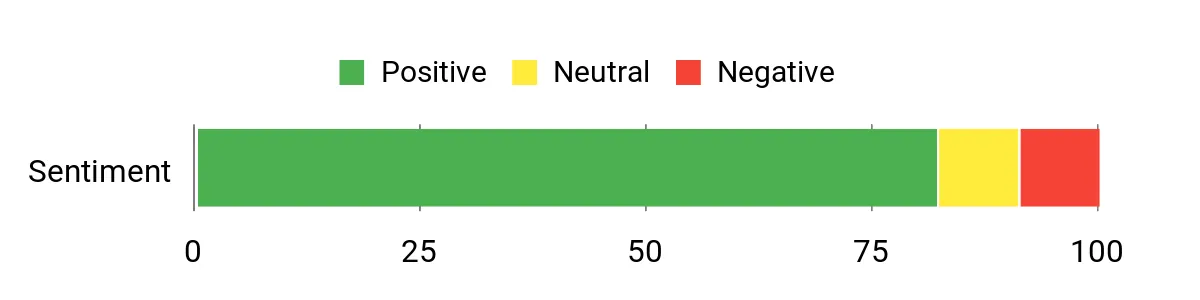
Buyers commonly praise how roomy the tent feels and how the divider creates useful privacy for families. People also like the ventilation from the mesh panels and say the rainfly kept them dry during typical spring showers, though a few mention occasional pole or zipper issues and recommend using a footprint and robust staking for rough sites.
Common feedback pattern: Mostly positive, with recurring cautions about setup practice, packed bulk, staking, and wet-weather preparation.
Setup Notes
Allow extra time for the first setup, follow the color-coded pole layout if supplied, and inspect poles, zippers, seams, stakes, and the rainfly during a home trial.
Key Benefits
- Generous interior space that fits mattresses and gear comfortably
- Double-layer plus full rainfly for improved wet-weather protection
- Four large mesh windows and mesh roof for strong ventilation
- Multiple doors and two rooms for flexible entry and privacy
- Color-coded poles and clip attachments simplify setup
You’ll love this if sleeping past sunrise and staying cool are priorities on your spring trips. The blackout fabric is designed to reduce morning light and limit heat buildup, while the dome shape and multiple vents give you airflow when you want it. The tent offers standing room, decent storage pockets and room dividers so you can carve out sleeping and living zones. It’s built for car camping and weekend getaways where comfort matters more than pack weight; bring a footprint and practice setup once so you aren’t wrestling with zippers or stakes at the campsite.
Who should buy this: Best for campers who want a darker sleeping area for late mornings, children’s naps, or bright festival grounds.
Who should avoid this: Avoid it when maximum ventilation with every panel closed or independently verified blackout specifications are essential.
What Buyers Commonly Mention
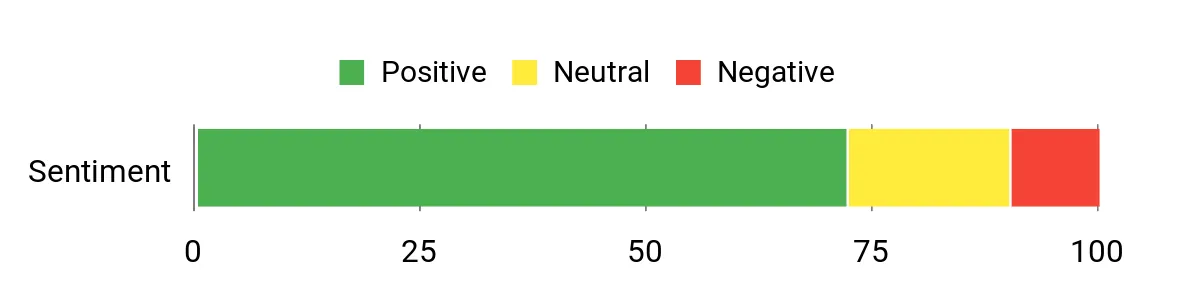
Most users praise the blackout effect and how much darker the interior stays compared with standard tents, which makes mornings more flexible. People also note the roomy feel and useful ventilation, though several mention the tent can get warm if all windows are closed and recommend using a fan or keeping a vent open. A few reviewers flagged seam or staking concerns and suggest practicing setup and adding a footprint.
Common feedback pattern: Mostly positive, with recurring cautions about setup practice, packed bulk, staking, and wet-weather preparation.
Setup Notes
Plan for a two-person practice pitch and test the ventilation plan before warm-weather use. Dark-room fabric does not eliminate the need for airflow.
Key Benefits
- Blocks most sunlight so you can sleep later
- Good headroom and interior layout for families
- Multiple vents and windows for airflow
- Full rainfly and taped seams for weather resistance
- Room dividers and pockets for organization
Before You Buy a Large Tent
- Measure your air mattresses or cots and compare their combined footprint with the tent floor.
- Check the campsite’s tent-pad dimensions; 14- to 18-foot shelters may not fit smaller pads.
- Confirm packed length and weight against your vehicle space and the distance from parking to camp.
- Verify the current listing’s rainfly, divider, stakes, poles, carry bag, warranty, and return terms.
- Practice a complete pitch, rainfly installation, guyline setup, and pack-down before departure.
- Never use fuel-burning heaters, grills, or stoves inside a tent because of fire and carbon-monoxide risk.
FAQ
Will a 9-Person Tent Really Fit My Group?
A tent rated for nine people usually means floor space for nine sleeping pads but not much elbow room, so plan around comfort rather than the number stamp. If you want to fit air mattresses, cots and some gear you should expect comfortable occupancy to be about half the rated number, or plan to use the tent for sleeping plus a separate gear shelter.
Look at interior layout and peak height so you can stand and change, and use the divider if you want a private sleeping area. Measure your mattresses and do a quick floorplan at home before you leave so you know how it will lay out at camp.
How Weatherproof Are These Large Tents?
Many family tents offer water resistance through a rainfly and taped seams, but performance varies by design and conditions. Models with full-coverage rainflies and higher water-resistance ratings will handle drizzle and typical spring storms well, while lighter fabrics and partial fly designs can struggle in prolonged heavy rain or sideways downpours.
You can improve protection by staking and tensioning the tent, using a ground tarp or footprint under the floor, sealing seams where recommended and avoiding low spots that collect water. Also keep vents or mesh panels open when possible to reduce condensation.
How Difficult Is Setup and Pack-Down?
Instant or pre-attached-frame tents may have manufacturer-stated pitch times of about two minutes, while large traditional-pole tents often require more time and coordination. Those claims usually describe raising the main body, not selecting the site, laying a footprint, staking corners, attaching a rainfly, tensioning guylines, or organizing the interior.
Practice at home, recruit a second person, photograph the completed pole layout, and let the tent dry before storage. Pack poles and stakes where they cannot puncture the fabric, and carry a basic repair sleeve, patch material, spare cord, and stronger stakes when appropriate.
How Much Campsite Space Does a 9- to 12-Person Tent Need?
Use the published floor dimensions as the minimum starting point, then allow extra room for guylines, doors, vestibules, and safe walking space. A 16-by-11-foot tent may need a substantially larger clear area once it is fully staked. Check campground pad dimensions before booking and avoid forcing a large tent onto vegetation, roots, drainage channels, or sloping ground.
What Should I Pack for Spring Break Tent Camping?
Bring a correctly sized footprint, extra stakes suited to the soil, a mallet, repair tape, a pole sleeve, spare cord, a small broom, absorbent towels, and a way to manage condensation. For warm destinations, prioritize shade and airflow; for cooler or storm-prone locations, bring suitable sleep systems and monitor the forecast rather than relying on the tent alone.
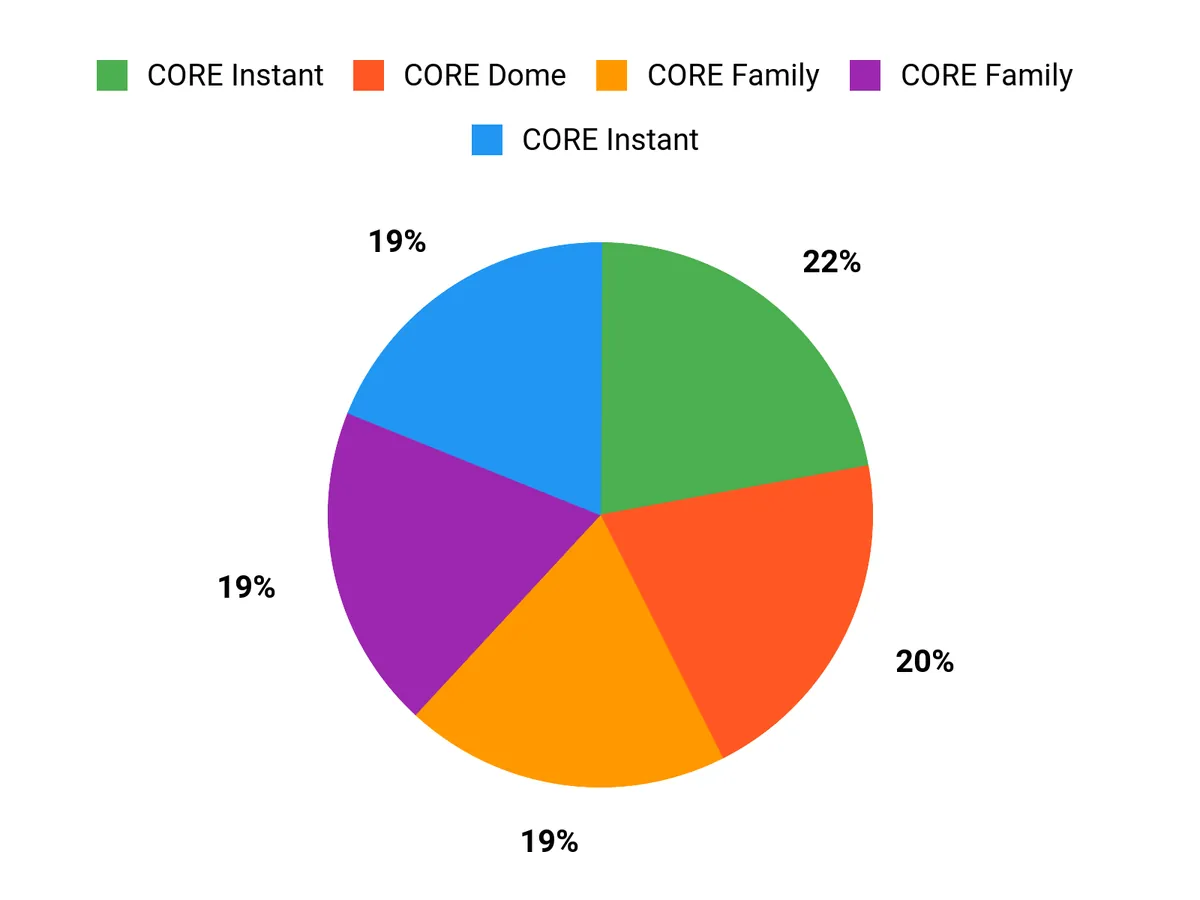
What Campers Prefer
Most buyers will decide between setup speed, weather coverage, sleeping comfort, and floor space. Choose the CORE 9-Person Instant Cabin Tent for the simplest arrival-day pitch, the CORE 9-Person Instant Cabin Tent with Full Rainfly when rain coverage is the priority, the CORE 9-Person Instant Cabin Tent with LED Lights when integrated lighting solves a real need, the CORE 10- or 12-Person Cabin Tent for tall family-friendly space, or the UNP 10-Person Family Tent for a roomy value-oriented layout.
Final Recommendation
For most vehicle-based spring break trips, the best tent is the one your group can pitch correctly, ventilate well, and fit on the reserved campsite. The CORE 9-Person Instant Cabin Tent is the clearest speed-first choice. Move to the full-rainfly CORE instant model when wet-weather coverage matters more, or choose the CORE 10- or 12-Person Cabin Tent when standing room and a family layout are the priorities.
The UNP, UNIHIMAL, and Vidalido options emphasize space and value, while the LED and blackout CORE models solve more specific comfort problems. Regardless of model, size the tent for people plus gear, verify current listing details, practice before travel, and use conservative judgment when wind or severe weather is forecast.
Selected Specifications at a Glance
These specifications are based on the provided listings and the current product pages that could be checked. Reconfirm the selected size and variant before ordering because Amazon listings can group multiple capacities under one page.
| Product Name | Image | Best For | Published Occupancy | Published Floor / Height | Setup Style |
|---|---|---|---|---|---|
| UNP 10-Person Family Tent |
 |
Roomy value | 10 person | 18 ft x 9 ft; 78 in peak | Traditional poles; listing states about 10 minutes with two people |
| CORE 12-Person Cabin Tent |
 |
Maximum floor space | 12 person | 16 ft x 11 ft; 86 in peak | Traditional cabin-tent pole setup |
| CORE 9-Person Instant Cabin Tent |
 |
Fast setup | 9 person | 14 ft x 9 ft; 78 in peak | Pre-attached frame; manufacturer states two minutes or less |
| Vidalido 8–10 Person Camping Tent |
 |
Flexible entry and privacy | 8–10 person listing claim | Approx. 157.4 x 110 x 76.7 in | Practice traditional/easy-setup pole layout before travel |
| CORE 9-Person Blackout Dome Tent |
 |
Darker sleeping area | 9 person listing claim | Confirm selected variant on Amazon | Traditional dome-tent setup; practice before travel |
Disclosure: As an Amazon Associate, we may earn from qualifying purchases.