Affiliate disclosure:. As an Amazon Associate I earn from qualifying purchases. This roundup is reader-supported. When you click an Amazon link, we may earn a commission from qualifying purchases at no extra cost to you.
Last updated: July 15, 2026
You want a freestanding backpacking tent that is easy to carry, quick to pitch, and dependable in cool or unsettled weather. This guide compares three lightweight options for shoulder-season camping, backpacking, bikepacking, and short cold-weather trips. The linked Naturehike Cloud-Up and OneTigris COSMITTO are 3-season tents, while the MC TOMOUNT is marketed as a 4-season model. None should be treated as an expedition shelter for exposed alpine sites, heavy snow loading, or severe winter storms.
Quick Verdict
- Naturehike Cloud-Up: Best for weight-conscious 3-season backpackers who want a compact freestanding shelter.
- OneTigris COSMITTO: Best for campers who value a roomier 3-season layout and a straightforward pitch.
- MC TOMOUNT: Best budget option here for colder trips because the linked listing describes it as a 4-season tent.
Top Picks
|
Category |
Product |
Best For |
|---|---|---|
|
🏆 Best Lightweight Pick |
3-season backpacking and bikepacking |
|
|
🎯 Best Roomy 3-Season Pick |
Comfort-focused solo or two-person trips |
|
|
💰 Best Budget Cold-Weather Pick |
Short approaches and cautious cold-weather use |
How We Chose These Tents
We compared the linked product listings and manufacturer information rather than claiming hands-on testing. The main factors were season designation, freestanding structure, listed weight, pole material, waterproofing claims, setup effort, ventilation, usable space, and packability. We also separated 3-season weather protection from true winter capability because a waterproof coating alone does not prove that a tent can safely handle heavy snow or exposed alpine wind.
Winter safety note: Check the exact season rating and selected variant before buying. For deep snow, high winds, remote winter travel, or exposed terrain, choose a purpose-built winter or mountaineering tent with a stronger pole structure and a documented snow-load-oriented design.
You’ll like the Cloud-Up if low weight and a small packed size matter more than generous interior space. Its freestanding structure is convenient when you need to adjust your pitch, while the full fly, taped construction, and included footprint make it a practical choice for normal rain and cool shoulder-season conditions.
The linked version is a 3-season tent, so it should not be presented as a severe-winter shelter. It is better suited to spring-through-fall backpacking, stable below-tree-line conditions, and trips where the forecast does not call for heavy snow or extreme wind.
Buyer Feedback Snapshot
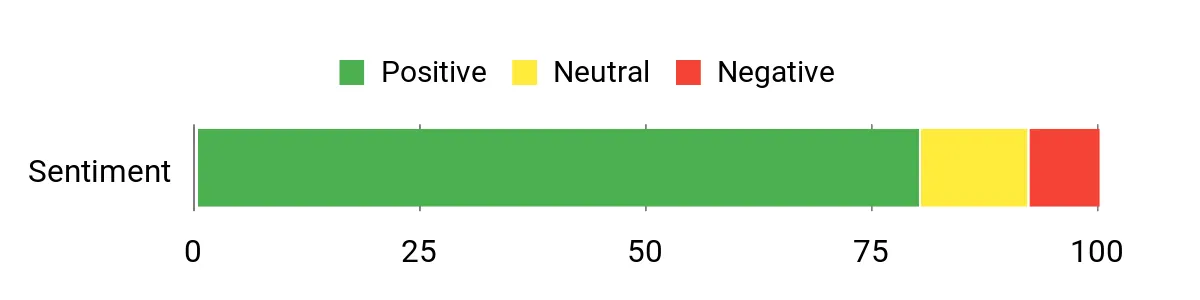
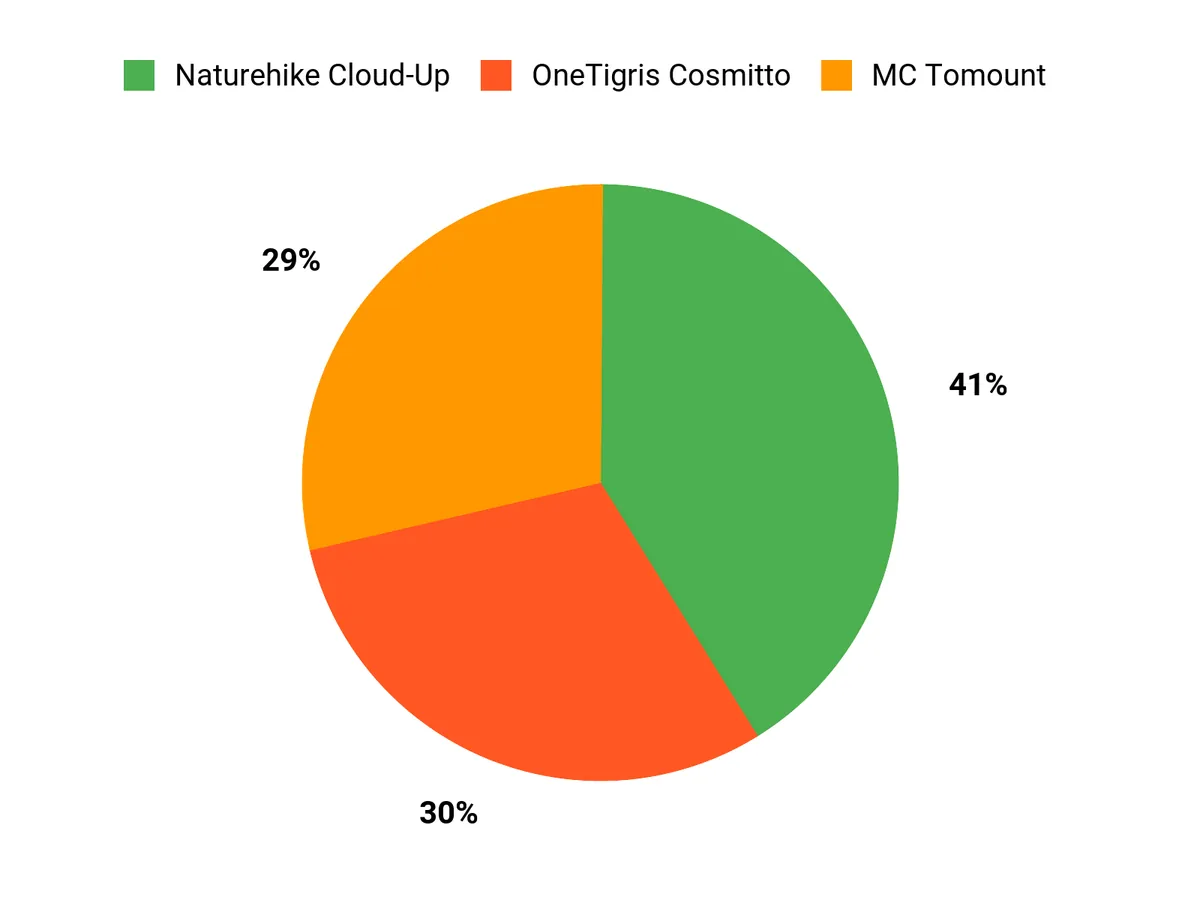
The source article’s sentiment graphic is retained below, but review patterns and counts can change. Read recent verified-purchase reviews on the linked listing, paying close attention to interior fit, condensation, zipper performance, and durability in repeated wet-weather use.
|
Pros |
Cons |
|---|---|
|
✅ Lighter than the other two linked tents |
❌ Linked version is rated for 3 seasons |
|
✅ Freestanding design with aluminum poles |
❌ Snug for two adults plus gear |
|
✅ Full fly and footprint included |
❌ One door and limited vestibule space |
|
✅ Compact choice for backpacking or bikepacking |
Best Uses
|
Situation |
How It Helps |
|---|---|
|
Solo Backpacking |
You get more room for gear without carrying a large or heavy shelter. |
|
Short Two-Person Trips |
You can split the load, but the interior will feel close with two full-size sleeping pads. |
|
Cool Shoulder-Season Camping |
The full fly helps block wind and rain when the weather is cool but not severe. |
|
Bikepacking |
The compact packed format is easier to divide between bags or mount on a bike. |
Usability
|
Feature |
Ease Level |
|---|---|
|
Basic Setup |
Easy |
|
Packing and Carrying |
Easy |
|
Pitching in Rain |
Moderate |
|
Managing Condensation |
Moderate |
Why You’ll Like It
- Lower listed weight for longer approaches
- Freestanding pitch that is easier to reposition
- Included footprint protects the tent floor
- Useful balance of packability, rain protection, and value
Who Should Buy This?
Choose the Cloud-Up if you mainly camp from spring through fall and want the lightest linked option. Skip it if your trips regularly involve heavy snow, severe wind, or exposed winter terrain.
The COSMITTO is the better fit when you want a more comfort-oriented shelter and can accept extra weight. Its dome-style freestanding frame is easy to understand, while the full fly, aluminum poles, and usable interior make it attractive for solo campers who want more space or pairs who pack carefully.
However, the linked model is clearly described as a 3-season tent. It can suit cool, wet, or windy shoulder-season trips when pitched and guyed properly, but it should not be marketed as a winter mountaineering shelter.
Buyer Feedback Snapshot
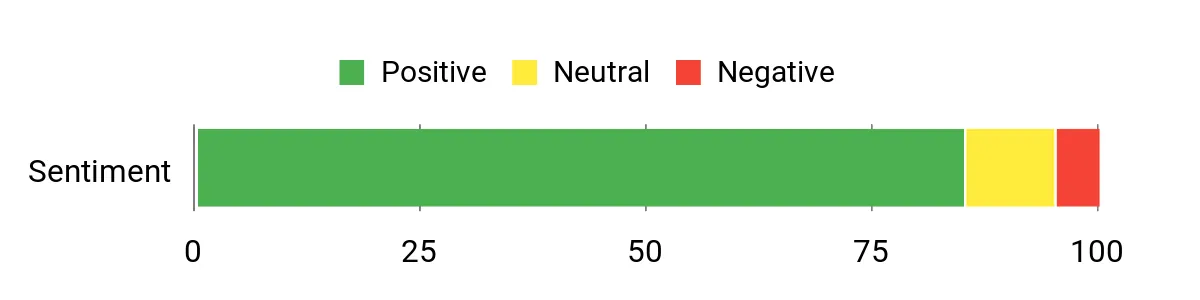
The source article’s sentiment graphic is retained below. Because reviews can change, check recent verified-purchase comments for updated information about real-world waterproofing, pole stability, interior width, and packed size.
|
Pros |
Cons |
|---|---|
|
✅ Freestanding dome-style structure |
❌ 3-season design, not a true winter tent |
|
✅ Roomier choice for solo camping |
❌ Heavier than the Cloud-Up |
|
✅ Aluminum poles and full rainfly |
❌ Waterproof rating may vary by version or listing |
|
✅ Straightforward setup for one person |
❌ Two campers must manage interior gear carefully |
Best Uses
|
Situation |
How It Helps |
|---|---|
|
Comfort-Focused Solo Camping |
You gain more sleeping and storage room than you would in a narrow one-person shelter. |
|
Two-Person Weekend Trips |
The two-person layout works when both campers keep bulky gear outside the sleeping area. |
|
Wet Shoulder-Season Weather |
The full fly and guy points help when you expect rain and moderate wind. |
|
Motorcycle or Bike Trips |
The shelter packs smaller than a car-camping tent while offering more livability than many minimalist models. |
Usability
|
Feature |
Ease Level |
|---|---|
|
Basic Setup |
Easy |
|
Fly Attachment |
Easy |
|
Packing Size |
Moderate |
|
Guyline Tensioning |
Moderate |
|
Carrying Weight |
Moderate |
Why You’ll Like It
- More livable solo space than a narrow ultralight tent
- Freestanding pole structure that is simple to understand
- Full-fly coverage for normal 3-season rain protection
- Useful middle ground between minimal weight and camping comfort
Who Should Buy This?
Choose the COSMITTO if you want a roomy solo shelter or a practical two-person 3-season tent. Avoid it for heavy snow, exposed alpine camps, or trips where every pound matters.
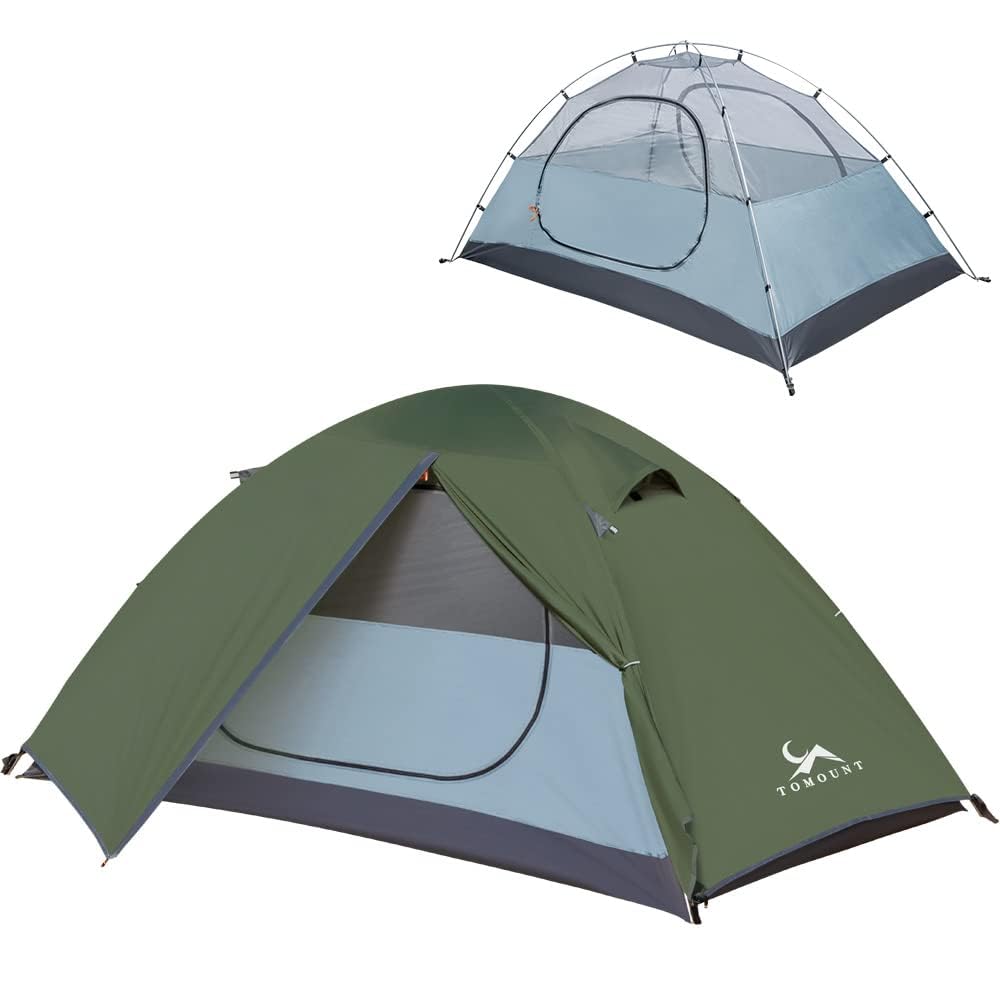
The MC TOMOUNT is the only linked tent that the current Amazon listing describes as 4-season. Its double-layer build, reinforced floor material, and aluminum poles make it the most relevant option here for colder trips, especially when your approach is short and you care more about value than minimum weight.
Still, a 4-season marketing label does not automatically make a tent suitable for expedition use or heavy snow loading. Treat this as a budget cold-weather shelter for cautious site selection and moderate conditions, not as a substitute for a purpose-built mountaineering tent.
Buyer Feedback Snapshot
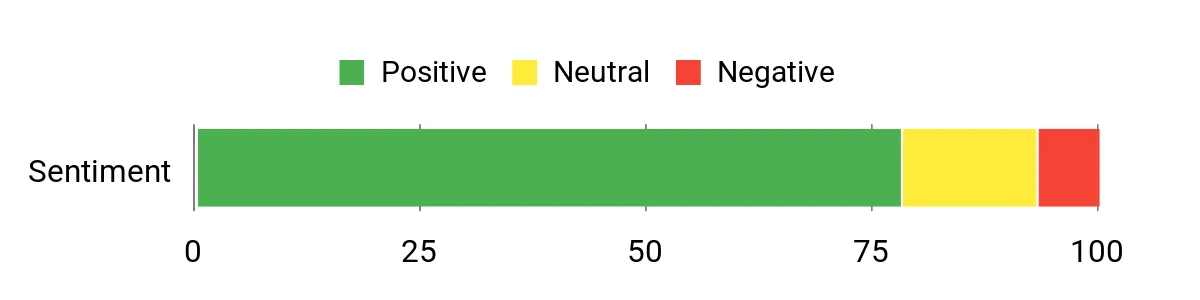
The source article’s sentiment graphic is retained below. Check current reviews for recent comments about zipper durability, pole fit, ventilation, setup time, and performance in prolonged rain or cold conditions.
|
Pros |
Cons |
|---|---|
|
✅ Linked listing describes it as a 4-season tent |
❌ Not documented as an expedition or high-snow-load shelter |
|
✅ Aluminum poles and double-layer construction |
❌ Setup takes longer than the other two picks |
|
✅ Reinforced floor material for rougher campsites |
❌ Heavier than the Cloud-Up |
|
✅ Practical value for short approaches or vehicle-supported trips |
❌ Current offer availability may vary |
Best Uses
|
Situation |
How It Helps |
|---|---|
|
Short Cold-Weather Trips |
The 4-season positioning makes it the most relevant cold-weather option in this group. |
|
Vehicle-Supported Camping |
You can prioritize sturdier materials without worrying as much about carrying every ounce. |
|
Weekend Backpacking |
The roughly 5-pound weight is manageable for shorter approaches when divided between two people. |
|
Beginner Cold-Weather Camping |
The familiar freestanding format is easier to learn than a specialized expedition shelter, provided conditions stay moderate. |
Usability
|
Feature |
Ease Level |
|---|---|
|
Basic Setup |
Moderate |
|
Packing Size |
Moderate |
|
Weatherproofing Preparation |
Moderate |
|
Field Repairs |
Moderate |
Why You’ll Like It
- Only linked option marketed as a 4-season tent
- Double-layer construction with aluminum poles
- Reinforced floor fabric for damp or rough ground
- Better suited to short approaches than long ultralight routes
Who Should Buy This?
Choose the MC TOMOUNT if you want the most cold-weather-oriented option in this roundup and can accept a slower setup. Skip it for exposed alpine travel, deep snow, or situations where you need a proven expedition shelter.
Check Current Amazon Availability
Before You Buy: 3-Season vs. 4-Season
|
Check |
Why It Matters |
What to Look For |
|---|---|---|
|
Season Rating |
A 3-season tent is not designed around heavy snow or severe winter wind. |
Match the rating to your worst expected conditions, not your average forecast. |
|
Pole Structure |
More supportive pole geometry generally handles wind and snow pressure better. |
Look for strong aluminum poles, multiple intersections, and useful guy points. |
|
Ventilation |
Cold weather creates condensation when warm, moist air meets cold fabric. |
Choose adjustable vents and keep airflow open when conditions allow. |
|
Weight and Packed Size |
Extra structure and stronger fabric usually increase carry weight. |
Balance protection against the distance and elevation of your approach. |
|
Exact Variant |
Size, fabric, waterproof rating, and included accessories can change by color or version. |
Confirm the selected Amazon variant before checkout. |
FAQ
Are All Three Tents True Winter Tents?
No. The linked Naturehike Cloud-Up and OneTigris COSMITTO are listed as 3-season tents. The linked MC TOMOUNT is marketed as a 4-season model, but its label alone does not prove expedition-level strength or heavy-snow capability.
Can You Use a 3-Season Tent Below Freezing?
You may use a 3-season tent in cold, stable, sheltered conditions if the forecast is mild and you have an appropriate sleep system. Avoid relying on one when accumulating snow, strong wind, exposed terrain, or a difficult retreat could turn a gear limitation into a safety problem.
Are These Tents Comfortable for Two People?
Each model is sold for up to two people, but two full-size pads will leave limited room for gear. Solo campers will find them more spacious. Pairs should check floor dimensions on the selected listing and plan to store packs in the vestibule or outside the sleeping area.
What Matters More Than a Waterproof Rating?
Waterproof coating matters, but seam construction, fly coverage, floor design, pole geometry, guyline placement, site selection, and ventilation also affect real-world performance. A high waterproof number does not turn a 3-season tent into a winter mountaineering shelter.
How Should You Pitch and Care for These Tents?
Use the footprint when included, stake every corner, tension the fly evenly, and use guylines before the weather worsens. Keep vents open enough to manage condensation, brush dirt from zippers, repair small tears early, and dry the tent fully before storage.
What Campers Prefer
Your best choice depends on the conditions you actually expect. Pick the Naturehike Cloud-Up when lower weight and compact packing matter most. Choose the OneTigris COSMITTO when you want more 3-season living space and a straightforward freestanding pitch. Select the MC TOMOUNT when you want the only 4-season-labeled option in this group for cautious cold-weather use and shorter approaches.
Wrapping Up
The Naturehike Cloud-Up is the strongest fit for weight-conscious 3-season backpacking. The OneTigris COSMITTO gives you more comfort and room at a higher carry weight. The MC TOMOUNT is the most relevant option for cold-weather trips because its linked listing calls it a 4-season tent, but you should still avoid treating it as an expedition shelter.
Match the tent to the worst weather you expect, verify the exact Amazon variant, and choose a more specialized shelter when snow loading, severe wind, or remote winter travel is part of the plan.
| Naturehike Cloud-Up 2 Person Tent | OneTigris COSMITTO 2 Person Tent | MC TOMOUNT Backpacking Tent | |
|---|---|---|---|
 |
 |
 |
|
| Season Designation | 3 season | 3 season | 4 season, according to the linked listing |
| Listed Weight | 4.6 lbs | About 5.1 lbs | About 5 lbs |
| Water Resistance | 3000 mm | 1500 mm on the linked Amazon version | PU 3000 mm claim |
| Setup | Quick freestanding pitch | Quick freestanding pitch | About 10–15 minutes, according to the listing |
| Best For | Lightweight 3-season backpacking | Roomier 3-season solo or pair use | Budget cold-weather and short-approach trips |
| Main Limitation | Not a true winter tent | Not a true winter tent and relatively heavy | Not proven for expedition conditions or heavy snow loads |
| Check Price on Amazon | Check Price on Amazon | Check Current Amazon Availability |