Lightweight backpacking tents can work well in cold, wet, and shoulder-season conditions, but not every lightweight tent is a true winter shelter. Most of the tents in this guide are designed primarily for three-season backpacking, while one option is marketed for four-season use.
Use these picks to compare packability, interior space, waterproofing, setup, and cold-weather practicality. If your route involves deep snow, exposed alpine terrain, sustained high winds, or a serious winter storm forecast, choose a purpose-built four-season shelter rather than relying on a three-season tent simply because it has a high waterproof rating.
Cold-weather note: Waterproof fabric, extra guylines, stronger stakes, and a footprint can improve how a tent performs when properly pitched, but they do not change a three-season tent into a structural four-season mountaineering shelter.
Affiliate disclosure:. As an Amazon Associate I earn from qualifying purchases. This roundup is reader-supported. When you click qualifying Amazon links, we may earn a referral commission at no additional cost to you.
Top Picks
| Best For | Product | Season Positioning |
|---|---|---|
| ❄️ Colder-season potential | MC TOMOUNT 2-Person Tent | Marketed as 4-season |
| 🏆 Premium livability | Big Agnes Copper Spur HV UL 3P | 3-season / shoulder-season |
| ⚖️ Balanced two-person setup | Naturehike Mongar UL 2 | 3-season |
| 🎒 Compact freestanding design | Naturehike Cloud-Up 2 | 3-season |
| 🎯 Budget solo trips | Clostnature 1P | 3-season |
| 💰 Roomy budget two-person use | Clostnature 2P | 3-season |
| ⚡ Straightforward setup | CANTUO 2P | 3-season |
| 👪 Shared three-person space | Clostnature 3P | 3-season-oriented |
How We Chose
We compared the listed tents on packed weight, capacity, shelter design, waterproofing information, pole structure, ventilation, vestibule space, setup style, and the type of weather each tent is intended to handle.
For colder trips, the most important distinction is the tent’s intended season rating. A lightweight three-season shelter may be reasonable for cool shoulder-season weather or carefully planned low-snow trips, but it should not be treated as equivalent to a purpose-built winter or mountaineering tent.
We also considered practical buyer concerns such as whether a solo hiker needs extra gear space, whether a tent’s weight makes sense for its capacity, how much covered vestibule storage is available, and whether the shelter is easier to pitch when the weather turns poor.
For genuinely colder conditions, start by examining the MC TOMOUNT because it is the only retained option marketed as a four-season tent. For normal three-season backpacking and milder shoulder-season trips, the Big Agnes Copper Spur, Naturehike Mongar, and Naturehike Cloud-Up offer more conventional lightweight backpacking designs. Budget-focused hikers can compare the Clostnature and CANTUO options.
The Clostnature 2-person tent is better described as a practical lightweight backpacking shelter than a cutting-edge ultralight tent. Its roughly 5-plus-pound class weight is noticeable for one hiker, but the load becomes more reasonable when split between two people.
The full fly, PU-coated polyester and bathtub-style floor target wet-weather protection, while the two-door layout makes it easier for two campers to enter without crawling over each other. The vestibules also keep boots and smaller packs outside the sleeping area.
Best for: Budget-conscious pairs, weekend backpacking and general three-season camping.
Avoid if: You need a true ultralight shelter or expect significant snow loading and exposed winter storms.
When To Use It
|
Situation |
How It Helps |
|---|---|
|
Two-person weekend backpacking |
Two doors and vestibules make shared use easier while letting you keep wet footwear outside the sleeping area. |
|
Rainy three-season trips |
The coated fly and bathtub-style floor are designed to provide protection when the shelter is correctly pitched and maintained. |
|
Car camping or short approaches |
The roomier interior matters more than shaving every possible ounce. |
Durability
The tent uses PU-coated polyester with aluminum poles. A suitable groundsheet or footprint can reduce abrasion on rough sites, and every tent should be fully dried before long-term storage.
Why You’ll Like It
- Two doors reduce traffic problems for two sleepers
- Two vestibules provide covered gear space
- Freestanding pole structure simplifies campsite selection
- PU-coated fabric targets wet-weather protection
- Roomier than many minimalist two-person shelters
Check Product Details on Amazon

If you prefer a dedicated solo shelter rather than carrying unused two-person space, the Clostnature 1P gives you a straightforward freestanding layout with a modest vestibule and mesh-heavy inner.
It is primarily a three-season option. The waterproof coating helps address rain, but the season rating and mesh construction matter more than hydrostatic-head numbers when evaluating winter suitability.
Best for: Solo camping, bikepacking and budget backpacking in ordinary three-season weather.
Avoid if: You are tall and need generous headroom, or your route involves meaningful snow accumulation or severe winter wind.
When To Use It
|
Situation |
How It Helps |
|---|---|
|
Solo overnight backpacking |
You carry only the capacity you need while keeping setup straightforward. |
|
Bikepacking or motorcycle trips |
The smaller shelter format is easier to fit into luggage than many multi-person tents. |
|
Rainy three-season camping |
The coated fly and bathtub-style floor are designed for wet-weather protection when correctly pitched. |
Durability
Lightweight floors and stakes benefit from careful campsite selection. A groundsheet can help reduce abrasion on sharp or gritty ground.
Why You’ll Like It
- Dedicated solo footprint
- Freestanding aluminum-pole setup
- Vestibule keeps footwear outside the sleeping area
- Mesh inner promotes airflow in warmer conditions
- Useful budget choice for non-extreme trips
Check Product Details on Amazon
The Copper Spur is aimed at backpackers who want low weight without giving up as much interior comfort as a minimalist shelter. Its high-volume pole geometry, usable headroom, two doors and two vestibules make it especially appealing when several people are sharing the tent.
This is a three-season design, not a heavy-snow mountaineering shelter. It makes more sense for regular backpacking and moderate shoulder-season conditions than for exposed winter camps where structural snow loading is a central concern.
Best for: Backpackers who prioritize livability, organized storage and premium three-season performance.
Avoid if: Your main requirement is a true four-season alpine tent.
When To Use It
|
Situation |
How It Helps |
|---|---|
|
Two or three-person backpacking |
The larger interior and dual vestibules make shared living and gear management easier. |
|
Solo trips when comfort matters |
Extra interior room provides space for equipment without making the shelter feel cramped. |
|
Shoulder-season trips |
A full-coverage fly and freestanding frame suit cool, wet backpacking when severe winter loading is not expected. |
Durability
Ultralight materials require normal care. Use a suitable footprint where abrasion is likely, tension the fly correctly, and avoid unnecessary prolonged UV exposure.
Why You’ll Like It
- High-volume interior with useful headroom
- Freestanding structure
- Two doors and two vestibules
- Good gear-organization potential
- Premium backpacking-focused construction
Check Product Details on Amazon
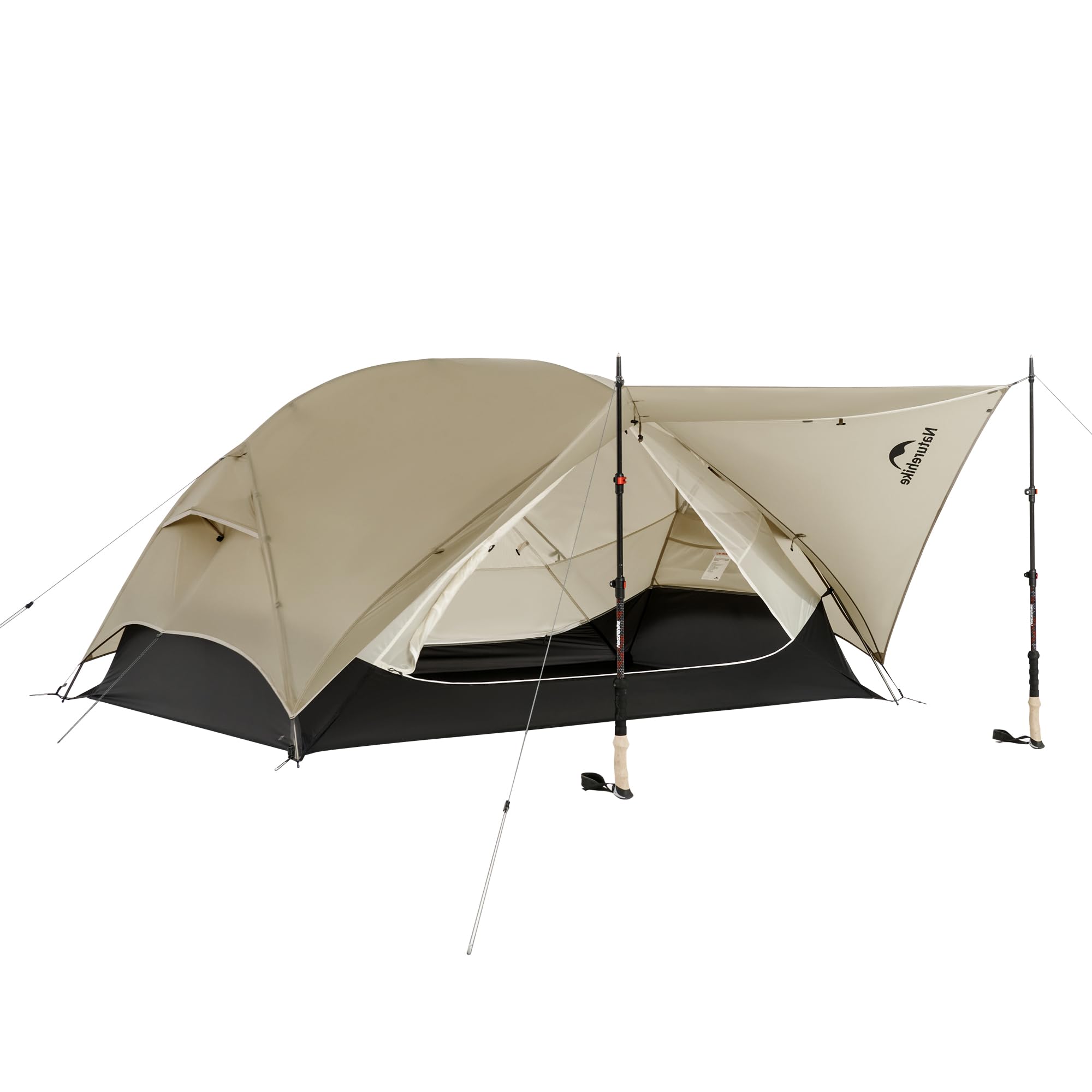
The Mongar UL is a good fit when you want a conventional freestanding two-person shelter but still care about keeping the load relatively low. Two doors, usable internal storage and an awning option improve livability compared with more stripped-down shelters.
Naturehike classifies the Mongar UL as a three-season tent. That makes it a better match for spring, summer, fall and carefully planned shoulder-season trips than for heavy snow or exposed winter mountaineering.
Best for: Solo hikers wanting extra room or pairs looking for a lighter three-season tent.
Avoid if: You specifically need a tent designed around heavy snow loading or severe alpine wind.
When To Use It
|
Situation |
How It Helps |
|---|---|
|
Solo backpacking with extra gear |
The two-person interior gives one hiker useful room for equipment and changing clothes. |
|
Two-person backpacking |
Dual-door access reduces disturbance when sharing the shelter. |
|
Wet shoulder-season trips |
The rainfly, footprint and vestibule system help separate wet equipment from sleeping space. |
Durability
Thin lightweight fabrics should be protected from abrasive ground and careless packing. The included footprint is useful where the campsite surface is rough.
Why You’ll Like It
- Relatively low weight for its usable interior
- Two doors improve access
- Expandable awning adds covered space
- Included footprint
- Freestanding setup simplifies pitching
- Good ventilation for ordinary three-season use
Check Product Details on Amazon
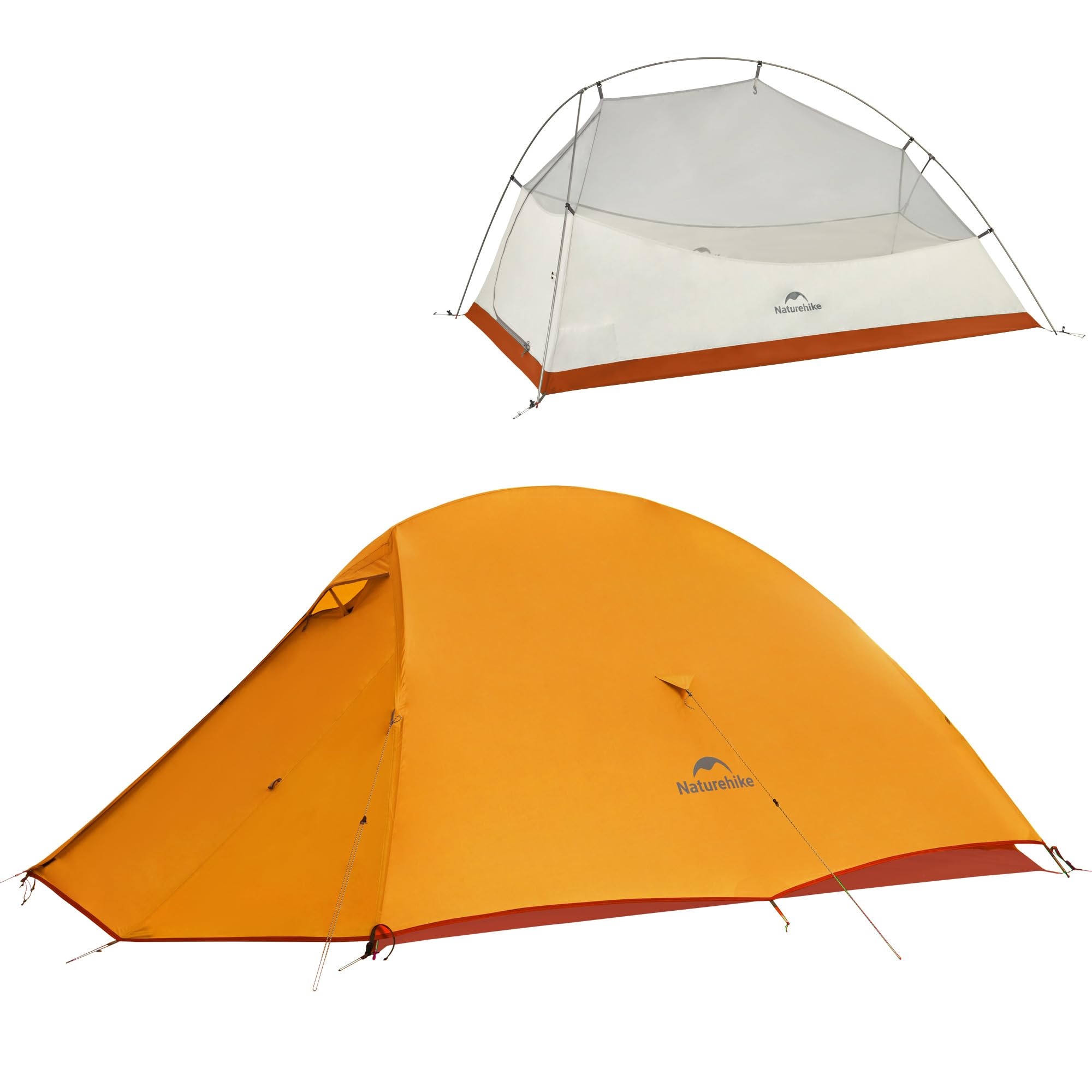
The Cloud-Up 2 is useful for backpackers who prefer a compact freestanding shelter instead of a trekking-pole design. It works particularly well as a roomy solo tent, while two adults should pay close attention to floor dimensions and the single-door layout before buying.
Cloud-Up backpacking models are primarily three-season shelters. Treat this as a rain- and wind-conscious backpacking tent rather than as a substitute for a purpose-built severe-winter tent.
Best for: Solo backpackers wanting extra room, bikepacking and ordinary two-person three-season use.
Avoid if: You want dual side doors or need structural protection for significant winter snow.
When To Use It
|
Situation |
How It Helps |
|---|---|
|
Solo backpacking |
One person gets extra sleeping and gear space while retaining a relatively compact shelter. |
|
Bikepacking |
The freestanding design and compact packed format simplify overnight stops. |
|
Three-season rain |
The coated fly, taped construction and footprint help manage wet ground and rainfall when properly pitched. |
Durability
Use the footprint on rough terrain and keep the fly correctly tensioned. Lightweight fabrics can last well when protected from abrasion, prolonged UV exposure and storage while damp.
Why You’ll Like It
- Compact freestanding format
- Useful size for one person plus gear
- Included footprint
- Aluminum pole structure
- Mesh inner improves ventilation
- Front vestibule provides covered storage
Check Product Details on Amazon
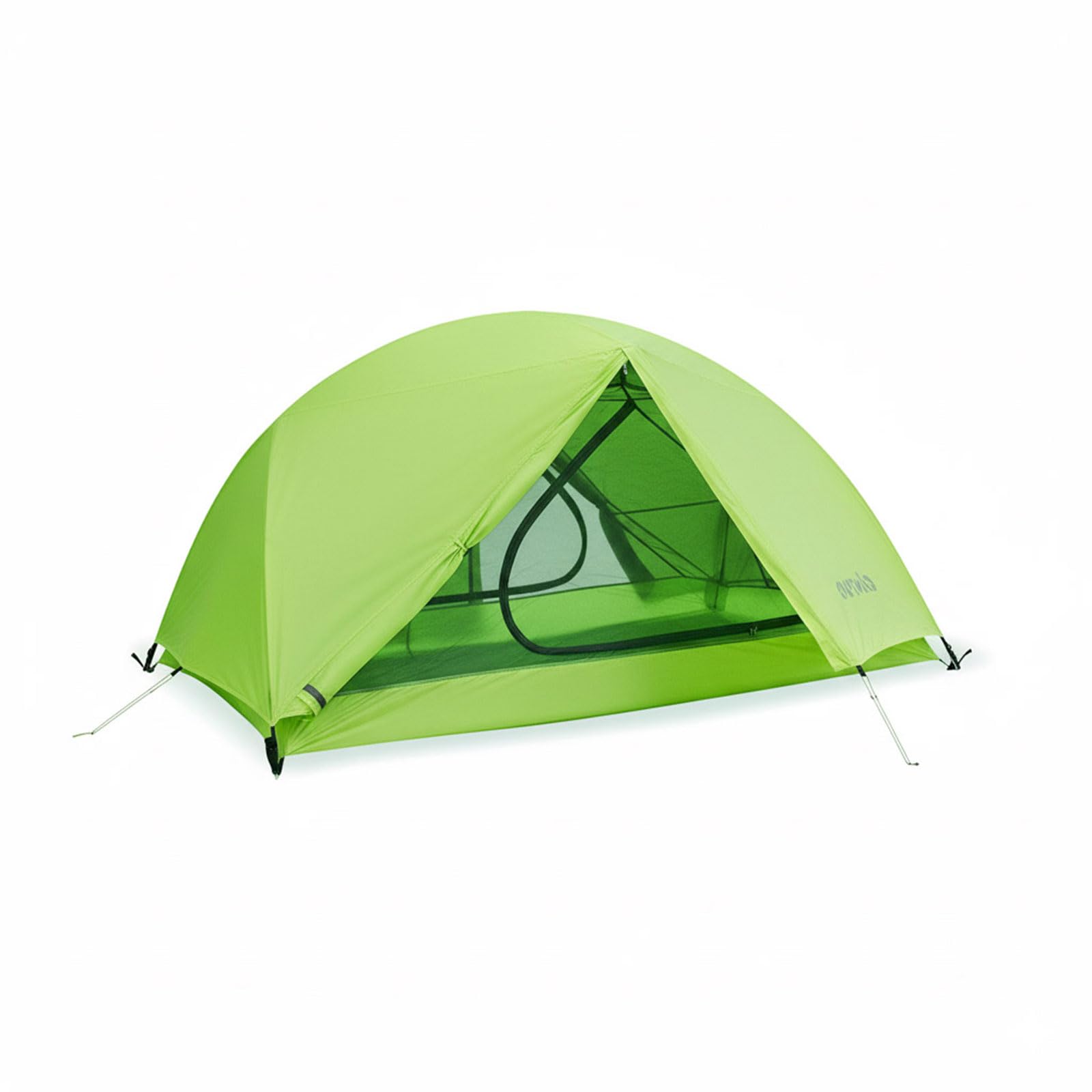
The CANTUO is aimed at buyers who want a relatively light two-person shelter with straightforward pole construction and strong listed waterproofing without moving into premium-tent pricing.
It remains a three-season design. A high waterproof rating describes water resistance of the material; it does not by itself establish heavy-snow or alpine-wind capability.
Best for: General backpacking, bikepacking and value-focused three-season camping.
Avoid if: You require a tent specifically engineered for major winter storms.
When To Use It
|
Situation |
How It Helps |
|---|---|
|
Weekend backpacking |
The two-person capacity balances usable sleeping space with manageable packed weight. |
|
Bikepacking |
A compact shelter is easier to divide among limited luggage. |
|
Wet three-season conditions |
Coated nylon and taped construction target rain protection when the tent is pitched correctly. |
Durability
The 20D fabric keeps weight down but deserves careful treatment. Use a footprint where appropriate and avoid dragging the tent across rock or abrasive soil.
Why You’ll Like It
- Reasonable packed weight for two-person capacity
- PU5000mm-rated fabric on the listing
- Aluminum pole construction
- Ventilated double-layer layout
- Suitable for common backpacking and bikepacking use
Check Product Details on Amazon
At roughly the six-pound class, the Clostnature 3P should not be described as an ultralight three-person tent by modern backpacking standards. Its value is space and affordability rather than absolute minimum weight.
For a small group, however, shelter components can be divided among hikers, making the effective weight per person more manageable. The two-door layout is also useful when several campers share the same tent.
Best for: Small groups, couples wanting generous interior space and trips where several hikers can divide the shelter load.
Avoid if: One person must carry the full shelter for long distances or severe winter weather is expected.
When To Use It
|
Situation |
How It Helps |
|---|---|
|
Three-person backpacking |
Weight can be divided between hikers while everyone benefits from the larger sleeping area. |
|
Two people with extra gear |
The larger floor provides more space for packs and bulky sleeping systems. |
|
Rainy three-season trips |
The full fly and coated fabric provide weather protection when correctly maintained and pitched. |
Durability
Polyester construction is less delicate than some very low-denier ultralight materials, but the floor should still be protected from sharp ground and stored completely dry.
Why You’ll Like It
- Generous three-person interior
- Two-door layout
- PU5000-coated fabric
- Freestanding aluminum-pole setup
- Good option when shelter weight can be split between hikers
Check Product Details on Amazon

Among the retained products, the MC TOMOUNT is the closest match for shoppers specifically looking beyond standard three-season backpacking tents because the current listing markets it as a four-season shelter.
That does not mean the tent should automatically be treated as an expedition or alpine-mountaineering shelter. “Four season” covers a broad range of designs, so compare pole structure, fabric coverage, ventilation, guy points and expected snow or wind conditions before taking any lightweight tent into severe winter weather.
Best for: Buyers who want a colder-weather-oriented backpacking option and understand the limits of lightweight four-season designs.
Avoid if: You require a proven expedition shelter for heavy snow loading, prolonged storms or exposed high-altitude camps.
When To Use It
|
Situation |
How It Helps |
|---|---|
|
Cold shoulder-season backpacking |
The more enclosed four-season-oriented design can make more sense than mesh-heavy summer shelters. |
|
Solo use with extra gear |
A two-person footprint gives one camper room for a larger cold-weather sleeping system and equipment. |
|
Bike or motorcycle camping |
The tent remains compact enough for trips where packed volume matters. |
Durability
The tent uses lightweight nylon and aluminum poles, so careful site selection still matters. Protect the floor from abrasive surfaces, use all appropriate guy points when conditions warrant, and inspect poles, seams and fabric before trips where shelter failure would have serious consequences.
Why You’ll Like It
- Marketed as a four-season backpacking design
- Two-person space works well for one camper plus winter gear
- Aluminum pole structure
- PU3000mm-rated fabric on the listing
- Two-door layout improves access and ventilation options
- More cold-weather-oriented than the three-season tents in this roundup
Check Product Details on Amazon
FAQ
Are Lightweight 3-Season Tents Suitable For Winter Backpacking?
Sometimes, but only when the conditions fit the shelter. A three-season tent is primarily designed for spring, summer and fall. Mild cold weather at a protected campsite is very different from exposed alpine terrain, strong winter wind or significant overnight snowfall.
If meaningful snow accumulation, severe wind or prolonged winter storms are possible, choose a purpose-built four-season shelter appropriate for those conditions. Extra stakes and guylines can improve a pitch, but they do not change the structural design or season rating of the tent.
What Is The Difference Between A 3-Season And 4-Season Backpacking Tent?
Three-season tents generally emphasize low weight, airflow and protection from rain and moderate wind. They commonly use larger mesh areas to improve ventilation.
Four-season tents generally use stronger or more supportive structures, greater fabric coverage and designs intended for colder temperatures, stronger wind and potential snow. There is still a large difference between a lightweight four-season backpacking tent and a true expedition mountaineering shelter, so the label alone should not determine your choice.
Does A High Waterproof Rating Mean A Tent Is Good For Snow?
No. Waterproof ratings describe resistance to water penetration in a fabric or coating. Snow performance also depends on pole geometry, structural strength, guy points, fly shape, fabric coverage, pitching quality and the amount and type of snow accumulating on the shelter.
How Much Tent Weight Is Reasonable For Backpacking?
There is no single ideal number because capacity matters. A four-pound two-person tent may feel heavy to one solo hiker but reasonable when divided between two people. A six-pound three-person tent can also become more manageable if poles, fly and tent body are split between several hikers.
Compare total packed weight with the number of people using the tent instead of relying only on words such as “ultralight.”
How Can You Reduce Condensation In Cold Weather?
Use available vents, keep wet gear out of the sleeping area when practical, tension the fly correctly so air can move between layers, and avoid blocking ventilation in an attempt to make the tent warmer. Your sleeping bag, clothing and sleeping pad provide most of your insulation; the tent primarily provides shelter from precipitation and wind.
What Should You Check Before Taking A Tent Into Cold Conditions?
Inspect poles, clips, seams, zippers, guylines and stakes before leaving home. Practice pitching the tent with cold hands or gloves, understand how every vent works, carry suitable repair materials and check the forecast and campsite exposure. Your shelter choice should match the worst reasonable conditions on the route, not only the expected average temperature.
Wrapping Up
The right tent depends on the weather you actually expect. If you are backpacking during spring, summer, fall or mild shoulder-season conditions, the Big Agnes Copper Spur, Naturehike Mongar, Naturehike Cloud-Up, CANTUO and Clostnature tents give you several combinations of capacity, weight and price.
If colder-season capability is the priority, the MC TOMOUNT deserves closer attention because it is marketed as a four-season design. Even then, match the shelter to the route, wind exposure and possible snow load rather than relying only on a season label.
Before buying, compare floor dimensions, peak height, doors, vestibule space, packed weight, ventilation and intended season. Those details will tell you much more about how a tent fits your trip than an unsupported score or a changing review count.
Quick Comparison
| Product | Image | Approx. Listed Weight | Season Positioning | Water Resistance | Occupancy | Best For |
|---|---|---|---|---|---|---|
| Clostnature Lightweight Backpacking Tent 2 Person |
 |
About 5.4 lb | 3 Season | PU 5000mm | 2 Person | Budget pairs and roomy weekend use |
| Clostnature Lightweight Tent for Backpacking 1 Person |
 |
About 4.2 lb | 3 Season | PU 5000mm | 1 Person | Budget solo camping |
| Big Agnes Copper Spur HV UL 3P |
 |
About 4 lb class depending on configuration | 3 Season | Waterproof rainfly/floor system | 3 Person | Premium livability |
| Naturehike Mongar UL 2 Person |
 |
About 4 lb class packed | 3 Season | Silicone-coated waterproof nylon | 2 Person | Balanced weight and interior space |
| Naturehike Cloud-Up 2 Person |
 |
About 4.3 lb on this listing | 3 Season | PU 3000mm | 2 Person | Compact freestanding use |
| CANTUO 2 Person Backpacking Tent |
 |
About 4.1 lb | 3 Season | PU 5000mm | 2 Person | Value-focused backpacking |
| Clostnature 3-Person Tent |
 |
About 6.4 lb | 3 Season-oriented | PU 5000mm | 3 Person | Group use and shared loads |
| MC TOMOUNT Backpacking Tent |
 |
About 4.4 lb | Marketed as 4 Season | PU 3000mm | 2 Person | Colder-season backpacking potential |
This Roundup is reader-supported. When you click through links we may earn a referral commission on qualifying purchases.