Cold-weather backpacking demands more from a shelter than an ordinary summer trip. The right tent should help block wind and precipitation, provide enough room for your sleeping system and wet gear, and remain manageable to carry when every extra pound matters.
This guide compares four winter-oriented backpacking tents for shoulder seasons, protected campsites, and moderate cold-weather trips. It focuses on weather-resistant construction, packed weight, usable space, ventilation, setup, and practical limitations so you can choose a shelter that fits your route rather than relying on a “4-season” label alone.
Disclosure: This article contains Amazon affiliate links. We may earn a commission from qualifying purchases at no additional cost to you. As an Amazon Associate I earn from qualifying purchases.
Quick Verdict
Choose the Underwood 2P for the best overall balance of two-person floor space, a PU5000mm-listed rainfly, and manageable packed weight. Choose the Underwood 1P when solo packability matters most. Choose the BISINNA 2P when you prefer two doors and a roll-up snow skirt, and do not mind carrying more weight. Choose the ShinHye 2P when fast setup and two-door access are your priorities.
Important: These are budget-friendly, winter-oriented backpacking tents rather than verified expedition shelters. Do not rely on them for severe alpine storms or heavy snow loading without independently confirmed structural specifications.
Top Picks
|
Category |
Product |
Key Reason |
|---|---|---|
|
🏆 Best Overall |
Wide two-person floor, PU5000mm-listed coating, and a useful vestibule without being the heaviest option. |
|
|
🎯 Best Solo Shelter |
Narrow solo footprint and approximately four-pound listed weight for backpackers who do not need two-person width. |
|
|
⭐ Best Snow-Skirt Design |
Roll-up snow skirt, two doors, and generous width for buyers willing to carry additional weight. |
|
|
🚀 Best Fast Setup |
Manufacturer-listed three-minute assembly, two doors, and PU5000mm-listed weather protection. |
How We Chose
We compared each tent by its listed capacity, floor dimensions, approximate packed weight, rainfly coverage, waterproof coating, pole material, door and vestibule layout, ventilation, snow-oriented features, and setup design.
We also considered how clearly each model fits a real buyer. A solo backpacker may benefit more from lower weight and a narrow footprint, while two campers may prefer extra width, two doors, or a snow skirt even when those features increase packed weight.
Manufacturer waterproof ratings and “4-season” labels were treated as comparison points rather than guarantees. Actual performance depends on pitching, site exposure, seam construction, ventilation, wind direction, snowfall, maintenance, and the condition of the tent.
Winter Safety Note
Never operate a fuel-burning stove, lantern, or heater inside a tent or enclosed vestibule. Fire and carbon-monoxide hazards can develop quickly. Clear accumulating snow from the shelter, use every appropriate guy-out point, and leave exposed campsites when conditions exceed the tent’s verified capabilities.
Before You Buy a Winter Backpacking Tent
- Match the shelter to the forecast: Moderate winter camping and severe alpine travel require very different structures.
- Check the selected variation: Shared Amazon listings may show different dimensions, weights, colors, or capacities.
- Compare total packed weight: Include stakes, poles, rainfly, footprint, repair items, and upgraded anchors.
- Measure your sleep system: Confirm that your pad, winter bag, and expected gear fit within the listed floor dimensions.
- Evaluate ventilation: A snow skirt can reduce drafts, but vents and correct fly spacing remain important for condensation control.
- Inspect structural details: Look for useful guy-out points, secure pole connections, reinforced corners, and enough stakes for the intended ground.
- Use a footprint: A correctly sized groundsheet can reduce abrasion and help protect the floor from wet or frozen terrain.
The Underwood 2P is the most balanced choice in this group for campers who want a genuinely wider sleeping area without moving to the heaviest tent. Its listed 59.1-inch floor width is far more practical for two pads than the narrow one-person version, while the vestibule provides covered storage for boots and packed gear.
The manufacturer-listed PU5000mm coating and aluminum poles make it a plausible option for rain, wind, and light-to-moderate snow when it is pitched carefully. At approximately 5.7 pounds, however, it is better described as a durable budget backpacking tent than an ultralight shelter.
Best For
Couples who accept close quarters, solo campers who want extra room, and cold-weather backpackers seeking a balance of floor space, weather-oriented construction, and moderate packed weight.
Why You’ll Like It
- Wider floor than the retained solo model
- PU5000mm-listed rainfly coating
- Freestanding aluminum-pole structure
- Vestibule for wet boots and protected gear storage
Consider Another Tent If
You need an ultralight shelter, generous living space for two large adults, or a tent with published expedition-level wind and snow-load specifications.
What People Say
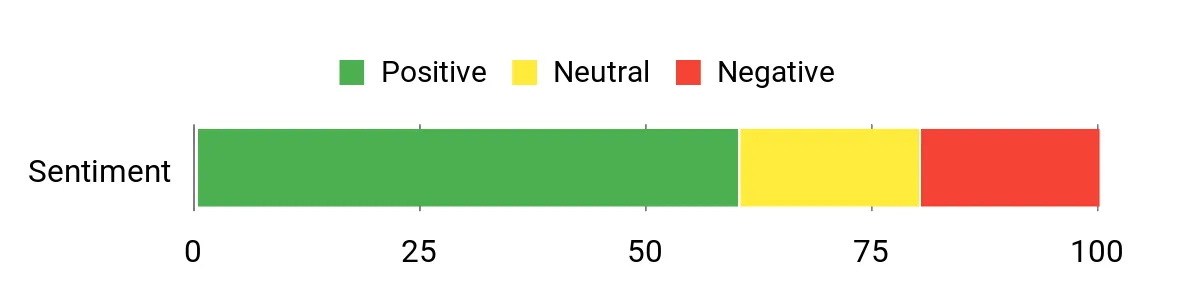
The source review snapshot was generally positive about setup, rain protection, and usable solo space. It also noted condensation and occasional concern around pole-crossing stress. Because marketplace feedback changes, review the current Amazon comments for recent reports about seams, poles, zippers, and the exact variation being sold.
Seasonal Benefits
This model is best suited to shoulder seasons and moderate winter outings where a full rainfly, compact dome profile, and covered gear storage are useful. It should not be treated as a substitute for a purpose-built expedition shelter in severe alpine conditions.
Durability
The aluminum poles, Oxford-style floor, and polyester shell are appropriate for regular recreational use. Protect the floor with a correctly sized footprint, avoid forcing pole connections, and inspect high-stress points before each winter trip.
Variation note: Confirm that Amazon shows the two-person version before ordering. Shared listings can display specifications from a different size or color.
Check Current Amazon Availability
The Underwood 1P is the logical pick for a solo camper who values a narrower footprint and lower packed weight over interior room. Its listed floor is approximately 86.6 inches long and 31.8 inches wide, giving one sleeper enough length while keeping the shelter compact.
At roughly four to 4.4 pounds depending on the displayed listing data, it is lighter than the two-person options but not an ultralight racing shelter. The full-coverage rainfly, aluminum poles, and roll-up snow-oriented design make it more winter-focused than a highly ventilated summer tent.
Best For
Solo backpackers, bikepackers, and campers who need a compact cold-weather shelter and are comfortable keeping most bulky equipment outside the sleeping area.
Why You’ll Like It
- Lower listed weight than the retained two-person tents
- Narrow footprint for smaller campsites
- PU5000mm-listed rainfly coating
- Freestanding aluminum-pole design
Consider Another Tent If
You are tall and need extra room around a thick winter sleeping bag, routinely bring substantial equipment inside, or want space for a second person.
What People Say
The source review snapshot highlighted straightforward setup and satisfactory rain protection for the product class. Condensation and limited interior width were the most important cautions. Check current reviews for recent feedback about the exact size, pole connections, zipper operation, and wet-weather performance.
Seasonal Benefits
The compact profile is useful on protected shoulder-season and moderate winter sites where minimizing exposed surface area matters. Careful ventilation remains necessary because a smaller interior can accumulate moisture quickly.
Durability
Use all appropriate stakes and guy lines, avoid over-tensioning plastic connection points, and protect the floor from abrasive or frozen ground. Dry the tent completely before storage.
Variation note: Verify that the selected Amazon option is the one-person model. Weight and color details may change when a different variation is selected.
Check Current Amazon Availability
The BISINNA 2P stands out for its roll-up snow skirt and two-door layout. The skirt can help limit drifting snow and low drafts when deployed, while the two doors make it easier for either sleeper to enter without climbing over the other.
Its listed dimensions are approximately 82.6 by 59 by 43.3 inches, providing a useful amount of width for two people or one camper with winter equipment. The tradeoff is weight: at approximately 6.4 pounds, it is the heaviest retained option and is better for shorter backpacking routes, split carry, pulk travel, or campers who prioritize space over minimum weight.
Best For
Two campers who want separate doors, solo users carrying bulky winter gear, and buyers who specifically value a roll-up snow skirt.
Why You’ll Like It
- Roll-up snow skirt for seasonal flexibility
- Two doors for easier shared access
- Approximately 59-inch listed floor width
- Freestanding design with aluminum poles
Consider Another Tent If
Your route requires a low trail weight, you regularly cover long distances on foot, or you need published expedition-level structural performance.
What People Say
The source review snapshot emphasized easy pitching, interior room, and the two-door design. It also raised concerns about the relatively thin floor and some plastic components. Review recent Amazon feedback and use a footprint rather than assuming the floor is suitable for direct use on abrasive frozen ground.
Seasonal Benefits
The snow skirt and double-wall construction make this the most visibly winter-oriented design in the group. Roll the skirt up and use the available ventilation in milder weather to reduce moisture buildup.
Durability
Protect the polyester floor with a footprint, avoid forcing clips in very cold conditions, and keep the inner tent separated from the rainfly so condensation does not transfer to sleeping gear.
Check Current Amazon Availability
The ShinHye 2P is the best fit for campers who want a straightforward freestanding layout and quick assembly. Its listing states a three-minute setup time, although actual pitching speed will depend on experience, site conditions, and whether all stakes and guy lines are used.
The approximately 82.6-by-55-inch listed footprint is narrower than the other retained two-person tents but still more accommodating than a solo shelter. Two doors improve access, while the PU5000mm-listed coating and sealed seams provide useful rain-oriented specifications.
Best For
Weekend backpackers, newer campers, and two-person teams that prioritize quick pitching and separate doors over maximum interior width.
Why You’ll Like It
- Manufacturer-listed three-minute assembly
- Two doors for easier access
- PU5000mm-listed coating and sealed seams
- Approximately 5.5-pound listed weight
Consider Another Tent If
You need extra width for two large sleeping pads, verified performance in technical alpine conditions, or a product with a clearly documented long-term zipper record.
What People Say
The source review snapshot was mixed-to-positive about setup, rain protection, and usable space. Zipper durability was the main recurring caution, and taller campers may find the interior length and sloping walls restrictive once thick winter bedding is added.
Seasonal Benefits
The double-wall layout and full rainfly are useful for shoulder-season and moderate winter camping. Despite marketplace wording that references mountaineering, this article does not recommend the tent for severe technical alpine use because independently verified structural limits were not provided.
Durability
Use gentle, straight pulls on the zippers, avoid over-tensioning the door panels, and inspect seam tape and pole connections before cold-weather trips. A footprint can reduce floor abrasion.
Check Current Amazon Availability
FAQ
How Do I Choose a Winter Backpacking Tent?
Begin with the worst credible conditions on your route rather than the average forecast. Consider expected wind, snowfall, exposure, tree cover, available anchors, and how quickly you could retreat if the weather deteriorates.
Next, compare usable floor dimensions, packed weight, pole structure, rainfly coverage, guy-out points, ventilation, vestibule layout, and snow-oriented features. A four-season marketing label should not replace published structural information or conservative trip planning.
Will a Four-Season Tent Keep Me Warm?
A tent does not create meaningful heat. Its main jobs are to block wind, limit precipitation entry, and provide a protected space for your sleeping system. Warmth comes primarily from an appropriately rated sleeping bag or quilt, an insulated sleeping pad, dry clothing, adequate food, and safe campsite selection.
Ventilation remains important in winter. Excess moisture can dampen insulation and make the interior less comfortable even when the tent blocks wind effectively.
How Do I Reduce Condensation?
Open high and low vents when conditions permit, keep the inner tent separated from the fly, avoid breathing directly into sleeping-bag insulation, and store wet gear outside the sleeping compartment when possible. Do not seal a snow skirt more tightly than conditions require.
After the trip, dry the tent completely before storage. Follow the manufacturer’s cleaning instructions and avoid detergents or machine washing unless specifically permitted.
Is a Budget Four-Season Tent Suitable for Mountaineering?
Not automatically. Technical mountaineering shelters generally require strong pole geometry, dependable guy-out systems, suitable fabrics, field-repair options, and clearly documented performance for severe wind and snow. A marketplace category or product-title claim is not enough evidence by itself.
For exposed alpine routes, use a shelter with specifications and a track record appropriate to that environment, and follow guidance from experienced local professionals or land managers.
Can I Use a Camping Stove in the Vestibule?
No fuel-burning stove, heater, or lantern should be operated inside a tent or enclosed vestibule. Carbon monoxide, fire, flare-ups, and melting fabric can create life-threatening hazards. Cook in a safely ventilated outdoor location that follows the appliance manufacturer’s directions and applicable fire restrictions.
Should I Use a Footprint in Winter?
A footprint can reduce abrasion and help separate the tent floor from wet, rough, or frozen ground. It should be slightly smaller than the tent floor so it does not collect rain or melting snow underneath the shelter.
What Campers Prefer
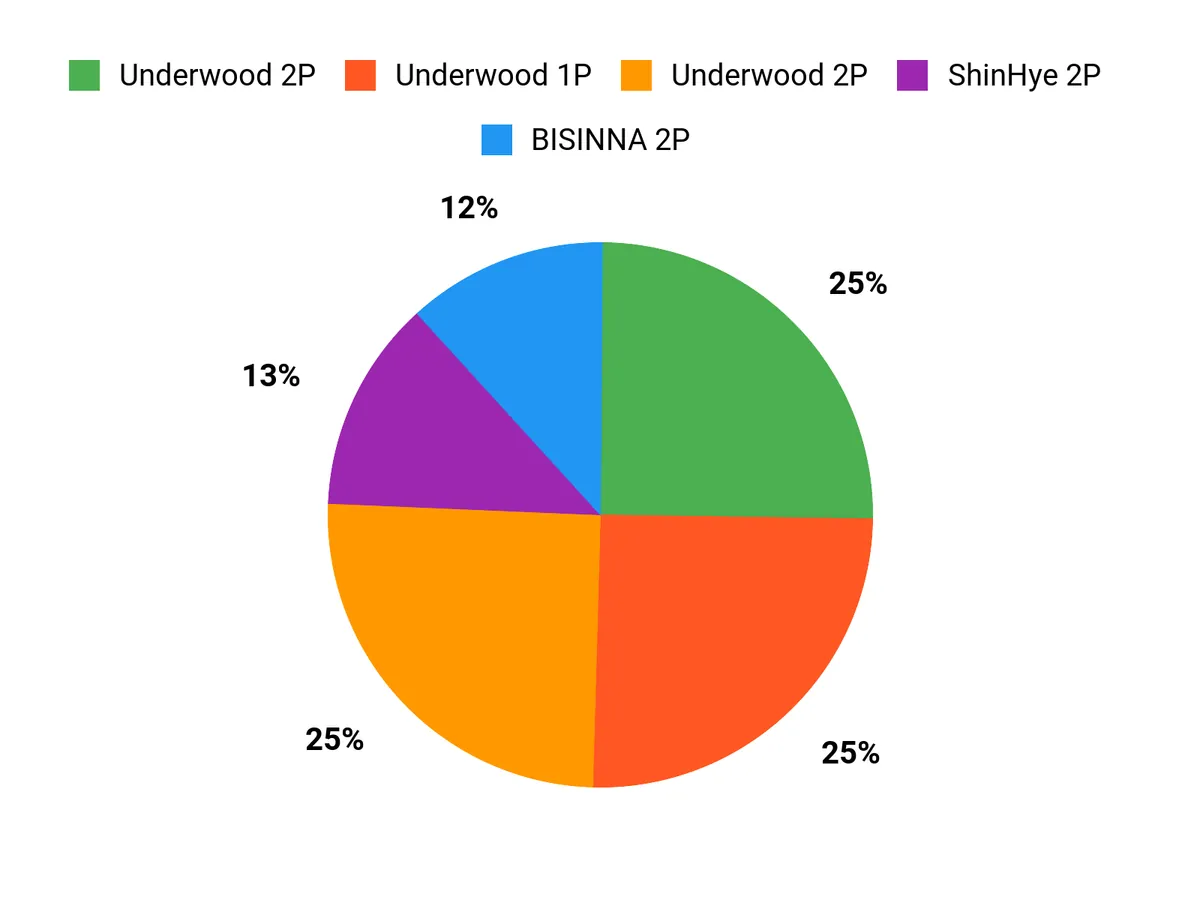
The clearest choice depends on the compromise you are willing to make. The Underwood 2P offers the strongest overall balance for two-person space and moderate packed weight. The Underwood 1P is more appropriate for a solo camper who wants a smaller footprint. The BISINNA 2P provides the most winter-specific exterior feature with its roll-up snow skirt, while the ShinHye 2P emphasizes fast setup and two-door convenience.
Across all four tents, confirm the selected variation, use a footprint where appropriate, manage ventilation, inspect zippers and pole connections, and avoid treating a waterproof-coating figure as proof of expedition-level storm performance.
Wrapping Up
Best overall: The Underwood 2P offers the most balanced combination of two-person width, PU5000mm-listed protection, vestibule storage, and manageable weight.
Best for solo trips: The Underwood 1P reduces floor width and packed weight for campers who do not need room for a partner.
Best snow-skirt design: The BISINNA 2P is the strongest fit for buyers who want two doors and a roll-up skirt and are willing to carry the heaviest tent in the group.
Best fast setup: The ShinHye 2P combines two-door access with a manufacturer-listed three-minute assembly time.
Match the tent to realistic conditions, not just the season printed in the listing. For protected campsites and moderate winter weather, these four models offer different combinations of capacity, weight, snow management, and setup convenience. For severe alpine exposure, choose a shelter with independently credible structural specifications and a proven record in the conditions you expect.
| Product Name | Image | Best For | Approx. Listed Weight | Listed Dimensions | Water-Resistance Listing |
|---|---|---|---|---|---|
|
Underwood 2P Best overall balance for two campers or one camper with gear. |
 |
Two-person space and vestibule storage | About 5.7 lbs | 86.6″L × 59.1″W × 45.3″H | PU5000mm listed |
|
Underwood 1P Best compact option for one backpacker. |
 |
Solo backpacking and smaller sites | About 4–4.4 lbs; verify variation | 86.6″L × 31.8″W × 35.8″H | PU5000mm listed |
|
BISINNA 2P Best for a snow skirt, two doors, and additional width. |
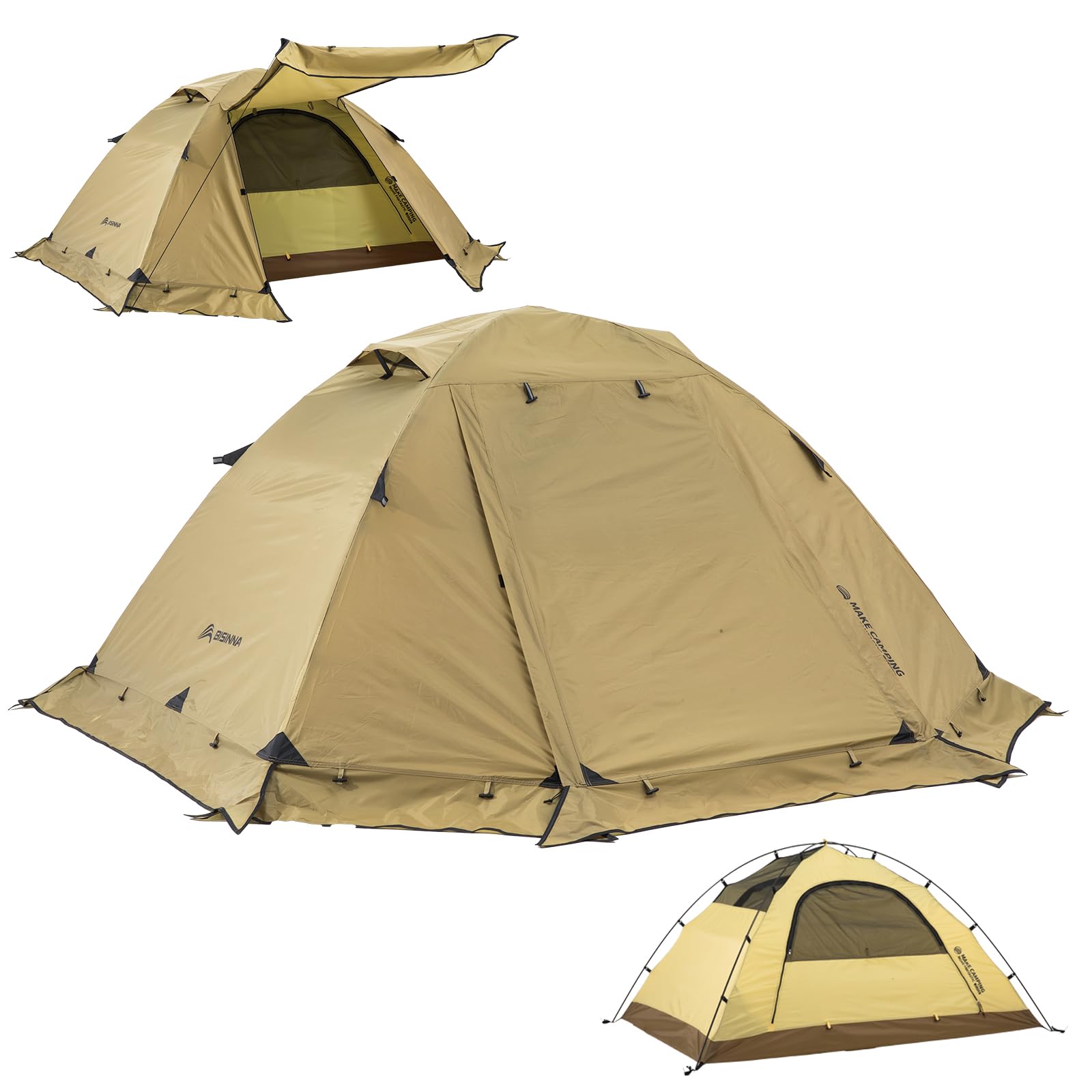 |
Snow-skirt design and two-door access | About 6.4 lbs | 82.6″L × 59″W × 43.3″H | PU3000mm listed |
|
ShinHye 2P Best for listed setup speed and separate doors. |
 |
Fast pitching and two-door convenience | About 5.5 lbs | 82.6″L × 55″W × 43.3″H | PU5000mm listed with sealed seams |
Product specifications, variations, customer feedback, availability, and marketplace details can change. Confirm the selected capacity and current listing information before purchasing.
This roundup is reader-supported. When you click through links, we may earn a referral commission on qualifying purchases.

