Affiliate disclosure: This roundup is reader-supported. When you click an Amazon link, we may earn a referral commission on qualifying purchases at no additional cost to you. As an Amazon Associate I earn from qualifying purchases.
You want a solo tent that keeps your Easter camping trip comfortable, dry, and easy to manage when spring weather changes quickly. The best choice depends on how far you plan to carry it, whether you prefer a freestanding frame, and whether cold-weather stove compatibility is genuinely necessary.
This guide compares three distinct one-person shelters: a structured freestanding tent for short carries and changeable weather, an ultralight trekking-pole tent for backpacking, and a stove-ready hot tent for colder basecamp-style trips. Use the recommendations below to match the shelter to your route rather than choosing on weight or waterproof ratings alone.
Quick Verdict
Choose the iClimb when you want a freestanding solo tent with included poles, two doors, a vestibule, and a snow skirt for short carries or vehicle-supported trips.
Choose the Lunar Solo when low pack weight is the priority and you already carry a trekking pole or are willing to buy a separate support pole and stakes.
Choose the POMOLY Dune Solo only when you specifically need a stove-jack-compatible shelter and are prepared to follow strict hot-tent safety procedures.
Top Picks
|
Category |
Product |
Best For |
|---|---|---|
|
💰 Best All-Around Value |
Short carries, freestanding setup, wet spring trips, and cot-compatible camping |
|
|
🚀 Best for Ultralight Backpacking |
High-mileage hiking, bikepacking, and compact three-season shelter |
|
|
🔥 Best Stove-Ready Option |
Cold-weather basecamps, short approaches, and experienced hot-tent users |
Selection Criteria
These tents were compared using the factors that matter most on a solo Easter or spring camping trip: shelter weight, packed size, weather-oriented construction, usable sleeping dimensions, ventilation, setup style, included components, and suitability for the intended use.
We also considered whether each shelter solves a meaningfully different problem. The iClimb prioritizes structure and included hardware, the Lunar Solo minimizes carried weight, and the POMOLY adds a removable inner and stove-jack-compatible outer for specialized cold-weather camping.
Important: Manufacturer water-resistance ratings are useful comparison points, but they do not guarantee a dry night. Seam condition, site selection, staking, ventilation, ground drainage, and correct setup all affect real-world performance.
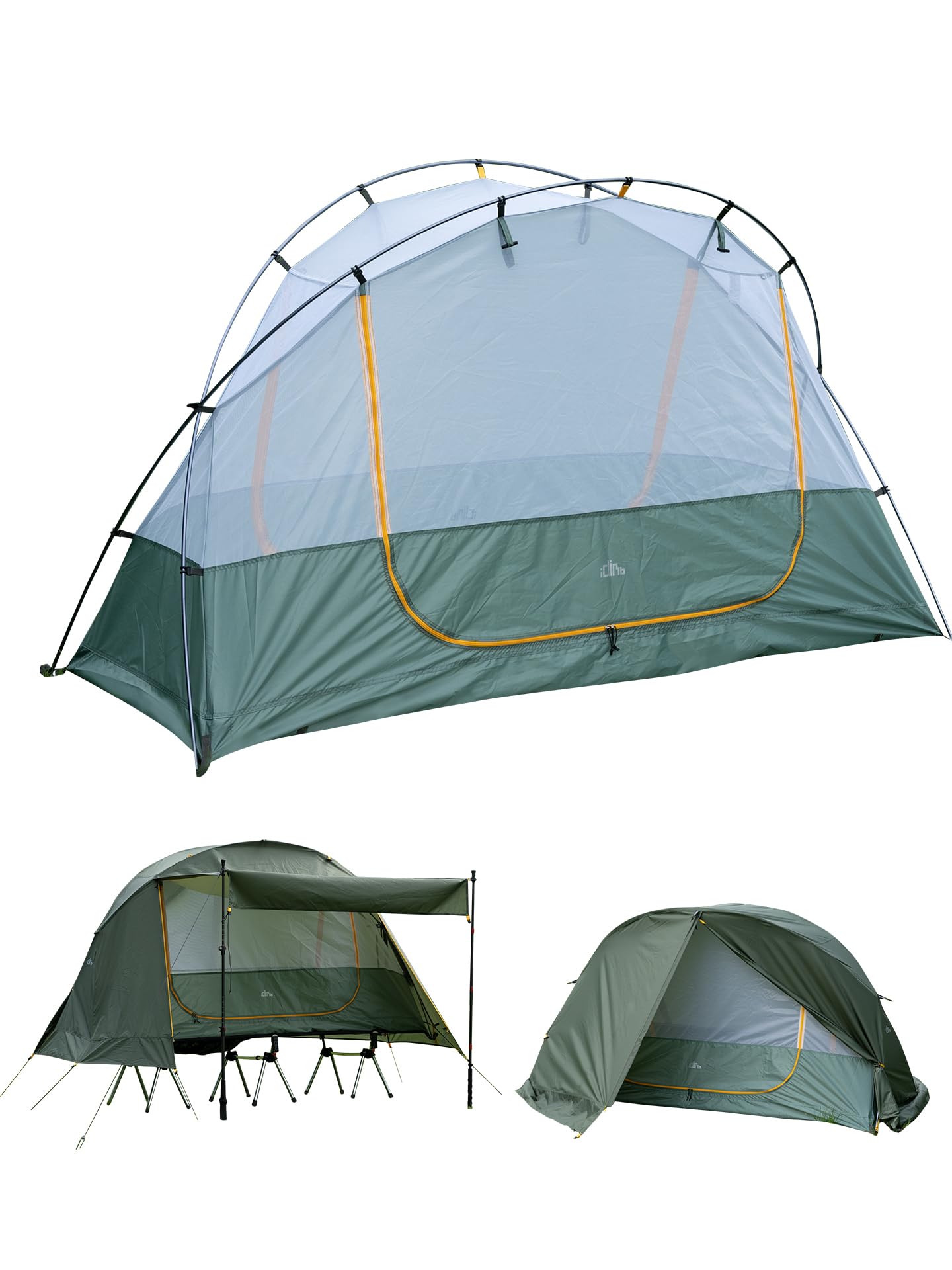
The iClimb is the most conventional tent in this comparison. Its crossed-pole frame is freestanding, so it is less dependent on achieving a precise trekking-pole pitch before you can organize your sleep system. Two doors also make entry, ventilation, and access to stored equipment more convenient in a narrow one-person shelter.
At approximately five pounds, however, it is not an ultralight choice by modern solo-backpacking standards despite the model name. Its stronger use cases are short hikes, bikepacking, kayaking, festivals, vehicle-supported camping, or trips where you value a complete pole-and-stake kit more than minimum trail weight.
The manufacturer lists an 80-by-28-inch floor, so taller or broader campers should check the dimensions carefully. The narrow width may also limit sleeping-pad and gear arrangements. Cot users should confirm that their cot dimensions and attachment points work with the tent; the cot itself is not included.
Why You’ll Like It
- Freestanding crossed-pole structure is familiar and relatively straightforward to pitch.
- Two doors improve access and can help manage airflow.
- Included poles, stakes, guylines, inner tent, rainfly, and carry bag reduce accessory shopping.
- Vestibule provides a protected place for footwear or a compact pack.
- Snow skirt and full rainfly make it a practical option for colder, muddy, or windy spring camps.
Who Should Buy This
Choose the iClimb when you want a structured solo shelter, expect a modest carry rather than a high-mileage trek, and prefer included poles over a trekking-pole pitch.
Who Should Avoid It
Skip it when your primary goal is reducing base weight, when you need a wide floor for a large pad, or when the 80-inch interior length leaves too little clearance for your height and sleep system.
Buyer Feedback Snapshot
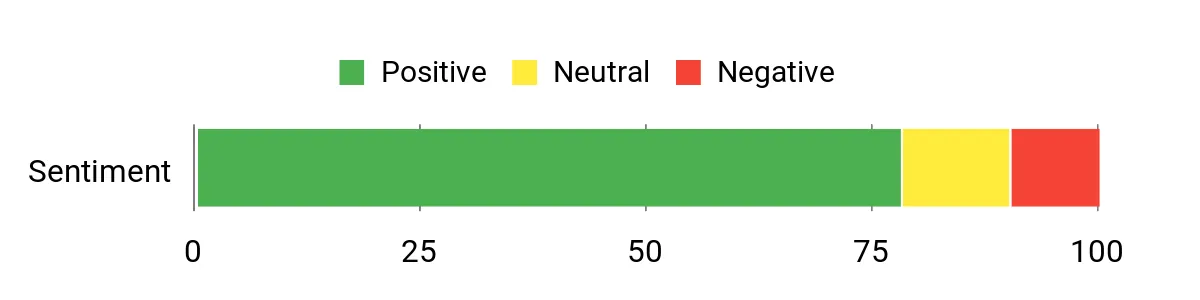
In the supplied review snapshot, buyers commonly highlighted straightforward setup, the two-door layout, compact storage, and wet-weather protection. Reported limitations included restricted length for some taller users and reduced airflow when the rainfly is closed.
Sentiment note: The chart below is a static snapshot from the supplied source, not a live Amazon rating. Check the linked product page for the latest feedback.
When It Helps
|
Situation |
How It Helps |
|---|---|
|
Wet Spring Camps |
A full rainfly, taped-seam construction, bathtub-style floor, and vestibule help manage rain and muddy gear when the tent is pitched correctly. |
|
Short Backpacking Routes |
The packed size is manageable for modest distances when you prioritize included structure over minimum weight. |
|
Cot-Based Camping |
The manufacturer includes underside attachment straps for compatible cot setups, although buyers must verify cot size and fit. |
|
Late Arrival at Camp |
The familiar two-pole frame can be easier to understand than a tension-sensitive trekking-pole shelter. |
Travel Friendliness
Good for short carries: The listed five-pound weight and approximately 16.5-by-6-by-6-inch packed size are manageable for vehicle-supported trips and shorter routes, but heavy for distance-focused solo backpacking.
Key Specifications
- Listed capacity: one person
- Listed setup size: 80 x 28 x 43 inches
- Listed weight: approximately 5 pounds
- Listed packed size: approximately 16.5 x 6 x 6 inches
- Listed water-resistance coating: PU 3,000 mm
- Included: inner tent, rainfly, two poles, stakes, guylines, and carry bag
Check Product Details on Amazon
The Lunar Solo is the clear weight-focused choice. Its shelter body weighs approximately 26 ounces and packs down much smaller than either of the framed alternatives in this guide. The design uses one trekking pole or a separately purchased support pole, allowing hikers who already carry trekking poles to avoid packing a dedicated tent frame.
Its hexagonal footprint provides about 26 square feet of sleeping space, while the elevated canopy edge and perimeter mesh support continuous airflow. The bathtub floor helps control splash and ground moisture, but the single-wall layout can still collect condensation when humidity, campsite choice, or ventilation works against you.
This is a three-season shelter. It should not be presented as a substitute for a dedicated winter or expedition tent. It also requires six stakes and a suitable support pole, which are generally sold separately. Confirm whether the specific listing has been seam sealed before relying on it in sustained rain.
Why You’ll Like It
- Approximately 26-ounce shelter weight suits high-mileage solo travel.
- Small packed size leaves more room for food, insulation, and other essentials.
- About 26 square feet of floor area provides more living space than many minimalist shelters.
- Perimeter mesh and an elevated canopy edge support airflow.
- Silicone-coated polyester is designed to resist the wet-weather sag associated with some nylon fabrics.
Who Should Buy This
Choose the Lunar Solo when you hike long distances, already use a trekking pole, and are comfortable learning a stake-dependent pitch.
Who Should Avoid It
Skip it when you camp frequently on hard surfaces where staking is difficult, want a freestanding tent, dislike single-wall condensation management, or need a true four-season shelter.
Buyer Feedback Snapshot
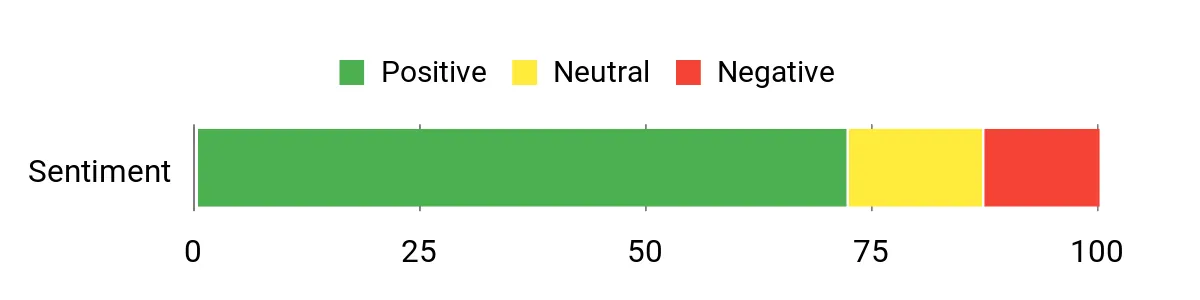
In the supplied review snapshot, buyers frequently praised the low weight, usable headroom, ventilation, and vestibule space. Recurring concerns included the practice required for a clean pitch, separately sold support equipment, and a floor that some users found slippery.
Sentiment note: The chart below is a static snapshot from the supplied source, not a live Amazon rating. Read current listing reviews and confirm included accessories before ordering.
When It Helps
|
Situation |
How It Helps |
|---|---|
|
High-Mileage Backpacking |
The low shelter weight reduces the load carried over long days, particularly when your existing trekking pole provides the support. |
|
Bikepacking |
The compact packed dimensions fit more easily into a frame bag or small luggage system than a conventional pole tent. |
|
Humid Spring Nights |
Perimeter mesh and adjustable pitch height help maintain airflow, although campsite selection remains important for condensation control. |
|
Gear Storage |
The vestibule keeps footwear and a pack outside the sleeping area while providing overhead weather coverage. |
Travel Friendliness
Excellent: The shelter body is approximately 26 ounces and packs to about 11 by 4.5 inches. Remember that this figure excludes stakes and the trekking or support pole.
Key Specifications
- Listed capacity: one person
- Season classification: three season
- Listed shelter weight: approximately 26 ounces, excluding stakes and support pole
- Listed floor area: approximately 26 square feet
- Listed floor dimensions: approximately 90 x 48 inches
- Listed peak height: approximately 48 inches
- Listed hydrostatic-head specification: 3,000 mm
- Required support: one approximately 49-inch trekking or accessory pole and six stakes
Check Product Details on Amazon
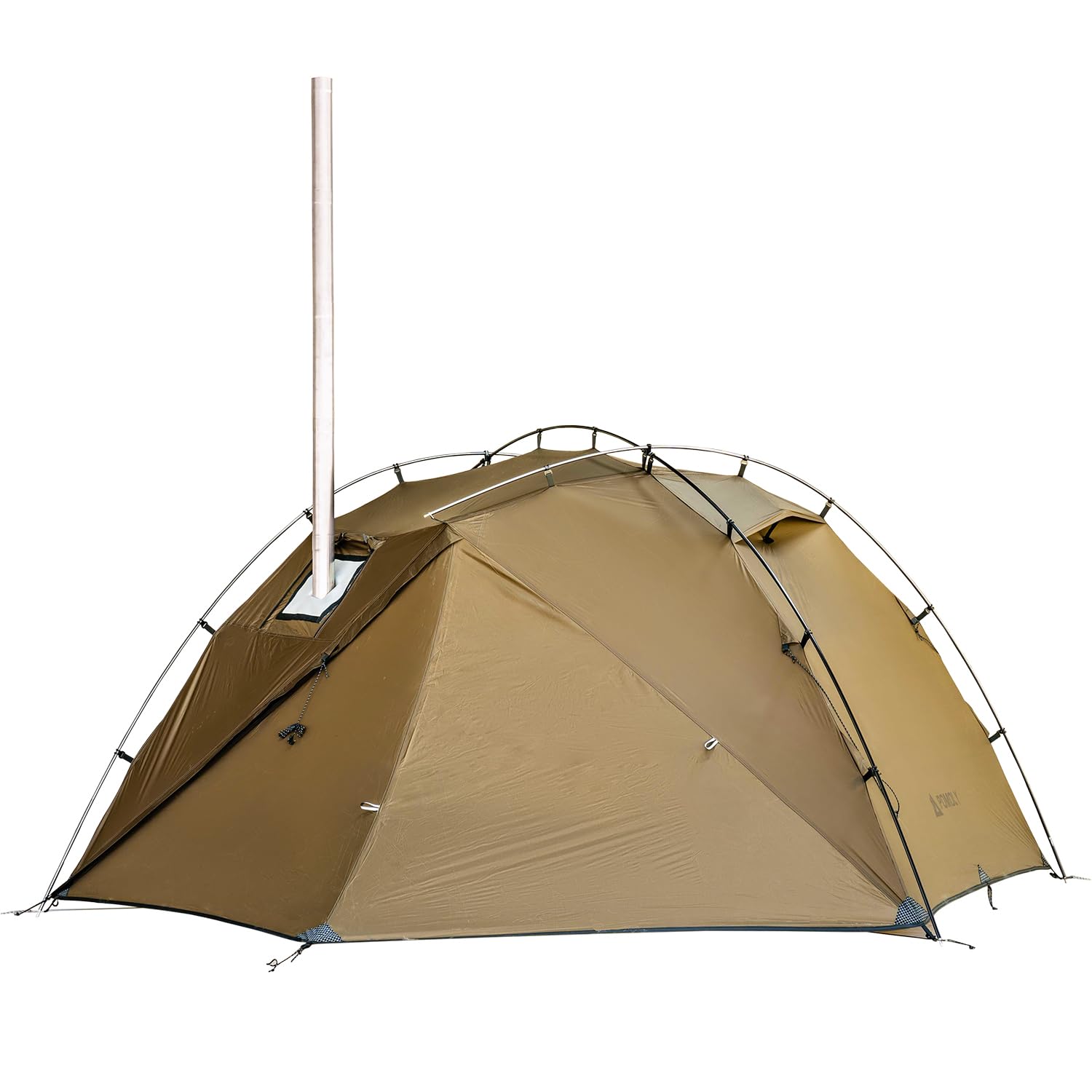
The POMOLY Dune Solo is for a different buyer than the Lunar Solo. It is designed around cold-weather versatility rather than minimum pack weight. The outer shelter includes a stove jack, while the removable inner lets you choose between a more enclosed sleeping compartment and a more open outer-tent layout.
The complete listed package weighs approximately six pounds and includes the outer tent, inner tent, three poles, stakes, guylines, and storage bag. That makes it more realistic for short approaches, hunting camps, pulk-supported travel, motorcycle camping, or vehicle-supported sites than for long unsupported backpacking routes.
The two-door layout helps with access and ventilation, while the closable stove-jack flap allows the opening to be sealed when no chimney is installed. Buyers should verify that their stove pipe is compatible with the manufacturer’s listed maximum chimney diameter and that their intended inner-tent configuration is approved for stove use.
Hot-Tent Safety Note
A stove jack does not make indoor combustion risk-free. Follow the current instructions supplied with both the tent and stove. Maintain all specified clearances, use the correct chimney diameter and heat protection, ventilate continuously, and keep a working carbon-monoxide alarm inside the occupied shelter.
Never leave a burning stove unattended or operate it while sleeping. Keep combustible equipment away from the stove and pipe, inspect the jack and fabric for heat damage, and stop using the setup if wind, snow loading, chimney instability, or ventilation conditions become unsafe.
Why You’ll Like It
- Integrated stove jack supports a purpose-built cold-weather setup.
- Removable inner creates more layout flexibility than a fixed sleeping compartment.
- Two opposing doors improve entry, exit, and ventilation options.
- Included poles, stakes, guylines, inner, and storage bag provide a relatively complete shelter package.
- Freestanding pole structure makes it less dependent on a trekking pole.
Who Should Buy This
Choose the Dune Solo when cold-weather camping and stove compatibility are central requirements, your approach is reasonably short, and you have the experience and safety equipment needed for hot-tent use.
Who Should Avoid It
Skip it when you do not intend to use a tent stove, want an ultralight shelter, need generous standing height, or prefer a simple three-season tent without combustion-related setup and safety requirements.
Buyer Feedback Snapshot
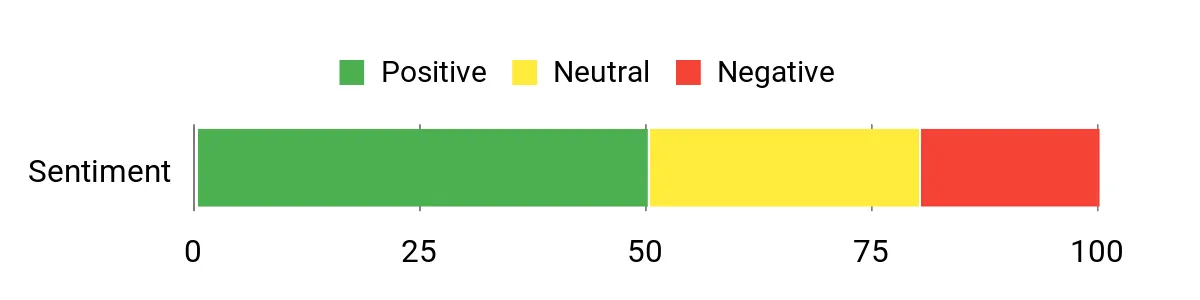
The supplied source notes limited feedback, with positive themes around the roomy outer shelter, removable inner, stove-jack layout, and materials. Because the feedback base is limited, buyers should give greater weight to verified dimensions, component lists, current return terms, and recent reviews.
Sentiment note: The chart below is a static source snapshot and should not be treated as a current Amazon score.
When It Helps
|
Situation |
How It Helps |
|---|---|
|
Cold Spring Nights |
The stove-jack-compatible outer supports a properly configured tent-stove system when all manufacturer instructions and safety precautions are followed. |
|
Vehicle-Supported Camping |
The complete pole and inner-tent package is easier to justify when the six-pound shelter does not need to be carried many miles. |
|
Changing Seasonal Conditions |
The removable inner and closable stove-jack flap allow the shelter layout to be adjusted when no stove is required. |
|
Gear-Heavy Solo Trips |
The broad outer footprint provides more room for organized equipment than a minimalist one-person trekking shelter. |
Travel Friendliness
Moderate: The complete listed package is approximately six pounds. It is portable, but better matched to short carries and supported travel than high-mileage solo backpacking.
Key Specifications
- Listed capacity: one person, including a stove-oriented setup
- Listed setup dimensions: approximately 118 x 100.4 x 45.3 inches
- Listed complete weight: approximately 6 to 6.2 pounds
- Outer fabric: 20D ripstop silnylon
- Listed outer-tent rating: PU 2,500 mm
- Listed inner-tent rating: PU 2,000 mm
- Stove-jack chimney compatibility: up to approximately 3.15 inches in diameter
- Included: outer tent, removable inner, three poles, stakes, guylines, and storage bag
Check Product Details on Amazon
Before You Buy
- Measure your sleep system: Compare tent length and width with your sleeping pad, bag, cot, and the space required at your head and feet.
- Count the complete weight: Add stakes, support poles, footprint, seam sealer, repair items, and stove equipment—not just the listed tent-body weight.
- Confirm included components: The Lunar Solo normally requires separately purchased stakes and a trekking or support pole.
- Check seam preparation: Confirm whether the shelter arrives seam sealed and follow the manufacturer’s instructions before wet-weather use.
- Practice the pitch: Set the tent up at home with the exact equipment you will carry.
- Plan for condensation: Select a ventilated campsite and use available vents, mesh, and door configurations responsibly.
- Check current availability: Amazon stock, seller, included accessories, return terms, and listing configurations can change.
FAQ
How Do I Choose the Right Solo Tent for Spring Camping?
Start with your carry distance and expected weather. For long backpacking routes, the Lunar Solo saves the most weight but requires stakes, a support pole, and a practiced pitch. For short carries or vehicle-supported camps, the iClimb offers a more familiar freestanding structure and a complete setup kit. The POMOLY is a specialized choice for campers who genuinely need stove compatibility.
Next, compare interior dimensions with your actual sleeping pad or cot. Peak height affects sitting comfort, but floor length and wall slope determine whether your sleeping bag touches potentially damp fabric.
Will These Tents Keep Me Dry?
All three use coated fabrics and weather-oriented construction, but no millimeter rating guarantees dryness. A well-drained campsite, intact seams, a correctly tensioned rainfly or canopy, secure staking, a bathtub floor, and adequate ventilation all matter.
Inspect the shelter before leaving, confirm whether seam sealing is required, and avoid depressions where water can pool. Bring an appropriate groundsheet only when recommended and size it so it does not extend beyond the tent floor and collect runoff.
Is the Lunar Solo a Four-Season Tent?
No. The retained Lunar Solo listing identifies it as a three-season shelter. It is designed for lightweight backpacking and may handle varied three-season weather when pitched correctly, but it should not be treated as a dedicated winter, heavy-snow, or expedition shelter.
Are Stakes and a Pole Included With the Lunar Solo?
The shelter normally ships with the tent, stuff sack, and guylines. Stakes and the approximately 49-inch trekking or accessory support pole are generally sold separately. Check the exact Amazon configuration before ordering because bundles and listing details can change.
Is the iClimb Really Ultralight?
“Ultralight” is part of the model name, but the complete tent is listed at approximately five pounds. That is manageable for many short trips but substantially heavier than the 26-ounce Lunar Solo shelter body. Compare complete carried weights rather than relying on product naming.
How Do I Know Whether the Tent Is Long Enough?
Compare the usable floor length with your height plus the loft of your sleeping bag and the thickness of your pad. Sloping walls reduce usable length, so a floor that only narrowly exceeds your height may still feel cramped.
The iClimb has a listed 80-inch floor, while the Lunar Solo lists approximately 90 inches. The POMOLY has a much larger outer footprint, but its inner layout and stove clearances should be considered separately.
Do I Need a Hot Tent for an Easter Trip?
Usually not. Most spring campers are better served by appropriate insulation, dry clothing, a suitable sleeping pad, and a three-season or weather-oriented tent. A hot tent makes sense only when temperatures, trip style, and camp duration justify carrying a stove and accepting the additional setup and safety responsibilities.
Can I Leave a Wood Stove Burning While I Sleep?
No. Do not leave a burning tent stove unattended or operate it while sleeping. Follow the current tent and stove manuals, maintain ventilation and clearances, and use a functioning carbon-monoxide alarm whenever combustion equipment is operated in an approved shelter configuration.
Which Tent Fits Your Trip?
| Trip Type | Best Match | Reason | Main Trade-Off |
|---|---|---|---|
| High-mileage backpacking | Lunar Solo | Lowest shelter weight and smallest packed size | Not freestanding; pole and stakes generally sold separately |
| Short hike or festival | iClimb | Included poles, two doors, and familiar freestanding setup | Five-pound weight and narrow floor |
| Cot-oriented camping | iClimb | Manufacturer-designed attachment features for compatible cot use | Cot fit must be verified and cot is not included |
| Cold-weather basecamp with a stove | POMOLY Dune Solo | Stove jack, removable inner, and included pole system | Heavier load and significant combustion-safety responsibilities |
| Hard-surface campsite | iClimb or POMOLY | Freestanding pole structures are easier to erect before final anchoring | Both should still be properly staked or secured for weather |
Wrapping Up
The best tent for your solo Easter trip depends more on your route than on a single specification. The iClimb is the practical all-around option when you want a freestanding frame, included hardware, two doors, and added coverage for wet or chilly spring conditions.
The Lunar Solo is the strongest choice for hikers who count every ounce. It provides generous solo floor space at a low shelter weight, but it requires appropriate stakes, a support pole, seam preparation, and a practiced pitch.
The POMOLY Dune Solo is the specialist pick. Choose it only when stove compatibility, a removable inner, and cold-weather basecamp flexibility justify the additional weight and safety requirements.
Final Recommendation
For most short Easter camping trips: Start with the iClimb.
For long-distance backpacking: Choose the Lunar Solo and budget for the required support equipment.
For experienced cold-weather campers using a tent stove: Consider the POMOLY Dune Solo after confirming chimney compatibility and safety procedures.
Quick Comparison
| Product Name | Image | Best For | Listed Weight | Key Dimensions | Water-Resistance Specification | Setup Notes | Amazon Details |
|---|---|---|---|---|---|---|---|
| iClimb Ultralight 4-Season Solo Tent |
 |
Freestanding setup, short carries, cot-oriented camping | Approximately 5 lb | 80 x 28 x 43 in | PU 3,000 mm | Two included aluminum poles; stakes and guylines included | Check Amazon Availability |
| Six Moon Designs Lunar Solo |
 |
Ultralight backpacking and bikepacking | Approximately 26 oz, excluding stakes and pole | About 90 x 48 x 48 in; 26 sq ft floor | 3,000 mm hydrostatic head | Requires one trekking or accessory pole and six stakes, generally sold separately | Check Amazon Availability |
| POMOLY Dune Solo Hot Tent |
 |
Stove-ready cold-weather basecamps and short approaches | Approximately 6 to 6.2 lb complete | Approximately 118 x 100.4 x 45.3 in | Outer PU 2,500 mm; inner PU 2,000 mm | Three poles included; removable inner and closable stove jack | Check Amazon Availability |
This roundup is reader-supported. When you click through an Amazon link, we may earn a referral commission on qualifying purchases. Product specifications, included components, sellers, and availability can change, so verify current listing details before ordering.