Affiliate disclosure:. As an Amazon Associate I earn from qualifying purchases. This roundup is reader-supported. When you buy through qualifying Amazon links, we may earn a commission at no extra cost to you.
Last updated: July 15, 2026
You’re preparing for a solo trek, and the right tent can make your route easier, drier, and more comfortable. The best choice balances trail weight, packed size, usable room, ventilation, and weather protection without adding features you do not need.
This guide compares five relevant backpacking tents for solo travelers. It includes true one-person shelters and compact two-person models that give one trekker more room for a pack, wet gear, or a wider sleeping pad.
Quick Verdict
Best value: Night Cat Backpacking Tent for One. Best roomy solo setup: Clostnature 2 Person Tent. Best low-profile weather-focused option: camppal 1 Person Tent. Best compact one-person choice: Clostnature 1 Person Tent. Best premium roomy option: Naturehike Mongar UL.
Top Picks
|
Category |
Product |
Why It Stands Out |
|---|---|---|
|
💰 Best Value |
Simple setup, compact packing, and roomy dimensions for one person. |
|
|
🎯 Best Spacious Solo |
Two doors, two vestibules, and extra room for one trekker and gear. |
|
|
🌧️ Best Weather-Focused Pick |
Long, low profile with an aluminum ridge pole and seller-listed high water resistance. |
|
|
🚀 Best Compact 1P |
A freestanding three-season design with a compact packed size. |
|
|
🏆 Best Premium Roomy Solo |
Roomy layout, dual doors, useful storage, and an included footprint. |
How We Picked These Tents
We focused on the factors that matter most when you carry and pitch a shelter alone: total and trail weight, packed size, floor dimensions, peak height, vestibule storage, pole material, ventilation, seam construction, and ease of setup.
We also checked whether each model fits the article’s solo-trek intent. A two-person tent can still be a strong solo choice when the extra room justifies the weight, but an oversized group tent does not belong in a solo backpacking shortlist.
Before you buy: Compare the exact variant shown on Amazon. Tent weights, fabrics, included footprints, and dimensions can change between sizes or updated versions. A “4-season” seller label does not automatically make a tent suitable for exposed alpine winter storms.

The Night Cat suits solo hikers, scouts, cyclists, and motorcycle campers who want a straightforward shelter without a complicated pitch. Its floor is long and wide enough for one adult, a sleeping pad, and a small amount of gear.
The tradeoff is its single-wall construction and fiberglass pole system. You should prioritize ventilation on humid nights and treat it as a practical budget shelter rather than a technical winter or alpine tent.
Who Should Buy This
Choose it when low cost, fast setup, and a roomy-for-one floor matter more than minimum trail weight.
Who Should Avoid This
Skip it for exposed high-wind routes, demanding winter use, or trips where every ounce matters.
What People Say
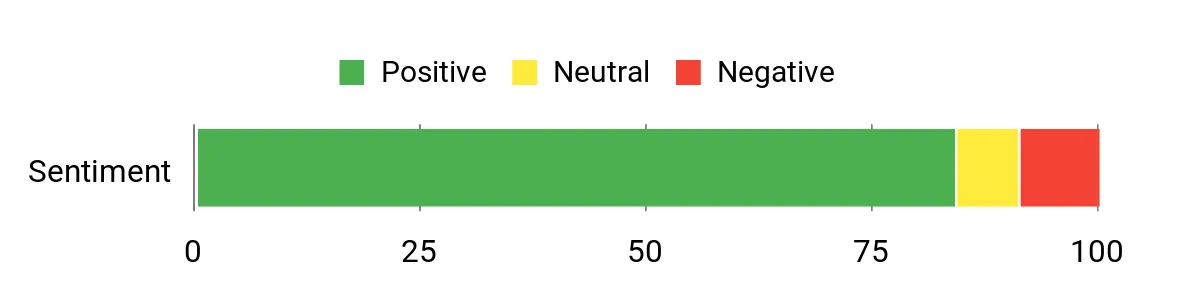
Buyer feedback commonly highlights the quick setup, compact bag, and usable solo space. Recurring cautions include condensation in damp conditions and less confidence in the included fiberglass poles and stakes than in premium hardware.
Overall Sentiment: Positive historical snapshot. Check the current listing for the latest feedback.
Comfort
The listed inner dimensions are about 86.6 by 47 inches with a 43-inch peak height. That gives one person more shoulder and gear room than many narrow solo shelters.
Packability
The listing gives a packed size of about 16.5 by 4.7 by 4.7 inches and a total weight near 4.4 pounds. It is compact, although not truly ultralight.
Why You’ll Like It
- Simple two-pole setup that one person can learn quickly
- PU3000mm-rated fabric and taped seams according to the listing
- Room for one adult plus a small amount of gear
- Compact carry bag for short hikes, bikes, or motorcycles
- Budget-friendly design with few complicated parts

This two-person Clostnature model is best used here as a roomy solo shelter. You gain space for a wider sleeping pad, wet clothing, and gear while keeping the pack size manageable for shorter backpacking trips.
Its two doors and vestibules are useful when you want flexible entry and separate storage. The main compromise is weight: the listing gives a higher total weight than a true one-person shelter, so it suits comfort-focused solo trekkers more than ounce counters.
Who Should Buy This
Choose it when you value interior room, dual vestibules, and easy freestanding setup more than the lightest possible carry.
Who Should Avoid This
Skip it for long mileage days where a roughly five-pound total tent weight would feel excessive.
What People Say
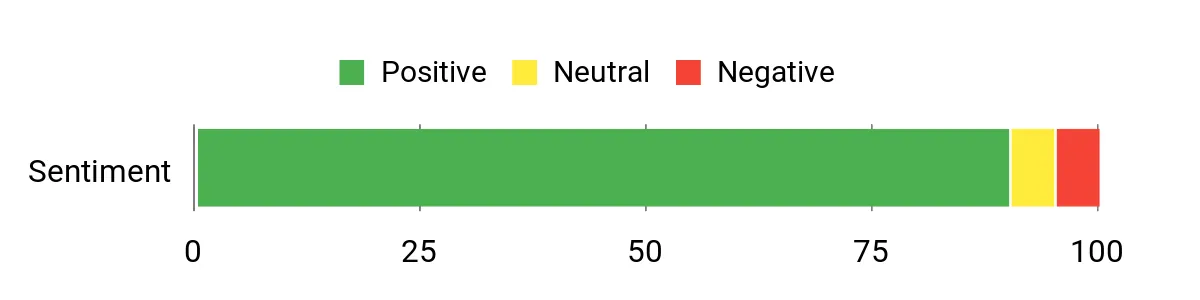
Buyer feedback often praises the straightforward pitch, roomy floor, useful vestibules, and rainfly coverage. Some buyers add a footprint or tougher stakes when camping on abrasive or rocky ground.
Overall Sentiment: Positive historical snapshot. Check the current listing for the latest feedback.
Comfort
The listed floor measures about 86.6 by 59 inches with a peak height just over 45 inches. That is generous for one person and workable for two campers who pack carefully.
Packability
The listing gives a total weight of about 5.29 pounds, a minimum trail weight near 4.52 pounds, and a packed size around 16.5 by 5.9 by 5.9 inches.
Why You’ll Like It
- Extra room for solo sleeping, changing, and gear organization
- Two doors and two vestibules for flexible access and storage
- Freestanding aluminum-pole design that is easier to position
- Full mesh inner for airflow in suitable weather
- Seller-listed PU5000mm coating and factory-sealed seams

The camppal stands out for its 8.2-foot floor length and low shape. That layout can suit taller sleepers and helps reduce the tent’s exposed profile in wind when it is pitched and guyed correctly.
It is not a roomy sit-up shelter, and the single-ridge-pole shape depends on solid staking. The listing calls it a four-season tent, but you should still judge it by route exposure, snowfall, pole structure, and your winter experience rather than the label alone.
Who Should Buy This
Choose it for a long sleeping area, compact carrying, and a low-profile shelter for backpacking, hunting, bikepacking, or kayak trips.
Who Should Avoid This
Skip it when you want freestanding convenience, generous sitting height, or a shelter for severe alpine winter conditions.
What People Say
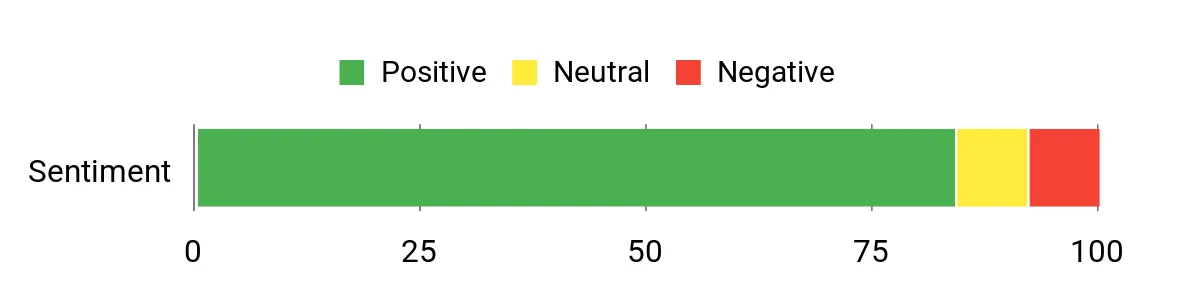
Buyer feedback commonly mentions the long floor, compact packed form, and straightforward ridge-pole pitch. The most consistent cautions involve limited headroom and the need to manage ventilation carefully in humid weather.
Overall Sentiment: Positive historical snapshot. Check the current listing for the latest feedback.
Comfort
The inner floor is listed at about 98.4 inches long and 35.4 inches wide, with roughly 35.4 inches of inner height. It favors sleeping length over elbow room.
Packability
The listing gives a weight around 3.75 pounds. Its one-pole layout and narrow body make it practical to strap to a backpack, bicycle, or kayak.
Why You’ll Like It
- Long floor that can better accommodate taller solo sleepers
- Low profile that presents less surface area than a tall dome
- Single aluminum ridge pole and straightforward stake layout
- Seller-listed taped seams and 3500 to 4000mm water resistance
- Compact form for short and medium-distance solo trips
The Clostnature 1P gives you a conventional freestanding layout in a smaller footprint than the brand’s two-person model. Its 86.6-inch floor length and compact packed bag make it a practical fit for solo backpacking and bikepacking.
The 31.9-inch floor width is intentionally narrow. It works best with a standard solo pad and minimal indoor gear, while the vestibule handles shoes or a compact pack.
Who Should Buy This
Choose it when you want a true one-person, freestanding tent with aluminum poles and a small packed size.
Who Should Avoid This
Skip it if you use a wide pad, need substantial shoulder room, or prefer storing a full pack inside the sleeping area.
What People Say
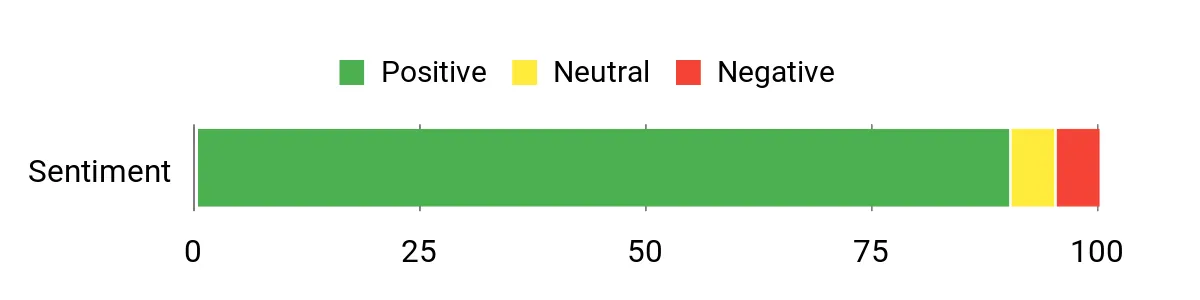
Buyer feedback often highlights easy setup, compact packing, and useful vestibule storage. Common cautions involve the narrow floor and buyers upgrading stakes for hard or rocky campsites.
Overall Sentiment: Positive historical snapshot. Check the current listing for the latest feedback.
Comfort
The listed interior is about 86.6 inches long, 31.9 inches wide, and 35.8 inches high. It is comfortable for one average-size sleeper who packs efficiently.
Packability
The listing gives a total weight near 4 pounds, a minimum trail weight near 2.97 pounds, and a packed size around 15 by 5.1 by 5.1 inches.
Why You’ll Like It
- True one-person dimensions for a smaller campsite footprint
- Freestanding aluminum-pole structure for simple solo pitching
- Vestibule space for footwear or a small pack
- Mesh panels that support airflow and bug protection
- Seller-listed PU5000mm coating and sealed seams
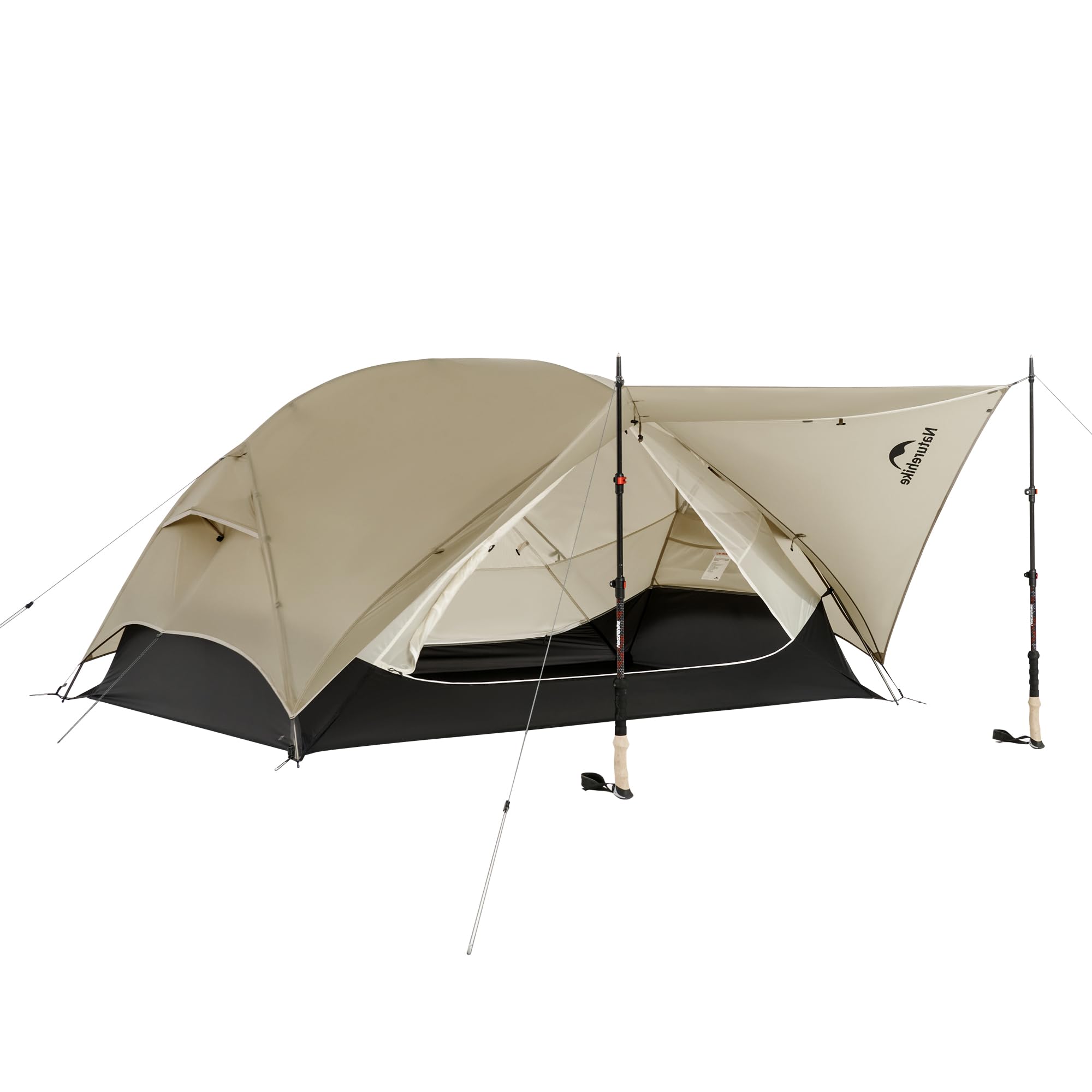
The Mongar UL is the comfort-focused premium choice for a solo trekker who wants more usable space and flexible vestibule coverage. Dual doors make entry easier, while the awning can provide sheltered gear space when it is configured correctly.
This model uses lighter fabric than many budget tents, so careful site selection and a properly fitted footprint matter. The exact Amazon variant could not be independently confirmed during this update, so verify the current size, fabric, waterproof ratings, included footprint, and packaged weight before ordering.
Who Should Buy This
Choose it when you want a roomier solo layout, two doors, organized storage, and lighter materials than typical budget tents.
Who Should Avoid This
Skip it if you prefer thick, abrasion-tolerant fabric or need a shelter specifically designed for severe winter exposure.
What People Say
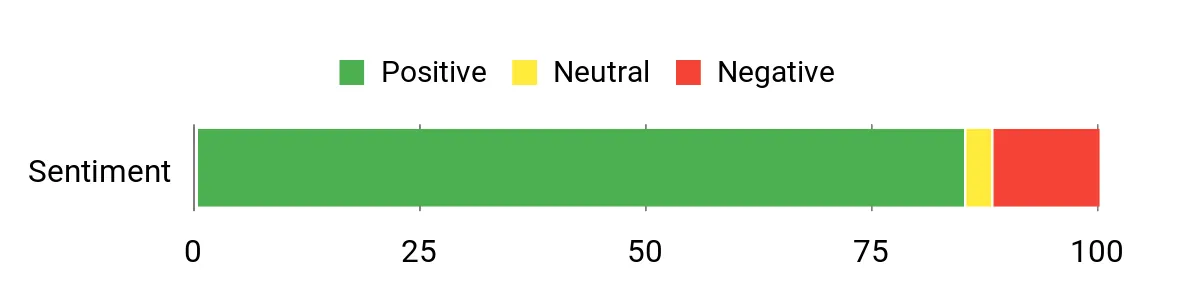
The supplied review summary emphasizes roomy interior space, useful pockets, the awning, and a compact packed form. Because the current listing details were not independently confirmed, treat these comments as a historical snapshot and review recent buyer feedback before purchasing.
Overall Sentiment: Positive historical snapshot. Check the current listing for the latest feedback.
Comfort
The supplied dimensions describe a roomy shelter for one person and gear, with enough capacity for two lighter sleepers who accept a closer fit.
Packability
The supplied listing data gives a trail weight around 4.19 pounds. Confirm the exact packaged and trail weights for the selected variant because materials and accessories may differ.
Why You’ll Like It
- Roomy solo layout with two-door access
- Expandable awning for flexible covered space
- Interior pockets, ceiling hook, and clothesline
- Included footprint according to the supplied listing details
- Lightweight materials for comfort-focused backpacking
How to Choose a Solo Backpacking Tent
Start With Trail Weight, Not the Capacity Label
A “one-person” tent can still weigh more than a compact two-person model, and a two-person tent may be worth carrying when you want room for gear. Compare total weight, minimum trail weight, and what accessories are excluded from the lighter number.
Check Floor Length, Width, and Peak Height
Your floor should be comfortably longer than your body and sleeping bag. Add extra width when you use a wide pad, sleep restlessly, or want gear inside. Peak height matters most near the area where you sit, not only at one narrow point.
Match the Structure to the Route
Freestanding dome tents are easier to reposition. Ridge-pole or trekking-pole shelters can pack smaller but require good staking and careful tension. For exposed routes, examine pole strength, guy points, fly coverage, and your ability to pitch securely.
Plan for Condensation
Single-wall tents usually demand more ventilation discipline. Double-wall tents can separate you from moisture on the fly, but they still need open vents and a well-tensioned pitch. Avoid placing wet gear against the inner wall.
Protect the Floor
Use a fitted footprint or groundsheet on abrasive sites. Keep the sheet slightly smaller than the tent floor so rain cannot collect between the layers.
FAQ
How Do I Choose the Right 1-Person Backpacking Tent for Solo Treks?
Compare trail weight, packed size, floor length, floor width, peak height, vestibule area, and setup style. Your sleeping pad must fit without pressing against the walls, and the shelter should match the wind, rain, temperature, and campsite exposure expected on your route.
Is a 2-Person Tent Too Large for One Trekker?
Not always. A compact two-person tent can be a comfortable solo choice when you want room for gear or a wide pad. The tradeoff is usually extra weight and packed volume, so compare the benefit with your daily mileage and pack goals.
Will a Lightweight Tent Be Durable Enough for Harsh Weather?
It can be, but fabric thickness alone does not determine storm performance. Pole geometry, guy points, seam construction, fly coverage, campsite choice, and a tight pitch all matter. Lightweight materials also need more care around sharp rocks, branches, and repeated abrasion.
Does a “4-Season” Label Mean a Tent Is Safe for Winter Mountains?
No. Seller terminology varies. For serious winter or alpine use, look for a structure designed for snow loading and strong wind, adequate ventilation, reliable poles, secure guy points, and clear manufacturer guidance for those conditions.
How Do I Reduce Condensation?
Open available vents, keep the fly tensioned away from the inner tent, avoid bringing wet gear into the sleeping area, and choose a campsite with some airflow. Condensation can still occur when warm, moist air meets a cold tent surface.
Should I Carry a Footprint?
A footprint is useful on rocky, gritty, or wet campsites. It reduces abrasion and helps keep the tent floor cleaner. Make sure it does not extend beyond the floor edge where it could catch rain.
Solo Trekkers Picks
Choose the Night Cat when budget and simple setup lead your decision. Pick the Clostnature 2P when you want the most interior room for one person. The camppal works best when you value a long, low-profile shelter. The Clostnature 1P is the cleaner choice for a compact freestanding solo tent, while the Naturehike Mongar UL targets buyers who want premium features and more flexible living space.
Wrapping Up
The best tent for your solo trek is the one that fits your body, sleeping pad, route conditions, and carrying tolerance. The Night Cat offers strong value, while the Clostnature 1P gives you a more conventional compact solo design.
Choose the Clostnature 2P when comfort and gear space outweigh the extra weight. Pick the camppal when floor length and a low profile matter most. Consider the Naturehike Mongar UL when you want a roomier premium layout, but confirm the exact current variant before ordering.
| Product | Image | Listed Weight | Water Resistance | Dimensions (L x W x H) | Best For | Amazon |
|---|---|---|---|---|---|---|
| Night Cat Backpacking Tent for One |
 |
About 4.4 lb total | Seller-listed PU3000mm | 86.6 x 47 x 43 in | Budget-focused solo trips | View on Amazon |
| Clostnature Lightweight Backpacking Tent, 2 Person |
 |
About 5.29 lb total | Seller-listed PU5000mm | 86.6 x 59 x 45.28 in | Roomy solo comfort | View on Amazon |
| camppal 1 Person Tent |
 |
About 3.75 lb | Seller-listed 3500 to 4000mm | 98.4 x 35.4 x 35.4 in | Tall sleepers and low-profile pitching | View on Amazon |
| Clostnature 1 Person Backpacking Tent |
 |
About 4 lb total | Seller-listed PU5000mm | 86.6 x 31.88 x 35.8 in | Compact freestanding solo use | View on Amazon |
| Naturehike Mongar UL |
 |
Supplied data: about 4.19 lb | Confirm exact current variant | Confirm exact current variant | Premium roomy solo use | View on Amazon |
Product specifications and availability can change. Confirm the selected size, current included components, and listing details before buying.