Editorial review: Reviewed September 2026 for product relevance, core specifications, safety framing, and buyer guidance.
Need an instant tent that goes up quickly for a cold-weather car-camping trip? The options below prioritize fast setup, usable interior space, ventilation, and ordinary rain protection. They are best treated as three-season or general car-camping shelters for mild winter conditions at protected campgrounds when severe wind and meaningful snow accumulation are not expected.
Important scope: These are instant car-camping tents, not four-season mountaineering shelters. Do not rely on them for exposed terrain, severe wind, blizzards, deep snow, or significant snow accumulation. A purpose-built four-season tent is the safer choice for those conditions.
Quick Verdict
Choose the Coleman 6-Person Instant Cabin for the best overall balance of quick setup and family-friendly space. Pick the CORE 9-Person when four campers need room for bulky winter bedding and gear. The EVER ADVANCED 6-Person Blackout is the strongest option for light control, while the CORE 6-Person offers a more manageable footprint and useful organization. Solo campers and couples should consider the compact Toogh 4-Person.
Affiliate disclosure:. As an Amazon Associate I earn from qualifying purchases. This article contains Amazon affiliate links. We may earn a commission from qualifying purchases at no additional cost to you. Product specifications and availability can change, so confirm the current listing before ordering.
Top Picks
|
Category |
Product |
Best For |
|---|---|---|
|
🏆 Best Overall |
Families wanting a proven, uncomplicated instant-cabin design |
|
|
👨👩👧👦 Best for Groups |
About four campers plus bulky bedding, bags, and cold-weather gear |
|
|
🌙 Best Blackout Option |
Campers who value a darker sleeping area and a tall cabin interior |
|
|
💼 Best Organized Interior |
Three campers plus gear who want pockets and standing room |
|
|
🎯 Best Compact Option |
Solo campers or couples who want fast setup without a huge footprint |
How We Chose These Tents
We focused on features that matter during mild winter car camping: a fast and understandable frame system, enough floor space for insulated sleeping pads, rainfly coverage, secure guyline points, closable windows, ventilation that can limit condensation, manageable packed size, and realistic value for the intended use.
We also separated cold-weather comfort from severe-winter protection. An instant cabin tent may help block ordinary wind and precipitation, but it does not generate warmth and should not be expected to support heavy snow. Your sleeping pad, sleeping bag, clothing, campsite selection, and weather judgment remain more important than the tent’s advertised occupancy.
Before You Buy
- Use practical capacity, not the maximum sleeping-bag capacity printed on the box.
- Check whether your mattress, cots, and winter gear fit the stated floor dimensions.
- Confirm that the rainfly, stakes, guylines, and carry bag are included with the current variant.
- Choose a sheltered campsite and avoid forecasts involving heavy snow or damaging wind.
- Practice setup, rainfly attachment, and takedown at home before camping in cold weather.

The Coleman is the easiest all-around recommendation for families who want a familiar design and minimal setup stress. Unfold the tent, extend the pre-attached poles, and secure the structure. The standing frame can be ready in about a minute once you know the process, although proper staking and final site preparation take longer.
The 10-by-9-foot floor and 6-foot center height provide room for mattresses, sleeping pads, and bags. Although it is marketed for six people and can accommodate two queen air beds, a family of three or four will have a much more practical cold-weather layout once thick bedding and equipment are included.
Coleman’s WeatherTec construction uses welded corners and inverted seams to help resist ordinary rain, while the integrated vented rainfly reduces the number of loose components. That makes the tent convenient for drive-up campgrounds where cold temperatures are expected but snow accumulation and severe wind are not.
Why You’ll Like It
- Pre-attached poles reduce setup decisions in cold or fading light
- Standing room makes changing clothes and arranging bedding easier
- Integrated rainfly avoids a separate fly-installation step
- Large enough for a family without becoming as unwieldy as a nine-person cabin
- Expandable carry bag can make repacking less frustrating
Who Should Buy This
Choose it for sheltered family campgrounds, scout weekends, backyard overnights, or mild winter car camping when speed and interior room are more important than pack weight.
Who Should Avoid This
Skip it for backpacking, exposed ridges, heavy snow, strong-wind forecasts, or trips where you cannot retreat to a vehicle or sturdier building.
Review Checkpoints
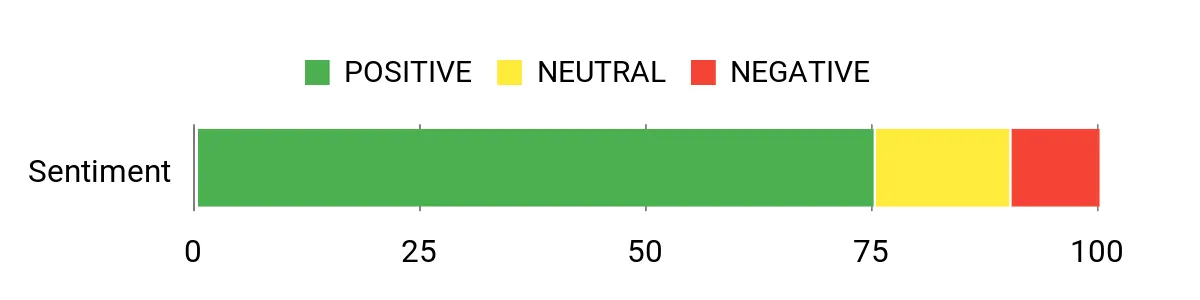
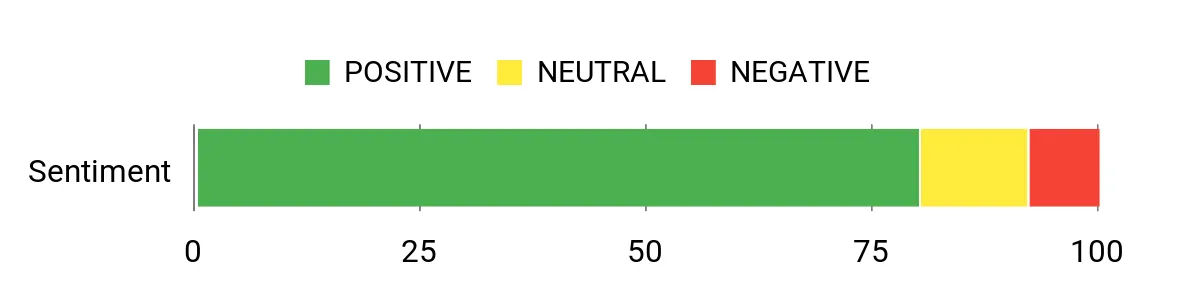
Before buying, check the newest listing reviews for setup and takedown difficulty, seam or floor leakage, performance in wind, and long-term pole durability. The existing sentiment graphic below is directional only and may not reflect the newest review pattern.

The CORE 9-Person is the most spacious retained option. Its 14-by-9-foot floor, 78-inch center height, and room divider allow a family to separate sleeping areas or reserve part of the tent for bags, boots, and changing clothes.
The nine-person figure is an industry sleeping-bag capacity, not a realistic winter-comfort target. CORE describes the tent as most comfortable for approximately four people plus gear, which is a much better planning number when insulated pads, blankets, and cold-weather clothing take up additional space.
Its pre-attached frame can be erected in as little as two minutes. H2O Block construction combines water-resistant fabric, sealed seams, a taped rainfly, zipped windows, guylines, and stakes. The tall cabin walls create excellent livability, but they also present more surface area to the wind, so complete staking and guying are essential.
Why You’ll Like It
- Large floor accommodates bulky bedding and equipment
- 78-inch center height gives most adults comfortable standing room
- Divider creates two functional zones
- Adjustable ventilation helps manage moisture
- Storage pockets and electrical-port access improve organization
Who Should Buy This
It is a strong choice for families of four, couples who bring cots and substantial gear, or groups establishing a roomy drive-up basecamp in calm, low-snow conditions.
Who Should Avoid This
Avoid it when wind exposure is likely, packed size is a major concern, or the forecast includes accumulating wet snow. Its broad cabin profile is built for comfort rather than severe-weather efficiency.
Review Checkpoints
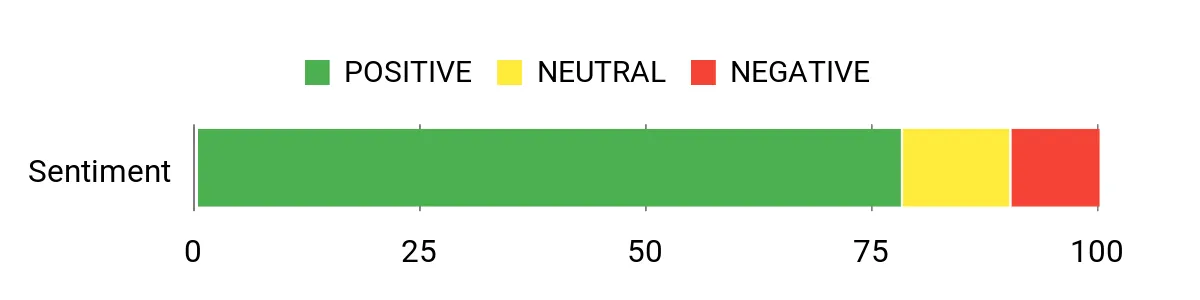
Before buying, check the newest listing reviews for packed weight, repacking difficulty, zipper and mesh durability, and how the broad cabin profile behaves in wind. The existing sentiment graphic below is directional only and may not reflect the newest review pattern.

The EVER ADVANCED stands out because its blackout treatment reduces incoming light. That can help families with young children, shift workers, festival campers, or anyone who wants to sleep later after a bright winter sunrise. The blackout feature should not be confused with insulation; your pad and sleeping bag still determine how warm you remain.
The tent measures approximately 9 by 9 feet with a center height around 73 inches and weighs a little over 22 pounds. Its instant frame is intended to stand in about a minute, while staking and rainfly attachment require additional time.
The included rainfly and water-resistant construction suit ordinary campground rain when the tent is correctly pitched. Published water-resistance numbers have varied between listings, so the article does not rely on a specific hydrostatic-head claim. Inspect the current product details and test the tent before a wet trip.
Why You’ll Like It
- Blackout treatment creates a noticeably darker sleeping space
- Square floor is easy to arrange around pads or a mattress
- Standing height improves comfort when changing clothes
- Interior pockets and a power-cord pass-through help organize small items
- Instant frame limits time spent handling loose poles
Who Should Buy This
Choose it for car camping, family weekends, festivals, or sheltered cold-weather trips where darkness and easy setup matter more than minimum weight.
Who Should Avoid This
It is not a substitute for a snow-load-rated tent, and the blackout treatment does not make it a warmer shelter. Avoid exposed winter sites and forecasts involving accumulating snow.
Review Checkpoints
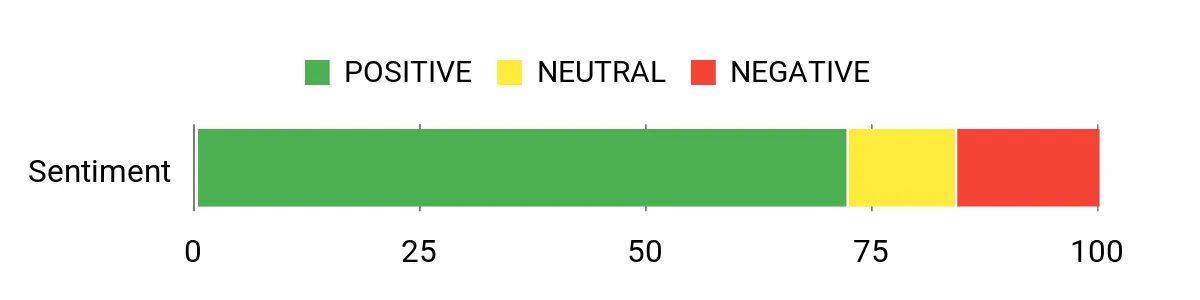
Before buying, check the newest listing reviews for blackout performance, practical sleeping capacity, repacking technique, rainfly wear, and seam performance. The existing sentiment graphic below is directional only and may not reflect the newest review pattern.
The CORE 6-Person offers much of the larger CORE tent’s usability in a smaller footprint. Its 11-by-9-foot floor and 72-inch center height provide enough room for approximately three campers plus equipment, which is more realistic than filling every advertised sleeping position.
Pre-attached poles support a fast standing setup, while the rainfly, zipped windows, sealed seams, guylines, and floor provide layered protection against ordinary campground weather. Wall storage and overhead organization are especially useful in winter, when gloves, lights, hats, batteries, and other small items are easy to misplace.
The smaller profile is easier to site and manage than a nine-person cabin, although it remains a heavy car-camping shelter rather than a backpacking tent. As with every cabin design in this guide, stake every corner and use all appropriate guylines.
Why You’ll Like It
- More manageable footprint than a large group cabin
- Approximately 6 feet of standing height
- Wall storage and overhead organization reduce floor clutter
- Adjustable ventilation helps balance airflow and condensation
- Pre-attached frame simplifies setup for one or two adults
Who Should Buy This
It suits couples who bring cots, small families, and groups of about three who value organization and interior height during drive-up camping trips.
Who Should Avoid This
Do not choose it for long carries, major snow events, exposed winter terrain, or situations in which the advertised six-person maximum must remain comfortable with substantial gear.
Review Checkpoints
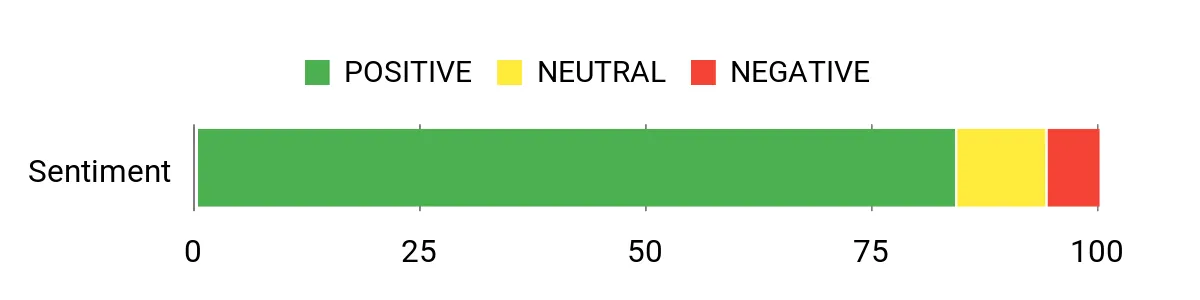
Before buying, check the newest listing reviews for packed weight, supplied stakes, repacking, seam performance, zipper durability, and one- or two-person setup. The existing sentiment graphic below is directional only and may not reflect the newest review pattern.

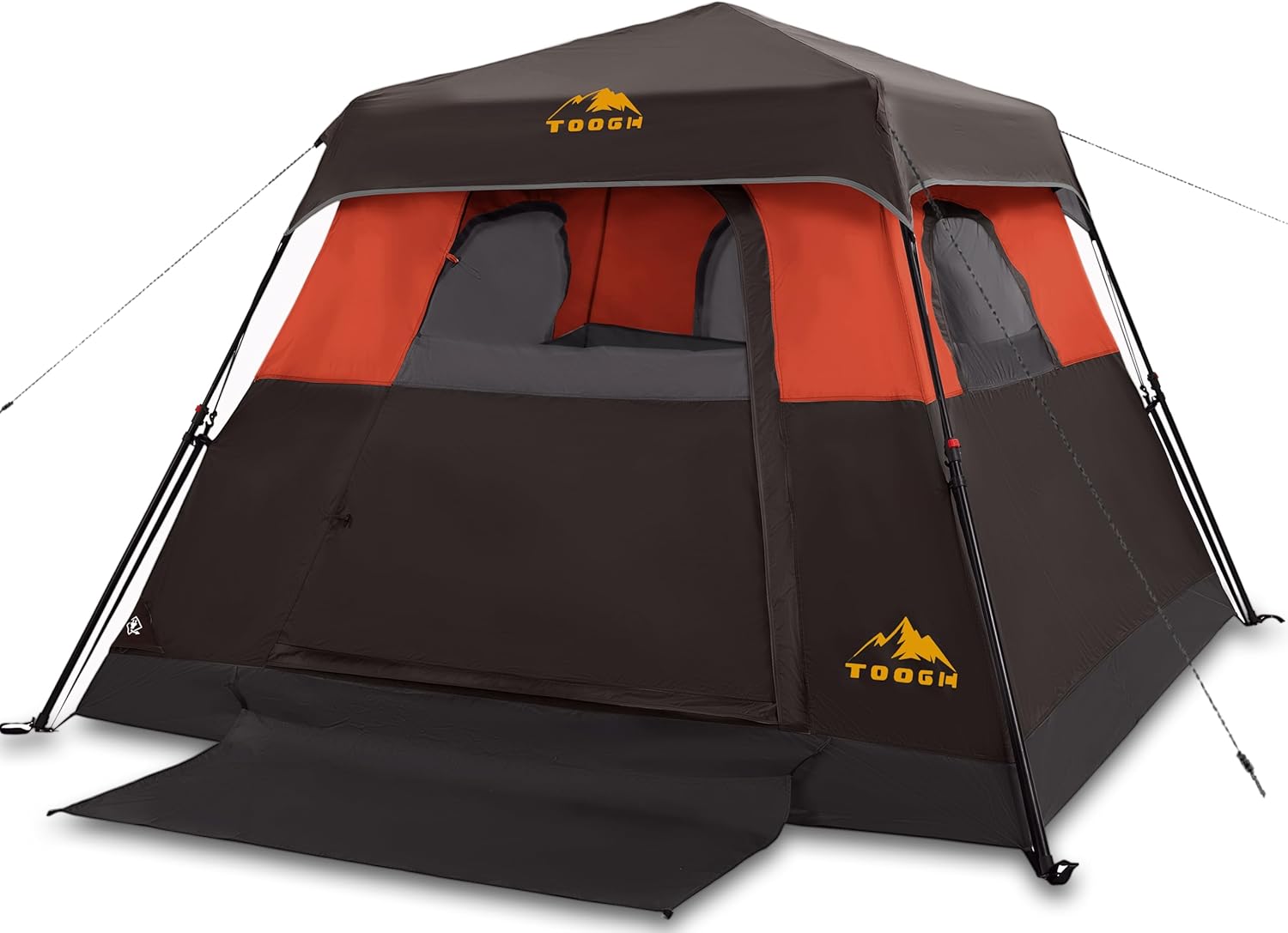
The Toogh is the smallest retained pick and makes the most sense for one or two adults who do not need the bulk of a family cabin. Current listing information describes a floor close to 94 by 94 inches, a 67-inch peak height, and a weight around 16 pounds. Verify the dimensions and included components for the exact current variant before purchasing.
Pre-attached telescopic poles allow one person to raise the main structure quickly. Four windows and a mesh ceiling provide useful airflow, while the rainfly can be installed for weather coverage. During cold nights, keep enough ventilation open to release moisture rather than sealing every opening tightly.
The four-person label assumes close sleeping-bag spacing. A solo camper can create a roomy setup, and a couple can fit bedding and equipment without using every inch of floor space. Four adults with winter gear would be cramped.
Why You’ll Like It
- Smaller campsite footprint than the family cabins
- Fast one-person frame deployment
- Four windows and mesh ceiling provide flexible ventilation
- Enough room for a solo camper or couple with gear
- Carry-bag format is easier to handle than a very large instant cabin
Who Should Buy This
It is best for solo car campers, couples, quick weekend trips, and campers who want standing or near-standing room without carrying a full-size family tent.
Who Should Avoid This
Do not choose it for four adults with bulky bedding, major snow, severe wind, or remote winter travel where shelter failure would have serious consequences.
Review Checkpoints
Before buying, check the newest listing reviews for floor durability, exact usable dimensions, supplied stakes, seam performance, ventilation, and how easily one person can complete both setup and takedown. The existing sentiment graphic below is directional only and may not reflect the newest review pattern.
Quick Comparison
| Product Name | Image | Practical Capacity | Dimensions | Main Setup | Weather Guidance | Amazon |
|---|---|---|---|---|---|---|
| Coleman 6 Person Instant Tent |
 |
Family of 3–4 plus gear | 10 ft × 9 ft; 6 ft high | About 1 minute before staking | Mild, sheltered conditions; no heavy snow | Check Price |
| CORE 9 Person Instant Cabin Tent |
 |
About 4 plus gear | 14 ft × 9 ft; 78 in high | Up to about 2 minutes | Sheltered group camping; avoid wind and snow load | Check Price |
| EVER ADVANCED 6 Person Blackout Tent |
 |
2–4 plus gear (practical planning range) | 9 ft × 9 ft; about 73 in high | About 1 minute before fly and stakes | Ordinary rain and calm cold-weather camping | Check Price |
| CORE 6 Person Instant Cabin Tent |
 |
About 3 plus gear | 11 ft × 9 ft; 72 in high | About 1 minute before staking | Mild winter basecamp use in a protected site | Check Price |
| Toogh 4 Person Camping Tent |
 |
1–2 adults plus gear | Approximately 94 in × 94 in × 67 in | About 1 minute before fly and stakes | Compact sheltered use; verify current variant | Check Price |
How to Choose an Instant Tent for Cold-Weather Car Camping
Start With the Weather, Not the Occupancy Label
Check the complete forecast for temperature, precipitation, wind, and snowfall. Cold air by itself does not make a three-season cabin tent a true winter shelter, and the same tent can become unsuitable when strong wind, wet snow, or meaningful accumulation is expected. Follow the manufacturer’s guidance, keep a safe retreat available, and change shelters or cancel the trip when conditions exceed the tent’s intended use.
Use Realistic Capacity
Manufacturer capacity normally assumes people sleeping close together on narrow pads. Winter equipment takes more room. A six-person tent is often comfortable for three or four people with insulated pads, bags, boots, coats, and dry clothing. A nine-person cabin may be a sensible four-person winter basecamp.
Prioritize the Sleeping Pad
The cold ground can remove heat faster than many campers expect. Use an insulated sleeping pad appropriate for the forecast and pair it with a sleeping bag whose temperature rating suits the conditions. Placing extra blankets beneath an uninsulated air mattress is not always an adequate substitute for a properly insulated pad.
Examine Rainfly Coverage and Anchor Points
A reliable rainfly, closable windows, sealed seams, a bathtub-style floor, sturdy stakes, and usable guylines matter more than a vague “waterproof” label. Pitch the fly taut so water does not pool, and use a footprint that remains underneath the tent floor rather than protruding beyond it and collecting rain.
Plan for Condensation
Breathing and damp clothing release moisture throughout the night. Keep upper vents open enough for moist air to escape, avoid pressing bedding against the walls, and store wet equipment outside the sleeping area when possible. Closing every vent may make the tent feel warmer briefly but can leave the interior damp and colder by morning.
Remember That Setup Time Is Not Total Pitching Time
A “60-second” claim usually refers to raising the main frame. Selecting and clearing the site, laying out a footprint, installing the rainfly, staking corners, tensioning guylines, and checking the structure take additional time. Complete those steps even when the tent appears freestanding.
Winter Setup and Safety Tips
Carbon-Monoxide and Fire Safety
Do not cook, burn charcoal, or operate a fuel-burning stove, lantern, or heater inside these tents. Ventilation openings and a carbon-monoxide detector do not turn an ordinary nylon or polyester tent into a safe combustion enclosure. Follow the appliance manufacturer’s instructions and use cooking or heating equipment only where expressly permitted.
- Choose a site protected from prevailing wind, dead branches, drainage channels, and falling ice.
- Clear sharp debris before laying out the footprint.
- Stake every corner and use the designated guylines.
- Keep doors and vents free of snow, gear, and bedding.
- Brush off any accumulating snow rather than allowing it to load the roof.
- Keep dry clothing, a headlamp, spare batteries, food, and an emergency shelter accessible.
- Know where the vehicle, campground building, or other safe retreat is located.
FAQ
Are Instant Tents Suitable for Winter Camping?
They can be suitable for mild winter car camping in sheltered locations when the manufacturer’s guidance is followed, little or no accumulating snow is expected, wind remains manageable, and you have an adequate sleeping system plus a safe retreat. Most instant cabins are not engineered like four-season mountaineering tents. Use a purpose-built winter shelter for exposed terrain, significant snowfall, severe wind, or remote trips where a tent failure could become an emergency.
Will an Instant Tent Keep Me Warm?
A tent can reduce wind exposure and help keep precipitation away from your bedding, but it produces very little insulation by itself. Warmth comes primarily from an insulated sleeping pad, an appropriately rated sleeping bag, dry base layers, a warm hat, adequate food and hydration, and careful campsite selection.
What Size Tent Should I Choose?
Plan around the dimensions of your actual sleep system. Measure air mattresses, cots, and pads before ordering, then reserve floor space for bags, boots, and clothing. For cold-weather comfort, selecting a tent rated for two or three more occupants than your group is often more practical than using the maximum stated capacity.
Does a Higher Waterproof Rating Guarantee a Dry Tent?
No. A hydrostatic-head figure describes fabric resistance under a particular test, but the complete shelter also depends on seam construction, rainfly coverage, floor design, window closure, setup tension, wear, and campsite drainage. Treat broad “waterproof” language cautiously and inspect the exact current listing.
Should I Close Every Vent on a Cold Night?
No. Keep enough ventilation open for moisture to escape. A completely sealed tent can develop heavy condensation from breathing, damp clothing, and temperature differences. Position bedding away from the walls and adjust vents so airflow does not blow directly across sleepers.
Can I Use a Heater Inside One of These Tents?
Do not operate a fuel-burning heater, stove, lantern, charcoal device, or open flame inside these tents. Carbon monoxide can build up without warning, and synthetic tent materials can ignite or melt. Use a suitable sleeping system rather than relying on combustion equipment to make an ordinary tent warm.
How Should I Care for an Instant Tent?
Practice setup and takedown before the trip, remove dirt with gentle hand cleaning, and let the tent dry completely before storage. Do not force hubs or telescopic poles. Inspect seams, zippers, guylines, and stakes regularly, and follow the manufacturer’s instructions when applying seam sealer or renewing water-repellent treatments.
Final Recommendation
Choose by your real camping setup:
The Coleman 6-Person Instant Cabin is the best general-purpose option for a small family. The CORE 9-Person provides the most practical room for four people and bulky equipment. Pick the EVER ADVANCED when blackout performance is a priority, the CORE 6-Person when organization and a smaller footprint matter, or the Toogh for solo and two-person trips.
Whichever model you choose, treat it as a mild-winter car-camping shelter—not a severe-weather tent. Check the forecast, use a properly rated sleeping system, ventilate the tent, stake it completely, and move to a stronger shelter when snow or wind exceeds the tent’s intended use.
This roundup is reader-supported. When you click through qualifying Amazon links, we may earn a referral commission at no additional cost to you.