
A portable tent air conditioner can make hot-weather camping, vanlife, RV stops, and small enclosed spaces far more comfortable—but only when its cooling capacity, venting setup, noise level, and power requirements match your campsite. The best model is not automatically the one with the highest BTU rating; it is the one your tent and power source can support safely and consistently.
This guide compares compact compressor-based units that balance cooling power, portability, noise, and energy use. These products are designed for cooling and dehumidification, not heating, so they should not be relied on to keep a tent warm in winter.
Quick verdict: The OUTOHOME 5200BTU Portable AC is the strongest all-around choice for buyers who want high cooling output with a relatively modest listed power draw. The GETUHAND 5200BTU model is a close alternative with dehumidification, while the CIGREEN 3700 BTU unit is better suited to buyers prioritizing quieter operation in a smaller space. The Waykar 4500 BTU model fits larger tents on paper but is louder and should be chosen only after confirming the campsite power and venting plan.
Affiliate disclosure: This roundup is reader-supported. When you click an Amazon link, we may earn a referral commission on qualifying purchases at no additional cost to you. As an Amazon Associate I earn from qualifying purchases.
Top Picks
|
Category |
Product |
Best Fit |
|---|---|---|
|
🏆 Best Overall |
Strong cooling with a listed 400 W draw |
|
|
⭐ Best With Dehumidification |
Humid campsites, RVs, and compact rooms |
|
|
⛺ Best for Larger Tents |
Four- to eight-person tents with AC power |
|
|
🔇 Best for Quiet Operation |
Smaller tents, vans, and sleeping areas |
How We Chose These Tent Air Conditioners
We compared each unit by its seller-listed cooling capacity, continuous power draw, voltage, weight, noise level, intended floor area, operating modes, venting requirements, and included controls or accessories. We also considered whether the product solves a distinct buyer need rather than duplicating another pick.
Because tent fabric provides little insulation and air leakage varies widely, manufacturer room-size claims should be treated as rough guidance rather than guaranteed performance. Direct sun, outdoor temperature, humidity, tent size, vent sealing, and exhaust placement can all change real-world results.
Before You Buy
- Confirm that your campsite outlet, generator, inverter, or power station can handle both continuous wattage and compressor startup surge.
- Plan a sealed route for the hot exhaust so heat does not flow back into the tent.
- Choose a unit light enough to move from your vehicle to the campsite; most full compressor models here weigh about 31–33 lb.
- Check drainage requirements for humid weather and keep the unit level during operation.
- Do not use a cooling-only tent AC as a heater or as a substitute for a cold-weather sleeping system.
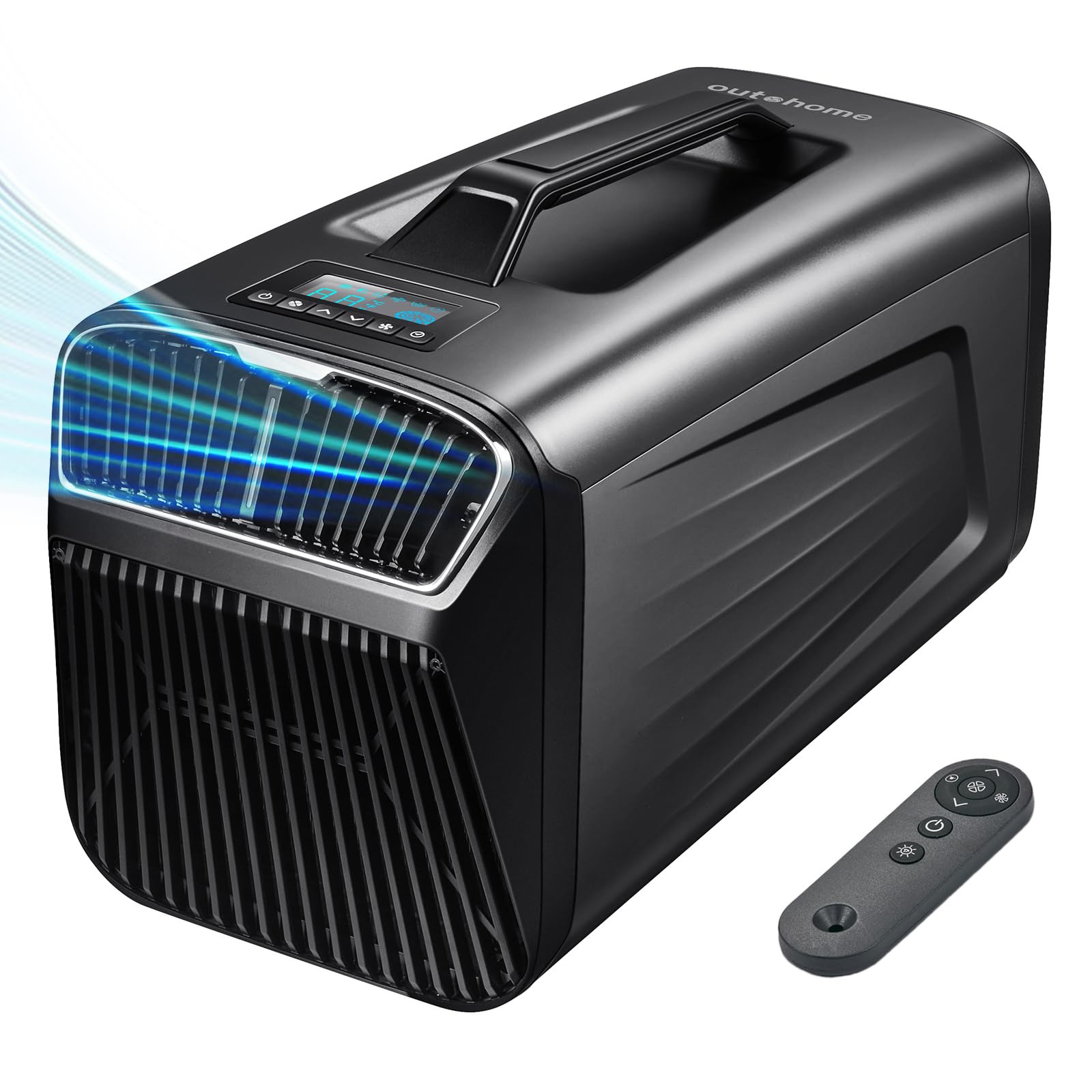
This OUTOHOME model offers the highest cooling capacity in the retained lineup without the heavier power demands common to larger room units. Its compact body and integrated handle suit car-accessible campsites, RVs, work areas, and other small enclosed spaces where a standard window unit is impractical.
The main limitation is weight: at roughly 32 lb, it is portable from a vehicle to a campsite but not appropriate for backpacking. Like every compressor-based tent AC, it also needs a carefully routed exhaust and a stable power source.
Why You’ll Like It
It combines strong listed cooling output, moderate power consumption, dehumidification, and sleep-oriented controls in one compact system. That makes it the easiest recommendation for buyers who want meaningful temperature reduction rather than simple air circulation.
Who Should Buy This
Choose it for medium-size tents, truck or van setups, small RV areas, garages, pet spaces, or small rooms where 110 V power is available and stronger cooling matters more than ultralight portability.
Who Should Avoid This
Skip it for backpacking, large open shelters, unpowered campsites, or any setup that cannot vent hot exhaust outdoors.
What People Say
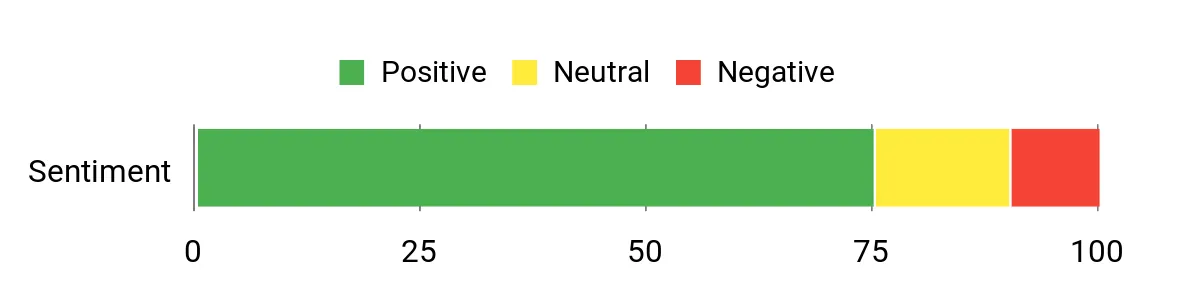
Feedback in the source review snapshot emphasizes strong airflow, noticeable cooling in compact spaces, and relatively quiet operation. Some buyers also mention that hose positioning and the remote can take time to sort out. Customer feedback and marketplace ratings can change, so check the latest listing details before buying.
Overall Sentiment: Generally positive in the source snapshot
Key Benefits
- Seller-listed 5,200 BTU cooling capacity
- Listed 400 W power draw on standard 110 V AC
- Cool, dry, sleep, and fan operating modes
- Listed noise level around 46 dB
- Carry handle and compact footprint for vehicle-based camping
Check Product Details on Amazon
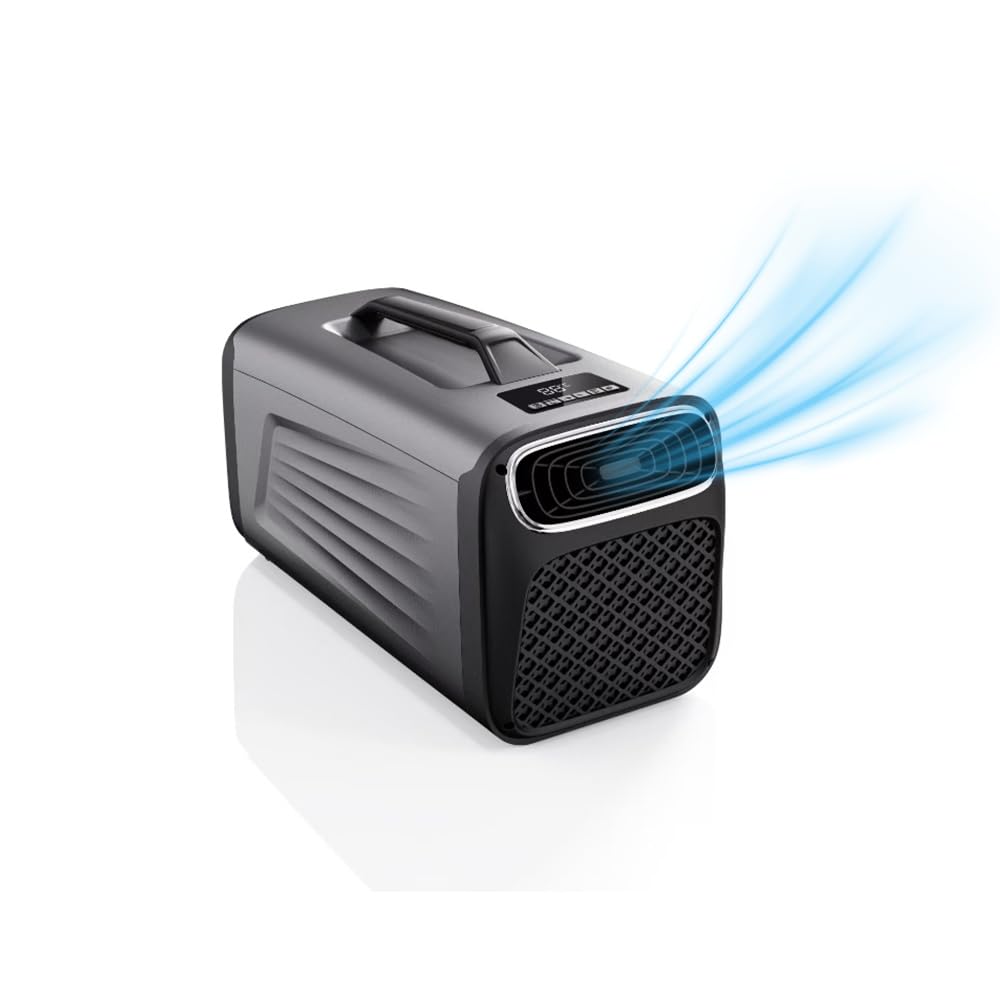
The GETUHAND unit closely matches the OUTOHOME model on its core seller-listed specifications, including 5,200 BTU cooling, 110 V corded operation, roughly 400 W power use, and a listed 46 dB noise level. Its built-in dehumidification mode is especially useful when warm nights are damp and condensation becomes part of the comfort problem.
It remains a vehicle-camping product rather than a hiking product. Its approximate 33 lb weight and need for AC power mean buyers should plan transport and electrical capacity before choosing it.
Why You’ll Like It
It targets both heat and humidity, giving campers a more useful all-in-one system than a cooling fan. The compact form and hose-based setup also allow the compressor body to stay outside while conditioned air is directed into the tent.
Who Should Buy This
It is a practical option for humid campgrounds, small RV sleeping areas, screened porches, pet spaces, and compact rooms where a dehumidifier mode adds meaningful value.
Who Should Avoid This
Avoid it when you need lightweight gear, battery-only operation, or cooling for a large cabin or open shelter.
What People Say
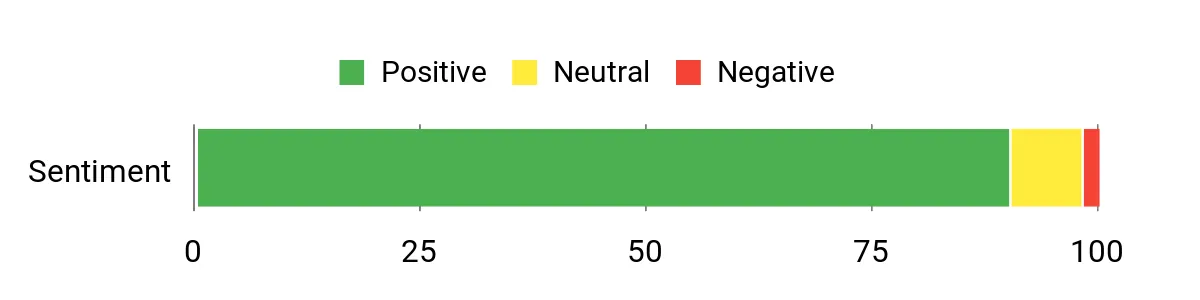
The source review snapshot highlights fast cooling, manageable operating noise, and the usefulness of dehumidification. As with other hose-based portable units, setup and placement are recurring considerations. Because the source sample was limited, do not treat its original rating as a dependable long-term quality measure.
Overall Sentiment: Positive but based on limited source feedback
Key Benefits
- Seller-listed 5,200 BTU cooling capacity
- Listed 400 W corded power draw
- Built-in dehumidifier and fast-cooling modes
- Listed noise level around 46 dB
- Remote control and carry-handle design
Check Product Details on Amazon

The Waykar is positioned for bigger family tents and compact RV spaces, with a manufacturer-stated coverage area up to 130 sq. ft. It includes cooling, dehumidifying, fan, and sleep functions, along with remote and panel controls.
Its listed 55 dB noise level is higher than the other retained models, so light sleepers should consider placement carefully. It also needs stable 110 V AC power and proper exhaust routing; the room-size claim should not be treated as guaranteed performance in direct sun or extreme heat.
Why You’ll Like It
It offers a broad set of controls and a larger stated coverage area, making it easier to adapt to family tents, small campers, and humid conditions.
Who Should Buy This
Consider it for four- to eight-person tents, small RVs, or enclosed campsite spaces where noise is secondary to coverage and multi-mode operation.
Who Should Avoid This
It is not the best match for light sleepers, backpackers, off-grid setups without sufficient AC power, or buyers camping in extreme heat who expect room-size claims to translate directly to an uninsulated tent.
What People Say
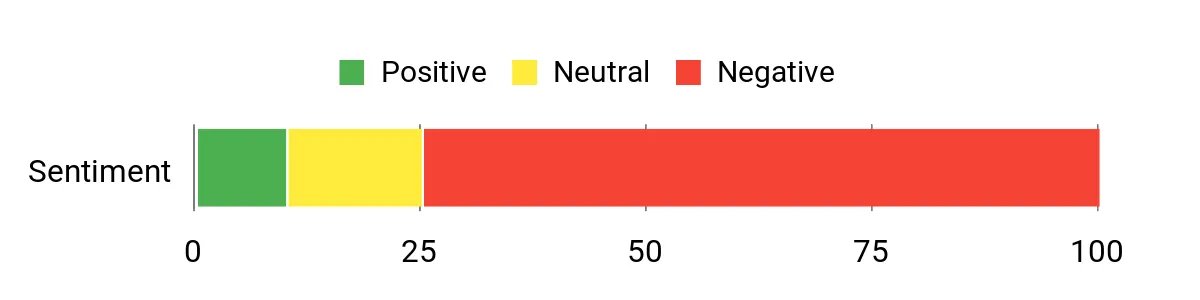
The source review snapshot is mixed. Buyers like the included accessories, remote control, and combination of cooling and dehumidifying functions, while some report weaker performance in very hot conditions or concerns about durability. Check recent reviews and warranty information before committing.
Overall Sentiment: Mixed in the source snapshot
Key Benefits
- Seller-listed 4,500 BTU cooling capacity
- Seller-listed coverage up to 130 sq. ft.
- Cooling, dehumidifying, fan, and sleep functions
- Listed 400 W draw on 110 V AC power
- Remote control, overload protection, and automatic defrost
Check Product Details on Amazon

The CIGREEN model trades some cooling output for a quieter seller-listed noise level. Its 3,700 BTU capacity suits smaller tents, vans, compact RV areas, and spot-cooling jobs where the unit can be placed close to the sleeping area without becoming as intrusive as a louder model.
Its listed 480 W draw is higher than the 400 W figures attached to the larger OUTOHOME and GETUHAND units, so buyers should not assume that lower BTU automatically means lower energy use. The built-in light is convenient at night, but it should not replace the core checks for power, venting, and cooling capacity.
Why You’ll Like It
It is easy to position in compact spaces, has a relatively quiet listed operating level, and includes a small integrated light that reduces campsite clutter.
Who Should Buy This
Choose it for smaller tents, vans, truck campers, or sleeping areas where quiet operation and compact placement matter more than maximum BTU output.
Who Should Avoid This
Skip it for large tents, open shelters, extreme heat, or low-capacity power stations that cannot comfortably support a continuous 480 W load plus startup surge.
What People Say
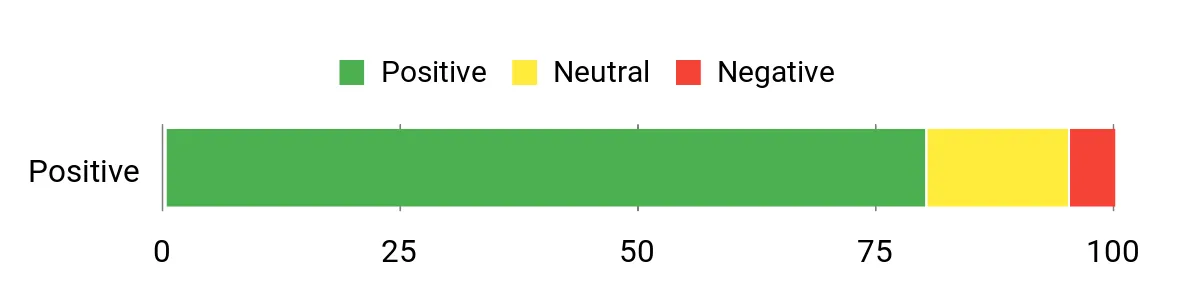
The source review snapshot emphasizes quiet operation, portability, and effective spot cooling in small spaces. Feedback also reinforces that the unit is best treated as a compact-zone cooler rather than a solution for a large cabin or open campsite.
Overall Sentiment: Generally positive in the source snapshot
Key Benefits
- Seller-listed 3,700 BTU cooling capacity
- Listed operating noise around 45 dB
- Compact body with integrated carry handle
- Built-in light for nighttime campsite use
- 110 V corded operation with a listed 480 W draw
Check Product Details on Amazon
How to Choose the Right Portable Tent Air Conditioner
Match BTU to the Tent, Not Just the Floor Area
Tents gain heat quickly through thin fabric, direct sunlight, open doors, and imperfect seals. A 3,700 BTU model may be sufficient for a small sleeping tent, while a 4,500–5,200 BTU unit offers more headroom for larger shelters or humid conditions. Treat advertised square-foot coverage as a starting point and size conservatively.
Calculate Power Needs Before the Trip
Continuous draw is only part of the power calculation. Compressor-based air conditioners can briefly require more power at startup, so your generator, inverter, or portable power station needs adequate surge capacity as well as enough stored energy for the desired runtime. Batteries and power stations are generally sold separately unless a listing explicitly says otherwise.
Plan the Exhaust and Condensate Route
A true air conditioner moves heat from one side of the system to the other. The hot side must vent outdoors, and the opening around the duct should be sealed as well as practical. In humid weather, connect the drain hose when required and keep the unit on a stable, level surface.
Consider Noise and Placement
A difference of several decibels can matter in a quiet campsite. Place the compressor body as far from the sleeping area as the hoses allow, protect it from rain according to the manufacturer’s instructions, and avoid blocking either the intake or exhaust.
Do Not Confuse Cooling With Heating
The models in this roundup are cooling-focused portable air conditioners. Fan and dry modes can reduce stuffiness or humidity, but they do not provide winter heat. Cold-weather camping requires suitable insulation, a temperature-rated sleeping bag and pad, appropriate clothing, and a purpose-built heater only where its instructions and campsite rules allow safe use.
FAQ
Can a Tent Air Conditioner Keep a Tent Warm in Winter?
No. The retained products are cooling-only units with fan or dehumidification functions. They can circulate air and reduce moisture, but they should not be used as primary heaters. Use a cold-rated sleeping system and a purpose-built heating solution that is approved for your shelter and campsite.
How Many BTUs Do I Need for a Tent?
Small compressor-based tent ACs commonly fall in the 3,700–5,200 BTU range. A small two-person tent may need less output than a family tent, but direct sun, humidity, air leaks, insulation, and outdoor temperature matter as much as floor area. When in doubt, choose more cooling headroom without exceeding your available power.
Can I Run a Tent AC From a Portable Power Station?
Yes, provided the power station supplies the required AC voltage, enough continuous wattage, adequate compressor surge capacity, and enough battery energy for the desired runtime. Check both the air conditioner’s label and the power station’s inverter specifications before the trip.
Should the Air Conditioner Sit Inside or Outside the Tent?
Either arrangement can work if the cold-air delivery and hot exhaust are separated correctly. Many campers place the main unit outside and duct cool air into the tent, which reduces indoor noise and frees floor space. Protect the equipment from weather and follow the manufacturer’s clearance and drainage instructions.
How Do I Maintain a Portable Tent Air Conditioner?
Clean the intake filter regularly, inspect hoses for kinks or leaks, drain condensate as required, keep vents clear, and store the unit upright in a dry place. After transport on its side, follow the manufacturer’s guidance before restarting the compressor.
Customer Favorites
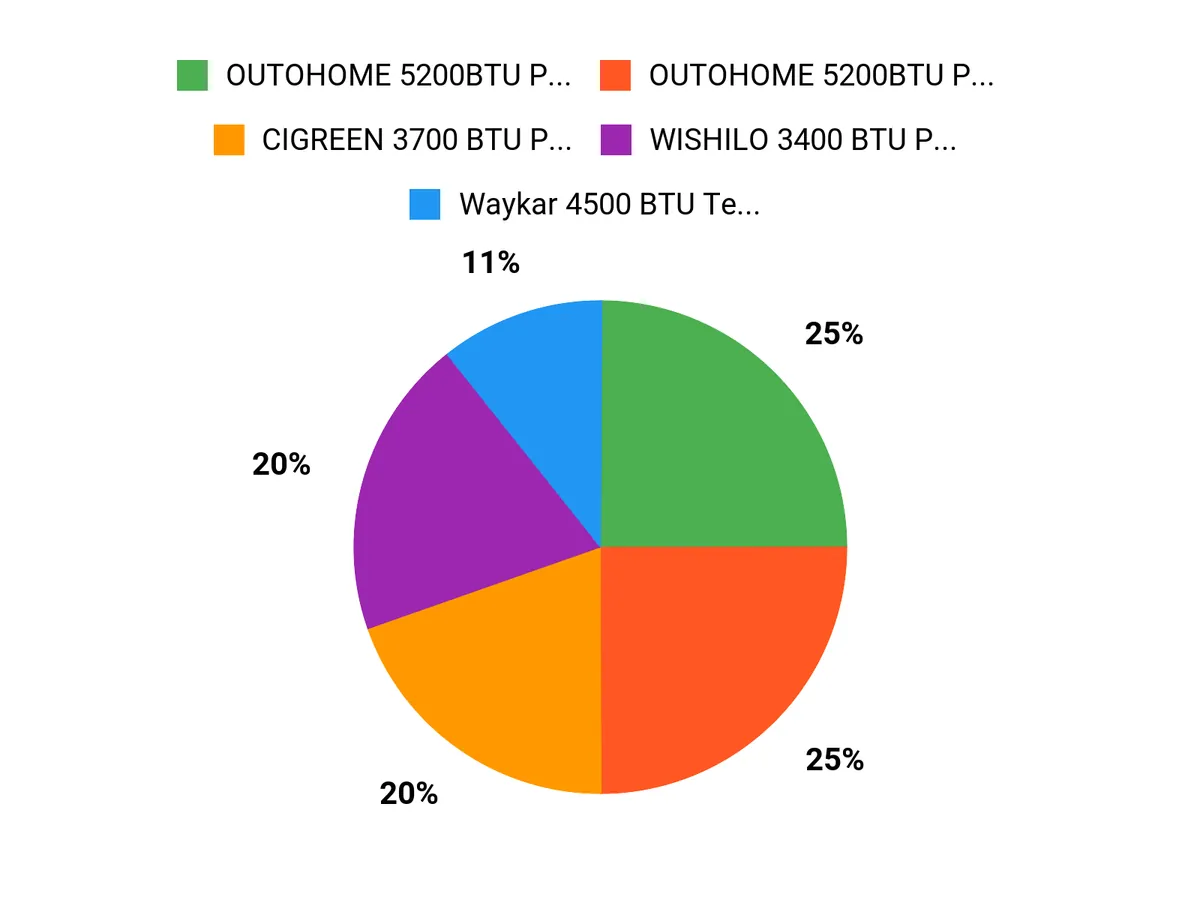
The OUTOHOME and GETUHAND 5200BTU units are the closest head-to-head choices in this roundup. Both target buyers who want strong compact-space cooling with a seller-listed 400 W draw and similar portability. Choose OUTOHOME for the clearest all-around recommendation; choose GETUHAND when dehumidification is a central part of the use case.
Wrapping Up
The OUTOHOME 5200BTU Portable AC is the best overall fit for buyers seeking strong cooling with a relatively modest listed power draw. The GETUHAND 5200BTU model is a compelling alternative for humid environments, while the CIGREEN 3700 BTU unit better suits smaller sleeping areas where lower listed noise matters.
The Waykar 4500 BTU model offers a larger stated coverage area and flexible modes, but its higher listed noise and mixed source feedback make it a more conditional choice. Whichever model you select, verify current listing details, calculate continuous and startup power needs, and plan the exhaust route before arriving at camp.
| Product | Image | Best For | Cooling Capacity (BTU) | Power Consumption (W) | Weight |
|---|---|---|---|---|---|
| 5200BTU Portable Tent Air Conditioner (Grey) by outohome |
 |
Best overall cooling-to-power balance | 5200 BTU | 400 W | 31.9 lbs |
| Portable Air Conditioner for Camping by GETUHAND |
 |
Cooling plus dehumidification | 5200 BTU | 400 W | Approx. 33 lbs |
| Waykar 4500 BTU Tent Air Conditioner |
 |
Larger tents with stable AC power | 4500 BTU | 400 W | 30.9 lbs |
| Portable Air Conditioner by CIGREEN |
 |
Quiet spot cooling in smaller spaces | 3700 BTU | 480 W | 32.0 lbs |
This roundup is reader-supported. When you click through links we may earn a referral commission on qualifying purchases.

