
You know that the right shelter can make or break a cold-weather overland trip. A good vehicle-supported tent should go up quickly, keep wind-driven rain away from your sleeping area and leave enough room for insulated pads, bulky bedding and wet gear.
This guide focuses on cold-weather overlanding rather than expedition mountaineering. The ground tents below are practical for vehicle camping during cold, wet and occasionally freezing conditions, but they do not have published heavy-snow-load ratings. The rooftop option is marketed as four-season-ready, although it still requires an appropriate sleeping system, careful condensation management and compatible vehicle hardware.
Quick Verdict
Choose the Gazelle T4 Tandem when you want the most ground-level living space for a group, cots or substantial winter gear.
Choose the Gazelle T4 when you want the same rapid hub setup in a lighter, easier-to-store package.
Choose the OVS LD TMBK when your vehicle and rack can safely support a rooftop tent and you prefer an elevated sleeping platform with an integrated mattress.
Winter safety note: None of these shelters should be treated as proof against heavy snow accumulation or severe alpine weather. Clear accumulating snow, use all required stakes and guy lines, and never operate an open flame, stove or unvented fuel-burning heater inside a tent.
Affiliate disclosure:. As an Amazon Associate I earn from qualifying purchases. This roundup is reader-supported. When you click an Amazon link, we may earn a referral commission from qualifying purchases at no additional cost to you.
Top Picks
|
Category |
Product |
Best For |
|---|---|---|
|
🏆 Best Overall Ground Tent |
Groups, cots and gear-heavy basecamps |
|
|
🚀 Best Compact Quick Setup |
Couples or small families traveling by vehicle |
|
|
🚗 Best Rooftop Tent |
Compatible vehicles needing an elevated sleep system |
Selection Criteria
We prioritized shelters that fit vehicle-supported overlanding, provide meaningful wet-weather protection and can be deployed without a complicated pole assembly. Fast setup matters more in winter because every extra minute spent handling loose components exposes you and your gear to wind, precipitation and cold.
Published waterproof ratings, floor construction, included footprints, staking systems and packed weights were reviewed alongside usable interior space. A tent’s waterproof rating does not make it warm, so we also considered whether the design leaves enough room for insulated sleeping pads, cold-rated sleeping bags and dry storage.
For the rooftop option, fitment is a primary buying criterion. Your vehicle roof, crossbars and mounting system must support the tent’s dynamic weight while driving and its static load when occupied. Manufacturer compatibility language is not a substitute for checking the limits supplied by your vehicle and rack manufacturers.
Finally, we treated heavy-snow capability separately from ordinary weather resistance. None of the retained ground tents publishes a structural snow-load rating, so they are best understood as cold-weather basecamp tents for managed conditions—not unattended winter shelters or mountaineering tents.
Before You Buy
- Check the forecast: Avoid relying on a hub tent when heavy accumulating snow, extreme wind or freezing rain is expected.
- Plan your sleeping system: Use an insulated pad and a sleeping bag rated for temperatures below the expected overnight low.
- Manage condensation: Keep vents partially open, avoid pressing bedding against tent walls and dry wet clothing outside the sleeping area when possible.
- Measure packed space: Long hub tents may fit poorly inside short cargo areas even when their total weight is manageable.
- Verify rooftop loads: Check both dynamic and static ratings for the vehicle, crossbars, rack and mounting points.
- Do a home setup: Inspect seams, zippers, hubs, stakes, rainfly fit and mounting hardware before traveling into remote winter conditions.
The Gazelle T4 Tandem solves one of the biggest cold-weather basecamp problems: finding enough usable room for people, thick bedding and wet equipment without spending a long time assembling a cabin-style tent. Its pre-attached hub frame is designed to open in about 90 seconds before staking and final rainfly adjustments.
The tall walls and two-room layout make it easier to separate sleeping gear from boots, jackets and cooking equipment. The second room can function as a changing area, protected storage zone or additional sleeping space, although cooking with a flame or fuel-burning appliance should remain outside the enclosed tent.
Why You’ll Like It
You get significantly more usable ground-level space than the smaller T4 while retaining the same basic hub-style setup. The large doors also make it easier to move cots, mattresses and storage bins inside without twisting them through a small dome-tent opening.
Who Should Buy This
- Families and groups traveling by truck, SUV, trailer or van
- Campers who use cots or bulky insulated sleeping systems
- Overlanders who want separate sleeping and gear-management zones
- People willing to carry extra weight in exchange for standing room
Who Should Avoid This
- Solo travelers with limited cargo space
- Anyone needing a backpackable or short-packed shelter
- Campers expecting heavy accumulating snow or severe alpine wind
- Travelers who frequently relocate and do not need the second room
What People Say
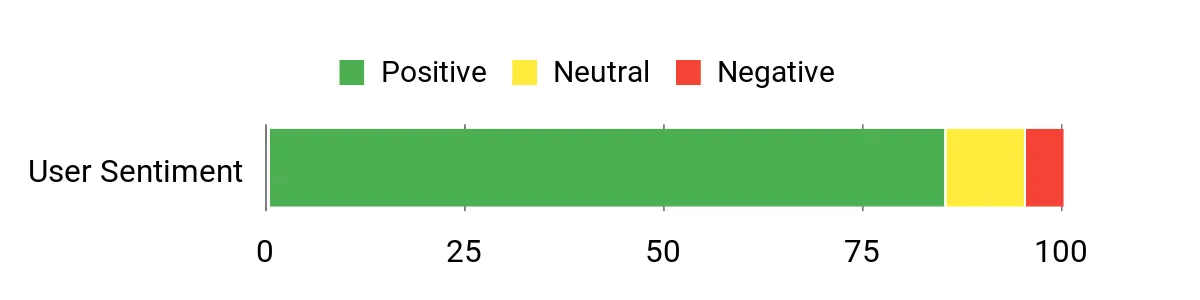
The article’s existing review dataset generally emphasizes quick setup, generous floor space and the convenience of the large storage bag and overland stake kit. Weight, packed length and occasional condensation are the most important limitations to consider before ordering.
Review Theme: Generally positive, with size and transportability as the main tradeoffs.
Verified Construction and Dimensions
- 210D Oxford polyester shell with a published 2000MM HH waterproof rating
- Removable 300D Oxford floor with a published 5000MM HH waterproof rating
- Included 300D footprint for an additional barrier against wet or abrasive ground
- Approximately 110 square feet of floor space
- Approximately 94 by 165 inches at the floor and 78 inches high
- Approximately 60 pounds with a collapsed size of about 11 by 11 by 64 inches
Cold-Weather Limitations
The fabric and floor help manage rain and damp ground, but they do not provide meaningful insulation by themselves. Bring an insulated pad, temperature-appropriate sleeping bag and dry base layers. The manufacturer does not publish a heavy-snow-load rating for this model, so remove accumulating snow and change plans when severe winter weather is forecast.
Key Benefits
- Fast pre-attached hub setup reduces exposure during arrival
- Two-room design separates sleepers from boots and equipment
- Standing height makes winter clothing changes easier
- Removable floor simplifies cleaning after mud or snow
- Footprint, all-terrain stakes and water-resistant duffle are included
The Gazelle T4 provides much of the T4 Tandem’s convenience without taking up as much room in your vehicle or at the campsite. Its square floor plan works well for two adults with winter gear, a small family using sleeping pads or campers who want enough height to stand while changing.
The manufacturer lists setup at under 90 seconds for the hub structure. You should still allow additional time to position the footprint, stake the corners, attach the rainfly and tension the guy lines—especially when wind or frozen ground makes anchoring more difficult.
Why You’ll Like It
This model is easier to transport and heat with body warmth than a very large family tent, while still giving you vertical walls and standing height. Its removable floor also makes it easier to clean out tracked-in mud, grit and melted snow.
Who Should Buy This
- Couples who want room for bedding and cold-weather gear
- Small families camping beside a vehicle
- Campers who value setup speed more than a small backpacking weight
- Travelers who want a simpler alternative to a rooftop installation
Who Should Avoid This
- Groups needing separate sleeping and gear rooms
- Backpackers or anyone carrying a shelter far from the vehicle
- Campers expecting major snow accumulation
- People who cannot store a package approximately 66.5 inches long
What People Say
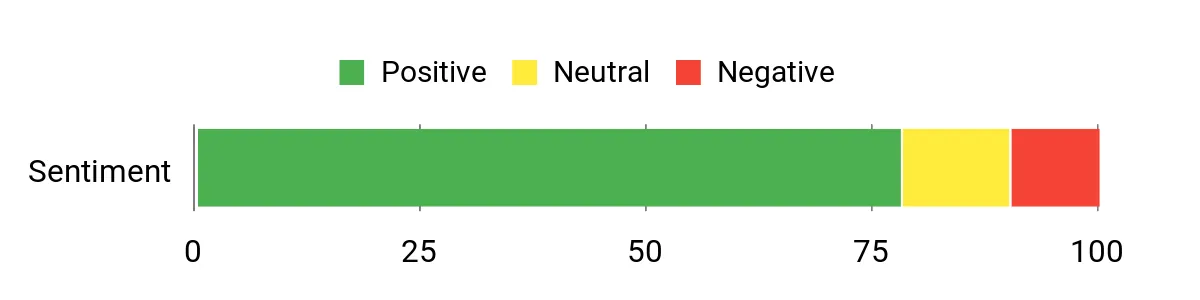
The article’s existing review dataset primarily highlights the quick hub deployment, upright interior and substantial floor materials. Packed bulk, a darker interior beneath the fly and condensation during poorly ventilated nights are the most relevant concerns.
Review Theme: Generally positive for vehicle camping, with bulk as the clearest drawback.
Verified Construction and Dimensions
- 210D Oxford polyester shell with a published 2000MM HH waterproof rating
- Removable 300D Oxford floor with a published 5000MM HH waterproof rating
- Included footprint, reflective guy lines, all-terrain stakes and water-resistant duffle
- Approximately 94 by 94 inches at the floor and 78 inches high
- Approximately 61 square feet of floor space
- Approximately 34 pounds with a collapsed size of about 8 by 8 by 66.5 inches
Cold-Weather Limitations
The T4 can protect a properly equipped sleeper from cold wind and rain, but it does not replace an insulated sleep system. Use the vents even when temperatures fall, because moisture from breathing and damp clothing can condense on cold fabric. Do not block ventilation in an attempt to retain heat.
Key Benefits
- Rapid hub deployment for late or stormy arrivals
- Smaller and lighter than the T4 Tandem
- Standing-height interior with nearly vertical walls
- Durable removable floor and separate footprint
- Practical size for two adults plus substantial gear
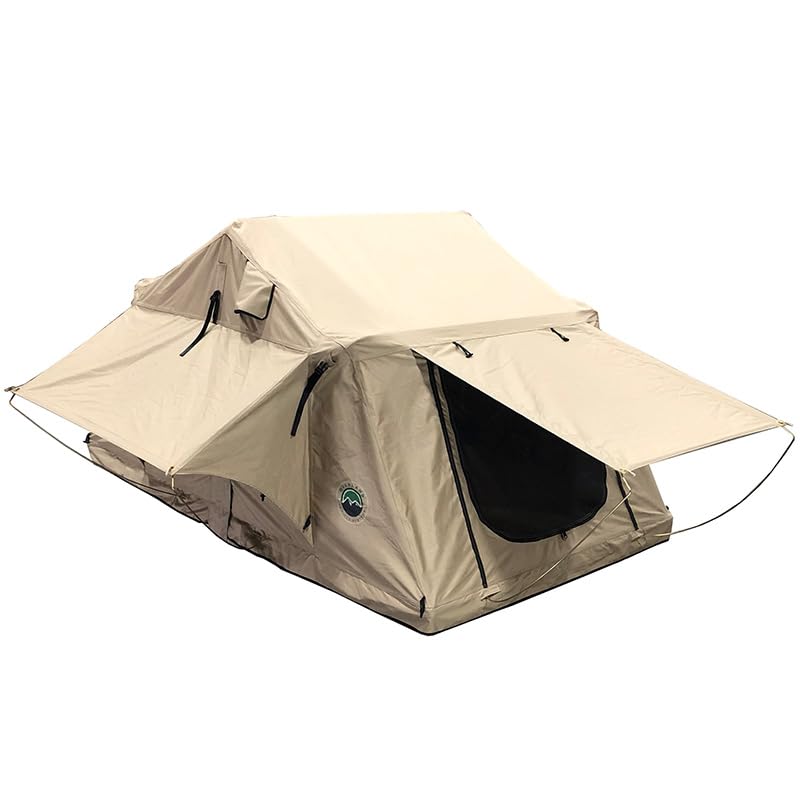
The OVS LD TMBK gives you an integrated sleeping platform above wet, muddy or uneven ground. Once installed on a compatible rack, it unfolds into a 53.5-by-92-inch sleeping area with a foam mattress, eliminating the need to lay out a separate groundsheet, tent and sleeping pad at every stop.
OVS markets the model as four-season-ready and equips it with an insulated aluminum base and substantial fabrics. That description should not be interpreted as a guarantee against every winter condition. The manufacturer does not include a cold-weather insulation kit or anti-condensation mat, and the tent has no published structural snow-load rating.
Fitment Check Required
The tent weighs approximately 108 pounds before bedding and occupants are added. Confirm the vehicle’s roof limits, the rack’s dynamic driving capacity, the rack’s static camping capacity, crossbar spacing and mounting compatibility before purchase. Do not rely solely on a general statement that a vehicle has a roof rack.
Why You’ll Like It
The main benefit is repeatable roadside setup. Your sleeping platform and mattress remain attached to the vehicle, so moving between camps can be simpler than packing a large ground tent each morning. Elevation also keeps the sleeping surface away from puddles, small drainage channels and uneven ground.
Who Should Buy This
- Overlanders with a verified compatible roof or truck-bed rack
- Couples who want an integrated mattress and elevated sleeping area
- Road-trip campers who relocate frequently
- Travelers who regularly camp on wet, rocky or uneven sites
Who Should Avoid This
- Vehicles or racks without clearly documented load capacity
- Campers who need to drive away while leaving their shelter established
- Anyone uncomfortable climbing a ladder at night or in icy conditions
- Three adults expecting spacious winter sleeping room
- Drivers who do not want additional roof weight and wind resistance
What People Say
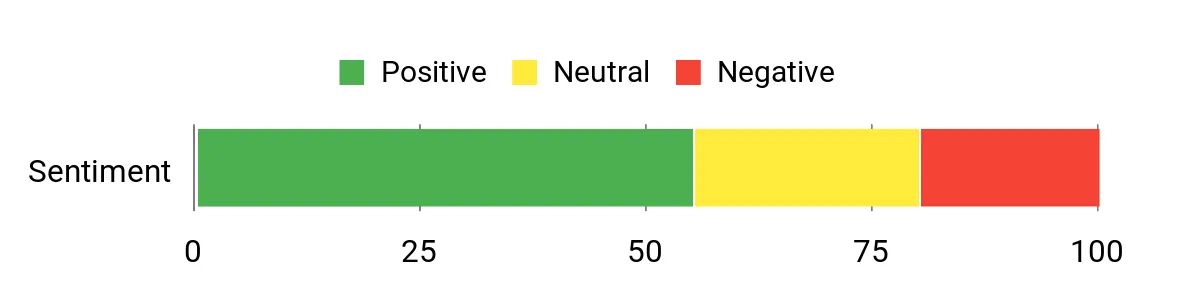
The article’s existing review dataset emphasizes the convenience of a permanently mounted sleeping platform, sturdy fabric and better comfort than a basic ground pad. Installation instructions, mounting-hardware checks, mattress firmness and the practical space available for three occupants are recurring considerations.
Review Theme: Mixed-to-positive, with fitment and installation preparation determining much of the experience.
Verified Construction and Dimensions
- 600D ripstop poly-cotton Oxford tent body
- 420D polyester Oxford rainfly with a published 2000 PU waterproof rating
- Insulated aluminum base with stainless-steel hardware
- High-density foam mattress with a cotton cover
- Open dimensions of approximately 56.5 by 94.5 by 51 inches
- Sleeping area of approximately 53.5 by 92 inches
- Closed dimensions of approximately 57 by 49.5 by 11.5 inches
- Approximately 108 pounds dry
- Two-year limited fabric and structural warranty for the original purchaser under normal use
Cold-Weather Limitations
The insulated base reduces direct heat loss compared with an uninsulated metal platform, but the included mattress does not eliminate the need for cold-rated bedding. Rooftop tents are also exposed to wind on every side. Use suitable sleeping bags, ventilate the tent and remove snow before it accumulates.
Be especially careful on the ladder during frost, snow or freezing rain. Keep footwear dry, maintain three points of contact and avoid placing the ladder on loose or icy ground.
Key Benefits
- Elevated sleeping platform avoids wet and uneven ground
- Integrated mattress reduces nightly sleep-system setup
- Insulated aluminum base and substantial fabric construction
- Compact closed footprint for a soft-shell rooftop model
- Rainfly, ladder, mounting crossbars, hardware and travel cover are included
Ground Tent or Rooftop Tent?
A ground tent is usually the better choice when you want to leave camp established while using your vehicle, need more standing room or do not have a rack rated for rooftop-tent loads. Ground tents are also easier to enter during icy weather and place less weight high on the vehicle.
A rooftop tent is appealing when you change camps frequently, regularly encounter wet or uneven sites and value an integrated mattress. The tradeoffs include installation work, ladder access, additional vehicle height, more wind resistance and the need to pack the tent whenever the vehicle leaves camp.
| Product Name | Image | Best For | Capacity | Open Dimensions | Weight | Published Water Protection | Cold-Weather Note | Amazon |
|---|---|---|---|---|---|---|---|---|
| Gazelle T4 Tandem Hub Tent Overland Edition |
 |
Groups, cots and large gear loads | Up to 4–8 people; fewer with winter gear | 94″ x 165″ x 78″ | 60 lb. | 2000MM HH shell; 5000MM HH floor | Good for managed cold and wet conditions; no published heavy-snow-load rating | Check Price |
| Gazelle T4 Hub Tent Overland Edition |
 |
Couples and small families | Up to 4 people; best with fewer occupants and gear | 94″ x 94″ x 78″ | 34 lb. | 2000MM HH shell; 5000MM HH floor | Easier to transport than the Tandem; not rated for major snow accumulation | Check Price |
| OVS LD TMBK 3-Person Soft-Shell Rooftop Tent |
 |
Compatible vehicles and frequent camp changes | Up to 3 people; more comfortable for 2 adults | 56.5″ x 94.5″ x 51″ | 108 lb. dry | 2000 PU rainfly rating | Marketed as four-season-ready; no cold-weather liner or anti-condensation mat included | Check Price |
FAQ
Are These True Winter Expedition Tents?
No. The two Gazelle models are overlanding ground tents with strong published waterproof ratings and substantial floors, but they do not have published heavy-snow-load ratings. They are better suited to vehicle-supported camping in cold rain, light snow and freezing overnight temperatures when the forecast is manageable.
OVS markets the LD TMBK as four-season-ready, but it also lacks a dedicated cold-weather insulation kit, anti-condensation mat and published structural snow-load rating. Four-season marketing should not replace judgment about wind, snowfall and the limits of your sleep system.
Which Tent Is Easiest To Transport?
The Gazelle T4 is the lightest retained option at approximately 34 pounds, although its collapsed length is still about 66.5 inches. The T4 Tandem weighs approximately 60 pounds and takes more cargo room. The OVS LD TMBK weighs approximately 108 pounds before bedding, mounting hardware and occupants are considered, and it normally remains attached to a compatible rack.
How Many People Will Actually Fit With Winter Gear?
Manufacturer capacity numbers describe maximum sleeping occupancy, not spacious winter comfort. Bulky sleeping bags, insulated pads, cots and wet-gear storage reduce practical capacity. The T4 is often most comfortable for two adults plus gear, while the T4 Tandem is better for larger groups or people using cots. The LD TMBK can sleep up to three, but two adults will have more practical room for cold-weather bedding.
Can I Use A Heater Or Wood Stove Inside?
Do not use a wood stove or open flame in any of these tents. They are not presented here as stove-jack tents. Fuel-burning heaters can create fire, oxygen-depletion and carbon-monoxide hazards. Follow the heater and tent manufacturers’ instructions, preserve required ventilation and never operate an unvented combustion heater while sleeping.
How Do I Reduce Condensation?
Keep high and low vents partially open, even during cold nights. Avoid drying wet clothing inside the sleeping compartment, leave space between bedding and tent walls and use the rainfly as directed. In a rooftop tent, airflow beneath the mattress or a compatible anti-condensation layer can help limit moisture accumulation, but the LD TMBK does not include an anti-condensation mat.
What Should I Check Before Mounting The Rooftop Tent?
Confirm the vehicle’s permitted roof load, rack dynamic load while driving, rack static load while parked, crossbar spacing, crossbar construction and mounting-hardware compatibility. Include the tent, occupants, bedding and accessories in the load calculation. Recheck fasteners after the first trip and periodically thereafter.
What Should I Inspect When A Tent Arrives?
Set the tent up before your trip. Examine fabric, seams, floor attachment, zippers, hubs, poles, guy lines, stakes and rainfly fit. For the rooftop model, inventory the ladder, crossbars, brackets, fasteners and travel cover. Confirm that the tent can be deployed and packed without interference from the vehicle, hatch, antenna or other accessories.
What Overlanders Usually Prioritize
Choose the T4 Tandem when interior volume and separate zones matter more than weight. Choose the T4 when you want a faster, smaller ground-basecamp package for two adults or a small family. Choose the LD TMBK when elevated sleeping and frequent camp changes justify the installation, ladder access and vehicle-fitment requirements.
Across all three options, the tent should be only one part of your winter system. A suitable insulated pad, cold-rated sleeping bag, dry clothing, weather monitoring and a safe backup plan matter more to overnight warmth than a high denier number alone.
Wrapping Up
The Gazelle T4 Tandem Hub Tent Overland Edition is the strongest all-around ground choice in this group when you need standing room, a large gear area and a rapid hub setup. Its size and 60-pound weight make the most sense for trucks, trailers, vans and larger SUVs.
The Gazelle T4 Hub Tent Overland Edition is the more practical choice for couples or small families who want quick deployment without carrying the larger Tandem. It delivers the same basic overland accessories in a 34-pound package, but it still requires a properly insulated sleep system and conservative weather planning.
The OVS LD TMBK is the best fit for travelers who prefer a roof-mounted bed and have verified that their vehicle and rack can support it. Its insulated base and integrated mattress add convenience, but installation, condensation control, ladder safety and total roof load deserve careful attention.
Final Recommendation
For most vehicle campers, start with the Gazelle T4 or T4 Tandem based on the amount of interior room you need. Move to the OVS LD TMBK only when rooftop sleeping solves a specific problem and your complete vehicle-and-rack system has verified capacity for the installation.
Whichever shelter you choose, do not let waterproof fabric create false confidence. Monitor snowfall, anchor the tent correctly, ventilate the sleeping area and carry bedding rated for conditions colder than the forecast.
This roundup is reader-supported. When you click through Amazon links, we may earn a referral commission on qualifying purchases.

