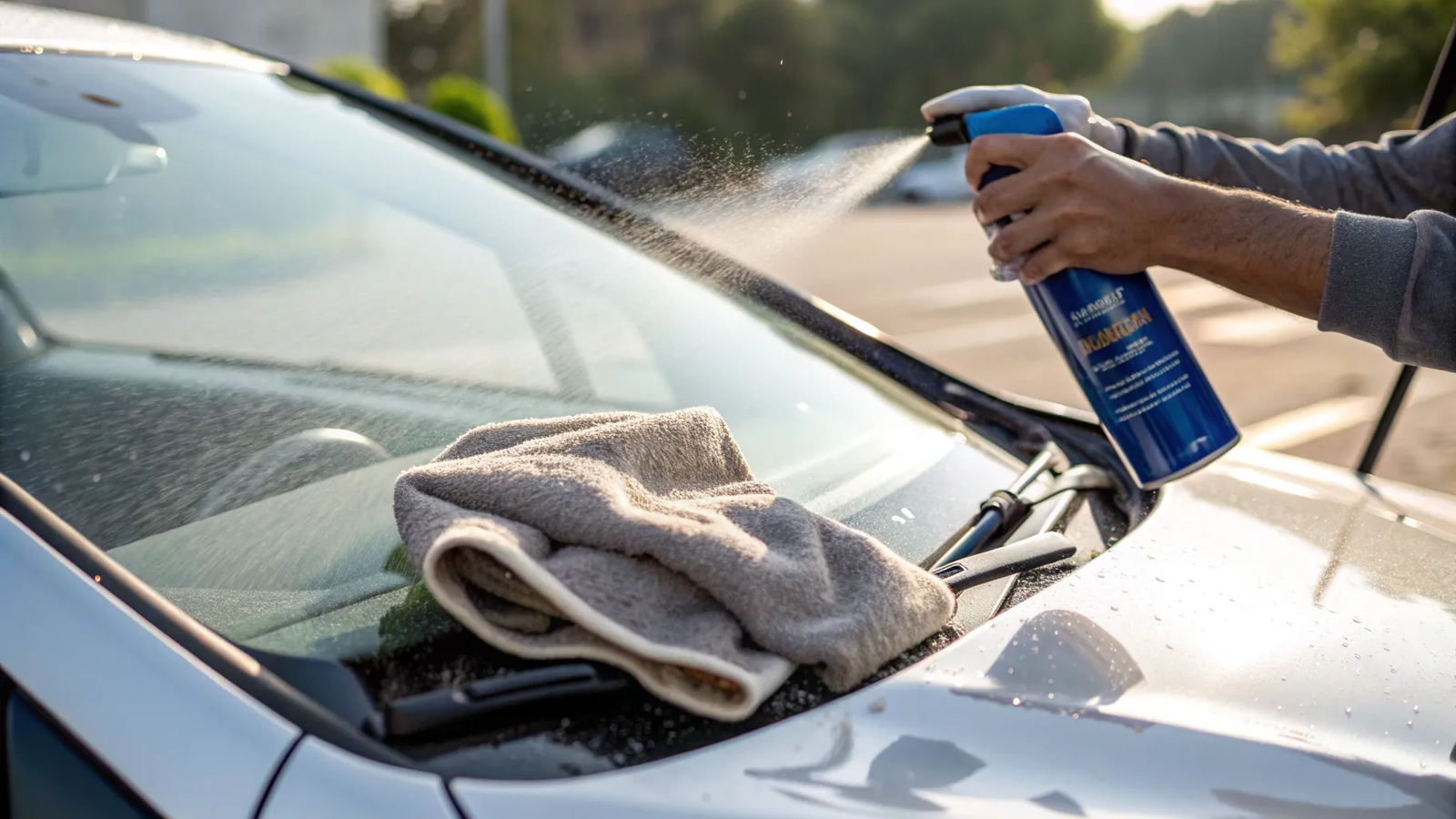
Quick fix for streaky, squeaky windshield wipers: before you replace your blades, try this fast, 30-second clean. This guide shows you how to clean windshield wiper blades with a microfiber cloth or an old sock and a light cleaner to remove road film, bugs, and oily residue. It can help stop squeaky wipers, reduce streaks, and restore clear visibility without buying new blades. Always protect your paint, wipe off residue, and inspect the rubber for damage.
If your windshield wipers are streaky and noisy, they may not need replacement yet. In my quick method, you can refresh your wiper blades in less than a minute using items you may already have. Save money, clean the rubber first, and only replace the blades if they are cracked, torn, hardened, or still streaking after cleaning.
Affiliate disclosure:. As an Amazon Associate I earn from qualifying purchases. This article contains an affiliate link. If you buy through that link, I may earn a small commission at no extra cost to you.
Quick Answer
To clean windshield wiper blades, lift the wiper arm, protect the paint with a towel, dampen a microfiber cloth or sock with a mild cleaner, and wipe the rubber edge from end to end. Use only a light amount of WD-40 for oily grime, then wipe the blade and glass clean.
Key Takeaways
- Clean the rubber blade before replacing it, especially if the problem is light streaking, squeaking, or road-film buildup.
- Use a microfiber cloth or thick white sock so you can pinch the blade and wipe the full rubber edge evenly.
- Apply WD-40 lightly to the cloth only when dealing with greasy residue, then wipe off any remaining product right away.
- Replace the blades if the rubber is cracked, split, missing pieces, hardened, or still leaving heavy streaks after cleaning.
At a Glance
| Time Required | 30 seconds to 2 minutes per pair of wiper blades |
| Difficulty | Easy beginner car-care task |
| Tools Needed | Old towel, microfiber cloth or clean white sock, mild glass cleaner or light WD-40 for greasy buildup |
| Cost | Usually free if you already have the supplies |
Step 1: Gather what you need 🧦
You only need a few simple items: an old towel to protect the front of the car, a clean microfiber cloth or a thick old white sock to wrap around the blade, and a light cleaner to loosen grease and gunk.
For normal dust, pollen, and light grime, start with glass cleaner or a little isopropyl alcohol on the cloth. For heavier oily residue, road film, sap, or greasy buildup, I use a small amount of WD-40 Multi-Use Product on the cloth only.
Note: I use WD-40 Multi-Use Product — you can find it here: Amazon Link
Note: Do not spray cleaner directly across the hood, windshield trim, or painted panels. Put the cleaner on the sock or microfiber cloth first, then wipe the blade.
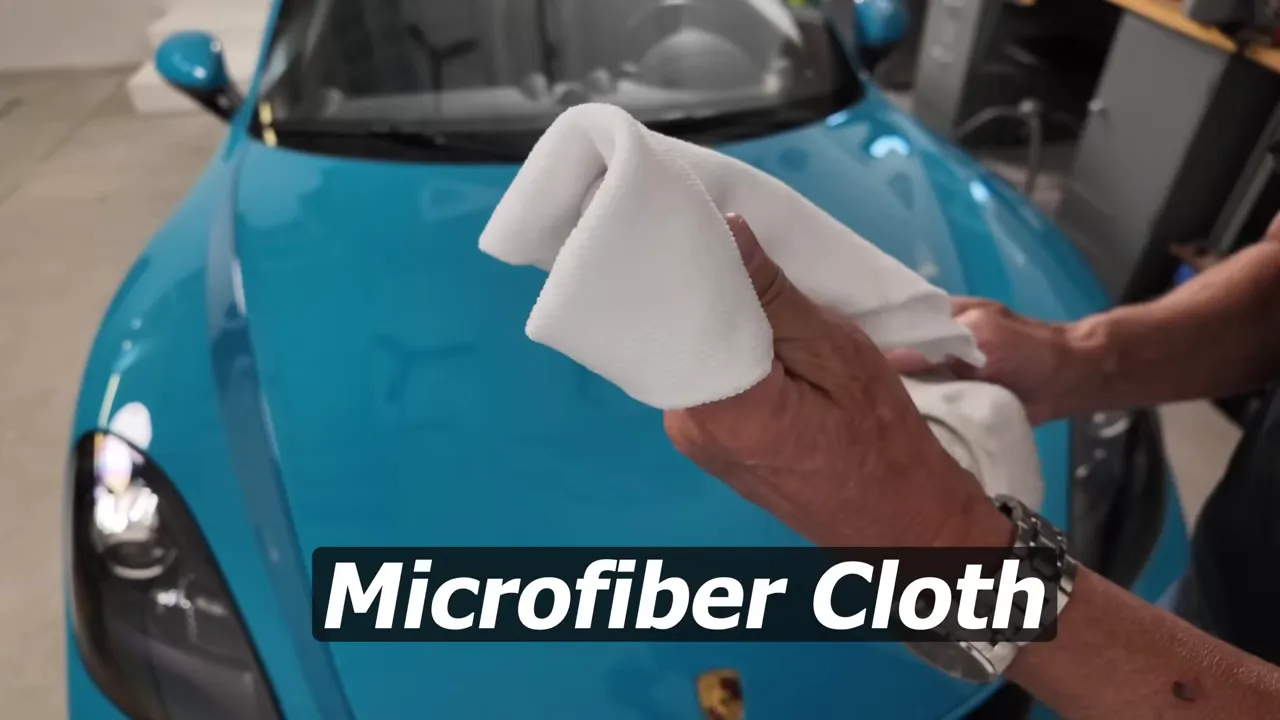
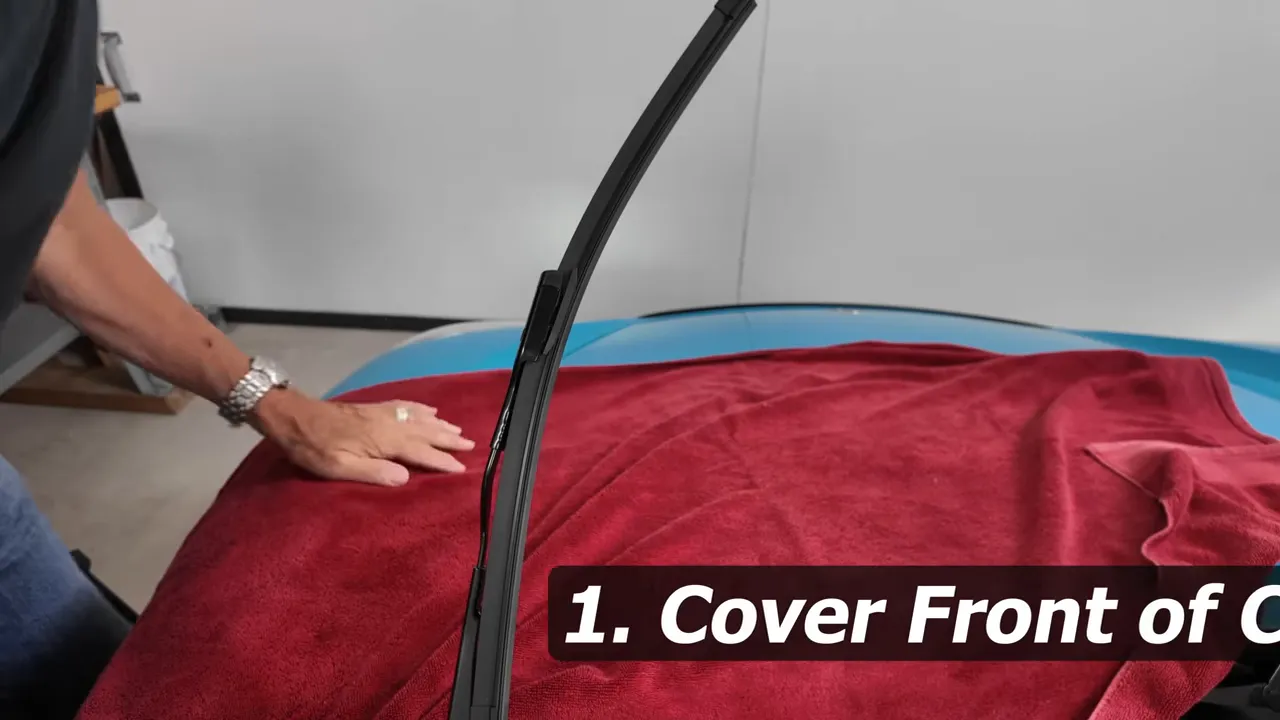
Step 2: Protect the paint and position the wiper 🛡️
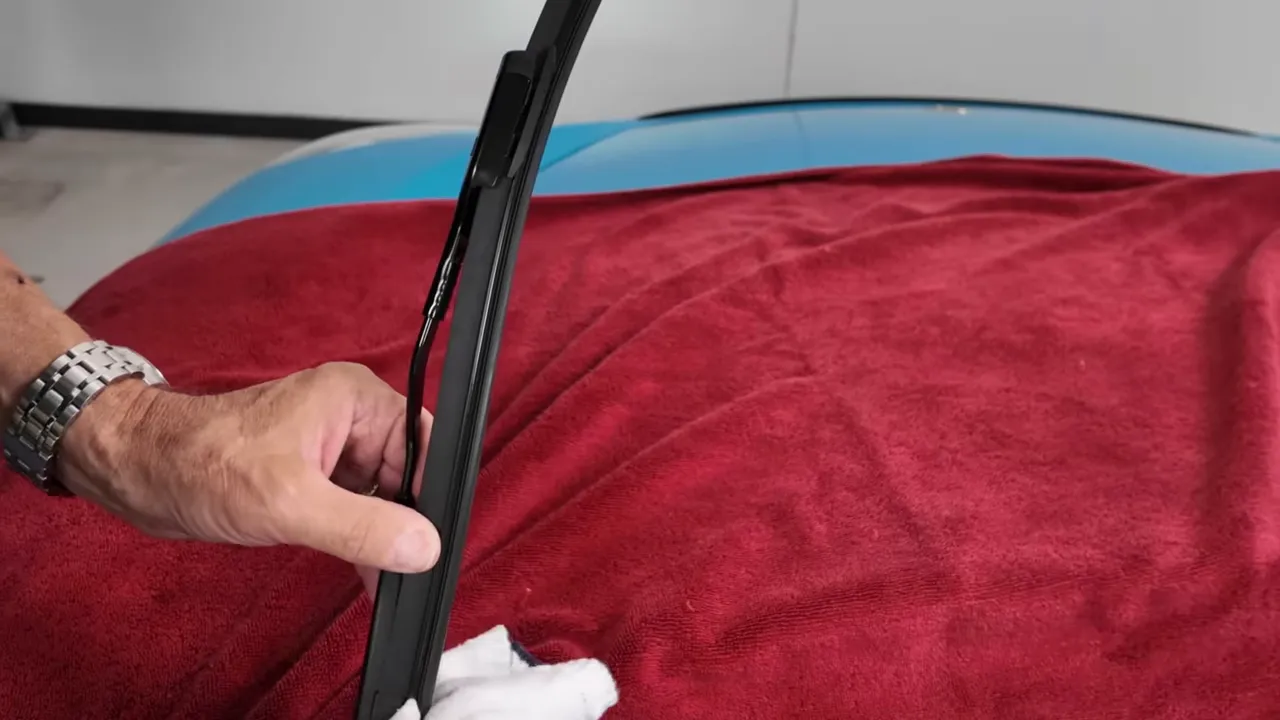
Fold the old towel over the front of the car where the wipers rest. This helps catch drips and grime before they land on your paint or plastic trim. Then lift the wiper arm away from the windshield so you can reach the rubber blade comfortably.
Move slowly when lifting the arm. Some wiper arms are spring-loaded, and they can snap back onto the glass if your hand slips.
Warning: Never let the bare metal wiper arm slap back onto the windshield. It can chip or crack the glass. Keep one hand on the arm while you clean the blade.
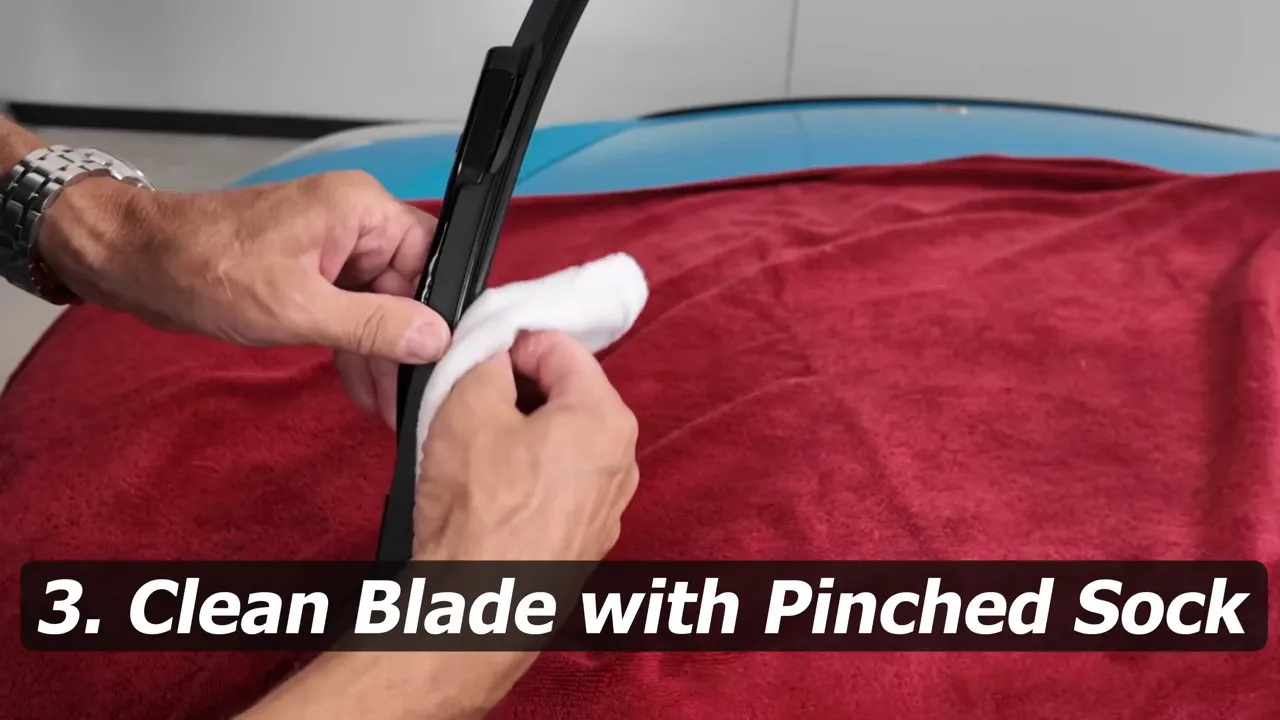
Step 3: Clean the rubber blade with a sock or microfiber cloth 🧽
Spray or dab a small amount of cleaner onto the sock or microfiber cloth. Then pinch the fabric around the rubber blade and rub from one end to the other. Keep the pressure firm but gentle so you remove grime without twisting or pulling the rubber.
If you use WD-40, use it sparingly. A light amount can help loosen bugs, tar, sap, grease, and oil, but the blade should not stay wet or soaked. You’ll be surprised how much dark buildup comes off after one or two passes.
Pro Tip: Use a white sock if you have one. The dark streaks on the fabric make it easy to see when the blade is still dirty and when it is finally clean.
Step 4: Wipe off residue and inspect the blade 🔍
After scrubbing, use a clean microfiber cloth or towel to wipe any remaining residue from the blade and the lower windshield edge. This final wipe matters because leftover cleaner can smear across the glass the next time you turn the wipers on.
Next, inspect the rubber closely. Look for nicks, splits, cracks, missing chunks, uneven edges, or rubber that feels stiff and brittle. Cleaning removes the grime that causes many streaks and squeaks, but it cannot repair damaged rubber.
A clean blade should feel smooth along the wiping edge and leave little to no dark residue on a fresh cloth.
Step 5: Test the wipers before you drive 🚗
Lower the wiper arm carefully, spray your windshield washer fluid, and run the wipers for a few passes. Check for smoother movement, less squeaking, and fewer streaks. If the glass still looks hazy, clean the windshield itself before blaming the blades.
If the wipers chatter, skip, or leave thick bands after cleaning, the rubber may be worn out. At that point, replacement is the safer choice.
Step 6: Bonus tip — keep blades cleaner longer 🚗
To prevent rapid re-soiling, clean your windshield properly at least once a month. Clean glass means your wipers pick up less grit and grime, which can help extend blade life and improve visibility.
For a step-by-step windshield cleaning routine, check this video: https://youtu.be/7I2liCszvLc
Note: If you park under trees, drive on salted roads, or deal with heavy bugs, clean the blades more often than once a month.
Step 7: Troubleshooting streaky or squeaky wipers ✅
If cleaning helps only a little, check these common causes before you spend money on new blades:
- Dirty windshield: Road film on the glass can make clean blades streak. Wash the windshield with a dedicated glass cleaner.
- Dry glass: Wipers can squeak when they run across dry glass. Use washer fluid before testing.
- Worn rubber: Cracks, tears, and missing edges mean the blade needs replacement.
- Bent wiper arm: If the blade does not sit flat against the glass, it may skip or leave untouched areas.
- Contaminated blade: Wax, oil, sap, and bug residue can cling to the rubber and cause smearing.
- Wrong blade size: A blade that is too long or too short may not wipe correctly.
Related Guides
Frequently Asked Questions
Will WD-40 damage rubber windshield wiper blades?
Use WD-40 carefully. A light amount on a cloth can help remove greasy buildup, but you should not soak the blade or leave residue behind. Apply it sparingly, wipe the rubber clean, and clean the glass afterward. If you want the safest basic option, use mild glass cleaner or isopropyl alcohol on a microfiber cloth.
How often should I clean my wiper blades?
Monthly is a good rule of thumb. Clean them sooner if you notice streaking, squeaking, skipping, bug buildup, pollen, road salt, or oily film on the windshield.
Does this work on silicone blades?
Yes. Silicone blades can still collect dirt, oil, pollen, and road film. Clean them gently with a microfiber cloth and avoid harsh solvents that say they are not safe for rubber or silicone.
When should I actually replace my wiper blades?
Replace them if the rubber is cracked, torn, hardened, uneven, or missing a chunk. Also replace them if they still chatter, skip, or leave heavy streaks after you clean both the blades and the windshield.
Can I use vinegar to clean windshield wiper blades?
You can use a small amount of diluted white vinegar on a cloth for light grime, but do not leave acidic cleaner sitting on rubber, paint, or trim. Wipe the blade clean afterward and rinse any accidental drips.
Is this method sponsored?
No. This method is not sponsored. I recommend WD-40 for oily residue because it can work well when used lightly and wiped off. If you want it, here is the product link: https://www.amazon.com/dp/B017IEN2NC?tag=trendgomy-20
Step 8: Final thoughts and troubleshooting ✅
If your wipers are noisy or streaky, try cleaning them first. You can often improve performance without buying new blades, especially when the problem comes from dirt, oil, sap, bugs, or road film.
Dealers and auto parts stores may recommend replacements, but many blades work better when they are cleaned periodically. If you try the method and still have problems, inspect the rubber, check the wiper arm, clean the glass again, and replace the blades if the wiping edge is damaged.


1 thought on “Extend Wiper Blade Life: Clean, Don’t Replace”