As an Amazon Associate I earn from qualifying purchases.
Stuck with a dead battery? This guide shows two safe, proven ways to jump-start your car: classic booster cables and a portable jump starter. You’ll get step-by-step instructions, common mistakes to avoid, and cold-weather tips so you can get moving without damaging your vehicle.
After 50+ years of jump-starting cars in both mild summers and brutal Canadian winters, I want to share two reliable ways to get you moving when you turn the key and nothing happens. Below I walk through safe, step-by-step instructions for using traditional booster cables and a portable jump starter, plus the pros, cons, and a few winter survival tips.
Quick Answer
To jump-start a car safely, connect positive to positive first, then connect the final negative clamp to a solid ground point away from the dead battery when using booster cables. With a portable jump starter, connect the clamps, power on the unit, start the car, then disconnect everything carefully.
Key Takeaways
- Booster cables work well, but you need a second vehicle and careful clamp placement.
- A portable jump starter is easier when you are alone, parked tightly, or dealing with bad weather.
- Never jump-start a cracked, leaking, frozen, swollen, or overheated battery.
- After the car starts, drive for about 20–30 minutes or use a charger to restore battery charge.
- Cold weather weakens batteries, so test your battery before winter and keep emergency gear in the vehicle.
At a Glance
| Time Required | 5–10 minutes to connect and start, plus 20–30 minutes of driving afterward |
| Difficulty | Easy, but clamp order and safety checks matter |
| Tools Needed | Booster cables and a working vehicle, or a charged portable jump starter |
| Cost | Usually low if you already own cables; higher upfront cost for a quality jump starter |
Table of Contents
- Why Batteries Fail in Cold Weather
- Before You Jump-Start: Safety Checks
- Method 1: Using Booster Cables
- Method 2: Using a Portable Jump Starter
- Pros and Cons: Booster Cables vs. Jump Starter
- What to Do After the Car Starts
- Winter Tips and Battery Care
- Troubleshooting: What If the Car Still Won’t Start?
- Frequently Asked Questions
- Final Thoughts
Why Batteries Fail in Cold Weather
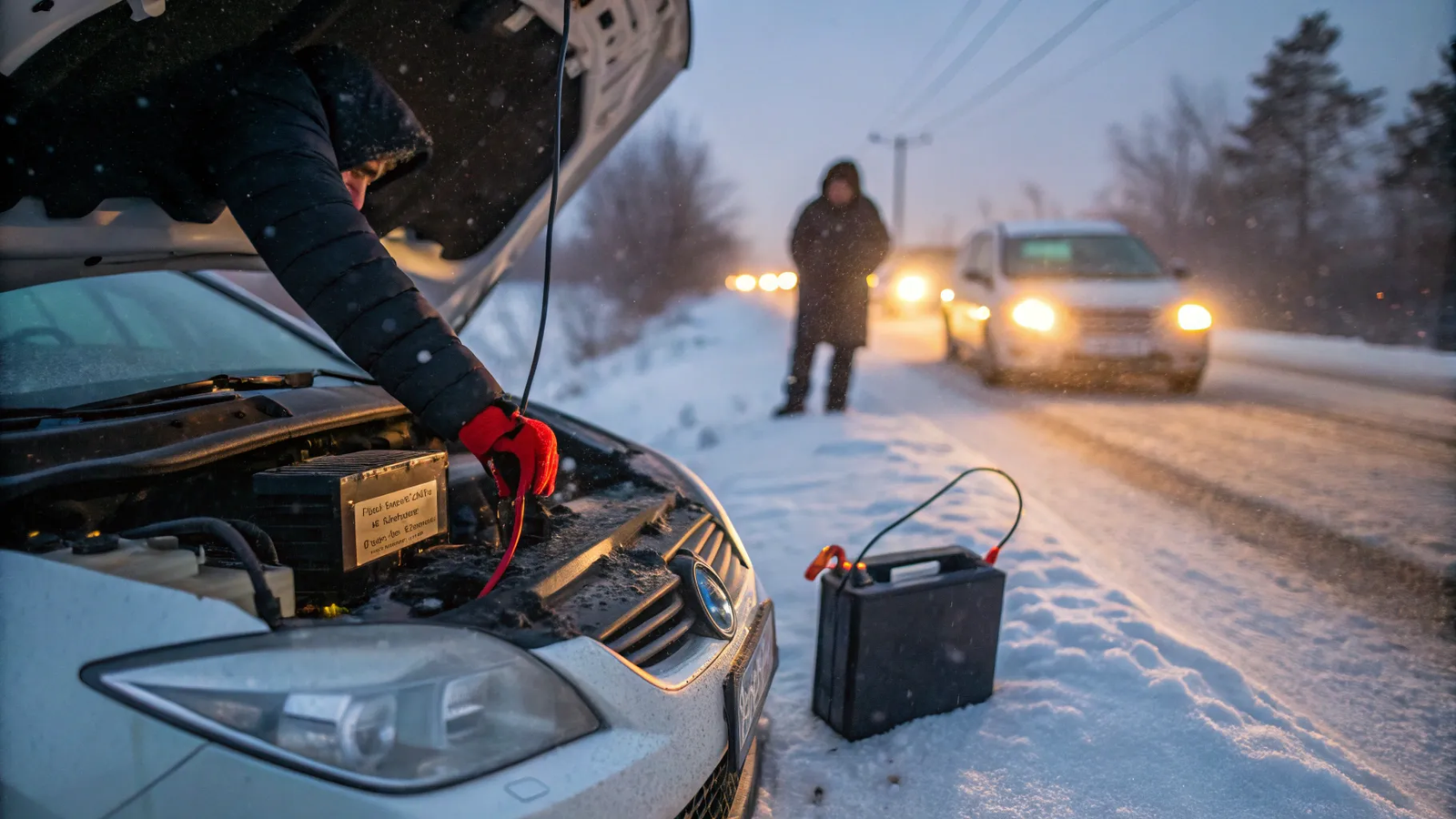
Cold temperatures significantly reduce a battery’s effective capacity. That is why a weak battery may seem fine in fall but leave you stranded during the first deep freeze.
At 32°F, a battery’s strength can drop by about 35%. At 0°F, it can decrease by roughly 60%.
Translation: if your battery is going to leave you stranded, it’s most likely to happen in winter. Keep that in mind and consider preventative steps like battery testing and keeping a jump starter in the trunk.
A battery struggles in the cold for two big reasons. First, the chemical reaction inside the battery slows down. Second, cold engine oil gets thicker, so the starter motor needs more power to crank the engine. That combination can expose a weak battery fast.
Before You Jump-Start: Safety Checks
Before you connect anything, take one minute to inspect the battery and the area around it. That quick check can prevent sparks, electrical damage, or injury.
Warning: Do not jump-start a battery that is cracked, leaking, swollen, frozen, smoking, very hot, or giving off a strong rotten-egg smell. Replace the battery or call roadside assistance instead.
Use this quick checklist before you start:
- Turn off both vehicles and remove the keys if you are using booster cables.
- Put both vehicles in Park, or Neutral for a manual transmission.
- Set the parking brakes on both vehicles.
- Turn off lights, radio, heater fan, phone chargers, and other accessories.
- Check that the positive and negative battery terminals are clearly marked.
- Keep metal tools, jewelry, and loose cables away from the battery terminals.
- Read your owner’s manual if your vehicle has remote jump-start terminals under the hood.
Many newer vehicles hide the battery in the trunk, under a seat, or behind a panel. In that case, the automaker may provide dedicated jump-start posts under the hood. Use those points when the manual tells you to.
Method 1: Using Booster Cables
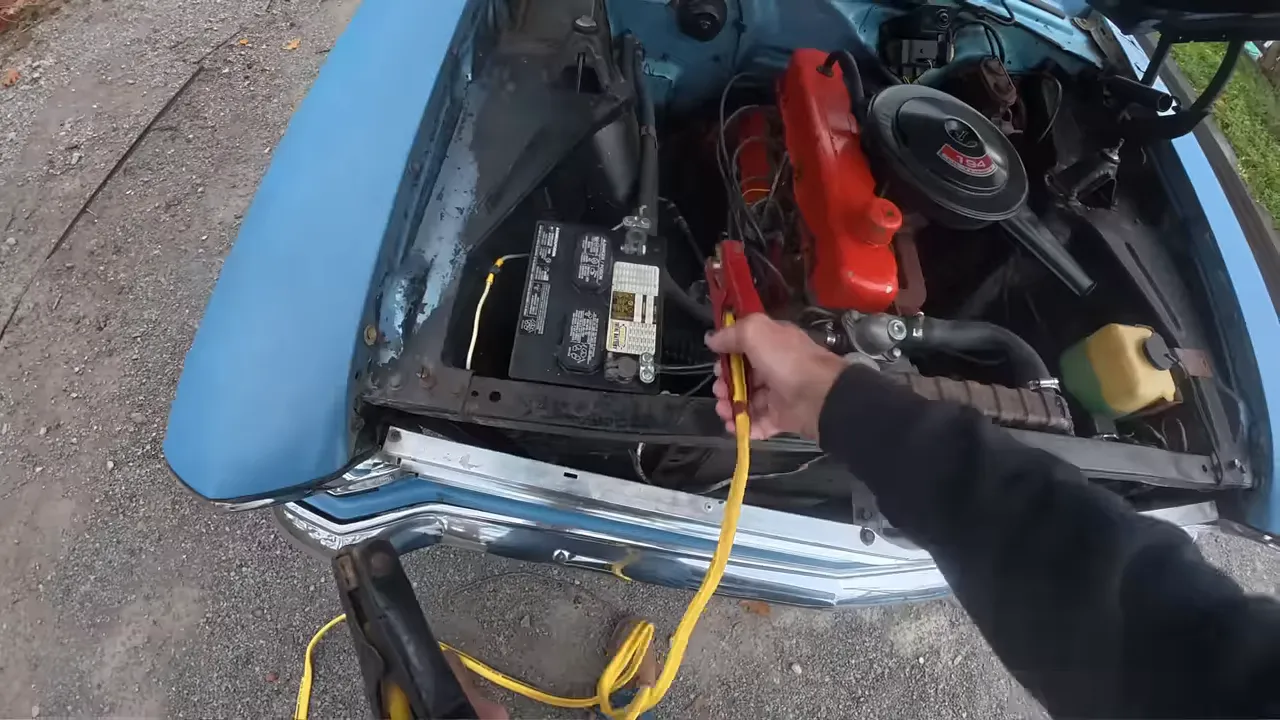
Booster cables are cheap and effective if you have access to another vehicle with a healthy battery. Follow these steps exactly to jump-start safely:
- Park the working car close enough for the cables to reach, but keep both vehicles from touching. Both cars should be off, in Park, or Neutral for manuals, with emergency brakes engaged.
- Attach the red positive clamp to the positive terminal of the dead car’s battery.
- At the other end, attach the red positive clamp to the positive terminal of the working car’s battery.
- Attach the black negative clamp to the negative terminal of the working car’s battery.
- For the dead car, attach the final black clamp to a solid metal ground point on the engine block or chassis. Try to keep it at least a foot or two away from the battery.
- Start the working vehicle and let it run for a couple of minutes. A light rev once or twice can help, but do not race the engine.
- Start the dead vehicle. If it does not start within a few seconds, wait a minute before trying again.
- Once the dead vehicle is running, disconnect the cables in reverse order. Make sure the clamps never touch each other while connected.
- Drive the revived car for about 20–30 minutes to give the alternator a chance to recharge the battery enough for the next start.
Safety reminders:
- Never let clamps touch each other while attached to a battery.
- Keep sparks away from the battery because batteries can emit flammable hydrogen gas.
- If the dead battery is cracked, leaking, frozen, or very hot, do not attempt to jump-start it.
- Do not connect the final negative clamp directly to the dead battery unless your owner’s manual or jump starter instructions tell you to do so.
- Do not lean over the battery while making the final connection.
Pro Tip: If your battery terminals are covered in white or bluish corrosion, clean them only after the vehicle is off and the clamps are disconnected. Corrosion can block current and make a good battery act weak.
Method 2: Using a Portable Jump Starter
Portable jump starters are the easiest option when you don’t have another car available. My go-to is the NOCO Boost GB40. It’s compact, safe, and simple to use.
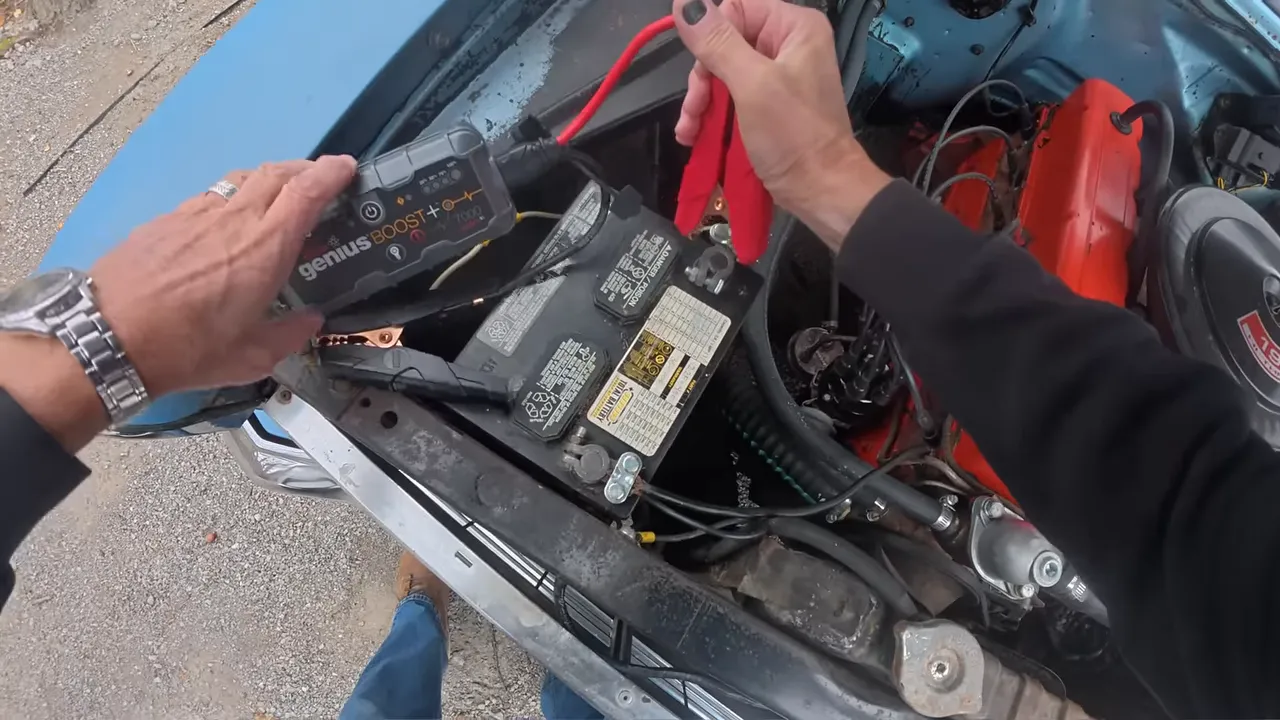
How to use it:
- Make sure the unit is charged. I prefer at least 50% before relying on it in cold weather.
- Turn the jump starter off before connecting the clamps.
- Plug the clamp cable into the jump starter.
- Attach the red clamp to the battery’s positive terminal.
- Attach the black clamp to the negative terminal or a good ground point if recommended by the unit or your owner’s manual.
- Power on the unit. The status lights should confirm that it is ready for a start.
- Start the car. If it does not start right away, pause briefly and try again according to the jump starter’s instructions.
- Once the car is running, power the unit off and disconnect the clamps.
- Drive the car for about 20–30 minutes to recharge the battery enough for the next start.
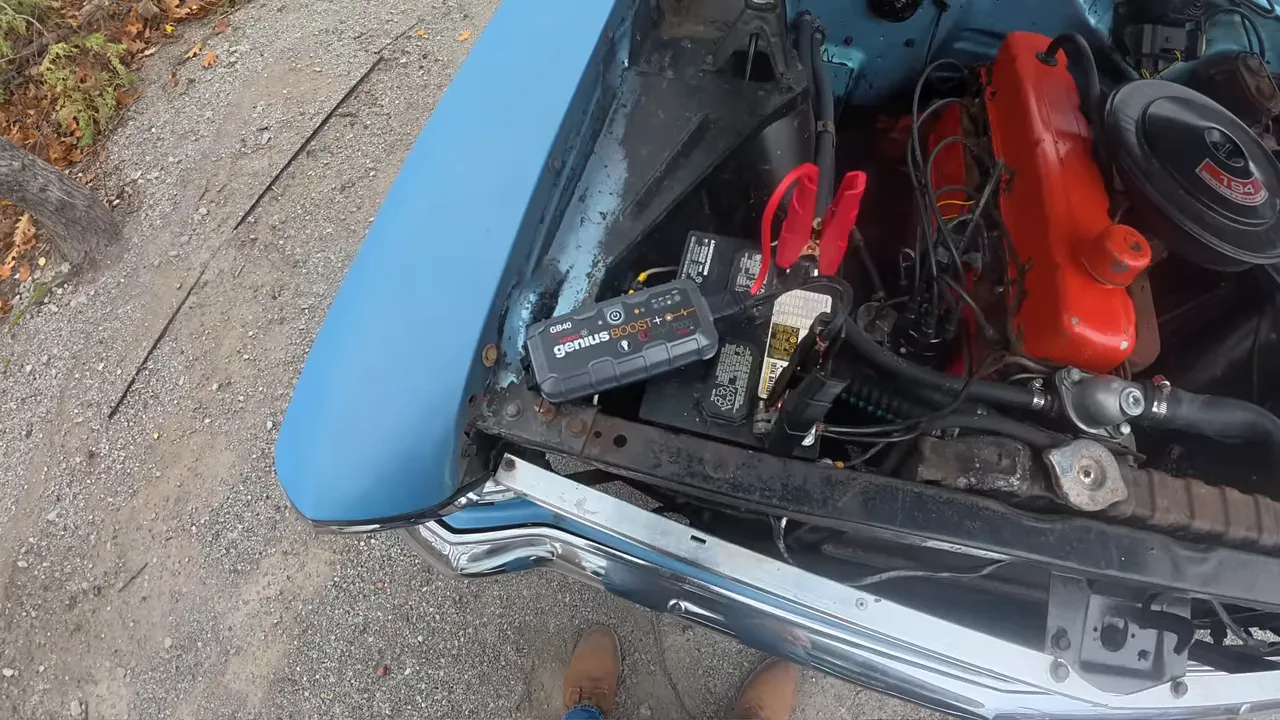
Why I prefer a portable jump starter:
- You don’t need a second car.
- You don’t have to maneuver cars nose-to-nose in tight spaces.
- It reduces the risk of electrical issues from another vehicle’s questionable electrical system.
- It lowers the chance of accidentally shorting battery terminals together.
- Bonus features can include a built-in 100-lumen LED flashlight with multiple modes, including SOS and strobe, plus USB power output to charge phones.
Note: Recharge your portable jump starter every few months, even if you have not used it. Cold weather and long storage can lower its charge right when you need it most.
If you want the model I use, the NOCO Boost GB40 is a practical option for many everyday cars, crossovers, and light trucks. Always match any jump starter to your engine size and follow the manufacturer’s instructions.
NOCO Boost GB40: 1000A UltraSafe Jump Starter |
|
A compact portable jump starter for emergency starts, USB charging, and roadside peace of mind. |
| Check price on Amazon |
Pros and Cons: Booster Cables vs. Jump Starter
Both methods work, but they are not equally convenient in every situation. Here is a quick comparison to help you choose:
- Booster cables — Pros: inexpensive, simple, and no separate device to recharge. Cons: require a second vehicle, take more setup, and leave more room for user error.
- Portable jump starter — Pros: fast, independent, easier in tight parking spots, and useful during bad weather. Cons: higher upfront cost and you must keep it charged.
If you drive mostly in town and always have help nearby, booster cables may be enough. If you commute alone, travel in winter, park in remote areas, or want a faster emergency option, a portable jump starter is worth keeping in the trunk.
What to Do After the Car Starts
Getting the engine running is only the first step. A jump-start does not magically fix the battery, alternator, starter, or charging system.
After the car starts:
- Keep the engine running and avoid shutting it off right away.
- Disconnect clamps carefully in reverse order.
- Drive for about 20–30 minutes if road conditions are safe.
- Turn off unnecessary electrical loads during the first few minutes.
- Get the battery tested if it has died more than once.
- Check the alternator if the battery light stays on while driving.
If the battery dies again the same day, the problem is probably not just “cold weather.” You may have an old battery, loose terminals, a weak alternator, a parasitic drain, or a starter issue.
Winter Tips and Battery Care
Because batteries lose a lot of capacity in the cold, take these precautions before winter hits hard:
- Test your battery before winter. If it’s weak, replace it before the first cold snap.
- Keep a charged jump starter in your trunk all winter.
- Park in a garage when possible.
- Use an engine block heater in extreme cold if your vehicle supports one.
- After a jump, drive 20–30 minutes or use a trickle charger to restore charge.
- Keep jumper cables, gloves, a flashlight, and a small blanket in the vehicle.
- Make sure the battery hold-down bracket is secure, because vibration can shorten battery life.
- Check that the terminals are tight and clean.
Short trips are especially hard on batteries in winter. The starter uses a lot of power, and a five-minute drive may not replace what the battery lost during startup. If you only drive short distances, a battery maintainer can help keep the battery healthier during freezing months.
Troubleshooting: What If the Car Still Won’t Start?
If the car does not start after a careful jump attempt, slow down and check the basics before trying again.
- No lights, no click, no crank: Check clamp contact, battery terminals, and the jump starter charge level.
- Rapid clicking sound: The battery may still be too weak, or the clamps may not have a clean connection.
- Single click: The starter or starter relay may be the problem.
- Engine cranks but will not start: The issue may be fuel, ignition, or engine management, not the battery.
- Jump starter shows an error light: Turn it off, disconnect it, confirm polarity, and follow the unit’s manual.
- Cables get hot: Stop immediately. The connection may be poor, the cables may be undersized, or there may be a deeper electrical problem.
Warning: Do not keep cranking the engine over and over. Long crank attempts can overheat the starter, stress the battery, and damage cables or clamps.
If you are unsure, call roadside assistance. A dead battery is frustrating, but damaged electronics, burned cables, or personal injury are much worse.
Related Guides
Frequently Asked Questions
How long should I let the working car run before trying to start the dead car?
Let it run for a couple of minutes before trying to start the dead car. A slight rev can help the alternator deliver more current, but do not race the engine.
Can the NOCO Boost GB40 damage my car’s electronics?
When used correctly, quality portable jump starters are designed with safety protections such as reverse-polarity and spark protection. Still, you should always follow the manufacturer’s instructions and your vehicle owner’s manual.
After jump-starting, why should I drive for 30 minutes?
The alternator charges the battery while driving. Twenty to thirty minutes gives the battery a chance to regain enough charge for the next start. If the battery is old or weak, driving may not solve the problem for long.
Is it safe to jump-start my car in freezing temperatures?
Yes, if the battery is not frozen, cracked, leaking, swollen, or overheated. Wear gloves, avoid sparks, connect the clamps in the correct order, and stop if anything looks unsafe.
Should I connect the final black clamp to the dead battery or the engine ground?
For booster cables, the safer common method is to connect the final black clamp to a solid metal ground point away from the dead battery. Some portable jump starters or vehicles may give different instructions, so follow the manual when it is specific.
Can I jump-start a car with a completely dead battery?
Sometimes, yes, but a deeply discharged or damaged battery may not accept a jump. If the vehicle will not start after proper connections and short attempts, stop and test the battery or call for help.
Final Thoughts
Both methods work. Booster cables are budget-friendly if you have a helpful friend with a running car, while a portable jump starter like the NOCO Boost GB40 offers independence and safety.
Given how badly cold drains battery power, having a charged jump starter in the trunk is one of the best winter preparedness moves you can make. Pair it with a battery test before winter, clean terminals, and a little patience after each jump, and you will be far less likely to get stranded.

1 thought on “How to Jump-Start a Car: A Guide to Jumper Cables & Portable Starters”