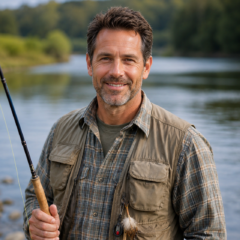
To improve your bass fishing success, build your day around timing, location, lure choice, and clean presentation. Bass often feed hardest during low-light periods, around cover, near depth changes, and anywhere baitfish gather. Use topwater lures during dawn, dusk, and calm evenings, try drop shot methods when bass hold deeper, and use pitching and flipping when you need accurate casts around docks, grass, timber, and other structure. Match your bait to local prey, adjust your speed with the season, and keep your gear ready so you can make the most of every bite.
Quick Answer
The best bass fishing approach is to fish low-light windows, target cover and depth changes, and match your lure to the season. Use topwater lures in shallow feeding periods, jigs or worms near cover, crankbaits and spinnerbaits for active fish, and finesse rigs when bass slow down.
Key Takeaways
- Bass usually feed best at sunrise, sunset, at night in warm weather, and during stable overcast conditions.
- The best places to find bass include weeds, docks, rocks, laydowns, stumps, creek channels, points, and shallow-to-deep transition zones.
- Use slow baits in cooler water, faster moving lures in warm active periods, and finesse rigs when fish are pressured or inactive.
- Keep your line, knots, hooks, reels, and tackle box in good condition so equipment problems do not cost you fish.
At a Glance
| Best Time | Sunrise, sunset, overcast days, warm nights, and seasonal feeding periods |
| Difficulty | Beginner to intermediate, depending on technique and water conditions |
| Core Gear | Medium or medium-heavy rod, spinning or baitcasting reel, quality line, hooks, weights, and several lure styles |
| Best Lures | Plastic worms, jigs, spinnerbaits, crankbaits, swimbaits, topwater lures, and drop shot plastics |
Best Times to Fish for Bass

When you’re planning a bass fishing trip, timing can make all the difference. The best times to fish for bass are usually during low light conditions, such as sunrise and sunset, because bass can feed with more confidence while baitfish are easier to ambush.
Spring bass fishing is often productive when water temperatures rise through the 60-degree range. Bass become more active as the water warms, then many fish move shallow to spawn when local conditions are right.
Spring can be prime time for bass fishing because warming water pushes bass toward shallow cover, feeding areas, and spawning zones.
As the weather warms, don’t overlook night fishing. Bass often feed actively during cooler evening hours, especially around shallow cover, lighted docks, grass edges, and riprap banks.
Overcast days can also improve bass feeding. Cloud cover reduces harsh light, so bass may roam farther from cover and strike faster-moving baits like spinnerbaits, chatter-style baits, swimbaits, and crankbaits.
Pay attention to seasonal spawning cycles, too. In spring, bass often move into protected shallow areas, pockets, flats, and banks with firm bottom. During this period, quiet casts and slower presentations can help you catch fish that are cruising, guarding, or feeding nearby.
Where to Fish for Bass Near You

Are you wondering where to find the best bass fishing spots near you? Start with local ponds, streams, rivers, natural lakes, and reservoirs. These waters often hold bass because they provide food, cover, and different depths.
Focus on areas with cover like stumps, timber, grass beds, docks, rocks, brush piles, laydowns, and lily pads. Bass use cover as shade, protection, and ambush points while hunting bluegill, shad, crawfish, minnows, frogs, and insects.
Don’t overlook current areas in rivers and streams. Eddies, seams, bridge pilings, outside bends, and current breaks can hold bass because food washes past them naturally.
Also explore hard-to-reach spots that other anglers might miss. Small bank openings, shaded pockets, back corners of ponds, narrow creek arms, and isolated pieces of cover can offer fantastic fishing for bass.
Note: Before fishing a new pond, lake, or river, check local access rules, license requirements, size limits, and harvest limits. Private ponds and managed waters may have special rules.
Best Bass Fishing Techniques
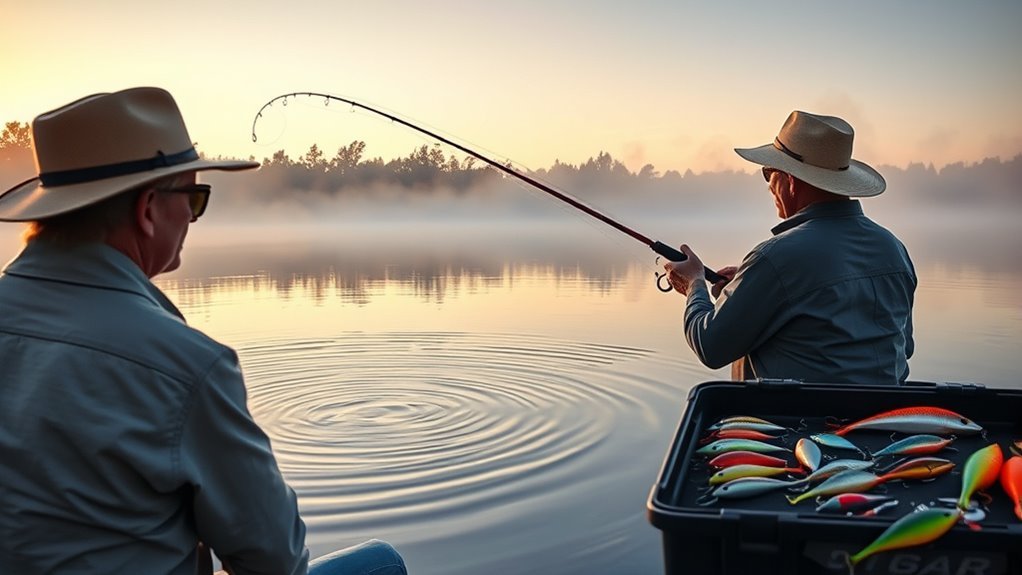
Mastering bass fishing techniques can greatly enhance your success on the water. You do not need every method at once, but you should learn a few core presentations that cover shallow water, deep water, heavy cover, and pressured fish.
- Topwater Lures: Use these during dawn, dusk, calm mornings, warm nights, and low-light feeding windows. The sight of a bass attacking near the surface is exciting, and topwater strikes often come from confident, aggressive fish.
- Drop Shot: This technique works well in deeper water, clear water, and pressured areas. A small weight keeps the rig near bottom while your soft-plastic bait stays slightly above it, where bass can see and inhale it easily.
- Pitching and Flipping: These short-range casting techniques allow you to place your bait precisely around docks, grass holes, brush, laydowns, and other underwater structure where bass hide.
Additionally, don’t forget the importance of matching the hatch. Select lures that imitate local prey, such as broad-sided plastics for bluegill, shad-style swimbaits for baitfish, craw-style jigs near rocks, and frog lures around surface vegetation.
Implement these techniques, pay attention to how bass react, and you’ll be well on your way to a successful day on the water.
Bass Fishing Lures

When it comes to bass fishing, choosing the right lures can make all the difference. The best lure depends on water clarity, depth, cover, season, weather, and how active the bass are.
You’ll want to take into account essential lure types like spinnerbaits, plastic worms, jigs, topwater lures, swimbaits, and crankbaits. You also need to choose the right color and size for your fishing conditions.
Plus, adjusting your lure selection with the seasons helps you stay close to what bass are already feeding on.
[Amazon Products Picked for You]
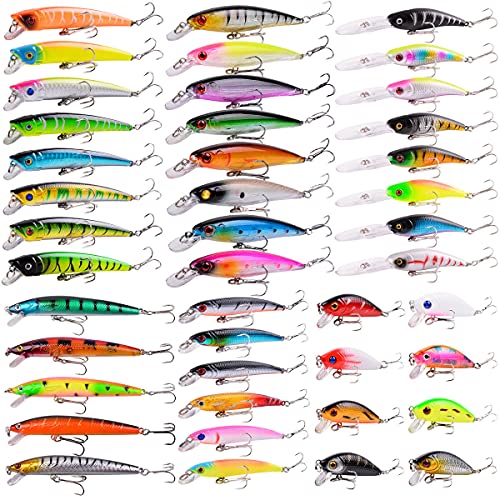
Versatile Lure Set: Covers a wide range of fishing styles with 56 pieces, including topwater, hard baits, minnow, crankbait, pencil, and vibe swimbait
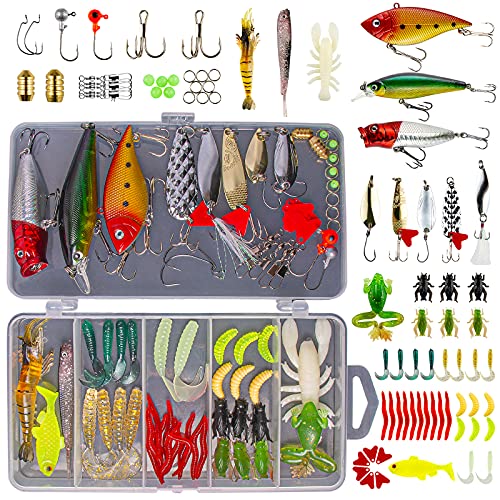
【Lifelike Realism & High-Reflective Flash】 Engineered with precision 3D stereo fisheyes and realistic scale patterns, these lures mimic live bait in any water clarity. The genuine-plated fishing spoons offer a brilliant underwater flash, creating highly reflective surfaces that trigger aggressive strikes from predatory fish. Perfect for "cheating" cautious targets into biting

【Essential Fishing Tackle Kit】- PLUSINNO's high-quality bait provides beginners with a variety of options, capable of catching nearly any type of fish, from bass to trout. This versatile starter tackle box with tackle include Texas, Carolina, Florida, Split Shot, No Sinker, Jig Head, and Wacky rigs, totaling 7 types of lure rigs. It's the latest fishing gear for 2024, Whether you're targeting bass or other freshwater fish, this 137-piece baits set in a convenient box has everything you need.
Essential Lure Types
Choosing the right lures can greatly enhance your bass fishing experience, as various options cater to different conditions and techniques.
Here are three essential lure types to evaluate:
- Spinner Baits: These versatile lures excel around cover like weeds, laydowns, stained water, and submerged structures because their flash, vibration, and snag resistance help bass find them.
- Crankbaits: Available in shallow, medium, and deep-diving varieties, crankbaits help you target different depths quickly. Their wobble, rattling sound, and deflections off cover can trigger reaction strikes.
- Plastic Worms: When Texas rigged, wacky rigged, Carolina rigged, or fished on a shaky head, these reliable lures imitate natural prey and work year-round in many environments.
Jigs also deserve a place in your tackle box. A jig can imitate a crawfish, bluegill, or bottom-feeding baitfish, and it works well around rocks, docks, grass edges, and wood.
Color and Size Choices
Understanding color and size choices for bass fishing lures can greatly improve your chances of landing a catch. The right color choice depends on water clarity and weather conditions. In clear water, natural hues like green pumpkin, watermelon, shad, and brown often work well. In murky water, brighter or darker colors like chartreuse, white, black-blue, and fire tiger can stand out better.
The size of the lure should match local forage fish. Use smaller lures around small baitfish, pressured ponds, or cold fronts. Use larger lures when bass are feeding heavily, when bigger baitfish are present, or when you want to target larger fish.
| Water Clarity | Color Choice | Lure Size |
|---|---|---|
| Clear | Green Pumpkin, Watermelon, Natural Shad | 3-4 inches for finesse, larger when fish chase bait |
| Murky | Chartreuse, Fire Tiger, White, Black-Blue | 4-7 inches, or bulkier profiles for vibration |
| Seasonal Change | Mimic Local Panfish, Shad, Crawfish, or Minnows | Adjust as needed based on bait size and bass mood |
Experimenting with these factors can enhance your success. If bass follow without striking, downsize your lure, slow your retrieve, or switch to a more natural color.
Seasonal Lure Adjustments
Adjusting your lure selection according to the season can make a significant difference in your bass fishing success.
Different times of the year require specific lures and techniques to catch big bass. Here’s how to tailor your approach:
- Spring: Use plastic worms, jigs, jerkbaits, and creature baits to mimic natural prey in shallow waters during pre-spawn, spawn, and post-spawn periods.
- Summer: Opt for faster-moving baits like spinnerbaits, topwater lures, swimbaits, and crankbaits during active feeding windows. When the sun gets high, try deeper structure, shade, grass, or finesse rigs.
- Fall: Switch to crankbaits, spinnerbaits, topwater lures, and swimbaits as bass return to shallow areas to feed on baitfish.
In winter or cold water, slow down. Jigs, suspending jerkbaits, small swimbaits, and finesse worms can work better because bass usually move less and feed in shorter windows.
Other Bass Fishing Gear
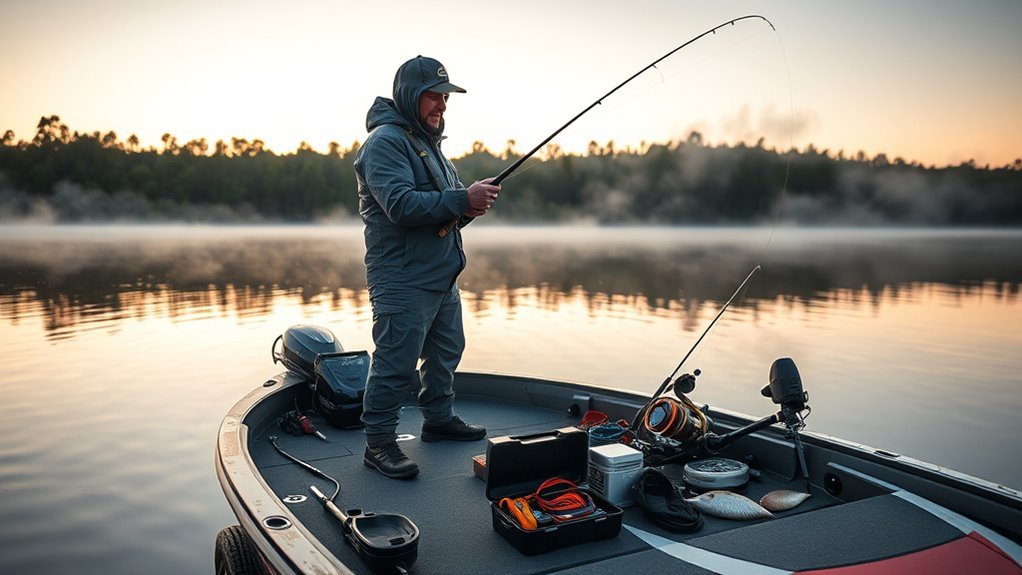
When it comes to bass fishing gear, having the right tools can make all the difference in your success on the water. Start with a quality rod, ideally 6-7 feet long and medium to medium-heavy action, giving you the sensitivity and power needed for many effective bass fishing techniques.
For reels, consider a spinning reel for ease if you’re a beginner. Spinning gear handles lighter lures well and helps reduce backlash. Baitcasters offer more precision and power for experienced anglers, especially when fishing jigs, spinnerbaits, frogs, and heavier cover.
Choosing the right fishing line is vital. A 10-12 lb monofilament works well for general conditions, fluorocarbon is useful in clear water or bottom-contact presentations, and braided line excels in heavy vegetation and thick cover.
Choosing the right fishing line improves hooksets, lure action, sensitivity, and landing power. Match monofilament, fluorocarbon, or braided line to your cover, water clarity, and technique.
Don’t forget essential lures, including plastic worms, crankbaits, spinnerbaits, jigs, topwater lures, swimbaits, and finesse plastics. These cover many common fishing scenarios.
Finally, keep a well-maintained tackle box stocked with versatile lures, extra hooks, weights, bobber stops, split rings, snaps if you use them, soft plastics, line clippers, pliers, and a small first-aid kit. Preparation helps you adapt when the bite changes.
[Amazon Products Picked for You]

【12X Spacious 4-Layer Tackle Box with Tackle Included】- PLUSINNO 4 layers tackle box boasts a spacious 14.5X8.3X8.1 inch capacity, with 12X the capacity of standard tackle boxes, offering ample storage. The removable grid panels create adjustable compartments for fishing lures, while open zones fit bulkier gear. Customize layouts in seconds, keep essentials handy, and carry effortlessly with the ergonomic handle. Ideal for lakeside trips or gifting anglers who crave clutter-free efficiency
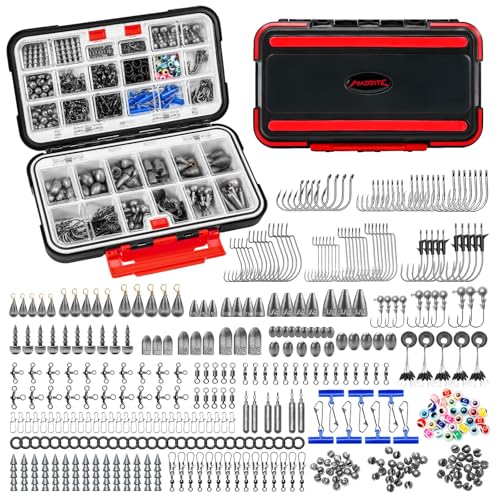
Endorsed by Fishing Expert for Freshwater Excellence: The MadBite by KastKing 400-Piece Freshwater Terminal Tackle Kit features custom rig combinations personally recommended by Al Noraker, a fishing industry veteran with over 50 years of experience, former President of KastKing, and former VP of Product Development at Eagle Claw. Whether you're a beginner or a seasoned fisherman, you'll find the selection and performance of this kit ideal for any freshwater outing

【Complete Fishing Tackle Kit】- PLUSINNO 397pcs fishing gear is loaded with 12 fishing rigs for fishing enthusiasts and beginners. It collects nearly all fishing accessories including Fishing Hooks, Round Jig Heads, Round Split Shot, Egg Sinker, Dipsey Swivel Sinker, Drop Shot Weights, Bullet Weights, Nail Weights, Neko Sinkers, Fishing Snap, 4 kinds of different Fishing Swivels, Fishing Sinker Slider, Fish Eye Beads, Wacky Rings and Bobber Stops
Bass Fishing Boats

When it comes to bass fishing, choosing the right boat can make all the difference in your experience. A good boat gives you better access, safer movement, organized storage, and more control over boat position.
You’ll want to contemplate various types, from lightweight Jon boats to durable aluminum models and customizable fiberglass options, along with essential accessories that enhance your time on the water.
[Amazon Products Picked for You]

【Premium Quality Material】Constructed with high-strength and durable mesh fabric, is not only tough but also breathable, allowing air to circulate and preventing moisture build-up. This is crucial for keeping your stored items in good condition, especially in a damp marine environment.It is resistant to water, UV rays, and corrosion, ensuring long-lasting performance and reliability.

Floating Fishing Net. PLUSINNO Floating nets are designed with foam padding to the drum-shaped hoop, plus, the lanyard cord with a clip to keep it safely attached to anglers or even fisherman, completely no worry about sinking without a trace or being blown overboard.

Provides storage for three rods
Types of Bass Boats
Choosing the right bass boat can greatly enhance your fishing experience, and there are two main types to contemplate: aluminum and fiberglass. Each has its unique benefits that cater to different angler preferences.
- Aluminum Boats: These are lightweight and often more affordable, making them a practical choice for smaller bodies of water, shallow areas, and easy transport.
- Fiberglass Boats: Offering strong performance, stability, storage, and speed, these boats suit serious anglers who fish larger lakes and cover more water.
- Trolling Motor Compatibility: Both types can be equipped with trolling motors, which are essential for quiet maneuvering, controlled casts, and targeting bass effectively.
Ultimately, your choice will depend on your fishing style, budget, storage space, towing setup, and the environments where you plan to fish.
Select wisely to maximize your bass fishing adventures.
Boat Accessories and Features
A well-equipped bass fishing boat can greatly enhance your fishing experience, and understanding the essential accessories and features is key to maximizing your time on the water.
Start with built-in storage compartments to keep your tackle and gear organized, making your trips smoother. Live wells are vital for keeping fish healthy when legal harvest, tournament rules, or catch-and-release handling require temporary holding.
A quality trolling motor allows for silent, precise maneuvering, letting you approach your favorite fishing spots without spooking the fish. Don’t forget rod holders, which keep your rods secure and accessible while you’re on the move.
Finally, advanced electronics like fish finders and GPS mapping help you locate depth changes, baitfish, channels, points, brush, and offshore structure. They can also help you navigate efficiently and make the most of your time near boat docks, grass lines, and deep-water spots.
Choosing the Right Size
Selecting the right size for your bass fishing boat is essential for ensuring a comfortable and effective fishing experience. Here are three key factors to take into account:
- Boat Size and Weight Capacity: A 16 to 20-foot boat is often a practical range for 2-4 anglers, offering stability and ample storage for tackle.
- Maneuverability: If you’re fishing in small lakes, backwaters, ponds, or rivers, a lightweight Jon boat or kayak may work better in shallow water.
- Engine Power: Match the engine power to your boat size and rating. For example, a 16-foot boat may use a smaller motor than a larger fiberglass bass boat, but you should always follow the boat’s capacity plate and manufacturer guidance.
Warning: Always wear a properly fitted life jacket when boating, watch the weather, avoid overloaded boats, and never exceed your boat’s rated capacity or horsepower limits.
How to Find Bass

Finding bass can be a rewarding experience if you know where to look. To increase your chances of good fishing, focus on areas where bass like to hide. These include cover such as rocks, wood, docks, grass, brush, lily pads, and vegetation. Also target changeover areas where shallow water meets deep water, such as points, channel swings, creek mouths, ledges, and dam corners, because bass often ambush prey there.
Here’s a quick reference table to help you locate bass:
| Cover Type | Best Features |
|---|---|
| Rocks | Provides structure, crawfish habitat, warmth, and hiding spots |
| Wood | Offers shade, ambush points, and protection |
| Boat Docks | Creates shade and attracts baitfish |
| Grass/Lily Pads | Excellent for spawning, shelter, oxygen, and feeding lanes |
| Changeover Areas | Perfect for feeding opportunities between shallow and deep water |
Pay attention to weather conditions. Bass respond differently based on cloud cover, wind, pressure changes, water clarity, and temperature shifts. Use lures that mimic local forage to entice these opportunistic predators effectively.
Pro Tip: When you catch one bass, slow down and fish the area carefully. Bass often group around the same cover, depth, or bait source.
Understanding Bass Behavior
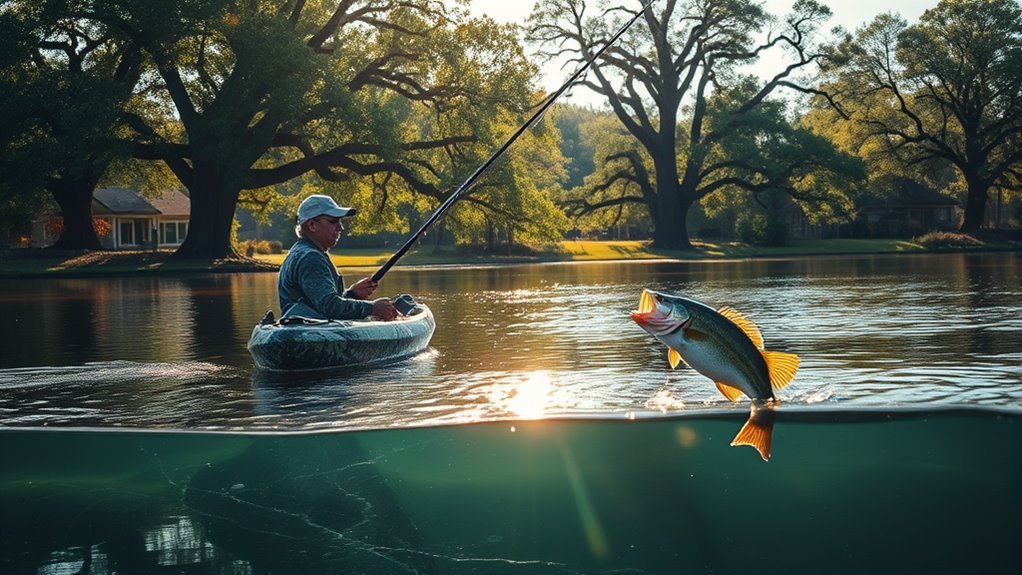
To catch more bass, you need to understand their seasonal feeding patterns and preferred habitats. Bass are ambush predators, so they often stay close to cover, shade, current breaks, and depth changes where food comes within striking distance.
During spring, many bass spawn in shallow waters, but as temperatures rise in summer, they often retreat to deeper areas, shade, thick vegetation, or current where conditions feel more comfortable.
Knowing where they hide, like under docks or in rocky environments, can make all the difference in your fishing success.
Seasonal Feeding Patterns
Understanding the seasonal feeding patterns of bass is essential for any angler looking to improve their catch. These patterns are closely tied to water temperature, daylight, oxygen, spawning activity, and the availability of baitfish.
Here are three key insights to enhance your fishing experience:
- Spring: As water warms, bass move toward shallow waters. Post-spawn, they often slide to nearby cover, points, and mid-depth areas to recover and feed.
- Summer: As temperatures rise, bass may retreat to deeper waters, shaded banks, grass mats, docks, current, or low-light feeding areas.
- Fall: Bass return to shallow areas to feed on baitfish, preparing for winter as water cools.
In winter, bass usually slow down and feed less often. You can still catch them by fishing slowly near deeper structure, steep banks, channel swings, and areas that hold bait.
Preferred Habitat Locations
After exploring seasonal feeding patterns, it’s clear that knowing where bass prefer to hang out can greatly boost your chances of a successful catch.
Largemouth bass love to seek cover, hiding among rocks, wood, grass, docks, brush, reeds, and lily pads. These structures provide shelter and also serve as hunting grounds.
Pay attention to changeover zones, where shallow water meets deeper areas, especially at dam corners, points, creek channels, and ledges. Here, bass can ambush their prey effectively.
During spring, they often spawn in shallow regions, so targeting protected banks, pockets, flats, and firm-bottom areas can yield great results. During hot or bright conditions, focus on shade, deeper water, thick vegetation, and current.
Fishing Techniques for Different Seasons
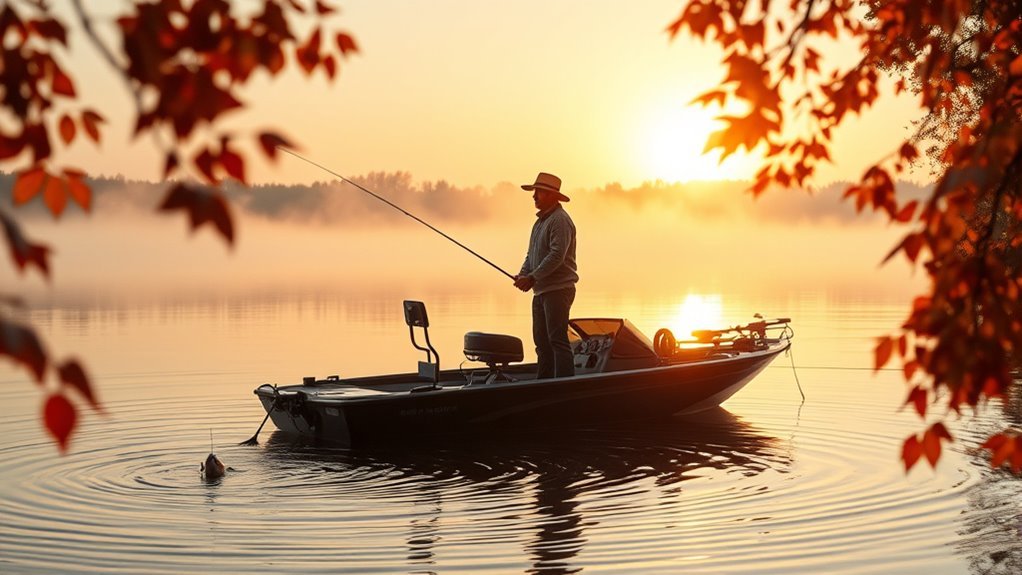
As the seasons change, so do the techniques you’ll want to use for bass fishing. Each season presents unique opportunities, so let’s explore effective methods to enhance your success.
1. Spring: Focus on shallow waters where bass are moving up, spawning, or recovering from the spawn. Use slow-moving baits like plastic worms, jigs, creature baits, and soft stick baits to attract them during this active period.
This is a great time for beginners to learn the ropes because many bass are closer to the bank and easier to locate.
2. Summer: Target deeper waters, shade, grass, docks, and early-morning feeding areas. Make use of fast-moving baits like crankbaits, spinnerbaits, swimbaits, and topwater lures when bass are chasing bait.
Bass often retreat to cooler depths during bright heat, so provoke aggressive strikes during active windows, then slow down with worms, jigs, or drop shots when the bite gets tough.
3. Fall: As temperatures cool, fall bass return to shallow areas to feed.
Topwater lures, spinnerbaits, crankbaits, and swimbaits effectively mimic the baitfish they pursue. Wind-blown banks, creek arms, shallow flats, and points can be especially productive.
4. Winter: Fish slower and deeper. Try jigs, small swimbaits, finesse worms, blade baits, or suspending jerkbaits near steep banks, rock, channels, and structure close to deeper water.
Essential Fishing Gear Maintenance

With the changing seasons, your fishing techniques might evolve, but one thing remains constant: the need for proper gear maintenance. To guarantee you’re ready to fish for bass, start by checking your line regularly for fraying, nicks, memory, or discoloration. A good line is essential, so replace it as needed to maintain strength and prevent losing that big catch.
Practice makes perfect when it comes to tying a good knot. Focus on reliable options like the Uni knot, Palomar knot, improved clinch knot, and loop knot to secure hooks and lures effectively.
Additionally, inspect your reels for smooth operation. Lubricate moving parts when needed, check drag performance, clean dirt from the spool and guides, and make sure your reel handle turns smoothly.
After each trip, clean and maintain your tackle box and gear to avoid corrosion from moisture, mud, or saltwater. Dry wet lures before storing them, replace rusty hooks, sharpen dull hooks, and keep soft plastics separated when they may react with other baits.
Finally, store rods and reels in a cool, dry place to protect them from UV damage, heat, and accidental bends. Your gear deserves the best care, helping you succeed on the water.
Frequently Asked Questions
What are the best bass fishing knots to use?
The best bass fishing knots include the Palomar knot, improved clinch knot, Uni knot, and loop knot. These provide reliable connections for hooks, lures, and many common line types. Always wet the knot before tightening and test it with steady pressure before casting.
How do weather changes impact bass behavior?
Weather changes can affect where bass hold and how actively they feed. Overcast skies may push bass shallower, wind can move baitfish, and sudden cold fronts can make bass tighter to cover or less aggressive. Adjust by changing depth, speed, and lure profile.
Can I fish for bass at night?
Yes, you can fish for bass at night. Many anglers find nighttime fishing productive in warm weather because bass may move shallow to feed. Use dark-colored lures, topwater baits, spinnerbaits, or slow-moving plastics, and focus on cover, docks, rocks, and shallow feeding areas.
What is the ideal water temperature for bass fishing?
Bass can be caught across a wide temperature range, but they are often more active in moderate water temperatures. Many anglers see strong activity as water warms through the 60s and 70s. Local conditions, forage, weather, depth, and seasonal stage all matter.
How do I choose the right fishing line for bass?
To choose the right fishing line for bass, match the line to your technique and cover. Monofilament works well for general use and topwater. Fluorocarbon offers low visibility and sensitivity for clear water. Braided line provides strength for grass, frogs, and heavy cover.
What is the easiest bass lure for beginners?
A soft plastic worm is one of the easiest bass lures for beginners. You can Texas rig it around weeds and wood, wacky rig it around docks and open pockets, or fish it slowly when bass ignore faster lures.
Where should I cast first from the bank?
From the bank, cast first to nearby cover before walking too close to the water. Try shaded edges, grass lines, rocks, dock corners, drain pipes, laydowns, and any place where shallow water drops into deeper water.
Conclusion
Mastering bass fishing techniques can greatly enhance your success on the water, but you do not need to make it complicated. Start with the basics: fish during low-light windows, target cover and depth changes, choose lures that match local prey, and adjust your speed with the season.
Early morning and late evening often produce better action because bass can feed more confidently in lower light. By applying the right techniques and understanding bass behavior, you can take full advantage of these prime times.
Remember to keep your gear well-maintained, check your knots, respect local regulations, and adapt your approach as conditions change. Get out there, apply what you’ve learned, and enjoy the thrill of bass fishing.
Sources
- Take Me Fishing — general bass fishing tips, tackle basics, and beginner guidance
- National Park Service — recreational fishing safety and responsible fishing guidance
- National Weather Service — outdoor lightning safety for anglers and boaters
- BoatUS Foundation — life jacket safety and boating preparation