Choose a follow-me drone for mountain biking that actually matches the way you ride, not just a camera drone that needs constant piloting. When you’re mountain biking, you want a drone that can launch quickly, track a moving rider, capture stable footage, and stay manageable on real trails. This guide compares four drones with AI tracking, GPS follow, or self-flying modes that make sense for biking footage, whether you care most about portability, battery life, image quality, or simple hands-free clips.
One question shapes the whole choice: will you film yourself solo, or ride with a friend who can fly? The DJI Neo and HOVERAir X1 launch from your palm and follow you without a remote, while the Ruko F11PRO 2 and Potensic ATOM 2 are flown with a remote and phone.
Top Picks: Best Follow-Me Drones for Mountain Biking
| Category | Product | Best For | Trail-Fit Verdict |
|---|---|---|---|
| 🏆 Best Overall Follow-Me Pick | DJI Neo Check Price on Amazon |
Lightweight hands-free tracking | Best mix of portability, AI tracking, and quick launch |
| 🔋 Longest Flight per Battery | Ruko F11PRO 2 Check Price on Amazon |
Longer trail sessions | About 35 min per battery; needs FAA registration |
| 🎯 Best for Portability | HOVERAir X1 Check Price on Amazon |
Pocketable self-flying clips | Quick shots and slower rides (tracks up to about 15.7 mph) |
| 📷 Best Camera Specs | Potensic ATOM 2 Check Price on Amazon |
Higher-end imaging and AI Track | 3-axis gimbal and 4K HDR for more camera control |
Quick Verdict
Choose DJI Neo if you want the easiest lightweight follow-me option for short trail clips. Choose Ruko F11PRO 2 if longer flight per battery matters more than pocket size. Choose HOVERAir X1 if you want a tiny self-flying camera for quick social clips and slower rides. Choose Potensic ATOM 2 if you want the strongest camera specs here and AI Track modes.
Trail safety note: follow-me drones still need space, line of sight, charged batteries, and a clear recovery plan. Avoid dense trees, crowds, roads, wildlife, water, and high-speed downhill sections until you know how your drone tracks.
How We Picked These Drones
You want a drone that follows you, shoots usable footage, and survives real-world trail conditions. We prioritized tracking modes and how well they suit a moving rider, video quality for editing and social sharing, flight time and battery strategy, portability and weight for carrying on rides, app and controller setup, wind tolerance, safety features, and overall ease of use. We also looked for honest limitations, because tight trees, steep descents, water crossings, and high speeds can challenge even good follow-me drones.
These picks are based on published specifications and listing details, not hands-on flight testing. Specs and bundles change, so confirm the details on the listing before you buy.
Solo Rider or Riding With a Friend?
- Solo: The DJI Neo and HOVERAir X1 launch from your palm and follow without a remote, so they’re the practical choice when nobody else is flying.
- With a friend: The Ruko F11PRO 2 and Potensic ATOM 2 are flown with a remote and phone, so they’re easiest to use when a friend flies from the trailside while you ride.
- Line of sight: U.S. rules require the drone to stay within visual line of sight of the person flying it (or a visual observer next to them). That’s hard to manage while you watch the trail, so film short, controlled passes in open terrain.
DJI Neo

If you’re packing light for a mountain biking day and want a drone that follows without slowing you down, the DJI Neo is the easiest pick in this lineup. It is small enough to carry in a pack pocket, launches from your palm, and gives you AI subject tracking without forcing you to stop and assemble a full drone kit every time you want a clip.
You get 4K stabilized video, QuickShots, voice or app control options, and propeller guards that make close-range launching less stressful. It is especially useful for casual trail clips, scenic climbs, open sections, and social-ready riding footage where speed is moderate and the path is not packed with branches.
The main limitation is that Neo is still a small drone. It is not a crash-proof camera for tight singletrack, each battery lasts about 18 minutes (listed), and phone-only operation has much shorter range than using compatible remote-control gear (DJI lists about 50 m over Wi-Fi). Download and activate the DJI Fly app before your ride, update firmware at home, and test the tracking mode in an open area before trusting it near trees. DJI models that already have FCC approval, including the Neo, remain legal to buy and fly in the U.S., but new DJI models can’t get FCC approval, so U.S. stock can be limited.
Listed Specs
- Weight: About 135 g, under the FAA’s 250 g registration threshold for recreational flying
- Video: 4K/30fps with a single-axis gimbal
- Flight time: About 18 minutes per battery
- Tracking: AI subject tracking, palm takeoff, and controller-free modes
- Wind resistance: Level 4 (8 m/s)
- Phone-only range: About 50 m over Wi-Fi
Avoid if: you need long-range flying, obstacle avoidance, or reliable tracking through tight trees at high speed.
What People Say
Buyer feedback tends to describe the Neo as beginner-friendly, with surprisingly stable 4K clips for its size and a quick launch. Riders commonly recommend extra batteries for longer sessions and a short prep step: download and activate the DJI Fly app before you leave. Experiences vary, so read recent reviews on Amazon before you buy.
Overall Sentiment: Positive
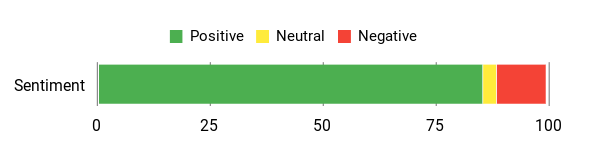
Common praise: easy launch, beginner-friendly controls, useful subject tracking, and steady footage for the size.
Common cautions: bring spare batteries, update the app before leaving home, and stay clear of dense woods, since the Neo has no obstacle avoidance.
Ease Of Use
| Feature | Ease Level |
|---|---|
| Palm Takeoff & Landing | Easy |
| Controller-Free / Voice Control | Easy |
| App Setup & Activation | Moderate |
| QuickShots & AI Tracking | Easy |
| Manual/Advanced Controls | Moderate |
Safety Features
Full-coverage propeller guards, palm takeoff, voice control through the app, GNSS positioning, Return-to-Home when connected through the app or a compatible controller, and Level 4 wind resistance help make Neo more approachable than many traditional drones. Still, it should be flown within visual line of sight, away from riders, roads, crowds, wildlife, and branches.
Key Benefits
- Very lightweight (about 135 g) and easy to carry on all-day rides
- Controller-free operation and palm takeoff for quick shots
- AI tracking and QuickShots for effortless follow-me footage
- 4K stabilized video for short trail edits and social clips
- Built-in propeller guards for more forgiving close-range launches
Check Product Details on Amazon
Ruko F11PRO 2
If you want a follow-me drone for mountain biking but hate running out of battery after a few clips, the Ruko F11PRO 2 is the practical long-session pick. The linked listing includes two batteries (about 35 minutes each, 70 minutes total listed), so you can film more than one climb, ridge line, or open trail section before calling it done.
The GPS Follow Me, waypoint, and Return-to-Home modes make it approachable for newer pilots who want trail footage without learning every manual camera move first. Follow Me tracks the GPS position of the phone and remote rather than recognizing you on camera, so framing is looser than with visual tracking and it works best on open trails. The 3-axis gimbal helps smooth out scenery shots, and the longer battery strategy gives you more room for retakes.
This is not the most pocketable choice, and it is better suited to open areas than tight singletrack. At about 357 g, it’s the only drone here over 250 g, so U.S. recreational pilots must register it with the FAA (Ruko says FAA Remote ID is built in). Test app pairing with your phone before leaving home, remove the gimbal cover before power-up, and set conservative distance and altitude limits until you know how it behaves around hills and trees.
Listed Specs
- Weight: About 357 g; FAA registration required in the U.S., with Remote ID built in per Ruko
- Video: 4K/30fps, 6K photos, and a 3-axis gimbal
- Flight time: About 35 minutes per battery; 2 batteries in the linked listing (70 minutes total listed)
- Tracking: GPS Follow Me based on the phone and remote’s position, plus waypoint flights
- Wind resistance: Level 5 (per Ruko)
- Obstacle avoidance: None listed
Avoid if: you want a tiny jersey-pocket drone, want to skip FAA registration, or mostly ride narrow wooded trails.
What People Say
Buyer feedback tends to praise the easy setup, dependable Return-to-Home behavior, flight stability, and battery life. Many recommend testing app pairing on your phone before the ride and keeping spare batteries ready for long days. Experiences vary, so read recent reviews on Amazon before you buy.
Overall Sentiment: Positive
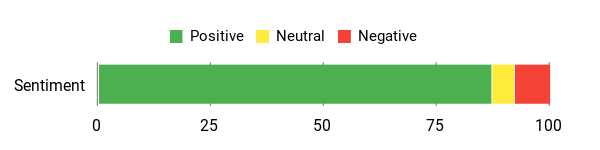
Common praise: stable flight, beginner-friendly GPS modes, reassuring Return-to-Home, and longer usable outing time.
Common cautions: app connection can take preparation, batteries need care over time, and the drone is less convenient to carry than ultra-light self-flying models.
Ease Of Use
| Feature | Ease Level |
|---|---|
| App Setup & Activation | Moderate |
| Takeoff & Landing | Easy |
| Follow Me / Tracking | Easy |
| Battery Swap | Easy |
| Camera Tilt & Gimbal | Easy |
Safety Features
GPS-based Return-to-Home and auto landing help reduce the risk of a lost drone if signal drops or battery runs low. LED lights help with orientation, stable hovering helps during setup, and Ruko says FAA Remote ID is built in. Always keep visual line of sight, set a safe Return-to-Home altitude, and avoid flying over people, roads, or water.
Key Benefits
- Follow Me and GPS modes help keep you framed on open trails
- Two-battery setup gives you more chances to capture the shot
- 3-axis gimbal supports smoother scenic footage
- Return-to-Home and auto landing help reduce recovery stress
- Good option if you prefer a controller-based drone over a selfie drone
Check Product Details on Amazon
HOVERAir X1

If you want a pocketable follow-me drone to bring on a mountain biking run, the HOVERAir X1 is built around simplicity and shot-ready modes. At about 125 g, it is lightweight, foldable, and quick to launch from your palm, so it fits easily in a small pack or handlebar bag.
The Follow Me tracking (listed up to about 15.7 mph) and pre-programmed flight paths keep you framed while you focus on the trail, and the 2.7K camera (with HDR at 1080p) and stabilization are good enough for daylight ride clips. The fully enclosed cage helps protect the propellers during low-speed bumps, and 32 GB internal storage means you do not need to manage a microSD card in the field.
The tradeoff is speed, wind tolerance, and flight time: each battery lasts about 11.5 minutes (listed). The X1 is better for slower trail segments, bike tours, quick scenic clips, and casual riding than fast downhill runs. It is not the best choice for strong wind, water crossings, glassy surfaces, or dense woods where tracking can break.
Listed Specs
- Weight: About 125 g
- Video: 2.7K, with HDR at 1080p; 32 GB internal storage
- Flight time: About 11.5 minutes per battery
- Tracking: Visual Follow Me up to about 15.7 mph (25.2 km/h); no GPS
- Wind resistance: Level 4
- Frame: Fully enclosed propellers with palm takeoff
Avoid if: you need fast tracking, strong wind handling, 4K video, or traditional GPS recovery features.
What People Say
Buyer feedback tends to highlight how portable and easy the X1 is, along with its follow modes and the protection offered by the cage. Many mention short battery sessions, value extra batteries, and warn about limits in strong wind or at higher bike speeds. Experiences vary, so read recent reviews on Amazon before you buy.
Overall Sentiment: Positive
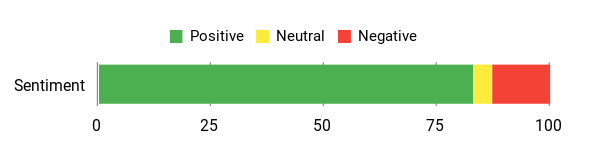
Common praise: extremely portable, fast palm launch, simple follow modes, protected propellers, and easy travel use.
Common cautions: shorter battery sessions, weaker wind performance, and tracking limits at higher bike speeds.
Ease Of Use
| Feature | Ease Level |
|---|---|
| App Setup & Activation | Moderate |
| Takeoff & Landing (Palm Takeoff) | Easy |
| Follow Me / Tracking | Easy |
| Battery Swap | Easy |
| Manual Control via App | Moderate |
Safety Features
The fully enclosed frame and safety guards protect the propellers and reduce damage from low-speed bumps. Internal 32 GB storage keeps footage local without a card swap. Avoid flights over water or glass, keep line of sight, and be cautious in high wind, since small self-flying drones can lose tracking in those conditions.
Key Benefits
- Ultra-light (about 125 g), foldable design that fits in a small pack
- Follow Me tracking and pre-programmed flight paths for hands-free shots
- 2.7K video (HDR at 1080p) and stabilization for smooth daylight footage
- 32 GB internal storage so you do not need an SD card on the trail
- Fully enclosed safety cage reduces damage from low-speed bumps
- Good pick for bike tours, travel days, and quick social clips
Check Product Details on Amazon
Potensic ATOM 2

If you want a follow-me drone to capture more polished mountain bike footage, the ATOM 2 is the performance-focused option here. It gives you 4K HDR video, 48MP (8K) photos, a 3-axis gimbal, and AI Track modes (Spotlight, Follow, and Parallel) that help keep a rider framed during open trail segments.
The linked listing is the Fly More Combo with three batteries (up to 32 minutes each, 96 minutes total listed), which suits mountain biking because trail filming often takes multiple attempts. Instead of burning your only battery on setup and framing, you can swap packs between runs and keep filming while the light is good.
It is easy to learn but still gives you enough control as you get more confident. Because it’s flown with a remote and phone, AI Track is easiest when a friend flies while you ride. The main caution is obstacle sensing: the ATOM 2 has none, so do not treat AI Track as a substitute for a clear flight path. Watch wind, water, trees, and terrain changes, and do routine preflight checks before heading out on technical trails.
Listed Specs
- Weight: Under 249 g
- Video: 4K/30fps HDR, 48MP (8K) photos, and a 3-axis gimbal
- Flight time: Up to 32 minutes per battery; 96 minutes total with the 3-battery Fly More Combo
- Tracking: AI Track (Spotlight, Follow, and Parallel) using the remote and phone
- Range: Up to 10 km (listed)
- Obstacle avoidance: None
Avoid if: you want the simplest no-controller selfie drone or need obstacle avoidance.
What People Say
Buyer feedback tends to praise the camera quality, tracking, and portability for trail days. Most people find it easy to learn, value the extra batteries in the Fly More kit, and warn to keep it away from water and be mindful in strong winds. Experiences vary, so read recent reviews on Amazon before you buy.
Overall Sentiment: Positive
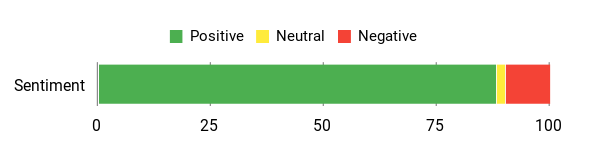
Common praise: strong daylight image quality, beginner-friendly takeoff, helpful AI modes, stable gimbal footage, and good portability.
Common cautions: avoid water, check wind conditions, and do not rely on tracking alone near trees or obstacles.
Ease Of Use
| Feature | Ease Level |
|---|---|
| App Setup & Activation | Moderate |
| Takeoff & Landing (Auto) | Easy |
| Follow Me / Tracking | Easy |
| Battery Swap / Charging Hub | Easy |
| Manual Control via App | Moderate |
Safety Features
GNSS positioning, Return-to-Home with a Dynamic Home Point that updates to the remote controller’s position, and auto takeoff and landing contribute to safer flights. The drone does not replace the need for pilot awareness, so keep line of sight, avoid water and glass, and check prop screws, calibration, and battery condition before riding.
Key Benefits
- 4K HDR video and 48MP photo capture for polished edits
- Under 249 g and compact, so it’s easier to carry on rides
- AI Track modes to help keep a rider framed
- Three-battery Fly More Combo for longer filming sessions
- 3-axis gimbal for stable footage in moderate conditions
- Vertical shooting support for social-ready clips
Check Product Details on Amazon
Before You Buy: Trail Checklist
| Check This | Why It Matters |
|---|---|
| Solo or with a friend | Controller-free drones (Neo, X1) suit solo riders. Remote-flown drones (Ruko, ATOM 2) are easiest when a friend flies. |
| Tracking type | AI tracking and GPS Follow Me behave differently. Test yours in an open area before singletrack. |
| Obstacle awareness | None of these four lists obstacle avoidance. Trees and branches are still your responsibility. |
| Battery plan | Action shots burn battery quickly, and listed flight times run from about 11.5 to 35 minutes per battery. Bring spares if you plan several runs. |
| Wind and speed | Small drones can lose tracking in gusts or when the rider moves too fast. |
| Weight and registration | The Neo, X1, and ATOM 2 are under 250 g. The Ruko (about 357 g) must be registered with the FAA for U.S. recreational flying. |
| Phone and app setup | Install apps, activate the drone, update firmware, and pair the controller before leaving home. |
| Local rules | Registration, TRUST, Remote ID, park rules, and flight restrictions vary by location and use case. Most U.S. national parks prohibit launching drones. |
FAQ
Which Follow-Me Drone Is Best For Mountain Biking?
For most riders, the DJI Neo is the best starting point because it is light, quick to launch, and built around AI subject tracking without a remote. If you want the longest flight per battery, the Ruko F11PRO 2 is better for open trails and longer sessions. If pocketability matters most, the HOVERAir X1 is excellent for quick clips and bike tours. If you want stronger camera features and AI Track modes, the Potensic ATOM 2 is the better performance pick.
How Do I Use Follow-Me Mode Safely On Trails?
Practice the follow mode in an open area before trying it near trees. Set a conservative distance, height, and Return-to-Home altitude where supported. Keep the drone within visual line of sight, avoid people and roads, and stop using follow mode if the trail gets too narrow, windy, crowded, or technical. U.S. rules require line of sight by the person flying (or a visual observer next to them), which is hard while you’re riding, so having a friend fly from the trailside is the easiest way to stay within the rules.
Keep spare batteries charged and accessible, carry enough storage, and update the app and firmware before the ride. If you use a DJI model, check whether you need to download DJI Fly directly from DJI rather than relying on your phone’s normal app store.
What Should I Consider When Buying A Follow-Me Drone For Mountain Biking?
Focus on three things: tracking reliability, portability, and battery strategy. For tracking, choose a drone with AI subject tracking or GPS Follow Me that fits your riding speed and terrain, and decide whether you’ll fly solo (controller-free) or with a friend (remote-flown). For portability, choose a smaller model if you need to carry it all day. For battery life, choose a bundle with spare batteries if you plan multiple trail runs.
Also consider obstacle sensing, repair parts, propeller guards, app compatibility, local drone laws, and how comfortable you are flying manually if tracking fails. Test everything at home so your ride does not turn into a troubleshooting session.
Can A Follow-Me Drone Keep Up With Fast Downhill Mountain Biking?
Sometimes, but not always. Fast downhill sections, tight trees, sudden elevation changes, dust, shadows, and sharp turns can break tracking, and some small drones list modest tracking speeds (the HOVERAir X1 lists about 15.7 mph). These drones are best used on open climbs, ridgelines, flow trails, bike tours, scenic sections, and controlled passes where you can keep the drone in sight.
Do I Need To Register A Follow-Me Drone?
Rules depend on your country, the drone’s takeoff weight, and whether the flight is recreational or commercial. In the United States, recreational pilots must register drones that weigh 250 g or more, every recreational pilot needs to pass TRUST, and registered drones must broadcast Remote ID. Of the drones here, the DJI Neo (about 135 g), HOVERAir X1 (about 125 g), and Potensic ATOM 2 (under 249 g) are under the registration threshold for recreational flying, while the Ruko F11PRO 2 (about 357 g) must be registered. Always check current local rules before flying.
Can I Fly A Follow-Me Drone On Any Trail?
No. Launching, landing, or operating drones is prohibited in most U.S. national parks, and many state parks, wilderness areas, ski resorts, and bike parks restrict or ban drones. Check the land manager’s rules before you ride, and respect other trail users’ privacy.
Wrapping Up: Which Follow-Me Drone Should You Buy?
Pick the follow-me drone that matches your ride style: choose DJI Neo if you want the easiest lightweight follow-me option, Ruko F11PRO 2 if the longest flight per battery matters most, HOVERAir X1 if pocketable convenience is your priority, and Potensic ATOM 2 if you want the strongest camera specs and AI Track modes. The right choice is the one that captures the shot without making your ride more complicated.
| Product | Image | Best For | Weight | Listed Flight Time | Camera Resolution | Tracking Style | Amazon |
|---|---|---|---|---|---|---|---|
| DJI Neo |
 |
Best overall lightweight follow-me pick | About 135 g | About 18 min per battery; bring spares for longer rides | 4K/30fps | AI subject tracking and QuickShots, no remote needed | Check Price on Amazon |
| Ruko F11PRO 2 |
 |
Best for longer open-trail sessions | About 357 g (FAA registration required) | About 35 min per battery; 2 batteries (70 min total listed) | 4K/30fps video; 6K photos | GPS Follow Me and waypoint modes | Check Price on Amazon |
| HOVERAir X1 |
 |
Best pocketable self-flying camera | About 125 g | About 11.5 min per battery; combo kits may include extra batteries | 2.7K (HDR at 1080p) | Visual Follow Me up to about 15.7 mph and preset flight paths | Check Price on Amazon |
| Potensic ATOM 2 |
 |
Best camera specs and AI Track option | Under 249 g | Up to 32 min per battery; 96 min total with the 3-battery Fly More Combo | 4K/30fps HDR video; 48MP (8K) photos | AI Track modes with gimbal-stabilized footage | Check Price on Amazon |
