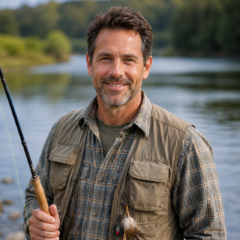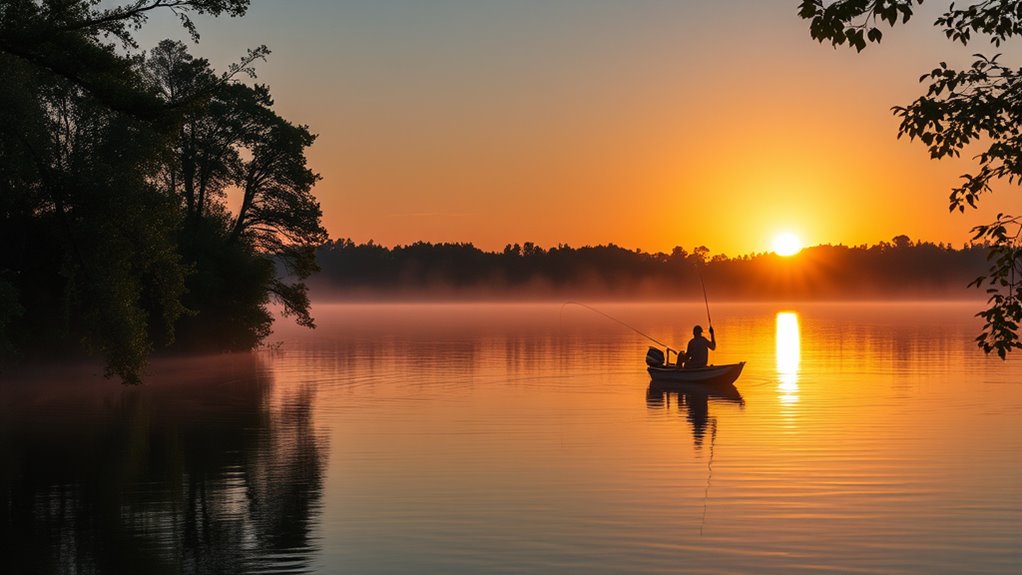
Fishing is important because it connects people with nature, supports food security, strengthens local economies, and gives families a simple way to spend meaningful time outdoors. When you fish responsibly, you also help protect aquatic habitats, support conservation funding, and build a deeper respect for rivers, lakes, oceans, and the wildlife that depends on them.
Quick Answer
Fishing matters because it provides food, jobs, recreation, cultural traditions, and mental-health benefits. It also encourages people to care about clean water, healthy fish populations, and responsible harvest. When done with sustainable practices, fishing can support both communities and aquatic ecosystems for future generations.
Key Takeaways
- Fishing supports food security by providing a nutritious source of protein for many communities around the world.
- Recreational and commercial fishing help local economies through jobs, tourism, equipment sales, guide services, and hospitality spending.
- Responsible fishing can fund conservation programs and teach anglers why clean water and healthy habitats matter.
- Fishing can improve mental well-being by offering relaxation, focus, social connection, and time in nature.
- Family fishing trips create shared memories while teaching patience, teamwork, safety, and respect for wildlife.
The Environmental Benefits of Fishing
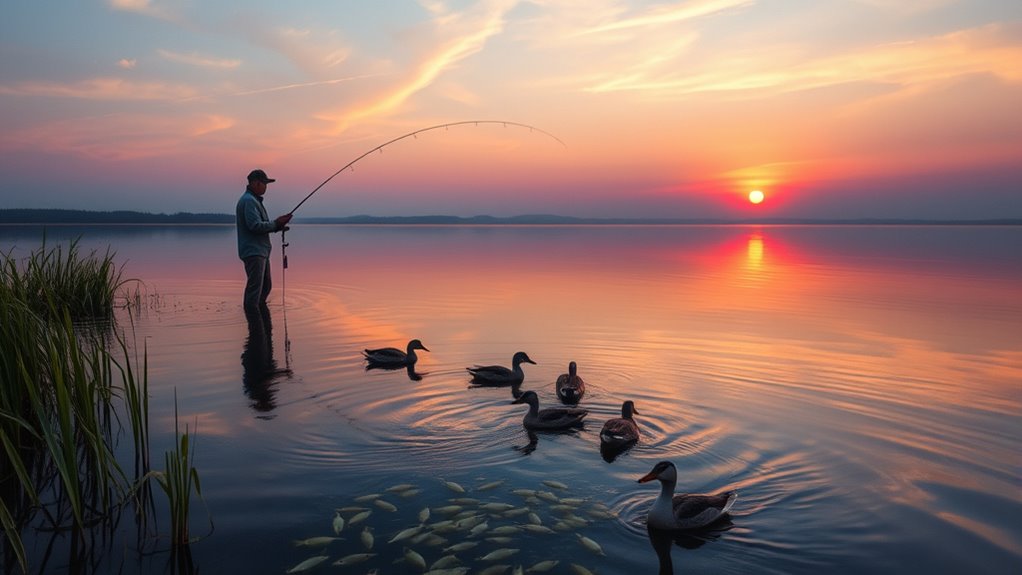
When you think about fishing, it is easy to overlook its environmental value. Fishing can help you build a stronger connection to nature, especially when you learn how fish, water quality, vegetation, insects, birds, and shoreline habitat all work together.
Responsible angling practices play an essential role in maintaining healthy fish populations. When you follow size limits, seasonal rules, bag limits, and catch-and-release guidance, you help reduce pressure on vulnerable species and support balanced aquatic ecosystems.
Fishing also encourages many people to care more about conservation. Anglers often notice changes in water clarity, shoreline erosion, invasive species, and fish behavior before others do. That awareness can lead to habitat cleanup, restoration projects, and stronger community support for clean rivers, lakes, and coastal waters.
Furthermore, fishing activities can help fund conservation programs that improve aquatic ecosystems. License fees, permits, excise taxes on fishing equipment, and local conservation programs may support fish stocking, habitat restoration, access sites, research, and education.
As you fish, you are not just enjoying a hobby. You are also learning how aquatic ecosystems work and why they need protection. That experience can help you make better choices on the water and encourage others to practice responsible fishing.
Note: Fishing only supports conservation when anglers follow local regulations, handle fish carefully, avoid littering, and respect closed areas, spawning seasons, and protected species.
Economic Contributions of the Fishing Industry
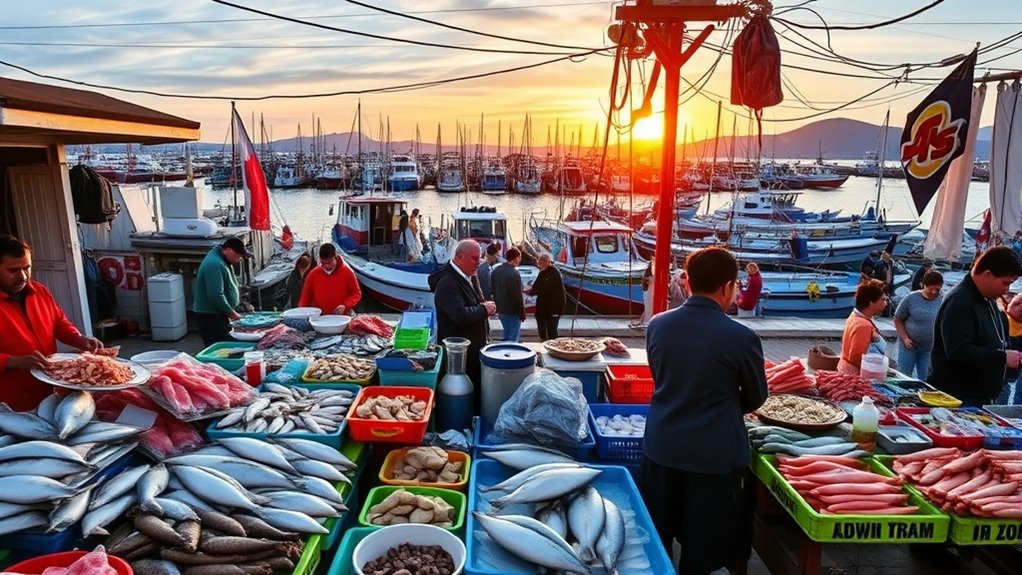
While many people enjoy fishing for leisure, the economic contributions of the fishing industry are significant. Fishing supports commercial harvesters, charter captains, fishing guides, bait shops, boat dealers, marinas, seafood processors, restaurants, tourism businesses, and gear manufacturers.
Globally, the fishing and seafood sectors generate major economic value each year and provide income for coastal, river, and lake communities. These benefits extend beyond the people who catch fish. They also reach truck drivers, market sellers, cold-storage workers, tackle retailers, cooks, hotel owners, and local service providers.
In the U.S., recreational fishing creates strong economic activity through spending on rods, reels, tackle, boats, fuel, lodging, food, travel, fishing licenses, and guide services. A single fishing trip can support several local businesses, especially in towns known for lakes, rivers, reservoirs, or coastal access.
Commercial fishing also provides livelihoods for many workers and helps supply seafood markets. For communities with a long fishing history, the industry can shape local identity, support family businesses, and keep waterfront economies active.
Fishing supports more than the person holding the rod or net. It can help power tourism, retail, hospitality, seafood supply chains, and long-standing community traditions.
This industry also plays a key role in food security, especially in places where fish is an affordable and accessible protein source. When fishing is managed well, it can support both income and nutrition without exhausting the resource that communities depend on.
As people prioritize sustainable fishing practices, the long-term value of the fishing industry depends on healthy fish populations, good habitat, and fair management. By combining local knowledge with responsible harvest, fishing can continue to support economies and communities for generations to come.
Fishing as a Source of Food and Nutrition
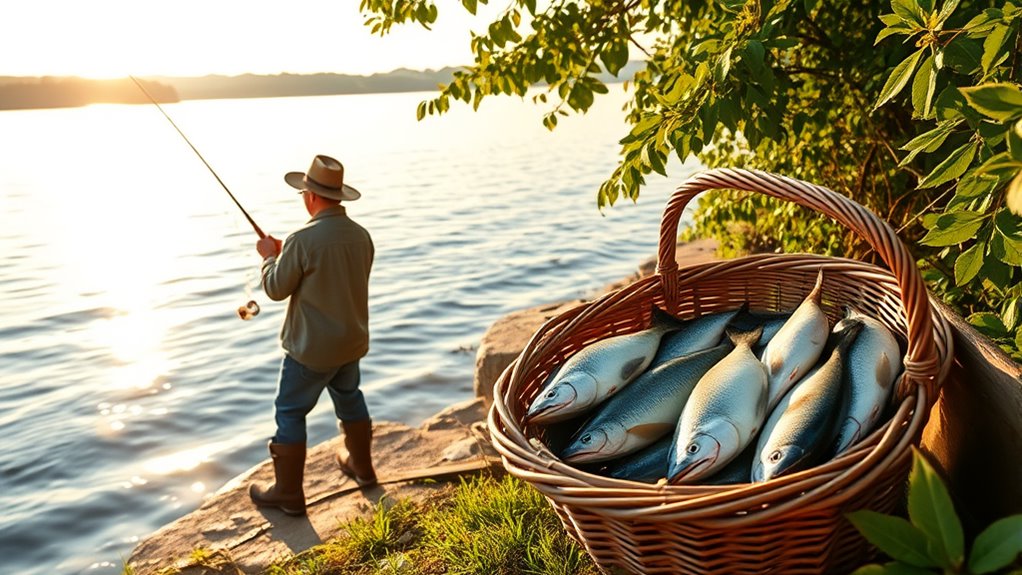
Fishing is not just a pastime. It is an essential source of food and nutrition for many people. Fish can provide high-quality protein, healthy fats, vitamins, and minerals that support a balanced diet.
For many coastal and inland communities, fish is more than an occasional meal. It may be one of the most available and affordable sources of animal protein. This makes fishing especially important in regions where access to other protein sources can be limited or expensive.
Plus, sustainable fishing practices help ensure that this valuable food source remains available for future generations. Good management protects fish populations, reduces waste, and helps communities continue to benefit from local waters.
Nutritional Benefits of Fish
Fish offers an array of nutritional benefits that can enhance your diet. Many types of fish provide lean protein, which helps your body build and repair muscle, support immune function, and maintain overall health.
Fatty fish, such as salmon, sardines, trout, and mackerel, are also known for omega-3 fatty acids. These healthy fats support heart and brain health and may help reduce inflammation as part of a balanced eating pattern.
Fish can also provide important vitamins and minerals, including vitamin D, vitamin B12, iodine, selenium, phosphorus, and potassium. The exact nutrition depends on the species, where it comes from, and how it is prepared.
Simple cooking methods, such as grilling, baking, steaming, or pan-searing with light seasoning, can help preserve the nutritional value of fish without adding too much saturated fat or sodium.
Sustainable Food Source
The nutritional advantages of fish extend beyond individual health, positioning it as an important food source for communities worldwide. Many people rely on fish as a regular source of protein, and that makes sustainable fishing practices essential.
When you choose fish from well-managed fisheries, you support a food system that can balance human needs with ecosystem protection. Sustainable fishing practices help protect breeding populations, reduce bycatch, and preserve habitats that young fish need to survive.
Responsible harvest also supports long-term food access. If too many fish are removed too quickly, populations can decline, local jobs can suffer, and communities may lose an important source of nutrition.
| Benefits of Fish | Details |
|---|---|
| Protein Source | Provides high-quality animal protein for many diets and communities |
| Nutritional Value | Rich in omega-3 fatty acids, vitamins, and minerals, depending on the species |
| Environmental Impact | Supports sustainable fishing practices when fisheries are responsibly managed |
| Healthier Options | Can be a lean, nutrient-dense choice when prepared with simple cooking methods |
Cultural and Economic Impact
While many people may think of fishing solely as a way to put food on the table, its cultural and economic impacts reach much further. Fishing supports food security, local jobs, family traditions, tourism, and community identity.
In many places, fishing knowledge passes from one generation to the next. People learn where to fish, when certain species move, how weather affects the bite, and how to respect the water. These lessons become part of a community’s shared memory.
Fishing also supports local economies. Small businesses may depend on fishing seasons, visiting anglers, seafood sales, boat rentals, tackle sales, and guided trips. When fish populations stay healthy, these businesses have a better chance of staying strong.
Emphasizing sustainable fishing is essential for maintaining fish populations and protecting economic stability. By preserving responsible practices, you help secure livelihoods for future generations while reinforcing the bond between culture, food, and local economies.
The Cultural Significance of Fishing
Fishing is not just about catching fish. It is woven into the fabric of many cultures, shaping historical traditions, family stories, seasonal gatherings, food customs, and local ways of life.
You will find that communities often come together through fishing. A morning on the pier, a weekend at the lake, a riverbank cookout, or a coastal festival can strengthen family bonds and create a shared sense of place.
As you explore this topic, it helps to see fishing as more than a food source or hobby. For many people, it represents patience, self-reliance, respect for nature, and connection to ancestors who depended on the water.
Historical Traditions and Practices
Throughout history, fishing has served not just as a means of survival but as an integral part of cultural identity for many communities around the globe.
Fishing traditions vary widely because local environments shape how people fish. Coastal communities may use nets, traps, boats, and tides. River communities may rely on seasonal fish runs. Lake communities may pass down knowledge about depth, structure, weather, and bait.
For many Indigenous and traditional communities, fishing is not merely about sustenance. It can be connected to ceremonies, seasonal rhythms, oral history, stewardship, and a strong relationship with nature.
The cultural importance of fishing is also visible in art, literature, folklore, food, songs, festivals, and family stories. Fishing often symbolizes patience, resilience, humility, and the reward that comes from understanding the natural world.
Communal fishing events can strengthen social bonds, especially when people share skills, meals, and stories. In this way, fishing fosters a shared heritage that can remain meaningful across generations.
Community and Family Bonds
As you explore the world of fishing, you will discover that it is much more than a leisure activity. It can be a powerful force that strengthens community and family bonds.
Community fishing events create shared experiences that bring people together. Local tournaments, youth fishing days, pier meetups, and shoreline cleanups can help neighbors connect while also supporting outdoor recreation.
Many families cherish fishing as a cultural tradition. Parents, grandparents, aunts, uncles, and older siblings often teach younger family members how to tie knots, bait hooks, cast safely, read the water, and handle fish with care.
This teamwork encourages communication because family members must work together, solve small problems, and share knowledge. A child’s first catch, a quiet sunrise, or a meal cooked after a fishing trip can become a memory that lasts for years.
Ultimately, fishing serves not only as a recreational pastime but also as an essential way to nurture relationships within families and communities alike.
Mental Health Benefits of Fishing

While many people think of fishing primarily as a recreational activity, it can also support mental well-being. The mix of fresh air, quiet focus, natural scenery, and gentle movement can help you slow down and reset.
Fishing does not need to be complicated to feel rewarding. Even a short trip to a pond, riverbank, dock, or beach can give you a break from screens, noise, and daily stress.
Engaging in fishing can provide several benefits that contribute to your overall mental well-being:
- Stress Reduction: Spending time near water and in nature can help you feel calmer, more relaxed, and less overwhelmed.
- Mindfulness Practice: The focus required for casting, watching the line, and reading the water encourages you to stay present.
- Cognitive Engagement: Fishing asks you to observe patterns, solve problems, adjust techniques, and make decisions based on conditions.
- Social Interactions: Sharing fishing trips with friends or family can reduce loneliness and build emotional support.
The combination of relaxation, the meditative rhythm of casting, and strong social ties makes fishing a meaningful outdoor activity for many people.
Pro Tip: If you fish for relaxation, choose a simple setup, avoid overpacking, and focus on the experience instead of measuring the trip only by how many fish you catch.
Fishing as a Family Bonding Activity

Fishing serves as an exceptional way for families to bond, allowing you to spend time in nature while creating lasting memories together. It gives everyone a shared goal without requiring constant conversation or expensive entertainment.
Engaging in fishing trips encourages shared experiences that foster communication and teamwork among family members. Someone may prepare the bait, someone may carry the tackle box, someone may watch the rods, and someone may help release the fish.
As you navigate the water or shoreline, you can teach children practical lessons about patience, safety, observation, problem-solving, and respect for living things. These lessons often feel more natural outdoors than they do in a formal setting.
Fishing also helps families unplug from technology. Without constant screens, you can focus on the weather, the water, the wildlife, and each other. That slower pace can make deeper conversations easier.
Research on outdoor recreation often connects time in nature with improved mood and lower stress. Fishing adds another layer because it combines nature with skill-building, anticipation, and shared accomplishment.
Ultimately, these shared experiences on the water can create cherished memories that last a lifetime, making fishing an invaluable activity for families seeking connection and joy.
Conservation and Sustainable Fishing Practices

Creating lasting family memories on fishing trips also brings attention to the importance of conservation and sustainable fishing practices. The choices you make on the water can affect fish, birds, turtles, aquatic plants, and other wildlife.
By embracing these practices, you help ensure that future generations can enjoy the same fishing experiences. Responsible fishing does not mean giving up the sport. It means enjoying it in a way that protects the resource.
Here are a few key components to consider:
- Catch and Release: This technique can reduce pressure on certain fish populations when you use proper handling, wet hands, quick photos, and safe release methods.
- Fishing Quotas: Bag limits, size limits, and seasonal rules help prevent overfishing and give fish populations a chance to replenish.
- Responsible Fishing Techniques: Learning local regulations, using suitable tackle, and avoiding sensitive habitat helps protect healthy ecosystems.
- Eco-Friendly Fishing Gear: Properly disposing of fishing line, hooks, packaging, and bait containers reduces pollution and protects marine life.
You can also support conservation by cleaning up after yourself, reporting invasive species when local agencies request it, using barbless hooks when appropriate, and keeping only the fish you plan to use.
Warning: Never release unused live bait, aquarium fish, or nonnative species into public waters. They can spread disease, disrupt habitats, and harm native fish populations.
The Role of Fishing in Outdoor Recreation and Tourism

As you step into the world of outdoor recreation, the appeal of fishing quickly becomes clear. It offers both adventure and tranquility, making it one of the most flexible outdoor activities for beginners, families, travelers, and experienced anglers.
Fishing tourism can significantly boost local economies. Visitors often spend money on lodging, restaurants, fuel, parking, bait, tackle, boat rentals, guide services, licenses, and local attractions. This spending can be especially important in small towns near popular lakes, rivers, reservoirs, and coastal waters.
Popular fishing destinations thrive when visitors come to experience the local waters. A strong fishing reputation can help support marinas, campgrounds, charter operators, seafood restaurants, outdoor shops, and seasonal events.
Fishing also fosters community connections. It invites families and individuals to engage with nature while promoting relaxation, outdoor skills, and social interaction.
The angling community can play a key role in conservation efforts by supporting habitat restoration, fishery management, access improvements, and cleanup projects. By participating in fishing experiences, you not only enjoy the sport but also contribute to the preservation of aquatic ecosystems when you follow responsible practices.
Frequently Asked Questions
What is the role of a fishing guide?
A fishing guide helps you understand local waters, choose the right gear, follow regulations, and use effective techniques. Guides can also improve safety, handle trip planning, and teach responsible fishing habits, which makes them useful for beginners, travelers, and anglers exploring unfamiliar locations.
Is a fishing guide worth it?
Yes, a fishing guide can be worth it when you want local knowledge, better safety, less guesswork, and faster learning. A guide can help you understand seasonal patterns, legal limits, bait choice, fish handling, and productive areas without spending several trips figuring everything out alone.
What makes a good fishing guide?
A good fishing guide combines local expertise, clear communication, patience, safety awareness, and respect for the resource. The best guides explain techniques, match the trip to your skill level, maintain reliable gear, follow local rules, and encourage ethical fishing practices.
Do you need to go with a fishing guide?
You do not always need a fishing guide, especially if you know the water, understand the rules, and have the right gear. However, a guide can make the experience easier and safer when you are new to fishing, visiting a new area, targeting a specific species, or fishing from a boat.
Why is fishing important to the environment?
Fishing can help the environment when it encourages conservation funding, habitat restoration, clean-water awareness, and responsible harvest. Anglers who follow regulations, release fish properly, and protect shorelines help support healthier aquatic ecosystems.
How does fishing help local communities?
Fishing helps local communities by supporting jobs, tourism, food access, small businesses, cultural traditions, and outdoor recreation. Spending on bait, tackle, boats, lodging, restaurants, licenses, and guide services can bring steady income to fishing areas.
How can you fish responsibly?
You can fish responsibly by following local regulations, keeping only what you will use, handling fish gently, using proper release methods, cleaning up all trash and fishing line, respecting private property, and avoiding sensitive habitat or closed areas.
Conclusion
In conclusion, fishing is not just about catching fish. It is a multifaceted activity that supports nutrition, local economies, outdoor recreation, cultural traditions, mental well-being, and environmental awareness.
By embracing sustainable practices, you help protect fish populations, clean water, and the habitats that make fishing possible. You also help ensure that future generations can enjoy the same rivers, lakes, oceans, and family traditions.
Whether you are reeling in a prized catch, learning from a guide, teaching a child to cast, or simply enjoying a quiet morning near the water, fishing enriches life in ways that go beyond the surface. So, grab your gear, respect the resource, and cast your line into this fulfilling world.