
Checking a stroller at the airport is usually simple, but the exact rules can change by airline, stroller size, aircraft space, and whether you check it at the ticket counter or the gate. Most families can bring a stroller for a child without paying an extra baggage fee, but you should confirm your airline’s policy before travel and prepare the stroller so it is easy to tag, fold, and return.
Quick Answer
Yes, most airlines let you check one stroller per child for free. You can usually check it at the ticket counter or gate-check it before boarding. Compact travel strollers may qualify as carry-on only if they meet the airline’s size rules and space is available.
Key Takeaways
- Most airlines allow a stroller to be checked for a child without charging a standard checked-bag fee.
- Gate checking lets you use the stroller through the terminal and leave it near the aircraft door before boarding.
- Carry-on stroller rules are stricter, so compact strollers must meet your airline’s folded-size limits.
- Large, heavy, non-folding, or wagon-style strollers may need to be checked at the ticket counter.
- Remove loose accessories, label the stroller, and photograph it before travel in case it is delayed or damaged.
At a Glance
| Best Option | Gate check the stroller if you need it inside the airport. |
| Difficulty | Easy, as long as the stroller folds and is properly tagged. |
| What to Bring | Luggage tag, stroller bag if available, photo of the stroller, and a small carrier if your child may need one after boarding. |
| Typical Cost | Usually free for one stroller per child, but always confirm with your airline before travel. |
Understanding Airline Policies for Strollers
When you’re traveling with little ones, understanding airline policies for strollers can make your journey smoother. Most airlines allow you to check one stroller per child free of charge, and it usually does not count against your normal baggage allowance. Many airlines also allow you to gate-check strollers, which means you can use the stroller through the airport, leave it near the aircraft door before boarding, and collect it after landing.
The main detail to check is where your airline wants the stroller handled. Some lightweight travel strollers may be allowed as cabin baggage if they fit the airline’s carry-on size rules, while larger stroller types may need to be gate-checked or checked at the ticket counter. The commonly mentioned 22 x 14 x 9 inch size is a typical U.S. carry-on limit, not a universal stroller rule for every airline. Before your trip, compare your stroller’s folded size with your airline’s current baggage policy so you avoid surprises at check-in or the gate.
Note: Airline stroller rules can vary by route, aircraft, and available cabin space. A stroller that fits as a carry-on on one flight may still need to be gate-checked on another.
Free Check-in Benefits for Families
Traveling with kids can feel overwhelming, but the free check-in benefits for families make it easier. Many airlines let you check one stroller and one car seat per child at no extra cost, so you usually do not have to count those child items as standard checked luggage. This is helpful when you are already managing bags, snacks, documents, and a tired child.
You can also take advantage of gate checking for strollers. This allows you to keep the stroller until you are ready to board, which can make security lines, long terminals, and flight delays easier to handle. Just remember to collapse your stroller before gate checking, remove loose items from the basket, and check your airline’s specific guidelines for unique requirements. A little planning can make the airport feel much less stressful.
Ticket Counter Check vs. Gate Check
You usually have two main options: check the stroller at the ticket counter or gate-check it before boarding. The best choice depends on your child’s age, your stroller type, and how much help you need moving through the airport.
- Ticket counter check: Best for large, heavy, bulky, non-folding, or wagon-style strollers that are hard to manage through security.
- Gate check: Best for babies, toddlers, long layovers, and families who need the stroller until the last moment before boarding.
- Carry-on stroller: Best only when the folded stroller clearly meets airline cabin-size rules and the airline confirms it can travel onboard.
Pro Tip: If you have a connecting flight, ask whether the stroller will be returned at the layover gate or sent through to your final destination. This matters a lot if you need it between flights.
Size and Weight Restrictions for Strollers
While taking advantage of free check-in benefits for families, it is important to be aware of the size and weight restrictions that airlines may apply to strollers. These rules are especially important if you want to bring a stroller into the cabin instead of checking it. Understanding these guidelines can help you travel smoothly.
Here’s what you need to know:
- Standard folded carry-on dimensions are often around 22 x 14 x 9 inches, but each airline can set its own limit.
- Some airlines apply stroller weight limits for cabin storage or gate-check handling.
- Non-collapsible, oversized, or heavier strollers may need to be checked at the ticket counter.
- Some airports and airlines provide size guides or measurement stations at check-in.
- Wagon-style strollers may face different rules, so confirm before you travel.
- Verify that the stroller folds securely and has no loose accessories that could fall off during handling.
Warning: Do not leave toys, cups, blankets, rain covers, hooks, or personal items attached to a stroller before checking it. Loose items can get lost, damaged, or caught during baggage handling.
How to Prepare Your Stroller Before Checking It
Before you hand over your stroller, take a few minutes to protect it. This is especially useful if you have a higher-end stroller, a travel system, or a stroller with removable accessories.
- Empty the basket: Remove diapers, snacks, toys, bottles, jackets, and personal items.
- Remove detachable parts: Take off cup holders, snack trays, rain shields, hooks, and stroller fans when possible.
- Fold and lock it: Make sure the stroller is fully collapsed and the frame is secured.
- Add your own label: Use a luggage tag with your name, phone number, and email address.
- Take photos: Photograph the stroller before handing it over, especially if it already has marks or scratches.
- Use a stroller bag: A travel bag can help reduce dirt, scuffs, and loose-strap damage.
[Amazon Products Picked for You]
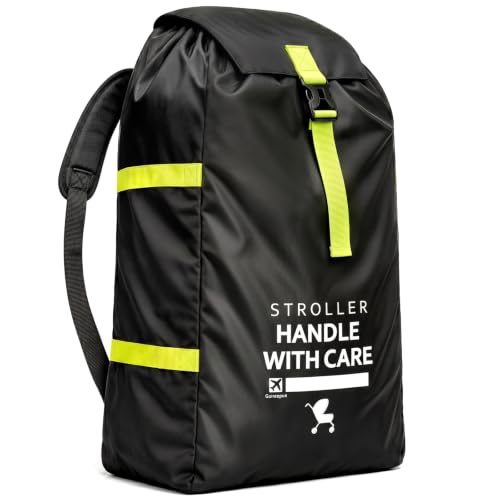
Universal Compatibility: The stroller bag for airplane fits most large , double and jogging strollers, the stroller bag size is 47”H x 24” W x 15” D. It is compatible with most mainstream strollers, such as UPPAbaby, Chicco, Evenflo, Graco, Baby Jogger, Nuna, Mockingbird, but it doesn't fit UPPAbaby Minu V2, Graco EZLite, Evenflo Minno Single. Please measure your folded stroller before purchasing.
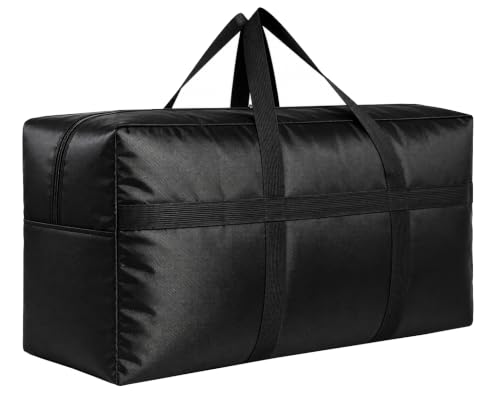
CHOOSE THE RIGHT SIZE: Sizes 60L, 80L, 100L and 130L are ideal for daily outings, road trips, and Travel storage. Sizes 170L and above are better suited for bulky items like tents, folding tables and chairs, inflatable kayaks, bounce houses, and Christmas trees.Compare your item’s actual packed dimensions with the bag dimensions before ordering.

Expands to Fit More Compact Strollers: Measures 20.5"L × 7"W × 24"H, expands to 11"W for larger models; fits Nuna Trvl, UPPAbaby Minu, Bugaboo Butterfly, Graco Ready2Jet and more compact travel strollers; one stroller backpack that works across every stroller your family owns
Gate Checking Procedures Explained
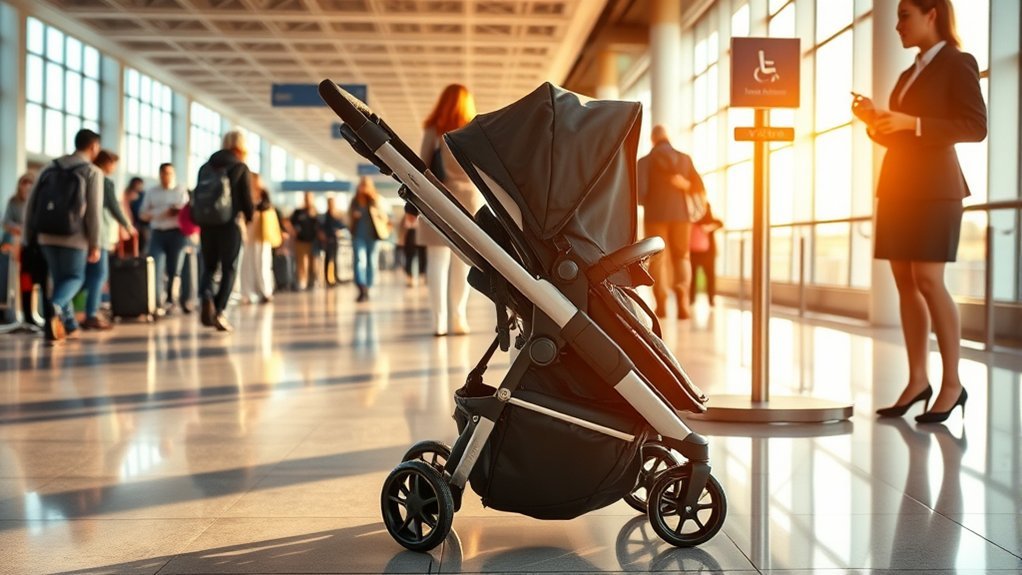
Gate checking your stroller can be a game-changer for parents because it allows you to navigate the airport with more control until you’re ready to board. Most airlines let you gate check one stroller and one car seat per child at no additional cost, though the exact policy can vary. Because it usually does not count against your baggage allowance, gate checking is often the most practical choice for families with babies or toddlers.
Before you gate check, collapse your stroller and attach the provided identification tag. The tag helps airline staff route the stroller correctly after landing. In many cases, your stroller is returned at the jet bridge or aircraft door upon arrival, but some airports may send gate-checked items to baggage claim or a special oversized-item area. Ask the gate agent where you should collect it before you board.
A simple gate-check process usually looks like this:
- Check in for your flight and confirm the airline’s stroller policy.
- Use the stroller through security and the terminal if allowed.
- Ask the gate agent for a gate-check tag before boarding starts.
- Remove loose items and fold the stroller when boarding begins.
- Leave the tagged stroller in the designated area near the aircraft door.
- After landing, wait where the airline tells you to collect it.
Going Through Airport Security With a Stroller
Security screening is another step where stroller preparation matters. In many airports, compact strollers are folded and sent through the X-ray machine. Larger strollers may need manual inspection. Give yourself extra time, especially if you are traveling with formula, breast milk, baby food, medications, or multiple carry-on bags.
- Fold the stroller before screening when asked.
- Remove your child from the stroller before it is inspected.
- Place small accessories, toys, and loose items in a bin or carry-on bag.
- Keep travel documents and boarding passes easy to reach.
- Use a baby carrier through security if it helps keep your hands free.
What Happens After Landing?
After landing, your stroller may be returned in different places depending on the airline, airport, and aircraft setup. Many gate-checked strollers are brought back to the jet bridge, but that is not guaranteed on every route.
Before you leave the aircraft area, check the jet bridge or ask a crew member where gate-checked strollers are being returned. If the stroller does not appear, check the regular baggage carousel, oversized baggage area, or baggage service office. Keep your gate-check tag until you have the stroller in your hands.
Alternatives to Checking a Stroller at the Airport
If you prefer not to check a stroller at the airport, several alternatives can simplify your travel experience. Consider these options:
- Compact strollers: Some can fit in the overhead compartment if they meet the airline’s carry-on rules and space is available.
- Gate checking: This is usually free and allows you to keep your stroller until boarding.
- Stroller rentals: Many destinations offer rentals, saving you the hassle of transporting your own stroller.
- Baby carriers: These keep your hands free while moving through the airport and can be useful during boarding and baggage claim.
- Travel prams or umbrella strollers: Lightweight models are easier to fold, tag, and carry than full-size strollers.
- Check airline policies: Always verify specific stroller dimensions to avoid surprises at the ticket counter or gate.
[Amazon Products Picked for You]

LIGHTWEIGHT - A lightweight stroller makes any outing a little easier; The Ingenuity 3D Mini Convenience Stroller has a durable steel frame that weighs 11 pounds and has a full-sized seat, plus auto-lock, anti-shock front wheels and lockable rear wheels

Lightweight & Travel-Friendly Design - Weighing just 7.2 pounds, the Dream On Me Aero Travel Light Stroller makes traveling with your little one easier. Ideal for families on the go — great for vacations, city strolls, and quick errands.

LIGHTWEIGHT - A lightweight stroller makes any outing a little easier; The Ingenuity 3D Mini Convenience Stroller has a durable steel frame that weighs 11 pounds and has a full-sized seat, plus auto-lock, anti-shock front wheels and lockable rear wheels
Best Stroller Types for Air Travel
The best stroller for flying depends on your child’s age and your travel style. A newborn may need a stroller that works with an infant car seat, while a toddler may do better with a lightweight stroller that folds quickly.
- Compact travel stroller: Best for frequent flyers and short trips.
- Umbrella stroller: Best for toddlers, quick folding, and budget-friendly travel.
- Full-size stroller: Best for comfort, storage, and longer trips, but usually better checked or gate-checked.
- Travel system stroller: Best when you also need an infant car seat at your destination.
- Double stroller: Helpful for two young children, but check airline size rules because these can be bulky.
[Amazon Products Picked for You]

Automatically folds to a compact size with one-hand activation for multi-tasking families

LIGHTWEIGHT - A lightweight stroller makes any outing a little easier; The Ingenuity 3D Mini Convenience Stroller has a durable steel frame that weighs 11 pounds and has a full-sized seat, plus auto-lock, anti-shock front wheels and lockable rear wheels

The Ingenuity 3Dquickclose CS+ Compact Fold Stroller is lightweight and easy to maneuver, making it the perfect stroller for on the go or as your little one’s everyday ride
How to Handle Stroller Damage or Delay
Even with careful preparation, a checked stroller can be delayed, scratched, bent, or damaged. If that happens, report the issue before leaving the airport. Go to the airline’s baggage service desk, show your stroller tag, and ask for a written damage or delay report.
To make the process easier, keep these items available:
- Your boarding pass and baggage or gate-check tag
- Photos taken before the stroller was checked
- Photos of the damage after arrival
- Purchase receipt or product details if you have them
- Any written report or claim number from the airline
Frequently Asked Questions
Can I bring a stroller for a lap child?
Yes, you can usually bring a stroller for a lap child. Most airlines allow a stroller for a baby or toddler even when the child does not have a separate paid seat. Check your airline’s stroller policy first, arrive early, and ask whether gate checking is available.
What if my stroller gets damaged during travel?
If your stroller gets damaged during travel, document the damage right away and report it to the airline before leaving the airport. Take clear photos, keep your stroller tag, and ask the baggage service desk for a written claim or report number.
Are there stroller rental services at airports?
Some airports, resorts, theme parks, and travel destinations offer stroller rental services, but availability is not guaranteed at every airport. If you want to travel light, check rental options at your destination before your trip and reserve ahead when possible.
Can I use my stroller in the terminal?
Yes, you can usually use your stroller in the terminal before boarding. You may need to fold it during security screening or when gate checking. Be mindful of crowded areas, elevators, moving walkways, and boarding lines.
Do airlines provide stroller tags for checked strollers?
Yes, airlines usually provide stroller tags when you check a stroller at the ticket counter or gate. You should also add your own luggage tag with your contact details in case the airline tag gets damaged or separated.
Can I take a stroller on the plane instead of checking it?
Sometimes. Very compact travel strollers may be accepted as carry-on if they meet the airline’s folded-size limits and there is cabin space. If the stroller is too large or overhead space is full, the airline may require you to gate-check it.
Should I use a stroller travel bag?
A stroller travel bag is a smart idea, especially for gate checking or checked baggage. It can help protect the stroller from dirt, scratches, loose straps, and minor scuffs during handling.
Conclusion
In conclusion, savvy parents can securely stow strollers without spending extra at most airlines. The key is knowing whether your stroller should go as carry-on, ticket-counter checked baggage, or a gate-checked item. By understanding the basics of size, weight, folding, tags, and pickup procedures, you can move through the airport with less stress.
For the smoothest trip, confirm your airline’s current stroller rules before departure, remove loose accessories, label the stroller clearly, and keep your gate-check tag until the stroller is returned. With a bit of planning, you can transform travel troubles into treasured memories and enjoy a more comfortable journey with your little one in tow.
