
Choosing the right winter jacket is less about finding one coat that claims to do everything and more about matching the jacket to your climate, activity level, and daily routine. A heavily insulated parka can be ideal for long periods in deep cold, while a breathable trail jacket or lightweight shell may feel far more comfortable when you are moving.
This guide compares winter outerwear for everyday warmth, wet-weather protection, active use, commuting, packability, and polished city wear. Focus on insulation, fit, weather resistance, breathability, and practical features so you can choose a jacket that works with the way you actually spend winter.
Affiliate disclosure: This roundup may contain affiliate links. If you make a qualifying purchase through one of these links, we may earn a commission at no additional cost to you. Product specifications and retailer information can change, so confirm current details before ordering.
Quick Verdict
Choose the Arctic Parka for an all-around cold-weather option with generous coverage. Pick the Thermo Down when warmth-to-weight matters most in dry conditions, or the Rainproof Coat when frequent rain, sleet, and wet snow are your main concern.
For movement-heavy days, compare the Trail Jacket and Feather Shell. City commuters may prefer the Commuter Coat, while the Wool Overcoat is the more polished choice for office and occasion wear.
Top Picks
| Category | Product | Best For | Consider Before Buying | Details |
|---|---|---|---|---|
| 🏆 Best Overall Match | Arctic Parka | Broad cold-weather coverage and everyday winter use | A longer, warmer parka may feel bulky during high-output activity | View Product Details |
| 🎯 Warmth-Focused Pick | Thermo Down | Lightweight insulation in dry, cold conditions | Confirm the fill type, fill power, and wet-weather protection | View Product Details |
| 🚀 Wet-Weather Pick | Rainproof Coat | Rain, sleet, wet snow, and damp climates | Verify waterproof ratings, seam sealing, and insulation level | View Product Details |
| ⚡ Active Pick | Trail Jacket | Hiking, snowshoeing, and movement-heavy winter days | May require an insulating layer during stops or severe cold | View Product Details |
| ⭐ Lightweight Pick | Feather Shell | Travel, packability, and flexible layering | A lightweight shell may provide limited warmth on its own | View Product Details |
| 🔰 Commuter Pick | Commuter Coat | Public transit, walking, and office-ready daily wear | Check pocket security, hem coverage, hood design, and layering room | View Product Details |
| 💰 Budget-Focused Pick | Everyday Puffer | Straightforward daily warmth at a value-oriented price point | Confirm durability and protection from prolonged precipitation | View Product Details |
| 💼 Sustainability-Focused | Eco Down | Buyers comparing material sourcing and environmental disclosures | Verify recycled content, certifications, repair support, and sourcing claims | View Product Details |
| 🎨 Style Pick | Wool Overcoat | Office outfits, occasions, and polished city wear | Less suitable for strenuous activity or extended exposure to wet snow | View Product Details |
How these picks were compared: The categories reflect the intended positioning supplied for each product, including insulation focus, weather role, mobility, packability, everyday practicality, style, and value. They are not laboratory test results. Verify the current model specifications, materials, sizing, and warranty on the product page before purchasing.
[Amazon Products Picked for You]

Waterproof & Windproof Winter Shield: TYBBNY women's winter coats feature a rainproof outer shell with sealed seams, blocking snow/rain while trapping body heat. Ideal for women's snow jackets, this puffer ensures dryness and warmth during blizzards or daily commutes

[Warmth]Mens winter coat is crafted from windproof and snow-resistant material, lined with plush fleece, adequately equipping you to withstand the cold winter.

Warm Protection: This winter coat is designed to provide ultimate protection against the cold. It is made with thick down cotton filling and insulation materials, which effectively keep the cold out and lock in temperature. The soft fleece lining delivers exceptional warmth and comfort, while the elastic screw cuffs seal out the cold. The detachable faux fur hood, with an extra soft fleece lining, ensures that even your head stays warm.
Winter Jacket Reviews


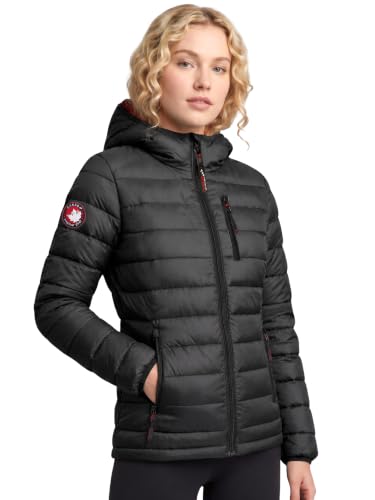
Arctic Parka — Best Overall Match
The Arctic Parka is the strongest starting point for someone who wants one winter coat for cold commutes, errands, travel, and other everyday activities. A parka-style design generally offers more torso and seat coverage than a shorter jacket, helping reduce exposed areas when temperatures fall or wind picks up.
- Best for: Buyers who prioritize dependable coverage and broad everyday usefulness.
- Why you may like it: It is positioned as the most balanced option for warmth, protection, and daily wear.
- Keep in mind: Extra length and insulation can feel bulky during strenuous activity or mild weather.
Thermo Down — Warmth-Focused Pick
The Thermo Down is aimed at buyers who want substantial warmth without automatically choosing the heaviest garment. Down insulation is often valued for its warmth-to-weight ratio and compressibility, making this type of jacket appealing for dry, cold conditions and travel.
- Best for: Dry winter weather, cold trips, and buyers who value packable insulation.
- Why you may like it: It should be easier to layer and pack than a bulky expedition-style coat if the construction matches its positioning.
- Keep in mind: Confirm the fill material, fill power, baffle construction, and shell protection. Untreated down can lose loft when saturated.
Rainproof Coat — Wet-Weather Pick
The Rainproof Coat is the most relevant option for buyers who regularly deal with rain, sleet, wet snow, or repeated freeze-and-thaw conditions. In these climates, protecting the insulation and base layers from moisture may be more useful than simply choosing the thickest jacket.
- Best for: Damp winters, exposed commutes, and unpredictable precipitation.
- Why you may like it: Its intended role prioritizes outer-shell protection and everyday weather coverage.
- Keep in mind: Confirm whether the garment is fully waterproof or only water-resistant. Look for seam sealing, protected zippers, an adjustable hood, and a published waterproof rating.
Trail Jacket — Active Pick
The Trail Jacket is the more natural choice for winter hiking, snowshoeing, travel days, and other situations where you generate body heat. Active outerwear should balance protection with ventilation and freedom of movement so perspiration does not leave inner layers damp.
- Best for: Movement-heavy winter activities and buyers who run warm.
- Why you may like it: Its active positioning should favor mobility and breathability over maximum bulk.
- Keep in mind: A breathable active jacket may not be warm enough when you stop moving. Leave room for a fleece or insulated midlayer.
Feather Shell — Lightweight Pick
The Feather Shell suits buyers who want a compact outer layer that is easy to carry, pack, and combine with different midlayers. A lightweight shell can be especially useful when temperatures and precipitation change throughout the day.
- Best for: Travel, mild winter days, layering systems, and limited packing space.
- Why you may like it: It offers more flexibility than a single heavy insulated coat.
- Keep in mind: Confirm whether it contains insulation. A shell-only garment will usually need a fleece, sweater, or insulated layer underneath in cold conditions.
Commuter Coat — Best for Daily Travel
The Commuter Coat is designed around the repeated demands of getting to work, walking between buildings, waiting for transit, and carrying everyday essentials. For these situations, secure pockets, useful coverage, easy closures, and a fit that works over office clothing can matter as much as maximum insulation.
- Best for: Urban commutes, public transit, and regular office wear.
- Why you may like it: Its intended purpose combines weather coverage with practical everyday organization.
- Keep in mind: Check pocket closures, hood adjustability, two-way zipper access, cuff design, and whether the coat fits comfortably over work layers.
Everyday Puffer — Budget-Focused Pick
The Everyday Puffer is the most straightforward choice for buyers seeking uncomplicated warmth for errands, casual outings, and routine daily use. A simple puffer can deliver good practical value when you do not need expedition-level protection or specialized technical features.
- Best for: Everyday wear, moderate winter conditions, and value-conscious buyers.
- Why you may like it: It focuses on the core benefit most buyers need: accessible insulation for regular cold-weather use.
- Keep in mind: Lower-priced jackets may simplify the shell, zipper, hood, or pocket construction. Verify durability and precipitation protection before ordering.
Eco Down — Sustainability-Focused Option
The Eco Down is intended for buyers who want environmental information to be part of the purchasing decision. Meaningful sustainability depends on more than a product name, so the strongest choice will be the one supported by specific material disclosures, traceable certifications, durability, and repair options.
- Best for: Buyers comparing recycled materials, responsible sourcing, and long-term product support.
- Why you may like it: It makes environmental considerations a visible part of the comparison.
- Keep in mind: Verify recycled-content percentages, insulation sourcing, chemical-treatment disclosures, repair policies, and recognized third-party certifications.
Wool Overcoat — Style Pick
The Wool Overcoat is the strongest match for readers who want winter outerwear that works with business clothing, evening outfits, and polished everyday looks. Wool fabrics can provide useful warmth and a structured silhouette without the technical appearance of a puffer or shell.
- Best for: Office wear, events, dinners, and city use in relatively controlled conditions.
- Why you may like it: It offers a more refined appearance than most technical winter jackets.
- Keep in mind: It may be less practical for heavy precipitation, intense activity, or situations where low weight and packability matter.
How to Choose a Winter Jacket
[Amazon Products Picked for You]

The zipper head is on the left

Stay dry and comfortable in all weather conditions with the ultimate waterproof and windproof protection of the MOERDENG Women's Ski Jacket

WATERPROOF DESIGN: Techinal fabric rated 10,000mm, Features fully taped seams to keep you dry during winter sports and harsh weather conditions
Match the Insulation to Your Climate and Activity
Down insulation is generally light, compressible, and warm for its weight, making it attractive for dry cold and travel. Synthetic insulation usually handles damp conditions better and can dry faster, which may make it a more forgiving choice for wet climates or active use.
Insulation alone does not determine warmth. Jacket length, baffle construction, wind protection, hood coverage, cuffs, hem adjustment, and the space available for layering all affect comfort.
Understand Waterproof Versus Water-Resistant
A water-resistant jacket may shed light snow or a short shower but is not automatically designed for sustained rain. A waterproof jacket should combine an effective membrane or coating with protected closures and appropriately sealed seams.
Before relying on a jacket in wet winter weather, check the published waterproof rating, seam construction, zipper protection, hood adjustment, and care instructions. Breathability also matters because trapped perspiration can make inner layers feel damp.
Choose a Fit That Allows Useful Layering
Try to leave enough space for the layers you genuinely wear without creating excessive gaps that allow cold air to circulate. Check shoulder movement, chest comfort, sleeve coverage, and hem position while reaching, sitting, and bending.
A slightly roomier fit can be helpful for thick sweaters or insulated midlayers, but automatically sizing up is not always necessary. Brand sizing, garment cut, and intended layering space vary.
Consider How Much You Move
Someone waiting for transit or watching an outdoor event generally needs more insulation than someone hiking uphill. For active use, prioritize ventilation, moisture management, mobility, and a layering system that can be adjusted as your effort changes.
Compare Everyday Features
Small details can make a major difference in daily use. Compare secure pockets, internal storage, cuff adjustment, hood visibility, zipper operation with gloves, hem coverage, reflective details, and whether the jacket remains comfortable while carrying a backpack or shoulder bag.
Evaluate Sustainability Claims Carefully
Look beyond broad environmental language. More useful evidence includes clearly stated recycled-content percentages, traceable insulation sourcing, chemical-treatment disclosures, repair programs, replacement parts, durable construction, and credible third-party certifications.
Before You Buy Checklist
- Confirm whether the garment is insulated, shell-only, or designed as part of a layering system.
- Check the insulation material and any published fill-weight or fill-power information.
- Verify whether the shell is waterproof or only water-resistant.
- Look for sealed seams, protected zippers, an adjustable hood, and draft-blocking cuffs.
- Review the size chart and allow room for the layers you normally wear.
- Check garment length and sleeve coverage while moving and sitting.
- Compare breathability and ventilation if you will use the jacket for exercise.
- Review pocket placement, closure security, and internal storage.
- Read the care instructions before choosing down, wool, or specialty waterproof fabrics.
- Confirm the return policy, warranty, repair options, and current model specifications.
Related Guides
FAQ
How Do I Choose the Right Insulation for Cold Weather?
Choose insulation based on your expected temperature, precipitation, activity level, and layering system. Down is typically lightweight and highly compressible for dry conditions, while synthetic insulation is often easier to manage in damp weather.
Do not judge warmth by insulation type alone. Jacket length, wind resistance, hood coverage, baffle design, cuffs, fit, and the layers underneath all influence real-world comfort.
Should I Size Up to Layer Under a Winter Jacket?
You need enough room for your normal layers without making the jacket so loose that drafts circulate inside. Test shoulder movement, chest comfort, sleeve length, and hem coverage while wearing the sweater or midlayer you expect to use most often.
Sizing up can make sense when a jacket has a close cut and you regularly wear bulky layers, but use the brand’s current size chart rather than assuming that one additional size will always fit correctly.
What Is the Difference Between Waterproof and Water-Resistant?
Water-resistant outerwear is generally intended for light or brief precipitation. Waterproof outerwear should provide a stronger barrier against sustained moisture, but performance depends on the fabric, membrane or coating, seam construction, zippers, hood, and garment condition.
Look for a published waterproof rating and information about seam sealing. A durable water-repellent finish can help water bead on the surface, but that treatment alone does not make every jacket fully waterproof.
Is Down or Synthetic Insulation Better for Wet Winters?
Synthetic insulation is often the more forgiving option in persistently damp conditions because it generally retains useful insulation when moist and tends to dry faster. Down can still work in wet climates when it is protected by a capable shell and cared for correctly, but buyers should verify the complete jacket construction rather than relying only on the fill type.
How Do I Care for and Maintain My Winter Jacket?
Follow the garment’s care label and the manufacturer’s instructions first. Washing and drying requirements vary between down, synthetic, wool, waterproof membranes, and garments with specialized coatings.
Avoid fabric softener unless the manufacturer specifically permits it, because it can interfere with some technical finishes. Store insulated jackets clean, fully dry, and uncompressed when possible. If water stops beading on a technical shell, clean the garment correctly before deciding whether its durable water-repellent treatment needs to be renewed.
Which Jacket Type Is Best for Commuting?
A useful commuter jacket should balance weather protection, warmth during periods of low activity, comfortable layering, secure pockets, and enough mobility for walking or transit. Longer coverage can help in wind and snow, while a two-way zipper or rear vent may improve comfort when sitting.
Wrapping Up
The best winter jacket is the one that matches the conditions you face most often. The Arctic Parka is the most balanced starting point for broad cold-weather coverage, while the Thermo Down is better aligned with dry cold and packable warmth. Choose the Rainproof Coat when wet-weather protection is the priority.
The Trail Jacket and Feather Shell are more suitable for movement, flexible layering, and lighter packing. The Commuter Coat focuses on daily practicality, the Everyday Puffer targets straightforward value, the Eco Down puts material sourcing into the comparison, and the Wool Overcoat serves buyers who prioritize polished style.
Final Recommendation
Start by deciding whether your main challenge is severe cold, persistent moisture, active movement, limited packing space, or daily commuting. Then verify the selected jacket’s insulation, shell construction, fit, care requirements, and current specifications before ordering. That process is more reliable than choosing solely by thickness, appearance, or a marketing label.
This roundup is reader-supported. When you click through qualifying affiliate links, we may earn a referral commission at no extra cost to you.
