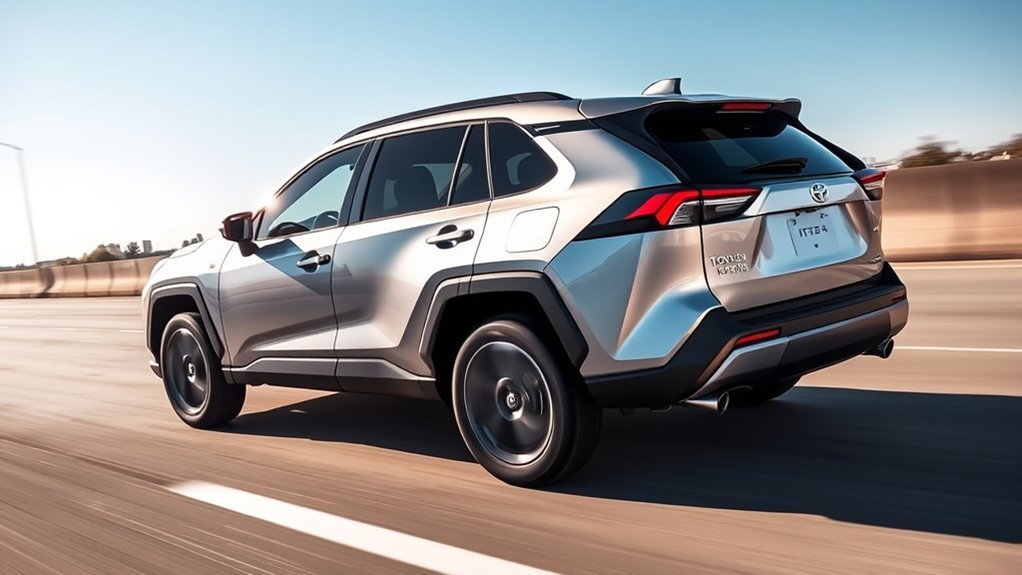
For the 2026 U.S. Toyota RAV4, independent instrumented testing gives the clearest current top-speed answer: Car and Driver measured a governor-limited 112 mph in a RAV4 Hybrid AWD, 117 mph in a Woodland Plug-in Hybrid, and 114 mph in a GR Sport Plug-in Hybrid. Toyota does not publish one universal top-speed figure for every RAV4, so the exact number depends on the powertrain, trim, tires, and test vehicle.
Last updated: September 19, 2026. Rechecked against current Toyota specifications and 2026 instrumented tests.
Quick Answer
The 2026 RAV4 Hybrid AWD has been independently tested at a governor-limited 112 mph. Tested 2026 plug-in hybrids reached 114 mph in GR Sport form and 117 mph in Woodland form. Toyota rates the 2026 Hybrid at 226 hp with FWD or 236 hp with AWD, while current U.S. plug-in hybrids make 324 hp.
Key Takeaways
- The 2026 U.S. RAV4 is hybrid-only: choose a standard Hybrid or Plug-in Hybrid rather than an older gas-only configuration.
- Car and Driver measured 112 mph in a 2026 RAV4 Hybrid AWD, 117 mph in a Woodland PHEV, and 114 mph in a GR Sport PHEV; all three results were governor-limited.
- The standard Hybrid makes 226 hp with FWD or 236 hp with AWD; the 2026 Plug-in Hybrid makes 324 hp.
- Top-speed results are model-specific. Tires, load, road conditions, and electronic limiting can change what a particular RAV4 can safely or legally do.
- Never test top speed on public roads. Use legal limits, the tire placard, and the owner’s manual as your safety baseline.
Toyota RAV4 Top Speed: What You Need to Know
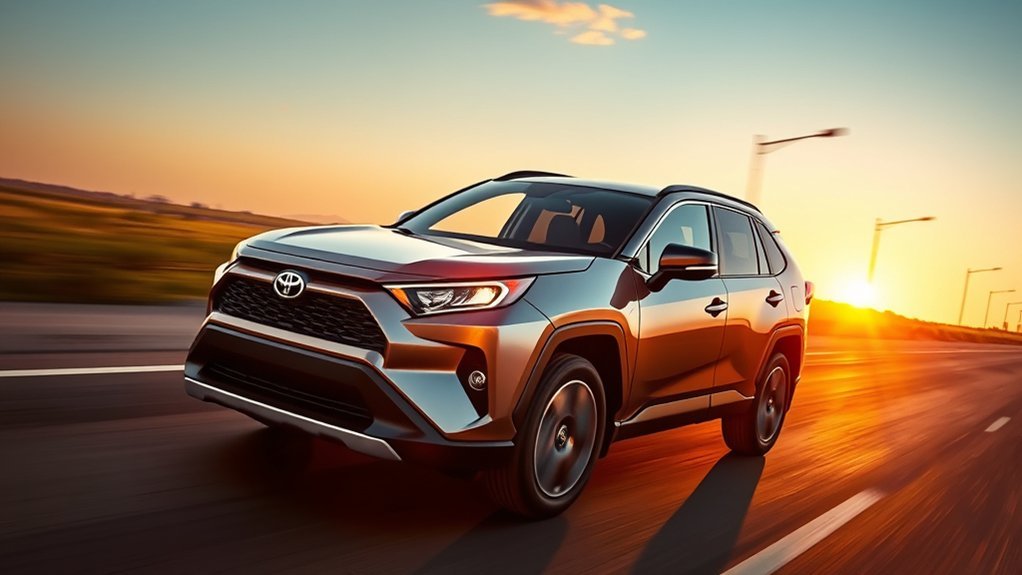
Most RAV4 top-speed numbers online mix different generations, markets, and powertrains. That is why a 2025 gas RAV4, a fifth-generation RAV4 Hybrid, a RAV4 Prime, and the redesigned 2026 Hybrid or Plug-in Hybrid should not share one blanket speed figure.
For the current 2026 U.S. lineup, Toyota’s finalized model-year specifications list 226 net combined hp for FWD Hybrid models, 236 hp for AWD Hybrid models, and 324 hp for Plug-in Hybrid models. Toyota does not publish a universal U.S. top-speed specification, so independent instrumented testing is the better source for trim-specific speed results.
Warning: Do not try to reproduce instrumented top-speed testing on public roads. High-speed driving can exceed legal limits, tire ratings, road conditions, and your margin for avoiding a crash.
For normal driving, the more useful numbers are acceleration and passing performance. The 2026 AWD Hybrid reached 60 mph in 7.1 seconds in Car and Driver testing. The 324-hp Woodland PHEV reached 60 mph in 5.2 seconds, while the GR Sport PHEV did it in 5.1 seconds.
2026 RAV4 Speed and Performance Snapshot
The table separates Toyota’s official power figures from independent test results. That distinction matters because Toyota publishes output and capability specifications, while top-speed and acceleration numbers below come from instrumented Car and Driver tests of specific vehicles.
| 2026 RAV4 Version | Official Output | Tested 0–60 mph | Tested Top Speed |
|---|---|---|---|
| RAV4 Hybrid FWD | 226 net combined hp | No verified FWD test used in this guide | Toyota does not publish a universal figure |
| RAV4 Hybrid AWD | 236 net combined hp | 7.1 seconds | 112 mph, governor-limited |
| RAV4 Woodland Plug-in Hybrid | 324 net combined hp | 5.2 seconds | 117 mph, governor-limited |
| RAV4 GR Sport Plug-in Hybrid | 324 net combined hp | 5.1 seconds | 114 mph, governor-limited |
What the numbers show: More horsepower does not automatically mean a higher governed top speed. The GR Sport PHEV was quicker to 60 mph than the Woodland PHEV in testing, yet its measured top speed was lower. Electronic limiting, tires, gearing, and trim-specific calibration can matter as much as peak output.
Understanding the Hybrid Powertrain and Acceleration
The 2026 RAV4 Hybrid uses a 2.5-liter four-cylinder engine with Toyota’s fifth-generation hybrid system. FWD versions drive the front wheels, while AWD versions add a dedicated rear electric motor instead of a mechanical driveshaft to the rear axle.
The 2026 Plug-in Hybrid combines a 2.5-liter four-cylinder engine, front electric motors, a dedicated rear motor, and a larger traction battery. Toyota rates the system at 324 net combined hp. In current instrumented testing, that extra output cuts 0–60 mph time by roughly two seconds compared with the tested AWD Hybrid.
The 2026 RAV4 Hybrid prioritizes efficiency; the 324-hp Plug-in Hybrid delivers the strongest acceleration.
Acceleration still changes with battery state, temperature, passengers, cargo, tires, and road grade. Use published tests to compare versions, not as a promise that every RAV4 will reproduce the same time or speed in every condition.
Official Specs vs. Unofficial Top-Speed Numbers
Toyota publishes the RAV4’s powertrain output, fuel economy, towing capability, and other vehicle specifications, but it does not provide one universal U.S. top-speed number. Independent test data therefore needs to be tied to the exact trim and test vehicle.
For 2026, Car and Driver measured the AWD Hybrid at 112 mph, governor-limited. Its Woodland PHEV test reached 117 mph, while the GR Sport PHEV reached 114 mph. Those are measured results for specific 2026 U.S. vehicles, not a universal RAV4 specification.
Older model years are different. For example, Car and Driver recorded 119 mph for a prior gas RAV4 and 115 mph for a prior-generation Hybrid. Do not carry those numbers forward to the redesigned 2026 lineup.
How Does the RAV4’s Performance Compare to Rivals?
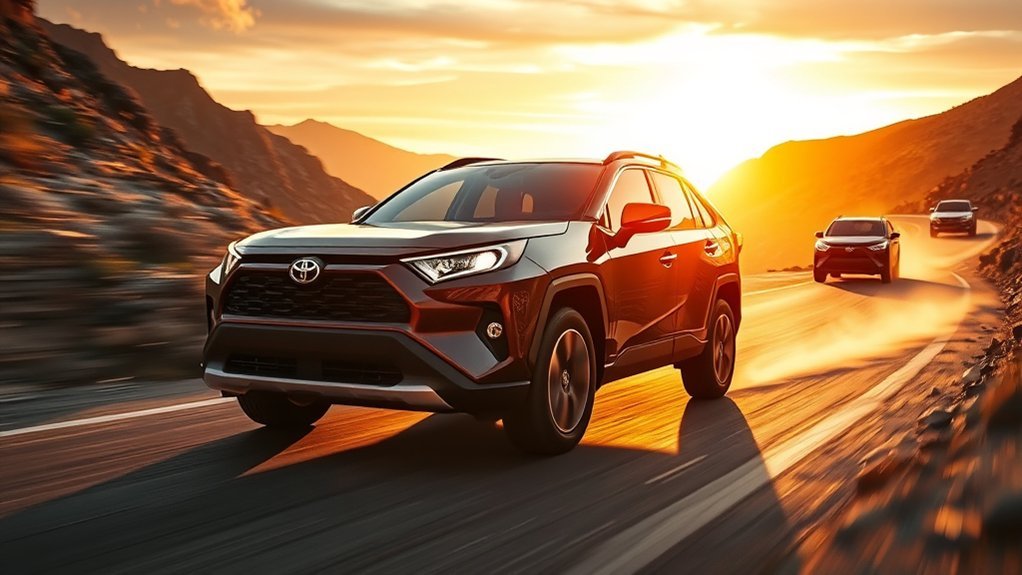
The RAV4 competes with compact hybrid SUVs such as the Honda CR-V Hybrid, Mazda CX-50 Hybrid, Subaru Forester Hybrid, Hyundai Tucson Hybrid, and Kia Sportage Hybrid. The standard RAV4 Hybrid is not positioned as a maximum-speed model; its stronger case is a mix of acceleration, efficiency, cargo usefulness, available AWD, and towing capability on selected trims.
In Car and Driver’s 2026 compact hybrid SUV comparison, the RAV4 Hybrid reached 60 mph in 7.1 seconds and completed the quarter-mile in 15.3 seconds at 92 mph. That makes it quick enough for normal highway merging and passing, while the 324-hp RAV4 PHEV is the substantially quicker choice.
Power Output Comparisons
The 2026 RAV4 Hybrid makes 226 hp with FWD or 236 hp with AWD. The 2026 Plug-in Hybrid raises combined output to 324 hp. For buyers comparing straight-line performance, the tested gap is clearer in acceleration: 7.1 seconds to 60 mph for the AWD Hybrid versus 5.1–5.2 seconds for the tested PHEV trims.
Peak horsepower is only one part of the result. Vehicle mass, tire choice, electronic limits, traction, battery condition, and power-delivery calibration all affect acceleration and maximum speed.
Handling and Stability Differences
The RAV4 remains a compact SUV with a higher center of gravity than a sedan or coupe. In Car and Driver testing, the standard AWD Hybrid produced 0.80 g on the skidpad. The GR Sport PHEV, with its lower ride height and chassis tuning, reached 0.83 g on all-season tires.
The GR Sport is the handling-focused 2026 RAV4, but its tested 114-mph governed top speed was lower than the Woodland PHEV’s 117 mph. That is another reason not to equate sportier chassis tuning with a higher maximum speed.
Fuel Efficiency Rankings
Toyota’s current 2026 specifications list up to 47 mpg city, 40 mpg highway, and 43 mpg combined for the most efficient FWD RAV4 Hybrid configurations. In Car and Driver’s AWD Hybrid test, the vehicle returned 36 mpg on a 75-mph highway fuel-economy loop.
The performance-oriented GR Sport PHEV still returned 42 mpg in Car and Driver’s 75-mph hybrid-mode highway test. Those results show why acceleration and efficiency can coexist in the electrified lineup, even though top speed is electronically limited.
Key Factors Affecting Toyota RAV4 Speed Performance
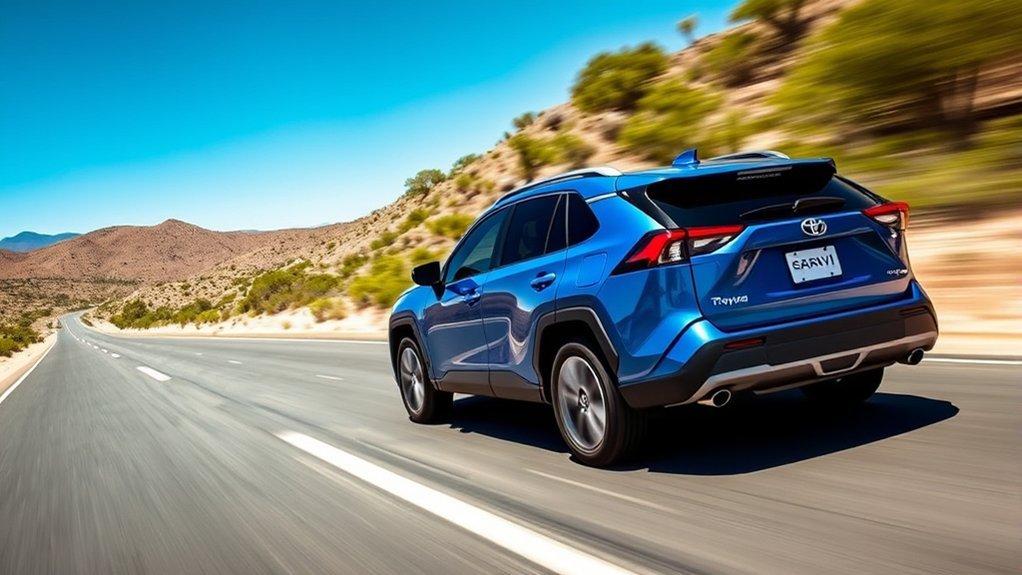
Several factors affect how fast and stable your RAV4 feels. Powertrain is only one part of the story.
- Model and powertrain: A standard hybrid, AWD hybrid, plug-in hybrid, and older gas model can all feel different.
- Tires: Tire size, speed rating, tread depth, and condition affect grip and stability.
- Tire pressure: Underinflated tires can reduce handling, fuel economy, tire life, and safety.
- Load: Passengers, cargo, roof boxes, and towing add weight and drag.
- Weather: Rain, wind, heat, snow, and cold pavement reduce your safety margin.
- Maintenance: Worn tires, brake problems, alignment issues, warning lights, or overdue service can reduce confidence and performance.
Pro Tip: Check the driver-door Tire and Loading Information Label before adjusting tire pressure. Use the listed cold pressure, not the maximum pressure printed on the tire sidewall.
Real-World Experiences With RAV4 Speed and Performance
For real-world driving, 0–60 mph and 50–70 mph passing times tell you more than maximum speed. Car and Driver measured the 2026 AWD Hybrid at 5.1 seconds from 50 to 70 mph, while the Woodland and GR Sport PHEVs completed that interval in about 3.3–3.4 seconds. That difference is easier to feel during a legal highway pass than the difference between governed top-speed numbers.
The Hybrid’s electric assistance also helps response from a stop, while the PHEV’s higher combined output provides a much larger acceleration reserve. Neither result changes the need to leave enough stopping distance and drive for road, weather, tire, and traffic conditions.
Why Do RAV4 Top-Speed Numbers Differ?
RAV4 top-speed claims differ because model year, market, powertrain, trim, tire specification, and electronic limiting all matter. A speedometer reading from an owner video is not equivalent to an instrumented test, and an older gas RAV4 result should not be applied to a 2026 Hybrid or PHEV.
For the redesigned 2026 U.S. lineup, use trim-specific tests: 112 mph for the tested AWD Hybrid, 117 mph for the tested Woodland PHEV, and 114 mph for the tested GR Sport PHEV. Each Car and Driver result was listed as governor-limited.
What Speed Limitations Should You Know?
Your RAV4’s safe speed is limited by more than horsepower. The most important limits include posted speed laws, road conditions, tire speed ratings, vehicle load, braking distance, and driver reaction time.
- Legal limits: Posted speed limits apply even if the vehicle can go faster.
- Tire limits: Tires must meet the correct size, load rating, and speed rating for your RAV4.
- Vehicle load: Extra passengers, cargo, roof racks, and trailers increase stopping distance.
- Weather: Wet or icy roads reduce traction and make high-speed maneuvers dangerous.
- Mechanical condition: Worn brakes, suspension parts, or tires can make the RAV4 feel unstable.
Aftermarket changes that alter electronic speed limiting, tire size, or powertrain calibration can affect safety systems, warranty coverage, tire suitability, and insurance obligations. For a daily-use compact SUV, correct maintenance and properly rated tires are the safer priorities.
RAV4 Speedometer Accuracy: How Reliable Is It?
Your RAV4 speedometer is reliable enough for normal driving, but it should not be treated as a lab instrument. A GPS app can give you a helpful comparison on a clear, steady road, but GPS can also fluctuate because of signal quality and terrain.
If your speedometer seems far off, check these items first:
- Factory tire size versus the tires currently installed.
- Cold tire pressure on all four tires.
- Uneven tire wear or mismatched tire brands and sizes.
- Recent wheel, tire, lift, or suspension changes.
- Any warning lights related to ABS, traction control, or tire pressure monitoring.
If the difference is large, ask a Toyota dealer or qualified mechanic to inspect the tire setup and vehicle systems.
How to Evaluate the RAV4’s Handling and Stability
When you evaluate RAV4 handling, focus on how it behaves in the driving you actually do. A good test drive should include city traffic, highway merging, a few normal-speed curves, rough pavement, and a safe braking check.
- Steering feel: The RAV4 should track straight and respond smoothly without vibration.
- Body control: Some body roll is normal for a compact SUV, but it should not feel loose or floaty.
- Braking: Stops should feel straight and controlled without pulsing, grinding, or pulling.
- AWD confidence: AWD helps traction, but it does not shorten stopping distance on slick roads.
- Tire behavior: Worn or low-quality tires can make even a good SUV feel unstable.
Expectations for the RAV4’s Driving Experience
The Toyota RAV4 driving experience is built around comfort, efficiency, and practicality. The hybrid system keeps daily driving smooth, and the plug-in hybrid adds stronger acceleration for drivers who want more power.
At normal speeds, you can expect a relaxed ride, easy controls, and confident highway manners. Under hard acceleration, the gas engine can sound busier because of the hybrid transmission design. That is normal for many hybrid SUVs.
The RAV4 is designed for efficient everyday performance rather than sustained high-speed driving. Choose the standard Hybrid for lower fuel use and the Plug-in Hybrid when stronger acceleration is a priority.
Tips for Maximizing Performance and Speed in Your RAV4
You do not need risky modifications to make a RAV4 perform its best. The most useful improvements are maintenance, correct tires, and smart loading.
Regular Maintenance Checks
Regular maintenance helps your RAV4 accelerate, brake, and handle as designed. Focus on these basics:
- Use the correct oil and service interval: Follow the maintenance schedule for your model year and powertrain.
- Replace filters on time: A dirty engine air filter can hurt response and efficiency.
- Inspect brakes: Good acceleration means little if the vehicle cannot stop safely.
- Check suspension and alignment: Worn shocks, struts, or alignment issues can make the RAV4 wander at speed.
- Keep software and recalls current: Ask a Toyota dealer about open updates or recalls during service.
Tire Pressure Management
Tire pressure is one of the easiest performance factors to control. The NHTSA TireWise guide recommends checking tire pressure at least once a month when the tires are cold, meaning the vehicle has not been driven for at least three hours.
Use the Tire and Loading Information Label on the driver’s doorjamb or your owner’s manual for the correct cold pressure. Do not use the maximum PSI printed on the tire sidewall as your target pressure.
Note: If you carry heavy cargo, tow, or install different tires, confirm the correct load rating and pressure guidance before driving long distances.
Related Guides
Frequently Asked Questions
What is the top speed of a 2026 Toyota RAV4?
Toyota does not publish one universal 2026 RAV4 top-speed number. In Car and Driver testing, a 2026 RAV4 Hybrid AWD reached a governor-limited 112 mph, a Woodland Plug-in Hybrid reached 117 mph, and a GR Sport Plug-in Hybrid reached 114 mph. Use the result for the exact trim and powertrain rather than applying one number to every RAV4.
Which 2026 RAV4 is the quickest?
Among the 2026 versions tested by Car and Driver, the GR Sport Plug-in Hybrid was quickest to 60 mph at 5.1 seconds. The Woodland Plug-in Hybrid needed 5.2 seconds, while the tested AWD Hybrid took 7.1 seconds. All 2026 RAV4 Plug-in Hybrid grades use a 324-hp system.
What is the fuel economy of the 2026 Toyota RAV4?
Toyota lists up to 47 mpg city, 40 mpg highway, and 43 mpg combined for the most efficient 2026 FWD RAV4 Hybrid configurations. Ratings vary by trim and drivetrain, so check the window sticker or Toyota’s current specifications for the exact model you are comparing.
Does the 2026 RAV4 have a Sport mode?
Yes. Toyota says the 2026 RAV4 includes selectable drive modes, including Sport mode, which makes throttle and steering response more immediate and changes transmission behavior. Sport mode does not raise the legal speed limit, change tire ratings, or remove the vehicle’s electronic speed limiting.
How does the RAV4 perform off road?
The RAV4 can handle light trails, gravel, snow, and rough access roads when equipped appropriately. The 2026 Woodland adds standard AWD, all-terrain tires, and extra ground clearance, but the RAV4 remains a unibody compact SUV rather than a low-range 4WD rock crawler.
What are the safety ratings for the 2026 Toyota RAV4?
As of September 19, 2026, NHTSA had selected the 2026 RAV4 Hybrid and Plug-in Hybrid for 5-Star Safety Ratings testing, while a complete current overall rating was not confirmed in the official sources checked for this update. Check the NHTSA ratings and IIHS ratings pages for the latest published results.
Can the 2026 RAV4 tow 3,500 pounds?
Some 2026 RAV4 AWD grades are rated to tow up to 3,500 pounds, including selected Hybrid and Plug-in Hybrid configurations. Toyota rates all FWD models and the LE AWD at 1,750 pounds. Confirm the exact trim, hitch setup, payload, and trailer tongue weight before towing.
Conclusion
The 2026 Toyota RAV4 does not have one universal top speed, but current instrumented tests give a useful range. Car and Driver measured 112 mph for the AWD Hybrid, 117 mph for the Woodland PHEV, and 114 mph for the GR Sport PHEV, with each result listed as governor-limited.
For most drivers, acceleration and passing response matter more than maximum speed. The standard Hybrid is the efficiency-focused choice, while the 324-hp Plug-in Hybrid is much quicker. Compare the exact trim, keep the correct tires and cold pressure, and stay within legal road speeds.
Sources
- Toyota USA Newsroom: The Next Adventure Begins: 2026 RAV4 Arrives This Winter — finalized 2026 U.S. powertrain output, fuel-economy estimates, towing, drive modes, charging, and grade details.
- Toyota: 2026 RAV4 Comparison and Specifications — current trim-level horsepower, fuel-economy, tire, and vehicle specifications.
- Car and Driver: Tested: 2026 Toyota RAV4 Hybrid — 0–60 mph, governed top speed, braking, roadholding, and 75-mph fuel-economy testing.
- Car and Driver: 2026 Toyota RAV4 Woodland PHEV Tested — 0–60 mph, governed top speed, braking, roadholding, and highway fuel-economy testing.
- Car and Driver: Tested: 2026 Toyota RAV4 GR Sport — 0–60 mph, governed top speed, chassis changes, roadholding, and highway fuel-economy testing.
- Car and Driver: 2026 Hybrid Compact SUV Comparison Test — RAV4 performance compared with key hybrid rivals.
- NHTSA TireWise — tire pressure, tread, load, and tire-safety guidance.
- NHTSA: 2026 Model-Year Vehicles Selected for Testing and IIHS Vehicle Ratings — current safety-test status and published ratings.
