Winter camping with a family of five changes what matters in a tent. You need enough floor space for real sleeping pads or mattresses, reliable rain protection, manageable setup, and a clear understanding of the shelter’s weather limits.
The seven tents below are roomy car-camping options for cold, mostly dry, and relatively calm conditions. They are not substitutes for a structurally reinforced four-season mountaineering tent when heavy snow, severe wind, exposed terrain, or a winter storm is possible.
Quick Answer
For a family of five, choose a 6-person or larger tent with enough measured floor space for your actual sleep system. Among these picks, the UNP and Happy Travel cabin tents offer useful standing room, while the AYAMAYA sets up fastest. Use every model here only for mild winter car camping, not heavy snow or severe wind.
Key Takeaways
- A printed 6-person capacity can feel tight once you add five sleepers, bulky winter bags, pads, and wet gear.
- The Coleman 4-person instant tent is fast, but it is too small to serve as the only sleeping tent for five people.
- A seller’s “4-season” label does not prove that a cabin or pop-up tent can carry snow or withstand severe wind.
- Your sleeping bags, insulated pads, clothing, and site choice provide most of the warmth. The tent mainly blocks wind and precipitation.
- Never use a fuel-burning stove, grill, lantern, or improvised heater inside a tent because carbon monoxide can build up without warning.
Affiliate disclosure: This roundup contains affiliate links. If you buy through them, we may earn a commission at no extra cost to you.
Warning: None of the tents in this roundup has a verified structural snow-load or severe-wind rating. Choose a true four-season shelter or postpone the trip when heavy snow, high wind, whiteout conditions, or difficult evacuation is possible.
Top Picks for Mild Winter Family Camping
|
Category |
Product |
Important Limit |
|---|---|---|
|
Best Standing Room |
3-season shelter; no verified snow-load rating |
|
|
Fastest Conventional Setup |
Only four-person capacity |
|
|
Roomy Value Pick |
Seller page gives inconsistent waterproof figures |
|
|
Roomy Color Variant |
Confirm current specs and included parts |
|
|
Fastest Pop-Up |
Low headroom and no verified snow-load rating |
|
|
Best Tall Cabin Layout |
Broad season label should not be treated as storm proof |
|
|
Best Porch-Style Layout |
Verify live dimensions and materials before purchase |
[Amazon Products Picked for You]
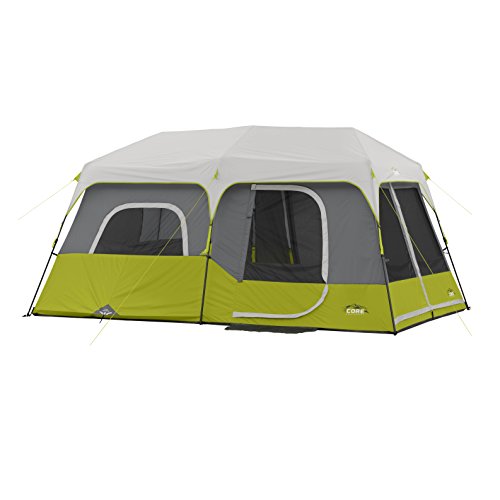
INSTANT POP UP TECHNOLOGY: Pre-attached poles lock into place for setup in 2 minutes or less
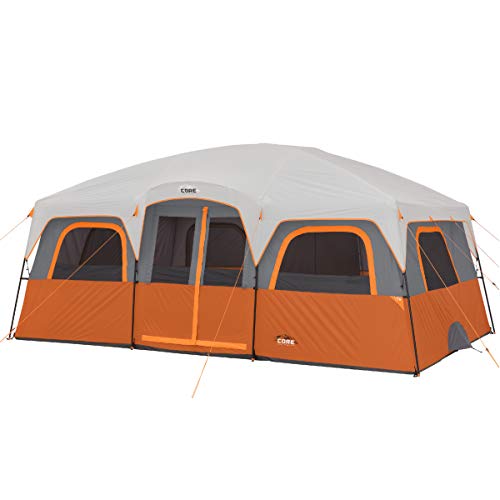
SPACIOUS INTERIOR: Features a nearly straight-wall design for ample standing room and easy movement

What “Winter Use” Means for These Tents
Cold weather alone does not automatically require an expedition tent. A roomy three-season shelter may work at a drive-in campground when the forecast calls for cold but calm, dry weather and you can leave quickly if conditions change.
Snow, strong wind, and exposed terrain create a different problem. Tall cabin walls catch more wind, flatter roof sections can collect snow, and lightweight stakes may loosen in frozen or saturated ground. A waterproof fabric rating also measures the material, not the strength of the poles, seams, zippers, floor, or complete shelter.
Note: Treat manufacturer season labels as a starting point. For genuine winter storms, look for a low-profile four-season design, robust pole structure, full-coverage fly, snow-shedding geometry, strong guy-out points, and published guidance for the expected conditions.
How We Selected and Evaluated the Tents
We compared the public product listings, floor dimensions, listed occupancy, setup systems, ventilation, rain protection, packed weight, and family-friendly storage. We also considered recurring customer-review themes, but those comments are anecdotal and do not replace laboratory weather testing.
- Usable space: We favored enough measured floor area for five sleeping positions and cold-weather gear, not just a large printed capacity.
- Headroom: Tall cabin tents make dressing children and organizing bedding easier, although the extra height can increase wind exposure.
- Weather protection: We looked for a rainfly, raised or tub-style floor, covered entry, sealed construction claims, and useful guy-out points.
- Setup: Pre-attached poles, clips, color coding, and simple sleeves matter when hands are cold and daylight is short.
- Ventilation: Mesh panels and adjustable vents help move moisture out, which remains important during cold nights.
- Storage: A vestibule, porch, pockets, and gear loft help separate wet boots and clothing from sleeping bags.
- Limitations: We reduced the recommendation strength whenever a listing lacked clear structural testing, gave inconsistent specifications, or relied on a broad season label.
Detailed Tent Reviews


The UNP gray model is one of the roomiest options here for a family that values standing height. Its current listing gives a 10-by-9-foot floor, a 78-inch peak height, five mesh windows, and a 3-season classification. That 90-square-foot footprint gives you more planning flexibility than a compact dome, although five bulky winter sleep systems can still fill it quickly.
The listing currently describes setup as about five minutes for two people or around ten minutes for one person, so the earlier 3-minute claim was too aggressive. At roughly 18 pounds, it is a car-camping tent rather than a backpacking shelter. Use a footprint, replace weak stakes when needed, and fully guy it out before temperatures drop.
What People Say
Customer feedback commonly praises the standing room, ventilation, and straightforward assembly after a practice run. Complaints tend to focus on long zippers, stock stakes, and performance that depends heavily on careful pitching.
Best Use and Main Limit
- Pick it for: mild winter car camping, roomy family weekends, and campsites with a favorable forecast.
- Skip it for: accumulating snow, exposed ridges, strong sustained wind, or remote trips without an easy exit.
- Live listing: check the current rating, review count, and availability on Amazon.

The Coleman is the easiest conventional tent in this group to pitch. Its pre-attached poles support a roughly 60-second setup, while the WeatherTec construction, vented rainfly, and rugged fabric make it convenient for quick drive-in trips. The current listed dimensions are about 8 by 7 feet with a 59-inch center height.
The critical limitation is capacity. Coleman lists this model for four occupants and one queen air bed. A family of five should not rely on it as the only sleeping shelter. It makes more sense for a smaller family, as a second tent for older children, or as a gear and changing shelter beside a larger sleeping tent.
What People Say
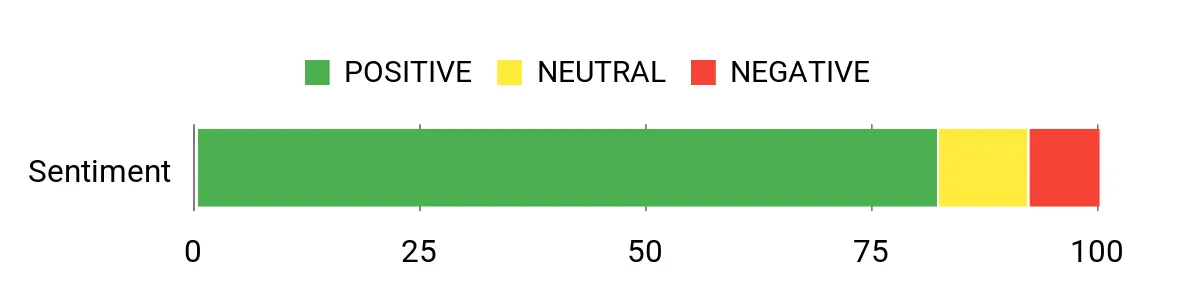
Reviewers often like the fast setup, familiar pole system, and useful rain protection in routine campground weather. Recurring cautions include condensation in damp conditions and the need for stronger anchoring when the wind rises.
Best Use and Main Limit
- Pick it for: quick arrival-day setup, backyard practice, or use as a second shelter.
- Skip it for: sleeping five people in one tent, heavy snow, or sustained high wind.
- Live listing: check the current rating, review count, and availability on Amazon.

The Happy Travel blue cabin tent offers a 10-by-9-foot floor, a 79-inch center height, and a listed packed weight around 16 to 16.5 pounds. The clip-style design is advertised for setup in about three minutes with two people, which is practical for families after one practice session at home.
Its seller page has displayed inconsistent waterproof figures in different specification fields. That conflict is a reason to treat it as a rain-resistant family shelter rather than a storm-rated tent. The large windows help airflow, but you should keep vents open enough to manage condensation even when the air is cold.
What People Say
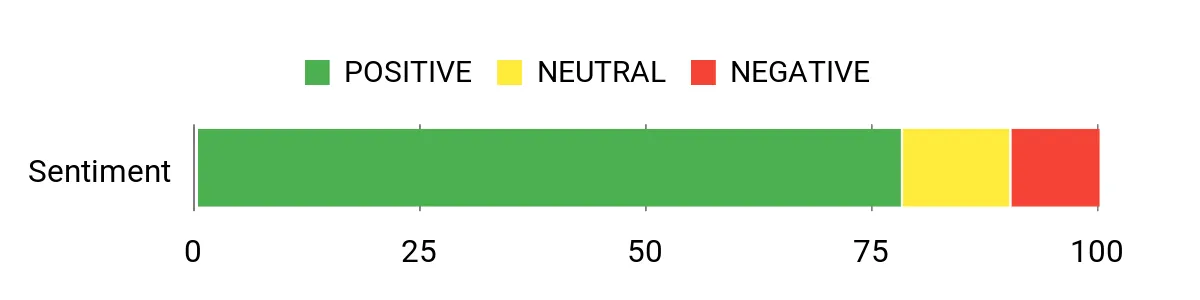
Buyers commonly mention the roomy feel, tall center, and easy clip setup. Lower-volume feedback also means the apparent rating can change quickly, so focus more on the design and return policy than a small review sample.
Best Use and Main Limit
- Pick it for: spacious mild-weather car camping and families that want standing room.
- Skip it for: trips where you need a verified waterproof or snow-load performance standard.
- Live listing: check the current specifications, rating, and availability on Amazon.

This green UNP model appears in the roundup as a separate Amazon listing and uses a similar tall, family-cabin format. Its useful features include generous headroom, large mesh areas, a rainfly, and a carry bag. Those traits suit campground comfort, but they do not establish structural performance in snow or severe wind.
Because color variants and marketplace listings can change, compare the live dimensions, pole materials, season label, included stakes, and return terms before ordering. Do not assume that a different color or ASIN has identical specifications to the gray model.
What People Say
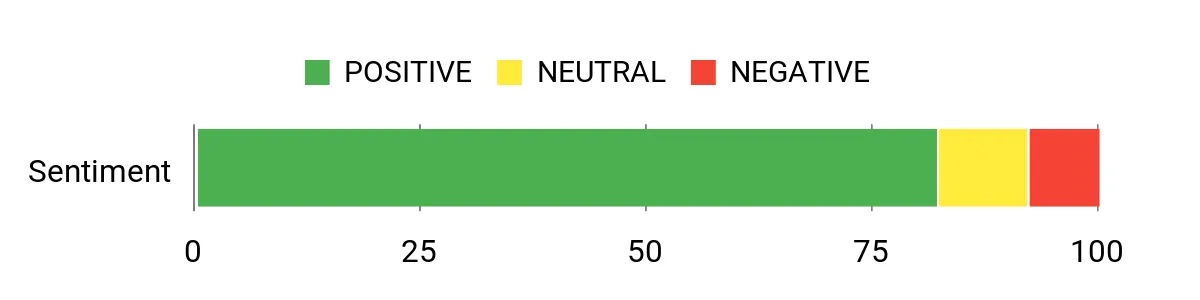
Review themes emphasize room, ventilation, and an easier setup after a practice run. Some users recommend stronger stakes and extra guylines for breezy sites, which is sensible for any tall cabin tent.
Best Use and Main Limit
- Pick it for: roomy drive-in camping when the current listing matches your required floor plan.
- Skip it for: any trip that depends on an unverified “4-season” or “windproof” marketing label.
- Live listing: verify the current model details, rating, and availability on Amazon.

The AYAMAYA opens much faster than a conventional pole tent. Its current listing gives a large 12.5-by-8.5-foot footprint, about 10 pounds of weight, a vestibule, and a seller-listed 3000 mm waterproof rating. The floor can hold several sleeping bags, but the roughly 51- to 53.5-inch center height does not provide true standing room for most adults.
The marketplace page labels it for four seasons, yet that label does not prove snow-load or high-wind performance. Its strongest use case is fast car-camping setup in mild conditions. Practice folding it before the trip because many pop-up tents are much easier to open than to repack.
What People Say
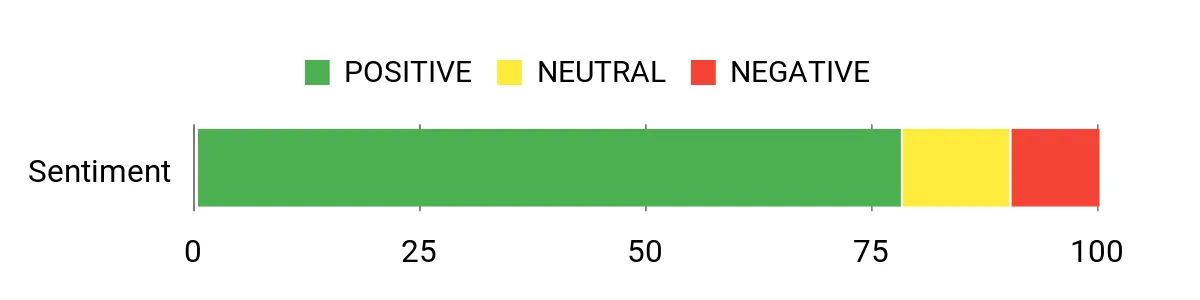
Reviewers often value the near-instant setup, broad floor, vestibule, and airflow. The most repeated drawback is the learning curve when folding it into the round carry bag, followed by concerns about pooling water or anchoring in rough weather.
Best Use and Main Limit
- Pick it for: quick family setup, short walks from the car, and mild cold-weather weekends.
- Skip it for: standing-height comfort, heavy snow, severe wind, or multi-mile backpacking.
- Live listing: check the current rating, review count, and availability on Amazon.

The black Happy Travel model combines a roughly 10-by-9-foot floor with a 79-inch peak height and a clip-style setup. Its seller listing describes a short assembly time, mesh windows, a rainfly, and a coated floor. These features make it comfortable for drive-in camping where space and headroom matter more than packed size.
The retailer has used broad season wording for this cabin design. Do not read that label as proof that the poles and roof can handle accumulating snow. Treat it as a tall family shelter for calm, cold, mostly dry conditions, and leave if the forecast worsens.
What People Say
Feedback generally favors the room, ventilation, and simple layout. Recurring cautions include upper-pole effort, zipper or stitching quality, and a carry bag that can feel tight during repacking.
Best Use and Main Limit
- Pick it for: families who want a tall cabin layout at a drive-in campground.
- Skip it for: exposed winter sites, accumulating snow, or situations where structural testing is essential.
- Live listing: check the current specifications, rating, and availability on Amazon.

The TGpao is the layout-focused option. Its seller listing describes a family cabin with a screened porch and separated living space, which can keep boots, chairs, and wet gear away from sleeping bags. That arrangement can improve comfort during a cold campground weekend.
Exact marketplace details for dimensions, weight, coating, pole materials, and setup time can change, so verify them on the live page before buying. Most importantly, do not use a fuel-burning heater inside this or any other tent. A porch or mesh panel does not make indoor combustion safe.
What People Say
The available feedback tends to favor the roomy layout and porch. Common cautions concern bulk, a thinner-feeling floor, and suitability for car camping rather than carrying over distance.
Best Use and Main Limit
- Pick it for: porch space, gear separation, and relaxed campground use.
- Skip it for: backpacking, severe winter weather, or any trip that depends on unverified specifications.
- Live listing: TGpao Easy Set up Ultralight Bivy Tents for Camping.
How to Choose a Tent for a Family of Five
Measure the Sleep System, Not Just the Occupancy Number
Lay out your actual pads, cots, or mattresses at home and measure the total footprint. Add walking space and a dry place for bags. A nominal 6-person tent may work with narrow pads, but two queen mattresses can consume almost the entire floor.
Match the Shelter to the Forecast and Escape Plan
Use a cabin or pop-up tent only when the expected conditions stay within its documented limits. Check the National Weather Service winter-safety guidance, campground alerts, road conditions, and local closure information before leaving. Families need a conservative turnaround point because children can cool down quickly and may not explain early discomfort clearly.
Separate Rain Resistance from Structural Strength
A millimeter waterproof figure usually describes fabric resistance to water pressure. It does not tell you how much snow the roof can carry, how the poles behave in gusts, whether seams were sealed correctly, or whether water can enter through the door. Evaluate the whole shelter instead of relying on one number.
Prioritize Ground Insulation
A tent does not provide much insulation from frozen ground. Choose sleeping pads with a published thermal-resistance value and compare products that use a consistent method. ASTM F3340 provides a repeatable method for comparing the thermal resistance of camping mattresses, although real-world performance can still vary.
Keep Ventilation Working
Five people release substantial moisture through breathing and damp clothing. Closing every vent can create condensation that wets the inner walls and bedding. Keep designed vents open, avoid pressing sleeping bags against the wall, and store wet clothing outside the sleeping area when possible.
Check the Small Hardware
Inspect stakes, guylines, zipper pulls, pole joints, rainfly clips, and the carry bag before the trip. Bring spare cord, repair tape, a pole splint, extra stakes suited to the ground, and a mallet. Small failures become harder to fix after dark in freezing weather.
Cold-Weather Setup and Care
At a Glance
| Time Required | About 20–45 minutes including site inspection, ground preparation, pitching, and guying |
| Difficulty | Moderate; practice at home before taking children into cold weather |
| Tools Needed | Footprint, suitable stakes, extra guylines, mallet, headlamp, repair tape, pole splint, brush, and dry bags |
| Cost | Varies by shelter and sleep system; do not choose by tent price alone |
1. Plan Before You Leave
Confirm that the campground is open, the access road is passable, and your vehicle can handle the conditions. Share your route and return time. Leave No Trace recommends planning for hazards, regulations, weather, emergencies, and the skill level of the group.
2. Choose a Protected Site
Use a legal, level site with drainage and natural protection from wind. Avoid depressions where cold air or water collects, exposed ridges, avalanche terrain, and dead branches overhead. Position the narrowest or strongest side toward the prevailing wind when the design allows it.
3. Prepare the Ground
Remove sharp debris without damaging vegetation. If snow is present and the site permits camping, compact it evenly and let it firm before pitching. Place a footprint beneath the tent, but keep every edge inside the floor perimeter so rain or meltwater cannot collect on top of it.
4. Pitch, Stake, and Guy the Tent Completely
Assemble every pole and attach every required clip. Stake the corners evenly, tension the rainfly so it does not touch the inner tent, and use the manufacturer-provided guy points. Recheck tension after the fabric cools or becomes wet.
Pro Tip: Practice the full setup and pack-down at home while wearing the gloves you plan to use. Label confusing poles or clips, and teach older children one simple task so the shelter goes up faster.
5. Build Warmth From the Ground Up
Use dry base layers, weather-appropriate sleeping bags, and insulated pads under every sleeper. Keep a complete dry clothing set reserved for sleeping. Place water bottles where they will not leak onto bedding, and avoid inflatable mattresses without added ground insulation in freezing conditions.
6. Keep Combustion Outside
The CDC explains that carbon monoxide is odorless and colorless and can cause sudden illness or death. Never operate a fuel-burning stove, charcoal grill, lantern, generator, or improvised heater inside a tent. Cook outdoors, well away from doors and vents, and follow every product’s clearance instructions.
7. Manage Moisture and Snow
Brush snow off the fly before it accumulates, but do not stay in a tent that lacks a snow rating when accumulation begins. Vent the shelter, wipe condensation with an absorbent cloth, and move wet boots and outer layers to a vestibule or protected container.
8. Dry the Tent Before Storage
At home, unpack the tent and dry every panel, seam, pole, stake, and storage bag. Remove dirt gently, repair small damage, and store the shelter loosely in a cool, dry place when possible. Never pack it long term while damp.
When to Use a True Four-Season Tent or Cancel
Move to a purpose-built four-season shelter, a heated cabin, or another plan when the risk exceeds a roomy campground tent’s documented capability. Cancel or leave early when any of these apply:
- A winter storm warning, blizzard warning, ice storm warning, or rapidly worsening forecast affects the area.
- Heavy or wet snow may accumulate on the roof.
- Strong or gusty wind is expected at an exposed campsite.
- The route crosses avalanche terrain or requires specialized winter travel skills.
- Children lack suitable sleeping bags, insulated pads, waterproof clothing, or dry backups.
- The site is remote enough that a failed tent, blocked road, or medical issue would prevent a quick exit.
- The shelter has damaged poles, missing guylines, failing zippers, or an uncertain setup.
Frequently Asked Questions
How do I choose the right tent for a family of five in winter?
Start with the measured footprint of all five pads, cots, or mattresses, then add space for access and gear. Choose a 6-person or larger shelter for mild car camping. For snow, severe wind, exposed terrain, or remote travel, use a true four-season tent with a structure designed for those conditions.
Are the tents in this roundup true four-season winter tents?
No verified structural snow-load or severe-wind rating was found for these models. Some marketplace listings use broad season labels, but these tall cabin and pop-up designs are best treated as car-camping shelters for calm, cold, mostly dry weather.
How can I keep my family warm inside a tent?
Use insulated sleeping pads, temperature-appropriate sleeping bags, dry base layers, warm hats, and protected hot-water bottles when suitable. Eat enough, stay hydrated, change out of damp clothing, and keep the tent ventilated. The sleep system provides most of the insulation, not the tent fabric.
Can I use a propane or fuel-burning heater inside the tent?
Do not use fuel-burning stoves, grills, lanterns, generators, or improvised heaters inside a tent. Carbon monoxide has no color or odor and can incapacitate sleeping occupants before they recognize symptoms. Follow official safety guidance and choose non-combustion warming methods.
How do I reduce condensation during a cold night?
Keep designed vents open, avoid sealing the rainfly against the inner tent, store wet clothing outside the sleeping area, and prevent sleeping bags from touching damp walls. Wipe moisture in the morning and dry the shelter before packing it for long-term storage.
What should I bring to set up and repair a winter family tent?
Bring a fitted footprint, stakes suited to the surface, extra guylines, a mallet, headlamps, gloves that allow dexterity, repair tape, a pole splint, spare cord, and dry storage bags. Practice setup and folding at home before the trip.
What Families Usually Prioritize
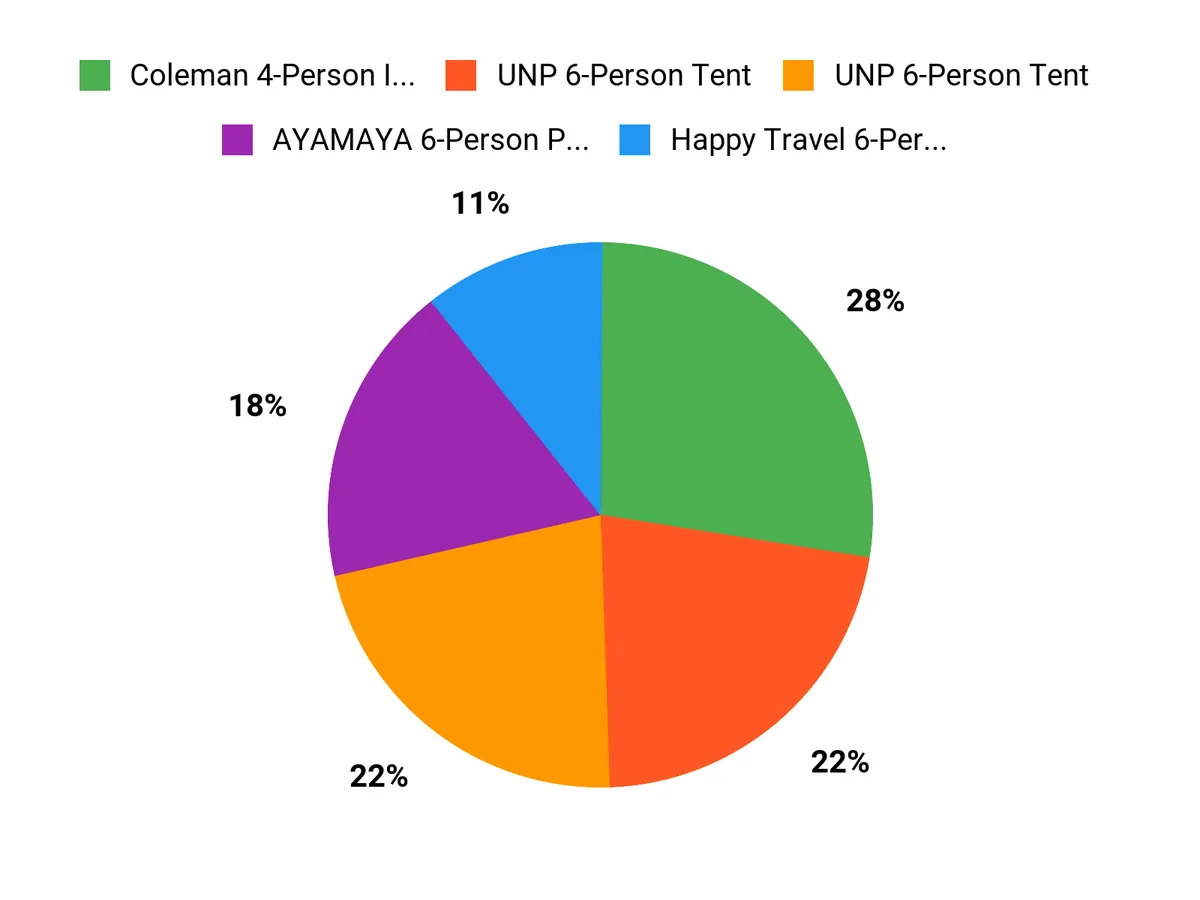
Families tend to value usable sleeping space first, followed by setup speed, rain protection, ventilation, and gear storage. Tall 6-person cabins offer more room to dress and organize children, while instant and pop-up designs reduce setup stress. The trade-off is that tall walls and broad roofs are less suitable for snow and severe wind than low-profile winter tents.
Detailed Comparison
| Product Name | Image | Family-of-Five Fit | Setup | Listed Season | Main Limit |
|---|---|---|---|---|---|
| UNP 6-Person Gray |
 |
Possible with compact pads; measure first | About 5 minutes for two people | 3-season | No verified snow-load rating |
| Coleman 4-Person Instant |
 |
No; use as a second shelter | About 60 seconds | 3-season | Four-person capacity |
| Happy Travel Blue 6-Person |
 |
Possible with careful floor planning | About 3 minutes for two people | 3-season | Inconsistent waterproof figures on seller page |
| AYAMAYA 6-Person Pop-Up |
 |
Broad floor, but low headroom | Pop-up opening; folding takes practice | Seller labels 4-season | Label does not prove snow or wind strength |
| Happy Travel Black 6-Person |
 |
Possible with careful floor planning | Seller advertises about 3 minutes | Seller labels 4-season | Tall cabin shape; no verified snow-load rating |
| TGpao Easy Set up Ultralight Bivy Tents for Camping |
 |
Potentially roomy; verify live dimensions | Verify current listing | Verify current listing | Key specifications were not independently confirmed |
[Amazon Products Picked for You]

Removable Rainfly:The pop up tent features an overhead skylight,it's so romantic for you to enjoy the starry sky at night. The 5-6 person tent equipped with a removable waterproof rainfly cover, 190T polyester + PU 3000 waterproof coating, no worries on rainy days.

Large Interior & 76" height: This 6 person tent is 15(11+4)' x 8' x 76", it well fits 2 full size airbeds and other camping gears, an ideal camping tents for family. With 76" center height, you can stand up and move freely inside.
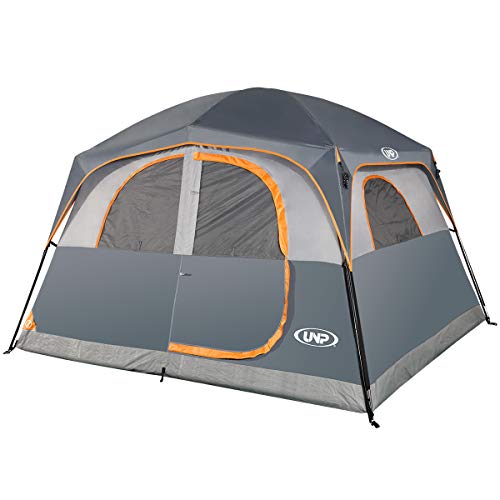
Roomy 6 People Family Tent: Spacious design offers enough room for 6 people family, with a size 10' x 9' x 78"(H) (90 sq ft), 2 air mattresses or 6 sleeping bags are well fit in the tent, 78 inch center height is enough for you to stand up changing.
Wrapping Up
For a family of five camping in cold but calm conditions, usable floor space matters more than a generous occupancy label. The UNP gray and Happy Travel cabin tents offer the most standing room, while the AYAMAYA is the quickest pop-up choice. The Coleman is convenient but too small to be your only sleeping tent.
Choose the forecast before you choose the tent. These models can support mild winter car camping with a strong sleep system, careful anchoring, and an easy exit plan. Heavy snow, severe wind, exposed terrain, or remote access calls for a true four-season shelter or a different trip.
Sources
- Centers for Disease Control and Prevention: Carbon Monoxide Poisoning Basics — supports the indoor-combustion and carbon-monoxide warnings.
- National Weather Service: Winter Weather Safety — supports checking official forecasts, warnings, and winter hazards.
- Leave No Trace: Plan Ahead and Prepare — supports hazard planning, regulations, emergency preparation, and matching the trip to group skills.
- ASTM F3340-22: Thermal Resistance of Camping Mattresses — supports comparing published sleeping-pad insulation measurements.
This roundup is reader-supported. When you click through affiliate links, we may earn a referral commission on qualifying purchases at no extra cost to you.
