If you want a freestanding backpacking tent without carrying the bulk of a conventional camping shelter, weight, floor space, weather protection, and setup simplicity all matter.
The WindQuester Horizon Lite 2 is the only product in this review. Its main strengths are a 2.84 lb packed weight, freestanding Y-cross structure, two doors, and two vestibules. The trade-off is thin 10D and 15D fabric that deserves careful handling.
We checked the linked Amazon variant, current manufacturer information, recall records, and available independent field feedback before updating this guide.
Freestanding Backpacking Tent Compared
| Product | Best for | Packed Weight | Inner Size |
|---|---|---|---|
|
Mid-range
|
Lightweight three-season backpacking | Approx. 2.84 lb | 81.9 × 42–52 × 37.4 in |
Freestanding Backpacking Tent: Our Top Pick
Quick Verdict
|
Feature |
Verdict |
|---|---|
|
Ease of Use |
The freestanding Y-cross pole structure is straightforward to pitch once you are familiar with the layout. |
|
Weight & Packability |
Approximately 2.58 lb minimum weight and 2.84 lb packed weight, with a compact 16.9 × 4.5 × 4.5-inch packed size. |
|
Weather Protection |
A 2000 mm-rated 10D fly, 15D floor, double-wall design, and guyout points suit typical three-season backpacking when properly pitched. |
|
Comfort & Layout |
Two doors and two vestibules improve access and gear storage, but the tapered floor and 37.4-inch inner height prioritize low weight over maximum living space. |
|
Main Limitation |
The thin ultralight fabrics need careful campsite selection and may not suit buyers who prioritize ruggedness or generous headroom. |
|
Overall Verdict |
✅ A strong option for weight-conscious three-season backpackers who understand the durability and space trade-offs of an ultralight tent. |
1. WindQuester Horizon Lite 2

Bottom line: The WindQuester Horizon Lite 2 suits backpackers who want a compact freestanding two-person shelter without moving to a trekking-pole design. Its main compromises are limited headroom, a tapered floor, and very light fabrics.
Key Specs
- Capacity: Two people, with separate doors for each sleeper.
- Packed weight: Approximately 2.84 lb, suited to weight-conscious trips.
- Inner size: 81.9 × 42–52 × 37.4 inches, with a tapered floor.
- Weather fabrics: 10D fly and 15D floor, both rated 2000 mm.
- Pole system: DAC FeatherLite NFL 8.7 mm aluminum, freestanding Y-cross layout.
- Included hardware: 10 DAC J-stakes and four Dyneema-core guylines for securing the pitch.
The Horizon Lite 2 reduces shelter weight without requiring trekking poles. Its Y-cross DAC pole system supports the inner tent, while stakes and guylines remain important for securing the fly, vestibules, and overall structure.
Two doors are useful when two people share the tent because each sleeper gets a separate entrance. The two vestibules also give you covered space for footwear, packs, and wet gear that you would rather keep outside the sleeping area.
The inner tent measures approximately 81.9 inches long, 42–52 inches wide, and 37.4 inches high. That compact layout favors portability over spacious living. Measure both sleeping pads before buying, especially if either person uses a wide pad.
Who Should Buy This Tent?
- Backpackers who want a sub-three-pound packed shelter
- Partners who value separate doors and vestibules
- Solo hikers who want extra room for gear
- Bikepackers and fast-moving campers who need a compact packed size
- Campers who prefer a freestanding pole structure over a trekking-pole shelter
Who Should Avoid It?
- Campers who want a tall, spacious interior for extended basecamp use
- Pairs using two especially wide sleeping pads without first checking the tapered dimensions
- Users who regularly camp on abrasive ground and do not want to use extra floor protection
- Anyone seeking a four-season or mountaineering shelter
- Buyers who prioritize thick, highly abrasion-resistant fabrics over low weight
What Buyers Mention
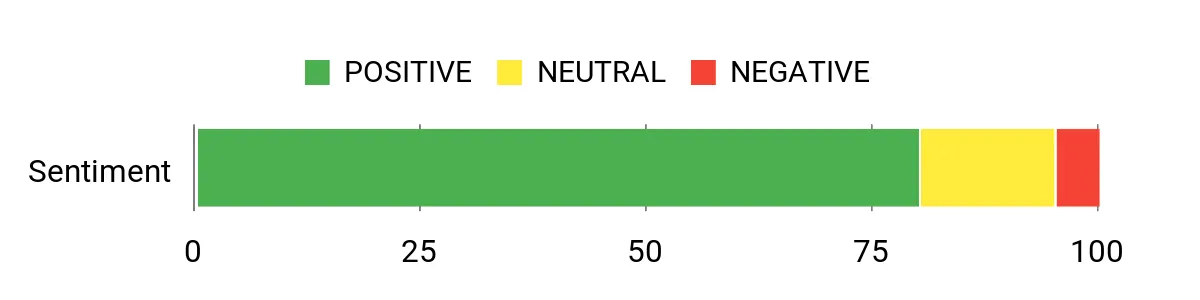
Independent feedback remains limited, but separate users have highlighted the tent’s low carry weight and straightforward pitch. Those comments match the strongest practical advantages shown by the listed specifications.
Long-term durability is less established. The 10D fly and 15D floor keep weight down, but such light fabrics make careful campsite selection, handling, drying, storage, and protection from abrasive ground more important.
|
Pros |
Cons |
|---|---|
|
✅ Approximately 2.58 lb minimum weight and 2.84 lb packed weight |
❌ Thin 10D and 15D fabrics require careful handling |
|
✅ Freestanding Y-cross structure for convenient pitching |
❌ Tapered floor may be tight with two wide sleeping pads |
|
✅ Two doors and two vestibules improve access and gear storage |
❌ The 37.4-inch inner height offers limited headroom |
|
✅ DAC FeatherLite NFL aluminum poles and YKK zippers |
❌ A compatible footprint is a separate accessory |
|
✅ Compact packed dimensions suit hiking and bikepacking |
❌ Designed for three-season use rather than severe winter or mountaineering conditions |
Ease of Use
|
Feature |
Ease Level |
|---|---|
|
Pitching the Inner Tent |
Easy once familiar with the Y-cross pole layout |
|
Attaching and Tensioning the Fly |
Easy to moderate |
|
Packing Down |
Easy with careful folding or rolling |
|
Zippers & Doors |
Easy, with separate access for each sleeper |
|
Ventilation Control |
Easy through the mesh inner and dual-door layout |
|
Securing It in Wind |
Moderate; proper stakes, guylines, and fly tension are important |
Key Specifications
|
Specification |
Details |
|---|---|
|
Capacity |
Two people |
|
Season Rating |
Three season |
|
Minimum Weight |
Approximately 2.58 lb / 1.17 kg |
|
Packed Weight |
Approximately 2.84 lb / 1.29 kg |
|
Inner Dimensions |
Approximately 81.9 inches long, 42–52 inches wide, and 37.4 inches high |
|
Packed Size |
Approximately 16.9 × 4.5 × 4.5 inches |
|
Fly Material |
10D ripstop nylon with a 2000 mm-rated polyether urethane and silicone coating |
|
Floor Material |
15D ripstop nylon with a 2000 mm-rated polyether urethane and silicone coating |
|
Pole System |
DAC FeatherLite NFL 8.7 mm aluminum poles |
|
Structure |
Freestanding Y-cross, double-wall design |
|
Included Accessories |
Stakes, guylines, stuff sack, and repair kit; confirm the current Amazon package contents before ordering |
Where to Use It
The Horizon Lite 2 is best suited to three-season backpacking, bikepacking, fastpacking, canoe trips, and minimalist weekend camping. Its packed size and weight are especially useful when shelter bulk matters.
It is not positioned as a winter mountaineering tent. In exposed weather, use every appropriate stake and guyline, tension the fly correctly, and select a sheltered campsite rather than relying on the freestanding frame alone.
Why You’ll Like It
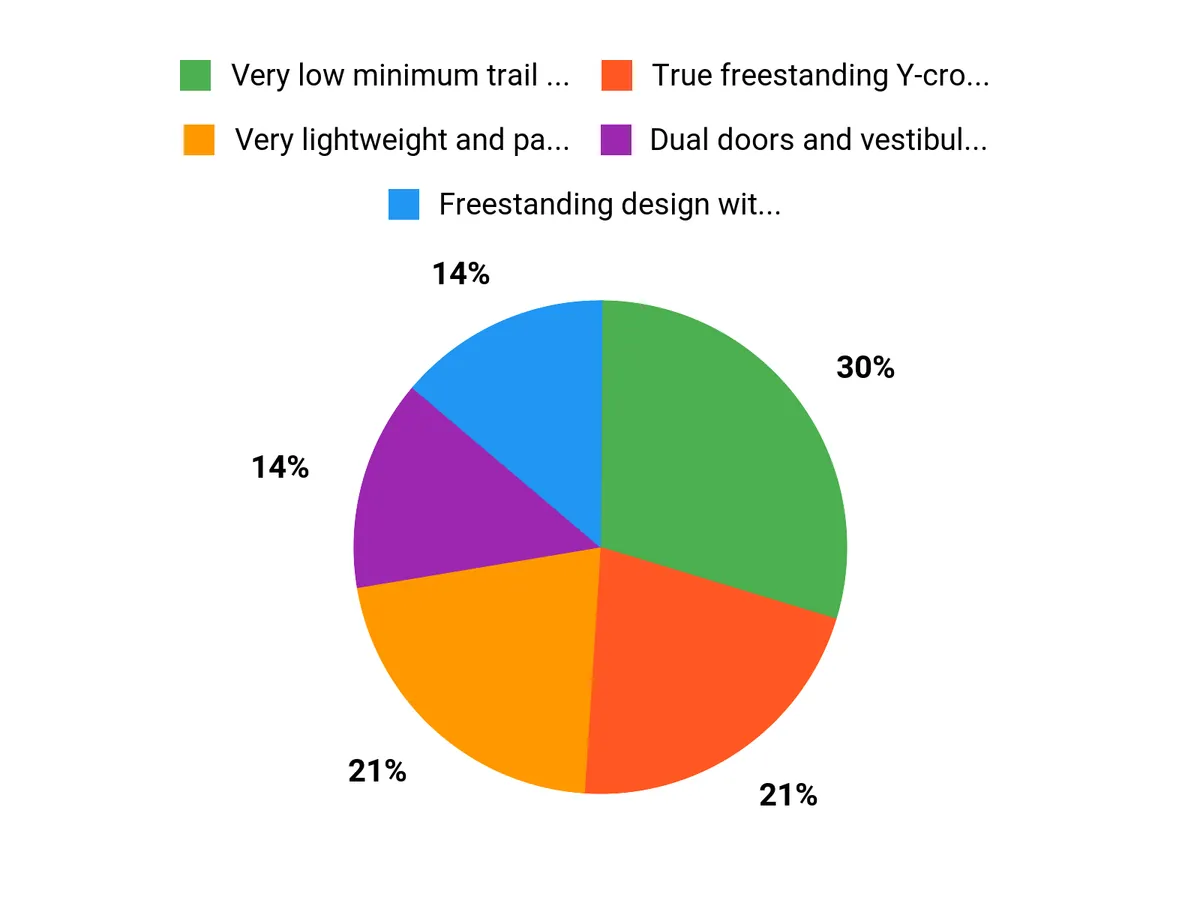
- Low minimum and packed weights for a freestanding two-person shelter
- Two doors reduce disruption when sharing the tent
- Two vestibules provide covered storage for boots and packs
- Compact packed dimensions work well on a backpack or bike
- Mesh panels and separate entrances support airflow
- DAC aluminum poles offer a recognizable lightweight pole system
Before You Buy
- Measure your pads: The floor tapers from approximately 52 inches to 42 inches wide.
- Understand the weight figures: Minimum weight and packed weight include different component sets.
- Plan for rough ground: A separate footprint or lightweight groundsheet can help protect the 15D floor.
- Check the seller: Confirm current package contents, return terms, and warranty eligibility on the Amazon listing.
- Match it to the season: This is a three-season backpacking shelter, not an extreme-weather tent.
Check Product Details on Amazon
Which Freestanding Backpacking Tent Should You Buy?
- Low carry weight: get the WindQuester Horizon Lite 2 if a sub-three-pound packed shelter fits your priorities.
- Freestanding convenience: get the WindQuester Horizon Lite 2 if you do not want to rely on trekking poles for the main frame.
- Two-person access: get the WindQuester Horizon Lite 2 if separate doors and vestibules matter to both sleepers.
- Bikepacking or compact packing: get the WindQuester Horizon Lite 2 if the listed 16.9 × 4.5 × 4.5-inch packed size works with your luggage system.
How We Chose
- Exact product match: We checked the linked Amazon ASIN against the WindQuester Horizon Lite 2 specifications.
- Carry weight and size: We compared minimum weight, packed weight, packed dimensions, and usable inner dimensions.
- Trail design: We considered the freestanding frame, dual doors, vestibules, fabric specifications, waterproof rating, and included pitching hardware.
- Real-world context: We reviewed available independent feedback for recurring observations without treating limited feedback as conclusive.
- Safety and freshness: We checked current product information and recall sources before keeping the recommendation.
How to Choose a Freestanding Backpacking Tent
Compare Packed Weight With Minimum Weight
Do not compare two tents using different weight definitions. Minimum weight usually excludes some accessories, while packed weight includes more of what you actually carry. For two-person backpacking shelters, models below three pounds sit toward the lightweight end of the category. The Horizon Lite 2 lists approximately 2.84 lb packed.
Measure the Usable Floor, Not Just the Capacity Label
A “two-person” label does not guarantee that two wide sleeping pads will fit comfortably. Check the narrowest floor width as well as the widest point. The Horizon Lite 2 tapers from approximately 52 inches to 42 inches, so pairs should measure their pads together before ordering.
Match Weather Protection to the Trips You Actually Take
A three-season tent is designed for typical spring, summer, and fall backpacking rather than severe winter or mountaineering conditions. Rainfly coverage, proper staking, guyline tension, drainage, and campsite selection all affect real-world protection. The Horizon Lite 2 uses a full double-wall layout and 2000 mm-rated fly and floor fabrics.
Understand the Durability Trade-Off of Thin Fabrics
Lower-denier fabrics save weight but deserve more care around sharp stones, roots, branches, and rough ground. A clean campsite and optional footprint can reduce abrasion against a thin floor. If you prefer thicker fabrics and less concern about site preparation, a heavier backpacking tent may be a better fit.
Think About Doors and Vestibules
Two doors make a two-person tent easier to share because each camper can enter or leave from a separate side. Vestibules keep boots, packs, and damp gear outside the sleeping area while still giving them cover. The Horizon Lite 2 combines two doors with two vestibules, which is useful for shared trips.
Freestanding Does Not Mean Stake-Free
A freestanding inner tent can stand with its pole structure, but the rainfly, vestibules, and guylines still need proper staking and tension for dependable weather performance. Use the supplied hardware where appropriate and choose anchors that suit the soil. Do not rely on the frame alone during exposed or windy conditions.
Mistakes to Avoid When Buying a Freestanding Backpacking Tent
- Ignoring floor taper: measure both pads across the narrowest part of the tent.
- Comparing different weight definitions: check whether a figure is minimum, trail, or packed weight.
- Assuming freestanding means no stakes: stake and guy the shelter correctly for weather protection.
- Choosing only by weight: balance low weight against floor space, headroom, weather needs, and fabric durability.
- Skipping seller checks: confirm current package contents, return terms, and warranty coverage before ordering.
Related Guides
FAQs
How Do You Choose the Right Freestanding Backpacking Tent?
Start with packed weight, usable floor dimensions, season rating, weather design, and the trips you actually take. Compare the same weight definition between models and measure your sleeping pads against the narrowest floor width. A freestanding frame simplifies campsite setup, but the fly, vestibules, and guylines should still be secured correctly for dependable weather performance.
Will the WindQuester Horizon Lite 2 Fit Two People Comfortably?
It can fit two backpackers, but comfort depends on body size, pad width, and how much equipment stays inside. The floor is approximately 81.9 inches long and tapers from about 52 inches to 42 inches wide. Two standard backpacking pads are a more natural match than two especially wide pads, so measure both pads before buying.
Is the WindQuester Horizon Lite 2 Durable and Weather-Ready?
It is designed as a lightweight three-season shelter, not a severe-weather or mountaineering tent. The fly uses 10D ripstop nylon, the floor uses 15D ripstop nylon, and both are listed with a 2000 mm rating. Clear sharp debris before pitching, tension the fly correctly, use the guylines, and treat the thin fabrics carefully.
Does the Horizon Lite 2 Need a Footprint?
A footprint is optional, but it is useful when you camp on gravel, rocky soil, roots, or other abrasive surfaces. The tent’s floor is lightweight 15D ripstop nylon, so extra ground protection can reduce direct abrasion. On clean, soft ground you may choose to camp without one, but inspect the site and remove sharp debris first.
What Warranty Does WindQuester Offer for the Horizon Lite 2?
WindQuester’s current warranty information is not fully consistent across its product pages. The current Horizon Lite 2 UL page advertises a limited lifetime warranty, while an older Horizon Lite 2 bundle page still lists a two-year limited warranty. Because the linked Amazon ASIN may represent that earlier version, confirm the seller and warranty terms shown for your order before buying.
How Should You Pitch and Care for the Horizon Lite 2?
Choose a level, well-drained site and clear sharp objects before pitching. Assemble the freestanding frame, attach the inner tent, position the rainfly, and secure the vestibules and guylines with suitable stakes. After a trip, dry the shelter before long-term storage, clean it gently, limit prolonged UV exposure, and repair small damage before it grows.
How Much Should a Two-Person Backpacking Tent Weigh?
There is no single correct weight, because durability, interior space, pole design, and included components all affect the total. Two-person backpacking tents commonly span roughly two to five pounds, with sub-three-pound models generally falling into the lightweight or ultralight range. Always compare minimum weight with minimum weight, or packed weight with packed weight, rather than mixing categories.
Why Backpackers Choose It
The WindQuester Horizon Lite 2 appeals to backpackers who want the convenience of a freestanding, double-wall shelter without carrying the bulk of a traditional camping tent. Its two-door layout, covered vestibule space, compact packed dimensions, and sub-three-pound packed weight address the priorities of hikers who move camp frequently.
The design makes a deliberate trade: lower weight and pack size in exchange for thinner fabrics, modest headroom, and a tapered sleeping area. Buyers comfortable with those limitations may find it a practical balance of portability, separate access, and conventional pole-supported setup.
Final Verdict
The WindQuester Horizon Lite 2 is a compact freestanding backpacking tent for weight-conscious three-season travel. Its listed 2.84 lb packed weight, two doors, two vestibules, DAC aluminum poles, and small packed dimensions make it most relevant to backpackers and bikepackers who value portability.
The thin fabrics, tapered floor, and 37.4-inch inner height are the main compromises. Measure your pads, consider floor protection on abrasive ground, and do not treat this three-season shelter as an extreme-weather tent.