Affiliate disclosure: This roundup is reader-supported. When you click an Amazon link, we may earn a referral commission on qualifying purchases at no additional cost to you.
You know that desert camping brings a demanding mix of hot days, cold nights, blowing sand and fast-changing weather. The right shelter should provide useful airflow without becoming unstable when gusts arrive, and it should be simple enough to pitch securely before conditions change.
This guide focuses on six tents that make sense for desert car camping, compact two-person trips and sun-conscious family basecamps. No tent here is a severe-wind or expedition shelter, so your campsite choice, forecast, stakes and guyline setup remain just as important as the tent itself.
Quick Verdict
Best overall for two campers: The Coleman Sundome 2P offers the most balanced combination of ventilation, familiar setup and routine three-season protection.
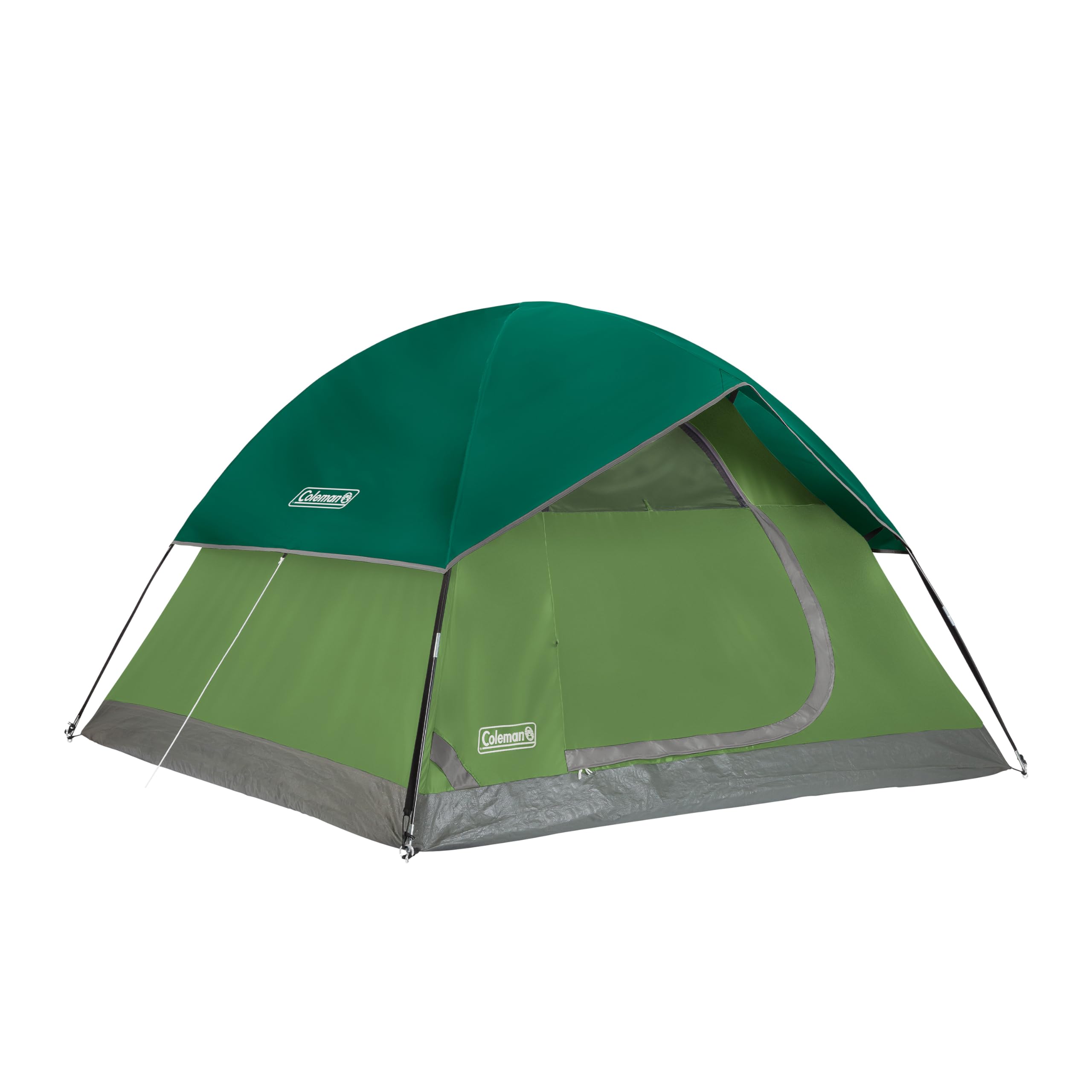
Best for a small family: The Coleman Sundome 4P provides more usable sleeping space while retaining a relatively simple dome structure.
Best for blocking early sunlight: The Loyeahcamp Blackout is the most relevant option for campers who want a darker sleeping environment after sunrise.
Best compact alternatives: Choose the CAMEL CROWN 2P or UNP 2P when portability matters more than standing room.
Top Picks
|
Category |
Product |
Best For |
|---|---|---|
|
🏆 Best Overall for Two |
Two-person desert car camping with balanced airflow and weather protection |
|
|
⭐ Best Family Dome |
Couples with extra gear or small-family car camping |
|
|
🌙 Best Sun-Blocking Option |
Campers who want a darker interior after sunrise |
|
|
🎯 Best Value Family Dome |
Occasional car campers who prioritize space and simple setup |
|
|
🎒 Best Compact Dome |
Compact weekend trips and short carries from the vehicle |
|
|
💼 Best Solo-Friendly Pick |
Solo campers who want extra sleeping and gear space |
[Amazon Products Picked for You]
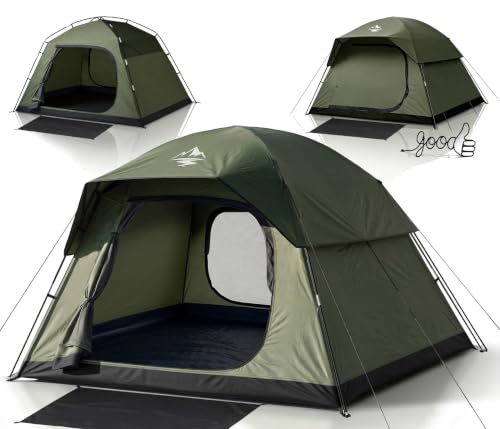
𝐄𝐱𝐭𝐫𝐚 𝐒𝐩𝐚𝐜𝐞 𝐘𝐨𝐮 𝐂𝐚𝐧 𝐅𝐞𝐞𝐥: This camping tent offers an extended floor design with extra length compared to standard models, giving 3–4 adults more room to sleep comfortably with gear. No tight space or discomfort, making this Purebox tent ideal for family trips and group adventures. Enjoy a more relaxed outdoor experience with a roomy 4 person tent built for real comfort.
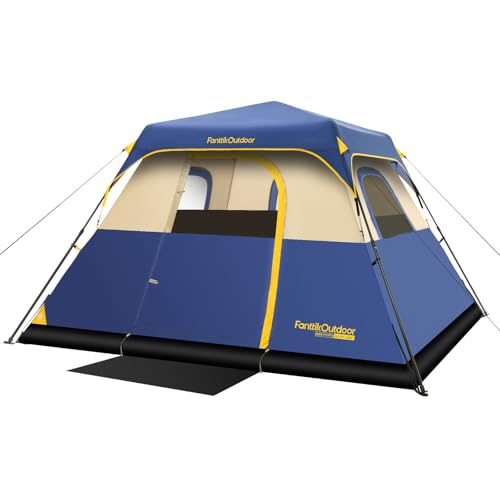
60 Seconds Set Up: You can set up the instant tent in under 60 seconds, thanks to its pre-installed poles and seamless construction. The quick and easy installation makes it the ideal companion for beginner campers, allowing you and your family to enjoy more time with nature

4-PERSON TENT: A camping tent with roomy space for 4 person, 7'3'' x 7'8''(220x235 cm) floor size with 4'7''(140 cm) center height easily to fit the whole family. Large vestibules on both sides for your belongings or your dog. Weighing just 7.38 lbs (3.35 kg) total, or 6.54 lbs (2.97 kg) at minimum trail weight (fly, inner tent, poles only), greatly reducing your load, making it ideal for family hikes, boy scout trips, or adventures with your furry friend
How We Picked These Desert Camping Tents
A useful desert tent needs more than a high waterproof number. We prioritized ventilation, manageable wind profile, practical sleeping space, straightforward setup and the ability to use guylines and appropriate anchors.
We also considered how each shelter fits a real trip. Compact domes make more sense for solo campers and exposed sites, while larger tents provide comfort for car camping but require more care when the wind rises. Blackout fabric can improve light control, although it does not replace a separate shade structure during the hottest part of the day.
Manufacturer capacities describe how many sleeping pads may fit, not how many people will have generous room for bags, coolers and other gear. For more comfort, many couples will prefer a four-person tent, while a four-person family may need a larger shelter than the label suggests.
Before You Buy
- Check the forecast: None of these tents is intended for severe wind, a dust storm or expedition use.
- Choose a sensible profile: Lower dome tents generally present less surface area to gusts than tall cabin shelters.
- Upgrade the anchors: Basic stakes often hold poorly in loose sand. Bring sand anchors, broad stakes or suitable buried anchors.
- Use every guyline: Do not rely only on the four floor corners in an exposed campsite.
- Plan separate shade: A reflective tarp or approved shade shelter can be more effective than using your sleeping tent as a daytime lounge.
- Verify the variant: Dimensions, fabric specifications and included accessories can differ by color, capacity and listing option.
Desert safety note: Avoid pitching in dry washes, drainage channels or low areas that could flood during distant storms. Lower or take down your shelter when conditions exceed what the tent can safely handle, and follow local campground restrictions.


Why You’ll Like It
The Sundome 2P offers a practical middle ground for desert car camping. Its windows and ground vent support airflow on warm evenings, while the dome shape is easier to manage than a tall cabin shelter when the campsite is breezy. The setup is familiar, replacement instructions are easy to understand, and the packed tent is manageable for short carries from a vehicle.
The interior works best for one camper with gear or two campers using a minimal sleep system. It is not a roomy two-person basecamp, and the partial rainfly means you should not treat it as an all-weather expedition tent.
Who Should Buy This
Choose it for established campgrounds, weekend desert trips, festival camping in a prepared site or a simple two-person shelter where airflow and uncomplicated setup matter.
Who Should Avoid This
Skip it for exposed high-wind forecasts, extended backcountry carries, severe storms or trips where two adults need substantial indoor gear storage.
What Buyers Commonly Mention
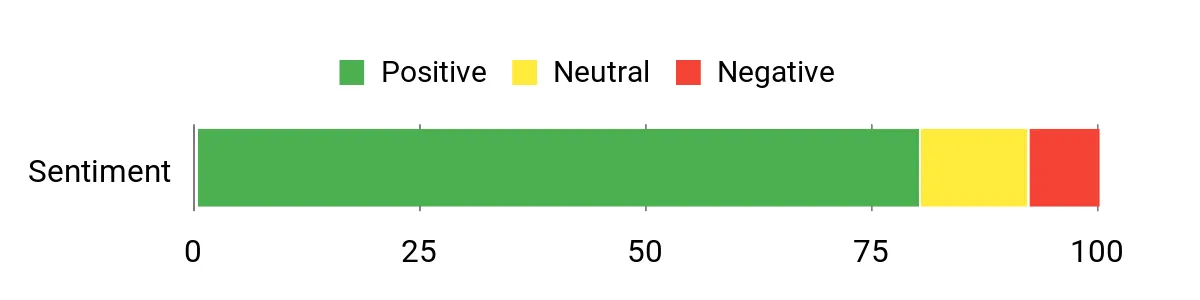
The source review summary repeatedly highlights easy setup, useful airflow and adequate protection during routine rain. Recurring limitations include tight space for two adults, basic included stakes and wear at high-stress attachment points. Because product variants and manufacturing details can change, read recent reviews for the selected size before ordering.
Desert Setup Notes
Use every available guy point, replace basic stakes when camping in loose sand and orient the narrower side toward the expected wind. A footprint can reduce abrasion on sharp gravel, but it should not extend beyond the tent floor where it could collect rainwater.
Key Benefits
- Large windows and a ground vent support warm-weather airflow
- Compact dome profile is more practical than a tall cabin in breezy sites
- Simple pole layout suits new and occasional campers
- Rainfly and WeatherTec construction provide routine three-season protection
Check Product Details on Amazon
Why You’ll Like It
The 4P Sundome gives couples, parents and small groups more usable room than a two-person model without moving to a tall instant cabin. The mesh, windows and ground vent support airflow, while the simple crossed-pole structure keeps setup approachable.
Its stated four-person capacity is a sleeping-capacity figure. Four adults may fit closely, but two adults with gear or a small family will have a more comfortable layout. The partial rainfly and budget pole set also make this a fair-weather campsite tent, not the article’s former “Best Weatherproof” choice.
Who Should Buy This
It fits couples who want a queen airbed, parents camping with one or two children, and small groups using established desert campgrounds in a favorable forecast.
Who Should Avoid This
Choose a more technical shelter for exposed plateaus, forecast high winds, long backcountry carries or prolonged severe rain.
What Buyers Commonly Mention
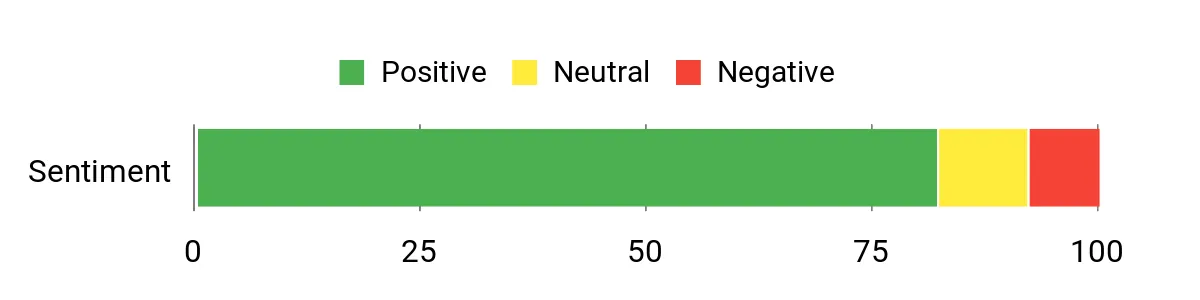
The source review summary emphasizes uncomplicated assembly, useful ventilation and good value for routine car camping. Common reservations include a single-door layout, limited vestibule coverage, zipper snagging and tightness when filled to the advertised capacity.
Desert Setup Notes
Use stronger sand-compatible anchors, attach all guylines and keep the broad side from facing the prevailing wind when possible. Do not leave the tent unattended with windows fully open if a dust front or sudden storm is possible.
Key Benefits
- More comfortable floor space for couples, children and campsite gear
- Large windows and ground vent improve airflow
- Familiar dome setup is easier than many family shelters
- Fits a queen-size airbed for car-camping comfort
Check Product Details on Amazon
Why You’ll Like It
The blackout layer addresses one of the most frustrating parts of desert camping: intense early-morning light. A darker interior can make it easier to sleep after sunrise and gives families more privacy at busy campgrounds or festivals.
The trade-off is that a dark tent can make small items harder to find, and blackout fabric does not guarantee a cool interior in direct sun. Open the vents when conditions allow, use a separate shade plan and never leave people or pets inside a closed tent during dangerous heat.
Who Should Buy This
It is best for late sleepers, festival campers, families with children who nap during the day and car campers who prioritize light control over minimal packed weight.
Who Should Avoid This
Skip it for long hiking carries, highly exposed wind forecasts or trips where a bright interior and maximum daytime visibility matter more than blackout performance.
What Buyers Commonly Mention
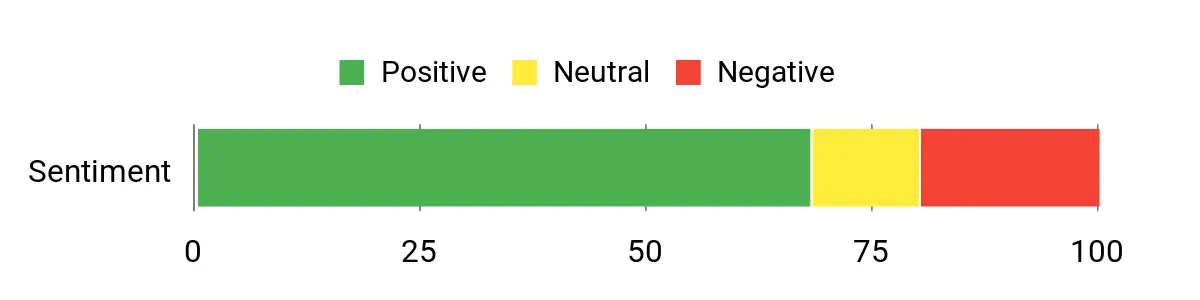
The source review summary praises the dark interior, roomy floor and protection during routine rain. Recurring complaints involve zipper operation and the need for a light inside the tent. Check recent reviews for the selected capacity because construction and accessories may vary by option.
Desert Setup Notes
Blackout fabric can reduce incoming light, but the tent should still be ventilated and shaded where possible. Secure every corner and guyline with anchors suited to the ground, especially because the larger body presents more area to gusts than a compact two-person dome.
Key Benefits
- Blackout coating creates a darker sleeping environment
- Roomier layout suits couples with gear or a small family
- Multiple openings support adjustable ventilation
- Double-layer construction provides more coverage than a basic single-wall shelter
Check Product Details on Amazon
Why You’ll Like It
This tent focuses on the features occasional campers use most: a simple pole layout, mesh ventilation, basic storage and enough room for sleeping pads or a campsite mattress. Its dome design is a more sensible desert shape than a tall cabin, provided it is fully anchored.
The materials, stakes and hardware are value-oriented. That keeps the design accessible, but it also means buyers should not expect expedition durability or premium zipper and pole performance.
Who Should Buy This
It suits occasional family trips, couples who want extra floor space, backyard practice and established campgrounds where the forecast is mild.
Who Should Avoid This
It is not the right choice for frequent technical trips, exposed backcountry sites, demanding wind forecasts or campers who need a large vestibule for protected gear storage.
What Buyers Commonly Mention
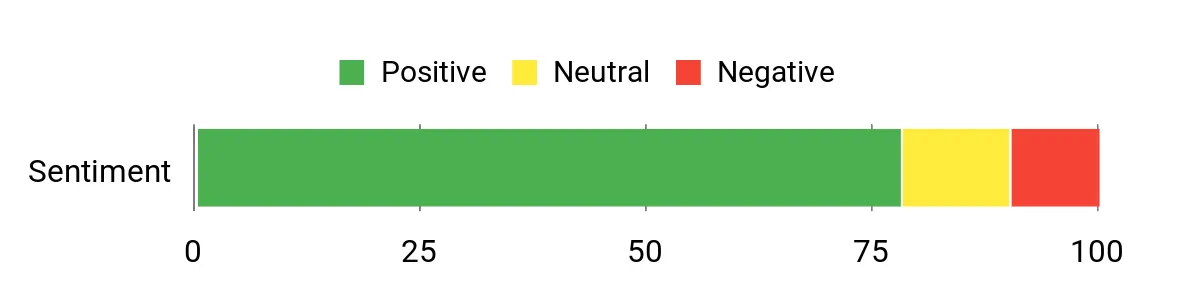
The source review summary emphasizes usable space, simple pitching and good airflow for ordinary campsite trips. Recurring criticisms include zipper snagging and basic included stakes. Inspect the tent and practice the setup before relying on it far from the vehicle.
Desert Setup Notes
Replace narrow stock stakes when the soil is loose, use a protective footprint on abrasive ground and keep the rainfly tension even. Sweep sand away from the door before operating the zipper to reduce wear.
Key Benefits
- Value-focused option for occasional car camping
- Mesh upper supports airflow on warm nights
- Simple dome structure keeps setup approachable
- Extra floor space gives couples more room for gear
Check Product Details on Amazon
Why You’ll Like It
The low dome shape, compact footprint and included guying points make this a practical option when you want less fabric exposed to the wind than a large family shelter. It provides enough room for one camper and gear or two campers using a minimal setup.
Although some listings use backpacking language, the packed weight is better suited to short approaches, casual overnights and car-supported trips than weight-conscious long-distance hiking.
Who Should Buy This
Choose it for solo trips with extra room, compact two-person weekends, short walks from the vehicle and campers who prefer a conventional clip-and-pole setup.
Who Should Avoid This
It will feel tight for two adults with bulky gear and is not intended for severe storms, extended expedition use or hikers building a genuinely ultralight kit.
What Buyers Commonly Mention
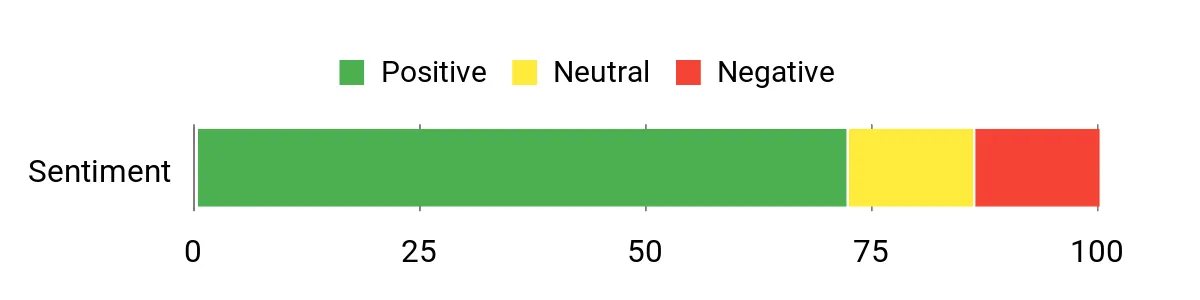
The source review summary highlights straightforward assembly, compact storage and a roomier feel than some basic two-person tents. Reported limitations include condensation and inconsistent performance during prolonged heavy rain. Maintain ventilation and inspect the seams before a remote trip.
Desert Setup Notes
Stake the floor before raising the tent in windy conditions so the body cannot blow away during setup. Add the guylines even when the evening starts calm, because desert wind can change quickly.
Key Benefits
- Compact dome profile is easier to manage in breezy conditions
- Included rainfly, stakes and guylines cover the basic setup
- Usable for one camper with gear or a close two-person arrangement
- Conventional clip-and-pole design is simple to understand
Check Product Details on Amazon
Why You’ll Like It
The UNP 2P is most appealing as a solo shelter with breathing room. One camper can keep clothing and small gear inside without moving to a bulky family tent, while the mesh areas help release warm air when the rainfly configuration and weather allow.
Two adults can use it, but the arrangement will be close and most equipment may need to remain outside in protected storage. The product information located for this model does not support the source article’s aluminum-pole description, so the final copy avoids that claim.
Who Should Buy This
It makes sense for solo desert car camping, short weekend trips, festival use in calm conditions and buyers who want an inexpensive conventional dome with extra personal space.
Who Should Avoid This
It is not ideal for tall campers who need generous length, two people carrying bulky gear, long-distance hikers or exposed severe-weather sites.
What Buyers Commonly Mention
The source review summary emphasizes simple assembly, compact packing and adequate ventilation for routine trips. Common limitations include basic stakes, occasional zipper snagging and limited interior room for two adults plus equipment.
Desert Setup Notes
Use it as a one-person shelter when you want to store gear inside. Keep sand away from the zipper track, tension the rainfly without blocking ventilation and upgrade the stakes for loose or crusted desert soil.
Key Benefits
- Comfortable solo layout with room for personal gear
- Mesh sections support airflow during warm nights
- Compact dome shape is preferable to a tall cabin in exposed sites
- Simple setup suits casual and newer campers
Check Product Details on Amazon
How to Choose a Tent for Desert Camping
[Amazon Products Picked for You]

【Protect Your Hands】 Night Cat backpacking tent (ZP-10) uses the upgraded fiberglass pole that is fully covered with PROTECTION CASE. Comparing the traditional fiberglass pole under single layer only, the double layer design can protect your hands when assembling to avoid the tiny scrap inserting your hands

🌄 ✔MATERIAL AND ACCESSORIES: Equipped with the polyester outer shell, 8.5mm glass fiber bracket,150D Oxford cloth PU2000 in internal proof,150D Oxford cloth PU2000 in base fabric,4 windproof rope, 8 iron ground stakes
Prioritize Ventilation Without Ignoring Wind
Large mesh panels, windows and low vents can make warm nights more comfortable, but every opening affects weather protection. Look for a design that lets you close the windward side while maintaining some airflow elsewhere.
Choose the Lowest Practical Profile
A tall tent provides welcome headroom, but it also presents more surface area to gusts. A compact dome is generally the more defensible choice for exposed desert camping. Larger family tents are best reserved for established or naturally sheltered sites with a favorable forecast.
Match Capacity to Comfortable Use
A two-person label usually means space for two sleeping pads, not two campers plus all their gear. Solo travelers often find a two-person tent comfortable, while couples may prefer a four-person model for an airbed, bags and clothing.
Look Beyond the Waterproof Number
A fabric rating is only one part of rain protection. Rainfly coverage, seam construction, floor design, zipper protection, pitching quality and fabric condition all affect real-world performance. Treat manufacturer ratings as comparison information rather than a guarantee.
Bring Anchors for the Actual Ground
Loose sand, compacted desert soil and rocky ground require different solutions. Broad sand stakes, buried anchors, extra cord and spare stakes are more useful than assuming the small pegs included with a value tent will work everywhere.
Use a Separate Shade Strategy
Your sleeping tent is not always the best daytime shade shelter. A properly permitted reflective tarp or separate sun shelter can keep direct solar load away from the tent and give you a ventilated place to sit without trapping heat inside your sleeping area.
FAQ
What Type of Tent Is Best for Desert Camping?
A ventilated dome with a manageable height, secure guy points and a rainfly is a practical choice for most recreational desert camping. The exact size depends on whether you hike to camp or park nearby, but a lower profile is usually easier to manage than a tall cabin when wind is a concern.
Can a Blackout Tent Keep Me Cool in the Desert?
Blackout material can reduce incoming light and may make the sleeping area feel more comfortable in some conditions, but it cannot make a closed tent safe during dangerous heat. Maintain ventilation, use external shade when appropriate and never leave children, adults or pets in an overheated tent.
Will These Tents Handle a Desert Storm?
They are recreational three-season tents intended for ordinary campsite conditions. Proper staking and guying can improve stability, but none should be treated as a severe-wind, dust-storm or expedition shelter. Check the forecast and change plans when conditions exceed the tent’s intended use.
How Do I Anchor a Tent in Sand?
Use wide sand or snow-style stakes, purpose-built sand anchors or buried anchor bags attached to guylines. Fully tension the shelter and inspect the anchors after wind direction or speed changes. Do not attach guylines to protected vegetation or campground features unless local rules allow it.
Should I Put a Tarp Under My Tent?
A fitted footprint or groundsheet can reduce abrasion from sharp gravel and coarse sand. Keep it slightly smaller than the tent floor so rain cannot collect between the footprint and the tent.
How Much Tent Capacity Do I Need?
For comfort, a solo camper often benefits from a two-person tent, while two adults may prefer a four-person model. Families should compare actual floor dimensions and mattress layouts rather than relying only on the stated occupant count.
Should I Leave the Rainfly Off for More Airflow?
Removing the fly can improve airflow and stargazing in a stable forecast, but it leaves the inner tent exposed to sudden rain, dew, dust and windblown debris. Keep the fly available and know how to attach it quickly before relying on a fly-free setup.
Final Recommendation
Choose the Coleman Sundome 2P when you want the most balanced option for one or two campers at an established desert campsite.
Choose the Coleman Sundome 4P when interior space matters more than compact packing and you expect mild car-camping conditions.
Choose the Loyeahcamp Blackout when early sunlight is your main concern and you are prepared to manage its larger footprint carefully.
Choose the CAMEL CROWN 2P or UNP 2P for a compact solo-friendly setup, and consider the Amazon Basics 4P when value and occasional family use are the priorities.
Whatever tent you select, the safest desert setup starts with the forecast and campsite. Bring ground-specific anchors, use every guyline, protect the floor from abrasion and avoid exposed or flood-prone locations. Practice the complete pitch at home so you can secure the shelter quickly when the weather changes.
| Product Name | Image | Best For | Occupant Capacity | Shelter Type | Main Desert Advantage | Main Limitation | Amazon Link |
|---|---|---|---|---|---|---|---|
| Coleman Sundome Camping Tent |
 |
Balanced two-person car camping | 2 Person | Three-season dome | Large windows and ground vent | Tight for two adults with gear; partial fly | Check Price |
| Coleman Sundome Camping Tent 4 Person |
 |
Couples with gear or small families | 4 Person | Three-season dome | Roomy floor with useful ventilation | Fair-weather construction and limited vestibule coverage | Check Price |
| Loyeahcamp 4 Person Blackout Camping Tent |
 |
Late sleepers and daytime naps | 4 Person | Blackout dome | Darker interior after sunrise | Heavier and darker inside; requires careful anchoring | Check Price |
| Amazon Basics Camping Tent 4 Person |
 |
Value-oriented occasional car camping | 4 Person | Three-season dome | Mesh upper and simple setup | Basic stakes, hardware and weather protection | Check Price |
| CAMEL CROWN 2 Person Camping Dome Tent |
 |
Compact solo or close two-person trips | 2 Person | Compact dome | Low profile with included guylines | Not genuinely ultralight; limited gear room | Check Price |
| UNP 2 Person Camping Tent |
 |
Solo campers wanting gear space | 2 Person | Compact dome | Mesh airflow and solo-friendly floor area | Close fit for two adults; basic supplied stakes | Check Price |
Affiliate disclosure: This roundup is reader-supported. When you click through Amazon links, we may earn a referral commission on qualifying purchases. Product specifications, included accessories and listing options can change, so confirm the selected variant before purchasing.
