
A Toyota RAV4 can remain dependable for many years, but no single odometer reading applies to every vehicle. Model year, maintenance history, rust, driving conditions, prior repairs, and powertrain type all affect how long it lasts. A carefully maintained RAV4 may reach 200,000 miles or more, while a neglected one can require major repairs much sooner.
Quick Answer
Many well-maintained Toyota RAV4s can reach 200,000 miles, and some continue beyond 250,000. That is possible, not guaranteed. Current iSeeCars data estimates an average lifespan of 170,762 miles and a 29.9% chance of reaching 200,000 miles. Service history, rust, driving conditions, and model-year issues matter most.
Key Takeaways
- Reaching 200,000 miles is achievable for many RAV4s, but it is not the average result or a manufacturer guarantee.
- Your exact maintenance schedule depends on the RAV4’s model year, engine, powertrain, mileage, elapsed time, and operating conditions.
- Oil level, tires, brakes, fluid levels, cooling components, suspension, rust, and leaks deserve closer attention as mileage rises.
- A complete service history and clean inspection are more valuable than a low odometer with poor maintenance records.
- Before buying a high-mileage RAV4, obtain a history report, check recalls, scan for trouble codes, and arrange an independent inspection.
How Many Miles Can You Expect From Your Toyota RAV4?

A well-maintained Toyota RAV4 has the potential to reach 200,000 miles, but that number should be treated as a high-mileage goal rather than a promised lifespan. Some carefully maintained examples pass 250,000 miles, and isolated vehicles reach 300,000 miles, but those outcomes depend heavily on condition and repair history.
Current iSeeCars reliability data estimates an average RAV4 lifespan of 170,762 miles, or about 13.9 years. Its model also gives the RAV4 a 29.9% predicted chance of reaching at least 200,000 miles.
Those figures describe a large vehicle population, not the fate of one specific RAV4. A vehicle with complete records, little corrosion, gentle use, and timely repairs may outperform the average. A lower-mileage RAV4 with oil sludge, collision damage, overheating history, or severe rust may not.
A high odometer is not a verdict. Maintenance history, present condition, and upcoming repair needs provide a better picture of a RAV4’s remaining useful life.
| Mileage | What to Expect | What to Check |
|---|---|---|
| Below 100,000 miles | Many examples still have substantial useful life when properly maintained. | Service records, tire wear, brakes, leaks, recalls, collision repairs, and scheduled fluid or coolant work. |
| 100,000 to 150,000 miles | Age-related wear becomes more important than routine oil changes alone. | Cooling system, suspension, wheel bearings, engine mounts, seals, spark plugs, and drivetrain fluids. |
| 150,000 to 200,000 miles | A strong maintenance history becomes essential. Repairs may arrive closer together. | Oil consumption, coolant loss, transmission behavior, rust, suspension play, charging system, and air conditioning. |
| Above 200,000 miles | Continued use is possible, but repair decisions should consider safety, corrosion, reliability, and vehicle value. | Compression or leak concerns, major leaks, transmission condition, structural rust, recurring warning lights, and repair history. |
What Determines a Toyota RAV4’s Lifespan?
Mileage alone does not determine whether a RAV4 is near the end of its useful life. The following factors often have a greater effect:
- Maintenance history: Regular oil service, cooling-system care, inspections, and prompt repairs reduce the chance that a small problem will damage other components.
- Model year and powertrain: Gas, hybrid, plug-in hybrid, front-wheel-drive, and all-wheel-drive models have different components and service requirements.
- Driving conditions: Repeated short trips, extensive idling, heavy traffic, towing, dirt roads, and heavy loads can require additional maintenance.
- Climate and corrosion: Road salt, coastal air, flooding, and prolonged moisture can damage the body, brake lines, fasteners, suspension, and electrical connections.
- Previous overheating: A serious overheating event can damage the engine even after the immediate leak or failed component is repaired.
- Collision quality: Poor structural, suspension, airbag, or wiring repairs can create long-term reliability and safety concerns.
- Driving style: Hard acceleration, abrupt braking, pothole impacts, and high-speed driving can increase wear, although no reliable universal percentage predicts how much lifespan they remove.
Toyota RAV4 Maintenance Needs by Mileage: What You Should Know
Toyota RAV4 maintenance requirements vary by model year and powertrain. Use the official Toyota manuals and warranties portal to find the schedule for your exact vehicle.
Toyota commonly bases scheduled maintenance on both mileage and time, whichever comes first. For example, the 2025 U.S. RAV4 Hybrid guide calls for scheduled maintenance every 5,000 miles or six months.
Note: The following table summarizes selected items from the 2025 U.S. RAV4 Hybrid maintenance guide. It is an example, not a replacement for the guide that matches your RAV4’s model year, engine, and operating conditions.
| Checkpoint | Examples of Scheduled Work |
|---|---|
| Every 5,000 miles or 6 months | Rotate tires; inspect fluid levels, brake components, wiper blades, floor-mat installation, and the hybrid-battery cooling intake filter. |
| Every 10,000 miles or 12 months | Replace engine oil and oil filter under the guide’s normal operating schedule, along with the applicable 5,000-mile items. |
| At 15,000-mile intervals | Inspect items such as ball joints, brake lines and hoses, drive-shaft boots, exhaust components, radiator, steering gear, and steering linkage. |
| At 30,000 miles | Replace the engine and cabin air filters; inspect transmission fluid and additional drivetrain, fuel, brake, steering, and cooling components. |
| At 100,000 miles or 120 months | Replace engine coolant under the listed 2025 Hybrid schedule. |
| At 120,000 miles or 144 months | Replace spark plugs under the listed 2025 Hybrid schedule. |
You can review the complete requirements and footnotes in Toyota’s 2025 RAV4 Hybrid Warranty and Maintenance Guide.
Special operating conditions may shorten some intervals. Toyota’s guide identifies examples such as frequent dirt-road use, towing, heavy loading, extensive idling, prolonged low-speed operation, and repeated short trips below freezing.
Why Is Regular Maintenance Crucial for Longevity?
Maintenance cannot guarantee a specific lifespan, but it can reduce avoidable wear and help identify problems before they damage related components. The most useful maintenance is timely, documented, and matched to the vehicle’s actual condition.
| Maintenance Area | Why It Matters | Possible Warning Signs |
|---|---|---|
| Engine oil and filter | Lubricates internal engine components and carries away contaminants. | Low oil level, oil-pressure warning, burning smell, leaks, or increased consumption. |
| Cooling system | Controls engine and, where applicable, hybrid-system temperatures. | Rising temperature, coolant loss, sweet odor, visible leakage, or weak cabin heat. |
| Brakes | Protects stopping performance and helps prevent damage to rotors, calipers, and related parts. | Grinding, pulling, vibration, soft pedal, warning lights, or increased stopping distance. |
| Tires and alignment | Supports traction, braking, predictable handling, and even tire wear. | Uneven wear, vibration, pulling, repeated pressure loss, or damaged sidewalls. |
| Transmission and AWD components | Helps maintain smooth power delivery and prevents minor leaks from becoming major fluid loss. | Delayed engagement, harsh shifting, shuddering, whining, binding, or fluid leakage. |
Warning: Stop driving as soon as it is safe if the engine overheats, the oil-pressure warning remains on, braking performance drops, or a major coolant, fuel, oil, or brake-fluid leak appears. Continuing to drive can create severe damage or an immediate safety risk.
Essential Parts to Inspect for Aging RAV4s
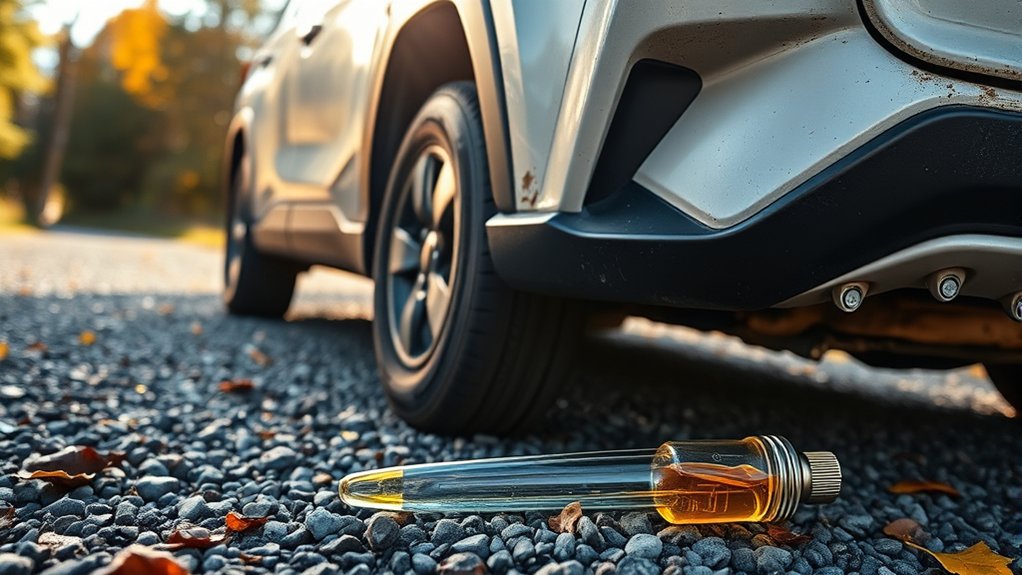
An aging RAV4 needs more than oil changes. Inspections should focus on safety, fluid loss, corrosion, temperature control, drivetrain behavior, and wear that affects alignment or handling.
Engine Oil, Leaks, and Consumption
Check the engine-oil level regularly between services, especially on a high-mileage vehicle. Look beneath the vehicle and around the engine for fresh leaks, but remember that a clean parking spot does not rule out oil consumption.
Record how much oil you add and how often. A sudden increase in consumption, blue exhaust smoke, persistent burning-oil odor, or an oil-pressure warning needs professional diagnosis.
Cooling System Condition
Inspect the coolant level only when the vehicle is cool and follow the owner’s manual. Look for dried coolant residue, damaged hoses, radiator seepage, water-pump leakage, or a temperature gauge that behaves differently than usual.
Never remove a hot cooling-system cap. Escaping steam and pressurized coolant can cause serious burns.
Transmission and AWD Components
During a test drive, check for delayed engagement, harsh shifts, shuddering, whining, vibration, or binding during tight turns. Any transmission, differential, or transfer-case leak should be inspected before fluid loss causes further damage.
Do not use a generic fluid-flush interval for every RAV4. Follow the exact maintenance guide and use the correct Toyota-specified fluid for the model and component.
Wiper Blades Condition Check
Inspect the wiper blades for cracking, splitting, contamination, deformation, streaking, or skipping. Toyota’s current maintenance chart includes wiper inspection at scheduled 5,000-mile services, but replacement depends on condition rather than a fixed number of months.
Replace ineffective blades promptly. Good visibility matters in rain, snow, road spray, and low-light driving.
Brake System Inspection
Brake inspections should begin long before 40,000 miles. Toyota’s 2025 RAV4 Hybrid guide calls for visual brake checks at 5,000-mile intervals and more detailed pad, disc-thickness, and runout inspection at listed 30,000-mile intervals.
Have the system inspected immediately if you notice grinding, pulling, vibration, a soft pedal, fluid loss, a brake warning, or longer stopping distances. Brake-fluid condition and replacement needs should be evaluated according to the model-year guide and test results.
Fluid Levels Assessment
Check engine oil, coolant, brake fluid, washer fluid, and other accessible reservoirs as directed by the owner’s manual. A falling level often matters more than the fluid’s age because it may reveal a leak or developing mechanical problem.
Do not keep topping off an unexplained leak without diagnosing it. Using an incorrect coolant, oil, brake fluid, or drivetrain fluid can also cause damage.
Suspension, Steering, and Wheel Bearings
Worn struts, shocks, control-arm bushings, ball joints, tie-rod ends, and wheel bearings can affect tire wear and handling. Listen for clunks, humming, popping, or rattling, and watch for wandering, excessive bouncing, or uneven tire wear.
A vehicle that repeatedly loses alignment may have worn suspension parts, collision damage, bent wheels, or tire problems rather than a simple alignment issue.
Rust and Underbody Condition
Surface rust on removable parts is different from serious corrosion affecting the unibody, suspension mounting points, brake lines, fuel lines, or subframes. Vehicles used in road-salt regions deserve a careful underbody inspection.
Wash salt and mud from the underbody when conditions allow. Before buying an older RAV4, ask the mechanic to identify whether corrosion is cosmetic, repairable, or structurally significant.
Gas Versus Hybrid RAV4 Longevity
Gas and hybrid RAV4s can both accumulate high mileage, but they have different components and inspection needs. A gas model relies on a conventional starting and charging system, while a hybrid adds a traction battery, inverter, electric drive components, and a battery cooling path.
Hybrid battery warranty coverage is not the same as expected battery life. For example, Toyota’s 2025 U.S. RAV4 Hybrid guide provides hybrid-battery warranty coverage for 10 years or 150,000 miles from the original in-service date, whichever comes first. Other hybrid components listed in that guide receive different coverage.
The same guide calls for regular inspection of the hybrid-battery cooling intake filter and scheduled cleaning. Keeping the intake unobstructed helps the battery cooling system operate as designed.
Note: Hybrid warranty terms vary by model year, market, original sale date, and component. Verify coverage with the vehicle’s VIN and its original warranty documents.
How to Extend the Lifespan of Your RAV4
You cannot control every failure, but you can reduce avoidable wear and catch problems earlier. Focus on consistent habits rather than relying on one maintenance item.
- Follow the exact Toyota schedule. Use the model-year guide and service by time as well as mileage.
- Check the oil level between services. An engine can become dangerously low before the next scheduled oil change.
- Investigate warning lights promptly. Read the code and diagnose the cause instead of repeatedly clearing it.
- Repair coolant and oil leaks early. A small leak can become overheating, lubrication loss, belt contamination, or electrical damage.
- Maintain correct cold tire pressure. Rotate tires as scheduled and investigate unusual wear.
- Reduce corrosion exposure. Clean accumulated road salt and inspect the underbody, brake lines, and mounting points.
- Avoid overloading. Follow the vehicle’s payload, roof-load, and towing limits.
- Use compatible fluids and parts. Match the required specification rather than choosing only by price or brand.
- Keep complete records. Record dates, mileage, parts, fluid specifications, inspections, and repairs.
- Respond to changing behavior. New noises, smells, leaks, vibrations, or fuel-economy changes deserve attention.
Pro Tip: Keep receipts and a simple mileage-based service log. Good records help a technician spot patterns, support warranty or service-contract claims, and make a high-mileage RAV4 easier to evaluate or sell.
Signs an Aging RAV4 May Need Costly Repairs
One symptom does not always mean the vehicle is finished. Several serious or recurring problems appearing together, however, can indicate that ownership costs are rising.
- Frequent overheating or unexplained coolant loss
- Low oil-pressure warnings or rapidly increasing oil consumption
- Transmission slipping, delayed engagement, severe shuddering, or metal contamination in fluid
- Structural corrosion around suspension, subframe, or unibody mounting points
- Recurring electrical faults, water intrusion, or multiple communication codes
- Repeated wheel-alignment loss caused by worn or damaged components
- Brake-line corrosion, major fluid loss, or extensive brake-system repairs
- Several major repairs due within the same year
Ask for a written diagnosis and estimate before deciding. Compare the repair cost with the vehicle’s condition, replacement cost, safety, reliability needs, and the value of recent repairs already completed.
What to Check Before Buying a High-Mileage RAV4
A high-mileage RAV4 can be a sensible purchase when its condition and price reflect its age. Do not assume that Toyota branding or a clean exterior replaces a thorough inspection.
- Confirm the VIN and records. Match the VIN on the dashboard, door label, title, registration, and history report.
- Review service history. Look for consistent mileage progression and evidence of oil, coolant, filter, spark-plug, brake, tire, and drivetrain service.
- Obtain a vehicle-history report. Check title status, reported collisions, flood history, ownership changes, and odometer records.
- Check for open recalls. Enter the VIN in the NHTSA recall lookup tool.
- Inspect it from a cold start. Listen for rattling, knocking, belt noise, exhaust smoke, rough running, and delayed warning-light shutdown.
- Scan all available control modules. A capable scan tool may reveal stored, pending, or recently cleared faults that are not visible during a brief test drive.
- Test every major system. Check the transmission, brakes, steering, climate control, windows, locks, lights, cameras, driver-assistance features, and hybrid operation where applicable.
- Inspect underneath. Look for structural rust, wet components, damaged shields, leaking seals, bent suspension parts, and signs of poor collision repair.
- Check tires carefully. Mismatched tires, uneven wear, old date codes, or sidewall damage can reveal neglected maintenance or suspension problems.
- Arrange an independent inspection. Ask the mechanic for a written report and estimated cost for immediate and upcoming repairs.
Note: The Federal Trade Commission warns that a vehicle-history report is not a substitute for an independent mechanical inspection. A history report may show reported accidents or flood damage but usually does not reveal every mechanical problem.
When Should You Repair or Replace an Aging RAV4?
Replacing a vehicle solely because it passed a certain mileage can be wasteful. A paid-off RAV4 that is safe, structurally sound, and predictable may remain economical even when occasional repairs are needed.
Keeping it may make sense when the body and structure are solid, the engine and transmission operate well, replacement parts remain available, and upcoming repairs are manageable. Replacement deserves stronger consideration when structural rust, repeated overheating, unreliable brakes, serious transmission failure, or recurring electrical problems make the vehicle unsafe or unpredictable.
Compare repair costs over the next 12 months with the total cost of another vehicle, including taxes, registration, financing, insurance, and the possibility that a replacement used vehicle also needs repairs.
Frequently Asked Questions
What problems should you check on a high-mileage RAV4?
Check for oil or coolant leaks, oil consumption, overheating history, rough transmission operation, worn suspension parts, wheel-bearing noise, brake problems, air-conditioning faults, electrical issues, and underbody corrosion. The most important areas vary by model year, so also research the specific year and check its VIN for recalls.
How does driving style affect RAV4 longevity?
Hard acceleration, abrupt braking, pothole impacts, overloading, and prolonged high-speed operation can increase heat and wear on tires, brakes, suspension, and drivetrain components. No reliable universal percentage predicts the exact reduction in vehicle life, so avoid claims that one habit removes a fixed amount of lifespan.
Can you use aftermarket parts for RAV4 maintenance?
Yes, when the part meets the required specifications and fits the exact vehicle. Under FTC warranty guidance, using an aftermarket part does not automatically void a U.S. warranty. However, coverage may not apply to damage caused by an unsuitable, defective, or incorrectly installed part. Keep receipts and part specifications.
Which driving conditions are hardest on a RAV4?
Frequent dirt-road use, towing, heavy loading, extensive idling, low-speed commercial use, repeated short trips in freezing weather, deep water, road salt, and extreme heat can increase maintenance needs. Follow the special-operating-condition section in the maintenance guide for your model year.
How often should you change a RAV4’s oil?
Use the interval in the maintenance guide for the exact model year and engine. Many newer Toyota vehicles using specified synthetic oil have a normal interval of 10,000 miles or 12 months, while listed special operating conditions may require 5,000-mile or six-month changes. Older RAV4s may have different requirements.
Is 150,000 miles too high for a used RAV4?
Not automatically. A 150,000-mile RAV4 with complete records, little rust, smooth drivetrain operation, and a clean independent inspection may be a better purchase than a neglected lower-mileage vehicle. Price the vehicle according to its current condition and expected repairs, not mileage alone.
Do hybrid RAV4s last as long as gas models?
Both powertrains can reach high mileage when properly maintained. A hybrid adds a traction battery, inverter, electric drive components, and battery cooling system, while a gas model has different starting and drivetrain components. Evaluate the exact vehicle’s records, battery condition, cooling intake, diagnostic data, and warranty status.
Conclusion
A Toyota RAV4 can reach 200,000 miles or more, but no odometer target is guaranteed. Current lifespan data places the model’s average below 200,000 miles, which makes maintenance history, rust, model year, driving conditions, and present mechanical condition essential parts of the answer.
Follow the maintenance guide for your exact RAV4, check fluid levels and warning signs between services, and repair cooling, lubrication, brake, and corrosion problems promptly. When buying a high-mileage model, combine records, a history report, a recall check, a diagnostic scan, and an independent inspection before deciding whether the remaining value justifies the risk.
Sources
- iSeeCars Toyota RAV4 Reliability and Lifespan Data — average lifespan and predicted probability of reaching 200,000 miles
- Toyota Manuals and Warranties — model-year-specific owner and maintenance documents
- 2025 Toyota RAV4 Hybrid Warranty and Maintenance Guide — scheduled maintenance, special operating conditions, and hybrid warranty information
- Toyota Oil-Change Interval Guidance — normal synthetic-oil interval information
- Federal Trade Commission Used-Car Buying Guide — history reports, independent inspections, warranties, and written repair estimates
- National Highway Traffic Safety Administration Recall Lookup — VIN-based open-recall checks