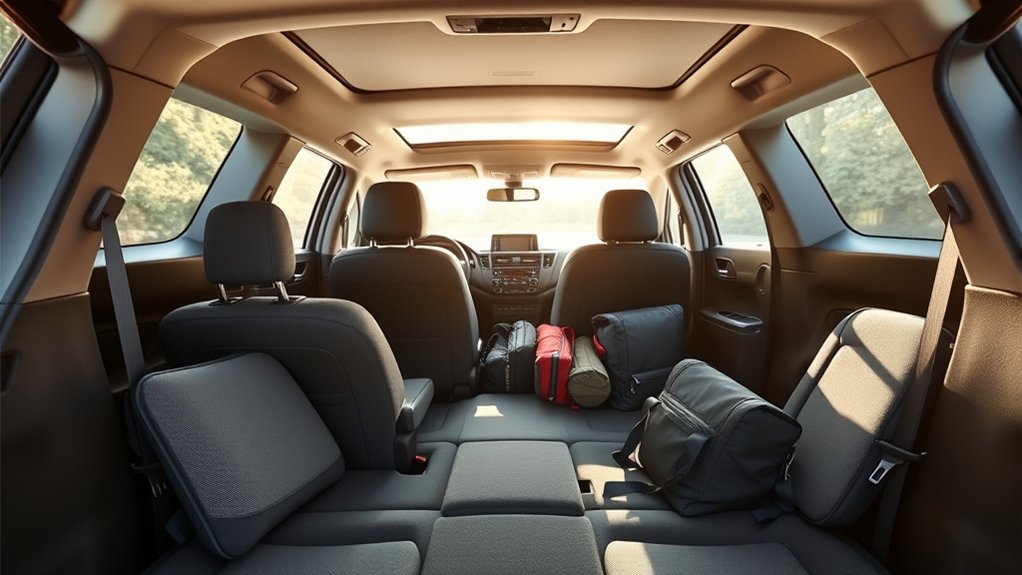
The Toyota RAV4 gives you a roomy two-row cabin with useful space for daily driving, family errands, and weekend cargo. In commonly published 2024/2025 U.S. RAV4 gas and hybrid specs, you get 41.0 inches of front legroom, 37.8 inches of rear legroom, and up to 69.8 cubic feet of cargo space with the rear seats folded. Exact measurements can vary by model year, trim, roof option, and powertrain, so use these figures as a strong reference point and confirm your exact trim on Toyota’s current spec page before you buy.
Quick Answer
The Toyota RAV4 is spacious for a compact SUV. Standard gas and hybrid versions offer about 98.9 cubic feet of passenger volume, 37.6 cubic feet of cargo room behind the second row, and up to 69.8 cubic feet with the rear seats folded. Plug-in Hybrid models usually give up some cargo room because of battery packaging.
Key Takeaways
- The RAV4 seats up to five and gives front passengers 41.0 inches of legroom in the commonly published 2024/2025 U.S. spec set.
- Rear passengers get 37.8 inches of legroom, enough for most adults on daily drives and moderate road trips.
- Gas and hybrid RAV4 models offer 37.6 cubic feet of cargo space behind the second row and up to 69.8 cubic feet with the rear seats folded.
- RAV4 Plug-in Hybrid models have less cargo room, with about 33.5 cubic feet behind the rear seats and 63.2 cubic feet with the seats folded.
- Toyota introduced a redesigned sixth-generation RAV4 for the 2026 model year, so always confirm dimensions for your exact trim and market.
Note: The figures below are best used for the 2024/2025-style U.S. RAV4 gas and hybrid models. Toyota introduced a redesigned sixth-generation RAV4 for 2026, so current shoppers should verify the exact trim on Toyota’s latest RAV4 features and specs page.
How Spacious Is the Toyota RAV4 Interior?
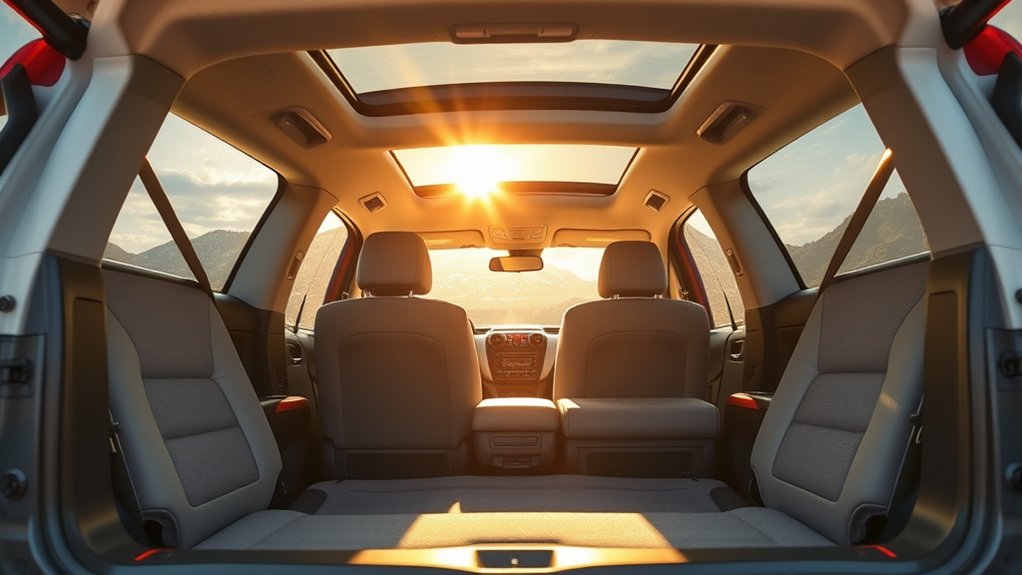
The Toyota RAV4 interior feels roomy because it balances passenger space, cargo volume, and flexible rear seating. You get a cabin that works for commuting, grocery runs, school drop-offs, airport luggage, and short family trips without moving into a larger three-row SUV.
In standard gas and hybrid versions, the RAV4 provides about 98.9 cubic feet of passenger volume. That gives you enough space for five people, though four adults will usually feel more comfortable on longer drives.
The front seats offer 41.0 inches of legroom, while the second row provides 37.8 inches. Those numbers make the RAV4 easy to live with if you carry adult passengers, kids in boosters, or a mix of people and gear.
Cargo space is also a major strength. You get 37.6 cubic feet behind the second row in standard gas and hybrid versions. Fold the rear seats down, and that space expands to about 69.8 cubic feet.
Toyota RAV4 Interior Dimensions at a Glance
The table below gives you the key interior measurements shoppers usually compare first. These figures apply to the commonly published 2024/2025 U.S. RAV4 gas and hybrid spec set unless noted.
| Passenger Volume | 98.9 cubic feet |
| Front Legroom | 41.0 inches |
| Rear Legroom | 37.8 inches |
| Front / Rear Headroom | 37.7 inches front / 39.5 inches rear |
| Cargo Behind Second Row | 37.6 cubic feet in gas/hybrid models |
| Maximum Cargo Space | 69.8 cubic feet in gas/hybrid models with rear seats folded |
Exploring RAV4 Legroom: Front and Rear Dimensions
The RAV4 gives you 41.0 inches of front legroom, which helps taller drivers find a relaxed seating position. The driver’s seat has enough adjustment range for most people to set a comfortable knee angle without pushing the steering wheel too far away.
Rear legroom measures 37.8 inches. That is practical for adults in the second row, especially on short and medium-length trips. Taller passengers may still prefer the front seat on long highway drives, but the rear row is not cramped by compact SUV standards.
The second row also works well for families because the cabin gives you enough space to help kids buckle up. If you use rear-facing child seats, test your exact seat behind the driver and passenger before buying. Some large rear-facing seats may require the front passenger seat to move forward.
Pro Tip: If you are shopping with child seats, bring your actual seat to the test drive. Rear legroom numbers help, but the shape of the child seat, front-seat position, and seatback angle matter just as much.
Toyota RAV4 Headroom: Comfort for All Passengers
The RAV4 provides 37.7 inches of front headroom and 39.5 inches of rear headroom in the commonly published spec set. That gives most passengers enough vertical space to sit naturally without feeling boxed in.
Headroom can feel different depending on the trim. A moonroof or panoramic roof can reduce the feeling of space for taller front passengers. If you are over six feet tall, sit in both the driver’s seat and the rear seat before choosing a trim with a roof option.
Front Row Headroom
Front row headroom is paired with 57.8 inches of shoulder room and 54.3 inches of hip room. Together, those dimensions make the front cabin feel open enough for daily commuting and long-distance driving.
The RAV4’s seating position also helps. You sit higher than you would in a sedan, which improves outward visibility and makes entry and exit easier for many drivers.
Rear Row Headroom
Rear passengers get 39.5 inches of headroom, which is generous for a compact SUV. That is helpful for adult passengers, teens, and kids in booster seats.
The rear row also has a practical seatback angle. The 60/40 split reclining fold-flat rear seat lets passengers adjust comfort while still giving you flexible cargo options when you need them.
Cargo Space: How Much Can You Fit for Your Adventures?
The RAV4 offers 37.6 cubic feet of cargo space behind the second row in standard gas and hybrid versions. That is enough for weekly groceries, a folded stroller, backpacks, sports bags, or several carry-on suitcases.
Fold the rear seats down, and cargo volume expands to about 69.8 cubic feet. That larger space is useful for flat-pack furniture, camping gear, storage bins, pet crates, and bigger travel loads.
The cargo opening is wide enough for most everyday items, and the load floor sits at a practical height. You do not have to lift bags as high as you would in many larger SUVs.
Standard Cargo Capacity
With the rear seats up, 37.6 cubic feet gives the RAV4 a strong everyday cargo area. You can keep all five seats usable while still carrying luggage, groceries, or school gear.
The shape of the cargo bay matters as much as the number. The RAV4’s boxy rear area makes it easier to stack bags and load bulky items than a more sloped cargo area would.
Expanded Cargo Options
When you fold the rear seats, the RAV4 becomes much more flexible. The 69.8-cubic-foot maximum cargo area gives you a flatter space for long or bulky items.
The 60/40 split design lets you fold one side while keeping a rear passenger seat open. That helps when you need to carry skis, a long box, or a stroller while still leaving room for a child or adult in the back.
The RAV4’s biggest interior advantage is not one single number. It is the way passenger room, cargo volume, and split-folding seats work together.
Versatile Storage Solutions: Split-Folding Rear Seats
The RAV4’s split-folding rear seats make the cargo area easier to customize. You can carry passengers and long items at the same time, or fold both sides when you need maximum room.
Here is where the setup helps most:
- Daily errands: Keep the seats up and use the full rear cargo area for groceries, backpacks, and small boxes.
- Weekend trips: Fold one side for luggage, coolers, and outdoor gear while leaving one rear seat open.
- Large items: Fold both sides for furniture boxes, storage bins, or camping equipment.
- Family use: Use the wider cargo floor for strollers, sports gear, and travel bags.
Some trims may also include a height-adjustable rear cargo deck board. That feature can help you create a flatter loading surface or make space for taller items.
How Much Room Is There for Your Shoulders and Hips?
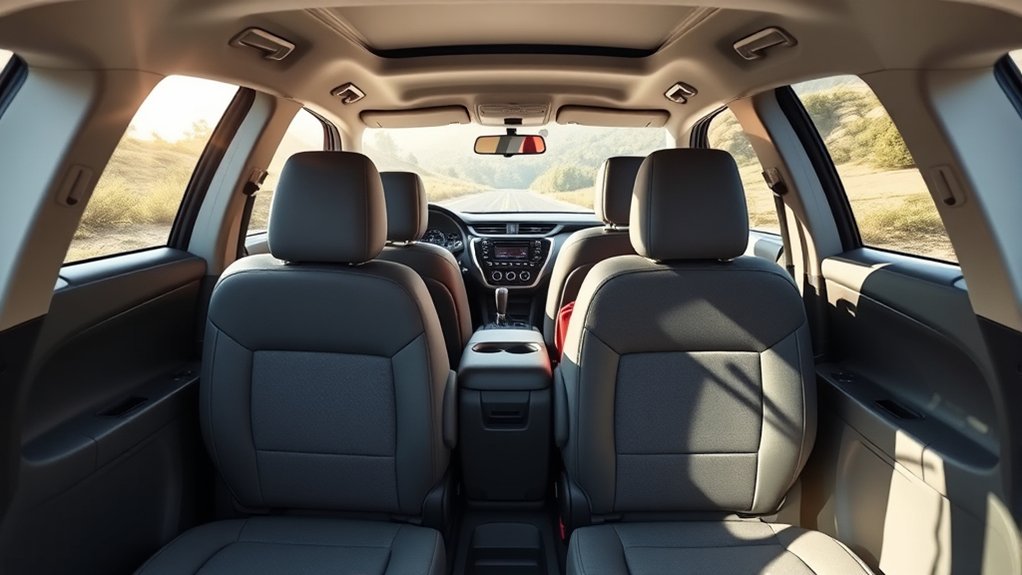
Shoulder room and hip room affect how comfortable the cabin feels when more than one passenger is inside. The RAV4 gives front passengers 57.8 inches of shoulder room and 54.3 inches of hip room.
Rear passengers get 56.4 inches of shoulder room and 47.7 inches of hip room. The rear hip room number is the tighter measurement, so three adults across the back seat may feel snug on a long drive.
For most families, the second row works best with two adults, two kids, or two child seats. Three-across child-seat setups may be possible with narrow seats, but you should test the exact seats before relying on that layout.
Warning: Never judge child-seat fit by interior dimensions alone. Install each seat according to the child-seat manual and the vehicle owner’s manual, then confirm that every seat is secure before driving.
Comparing Cargo Capacity Across RAV4 Variants
RAV4 cargo capacity changes by powertrain. Standard gas and hybrid models have the most cargo room, while Plug-in Hybrid models give up some space because the larger battery affects packaging under the cargo floor.
| RAV4 Version | Cargo Behind Rear Seats | Max Cargo With Seats Folded |
| RAV4 Gas | 37.6 cubic feet | 69.8 cubic feet |
| RAV4 Hybrid | 37.6 cubic feet | 69.8 cubic feet |
| RAV4 Plug-in Hybrid | 33.5 cubic feet | 63.2 cubic feet |
The standard RAV4 and RAV4 Hybrid are the better picks if cargo volume is your top priority. The RAV4 Plug-in Hybrid gives you electric-driving benefits, but it does not carry quite as much cargo.
Why Is the RAV4’s Interior Design Ideal for Families?
The RAV4 works well for families because it gives you a useful balance of space, visibility, and cargo flexibility. You can carry kids, groceries, backpacks, and weekend gear without stepping up to a larger SUV.
Families will appreciate the rear legroom, the wide-opening rear doors, and the cargo area behind the second row. Those details make everyday routines easier, especially when you are loading a stroller or helping a child buckle up.
| Feature | Measurement | Why It Helps |
| Front Legroom | 41.0 inches | Comfortable driving position for most adults |
| Rear Legroom | 37.8 inches | Useful space for adults, kids, and booster seats |
| Rear Headroom | 39.5 inches | Helps taller passengers sit naturally |
| Cargo Behind Second Row | 37.6 cubic feet | Room for strollers, groceries, luggage, and gear |
For child-seat safety, follow both the vehicle owner’s manual and your child-seat manual. The National Highway Traffic Safety Administration recommends choosing a seat based on the child’s age, height, and weight, then installing it correctly every time.
How the RAV4 Compares to Other Compact SUVs
The RAV4 sits in the heart of the compact SUV class. Its biggest advantage is not luxury-level rear-seat width. Instead, it gives you a practical mix of legroom, cargo volume, fuel-efficient powertrain choices, and easy loading.
If you want the most rear-seat width for three adults, compare it with larger compact SUVs and midsize two-row SUVs. If you want a smaller footprint with strong cargo room, the RAV4 remains a smart size.
The best way to compare is to test the exact items you carry most often. Bring a stroller, golf bag, pet crate, cooler, or luggage set to the dealership and load it before you decide.
Related Guides
Frequently Asked Questions
What materials are used in the RAV4’s interior?
RAV4 interior materials vary by trim. Lower trims usually use durable cloth and practical plastics, while higher trims may add SofTex-trimmed seating, softer touch points, contrast stitching, and upgraded interior accents. Check the exact trim because seat material and cabin finish can change by model year.
How does the RAV4 compare to competitors in spaciousness?
The RAV4 is competitive for cargo space and front legroom in the compact SUV class. Rear hip room is tighter than the cargo numbers might suggest, so it works best for two rear passengers or two child seats rather than three adults across on long drives.
Are there optional features that make the RAV4 feel roomier?
Adjustable front seats, reclining rear seatbacks, a height-adjustable cargo deck board, and split-folding rear seats can make the RAV4 feel more flexible. A moonroof can make the cabin feel brighter, but taller drivers should check headroom before choosing that option.
Can the RAV4 accommodate child safety seats easily?
Yes, the RAV4 can work well with child safety seats, especially when you use two seats in the second row. Large rear-facing seats may affect front passenger space, and three-across setups depend on the width of the seats. Always test your exact seats and follow the manuals.
What is the maximum towing capacity of the RAV4?
The RAV4 can tow up to 3,500 pounds on properly equipped models, but many trims are rated lower. Do not assume every RAV4 has the same towing capacity. Check the owner’s manual, hitch rating, payload, cargo weight, passengers, and trailer setup before towing.
Does the RAV4 Hybrid have less cargo space than the gas model?
In the commonly published 2024/2025 U.S. specs, the RAV4 Hybrid keeps the same 37.6 cubic feet of cargo room behind the second row and 69.8 cubic feet with the rear seats folded. The Plug-in Hybrid has less cargo space because of battery packaging.
Should I rely on these dimensions for the 2026 RAV4?
Use these numbers as a reference for 2024/2025-style RAV4 models. Toyota introduced a redesigned sixth-generation RAV4 for the 2026 model year, so you should verify the latest dimensions for your exact trim, powertrain, and market before buying.
Conclusion
The Toyota RAV4 offers a spacious, practical interior for a compact SUV. Its strongest points are front legroom, useful rear-seat space, and generous cargo capacity in gas and hybrid versions. The 60/40 split-folding rear seats make the cabin flexible enough for daily errands, family gear, and weekend trips.
Before you buy, pay close attention to model year, trim, roof option, and powertrain. Gas and hybrid models usually give you the most cargo space, while Plug-in Hybrid models trade some cargo volume for electric-driving capability. For the best result, test your actual passengers, child seats, and cargo during the test drive.
Sources
- Toyota RAV4 Features and Specs — current Toyota trim and specification reference.
- Toyota RAV4 Plug-in Hybrid Features and Specs — plug-in model cargo and powertrain reference.
- Reuters: Toyota debuts revamped RAV4 — 2026 redesign and launch-timing context.
- NHTSA Car Seats and Booster Seats — child-seat selection and safety guidance.
