You may be sleeping, storing gear, changing clothes, and spending part of each day in your tent, so a shelter for extended camping needs more than a high advertised capacity. The best tent for a long stay should provide a practical floor plan, dependable ventilation, manageable setup, and enough weather protection for the conditions you realistically expect.
This guide focuses on tents suited to multi-day and multi-week recreational car camping. It does not treat ordinary family tents as permanent housing, winter expedition shelters, or safe places to operate cooking and heating equipment.
Affiliate disclosure: This article contains Amazon affiliate links. As an Amazon Associate, we may earn from qualifying purchases at no additional cost to you.
Quick Verdict
Best overall basecamp: The CORE Cabin offers the most useful combination of living space, standing room, and a multi-room layout for larger groups.
Best for better sleep: The EVER ADVANCED blackout tent is the stronger choice when early sunlight, daytime naps, or interior privacy matter.
Best compact value: The Coleman Sundome works best for one or two campers who want a simpler and less bulky shelter.
Best value for a small family: The UNP 6 Person provides standing height and a practical rectangular floor without moving into the largest cabin-tent category.
Top Picks
|
Category |
Product |
Best For |
|---|---|---|
|
🏆 Best Compact Value |
Solo campers or couples who want a simple four-person dome |
|
|
💼 Best Overall Basecamp |
Large families and groups that prioritize interior living space |
|
|
⭐ Best Family Value |
Small families wanting standing height without extreme bulk |
|
|
🔰 Best for Frequent Moves |
Road trips and camps where the shelter is moved regularly |
|
|
🎨 Best Privacy Layout |
Families that want divided sleeping zones |
|
|
🏕️ Best Large-Family Value |
Vehicle-accessible family trips with mattresses, cots, and gear |
|
|
🌙 Best Blackout Comfort |
Campers who value darkness, privacy, and a tall multi-room interior |
How We Chose These Tents
We prioritized the characteristics that make an extended campsite more comfortable and manageable: usable floor area, standing height, ventilation, room layout, rainfly coverage, setup effort, packed bulk, and realistic capacity once mattresses, cots, bags, and clothing are inside.
We also looked for clear reasons to choose each tent. Some campers need a large static basecamp, while others need a shelter that can be moved frequently. Products designed mainly for backpacking, festivals, or minimal overnight use were excluded because their priorities did not match the article’s long-stay buyer intent.
Manufacturer capacity numbers should be treated as maximum sleeping-bag capacity. For a comfortable extended stay, a practical rule is to buy a tent rated for more occupants than will actually sleep in it.
Essential Tent Safety
Never operate a charcoal grill, camp stove, fuel-burning lantern, generator, or unvented heater inside a tent. These devices create fire and carbon-monoxide hazards, even when a door or window is partly open.
Prepare food in an outdoor cooking area positioned a safe distance from the tent and follow all campground fire restrictions and equipment instructions.
Coleman Sundome: Best Compact Value


Quick verdict: A sensible compact choice for one or two people who want an established, straightforward tent and do not need standing-height cabin walls.
The Sundome works best when you want to keep the campsite simple. Its four-person floor can hold a queen-size airbed, but the tent is more comfortable for an extended stay when used by a solo camper or couple with carefully organized gear.
The large windows and ground vent improve warm-weather airflow, while the included rainfly and Coleman’s WeatherTec construction are designed for normal three-season campground conditions. Because the center height is below five feet, it should not be mistaken for a full standing-room tent.
Best For
Solo car campers, couples, festival campers staying several nights, and buyers who value a familiar dome design over a large cabin footprint.
Who Should Avoid It
Families needing separate sleeping zones, tall campers who want to stand upright, and anyone planning prolonged exposure to severe wind, snow, or intense sun.
Buyer Feedback Themes
The captured review sample emphasizes straightforward setup, ventilation, manageable packed size, and acceptable rain performance in routine conditions. Recurring limitations include modest headroom, tight space once an airbed and luggage are added, and basic included stakes.
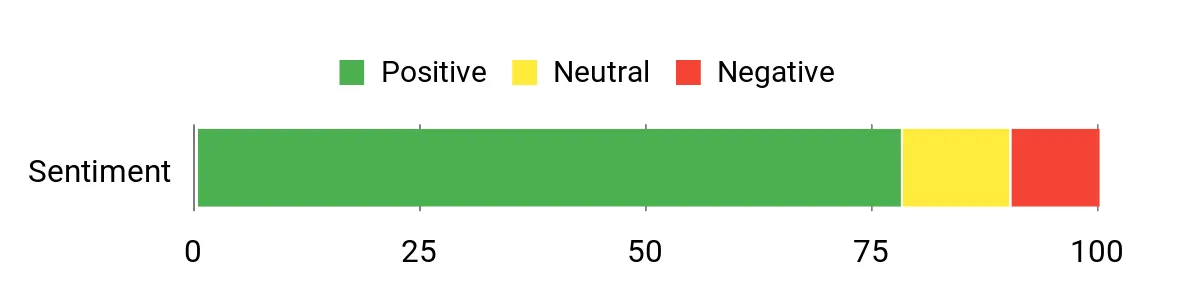
Review charts reflect a captured sample and are not live Amazon ratings. Check the newest listing reviews for current feedback.
Ease
|
Feature |
Ease Level |
|---|---|
|
Setup Time |
Easy |
|
Packing & Carrying |
Easy |
|
Interior Organization |
Moderate |
|
Standing Comfort |
Difficult |
Where to Use
Use it for three-season car camping, established campgrounds, backyard stays, festivals, and fair-to-mixed summer weather. A correctly sized footprint, full staking, and properly tensioned guy lines will help during longer pitches.
Key Benefits
- Approximately 10-minute conventional setup
- Compact footprint that fits smaller campsites
- Large windows and a ground vent for airflow
- Room for one queen-size airbed
- Good choice for a solo camper or couple on a budget
Check Product Details on Amazon
CORE Cabin: Best Overall Long-Term Basecamp


Quick verdict: The strongest fit for buyers who want their tent to function as a true family basecamp with room to stand, organize bedding, and separate sleeping areas.
This CORE tent solves the biggest problem associated with extended family camping: lack of usable indoor space. The cabin-style walls give occupants more room near the perimeter than a low dome, making it easier to arrange airbeds, cots, bags, and a central walkway.
The room divider can separate adults and children or divide sleeping space from changing and storage space. The tradeoff is substantial packed weight and a larger campsite requirement, so this is a vehicle-dependent shelter rather than a tent you will carry far.
Best For
Large families, groups, longer campground reservations, and campers who value interior living space more than packed size.
Who Should Avoid It
Solo travelers, small campsites, frequent one-night stops, and trips that require carrying the tent any meaningful distance.
Buyer Feedback Themes
The captured feedback highlights generous floor area, tall interior space, useful ventilation, and a more livable layout than smaller dome tents. The most important limitations are packed bulk, the need for an organized pole sequence, and the advantage of having two people available for setup.
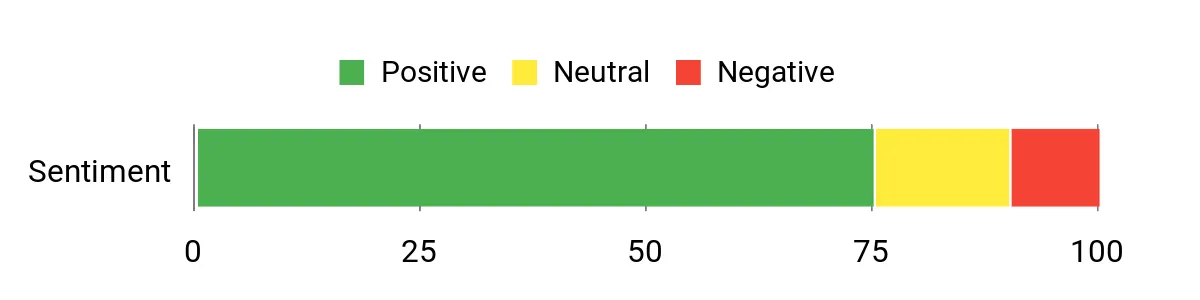
Review charts reflect a captured sample and are not live Amazon ratings. Check the newest listing reviews for current feedback.
Ease
|
Feature |
Ease Level |
|---|---|
|
Two-Person Setup |
Moderate |
|
Portability |
Difficult |
|
Interior Layout |
Easy |
|
Standing Comfort |
Easy |
|
Drying and Storage |
Difficult |
Where to Use
Best for vehicle-accessible family campgrounds, festivals, group sites, and longer stays where the campsite has enough flat space for a large footprint and fully extended guy lines.
Key Benefits
- Large cabin-style interior with useful perimeter headroom
- Room divider for privacy or gear separation
- Multiple windows and ground vents
- Space for substantial bedding and campsite storage
- More comfortable for extended family use than a low dome
Check Current Amazon Availability
UNP 6 Person: Best Family Value


Quick verdict: A practical middle-ground option for two to four long-stay campers who want standing room without transporting a 10- or 12-person cabin tent.
The rectangular floor and 78-inch center height make this model easier to live in than a compact dome. It can accommodate larger bedding arrangements, although six adults plus luggage would use nearly all available floor space.
The steel leg poles add structure, while the mesh door, five mesh windows, and mesh roof help manage warm-weather airflow. Its listed 1000 mm coating is better treated as routine rain protection than a promise of severe-storm performance.
Best For
Couples who want generous gear space, small families, and campers seeking a standing-height tent at a more manageable packed size.
Who Should Avoid It
Backpackers, groups expecting six adults to live comfortably inside, and campers who need a full-coverage expedition-style fly.
Buyer Feedback Themes
The captured feedback most often highlights the tall interior, roomy floor, ventilation, and manageable setup. Critical comments tend to focus on thin fabric, basic stakes, and variable rain performance, making careful site selection and full rainfly tension important.
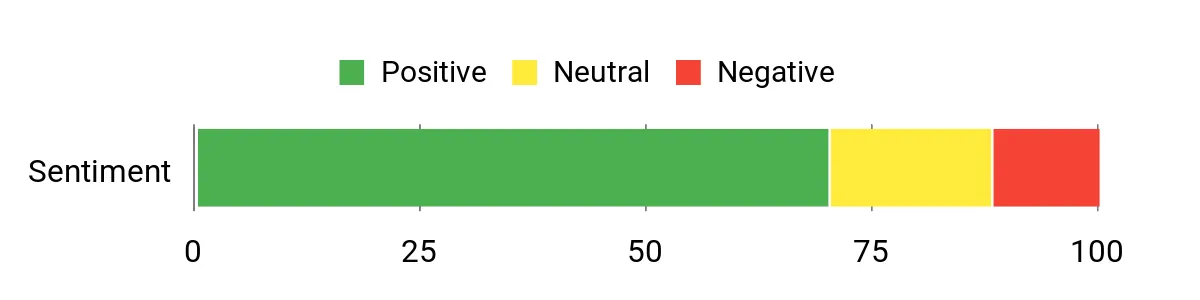
Review charts reflect a captured sample and are not live Amazon ratings. Check the newest listing reviews for current feedback.
Ease
|
Feature |
Ease Level |
|---|---|
|
Two-Person Setup |
Easy |
|
Solo Setup |
Moderate |
|
Portability |
Moderate |
|
Interior Layout |
Easy |
|
Weather Preparation |
Moderate |
Where to Use
Use it for family car camping, summer vacations, festivals, fishing trips, and multi-day stays in established campgrounds. Choose a well-drained site and fully secure every corner and guy point.
Key Benefits
- 10-by-9-foot rectangular floor
- 78-inch center height for standing and changing
- Five mesh windows plus a mesh door and roof
- More manageable than very large cabin tents
- One-year listed quality-assurance period
View Product Details on Amazon
Toogh Pop-Up: Best for Frequent Moves

Quick verdict: Choose this model when minimizing daily setup effort matters more than maximizing room or long-term structural simplicity.
The telescoping frame makes this a useful option for road trips where camp is moved every few days. Its 8-by-8-foot floor offers more room than a compact sleeping tent, while the windows and mesh areas help with warm-weather ventilation.
Instant frames contain more hinges and moving connections than a basic two-pole dome. That convenience is valuable, but buyers planning to leave the tent exposed for weeks should inspect the joints regularly and avoid treating the tent as a severe-weather shelter.
Best For
Road trips, frequent campsite changes, solo setup, small families, and campers who dislike threading conventional poles through sleeves.
Who Should Avoid It
Buyers wanting a very large living area, simple field-repairable poles, or a shelter for persistent high wind, snow, or exposed terrain.
Buyer Feedback Themes
The captured feedback emphasizes fast setup, useful ventilation, and a roomy feel for the footprint. Reported cautions include packed length, the benefit of upgraded stakes, and the need to learn the correct folding sequence before a trip.
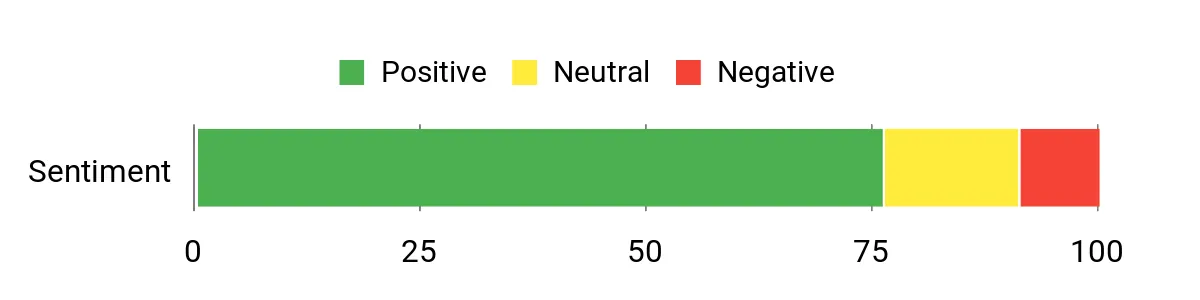
Review charts reflect a captured sample and are not live Amazon ratings. Check the newest listing reviews for current feedback.
Ease
|
Feature |
Ease Level |
|---|---|
|
Initial Setup |
Easy |
|
Solo Pitching |
Easy |
|
Packing Back Into Bag |
Moderate |
|
Transport in a Car |
Moderate |
|
Frame Inspection |
Moderate |
Where to Use
Best for established car-camping sites, road trips, festivals, beaches, and other locations where rapid pitching is more useful than a very large static basecamp.
Key Benefits
- Telescoping instant-frame setup
- Approximately 8-by-8-foot floor
- 67-inch center height
- Four windows for ventilation
- Useful for trips involving regular campsite changes
Check Current Amazon Availability
GoHimal 8P: Best Privacy Layout

Quick verdict: A roomy family choice for buyers who want to divide the tent into separate sleeping, changing, or storage zones.
The GoHimal gives families enough floor length to create a practical long-stay layout instead of covering every inch with sleeping bags. The interior curtain is its clearest advantage because it allows occupants to separate sleeping groups or keep changing and gear storage areas out of direct view.
The broad mesh canopy and windows support ventilation when the rainfly is configured correctly. As with most tents in this capacity class, it is most comfortable for fewer people than the maximum advertised occupancy once airbeds and personal gear are included.
Best For
Families with children, mixed groups, campers needing privacy, and longer stays where separate interior zones improve organization.
Who Should Avoid It
Backpackers, solo campers with small campsites, and buyers who would rather have a smaller and faster-drying shelter.
Buyer Feedback Themes
The captured review themes focus on interior space, the privacy curtain, ventilation, and straightforward family use. The main cautions involve packed weight, basic stakes, and the need to protect the floor on rough or abrasive ground.
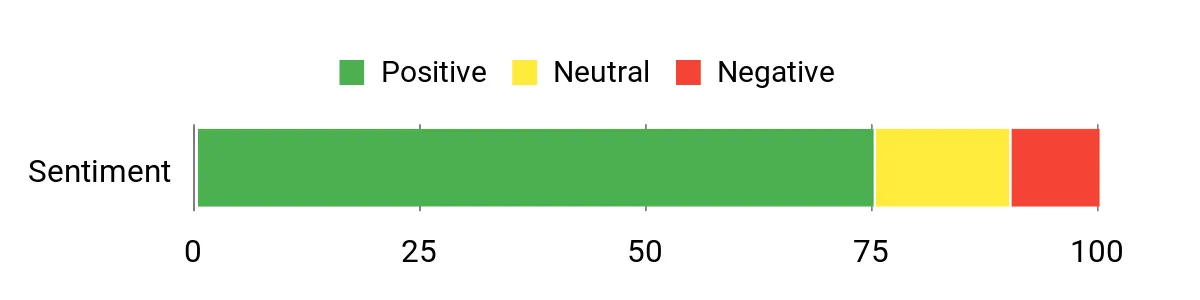
Review charts reflect a captured sample and are not live Amazon ratings. Check the newest listing reviews for current feedback.
Ease
|
Feature |
Ease Level |
|---|---|
|
Two-Person Setup |
Moderate |
|
Packing & Carrying |
Difficult |
|
Interior Arrangement |
Easy |
|
Privacy Configuration |
Easy |
|
Drying Before Storage |
Moderate |
Where to Use
Use it for vehicle-accessible family campsites, festivals, group trips, and extended stays where a large, level tent pad is available.
Key Benefits
- Large rectangular family floor plan
- Standing-height center area
- Privacy curtain for divided zones
- Mesh canopy and windows for airflow
- Useful balance of family capacity and organization
View Product Details on Amazon
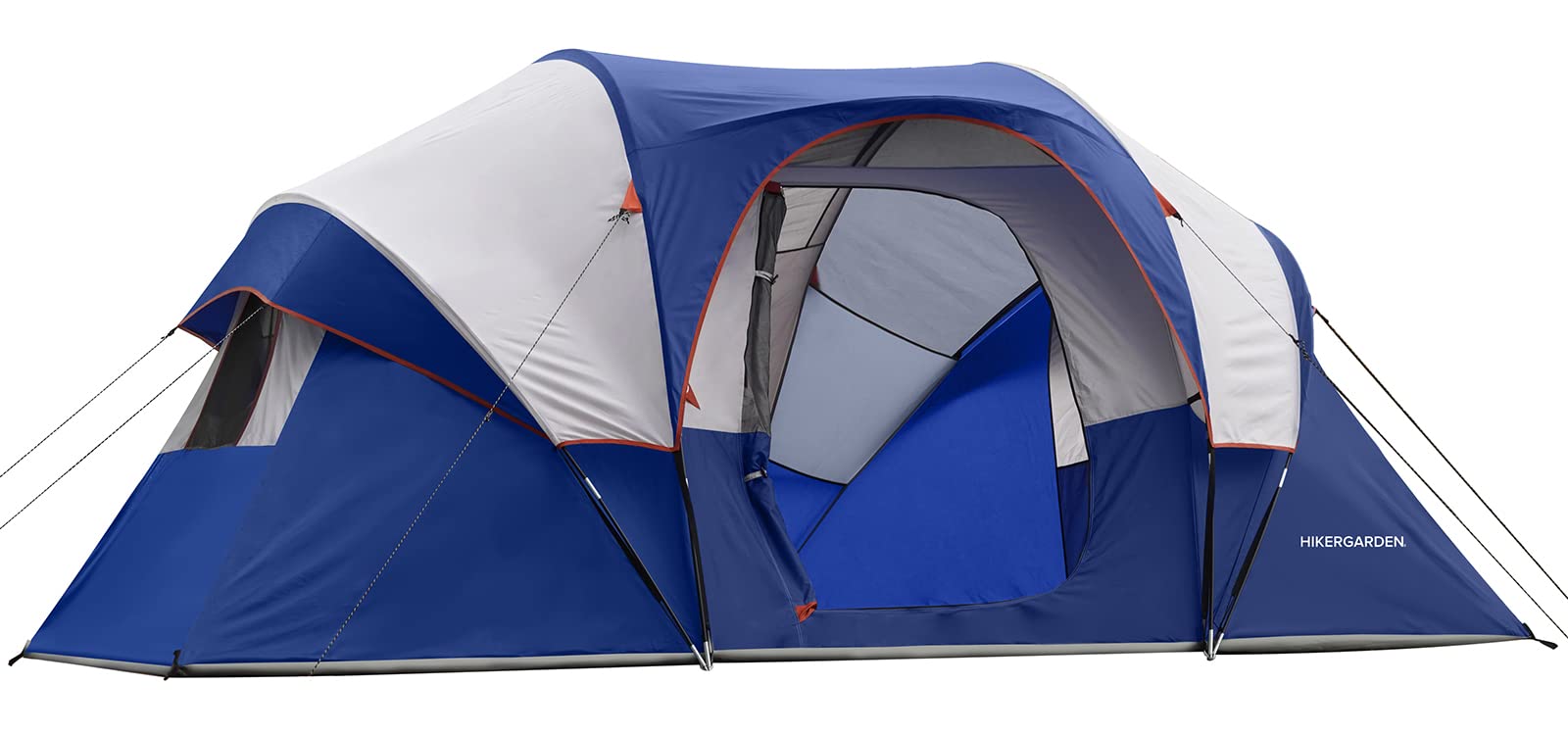
HIKERGARDEN 10P: Best Large-Family Value
Quick verdict: A high-capacity value option for families who need a large sleeping footprint, a divider, and standing room without choosing the heaviest cabin design.
The 14-by-11-foot floor gives families flexibility to arrange multiple mattresses, cots, and bags while maintaining a path through the tent. Its 74-inch center height is tall enough for many adults to stand near the middle, although the sloped dome walls reduce usable height toward the sides.
This is not an instant or pop-up tent. Plan on a conventional two-person pitch and practice the pole sequence before arriving at camp. Once fully staked and guyed, it is best treated as a spacious three-season family shelter for normal campground weather.
Best For
Large families, group car camping, festival stays, and buyers who want a divided sleeping layout with substantial floor area.
Who Should Avoid It
Solo campers, hikers, frequent campsite movers, and anyone who lacks enough open ground for a 14-by-11-foot tent plus guy lines.
Buyer Feedback Themes
The captured feedback praises the floor area, ability to stand near the center, ventilation, and storage flexibility. Common concerns involve zipper care, basic stakes, setup space, and occasional pole or component issues.
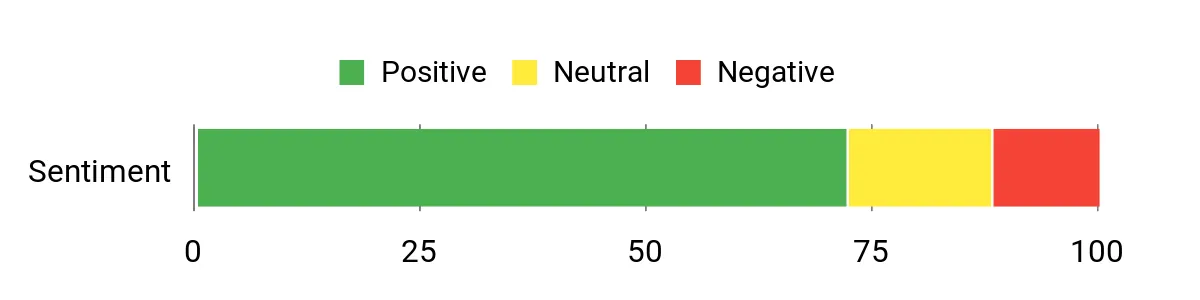
Review charts reflect a captured sample and are not live Amazon ratings. Check the newest listing reviews for current feedback.
Ease
|
Feature |
Ease Level |
|---|---|
|
Two-Person Setup |
Moderate |
|
Packing & Carrying |
Difficult |
|
Interior Layout |
Easy |
|
Privacy Divider |
Easy |
|
Small-Site Fit |
Difficult |
Where to Use
Best for large vehicle-accessible campsites, family vacations, festivals, and multi-day group trips. Confirm the campsite pad dimensions before reserving or traveling.
Key Benefits
- Approximately 14-by-11-foot sleeping area
- 74-inch center height
- Divider for two sleeping zones
- Four mesh windows and a mesh door
- E-port for routing an approved campsite power cord
Check Current Amazon Availability
EVER ADVANCED: Best Blackout Comfort
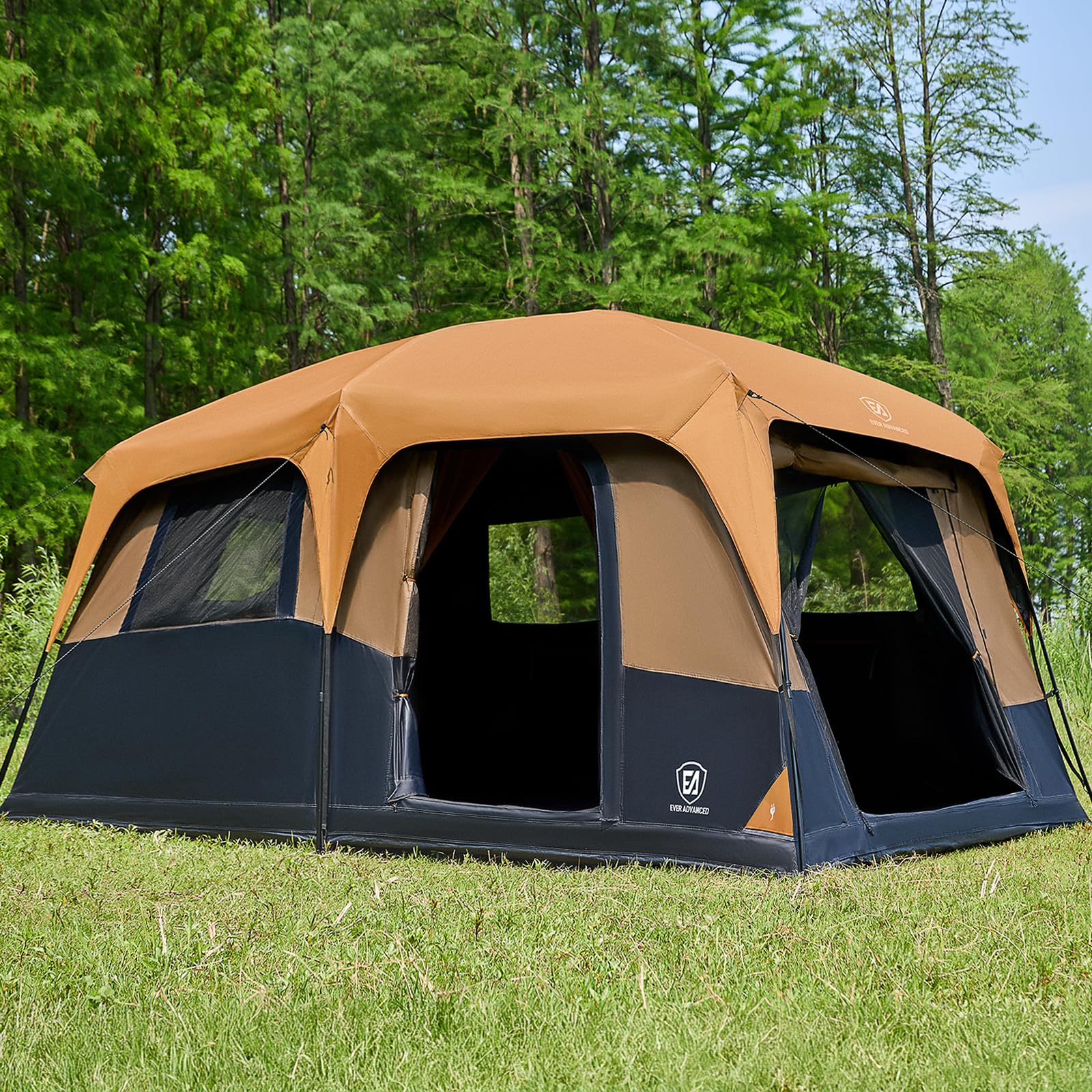
Quick verdict: The best fit for families who want a tall, divided interior and less early-morning light during an extended campground stay.
The dark-rest fabric is the main reason to choose this tent. It reduces incoming light and can make early mornings or daytime naps more manageable, especially for families with young children or campers attending festivals with late schedules.
The 14-by-10-foot floor, 84-inch center height, two doors, and removable divider give it strong long-stay livability. It is still a large conventional tent, so allow time for a two-person setup and enough dry storage space at home to air and pack it properly.
Best For
Families with children, light-sensitive sleepers, festival campers, and groups wanting a tall two-zone interior.
Who Should Avoid It
Campers who prefer a bright interior, solo travelers, small campsites, and anyone who needs a compact or ultralight shelter.
Buyer Feedback Themes
The captured feedback focuses on the darker interior, large floor area, tall center, and family-friendly room divider. The main drawbacks are transport bulk, setup effort, and the need to ventilate carefully because darker fabrics can reduce visible daylight inside.
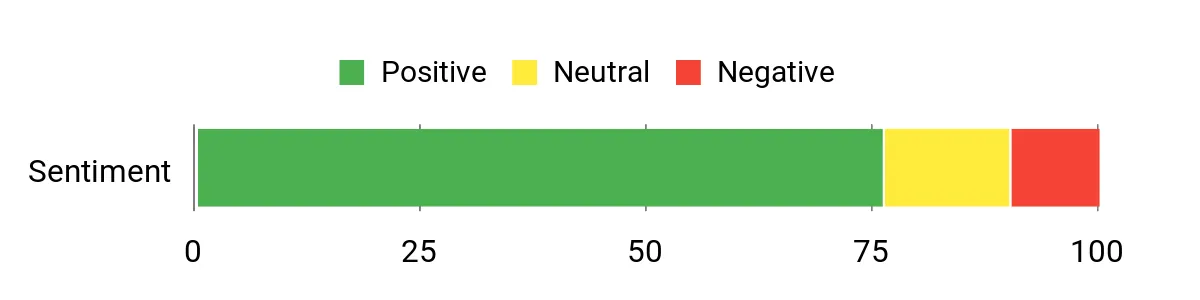
Review charts reflect a captured sample and are not live Amazon ratings. Check the newest listing reviews for current feedback.
Ease
|
Feature |
Ease Level |
|---|---|
|
Two-Person Setup |
Moderate |
|
Portability |
Difficult |
|
Interior Layout |
Easy |
|
Light Reduction |
Easy |
|
Ventilation Adjustment |
Easy |
Where to Use
Best for family car camping, festivals, group sites, and multi-day stays where sleep quality and a divided interior are more important than minimal packed size.
Key Benefits
- Dark-rest fabric reduces incoming morning light
- 14-by-10-foot family floor plan
- 84-inch center height
- Removable divider creates two interior zones
- Two doors and multiple mesh windows
View Product Details on Amazon
Before You Buy a Tent for an Extended Stay
- Check the actual campsite pad: Large family tents may not fit smaller developed tent pads once guy lines are extended.
- Size up for comfort: A tent advertised for six people is usually more comfortable for two to four occupants with beds and gear.
- Inspect the whole package at home: Confirm the poles, rainfly, stakes, guy lines, carry bag, and instructions are present.
- Practice setup: Learn the pole sequence and rainfly orientation before arriving in rain, darkness, or wind.
- Use a correctly sized footprint: It should remain under the tent floor rather than extending beyond it and collecting rainwater.
- Plan for drainage: Avoid depressions, runoff channels, dead branches, loose soil, and exposed ridges.
- Ventilate continuously: Keep appropriate vents open to reduce condensation, even during cooler weather.
- Consider UV exposure: Weeks of direct sunlight can weaken coatings and fabric. Use shade when practical and inspect exposed material regularly.
- Carry repair supplies: Include compatible patches, seam repair, spare cord, tape, and replacement stakes.
FAQ
How Do I Choose the Right Tent for Long-Term Camping?
Start with your real number of occupants, then size up to create room for bedding, bags, clothing, and a clear entry path. Prioritize standing height and divided space for a static family basecamp. Prioritize packed size and setup speed when you expect to move every few days.
Match the shelter to the season and location. A roomy family tent can be comfortable in normal three-season campground weather without being appropriate for alpine wind, snow loading, permanent occupancy, or unattended use.
How Much Larger Should My Tent Be Than My Group?
For an extended stay, choosing a capacity two or more people above the actual group size is often more comfortable. A six-person tent may work well for a couple with cots or a family of four using compact bedding, while a 10-person model may provide practical space for four to six people plus gear.
How Can I Keep My Tent Dry and Comfortable?
Pitch on well-drained high ground, use a properly sized footprint, secure every required stake, and tension the rainfly so wet fabric does not rest against the inner tent. Keep vents open when conditions allow and avoid pressing bedding or bags against damp walls.
Store wet footwear and rain gear in a protected area away from sleeping bags. After a storm, retension guy lines and inspect for water collecting on the fly or awning.
Can I Cook or Use a Heater Inside a Family Tent?
No. Do not operate camp stoves, charcoal grills, fuel-burning lanterns, generators, or unvented heaters inside a tent. They create serious fire and carbon-monoxide hazards. Cook outdoors in an appropriate area and follow the equipment manufacturer’s clearance instructions and campground rules.
Can I Leave a Camping Tent Set Up for Several Weeks?
You can use an appropriate tent for a managed multi-week recreational stay, but it needs regular inspection. Check stakes, poles, guy lines, seams, zippers, floor abrasion, water drainage, and UV-exposed fabric. Do not leave it unattended through severe weather, and follow campground stay limits.
What Maintenance Habits Extend Tent Life?
Let the entire tent dry before storage, including the underside of the floor and rainfly. Brush off dirt, remove sand and salt with appropriate gentle cleaning, and never machine-wash or tumble-dry the tent unless the manufacturer specifically permits it.
Store it loosely in a dry, temperature-controlled location when possible. Repair small damage early and avoid forcing snagged zippers or bent pole sections.
What Long-Stay Campers Usually Prioritize
Campers building a static family basecamp generally prioritize floor space, standing height, privacy, and ventilation. The CORE Cabin is the clearest space-first choice, while the EVER ADVANCED adds a dark-rest interior for campers who struggle with early light.
The UNP 6 Person offers a useful middle ground for smaller families, and the Coleman Sundome remains appealing when one or two campers prefer a compact, uncomplicated shelter. The Toogh is most compelling when moving camp regularly makes setup speed a primary concern.
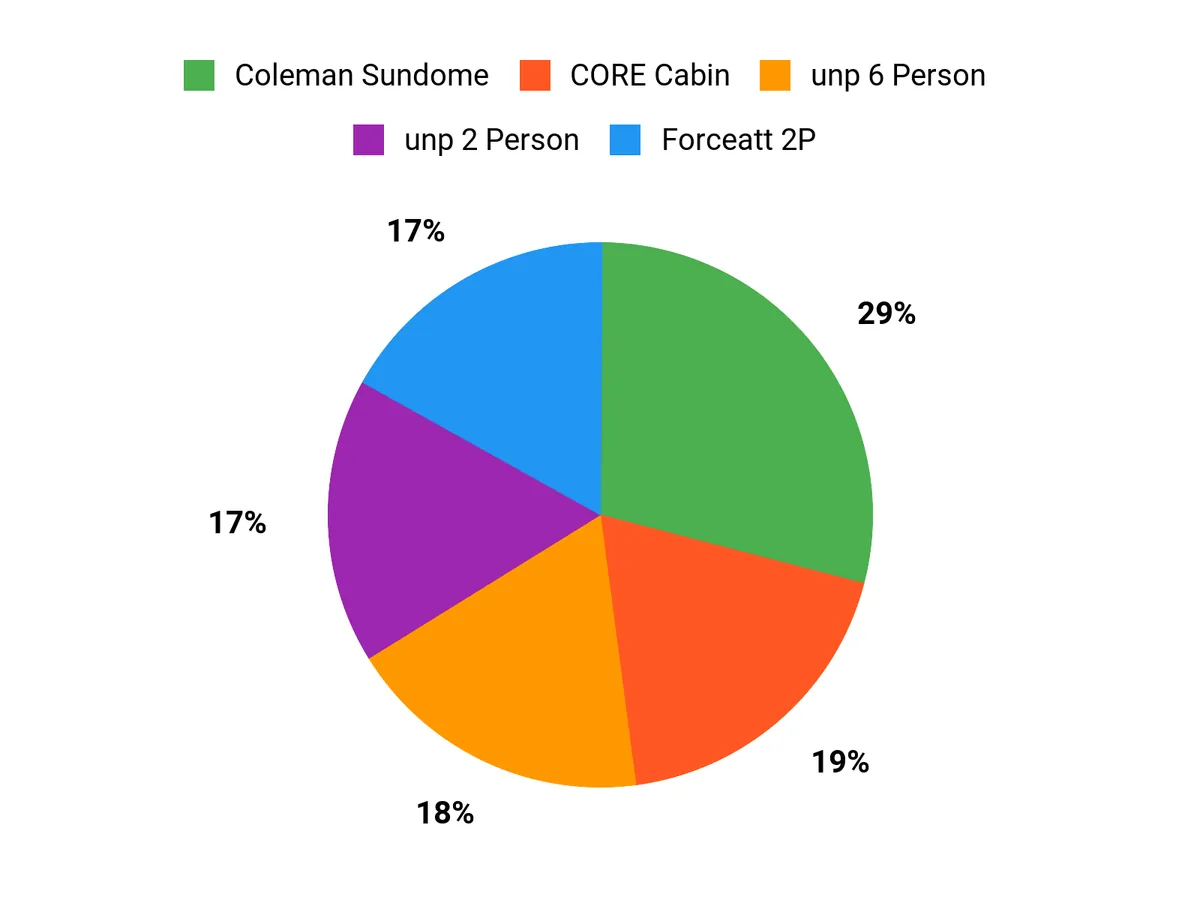
This preference chart reflects the article’s captured comparison rather than live sales or rating data.
Wrapping Up
The best long-term camping tent is not automatically the model with the largest advertised occupancy. It is the tent that gives your actual group enough usable space while remaining realistic to transport, pitch, dry, maintain, and fit on the campsite.
Choose the CORE Cabin when a roomy static basecamp is the priority. Choose the EVER ADVANCED when blackout comfort and divided space matter most. The UNP 6 Person is a practical family-value option, while the Coleman Sundome makes more sense for a solo camper or couple who want to minimize bulk.
Whichever tent you select, practice at home, use proper site preparation, ventilate the shelter, inspect it regularly, and keep every cooking or fuel-burning device outside.
Verified Spec Snapshot
| Product Name | Image | Advertised Capacity | Best For | Key Considerations |
|---|---|---|---|---|
| Coleman Sundome Camping Tent |
 |
4 Person | One or two campers seeking compact value |
|
| CORE Multi-Room Cabin Tent |
 |
12 Person | Large family basecamps |
|
| HIKERGARDEN 10 Person Camping Tent |
 |
10 Person | Large families wanting a conventional dome |
|
Affiliate disclosure: This roundup is reader-supported. When you click an affiliate link, we may earn a commission from qualifying purchases at no additional cost to you. Product specifications can vary by size, color, and listing revision, so confirm the selected Amazon option before ordering.
