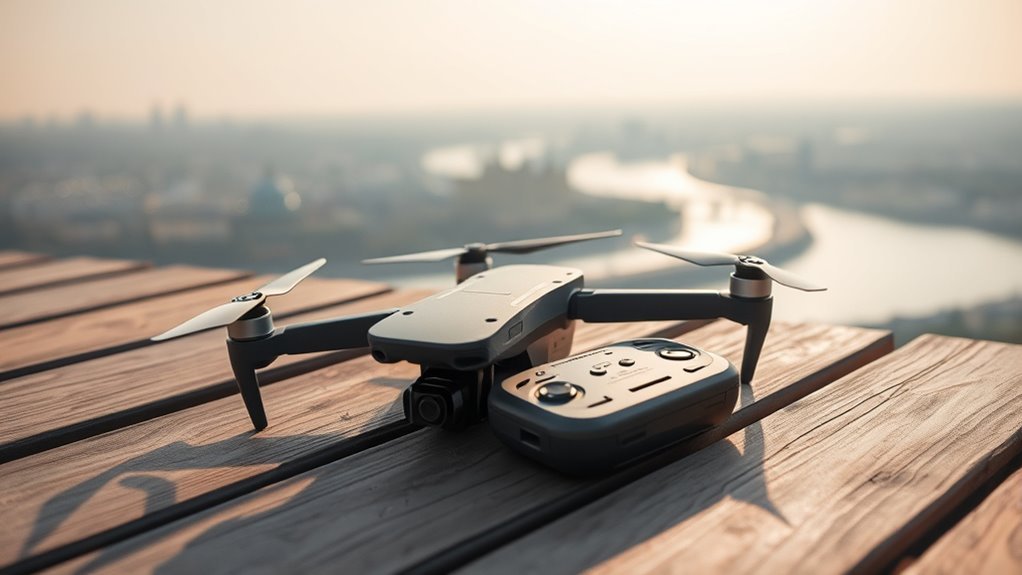
The Potensic Atom 2 is a compact 4K camera drone designed for beginners, travelers, and casual creators. It combines a 48MP camera, AI subject tracking, and a three-axis gimbal in a body weighing under 249g. But how does it compare with the popular DJI Mini 4K?
The answer depends on what you film, how much control you want over your photos, and which features you value most. This comparison examines the specifications, camera performance, flight time, safety limitations, and overall value of both drones.
Quick Answer
The Potensic Atom 2 is a strong choice if you want 48MP photos, 4K HDR video, and AI subject tracking in a lightweight drone. The DJI Mini 4K offers a simpler camera system, established DJI controls, and 4K video at 30fps. Both are beginner-friendly, but neither provides obstacle avoidance.
Last checked: October 11, 2026. Key specifications and regulatory information were checked against official manufacturer and FAA sources.
Key Takeaways
- The Atom 2 uses a 1/2-inch sensor and captures 48MP JPEG photos or 12MP RAW photos.
- The DJI Mini 4K records 4K/30fps video and offers 12MP JPEG and RAW photography.
- Maximum advertised flight times are 32 minutes for Atom 2 and 31 minutes for Mini 4K.
- Both advertise 10km maximum transmission under suitable FCC test conditions, not unrestricted legal flying distance.
- The Atom 2 offers AI tracking, but its lack of obstacle avoidance makes open flying areas essential.
Potensic Atom 2 Specs and Package
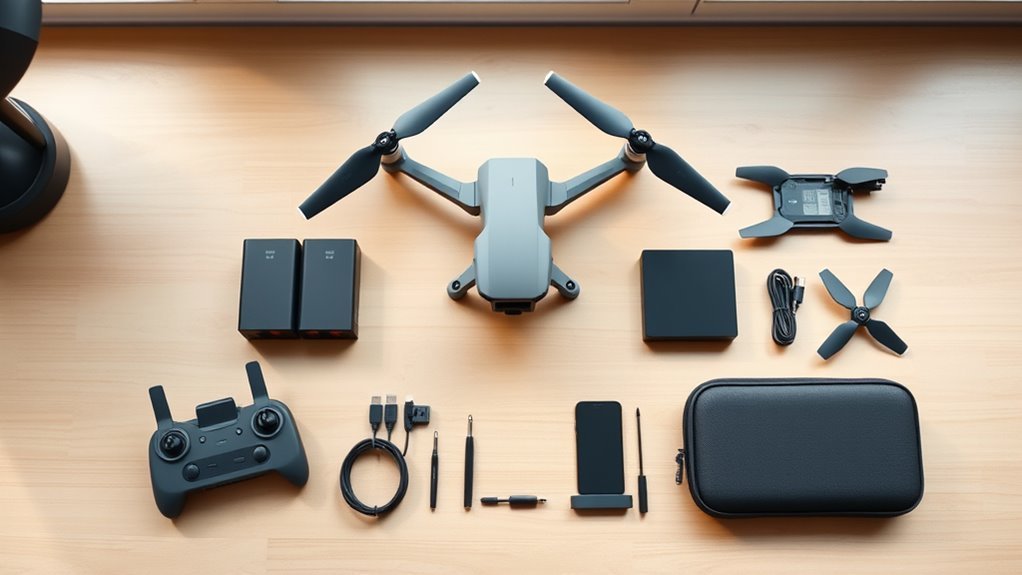
The Potensic Atom 2 is a foldable GPS camera drone that weighs less than 249g with its standard battery and required flight components. Its main strengths are high-resolution photography, intelligent shooting features, and a portable design.
Unlike the original Potensic Atom, which has a 12MP camera and 6km transmission specification, the Atom 2 uses a newer imaging system and PixSync 4.0 transmission technology.
The following specifications come from the official Potensic ATOM 2 product documentation.
- Takeoff weight: Under 249g with standard components.
- Camera sensor: 1/2-inch Sony CMOS.
- Photo resolution: Up to 48MP JPEG, with 12MP RAW capture.
- Video resolution: 4K at up to 30fps, including HDR support.
- Stabilization: Three-axis mechanical gimbal.
- Maximum flight time: Up to 32 minutes under manufacturer test conditions.
- Maximum video transmission: 10km under specified FCC conditions.
- Wind resistance: Level 5, rated at 10.7m/s.
- Intelligent features: AI Track, QuickShots, vertical shooting, and other creative modes.
- Obstacle avoidance: Not supported.
What Comes in the Box?
The Atom 2 is sold in different packages. The Standard Kit includes the drone, controller, one flight battery, spare propellers and screws, a gimbal protector, charging cable, phone connection cables, and basic maintenance accessories.
The Fly More Combo adds two more flight batteries, a fast-charging hub, a carrying bag, and additional replacement propellers.
For occasional flying, one battery may be enough to learn the controls. If you regularly shoot travel videos or landscapes, having three batteries gives you more opportunities to capture the right light without stopping for a recharge.
Potensic Atom 2 vs DJI Mini 4K: Specifications Compared
The Potensic Atom 2 and DJI Mini 4K share several important features. Both record 4K video at 30fps, use mechanical three-axis gimbals, and weigh under 249g in their standard configurations.
The biggest differences are photo resolution, camera modes, and intelligent subject tracking.
| Feature | Potensic Atom 2 | DJI Mini 4K |
|---|---|---|
| Weight | Under 249g | 246g |
| Camera sensor | 1/2-inch CMOS | 1/2.3-inch CMOS |
| Photos | 48MP JPEG / 12MP RAW | 12MP JPEG / RAW |
| Video | 4K/30fps HDR | 4K/30fps |
| Gimbal | 3-axis | 3-axis |
| Max flight time | 32 minutes | 31 minutes |
| Max transmission | 10km (FCC) | 10km (FCC) |
| Wind resistance | Level 5 | Level 5 |
| Subject tracking | AI Track | No equivalent continuous tracking |
| Obstacle avoidance | No | No |
The official DJI Mini 4K specifications confirm its 12MP camera, 31-minute maximum flight time, and three-axis gimbal.
These figures explain what each drone can do on paper. They do not establish which drone produces better footage in every setting.
Price and Value
The Atom 2 is not necessarily cheaper than the DJI Mini 4K. Prices depend on the retailer, package, promotions, and availability.
During this review, the Potensic official store displayed a $319.99 price for the single-battery Atom 2 configuration. The DJI official store listed its Mini 4K Fly More Combo at $449. These are different packages, so they should not be treated as a direct price comparison.
The original claim that the Atom 2 costs around $119.99 is not supported by these manufacturer listings. Likewise, a $499 price for the DJI Mini 4K should not be treated as its standard selling price.
To compare value fairly, consider the total price of the configuration you would actually use:
- Drone and controller: Check that both packages include a controller.
- Batteries: Compare the number of included flight batteries.
- Charging: Check whether a charging hub is included.
- Accessories: Account for cases, replacement propellers, and memory cards.
- Camera features: Decide whether tracking and advanced shooting modes matter to you.
If prices are similar, the Atom 2 offers more advanced camera and tracking features. The Mini 4K remains appealing if you prefer DJI’s controls and do not need continuous subject tracking.
Camera and Video
The Atom 2 has an advantage in advertised photo resolution and camera features. Its 1/2-inch sensor captures up to 48MP stills, while the DJI Mini 4K uses a 1/2.3-inch sensor for 12MP photos.
Both drones record 4K video at 30fps. The Atom 2 adds HDR recording and creative shooting options that give you more flexibility when producing videos.
However, resolution alone does not guarantee better image quality. Exposure, processing, lens performance, sharpening, and lighting all affect the final result.
The DJI Mini 4K is still capable of detailed daylight footage. Its RAW photo format also gives you room to adjust exposure and color during editing.
For social media clips and automated subject shots, the Atom 2 has more useful features. For straightforward aerial footage, either model can be a sensible choice.
Flight Performance
Flight endurance is almost identical on paper. Potensic advertises up to 32 minutes for the Atom 2, while DJI rates the Mini 4K at up to 31 minutes.
The one-minute difference is too small to decide a purchase. Wind, temperature, speed, camera use, and battery condition can change how long either drone stays airborne.
Both models support GPS-assisted positioning and return-to-home functions. Their mechanical gimbals help stabilize the camera during normal movement.
For a beginner, predictable control, a clear return path, and enough battery reserve matter more than the maximum laboratory flight-time figure.
Atom 2 Camera Quality: What Can You Expect?
The Atom 2 camera is designed for more than basic aerial snapshots. Its larger sensor, 48MP photo mode, 4K HDR recording, and manual exposure controls give you different ways to capture a scene.
In good daylight, these specifications make the Atom 2 suitable for landscapes, travel footage, and social media content. The three-axis gimbal helps keep the horizon steady during normal camera movement.
48MP JPEG vs. 12MP RAW
The Atom 2 can produce 48MP high-resolution JPEG photos. It also supports 12MP RAW capture, which retains more editing flexibility than a processed JPEG.
This distinction matters. You should not expect a 48MP RAW file just because the drone advertises 48MP photography.
The high-resolution mode may be useful when you want to crop a daylight image. RAW is a better starting point when you plan to adjust highlights, shadows, and colors carefully.
HDR and Low-Light Performance
The Atom 2 supports 4K HDR recording and an AI Night shooting mode. HDR is intended to preserve more visible detail across bright and dark areas of a scene.
Potensic also provides additional controls and shooting information in its ATOM 2 official FAQ.
These features can help with challenging light, but a small drone camera still has limits. Dark scenes may show noise, reduced fine detail, or visible processing.
For the cleanest footage, use adequate natural light and avoid expecting a small camera to match a larger professional sensor.
Video Stabilization
The Atom 2 uses a three-axis mechanical gimbal. Unlike electronic stabilization alone, this system physically adjusts the camera to compensate for movement.
That helps reduce visible shake during gentle turns, climbs, and forward flight.
Still, strong wind and sudden control inputs can affect the aircraft’s motion. Smooth stick movements usually produce more pleasing footage than aggressive changes in speed or direction.
Atom 2 Flight Time, Range, and Wind Handling
The Potensic Atom 2 advertises up to 32 minutes of flight time and a maximum 10km video transmission distance under specific test conditions. These are useful performance figures, but neither represents a guaranteed real-world result.
How Long Does One Battery Last?
Potensic measures its 32-minute maximum flight time in windless conditions while the drone flies at a steady speed.
Your experience may be shorter because takeoff, hovering, climbing, wind correction, and return flight consume energy.
Start returning while you still have a comfortable battery reserve. Waiting until the battery is nearly exhausted increases the risk of an emergency landing.
Can the Atom 2 Really Fly 10km Away?
The 10km figure describes maximum video transmission performance in suitable FCC test conditions. It is not a recommendation to fly that far.
Buildings, trees, terrain, radio interference, and antenna position can reduce the usable connection distance. You also need enough battery capacity to fly home.
In the United States, recreational drone operators must generally maintain visual line of sight. A manufacturer’s transmission rating does not override that requirement.
How Does the Atom 2 Handle Wind?
Potensic rates the Atom 2 for Level 5 wind resistance, approximately 10.7m/s. DJI gives the Mini 4K the same maximum wind-resistance rating.
That does not mean either drone should routinely fly in conditions near the stated limit. Gusts can make control harder, increase battery consumption, and slow the return flight.
For a beginner, calm weather and open space provide a better environment for learning.
Warning: Neither the Potensic Atom 2 nor the DJI Mini 4K has a full obstacle-avoidance system. Trees, wires, buildings, and other objects can still cause a collision during manual flight, automated shooting, or return to home.
Potensic Atom 2 Features That Matter
The Atom 2 stands apart from basic camera drones through its intelligent shooting features. These tools help you create more varied footage without manually controlling every camera movement.
AI Subject Tracking
AI Track includes Spotlight, Follow, and Parallel modes. Each gives you a different way to keep a moving subject framed.
- Spotlight: Helps keep the camera aimed toward the selected subject.
- Follow: Allows the drone to follow a recognized subject.
- Parallel: Supports tracking from a side-on perspective.
These modes are useful when filming a person walking, a subject moving across an open field, or a planned outdoor activity.
Tracking is not the same as obstacle avoidance. You must watch the aircraft, keep a clear flight path, and remain ready to take control.
QuickShots and Vertical Shooting
The Atom 2 includes automated camera movements for shots such as circles, rising views, and pull-away sequences.
Vertical shooting is another useful feature for social media content. It allows you to create footage designed for portrait viewing rather than always cropping a horizontal video afterward.
The DJI Mini 4K also offers QuickShots and panoramas, making it useful for simple automated footage. Its intelligent shooting functions do not provide the same continuous AI subject tracking as the Atom 2.
Controller, App, and Return to Home
The Atom 2 uses the Potensic Eve app with its standard controller. The app provides camera controls, flight information, intelligent modes, and recorded flight data.
It also supports features such as cruise control and dynamic Home Point updates. A dynamic Home Point can be helpful when your position changes during a flight.
Before takeoff, confirm that the home point is appropriate and the return route is clear. Automated return functions cannot guarantee avoidance of obstacles.
Do You Need to Register the Atom 2?
In the United States, a drone weighing less than 250g generally does not require FAA registration when flown solely under the recreational exception.
However, commercial and other non-recreational flights under Part 107 still require registration, regardless of the drone’s light weight. The FAA also requires recreational flyers to pass the TRUST safety test.
The FAA drone registration guidance explains the weight exemption and Remote ID requirements.
Remember that adding accessories or using certain heavier batteries can move a drone above the 250g threshold. Check the actual takeoff weight and rules that apply to your flight.
Recreational flyers must also respect airspace restrictions, obtain authorization when required, and follow the FAA recreational flying rules.
Who Should Buy the Potensic Atom 2?
The Potensic Atom 2 is a good match for someone who wants intelligent filming features without moving to a larger drone. Its camera, gimbal, and tracking modes provide room to learn more advanced aerial photography.
Good Reasons to Choose the Atom 2
- Travel photography: Its folding design and low weight make it easy to pack.
- Social media videos: Vertical shooting and AI tracking support more varied content.
- Landscape photography: The 48MP photo mode offers additional resolution for daylight images.
- Learning camera controls: Manual exposure settings and RAW photography provide opportunities to practice editing.
- Creative automated shots: Intelligent modes can simplify planned camera movements.
Who Should Consider Another Drone?
The Atom 2 may not be right if you need obstacle sensing, reliable tracking around complex structures, or advanced professional video capabilities.
Its 4K recording also tops out at 30fps. If you require 4K/60fps, you will need a different model.
Buyers who mainly want straightforward aerial footage may find the DJI Mini 4K sufficient, especially when it is available at a lower comparable package price.
Is the Potensic Atom 2 Worth It?
Yes, the Potensic Atom 2 is worth considering if its high-resolution photography, HDR recording, and intelligent tracking match your needs. It offers a strong feature set in a lightweight package.
However, the best purchase depends on the price difference between comparable kits. The Atom 2 should not be chosen simply because it is assumed to cost much less than the DJI Mini 4K.
Price-to-Performance Value
The Atom 2 delivers several features that basic drones lack, including higher-resolution still photography and automated subject tracking.
Its three-axis gimbal and GPS-assisted flight also make it a more capable camera platform than simple toy drones that rely only on electronic stabilization.
Before deciding, consider the extra cost of batteries, charging equipment, replacement parts, and a memory card.
For someone who frequently records outdoor activities, paying more for tracking features may make sense. For an occasional pilot, the simpler and potentially cheaper option may be better value.
Flight and Camera Quality in Everyday Use
Both drones are suited to recreational aerial photography, but their features support slightly different shooting styles.
The Atom 2 is more appealing when you want to follow a subject, experiment with HDR footage, or produce high-resolution daylight photos.
The DJI Mini 4K is well suited to basic landscape videos, panoramas, and conventional aerial photography using its 12MP sensor and three-axis gimbal.
Neither drone is intended to replace a professional camera aircraft in demanding conditions. You should also avoid relying on automated flight features in crowded or obstacle-filled environments.
DJI Mini 4K Comparison: Which Should You Choose?
The choice becomes easier when you match each drone to your main reason for flying.
- Choose Potensic Atom 2 if AI tracking, 48MP photos, HDR video, and creative shooting options are priorities.
- Choose DJI Mini 4K if you mainly want dependable basic controls, 4K aerial video, and standard photography features.
- Choose based on package cost if your needs are simple and both drones meet them.
- Choose neither if you require advanced obstacle detection or 4K video above 30fps.
For first-time pilots, both can provide a useful introduction to flying a stabilized camera drone. The important question is not which has the longest specification list, but which features you will actually use.
Frequently Asked Questions
Which Drone Is Better, the DJI Mini 4K or the Potensic Atom 2?
The Potensic Atom 2 is better for buyers who prioritize high-resolution photos and AI subject tracking. The DJI Mini 4K is a good choice for straightforward 4K filming and basic aerial photography. Neither is the better option for everyone, so compare the features and package prices that matter to you.
What Is the Best Drone Under 249 Grams?
There is no single best drone under 249g for every pilot. The Potensic Atom 2 is a strong option for AI tracking and 48MP photography, while the DJI Mini 4K offers simpler 4K capture. If you need advanced obstacle sensing or higher video frame rates, compare other models before buying.
Which Drone Is Better, the DJI Mini 4K or the Potensic Atom SE?
The DJI Mini 4K is generally the more capable choice for stabilized aerial video because it records 4K footage with a three-axis mechanical gimbal. The Potensic Atom SE is a more basic model that uses electronic image stabilization. Do not confuse the Atom SE with the more advanced Atom 2.
What Are People Saying About the Potensic Atom 2 Drone?
Independent reviews generally praise the Potensic Atom 2 for its detailed photos, stable 4K video, and useful tracking features. Common limitations include the lack of obstacle avoidance and reduced flexibility when editing 48MP JPEG files. Battery duration and handling can also vary with weather and flying conditions.
Does the Potensic Atom 2 Need FAA Registration?
The Potensic Atom 2 generally does not require FAA registration for flights conducted solely under the recreational exception when its takeoff weight stays below 250g. Recreational pilots must still complete TRUST and follow applicable flight rules. Part 107 operations require registration regardless of the drone’s weight.
Does the Potensic Atom 2 Have Obstacle Avoidance?
No. The Potensic Atom 2 does not have an obstacle-avoidance system that can safely detect and steer around objects during flight. Its AI tracking features do not change that limitation. Use automated modes in open areas, maintain visual contact, and be prepared to control the drone manually.
Conclusion
The Potensic Atom 2 is a capable compact drone with useful advantages in photo resolution, HDR video, and AI tracking. The DJI Mini 4K remains a strong alternative for pilots who prefer simpler aerial photography and familiar DJI controls.
Both offer stabilized 4K footage, similar claimed endurance, and lightweight designs. Neither provides advanced obstacle avoidance.
Compare the same battery configurations, consider the footage you want to create, and choose the model whose features justify its actual purchase price.
Sources
- Potensic ATOM 2 official product documentation: Camera specifications, transmission range, flight time, AI tracking, packages, and limitations.
- DJI Mini 4K official specifications: Camera resolution, flight time, wind resistance, transmission, stabilization, and shooting modes.
- Potensic ATOM 2 official FAQ: Wind handling, camera controls, battery compatibility, and intelligent features.
- Potensic official store: Atom 2 package pricing and configurations.
- DJI official store: Mini 4K Fly More Combo price and included equipment.
- Federal Aviation Administration drone registration guidance: Registration exemptions, Part 107 registration, and Remote ID requirements.
- Federal Aviation Administration recreational flying guidance: TRUST, visual line of sight, flight altitude, and airspace requirements.

