
You want a cabin tent that gives you more than a place to sleep. A useful screen room creates a bug-reduced space for relaxing, storing shoes and wet gear, or keeping the sleeping area less cluttered. The best choice also needs enough interior room for your group, practical ventilation, manageable setup, and weather protection suited to normal three-season car camping.
This guide compares four cabin tents that are presented as having an attached screened porch or screen room, covering compact couples and small families through larger group camps.
Affiliate disclosure:. As an Amazon Associate I earn from qualifying purchases. This roundup is reader-supported. When you click an Amazon link, we may earn a referral commission on qualifying purchases at no extra cost to you.
Top Picks
|
Category |
Product |
Best For |
|---|---|---|
|
🏆 Best Overall |
Large families wanting a true enclosed screen room |
|
|
🚀 Best Compact Pick |
Couples and small families prioritizing easier handling |
|
|
🔰 Best Mid-Size Value |
Weekend car camping with extra porch space |
|
|
🧡 Best for Larger Groups |
Families needing maximum sleeping and living space |
Quick Verdict
Choose the CORE 11P when the screen room is the main reason you are buying. Its separated front room gives a large family a more defined living or gear area.
Choose the Coleman 4P when you want a smaller footprint that is easier to transport and more realistic for two adults or a small family.
Choose the DMH 6P or 10P when you want a value-focused screened-porch layout and are comfortable confirming the current listing details, packed size, and included components before ordering.
How We Chose These Tents
We prioritized direct relevance first: every remaining tent is presented as having an attached screened porch or screen room rather than merely mesh windows or a mesh roof. We then compared practical sleeping space, usable porch space, ventilation, weather-protection features, setup demands, packed bulk, interior organization, and suitability for car camping.
Advertised person counts assume close sleeping arrangements. For a more comfortable trip with mattresses and gear, plan for fewer occupants than the maximum capacity and check the current Amazon listing for exact dimensions, materials, included parts, and care instructions.
Before You Buy
- Measure your campsite pad and compare it with the full tent footprint, including the porch.
- Decide whether the screened area needs a sewn-in floor or will mainly hold chairs, shoes, pets, and gear.
- Check packed weight and bag dimensions; these are car-camping tents, not backpacking shelters.
- Confirm whether two adults will be available for setup, especially with the larger models.
- Use a footprint or correctly sized groundsheet, stake every corner, and tension guylines according to the manual.
- Do not treat “water-resistant” or a millimeter coating specification as a promise of staying dry in every storm.
The CORE 11P is the strongest match for shoppers who specifically want a cabin tent with a usable screen room. The front screened space is separated from the main sleeping area, so it can function as a sitting area, a transition zone for dirty footwear, or protected storage for gear that you do not want beside your bedding.
Its tall cabin shape makes the interior easier to stand and move around in than a low-profile dome tent. That extra livability is the main advantage, but it also creates more fabric and structure to pitch, carry, dry, and repack. This is best treated as a two-adult car-camping setup rather than a lightweight or solo-friendly shelter.
Why You’ll Like It
- The attached screen room directly serves the article’s main buyer intent.
- Near-straight walls provide more practical headroom and edge space.
- The room separation helps keep shoes, chairs, and gear away from sleeping bags.
- Storage pockets and a gear loft make small essentials easier to organize.
- Multiple ventilation points can help manage warm-weather airflow.
Who Should Buy This
Buy it for family campgrounds, festivals, longer weekend stays, and trips where a bug-reduced living zone matters more than minimum pack size.
Who Should Avoid This
Skip it if you usually camp alone, must carry your tent far from the vehicle, have a very small tent pad, or want a fast instant-tent pitch.
What People Say
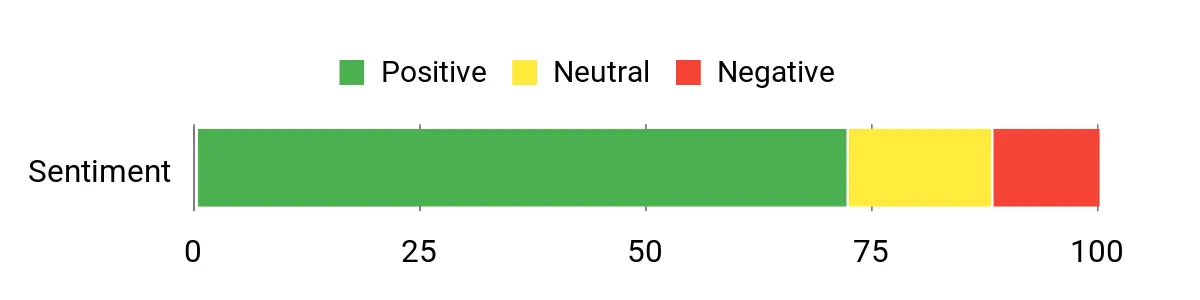
The article’s existing buyer-summary notes consistently emphasize the roomy layout, standing height, screen room, and ventilation. The recurring cautions are bulk, setup effort, and the need to pitch and tension the tent carefully for wet or windy conditions.
Overall Sentiment: Positive
Ease Of Use
|
Task |
Practical Expectation |
|---|---|
|
Setup With Two Adults |
Manageable with practice |
|
Solo Setup |
Possible but awkward |
|
Packing and Storage |
Bulky; allow drying space |
|
Using the Screen Room |
Simple and highly practical |
Key Limitation
The maximum advertised capacity is not the same as comfortable family capacity. Leave room for mattresses, bags, and a clear walkway rather than planning around the full headcount.
Check Current Amazon Availability
The Coleman 4P is the most practical option here for campers who do not need a huge sleeping cabin. Its screened porch can hold shoes, a pet bed, a couple of compact chairs, or damp gear while helping the main room stay cleaner. A smaller tent is also easier to position on crowded campground pads and generally less intimidating to pitch and repack.
Four-person labeling is best viewed as a maximum. For a comfortable setup with a mattress and personal gear, it is more realistic for two adults or a small family. The porch also needs thoughtful pitching because wind-driven rain can reach screened areas that are not fully enclosed by solid fabric.
Why You’ll Like It
- Smaller packed bulk than the large family models.
- Screened porch adds useful living and storage space.
- Cabin-style shape improves headroom relative to many compact dome tents.
- A practical choice for campground weekends, beach trips, and backyard use.
- Better fit for buyers who do not need multiple sleeping rooms.
Who Should Buy This
Choose it for two adults, a couple with a child, or campers who value a porch more than maximum sleeping capacity.
Who Should Avoid This
Skip it if you need separate bedrooms, want to sleep four adults with substantial gear, or expect the porch to stay completely dry in wind-driven rain.
What People Say
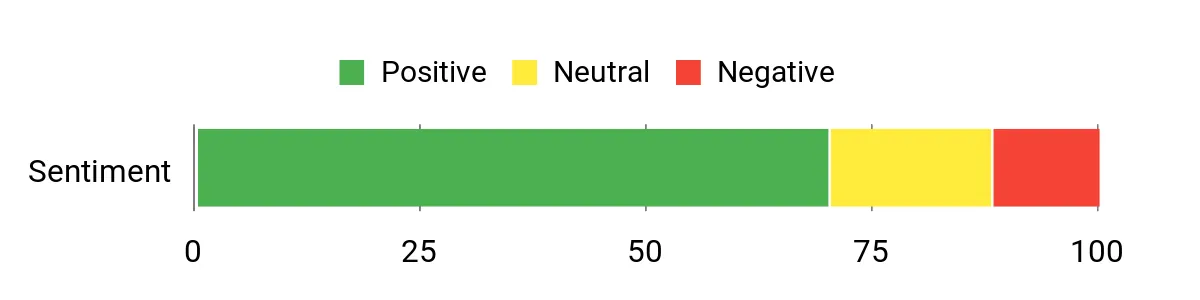
The article’s existing buyer-summary notes highlight the porch, manageable size, ventilation, and straightforward setup. The main caution is that an exposed screened porch may need careful orientation, staking, or an additional ground covering in wet weather.
Overall Sentiment: Positive
Ease Of Use
|
Task |
Practical Expectation |
|---|---|
|
Setup With Two Adults |
Relatively straightforward |
|
Solo Setup |
More realistic than larger picks |
|
Packing and Storage |
Moderate |
|
Using the Screen Porch |
Easy |
Key Limitation
The smaller sleeping room fills quickly once you add a large air mattress and bags. Check the current floor dimensions before choosing mattress sizes.
Check Current Amazon Availability
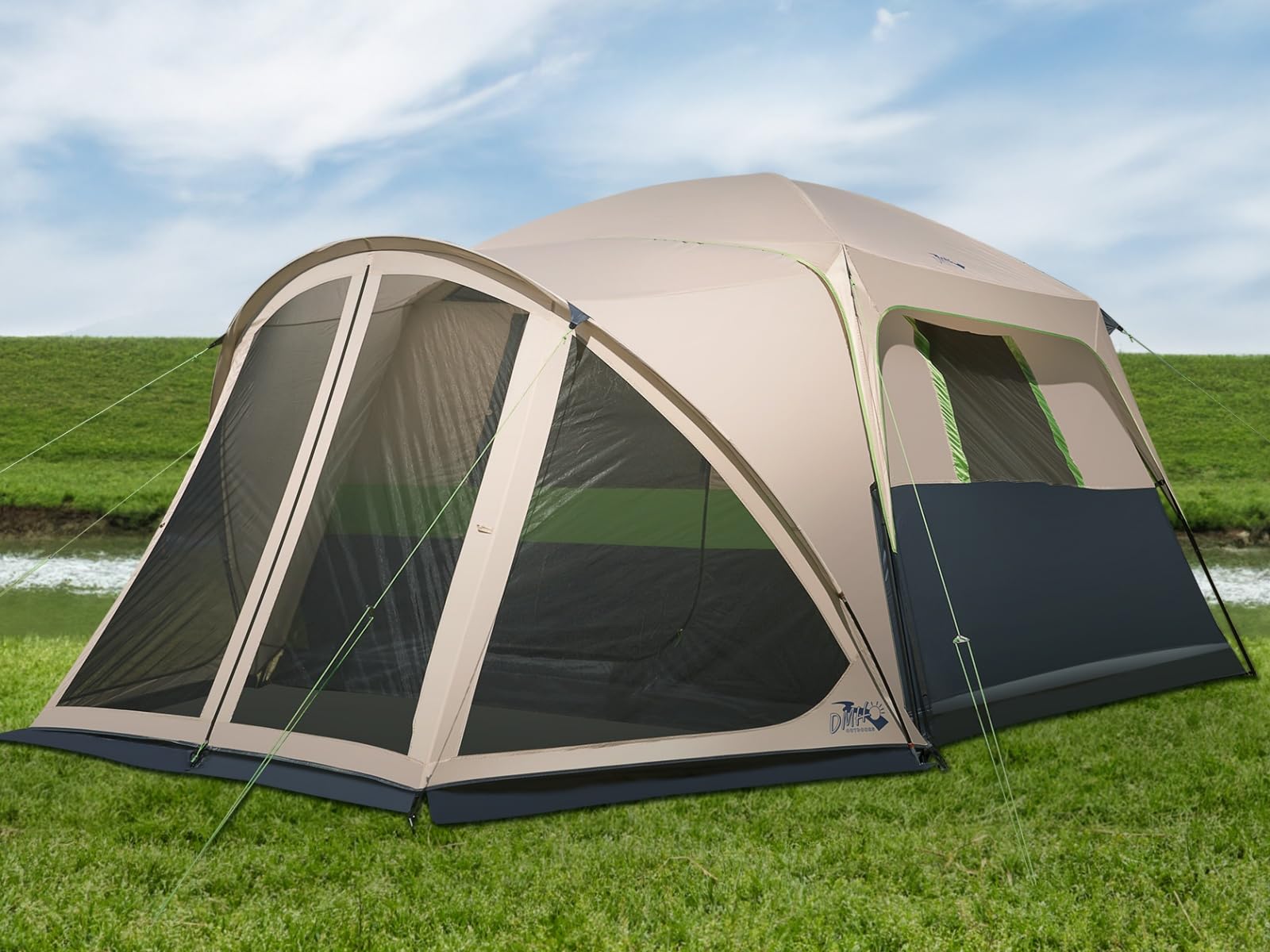
The DMH 6P sits between the compact Coleman and the larger family models. That makes it appealing for campers who want enough room for a mattress, bags, and a usable porch without committing to an extra-large shelter. The screened area can serve as a cleaner entry zone, a shaded sitting space, or a place to keep pet supplies and footwear.
The tradeoff is verification confidence. Exact specifications and included components can change by listing variation, so compare the selected Amazon option with the images, size chart, and package contents before ordering. Treat water-resistance language as a construction feature rather than a guarantee for severe weather.
Why You’ll Like It
- Balanced capacity for small-family car camping.
- Screened porch separates lounging or storage from the sleeping room.
- Near-vertical walls improve usable edge space.
- Interior pockets and hanging points can reduce floor clutter.
- More manageable than a ten- or eleven-person cabin tent.
Who Should Buy This
Choose it for weekend campgrounds, festivals, backyard sleepovers, or small families that want a porch without an oversized footprint.
Who Should Avoid This
Skip it if you need brand-level documentation for every specification, plan to backpack, or regularly camp in exposed high-wind locations.
What People Say
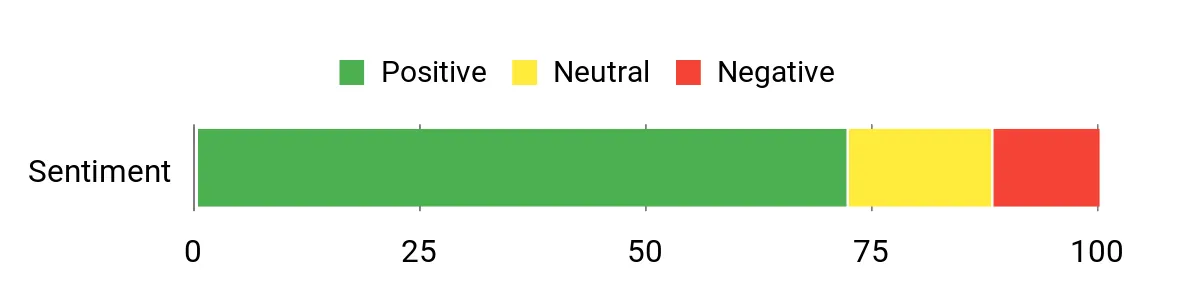
The article’s existing buyer-summary notes focus on the roomy interior, porch utility, ventilation, and organization features. The repeated caution is that its size and pole system make it better for vehicle-access camping than for long carries.
Overall Sentiment: Positive
Ease Of Use
|
Task |
Practical Expectation |
|---|---|
|
Setup With Two Adults |
Manageable |
|
Solo Setup |
Possible but less convenient |
|
Packing and Storage |
Moderate |
|
Using the Screen Porch |
Easy |
Key Limitation
Confirm the selected size and variation at checkout. Marketplace titles, images, and specification fields do not always describe every variation consistently.
Check Current Amazon Availability
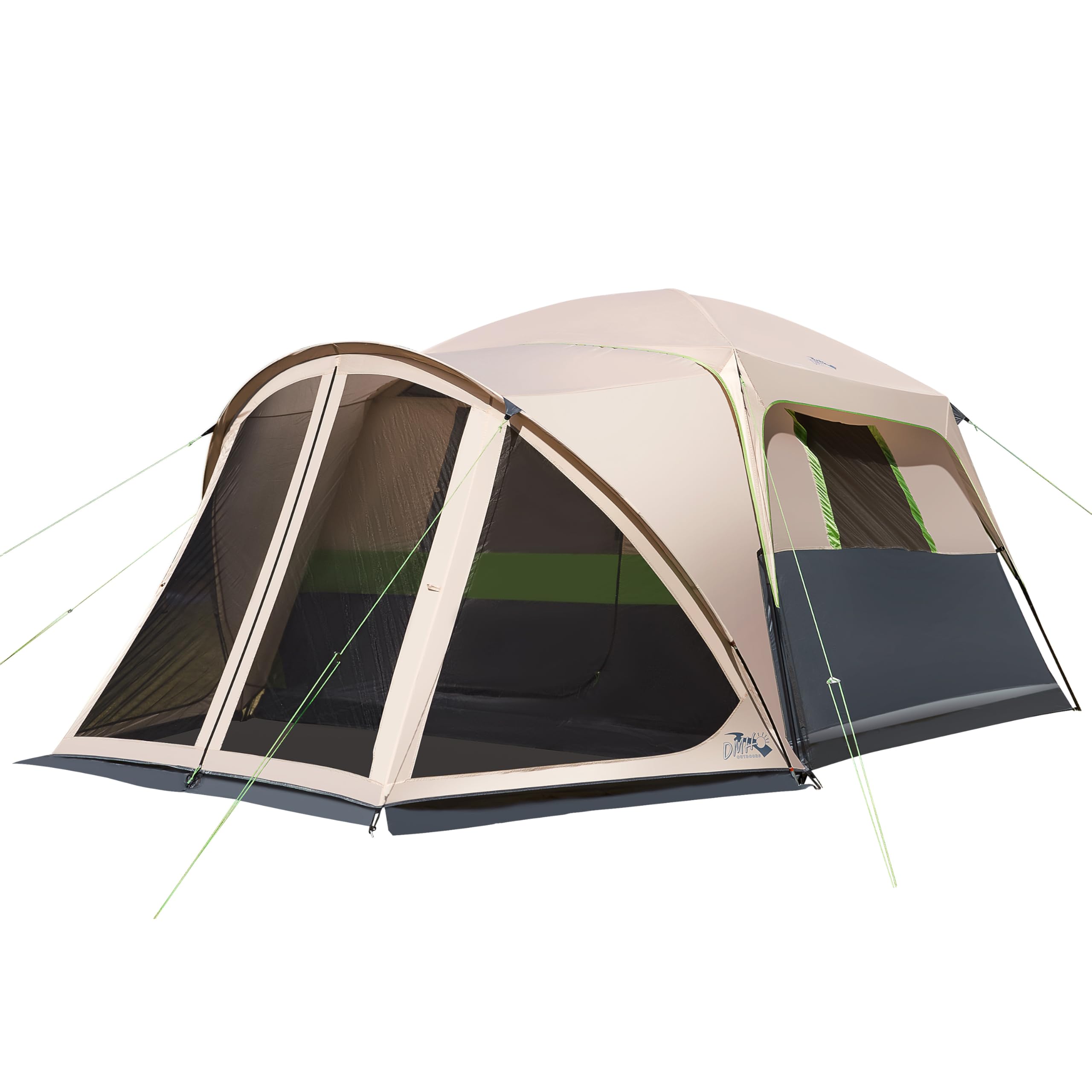
The DMH 10P is aimed at campers who need substantially more floor space. Its appeal is not just the advertised headcount; the larger cabin can give a family room for multiple mattresses, bags, and a clearer walkway, while the screened porch creates a shared transition or sitting area.
That capacity comes with predictable compromises. It needs a larger campsite, more storage room at home, and more time to dry after rain. Two adults should plan the setup, and buyers should verify the current selected variation because large marketplace listings can combine multiple capacities and specification sets.
Why You’ll Like It
- Large interior for family sleeping arrangements and gear.
- Screened porch provides a separate social or storage zone.
- Tall cabin walls improve standing room and furniture placement.
- Useful for festivals, reunions, and campground stays near the vehicle.
- Interior organization points can help control clutter in a large tent.
Who Should Buy This
Choose it for larger families, shared group camps, or anyone who values interior livability more than compact transport.
Who Should Avoid This
Skip it if your campground uses small tent pads, you expect to pitch alone, or you lack space to dry and store a large tent properly.
What People Say
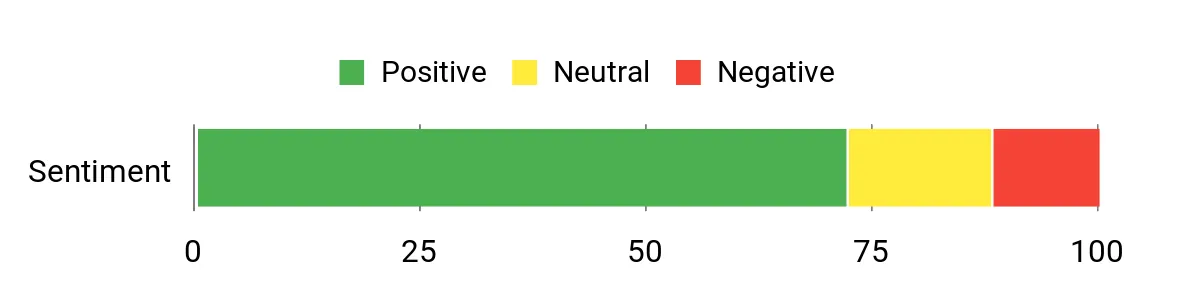
The article’s existing buyer-summary notes emphasize the spacious interior, porch utility, and suitability for group trips. The main cautions are transport bulk, storage demands, and the need for a careful two-person pitch.
Overall Sentiment: Positive
Ease Of Use
|
Task |
Practical Expectation |
|---|---|
|
Setup With Two Adults |
Manageable with space and preparation |
|
Solo Setup |
Not recommended for most campers |
|
Packing and Storage |
Bulky |
|
Using the Screen Porch |
Easy once pitched |
Key Limitation
Large advertised capacity can be misleading when mattresses and baggage are included. Sketch your planned sleeping layout before buying and leave a safe path to the exit.
Check Current Amazon Availability
FAQ
How Do I Choose the Right Tent Size?
Start with sleeping furniture, not the person rating. Check the floor dimensions against your actual air mattresses, sleeping pads, cots, bags, and desired walkway. For comfortable camping, choose a capacity above your group size unless everyone uses compact sleeping pads and carries little gear.
Does a Screen Room Keep Out All Rain?
No. Mesh reduces insects and improves airflow, but wind-driven rain can enter through screened sides. A rainfly, awning, porch floor design, campsite orientation, and proper guyline tension all affect how usable the area remains in wet weather.
Are Screen Rooms Worth It?
They are especially useful for warm-weather campground trips. A screened porch can hold chairs, shoes, pet supplies, toys, and damp gear while keeping the sleeping room cleaner. The tradeoff is a larger footprint, more fabric to dry, and additional setup time.
Should I Put a Tarp Under the Tent?
A correctly sized footprint can reduce abrasion and mud exposure. Keep it fully under the tent floor so rain cannot collect between the tarp and tent. Follow the manufacturer’s guidance, because an oversized exposed tarp can channel water beneath the floor.
How Can I Improve Weather Performance?
Practice pitching before the trip, use every required stake and guyline, orient the lowest or strongest side toward expected wind, avoid depressions where water collects, and inspect seams and coatings. Never rely on a large cabin tent for severe wind, heavy snow, or conditions outside its stated seasonal use.
How Should I Store a Cabin Tent?
Let every fabric layer dry completely before long-term storage. Remove dirt, follow the care instructions, avoid trapping moisture in the carry bag, and store the tent in a cool, dry location away from pests and direct heat.
Final Recommendation
The CORE 11P is the best overall choice for shoppers whose main requirement is a genuine screen room attached to a roomy cabin tent. It offers the clearest separation between sleeping and screened living space.
The Coleman 4P is the smarter compact choice for couples and small families. It gives you porch utility without the footprint and handling demands of a large group tent.
The DMH 6P and 10P are capacity-focused alternatives for buyers willing to check the current listing variation carefully before ordering. Choose the 6P for a more manageable family setup and the 10P when group space is the priority.
Quick Comparison
| Product Name | Image | Best For | Advertised Capacity | Screened-Area Role | Amazon |
|---|---|---|---|---|---|
| CORE Tent for Family Camping | 11 Person With Screen Room |
 |
Best overall screen-room layout | 11 person | Separated living or gear room | Check Amazon |
| Coleman Weatherproof 4-Person Cabin Tent |
 |
Couples and small families | 4 person | Compact porch or mudroom | Check Amazon |
| DMH Outdoors 6-Person Camping Tent |
 |
Mid-size family value | 6 person | Porch for gear or seating | Check Amazon |
| DMH Outdoors 10-Person Camping Tent |
 |
Larger families and groups | 10 person | Large social or storage porch | Check Amazon |

