
Rust prevention matters on any Toyota Tacoma that sees road salt, coastal air, mud, frequent rain, or long-term outdoor storage. Salt does not create corrosion by itself, but chloride residue and moisture speed the electrochemical process that attacks exposed steel, fasteners, brake lines, suspension parts, and damaged body panels.
A practical prevention plan combines regular inspection, salt removal, prompt paint repair, and a compatible corrosion inhibitor. You should also know when rust has progressed beyond a safe do-it-yourself repair and requires evaluation by a Toyota dealer, body shop, or qualified frame specialist.
Last updated: July 13, 2026
Quick Answer
Prevent Toyota Tacoma rust by rinsing salt from the underbody and wheel wells, repairing paint chips, keeping drain openings clear, inspecting the frame and brake lines, and applying a compatible oil- or wax-based corrosion inhibitor. Never cover deep scaling, perforation, or weakened structural metal with undercoating.
Key Takeaways
- Rinse road salt and packed debris from the frame, wheel wells, rocker areas, suspension, and underbody after meaningful exposure.
- Inspect paint damage and underbody corrosion before winter and again after the salt season.
- Choose a coating that is compatible with the truck’s existing finishes, rubber parts, wiring, and intended use.
- Keep corrosion inhibitors away from brakes, tires, belts, hot exhaust parts, and any area prohibited by the product label.
- Have deep scaling, holes, cracked mounts, or corroded brake and fuel lines professionally inspected.
At a Glance
| Time Required | About 30–60 minutes for inspection and rinsing; several hours for careful surface preparation and a full DIY coating application |
| Difficulty | Easy for washing and inspection; moderate for rust preparation and undercoating |
| Tools Needed | Flashlight, car-safe soap, hose or underbody rinse wand, microfiber towels, gloves, eye protection, rust-removal tools when appropriate, and approved lifting equipment if the truck must be raised |
| Cost | Varies by coating type, required rust repair, vehicle condition, local labor rates, and whether the work is DIY or professional |
Why Rust Is a Major Threat to Your Toyota Tacoma
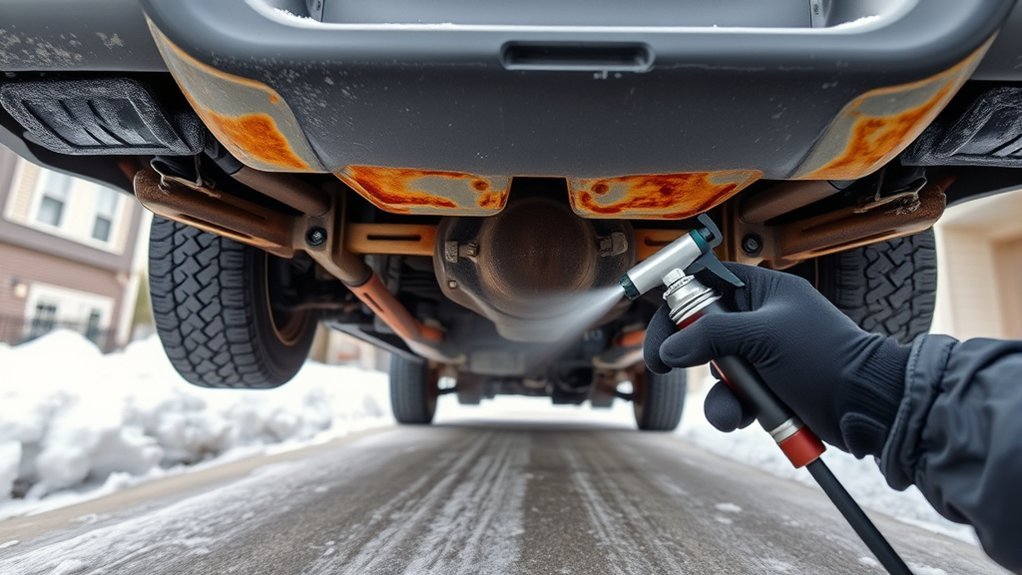
Road salt, brine, moisture, and oxygen create favorable conditions for corrosion. Chloride residue can remain in seams, frame openings, wheel wells, and areas hidden behind shields long after a winter storm has passed.
Rust often begins where paint, plating, seam sealer, or factory coating has been chipped or worn. Mud and debris can make the problem worse by holding salty moisture against the metal.
Areas that deserve close attention include the frame rails, crossmembers, suspension mounts, leaf-spring brackets, spare-tire hardware, brake and fuel lines, rocker panels, wheel arches, body seams, skid-plate mounting points, and exposed fasteners.
Light surface discoloration may be manageable, but swelling seams, layered scaling, holes, cracked mounts, or weakened frame metal require professional evaluation.
Surface Rust Versus Structural Corrosion
Surface rust usually appears as a thin orange or brown film without deep pitting or loss of metal thickness. It may be removable if the underlying steel remains solid.
Scaling corrosion produces thick flakes or layers that separate from the metal. This indicates measurable metal loss and should be evaluated carefully before treatment.
Perforation or structural corrosion includes holes, severe pitting, splitting seams, weakened mounting points, or metal that crumbles when probed. Undercoating cannot restore that lost strength.
Warning: Stop driving and arrange a qualified inspection if corrosion affects a brake line, fuel line, steering part, suspension mount, seat or cab mount, tow-hitch attachment, or major frame section. Do not rely on a spray coating to make weakened metal safe.
Essential Pre-Winter Maintenance for Rust Prevention
Complete a thorough inspection before road-treatment season begins. Correcting small paint defects and coating damage is easier before salt and moisture become trapped in those areas.
[Amazon Products Picked for You]

Coats metal parts to lubricate and protect against rust and corrosion by blocking out air and moisture. Protects for up to 2 years when used indoors and for up to 1 year when used outdoors

The information below is per-pack only

Easy to use spray seals and protects metal surfaces from corrosion and moisture
Regular Underbody Washing
Rinse the underbody after meaningful exposure to road salt or brine. If roads remain salty for an extended period, repeat the wash periodically instead of waiting until spring.
Focus on the frame, crossmembers, wheel wells, suspension parts, rocker-panel seams, tow-hitch area, spare-tire carrier, and spaces behind splash shields. Use a controlled water stream that removes residue without stripping sound coatings or forcing water into connectors.
A pressure washer can help, but keep the nozzle at a safe distance and avoid direct high-pressure spraying at electrical plugs, seals, boots, bearings, damaged undercoating, sensors, radiator fins, and other vulnerable components.
Pro Tip: Wash when temperatures are safely above freezing and allow the truck to drain. A rinse performed immediately before a hard freeze can leave water trapped in locks, seams, parking-brake parts, or other mechanisms.
Protective Coating Application
Inspect the truck before applying any corrosion inhibitor. Remove loose dirt, salt, and flaking material so the product can reach the intended surface. Follow the manufacturer’s drying, temperature, ventilation, and preparation instructions.
Oil- and lanolin-based products remain soft and can creep into seams. Wax-based products generally form a firmer barrier. Hard rubberized or asphalt-style coatings can resist abrasion when correctly applied to suitable metal, but they can also conceal corrosion or trap moisture if installed over contaminated, loose, or rusted surfaces.
Check compatibility with existing Toyota coatings, previous rustproofing products, rubber components, plastics, wiring, and repair materials. Fluid Film, for example, states that its automotive formulation may provide up to one year of protection, but it also warns that it may soften some undercoatings and affect non-oil-resistant rubber. See the manufacturer’s automotive guidance.
Inspecting for Rust Damage
Use a bright flashlight to inspect visible frame surfaces, welds, brackets, drain openings, and lines. Look for orange staining, bubbles beneath paint, cracked coating, loose flakes, swelling seams, and damp debris.
You may remove minor loose surface oxidation with an appropriate wire brush, abrasive pad, or sanding tool if the metal remains solid. Clean the area, use a compatible rust-treatment system, and finish it according to the coating manufacturer’s instructions.
Do not aggressively grind brake lines, fuel lines, thin sheet metal, or structural areas when you do not know how much sound metal remains. A professional can measure and inspect questionable components more safely.
Warning: Never crawl beneath a Tacoma supported only by a hydraulic or scissor jack. Use correctly rated ramps or jack stands on a firm, level surface, follow the owner’s manual lifting points, chock the wheels, and keep the parking system appropriately secured.
Effective Washing Techniques for Rust Prevention and Road Salt Removal
Use a methodical wash instead of spraying only the visible body panels. Salt collects in hidden areas, and a quick exterior wash may leave much of the corrosive residue beneath the truck.
- Choose safe conditions. Wash above freezing when possible and work in a well-drained area that permits vehicle washing.
- Rinse loose dirt first. Start with the body, wheel wells, frame, and underbody to remove abrasive grit.
- Use car-safe cleaner. Avoid harsh household detergents that can remove protective wax or damage finishes.
- Flush collection points. Direct moderate water flow through frame openings, around brackets, behind mud flaps, and along wheel-arch seams without forcing water into sealed components.
- Clean the painted body. Use clean wash media and separate rinse water to reduce scratching.
- Rinse thoroughly. Residual cleaner and loosened salt should not remain in seams or on metal.
- Allow drainage and drying. Open doors and the tailgate as needed, wipe painted seams, and park where air can circulate.
- Inspect afterward. Washing often exposes chipped coating, loose rust, leaking components, or damaged hardware that dirt had hidden.
Do not direct concentrated pressure at brake caliper boots, wheel-bearing seals, electronic modules, cameras, sensors, damaged wiring, or peeling underbody coating. Follow the pressure-washer and vehicle-manufacturer instructions.
Picking the Best Undercoating for Lasting Rust Protection
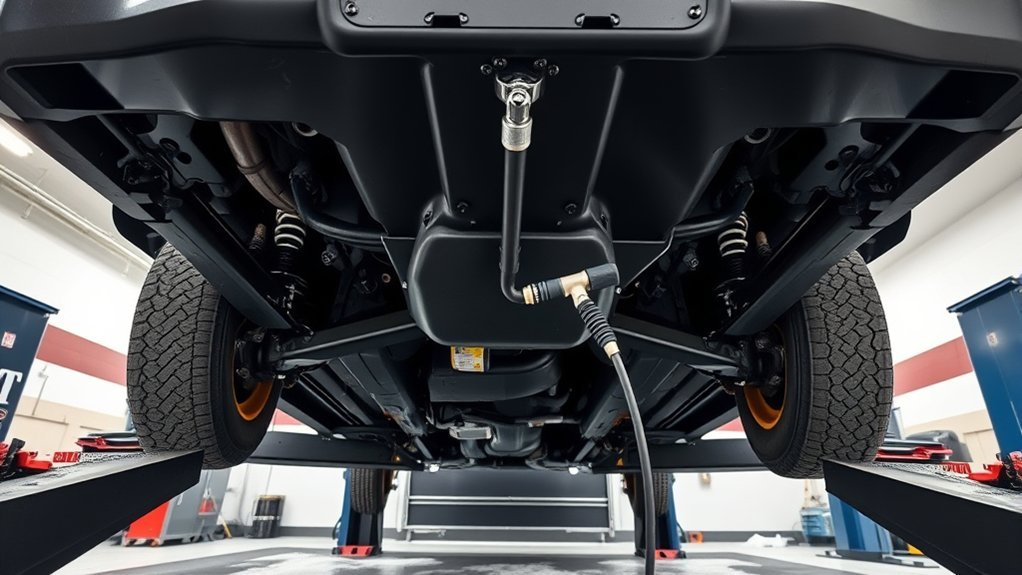
No single undercoating is best for every Tacoma. Your choice should account for existing rust, winter salt exposure, off-road use, previous coatings, maintenance access, local climate, and whether you want a DIY or professionally applied system.
[Amazon Products Picked for You]

VERSATILE AUTOMOTIVE UNDERCOATING: Perfect for use on bare or primed metal underbodies of cars, trucks, trailers, RVs and more
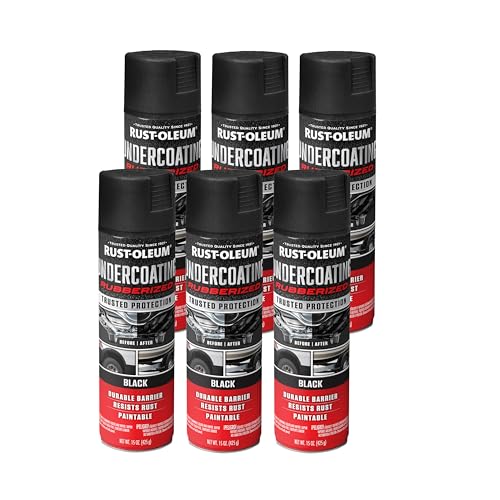
Perfect for use on bare or primed metal underbodies of cars, trucks, trailers, RVs and more

Perfect for use on bare or primed metal underbodies of cars, trucks, trailers, RVs and more
Compare Popular Undercoating Options
- Lanolin- or oil-based inhibitors: Products such as Fluid Film and similar soft coatings can creep into seams and remain flexible. They require inspection and periodic renewal.
- Wax-based coatings: Products such as Woolwax and other waxy inhibitors form a thicker flexible layer. Preparation and uniform coverage remain important.
- Professional oil-spray systems: Services such as Krown use proprietary application methods and access points. Ask about preparation, drilling, warranty terms, overspray, and annual inspection requirements.
- Thin corrosion-control fluids: Products such as ACF-50 may be suitable for selected metal or electrical applications when the label permits, but they should not be assigned a universal Tacoma service life.
- Hard underbody coatings: Rubberized, asphaltic, or similar coatings may protect properly prepared sound metal from abrasion. They are a poor choice when applied over active scaling, moisture, salt, or loose previous coating.
Do not select a product based only on thickness. A flexible coating that remains inspectable can be preferable to a hard layer that hides deterioration.
Application Techniques for Durability
Begin with a clean inspection. Remove packed mud, salt residue, oily contamination, and loose corrosion. Repair serious damage before coating it.
Mask or shield areas that must remain dry. Apply the product in controlled passes and follow the label for film thickness, number of coats, temperature, ventilation, cure time, and recoat timing.
Warning: Never apply corrosion inhibitor to brake rotors, pads, drums, tire tread, accessory belts, pedals, hot exhaust surfaces, catalytic converters, oxygen sensors, or any component excluded by the manufacturer. Overspray on a braking surface can seriously reduce stopping performance.
Keep drain holes and factory openings functional. Blocking a drain with thick coating can trap the moisture you are trying to prevent.
Seasonal Reapplication Recommendations
Inspect the coating before winter, after the salt season, and after heavy off-road use, pressure washing, repairs, or contact with rocks and brush. Renew areas that have become thin, washed away, contaminated, or damaged.
Do not assume that every product requires a six-month or annual schedule. Follow the written product instructions and evaluate real coating condition. High-spray areas near the wheels may need attention sooner than protected cavities.
Professional services may recommend recurring treatments as part of their program. Ask the provider to document the product used, preparation completed, areas treated, exclusions, and recommended follow-up interval.
Applying Protective Coatings: Fluid Film and Woolwax
Fluid Film and Woolwax are commonly discussed soft underbody coatings. Both are designed to create a flexible barrier rather than a rigid shell, but they are separate products with different application properties. Read the current label and technical instructions for the exact product you purchase.
Before application, wash away salt and dirt, inspect the metal, and let the area reach the condition required by the product instructions. Remove loose scaling, but do not hide structural damage. Protect brake parts, tires, exhaust components, belts, and other excluded areas from overspray.
Apply an even film to approved frame surfaces, seams, brackets, wheel-well metal, and other permitted areas. Use extension wands only when the product instructions support cavity application. Avoid filling drain holes or saturating materials that may swell, soften, or retain the coating.
After application, expect some soft coatings to attract dust or drip temporarily. Check the truck after the initial drive and clean any product that has migrated onto prohibited surfaces. Reinspect high-wash and high-impact areas through the season.
Note: A rust inhibitor slows additional exposure. It does not replace missing metal, rebuild a weakened frame, repair a leaking brake line, or make severe corrosion structurally sound.
[Amazon Products Picked for You]

Rust and Corrosion Prevention
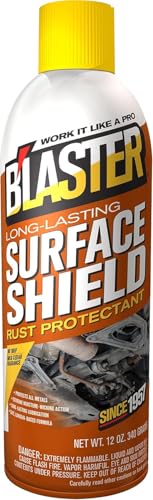
LONG-LASTING RUST PREVENTION SPRAY - Acts as a rust inhibitor to form a durable barrier that protects metal surfaces from moisture, salt, and rust in demanding conditions.

Use on any rusty, metal surface to Instantly convert rust to a flat black, paintable surface that is protected and prevents future rust
How to Spot Early Signs of Rust on Your Tacoma
Inspect your Tacoma in good light after washing it. Dirt can resemble rust, while thick grime may conceal corrosion.
- Orange or reddish staining: Often an early sign of exposed steel or rust bleeding from a seam.
- Bubbling paint: May indicate corrosion spreading beneath the finish.
- Cracked or lifting undercoating: Can allow water and salt to reach the metal below.
- Flaking layers: Suggest more advanced scaling and metal loss.
- Swollen seams or brackets: Rust expansion may be separating joined metal.
- Wet debris: Mud, leaves, and road material can hold moisture around drain points and brackets.
- Rusty brake or fuel lines: Require careful professional assessment because wall thickness is difficult to judge visually.
- Changes in alignment, noise, or handling: May have many causes, but corrosion around suspension or frame mounts should be ruled out.
Use caution when probing rust. A screwdriver or pick can puncture weakened lines and thin metal. Leave questionable structural areas to a qualified technician.
Tips for Maintaining Paint Integrity to Prevent Rust Buildup
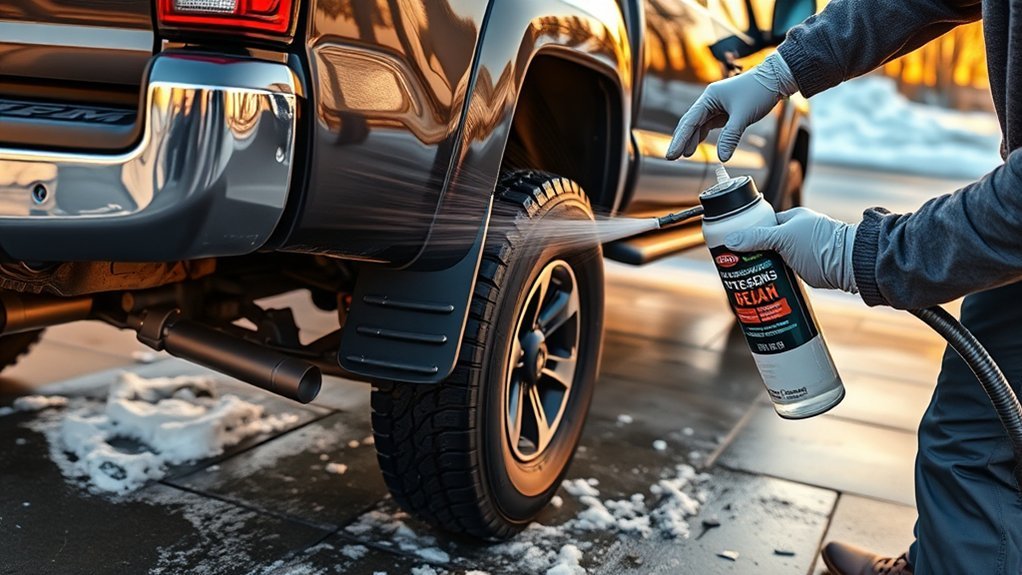
Paint is the primary corrosion barrier on the Tacoma’s exterior panels. Wash the body with car-safe products and protect sound paint with an automotive wax, sealant, or compatible ceramic paint coating.
Inspect the hood edge, roof edge, doors, tailgate, rocker panels, wheel arches, bed, and areas behind accessories for chips or scratches. Clean damaged paint, remove loose corrosion when appropriate, and use the correct primer, color coat, and clear coat for the size and location of the repair.
Small chips should be addressed before rust spreads beneath the surrounding finish. Larger damaged areas, bubbling paint, seam corrosion, or perforation usually require professional body repair.
Keep door, rocker, bed, and tailgate drain paths open. Do not push debris farther into cavities or use a tool that damages paint inside the opening.
Use clean microfiber towels, wash mitts, and separate rinse water to reduce scratching. Avoid dry wiping salty paint because salt and grit can act like abrasives.
Tacoma Owner Tips: Effective Rust Prevention Strategies
A repeatable seasonal routine is more useful than applying one product and forgetting about the truck.
Before Winter
- Wash and inspect the body, frame, wheel wells, lines, brackets, and suspension mounts.
- Repair paint chips and damaged protective coatings.
- Remove packed mud and clear safe drain openings.
- Apply a compatible corrosion inhibitor when conditions meet the product instructions.
- Record the product, date, and areas treated for future inspection.
During Road-Salt Season
- Rinse salt from the underbody and wheel wells after significant exposure.
- Inspect high-spray areas near the tires.
- Watch for coating loss, fresh orange staining, and trapped debris.
- Avoid dry-brushing or scraping salt across painted surfaces.
After Winter
- Perform a thorough body and underbody wash.
- Remove remaining mud, salt, and debris from accessible collection points.
- Inspect brake lines, fuel lines, frame sections, mounts, and previous repairs.
- Touch up damaged paint and renew worn corrosion inhibitor as directed.
When Buying a Used Tacoma
Do not judge a used truck only by clean paint or fresh black undercoating. Inspect underneath with good lighting and review service records, previous frame work, accident history, regional use, and corrosion-treatment records.
A thick new coating over dirty or flaky metal can conceal damage. Arrange a pre-purchase inspection when the truck has visible scaling, patched frame areas, recently applied undercoating, or a history in a high-salt region.
When Professional Rust Inspection or Repair Is Needed
Schedule a professional inspection when you find any of the following:
- Holes or soft spots in a frame rail or crossmember
- Heavy layered scaling that falls away in chunks
- Cracks near welds, suspension mounts, or hitch attachments
- Rust around leaf-spring, shock, control-arm, steering, cab, or bed mounts
- Corroded brake or fuel lines
- Uneven gaps, body movement, alignment changes, or unusual suspension noises
- A repair plate or weld of unknown quality
- Fresh coating that prevents the underlying metal from being inspected
Ask the shop to distinguish cosmetic corrosion from structural metal loss. A proper recommendation may include cleaning, measurement, component replacement, fabrication, frame repair, or taking the vehicle out of service.
Checking Toyota Recalls and Service Campaigns
Toyota has conducted model- and VIN-specific corrosion programs involving some older trucks. Do not assume that an old lawsuit article, forum post, or previous owner’s repair establishes current eligibility.
Enter the 17-digit VIN in the Toyota Safety Recall and Service Campaign lookup. You can also check the NHTSA recall database.
NHTSA explains that its VIN results may not show already completed recalls, some recalls older than 15 years, international recalls, or manufacturer customer-service campaigns. Contact Toyota or a Toyota dealer when the vehicle’s history remains unclear.
Related Guides
Frequently Asked Questions
What is the Toyota frame rust lawsuit?
Toyota previously faced litigation and offered model-specific corrosion inspections or remedies involving some older trucks. Coverage depended on factors such as model year, VIN, location, program terms, and deadlines. Check your VIN with Toyota and NHTSA instead of assuming an old settlement still provides compensation or repair coverage.
Do Toyota vehicles need additional rustproofing?
Not every vehicle needs an aftermarket treatment. The decision depends on salt exposure, coastal conditions, storage, intended ownership period, existing coating condition, and maintenance habits. Inspect the vehicle first and confirm that any added product is compatible with its factory materials and warranty requirements.
How do you prevent rust under a Tacoma after driving on salted roads?
Rinse the underbody, frame, suspension, wheel wells, brackets, and other collection points when temperatures permit. Remove packed debris, allow drainage, inspect for coating damage, and renew a compatible corrosion inhibitor where needed. Do not spray brake surfaces, tires, belts, hot exhaust parts, or prohibited components.
How long does Toyota rustproofing last?
Service life depends on the specific product, preparation, application thickness, mileage, salt exposure, off-road use, washing, and abrasion. Inspect the coating before and after winter and follow the written product or service-provider schedule. Fluid Film states that its automotive application may provide up to one year of protection, but this is not a universal guarantee.
Can you apply undercoating over existing rust?
Some corrosion inhibitors are designed for sound metal with light surface oxidation, but loose scaling, salt, mud, moisture, and structural damage must not simply be covered. Clean and inspect the area, follow the product instructions, and obtain professional advice when metal thickness or strength is uncertain.
Is surface rust on a Tacoma frame normal?
Light surface oxidation can occur on exposed steel, especially in wet or salty conditions. It should still be cleaned, inspected, and monitored. Thick flakes, deep pitting, swelling seams, holes, cracks, or corrosion near mounting points are not merely cosmetic and require professional inspection.
Conclusion
Toyota Tacoma rust prevention works best as an ongoing maintenance routine rather than a one-time coating job. Remove road salt, keep debris from holding moisture against the truck, repair paint damage, inspect vulnerable areas, and renew compatible protection when its condition requires it.
Stay cautious around brakes, tires, exhaust parts, wiring, rubber, drains, and existing factory coatings. Most importantly, do not hide serious scaling or perforation beneath fresh undercoating. Structural corrosion, damaged lines, and weakened mounts need qualified inspection and proper repair.
Sources
- Toyota Safety Recalls and Service Campaigns — official VIN-based Toyota recall and campaign lookup.
- National Highway Traffic Safety Administration Recall Lookup — VIN recall searches, recall limitations, investigations, and safety complaints.
- Fluid Film Automotive Applications — manufacturer guidance, stated protection period, applications, and compatibility warnings.
- Connecticut Road-Salt and Vehicle-Corrosion Guidance — explanation of chloride corrosion and underbody-washing recommendations attributed to Connecticut transportation authorities.
