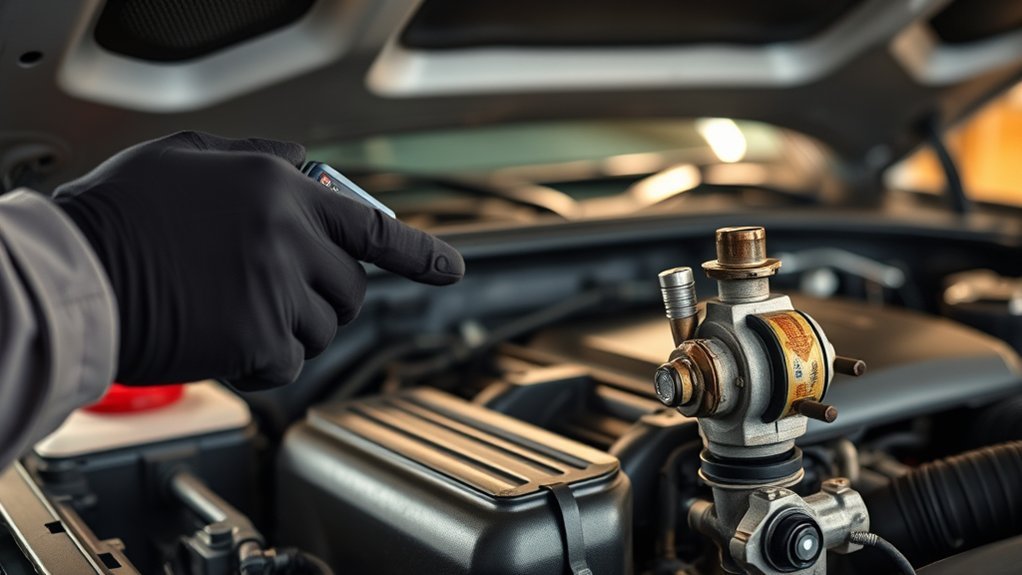
If your Toyota Tacoma has a rough idle, start with the basics before replacing parts. A shaky idle can come from a vacuum leak, worn spark plugs, a weak ignition coil, a dirty throttle body, a contaminated mass airflow sensor, poor fuel quality, clogged injectors, or even worn engine mounts. The right fix depends on the symptoms, the model year, and any diagnostic trouble codes stored in the truck’s computer.
This guide walks you through the safest order to check common Tacoma rough idle causes. It also explains when a DIY inspection makes sense and when a mechanic should diagnose the truck with a scan tool, smoke test, fuel-pressure test, or live-data review.
Quick Answer
A Toyota Tacoma rough idle is often caused by unmetered air, ignition misfires, dirty airflow parts, fuel delivery issues, or worn mounts. Read the OBD-II codes first, inspect vacuum hoses and intake connections, then check spark plugs, coils, the air filter, MAF sensor, throttle body, and fuel quality.
Key Takeaways
- Scan for codes before buying parts because rough idle can come from several systems.
- Vacuum leaks, dirty airflow sensors, worn spark plugs, and weak ignition coils are common starting points.
- Use the fuel grade listed in your Tacoma owner’s manual. TOP TIER detergent fuel matters more than buying premium octane when premium is not required.
- A flashing check engine light, stalling, fuel smell, overheating, or severe shaking means you should stop driving and get professional help.
At a Glance
| Time Required | 15 minutes for a basic visual check; 30 to 60 minutes for code scanning and simple cleaning checks |
| Difficulty | Beginner for inspection and code reading; intermediate for spark plug, coil, sensor, or throttle-body work |
| Tools Needed | OBD-II scanner, flashlight, gloves, basic hand tools, throttle-body cleaner, MAF-safe cleaner, and your model-year owner’s manual |
| Cost | Low for inspection and cleaning; higher if plugs, coils, sensors, injectors, mounts, or diagnostic labor are needed |
Warning: Do not keep driving if the Tacoma has a flashing check engine light, severe shaking, repeated stalling, a raw fuel smell, overheating, smoke, or very poor acceleration. These symptoms can point to a serious misfire, fuel leak, or engine problem that needs immediate diagnosis.
Identifying Common Causes of Rough Idle
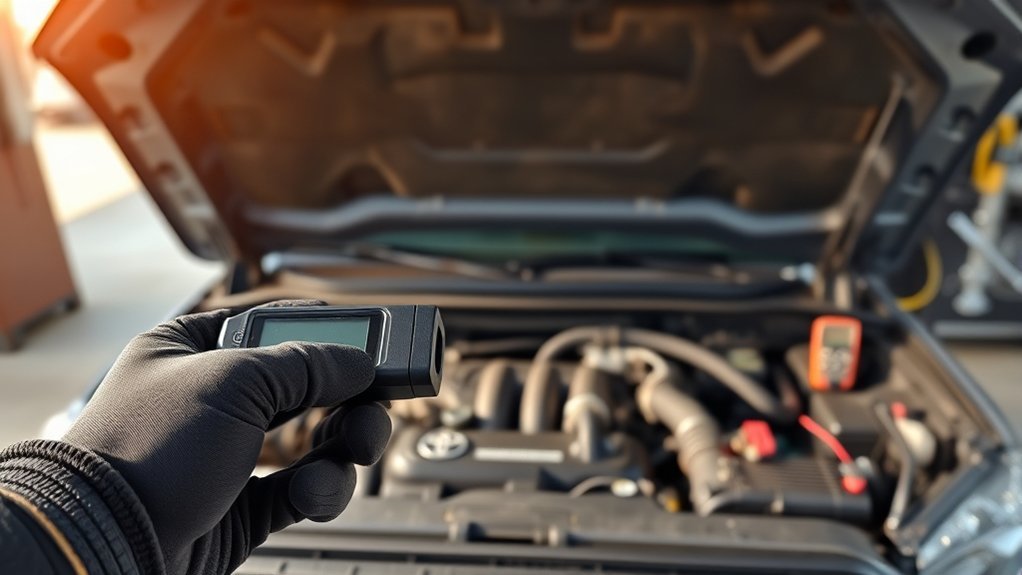
When your Toyota Tacoma starts to idle roughly, think in systems instead of guessing one part. The engine needs the right amount of air, fuel, spark, compression, and computer control. A problem in any of those areas can make the idle feel shaky, lumpy, or unstable.
- Vacuum leaks: Cracked hoses, loose intake clamps, leaking intake gaskets, or damaged PCV hoses can let extra air enter the engine. That can create a lean air-fuel mixture and unstable idle.
- Worn spark plugs: Old, fouled, or incorrectly gapped plugs can misfire at idle, especially when the engine is cold or under load.
- Weak ignition coils: A failing coil may cause a single-cylinder misfire. You may feel shaking at idle and see codes such as P0301 through P0306, depending on the cylinder.
- Dirty throttle body: Carbon around the throttle plate can reduce airflow control at idle. This is more noticeable when accessories are on or the truck is in gear.
- Dirty MAF sensor or restricted air filter: If the mass airflow sensor reads incorrectly, the engine computer may calculate the wrong fuel mixture.
- Fuel delivery problems: Contaminated fuel, clogged injectors, low fuel pressure, or a weak pump can cause hesitation, misfires, and rough idle.
- Worn engine or transmission mounts: The engine may run normally, but bad mounts can make normal vibration feel much worse inside the cab.
If your Tacoma’s warning light comes on, treat it as a clue, not a diagnosis. The truck’s computer may store codes that point you toward a misfire, lean condition, sensor fault, or fuel-system issue.
Note: Tacoma engines and parts vary by model year. Before replacing spark plugs, coils, sensors, or fuel-system parts, check your specific Toyota owner’s manual and maintenance guide.
Effective Troubleshooting Techniques for Rough Idle Issues
A good rough-idle diagnosis starts with evidence. Random parts replacement can waste money because a vacuum leak, dirty sensor, worn coil, fuel issue, and engine mount can feel similar from the driver’s seat.
- Write down the symptoms: Note whether the rough idle happens cold, warm, in Drive, in Park, with the A/C on, after refueling, or only after rain.
- Scan for OBD-II codes: Use a scanner to read stored, pending, and permanent codes. Codes guide testing, but they do not always prove a part is bad.
- Check for vacuum leaks: Inspect hoses, intake clamps, PCV lines, and visible gasket areas. A smoke test is the best professional method for small leaks.
- Inspect the intake path: Check the air filter, intake tube, throttle body, and MAF sensor. Use only MAF-safe cleaner on the MAF sensor.
- Check ignition parts: Look for worn plugs, damaged coil boots, oil in plug wells, or misfire codes tied to one cylinder.
- Review fuel clues: Think about recent refueling, water contamination, injector deposits, or symptoms under acceleration.
- Check mounts if the engine runs smoothly but the cab shakes: A mount problem can mimic rough idle even when the engine itself is not misfiring.
The on-board diagnostics system monitors emission-related components, turns on a warning lamp when it detects a relevant problem, and stores information a technician can use to find the fault. That makes a scan tool one of the best first steps.
Pro Tip: If the idle feels worse in Drive than in Park, do not treat shifting to Neutral as a fix. Use that detail as a diagnostic clue for engine load, mounts, idle control, or a misfire that appears under load.
What OBD-II Codes Can Tell You
An OBD-II scanner will not repair the truck, but it can narrow the search. Write down the exact codes before clearing them, then check whether they return after a drive cycle.
| Code Type | What It May Suggest | Next Check |
| P0300 or P0301-P0306 | Random or cylinder-specific misfire | Spark plugs, coils, compression, injector operation, wiring |
| P0171 or P0174 | Lean air-fuel mixture | Vacuum leaks, intake boot, MAF sensor, fuel pressure |
| P0101, P0102, or P0103 | MAF sensor range or airflow issue | Air filter, intake tube, MAF sensor, wiring connector |
| Idle-control related codes | Idle speed control or throttle control issue | Throttle body, electronic throttle system, wiring, relearn procedure where applicable |
If the scanner shows fuel trims, look for a pattern. High positive fuel trim at idle can support a vacuum-leak or low-fuel-delivery diagnosis. Misfire counters can also help identify whether one cylinder or multiple cylinders are involved.
Impact of Fuel Quality on Idle Performance
Fuel quality can affect idle performance, but the fix is not always premium gas. Octane and detergent quality are different. Use the octane rating listed for your Tacoma in the owner’s manual, and choose a clean, busy station when possible.
TOP TIER approved fuel is designed to meet a detergent standard supported by several automakers, including Toyota. It can help control deposits in fuel injectors, intake valves, and combustion chambers. That can support smoother running when deposits are part of the issue.
Still, fuel will not fix every rough idle. If your Tacoma has a vacuum leak, a dead coil, a fouled plug, a cracked intake hose, or a mechanical issue, better fuel may not change the symptom. Treat fuel quality as one piece of the diagnosis, not a guaranteed repair.
Use the correct octane first. If you want a fuel-quality upgrade, choose a TOP TIER detergent fuel rather than assuming premium octane is required.
Key Repairs for a Smooth Idle
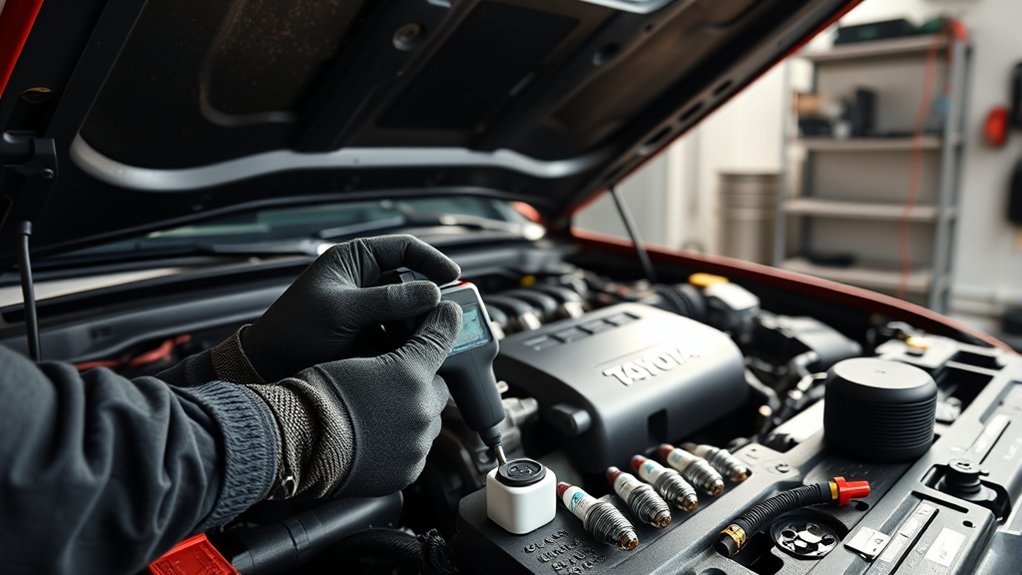
Once you know the likely system, focus on the repair that matches the evidence. A rough idle after a code scan and inspection usually points toward one of these areas.
- Clean the throttle body: Carbon buildup around the throttle plate can affect idle airflow. Follow the cleaner label and your service information, especially on electronic throttle bodies.
- Clean the MAF sensor: Use only mass-airflow-sensor cleaner. Do not touch the sensing wire or spray it with harsh solvent.
- Replace worn spark plugs: Use the correct plug type and gap for your model year. Wrong plugs can cause misfires or poor idle quality.
- Replace a failed ignition coil: If a misfire follows a coil during a swap test, the coil may be faulty. If the misfire stays on the same cylinder, keep testing before replacing more parts.
- Repair vacuum leaks: Replace cracked hoses, loose clamps, damaged intake boots, or leaking gaskets found during inspection or smoke testing.
- Address fuel delivery problems: A mechanic may test fuel pressure, injector balance, and injector pulse if codes or symptoms point to the fuel system.
- Replace worn mounts: If scan data looks normal and there are no misfires, worn engine or transmission mounts can still cause strong shaking at idle.
After cleaning or replacing parts, let the truck complete a normal warm-up and short drive. Some models may need an idle relearn procedure after battery disconnection or throttle-body work, so follow model-specific service information.
Is It Safe to Drive With a Rough Idle?
A mild rough idle with no warning lights may be safe for a short trip to a repair shop, but you should not ignore it. A small air leak or weak ignition part can become worse and may damage the catalytic converter if it causes ongoing misfires.
Stop driving and arrange service if the Tacoma stalls, shakes violently, smells like fuel, overheats, loses power, or shows a flashing check engine light. A steady check engine light still deserves diagnosis, especially if the rough idle is new or getting worse.
You should also check for recalls or service information that may apply to your exact truck. The NHTSA recall lookup lets you search by VIN or by year, make, and model for recalls, investigations, complaints, and manufacturer communications.
When to Get a Mechanic’s Help With Idle Issues?
Get a mechanic’s help when the rough idle continues after basic checks, or when the truck shows warning signs that need professional equipment. A shop can use scan data, smoke testing, compression testing, fuel-pressure testing, and cylinder balance checks to find the real cause.
Professional diagnosis makes sense if you notice any of these problems:
- The check engine light is on or flashing.
- The engine stalls at stops or almost stalls when shifting into gear.
- The idle surges up and down after the engine warms up.
- The truck shakes more in Drive than in Park.
- You smell fuel, hear hissing, or see damaged intake hoses.
- The same misfire code returns after plugs or coils were replaced.
- The rough idle started after recent repair work, battery replacement, or intake cleaning.
If you plan to DIY, do not clear codes before writing them down. Clearing codes can erase freeze-frame data that helps show engine load, temperature, RPM, and fuel-trim conditions when the fault happened.
Related Guides
Frequently Asked Questions
Why is my Toyota Tacoma rough at idle?
Your Toyota Tacoma may idle rough because of a vacuum leak, worn spark plugs, weak ignition coils, a dirty throttle body, a dirty MAF sensor, poor fuel quality, clogged injectors, low fuel pressure, or worn engine mounts. Start with an OBD-II scan and a visual inspection.
What is the most common cause of a rough idle?
A vacuum leak is one of the most common causes because it lets unmetered air enter the engine. Worn spark plugs, ignition-coil faults, dirty airflow sensors, and fuel problems are also common. The exact cause depends on symptoms, codes, and model year.
Why is my Toyota shaking when idling?
Idle shaking can come from an engine misfire, lean air-fuel mixture, dirty throttle body, bad spark plug, weak coil, or worn engine mount. If the engine speed is steady but the cab still shakes, inspect the mounts as well as the engine.
Can bad gas cause a Tacoma rough idle?
Yes, contaminated fuel or fuel with poor detergent quality can contribute to rough idle, hesitation, and deposits. Use the fuel grade listed in your owner’s manual. If you want better detergent quality, choose a TOP TIER fuel brand rather than assuming premium octane is needed.
Can I drive my Tacoma with a rough idle?
You may be able to drive a short distance if the idle is only slightly rough and there are no warning lights or severe symptoms. Do not keep driving if the check engine light flashes, the engine stalls, the truck shakes badly, smells like fuel, overheats, or loses power.
Will cleaning the throttle body fix rough idle?
It can help if carbon buildup is disrupting idle airflow, but it will not fix every rough idle. If codes show a misfire, lean condition, or sensor fault, diagnose those issues before assuming the throttle body is the cause.
Conclusion
A rough idle in your Toyota Tacoma is a symptom, not a diagnosis. Start with an OBD-II scan, inspect the intake and vacuum hoses, then check spark plugs, coils, airflow sensors, throttle-body condition, fuel quality, and engine mounts. Use the correct fuel for your model year, and treat warning lights or severe shaking seriously.
If the rough idle persists after basic checks, a professional diagnosis is the safest next step. A mechanic can test for leaks, fuel pressure, misfires, sensor data, and mechanical faults so you fix the real problem instead of replacing parts by guesswork.
Sources
- Toyota Owners Manuals and Warranties — supports model-specific owner’s manual and maintenance guidance.
- Toyota Warning Lights — supports consulting the owner’s manual or scheduling service for warning-light concerns.
- California Air Resources Board: OBD Program — explains that OBD systems monitor emissions-related components, illuminate a warning lamp, and store malfunction data.
- TOP TIER Fuel Standard — supports detergent-fuel guidance and the distinction between TOP TIER fuel availability and octane choice.
- NHTSA Recalls Lookup — supports checking recalls, investigations, complaints, and manufacturer communications by VIN or vehicle details.
