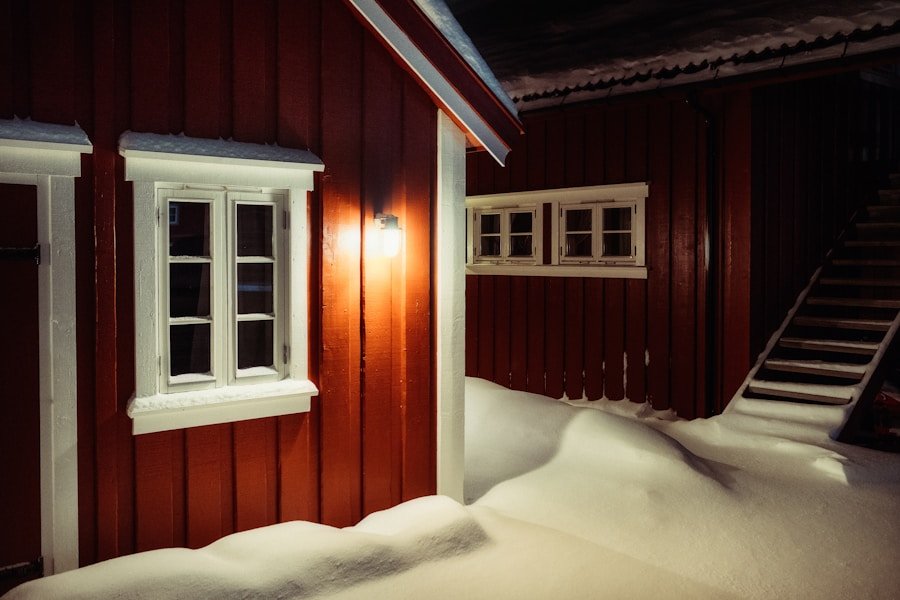
Winter insulation helps you keep more warmth inside your home, reduce drafts, and make cold rooms feel more comfortable without forcing your heating system to work harder than necessary. When temperatures drop, weak insulation, gaps around windows and doors, and unsealed attic or basement areas can let heated air escape quickly. Improving those areas gives you a warmer home, better energy efficiency, and fewer moisture problems during the coldest months.
Quick Answer
To use winter insulation effectively, start by finding heat-loss areas, seal air leaks first, then add the right insulation material for your attic, walls, basement, crawl space, or floors. Finish with thermal curtains, smart thermostat settings, and regular inspections so your home stays warmer and more efficient all winter.
Key Takeaways
- Proper winter insulation helps keep indoor temperatures comfortable while reducing heat loss.
- Seal air leaks around windows, doors, outlets, plumbing gaps, attics, and basements before adding insulation.
- Fiberglass, cellulose, spray foam, foam board, and reflective insulation each work best in different parts of the home.
- Window treatments, thermal curtains, and programmable thermostats can support insulation and improve comfort.
- Regular inspections help you catch moisture, pest damage, compressed insulation, and ventilation problems early.
At a Glance
| Time Required | A few hours for basic sealing and window treatments; one weekend or more for attic, basement, or crawl space insulation projects |
| Difficulty | Easy to moderate for DIY air sealing; moderate to advanced for large insulation upgrades |
| Tools Needed | Caulk gun, weatherstripping, utility knife, measuring tape, gloves, safety glasses, dust mask or respirator, flashlight, and insulation material |
| Cost | Low for draft sealing and curtains; higher for full attic, wall, crawl space, or professional insulation work |
Why Winter Insulation Matters
Winter insulation plays a crucial role in maintaining a comfortable indoor environment during the colder months. As temperatures drop, your home needs more heat to stay comfortable. If the home is not adequately insulated, heated air can escape through the attic, walls, floors, windows, doors, and small gaps around fixtures.
Insulation acts as a barrier against the cold. It slows heat transfer and helps keep the warmth generated by your heating system inside the living space. This improves comfort and supports energy efficiency because your home does not lose warmth as quickly.
Effective insulation can also help extend the lifespan of heating systems. When your home holds heat better, the heating system does not have to work as hard to maintain a consistent temperature. That can mean less strain on equipment, fewer comfort swings, and lower long-term maintenance needs.
Proper insulation can also reduce moisture and condensation problems. When warm indoor air meets cold surfaces, condensation may form. Over time, trapped moisture can contribute to mold growth, wood damage, and structural issues. Because of that, winter insulation is not only about comfort. It also helps protect the integrity of your home.
Note: Insulation works best when air leaks are sealed first. Insulation slows heat movement, but drafts can still carry warm air out and cold air in if gaps remain open.
Identifying Areas of Heat Loss in the Home
To insulate a home for winter effectively, you need to identify where heat loss occurs first. Common problem areas include attics, basements, walls, floors, crawl spaces, windows, doors, and utility openings.
Attics are often one of the biggest sources of winter heat loss because warm air rises. If the attic has poor insulation, gaps around ceiling penetrations, or unsealed access doors, warm air can escape into the attic and out through the roof area. A well-insulated attic helps keep the living areas below warmer and more comfortable.
Basements can also be problematic, especially when they are not insulated or when cracks in the foundation allow cold air to seep in. Cold basement air can make floors above feel chilly and can increase heating demand throughout the home.
Walls are another critical area. If exterior walls lack sufficient insulation, contain gaps, or have poorly sealed outlets and switches, heat can escape more easily. Windows and doors can also leak air around frames, sashes, thresholds, and trim.
A thorough inspection can help you pinpoint where improvements are needed. Look for cold rooms, uneven temperatures, drafts, visible gaps, damp spots, and frost or condensation on interior surfaces. Tools such as thermal imaging cameras can be useful for identifying cold spots that suggest heat loss, especially around walls, ceilings, and window frames.
Choosing the Right Insulation Materials

Selecting the right insulation materials is vital for maximizing energy efficiency and comfort during winter months. Different types of insulation work better in different areas, so the best choice depends on where you are installing it, how much space you have, and whether you need air sealing, sound control, or moisture resistance.
Fiberglass insulation is one of the most common choices because it is widely available and effective when installed correctly. It comes in batts or rolls and can be installed in walls, attics, floors, and some basement areas. However, fiberglass must fit snugly without gaps, compression, or missing sections. Poor installation can reduce its performance.
Spray foam insulation expands after application and can help fill gaps, cracks, and hard-to-reach spaces. It can provide strong air sealing and thermal resistance, especially around rim joists, rooflines, and irregular cavities. Because spray foam requires careful handling and correct application, larger jobs often work better with a trained installer.
Cellulose insulation is made from recycled paper products and is often used in attics and enclosed wall cavities. It can offer good thermal performance and can fill small gaps when dense-packed. It is usually treated for fire resistance, but it still needs proper moisture control and installation.
Foam board insulation is another useful option for basement walls, crawl space walls, rim joists, and some exterior applications. It provides a rigid layer of thermal resistance and can help reduce heat loss through concrete or masonry surfaces.
Reflective insulation can be useful in specific applications where radiant heat transfer is a concern. It usually works best with an air space and should not be treated as a replacement for bulk insulation in cold climates.
When choosing insulation materials, consider R-value, moisture exposure, fire safety, installation requirements, local building codes, and whether the area needs ventilation. R-value measures how well insulation resists heat flow. Higher R-values generally provide better resistance, but the right target depends on your climate zone and the part of the home you are insulating.
Warning: Always keep insulation away from heat-producing fixtures unless the fixture is rated for insulation contact. Follow local code and manufacturer instructions around recessed lights, chimneys, flues, and electrical equipment.
[Amazon Products Picked for You]

Brand: Wrap-On Company
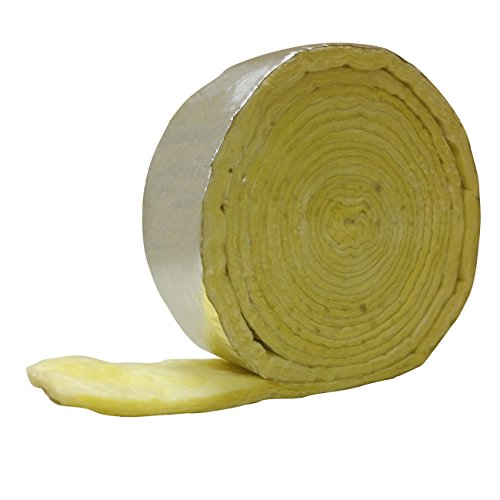
The product is manufactured in china

Coverage: One pack covers 77.5 square feet, containing 8 batts
Sealing Air Leaks and Drafts
| Metrics | Value |
|---|---|
| Average air leakage rate in homes | Varies by age, construction quality, climate, and sealing level |
| Common energy loss from air leaks | Can be significant in older or poorly sealed homes |
| Potential savings from sealing air leaks | Depends on home size, leakage, fuel type, climate, and heating habits |
| Common draft locations | Windows, doors, attic hatches, outlets, plumbing gaps, vents, rim joists, and foundation cracks |
Before adding insulation, it is crucial to address existing air leaks and drafts that may undermine its effectiveness. Air leaks can occur around windows, doors, electrical outlets, plumbing fixtures, attic access panels, baseboards, dryer vents, and gaps around pipes or wires. These openings allow cold air to enter while letting warm air escape.
Start with a simple draft inspection. On a cold or windy day, feel around window frames, door edges, attic hatches, outlet covers, and basement rim joists. Look for daylight around exterior doors, visible gaps in trim, loose weatherstripping, and cracks near foundations.
To seal air leaks, use the right material for each gap. Caulk works well for small stationary cracks around trim, window frames, and door frames. Weatherstripping works better for movable parts, such as door jambs and operable windows. Foam sealants can fill larger gaps around pipes, wiring holes, and foundation cracks when used correctly.
In addition to these methods, door sweeps can reduce cold air entering under exterior doors. Outlet gaskets can help reduce drafts at exterior-wall electrical boxes. Attic hatch covers and foam board boxes can improve insulation around pull-down stairs and access panels.
By sealing air leaks before insulating, you make the insulation more effective. You also reduce drafts, improve comfort, and help your heating system maintain a steadier indoor temperature.
Pro Tip: Focus first on the attic floor, basement rim joists, exterior doors, and visible gaps around utilities. These areas often provide noticeable comfort improvements for a modest cost.
[Amazon Products Picked for You]

Everything needed to create custom color caulk

【A Must-have Caulking Tool Kit In Your Home】Whether you’re a DIY enthusiast, a professional, or just want to get the job done right, our caulking tool kit is the right choice for your home renovation or home improvement project. Transform bathrooms, sinks, showers, kitchens – you name it! We’re here to help your projects come to life with tools you can count on.
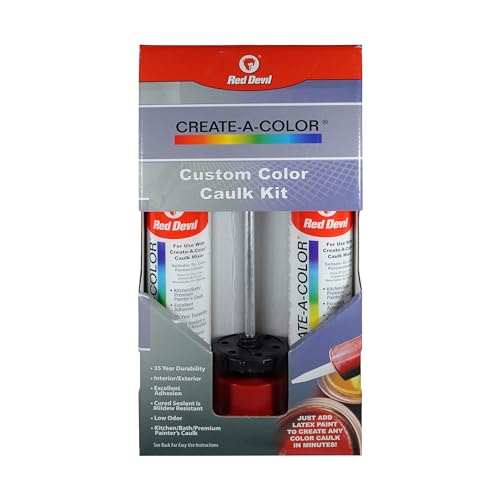
ALL IN 1 CAULK TINTING KIT: Includes 2 tubes of Create-A-Color Caulk, 1 Standard Caulk Mixer and 1 Syringe to custom color the caulk using ordinary latex paint
Insulating the Attic for Winter
The attic deserves special attention because warm air naturally rises. If your attic is under-insulated or poorly sealed, heat can escape from the living space below. That can leave upstairs rooms cold and increase heating demand.
Before adding insulation, seal gaps around plumbing pipes, electrical wires, chimneys, recessed lights, and attic hatches. Air sealing is important because insulation alone does not stop warm air from leaking through holes.
Next, check the existing insulation depth and condition. If it looks compressed, uneven, damp, moldy, or disturbed by pests, it may not perform well. Add compatible insulation only after addressing moisture, roof leaks, and ventilation issues.
Loose-fill cellulose or fiberglass can work well for open attic floors because it fills around framing and irregular spaces. Fiberglass batts can also work when fitted carefully, but gaps and compression reduce performance. Keep soffit vents clear by using baffles where needed so the attic can ventilate properly.
[Amazon Products Picked for You]

Reflective & Waterproof Design: Dual-layer aluminum foil reflects heat and sunlight while blocking moisture, maintaining ideal indoor temperatures year-round.

Well Sealed Window Vents: Our portable ac window insulated foam panels provide a reinforced seal for windows and panels, preventing hot air from entering and cold air from escaping. Keep your room comfortable while also effectively reducing outside noise

USA Manufactured: Proudly made in the USA; Note: Customer signature required
Insulating Basements, Crawl Spaces, and Floors
Basements and crawl spaces can make the rooms above feel cold when they are not insulated or sealed. Cold air can enter through rim joists, foundation cracks, sill plates, vents, and gaps around pipes. Once cold air enters these areas, it can chill floors and make the heating system work harder.
For basements, consider insulating the rim joist area and exposed foundation walls when appropriate. Foam board and spray foam are common options because they can help reduce heat transfer through concrete and seal small gaps. Any moisture problem should be fixed before insulation is installed.
Crawl spaces need careful moisture control. In many homes, sealing and insulating crawl space walls works better than insulating the floor above, but the best choice depends on the crawl space design, climate, drainage, and local building code. Vapor barriers, drainage, and ventilation strategy matter because trapped moisture can damage wood and insulation.
Floors over garages, crawl spaces, and unheated basements may benefit from insulation between joists. The insulation should touch the subfloor above without being compressed, sagging, or exposed to airflow. If air can move through or around the insulation, performance drops.
Utilizing Window Treatments for Insulation
Windows are often a significant source of heat loss in homes during winter months. Even when the glass is in good condition, cold surfaces and small gaps around frames can make nearby rooms feel chilly. Window treatments can add a helpful layer of insulation and improve comfort.
Thermal blinds or shades are designed with insulating materials that help reduce heat transfer through windows. These treatments can be drawn down at night to retain warmth and opened during the day to allow sunlight in. This is especially useful on south-facing windows that receive winter sun.
Cellular shades are another popular choice. Their honeycomb structure traps air and creates an additional insulating layer between the room and the window. They come in various styles and colors, so you can improve comfort without giving up your preferred decor.
Reflective window films can help in some situations, but they are not always the best choice for every window or climate. If you rely on winter sunlight for passive warmth, be careful with films that reduce solar heat gain. Choose window treatments based on the room, sun exposure, privacy needs, and comfort problems you are trying to solve.
Utilizing Thermal Curtains and Blankets

How Thermal Curtains Work
Thermal curtains are made from thick, insulated fabric that helps block cold drafts from entering through windows while retaining warmth inside. These curtains often include a lining that adds an extra layer of protection against heat loss.
They work best when they cover the full window area and hang close to the wall or window trim. Wider curtains can reduce cold air movement around the sides, while longer curtains can help limit drafts near the sill or floor.
Maximizing Insulation with Thermal Curtains
Homeowners should consider hanging thermal curtains over windows at night or during particularly cold days to maximize their insulating properties. This simple step can make a noticeable difference by helping keep cold air out and warm air in.
During sunny winter days, open curtains on windows that receive direct sunlight. Close them again once the sun fades. This simple routine lets you capture free heat during the day and reduce heat loss at night.
Thermal Blankets for Added Warmth
Thermal blankets can be used on beds or draped over furniture to provide additional warmth in living spaces. These blankets are designed with materials that trap heat close to the body, making them useful for chilly nights.
By incorporating thermal curtains and blankets into your winter preparation strategy, you can create cozy spaces that minimize heat loss while improving overall comfort. These options are especially helpful for renters or homeowners who want low-cost upgrades before tackling larger insulation projects.
Using Programmable Thermostats to Optimize Heating
A programmable thermostat is an invaluable tool for optimizing heating efficiency during winter months. It allows you to set specific heating schedules based on your daily routine, so energy is not wasted when no one is home.
For example, you can program the thermostat to lower the temperature during work hours and raise it shortly before you return home. This keeps the home comfortable when you need it while reducing unnecessary heating when the house is empty.
Many modern programmable thermostats also include smart features that allow remote access through smartphones or tablets. This can help you adjust heating settings on the go, track energy use, and receive alerts about unusual temperature changes.
A thermostat cannot replace insulation, but it can work with insulation to improve comfort. When your home holds heat well, scheduled temperature changes are more effective because the home loses warmth more slowly.
The best winter comfort strategy combines insulation, air sealing, moisture control, and smart heating habits. No single upgrade works as well as the full system.
Managing Moisture and Ventilation
Winter insulation must be paired with moisture control. Warm indoor air carries moisture, and when that air reaches cold surfaces, condensation can form. If moisture becomes trapped inside walls, attics, basements, or crawl spaces, it can damage insulation and create conditions for mold.
Start by fixing roof leaks, plumbing leaks, foundation seepage, and drainage problems before adding insulation. Damp insulation loses performance and can make indoor air quality problems worse.
Ventilation also matters. Attics often need balanced intake and exhaust ventilation so moisture can leave the space while the insulation stays dry. Crawl spaces and basements may need different strategies depending on whether they are vented, sealed, conditioned, or damp.
Bathrooms, kitchens, and laundry rooms should exhaust moist air outdoors, not into attics or crawl spaces. Use exhaust fans during showers and cooking, and make sure dryer vents are connected and clear.
Warning: Do not cover attic vents, block combustion appliance air supply, or seal a home so tightly that moisture and indoor pollutants cannot escape. When in doubt, ask a qualified insulation, HVAC, or building professional.
Maintaining Insulation for Long-Term Effectiveness
Once insulation has been installed, ongoing maintenance is essential for long-term effectiveness. Over time, insulation materials may settle, shift, become compressed, or become damaged by moisture or pests. Any of these problems can reduce performance.
Regular inspections of attics, basements, crawl spaces, and accessible wall or floor areas can help you identify issues early. Look for wet spots, moldy smells, pest nesting, missing sections, sagging batts, compressed insulation, and gaps around penetrations.
You should also maintain proper ventilation in areas like attics and crawl spaces to prevent moisture buildup that could compromise insulation integrity. Make sure vents are clear of obstructions and functioning correctly. If insulation has blown into soffit vents, add baffles or clear the blockage carefully.
After storms, roof repairs, plumbing leaks, or pest problems, inspect nearby insulation. Wet or contaminated insulation may need replacement. By prioritizing regular maintenance and addressing issues promptly, you can enjoy the benefits of your insulation investment for many winters to come.
Common Winter Insulation Mistakes to Avoid
One common mistake is adding insulation before sealing air leaks. This can leave drafts in place and reduce the value of your upgrade. Always seal gaps first, then insulate.
Another mistake is compressing insulation. Fiberglass batts and similar materials need air pockets to resist heat flow. When insulation is squeezed into tight spaces, it may not perform as intended.
Homeowners also sometimes block attic ventilation by pushing insulation into soffits. This can trap moisture and contribute to roof deck problems. Use vent baffles when needed to keep airflow open.
Ignoring moisture is another serious issue. If you install insulation over damp surfaces or inside areas with active leaks, the insulation can become wet, moldy, or ineffective. Fix water problems before insulating.
Finally, avoid mixing materials without understanding how they work together. Some combinations can trap moisture or create code issues. For large projects, unusual homes, or older houses, professional guidance can help prevent expensive mistakes.
If you are looking to enhance your home decor this winter, you may also be interested in checking out the 5 Most Attractive Picture Frames to Enhance Your Home Decor article. These picture frames can add a touch of style and personality to any room, complementing the cozy atmosphere created by effective winter insulation.
Related Guides
Frequently Asked Questions
What is winter insulation?
Winter insulation refers to the materials and techniques used to keep a building or space warm during the cold winter months. This can include materials such as fiberglass, foam, cellulose, foam board, or reflective insulation, along with methods like weatherstripping, caulking, and sealing air leaks.
Why is winter insulation important?
Winter insulation is important because it helps maintain a comfortable indoor temperature, reduces heat loss, supports lower energy use, and reduces strain on heating systems. Proper insulation can also help limit condensation, drafts, and cold surfaces when paired with air sealing and moisture control.
How can I use winter insulation effectively?
To use winter insulation effectively, identify heat-loss areas, seal air leaks, choose the right insulation material, install it without gaps or compression, and control moisture. It is also important to inspect insulation regularly so it remains dry, clean, and properly positioned.
What are some common types of winter insulation materials?
Common winter insulation materials include fiberglass, spray foam, cellulose, foam board, mineral wool, and reflective insulation. Each type has its own advantages, cost range, installation method, and moisture considerations, so the right choice depends on the area you are insulating.
Are there any safety considerations when using winter insulation?
Yes. Wear protective gear, follow manufacturer instructions, avoid breathing dust or fibers, and keep insulation away from heat sources unless the fixture is rated for insulation contact. You should also maintain ventilation, avoid trapping moisture, and follow local building and fire-safety requirements.
Should I seal air leaks before or after adding insulation?
Seal air leaks before adding insulation whenever possible. Air leaks allow warm air to escape and cold air to enter, even when insulation is present. Caulking, weatherstripping, foam sealant, and attic hatch sealing can make insulation perform better.
Can thermal curtains replace wall or attic insulation?
No. Thermal curtains can reduce drafts and heat loss around windows, but they do not replace proper attic, wall, basement, crawl space, or floor insulation. They work best as a supporting upgrade alongside air sealing and proper insulation.
Sources
- U.S. Department of Energy Energy Saver: Insulation — supports insulation basics, R-value considerations, and home energy efficiency guidance.
- U.S. Department of Energy Energy Saver: Air Sealing Your Home — supports air sealing, draft reduction, and common leak locations.
- ENERGY STAR: Seal and Insulate — supports the value of sealing and insulating key home areas.
- U.S. Environmental Protection Agency: Indoor Air Quality — supports moisture, ventilation, and indoor air quality considerations.
